What Need For Business
Description
Get your form ready online
Our built-in tools help you complete, sign, share, and store your documents in one place.
Make edits, fill in missing information, and update formatting in US Legal Forms—just like you would in MS Word.
Download a copy, print it, send it by email, or mail it via USPS—whatever works best for your next step.
Sign and collect signatures with our SignNow integration. Send to multiple recipients, set reminders, and more. Go Premium to unlock E-Sign.
If this form requires notarization, complete it online through a secure video call—no need to meet a notary in person or wait for an appointment.
We protect your documents and personal data by following strict security and privacy standards.

Make edits, fill in missing information, and update formatting in US Legal Forms—just like you would in MS Word.

Download a copy, print it, send it by email, or mail it via USPS—whatever works best for your next step.

Sign and collect signatures with our SignNow integration. Send to multiple recipients, set reminders, and more. Go Premium to unlock E-Sign.

If this form requires notarization, complete it online through a secure video call—no need to meet a notary in person or wait for an appointment.

We protect your documents and personal data by following strict security and privacy standards.
Looking for another form?



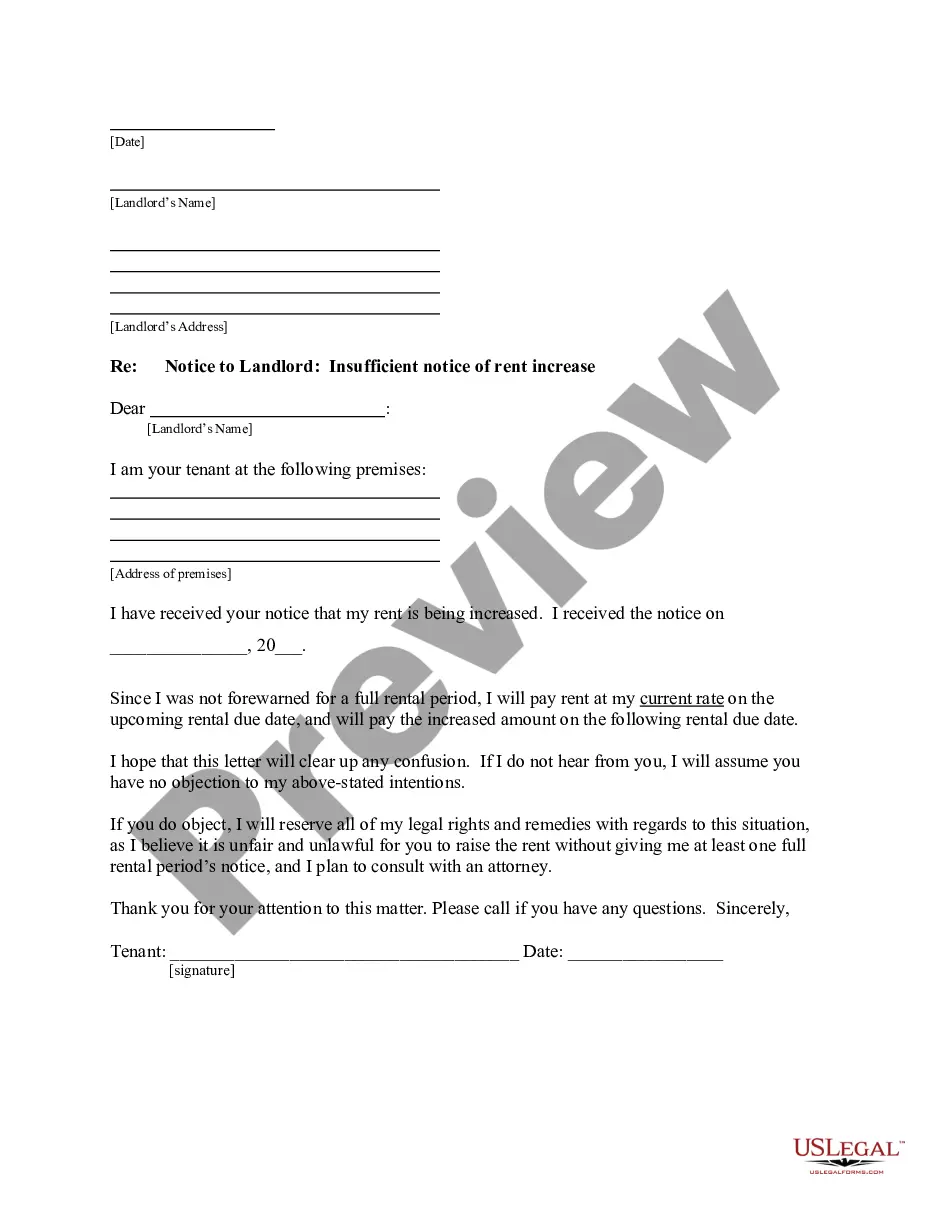

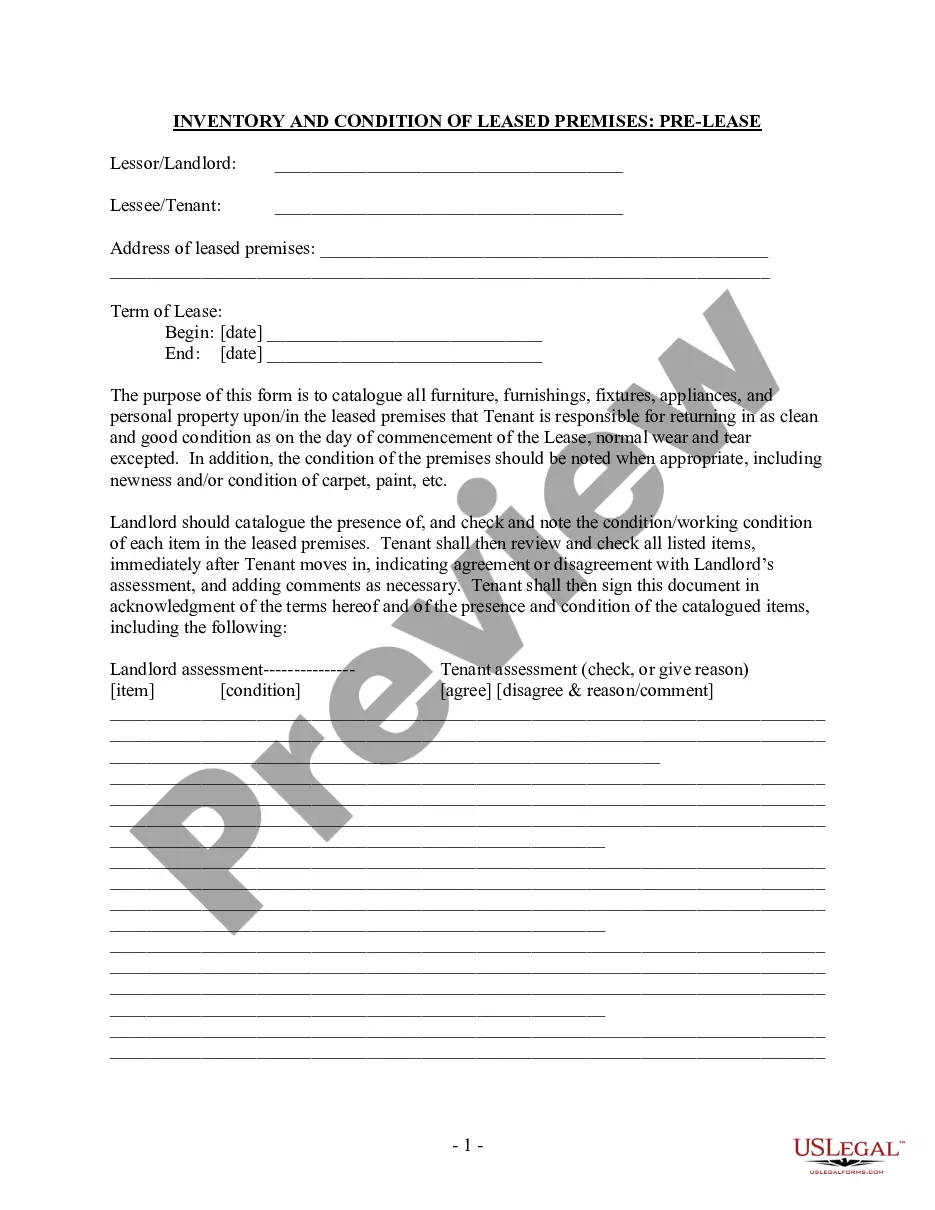




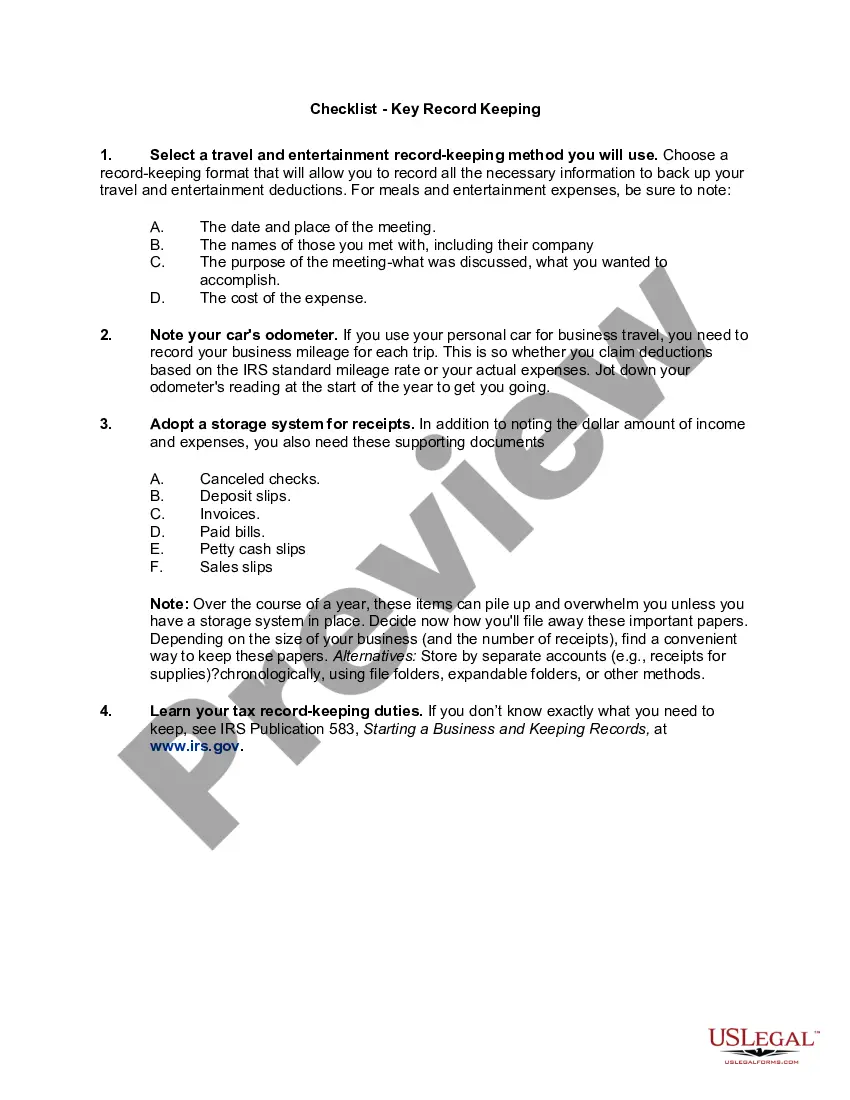
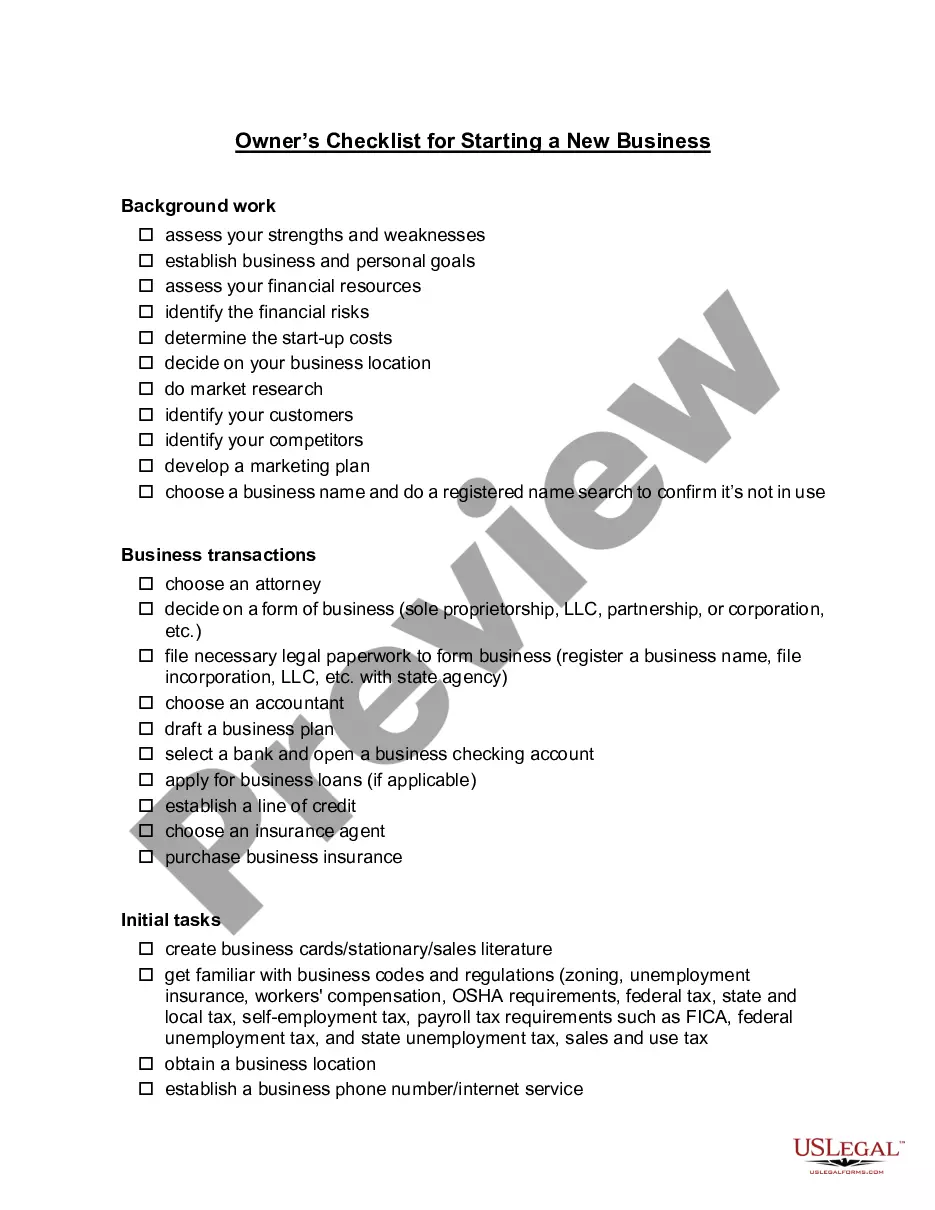
How to fill out Checklist - Key Record Keeping?
- If you are a returning user, simply log in to your account and click the Download button for your desired form template. Verify your subscription status and renew if necessary.
- For first-time users, start by reviewing the Preview mode and form descriptions to select the right document that aligns with your local jurisdiction.
- If the required template isn’t fitting, utilize the Search tab at the top to find alternative forms that meet your specifications.
- Once you've located the appropriate document, proceed to purchase by clicking the Buy Now button. Choose a subscription plan that works best for you, ensuring you create an account for access.
- Complete your purchase by entering your credit card information or utilizing your PayPal account for payment.
- Finally, download the form to your device. You can also access it anytime later in the My Forms section of your profile.
In conclusion, US Legal Forms provides an extensive collection of over 85,000 fillable documents that streamline the legal process for businesses. Enjoy the peace of mind that comes from having legal documents prepared accurately and easily.
Don't wait—start your journey towards seamless legal documentation today!
Form popularity
FAQ
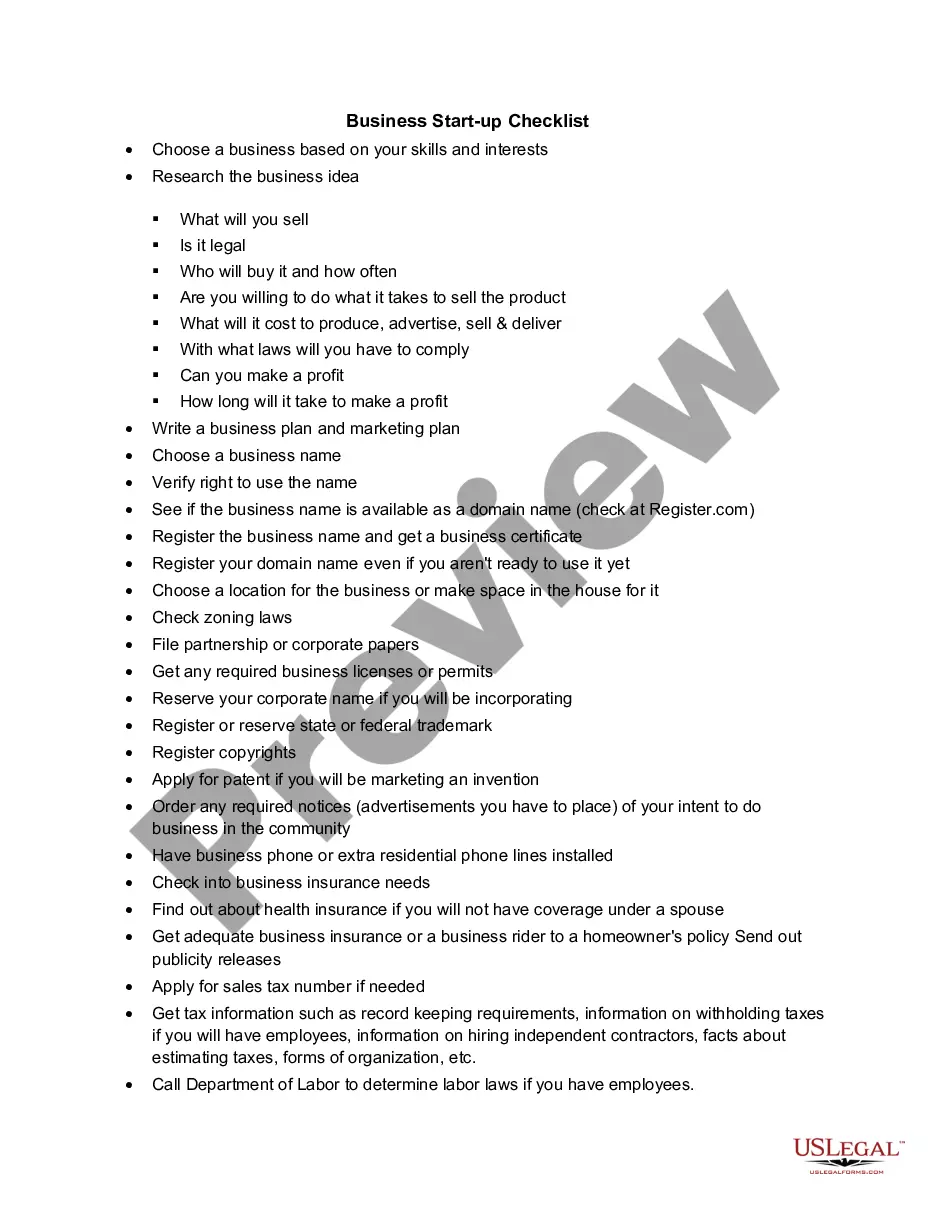
The first step to starting a business is to refine your business idea. Clearly define what your product or service will offer and identify your target audience. Conducting preliminary market research will help you understand the needs and demands of your potential customers. Once you have a solid idea, it's time to draft a business plan, an essential tool that outlines your vision, and US Legal Forms can assist you with the legal aspects of launching your business.
Starting a business typically includes seven crucial steps. Begin with conducting market research to validate your idea, followed by developing a detailed business plan. Then, secure financing, choose a location, and pick a legal structure. Additionally, register your business and obtain necessary permits, and finally, create a marketing strategy. Utilizing resources like US Legal Forms can simplify finding the right legal forms to accompany these steps.
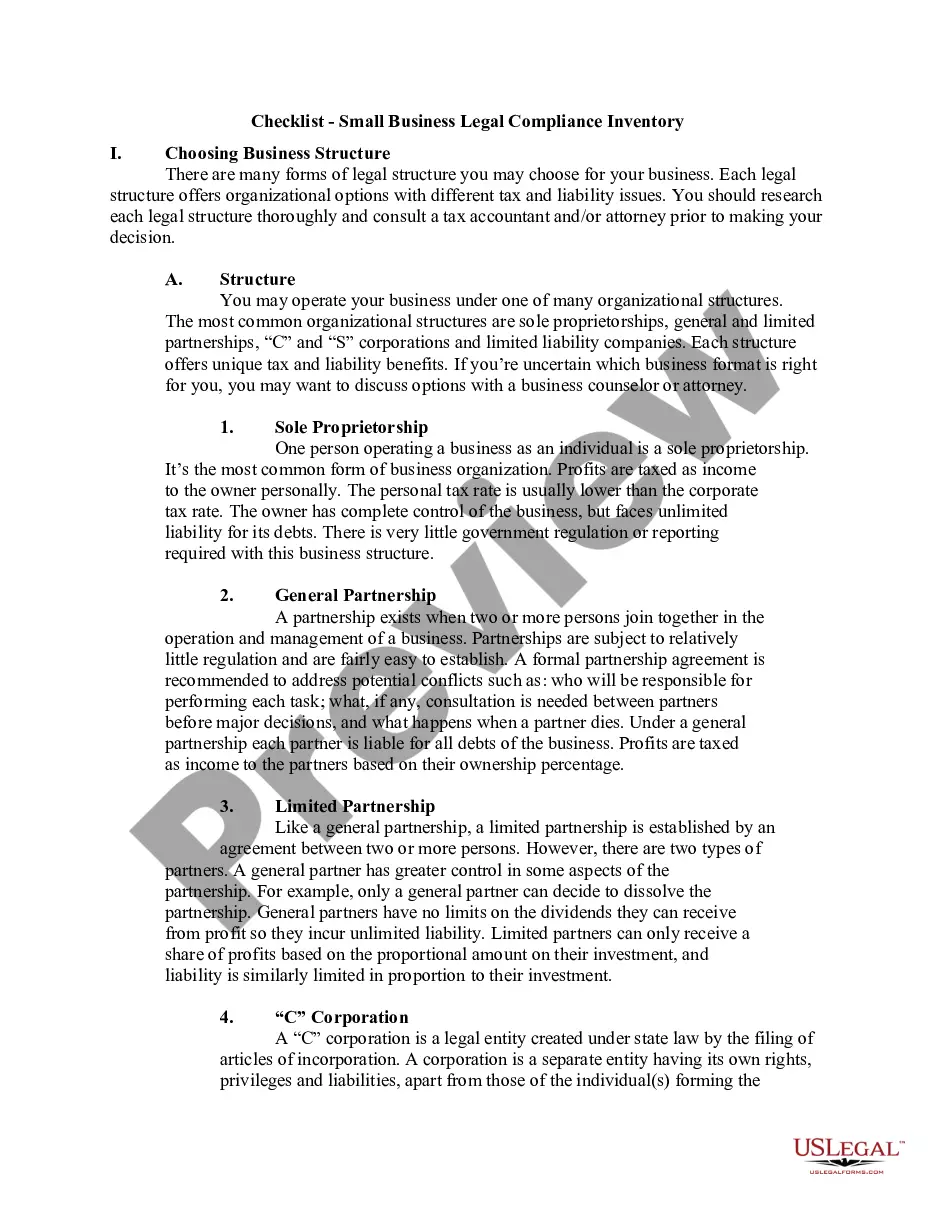
Filing for your business involves several key components. You need to choose a business structure, such as a sole proprietorship or LLC, and obtain the necessary licenses and permits. It is essential to register your business with the appropriate government authorities to maintain compliance. For this step, US Legal Forms can offer you the necessary paperwork to ensure everything is filed correctly.
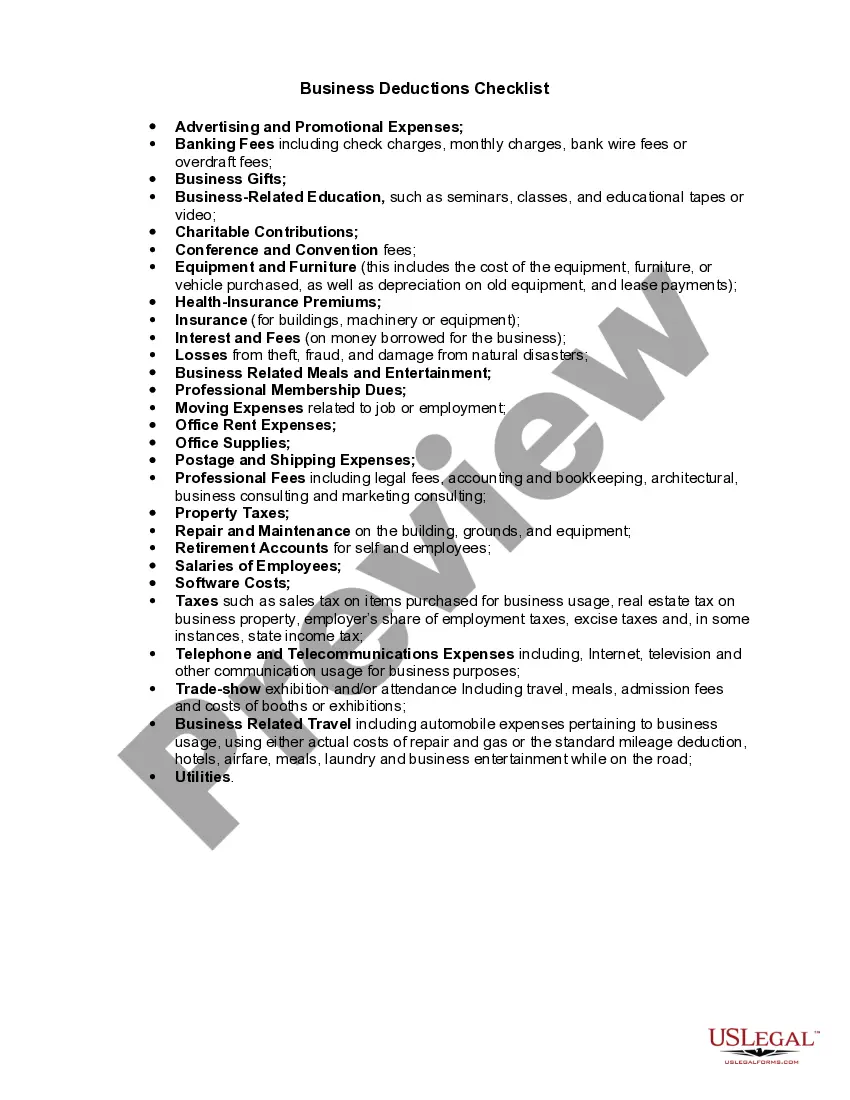
The five basic human needs in business include purpose, relationships, security, growth, and contribution. These needs drive entrepreneurs to create organizations that provide value while fulfilling personal aspirations. Understanding what need for business these represent can lead to a more focused approach in serving your customers and employees alike. Always keep these needs in mind as you build your business.
To start a business, create a comprehensive checklist. You will need a clear business concept, a defined target market, and a robust business plan. Additionally, be prepared to secure funding, set up a business structure, and register your business name. Don't forget to gather essential legal forms, which can easily be facilitated using US Legal Forms to streamline the process.
Starting a business requires careful planning. First, you need to clarify your business idea and conduct thorough market research. Next, create a solid business plan outlining your goals, strategies, and financial projections. Finally, ensure you have the necessary legal documentation, such as licenses and permits, which is where a platform like US Legal Forms can assist you in meeting your legal needs.
Some records you must keep forever include incorporation documents, contracts, and employee tax records. This is important for both legal and financial reasons, as they serve as proof of ownership and compliance. Additionally, retaining these essential documents ensures continuity and protection for your business. Knowing what need for business in this area can significantly safeguard your enterprise against unforeseen issues.
You must file taxes if your small business earns $400 or more in net income during the tax year. However, even if you have little income, it may be beneficial to file to claim potential credits or refunds. Understanding what need for business regarding tax responsibilities can help you plan your financial strategy effectively.
Small businesses should keep financial records, such as income statements and balance sheets, to track the company’s financial health. You must also store customer invoices, supply receipts, and payroll documentation. All these records provide essential insight into your operations. Ultimately, understanding what need for business in this regard can enhance your strategic decisions.
A small business should maintain a variety of documents, including tax returns, financial statements, employee records, and invoices. Additionally, keep legal documents such as contracts and permits. This organized record-keeping supports operational efficiency and compliance with regulations. By knowing what need for business documentation, you can avoid many common pitfalls.