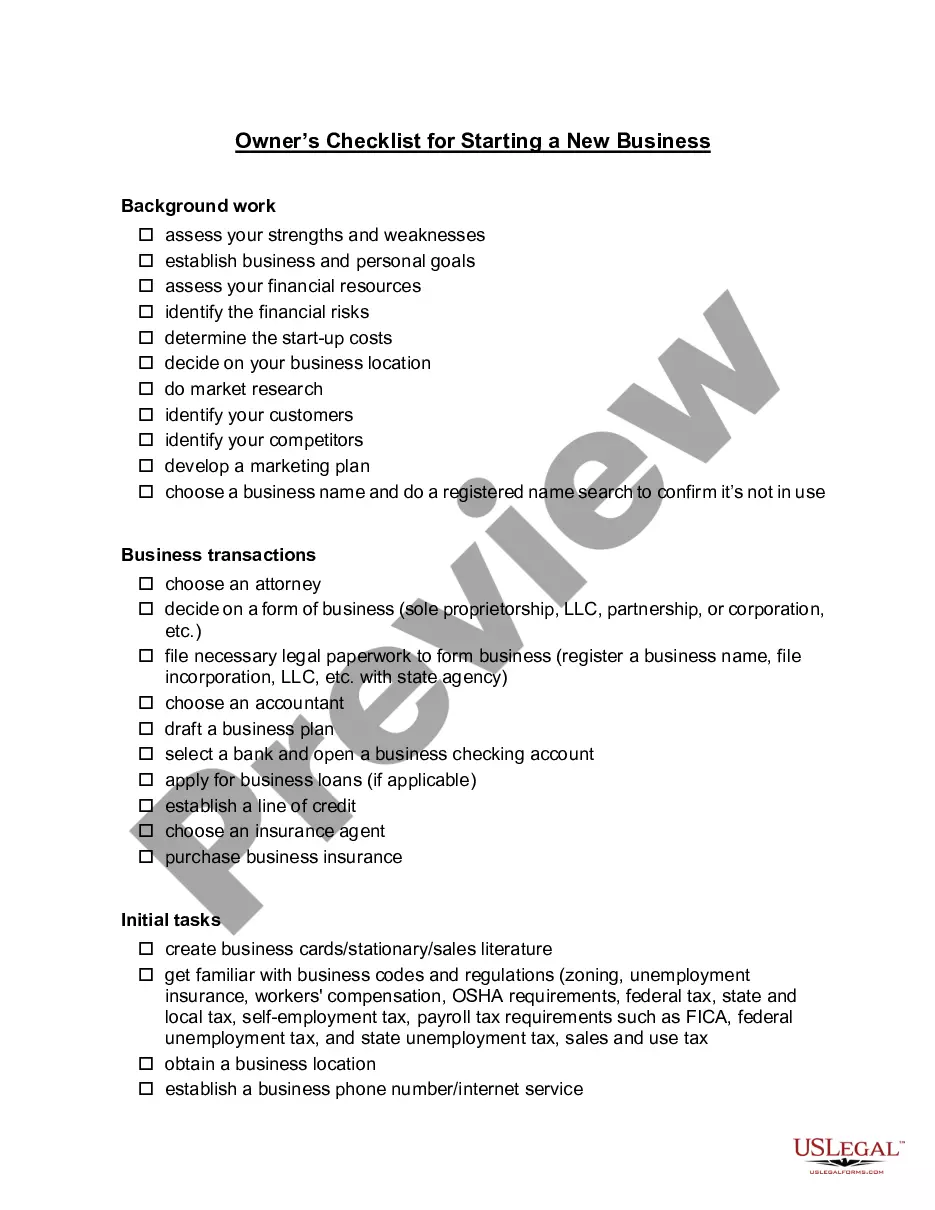
Record Keep Business For Small
Description
Get your form ready online
Our built-in tools help you complete, sign, share, and store your documents in one place.
Make edits, fill in missing information, and update formatting in US Legal Forms—just like you would in MS Word.
Download a copy, print it, send it by email, or mail it via USPS—whatever works best for your next step.
Sign and collect signatures with our SignNow integration. Send to multiple recipients, set reminders, and more. Go Premium to unlock E-Sign.
If this form requires notarization, complete it online through a secure video call—no need to meet a notary in person or wait for an appointment.
We protect your documents and personal data by following strict security and privacy standards.

Make edits, fill in missing information, and update formatting in US Legal Forms—just like you would in MS Word.

Download a copy, print it, send it by email, or mail it via USPS—whatever works best for your next step.

Sign and collect signatures with our SignNow integration. Send to multiple recipients, set reminders, and more. Go Premium to unlock E-Sign.

If this form requires notarization, complete it online through a secure video call—no need to meet a notary in person or wait for an appointment.

We protect your documents and personal data by following strict security and privacy standards.
Looking for another form?
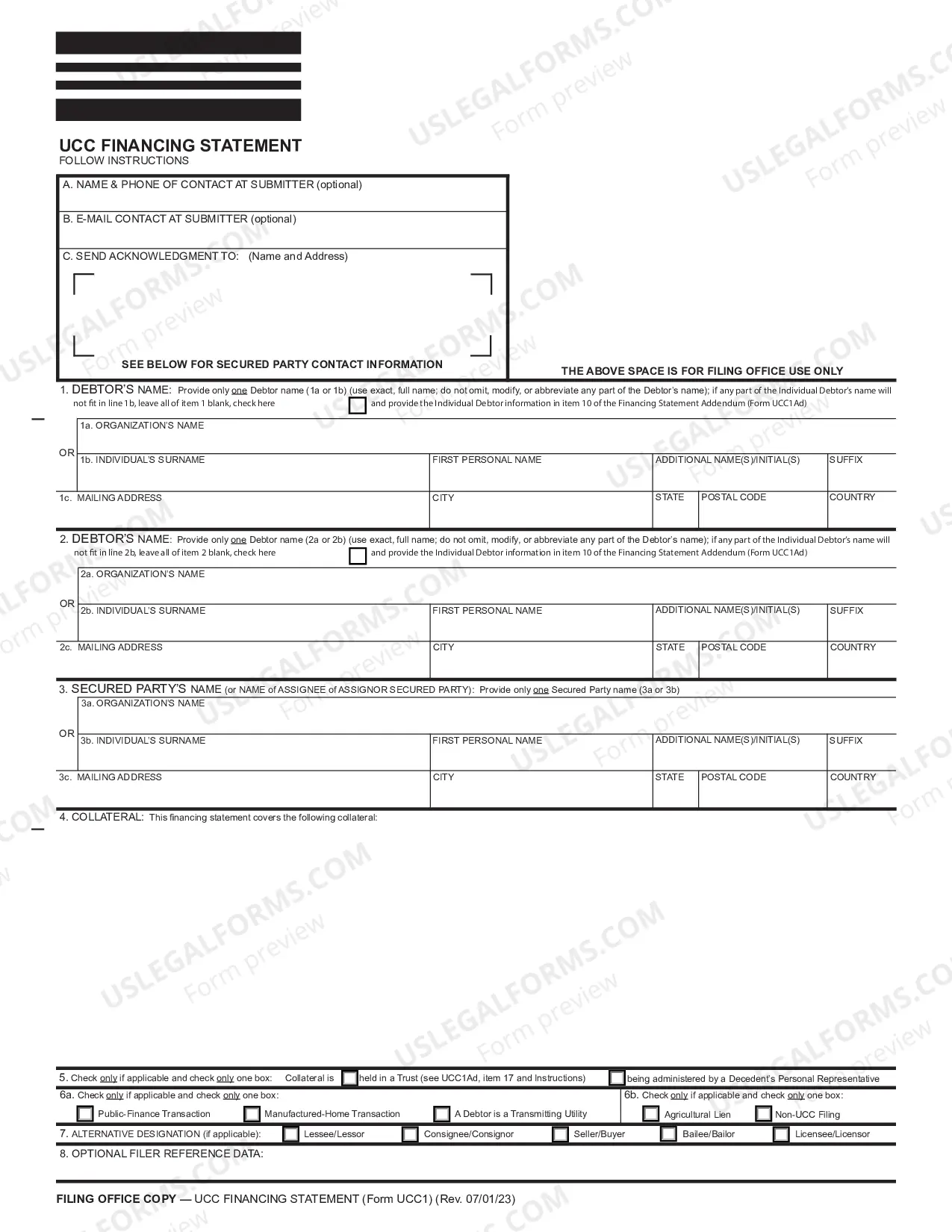





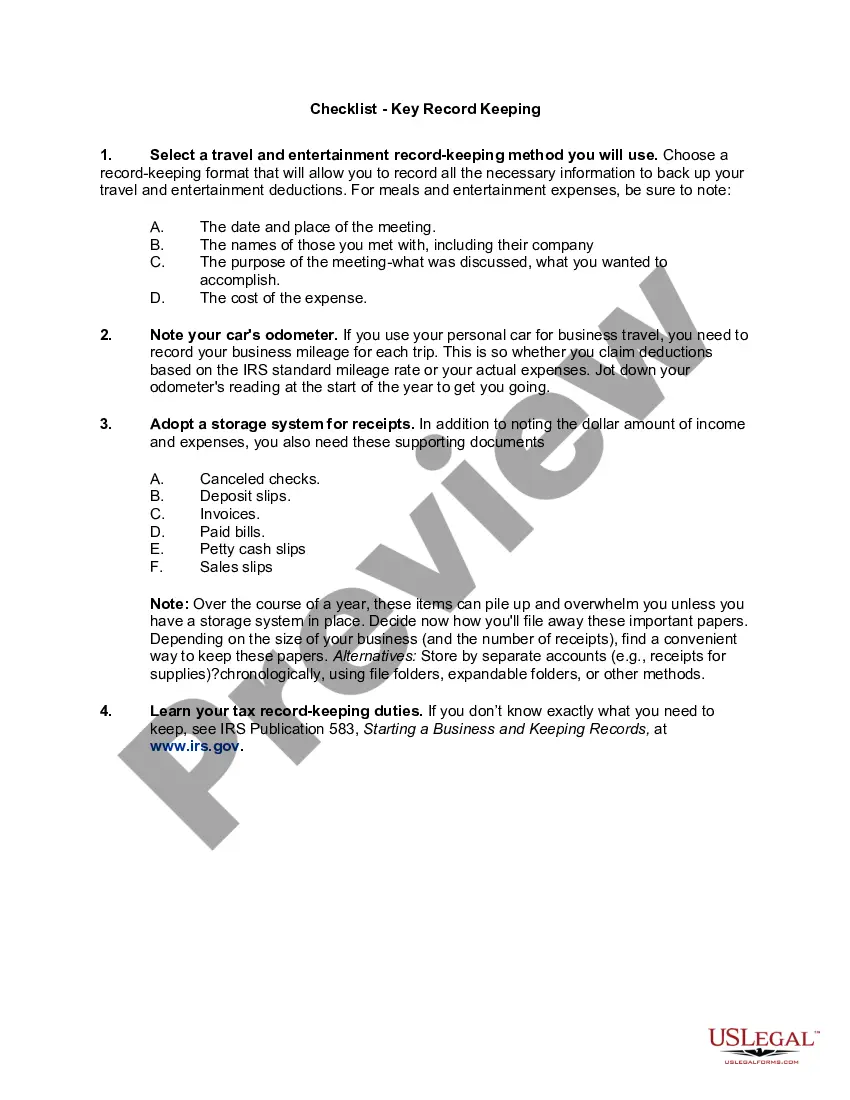
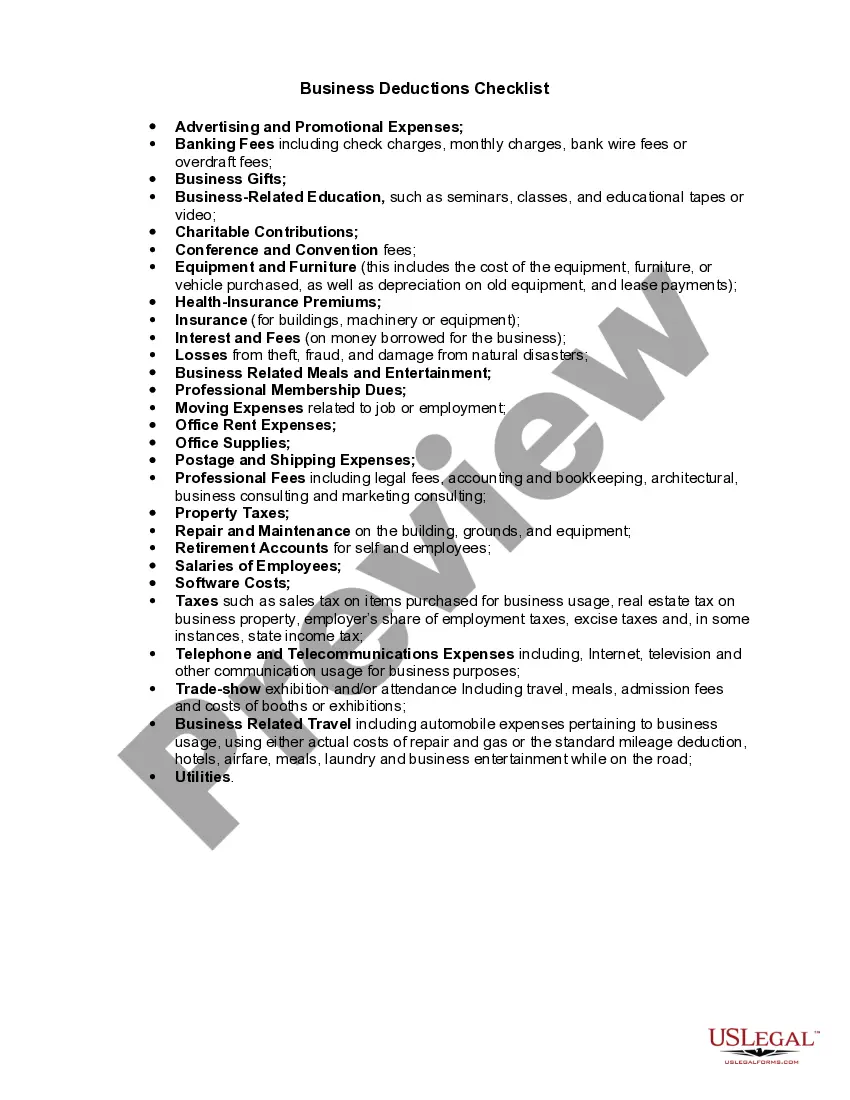
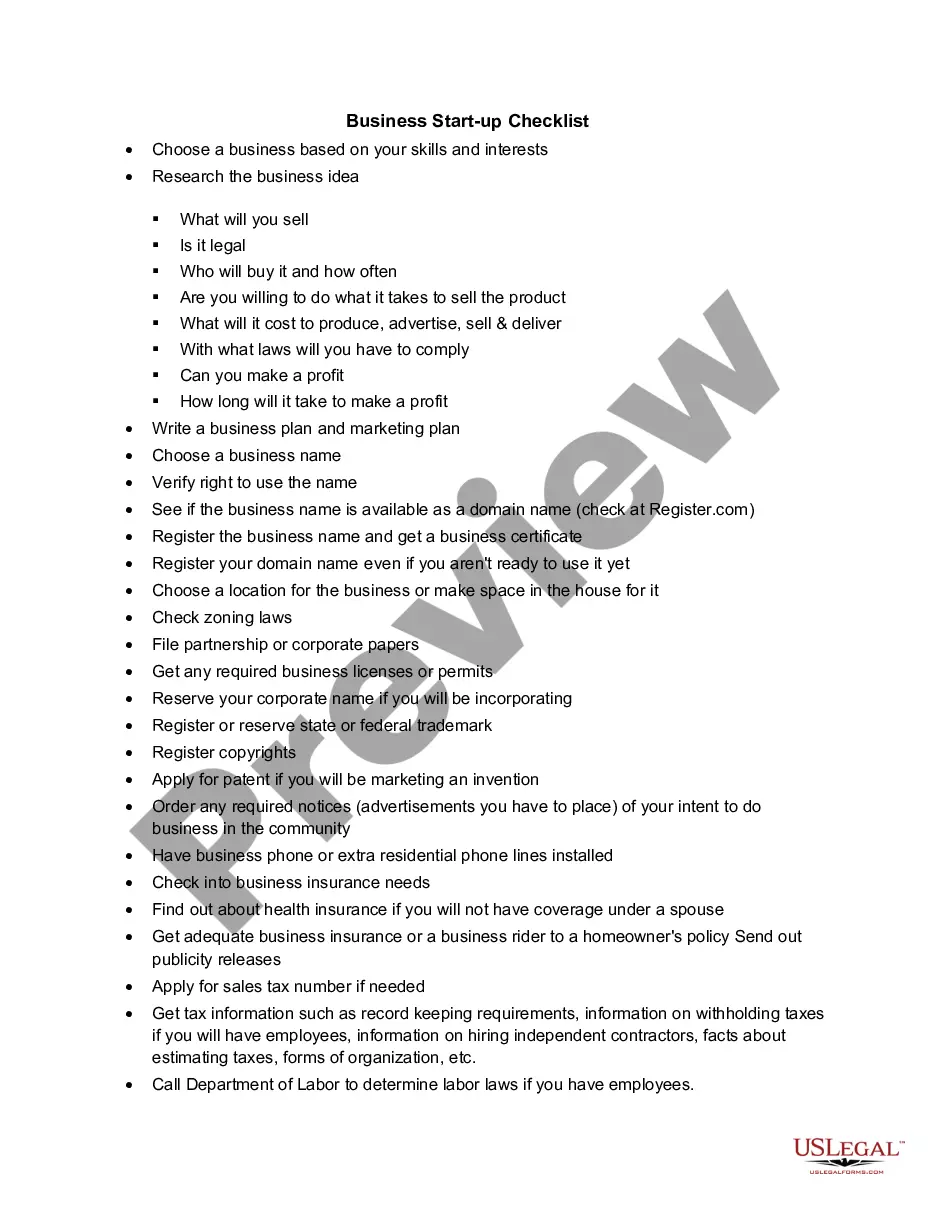
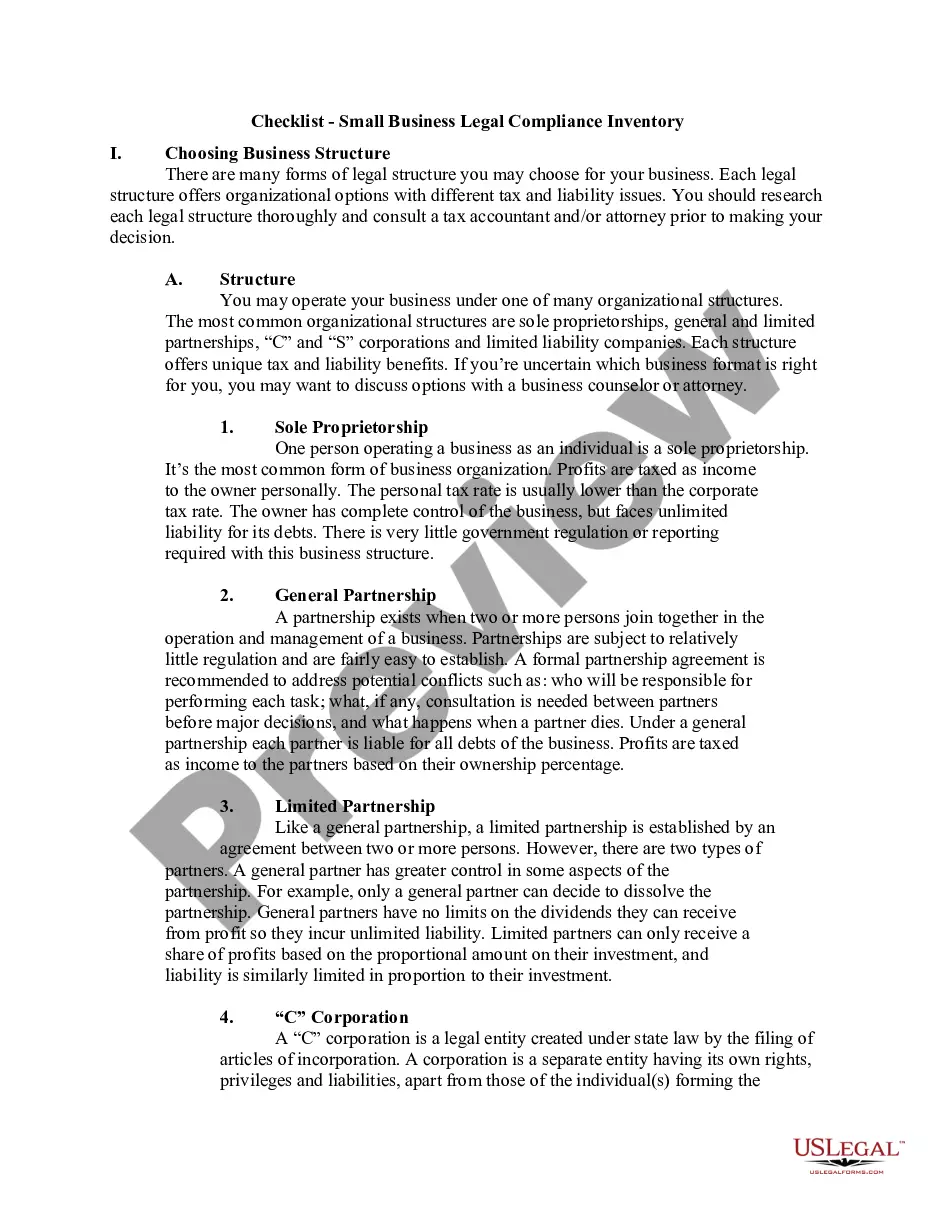
How to fill out Checklist - Key Record Keeping?
- If you're an existing user, log in to your account to access your dashboard. Check that your subscription is active, and if not, renew it according to your payment plan.
- Preview the form options available and read the descriptions carefully. Ensure you select a template that meets your specific business needs and complies with your local regulations.
- If you can't find what you need, utilize the Search tab to explore additional templates. Once you identify a suitable form, proceed to the next step.
- Purchase the document by clicking on the Buy Now button. Select your desired subscription plan and create an account to access the extensive library.
- Complete your purchase by entering your payment information—either credit card details or using PayPal to finalize your subscription.
- Download the form to your device. You can always revisit it in the My Forms section of your profile for future use.
In conclusion, US Legal Forms simplifies the record-keeping process for small businesses by providing a reliable repository of legal templates. With expert assistance available, you can ensure your documents are both precise and legally sound.
Start using US Legal Forms today to elevate your business record-keeping!
Form popularity
FAQ
For a small business, it is crucial to keep various records, including income statements, expense receipts, tax documents, and employee payroll information. These records provide a comprehensive view of your financial health and legal compliance. Organize these documents by category and ensure they are regularly updated. Thus, having a reliable record keep business for small simplifies audits and financial assessments.
To create an effective record keeping system for your small business, start by defining your needs. Determine what information is essential for your operations, such as financial records, employee files, and inventory lists. Next, choose a digital tool or software that suits your requirements and allows easy access to information. Remember, a solid record keep business for small ensures accuracy and supports informed decision-making.
The IRS 6 year rule refers to the guidelines that allow the IRS to audit tax returns if you underreport your income by 25% or more. In this case, you may be required to keep records for up to six years. Having a well-organized record keeping system for small businesses aids in compliance and reduces stress during an audit process.
For IRS purposes, you typically need to keep small business records for four years after the tax return due date. However, if you have specific situations like unreported income, you may need to retain records for up to six years. Implementing a solid record keeping system for small businesses ensures your documents are safe and accessible when needed.
The IRS generally requires small businesses to keep records for at least four years, but some records should be kept longer, such as those related to property. By developing a robust record keeping system for small businesses, you can easily manage these documents and know what to retain for the appropriate timeframe.
The IRS can audit a small business for up to three years after the tax return is filed. However, if they find a substantial error, they can extend this period to six years. Maintaining a robust record keeping system for small businesses helps ensure you are prepared for an audit, regardless of its timing.
The best way to keep records for a small business is to establish a structured system, whether digital or physical. You should regularly update your records and categorize them effectively. Tools like US Legal Forms can assist in creating templates that make keeping track of your documents straightforward and efficient.
The records you need to keep for 7 years typically include tax returns, supporting documents, and other financial records. This helps you prepare for any potential audits and ensures compliance with IRS requirements. Keep in mind that maintaining a solid record keeping system for small businesses can simplify your retrieval process later.
To develop a record keeping system for a small business, start by identifying the types of records you need to maintain. Organize these records into categories such as financial, operational, and tax-related. It's essential to choose a method that works for you—consider using digital tools or software like US Legal Forms to streamline the process and ensure accuracy.
The IRS requires that you retain receipts for expenses over $75. However, from a practical standpoint, it's advisable to keep receipts for all business-related expenses regardless of the amount for thorough documentation. Maintaining clear records plays a crucial role in supporting your claims and ensuring accurate accounting in your record keep business for small.