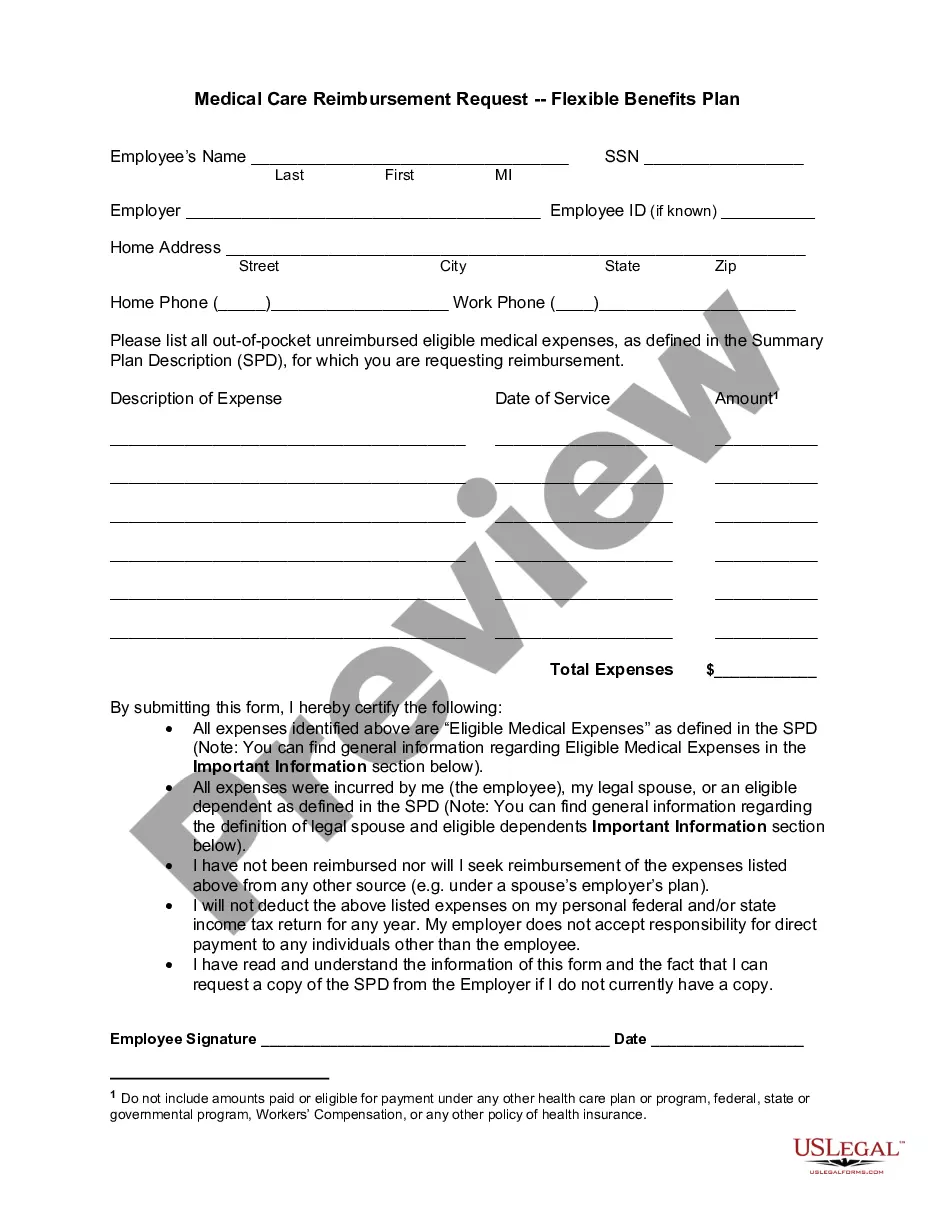
Medical Expense Reimbursement Plan For Self-employed
Description
Get your form ready online
Our built-in tools help you complete, sign, share, and store your documents in one place.
Make edits, fill in missing information, and update formatting in US Legal Forms—just like you would in MS Word.
Download a copy, print it, send it by email, or mail it via USPS—whatever works best for your next step.
Sign and collect signatures with our SignNow integration. Send to multiple recipients, set reminders, and more. Go Premium to unlock E-Sign.
If this form requires notarization, complete it online through a secure video call—no need to meet a notary in person or wait for an appointment.
We protect your documents and personal data by following strict security and privacy standards.

Make edits, fill in missing information, and update formatting in US Legal Forms—just like you would in MS Word.

Download a copy, print it, send it by email, or mail it via USPS—whatever works best for your next step.

Sign and collect signatures with our SignNow integration. Send to multiple recipients, set reminders, and more. Go Premium to unlock E-Sign.

If this form requires notarization, complete it online through a secure video call—no need to meet a notary in person or wait for an appointment.

We protect your documents and personal data by following strict security and privacy standards.
Looking for another form?
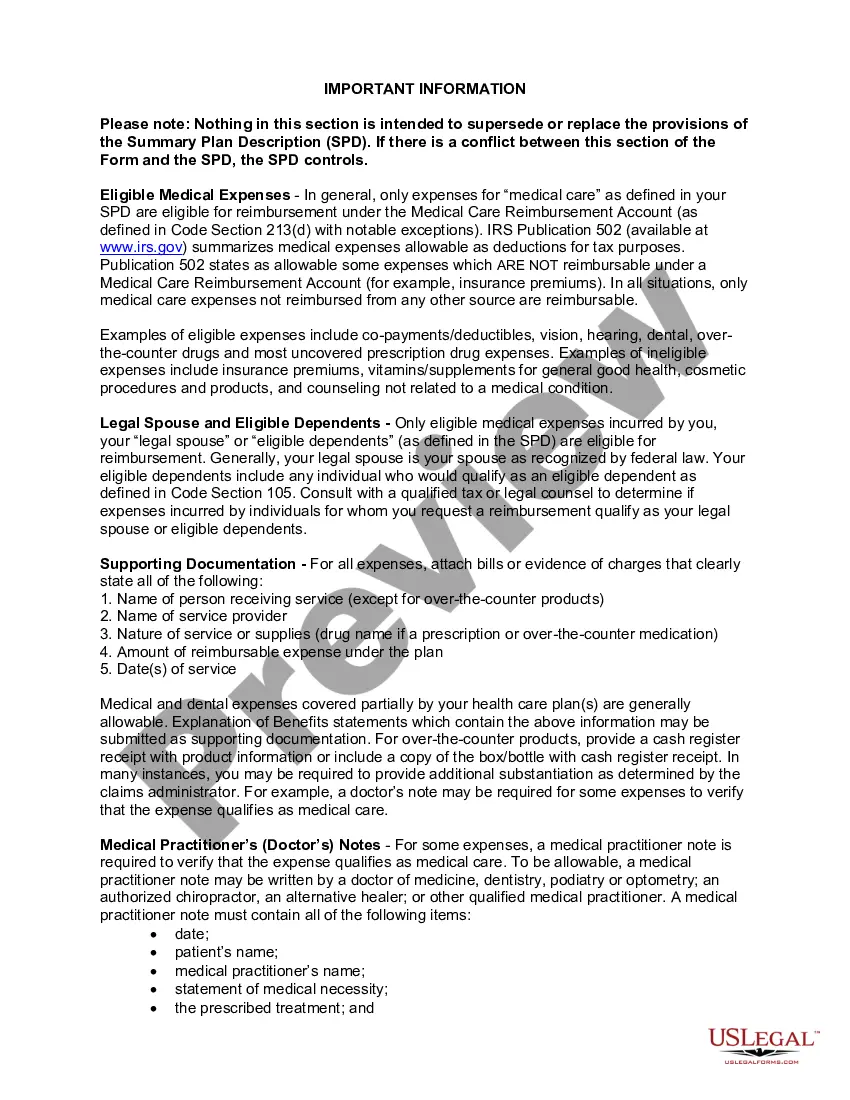
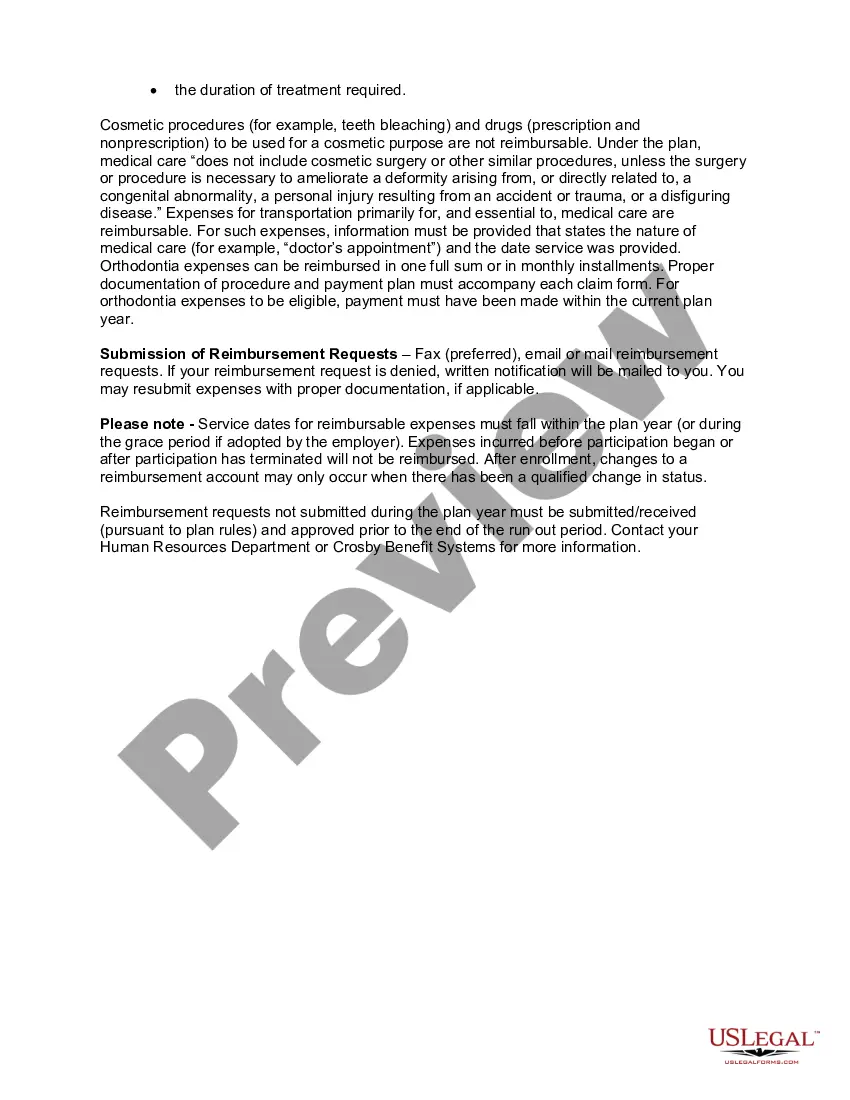
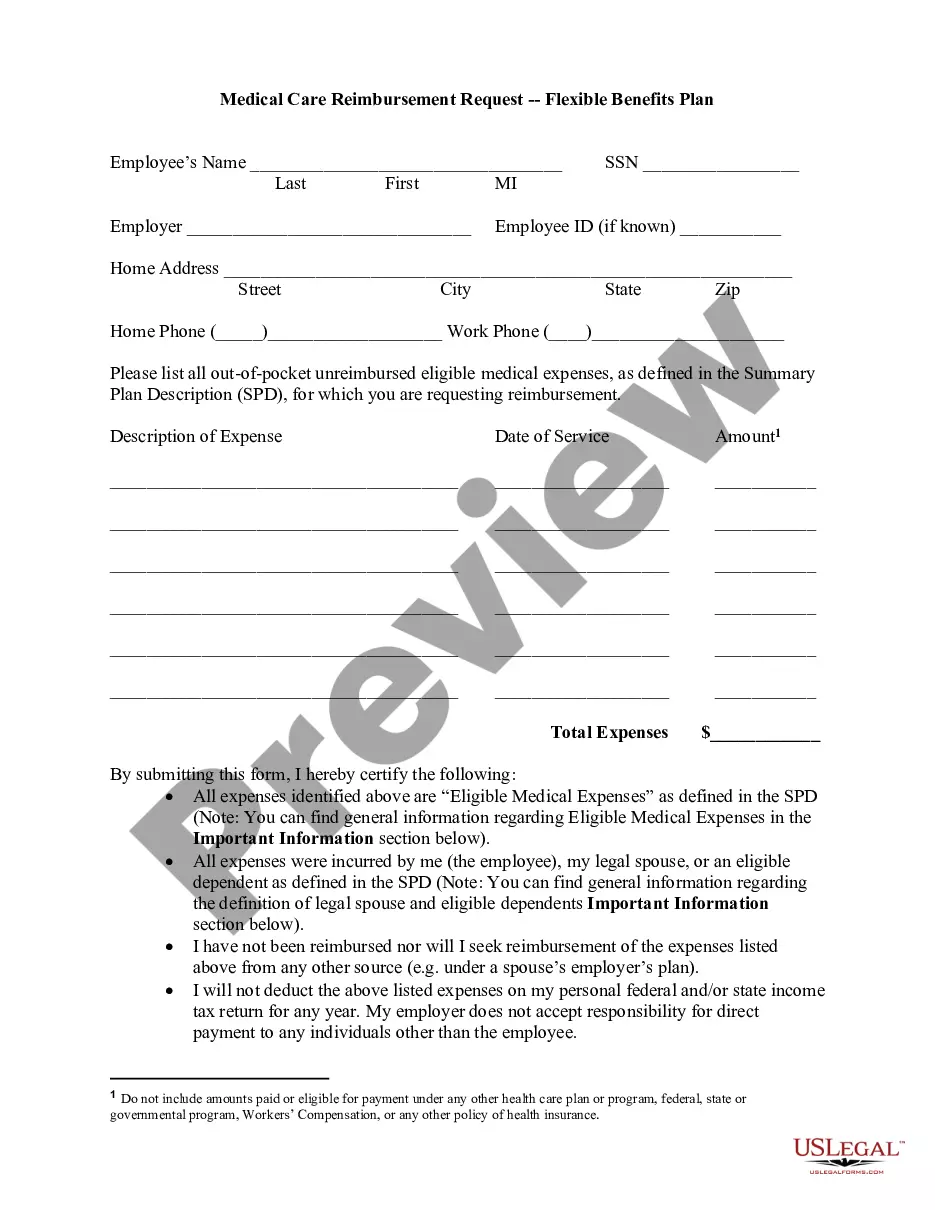
How to fill out Medical Care Reimbursement Request - Flexible Benefits Plan?
Obtaining samples of legal documents that adhere to national and local regulations is crucial, and the web provides a plethora of choices to select from.
However, why squander time searching for the properly prepared Medical Expense Reimbursement Plan For Self-employed template online if the US Legal Forms digital library has already compiled such documents in one location.
US Legal Forms is the largest online legal repository with more than 85,000 fillable templates crafted by attorneys for a variety of professional and personal circumstances.
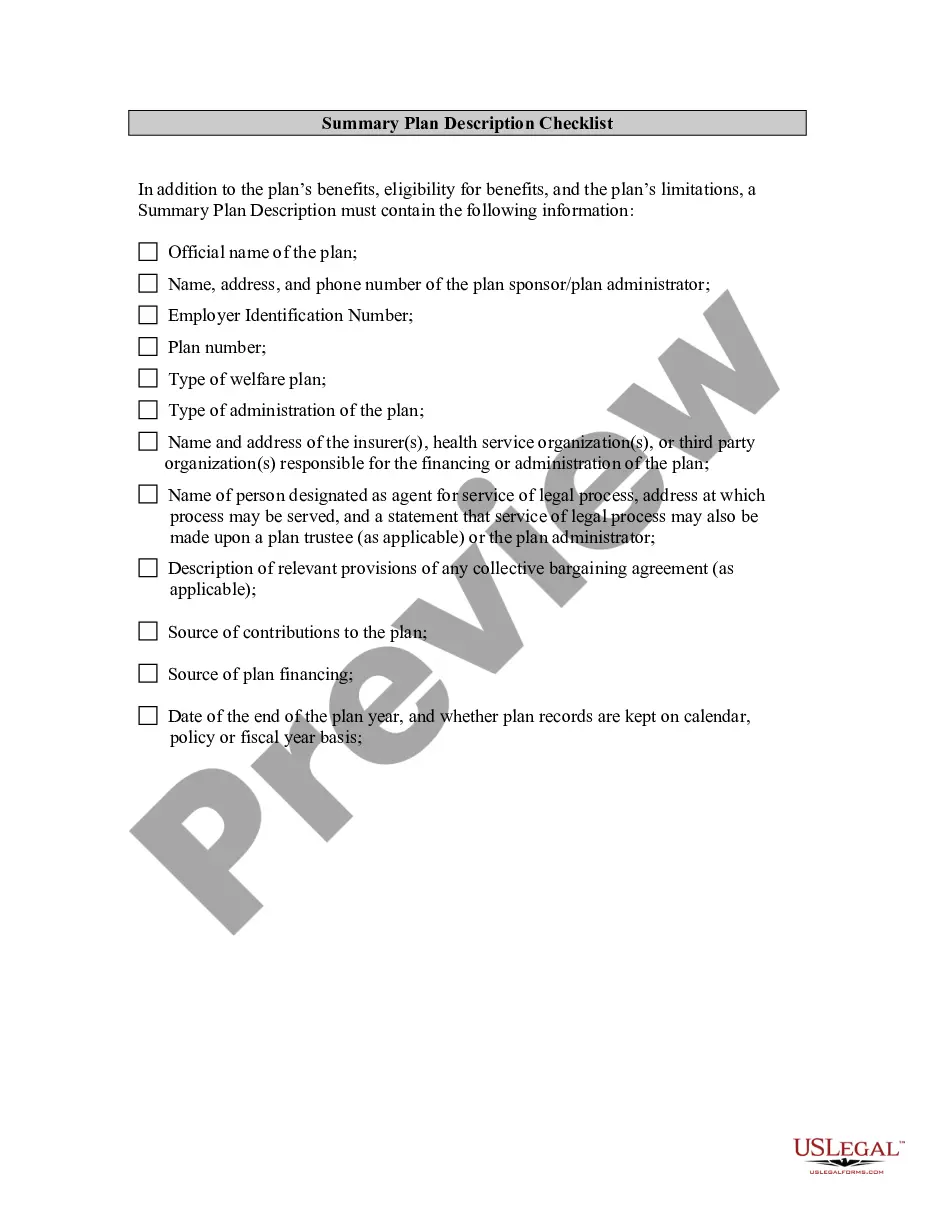
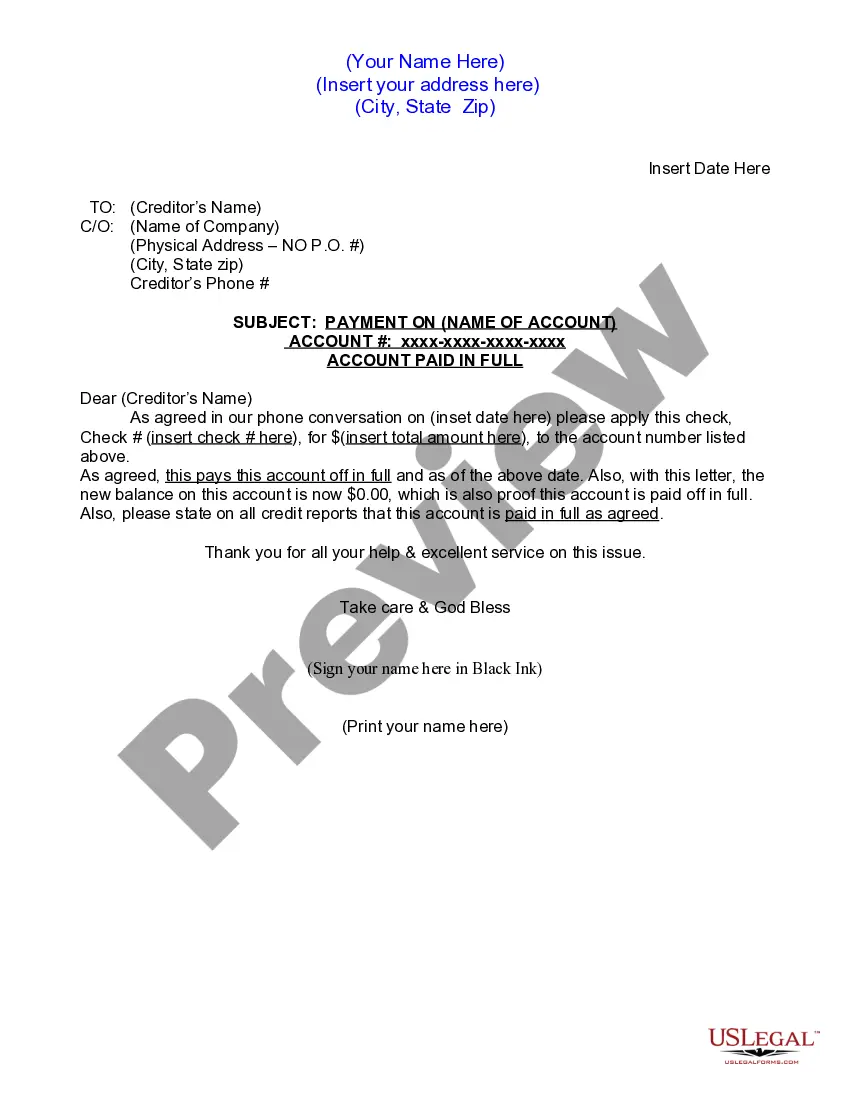
Review the template using the Preview option or through the text outline to ensure it fulfills your requirements.
- They are straightforward to navigate, with all documents categorized by state and intended use.
- Our specialists keep up with legal modifications, ensuring that your form is always current and compliant when obtaining a Medical Expense Reimbursement Plan For Self-employed from our site.
- Acquiring a Medical Expense Reimbursement Plan For Self-employed is quick and easy for both existing and new users.
- If you already possess an account with an active subscription, Log In and download the sample document you require in the appropriate format.
- If you are a newcomer to our platform, follow the steps outlined below.
Form popularity
FAQ
Self-insured plans can present certain challenges, including the risk of unexpected high medical costs. Since you assume the responsibility for claims, planning for fluctuating healthcare expenses becomes essential. Additionally, navigating regulations and maintaining compliance can be complex. To ease this process, using a medical expense reimbursement plan for self-employed may provide clear guidelines and support, ensuring you stay informed.
insured medical reimbursement plan allows selfemployed individuals to reimburse themselves for their medical expenses. This type of plan enables you to use pretax income for qualified healthcare costs, potentially lowering your overall tax burden. By utilizing a medical expense reimbursement plan for selfemployed individuals, you can manage your healthcare expenses efficiently. Consider visiting uslegalforms to learn more about how to set up such a plan tailored to your needs.
The primary disadvantages of a medical expense reimbursement plan for self-employed individuals include potential limitations on the types of expenses that qualify and the requirement for proper documentation. These plans also require careful record-keeping to ensure compliance with IRS regulations. Additionally, the initial setup may involve some complexity and should be managed carefully to reap the benefits. Using a reliable platform like UsLegalForms can simplify this process considerably.
One disadvantage of a health reimbursement account (HRA) is that it often comes with strict deadlines for incurring and submitting expenses. This limitation can make it challenging for self-employed individuals to utilize their funds effectively. Furthermore, HRAs may lack some flexibility in how the funds can be used compared to a medical expense reimbursement plan for self-employed individuals. It’s essential to evaluate your needs before choosing this option.
The benefits of a medical expense reimbursement plan for self-employed individuals include tax deductions and increased control over healthcare spending. With Merp, you can reimburse yourself for various qualified medical expenses, making it easier to manage your budget. Moreover, this plan can help you lower your taxable income, leading to significant savings. It's an effective way to ensure you are prepared for medical expenses.
Yes, a sole proprietor can establish a Section 105 plan to reimburse medical expenses. This plan allows for the reimbursement of health-related costs and offers significant tax advantages. By utilizing a Section 105 plan, you simply separate your business and personal expenses, making it easier to maintain accurate financial records. A medical expense reimbursement plan for self-employed can help you navigate these benefits efficiently.
Yes, a sole proprietor indeed can establish a Health Reimbursement Arrangement (HRA). This allows for reimbursement of medical expenses, providing both flexibility and tax advantages. With the right implementation, it can be a pivotal component of your financial and health strategy, particularly under a medical expense reimbursement plan for self-employed. As a sole proprietor, you can benefit greatly from this tax-efficient approach.
Typically, an individual cannot contribute to an HRA; contributions must come from the employer. However, as a sole proprietor, you essentially act as both the employer and the employee. This setup allows you to fund your HRA and maximize the benefits for managing medical expenses effectively. A medical expense reimbursement plan for self-employed can seamlessly integrate with this strategy for better financial management.
Yes, a sole proprietor can claim health insurance premiums as a business expense on their taxes. This applies to health insurance purchased for themselves, their spouse, and dependents. By doing so, you can reduce your taxable income significantly. It's a valuable feature of a medical expense reimbursement plan for self-employed, making it easier to manage your overall health expenses effectively.
Self-employed individuals can deduct qualified medical expenses on their tax returns by using the medical expense deduction form. This includes health insurance premiums and unreimbursed medical expenses. To be eligible, expenses must exceed a certain percentage of your adjusted gross income, providing a potential tax advantage. Utilizing a medical expense reimbursement plan for self-employed can further streamline this process and maximize deductions.