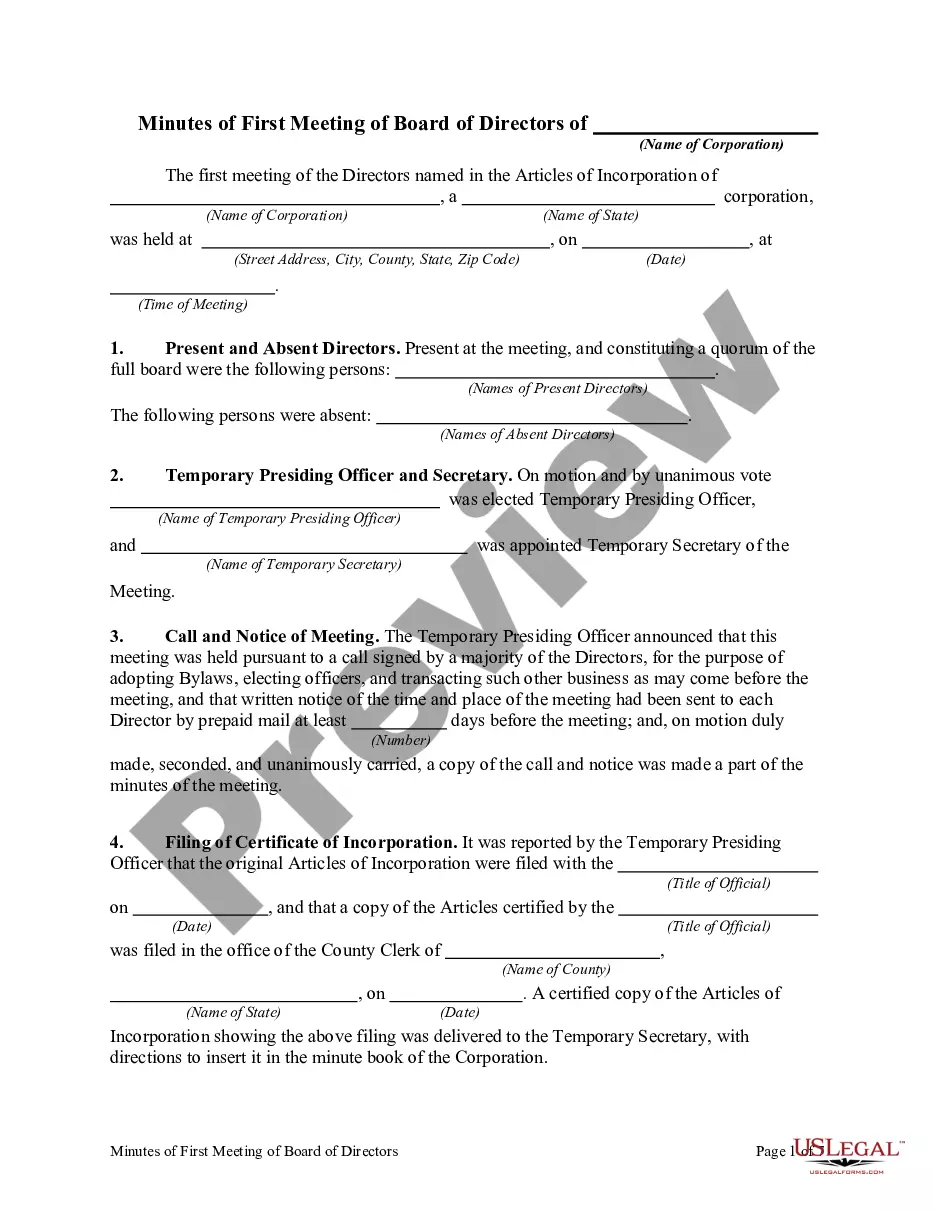
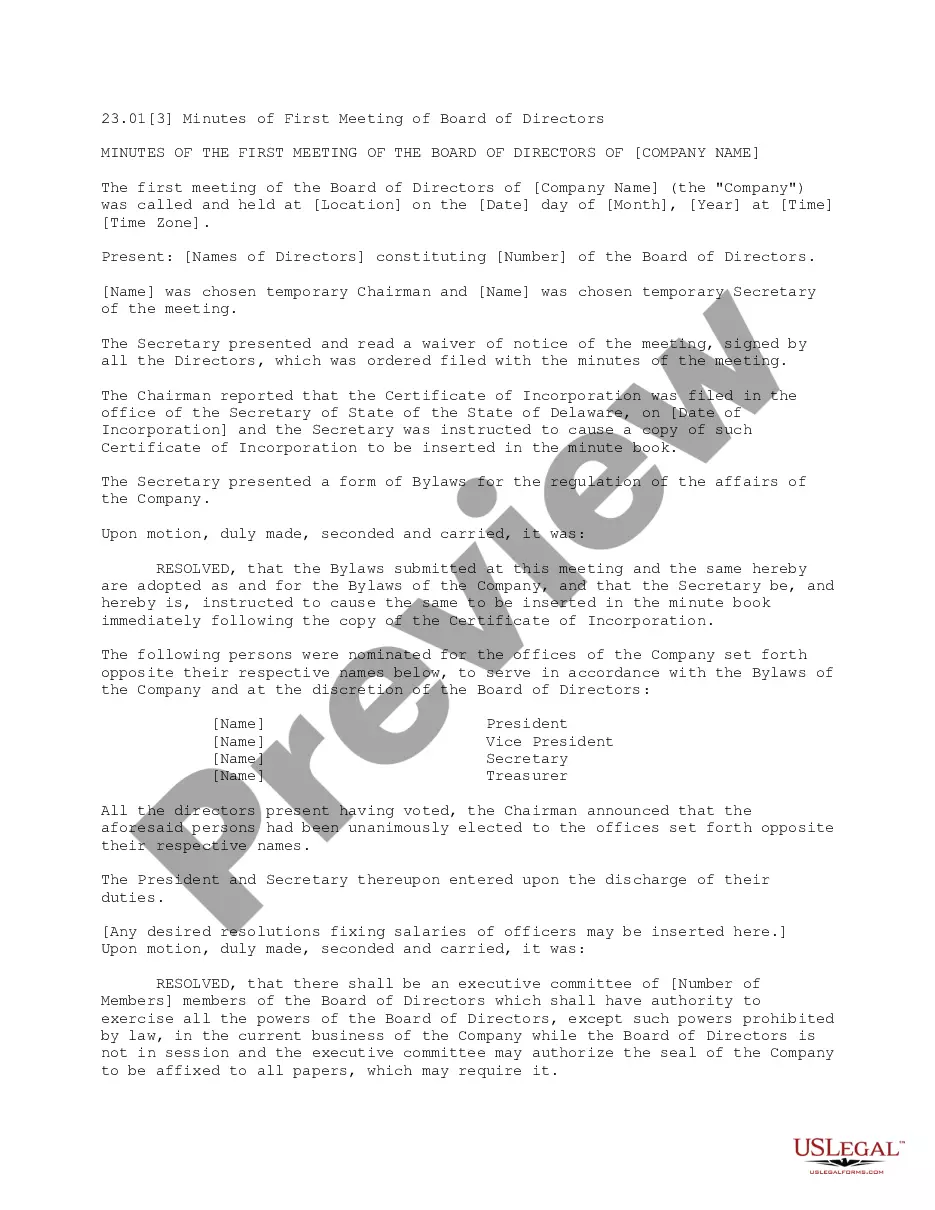
Board Nonprofit Form Application With Database Example
Description
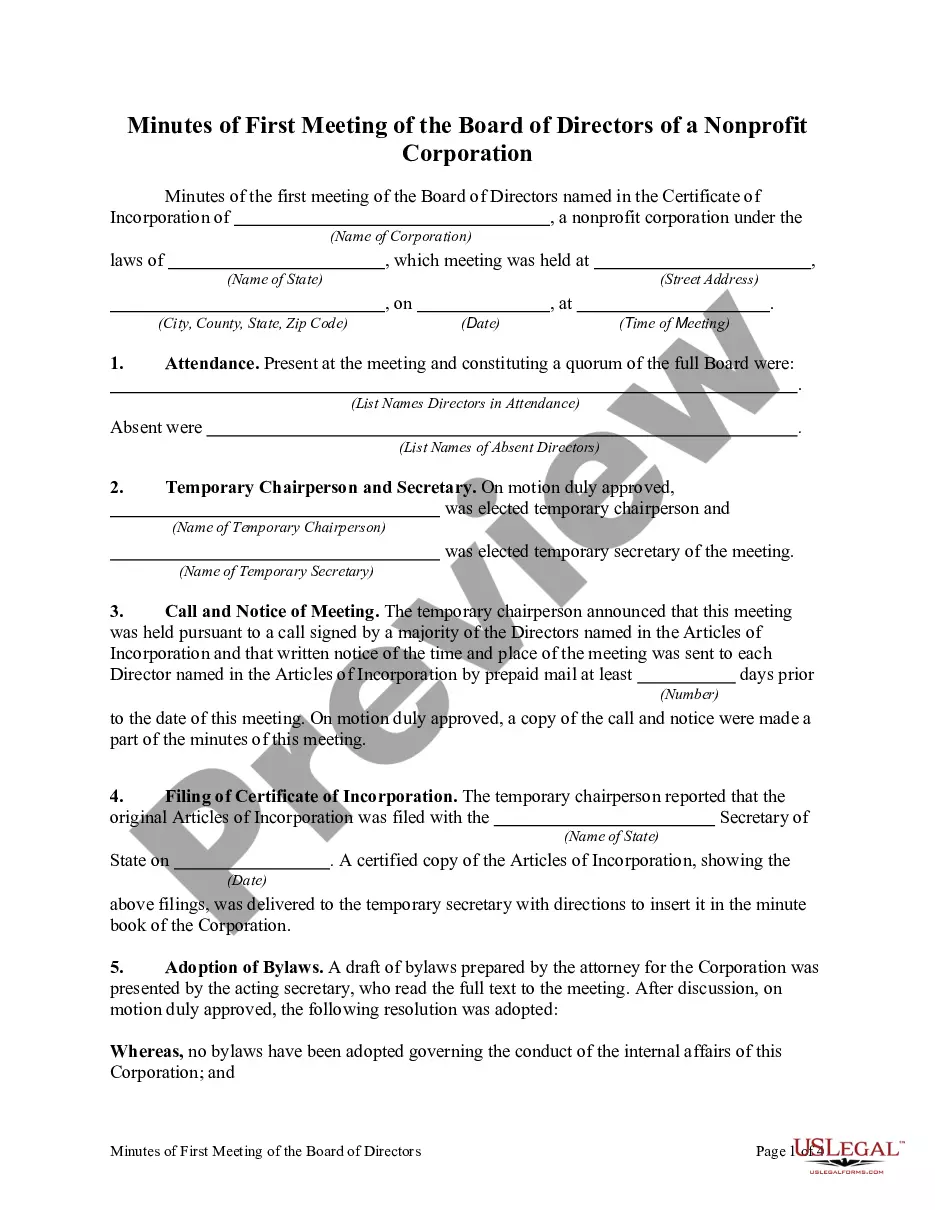
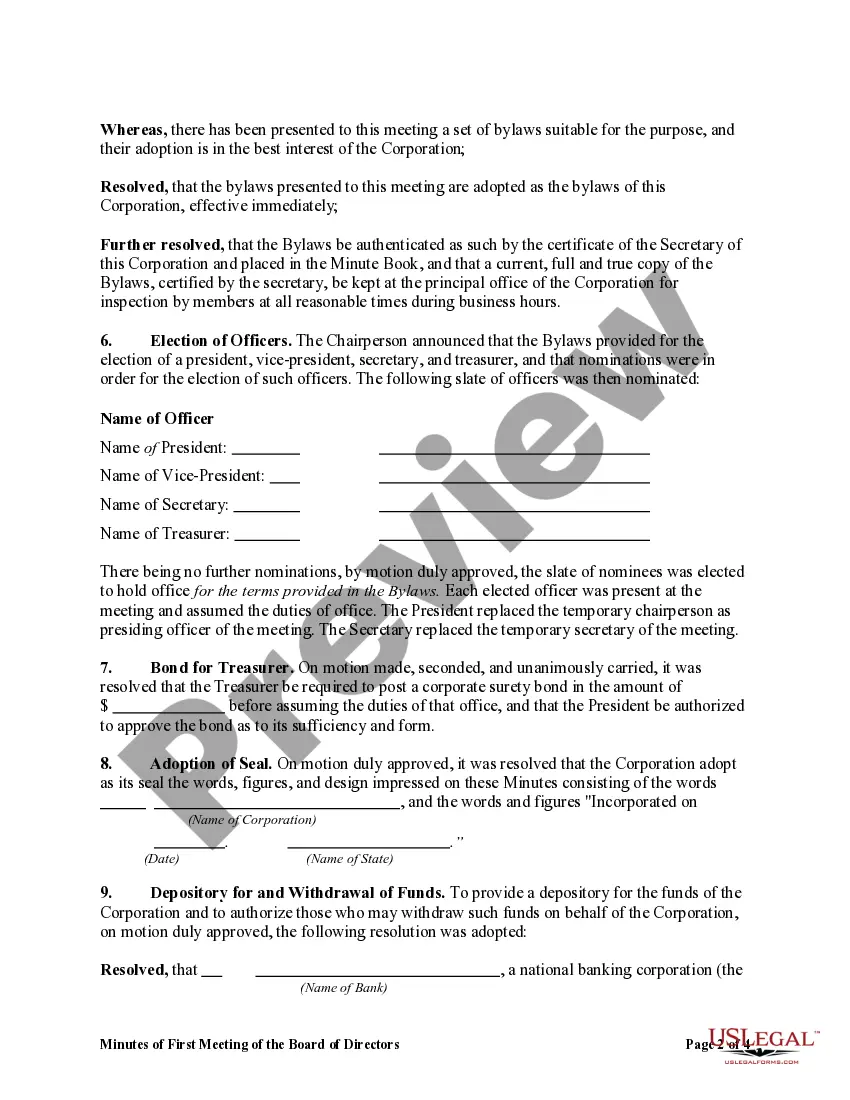
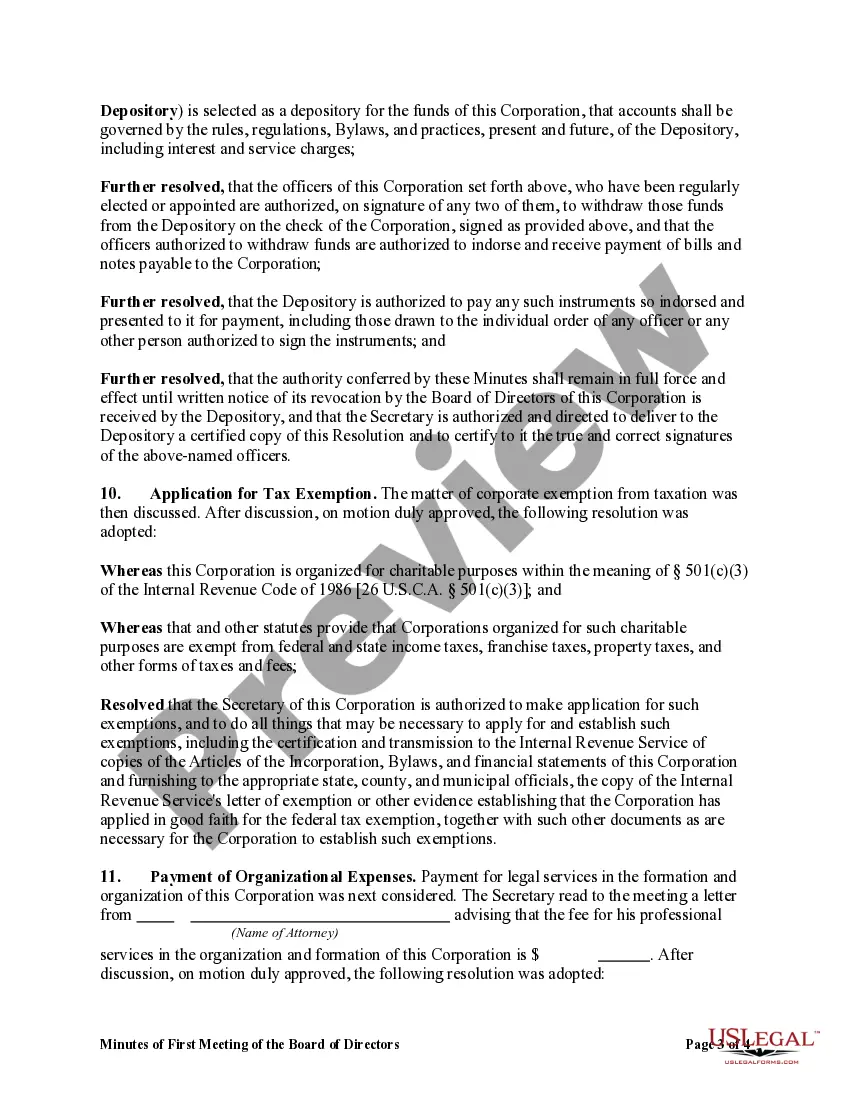
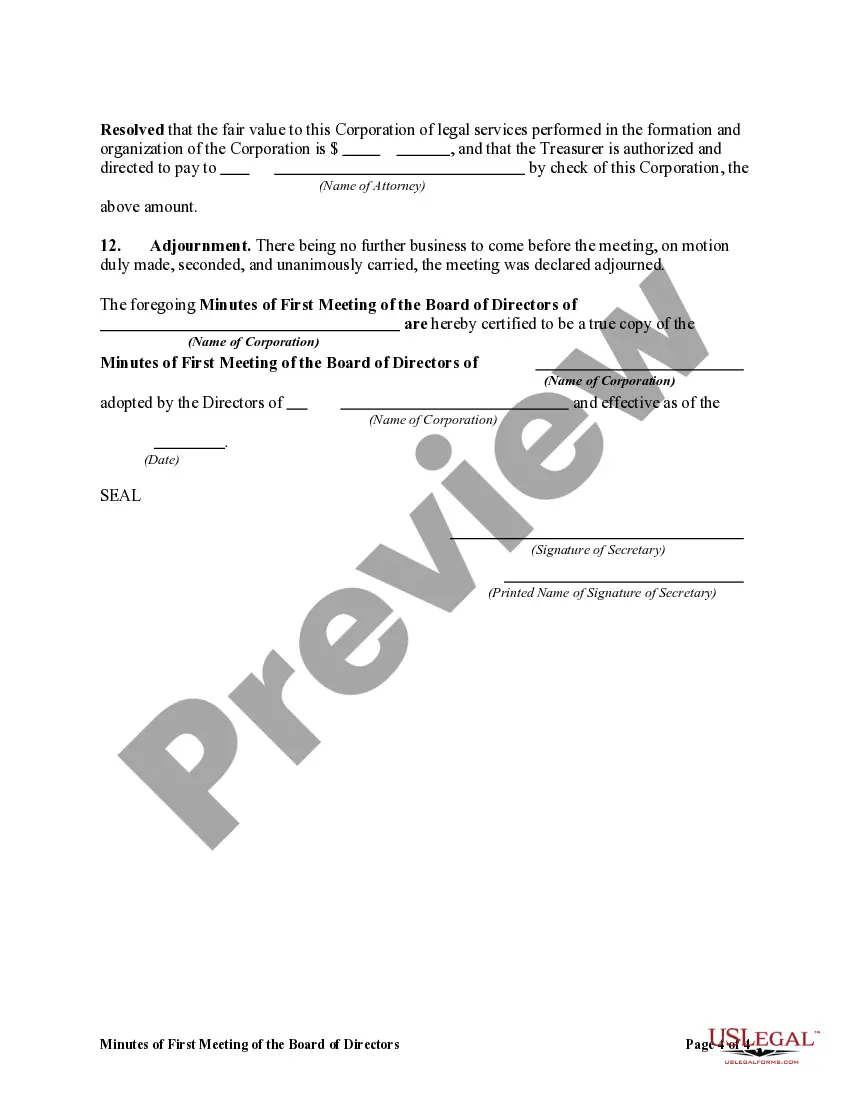

Get your form ready online
Our built-in tools help you complete, sign, share, and store your documents in one place.
Make edits, fill in missing information, and update formatting in US Legal Forms—just like you would in MS Word.
Download a copy, print it, send it by email, or mail it via USPS—whatever works best for your next step.
Sign and collect signatures with our SignNow integration. Send to multiple recipients, set reminders, and more. Go Premium to unlock E-Sign.
If this form requires notarization, complete it online through a secure video call—no need to meet a notary in person or wait for an appointment.
We protect your documents and personal data by following strict security and privacy standards.

Make edits, fill in missing information, and update formatting in US Legal Forms—just like you would in MS Word.

Download a copy, print it, send it by email, or mail it via USPS—whatever works best for your next step.

Sign and collect signatures with our SignNow integration. Send to multiple recipients, set reminders, and more. Go Premium to unlock E-Sign.

If this form requires notarization, complete it online through a secure video call—no need to meet a notary in person or wait for an appointment.

We protect your documents and personal data by following strict security and privacy standards.
Looking for another form?


How to fill out Minutes Of First Meeting Of The Board Of Directors Of A Nonprofit Corporation?
Whether for professional intentions or personal issues, everyone must confront legal matters at some stage in their life.
Filling out legal documents demands meticulous consideration, beginning with selecting the correct form template.
With a comprehensive US Legal Forms catalog available, you don’t need to waste time searching for the correct template online. Leverage the library’s user-friendly navigation to find the right template for any circumstance.
- Locate the template you require using the search bar or catalog browsing.
- Review the form’s description to ensure it aligns with your case, jurisdiction, and area.
- Click on the form’s preview to examine it.
- If it is the incorrect form, return to the search option to find the Board Nonprofit Form Application With Database Example sample you need.
- Download the template if it fulfills your criteria.
- If you possess a US Legal Forms account, click Log in to retrieve previously saved documents in My documents.
- In case you do not have an account yet, you can obtain the form by clicking Buy now.
- Select the appropriate pricing choice.
- Complete the profile registration form.
- Choose your payment method: you can utilize a credit card or PayPal account.
- Select the file format you prefer and download the Board Nonprofit Form Application With Database Example.
- Once it is saved, you can fill out the form using editing software or print it and complete it by hand.
Form popularity
FAQ
501(c)(3) Application: The Basics Completed your nonprofit needs assessment, including asking yourself critical questions. Chosen your type of nonprofit, such as a sole member nonprofit. Drafted your nonprofit vision statement. Chosen your nonprofit name. Registered your nonprofit on the state level.
There are usually four Officers: President or Board Chair, Vice President or Vice Chair, Secretary, and Treasurer, and the terms unique to each will be defined in the nonprofit's bylaws. The president is the head of the board.
Legally, the IRS requires a minimum of three members, although many nonprofits utilize four or more. Common nonprofit board member positions used to fulfil this requirement include the president (also called the chairperson), vice-chair, secretary, and treasurer.
Form 990 requires filers to list their individual charitable programs by name or purpose, then describe in detail what was accomplished during the year. For example, you may need to include things like: A description of the program. The number of people served.
? What are the positions on a board of directors for a nonprofit? The most common nonprofit board member positions are a president (also called the chairperson), vice-chair, secretary, and treasurer. A president, secretary, and treasurer are the mandatory positions, but many nonprofits also have a vice-chair.