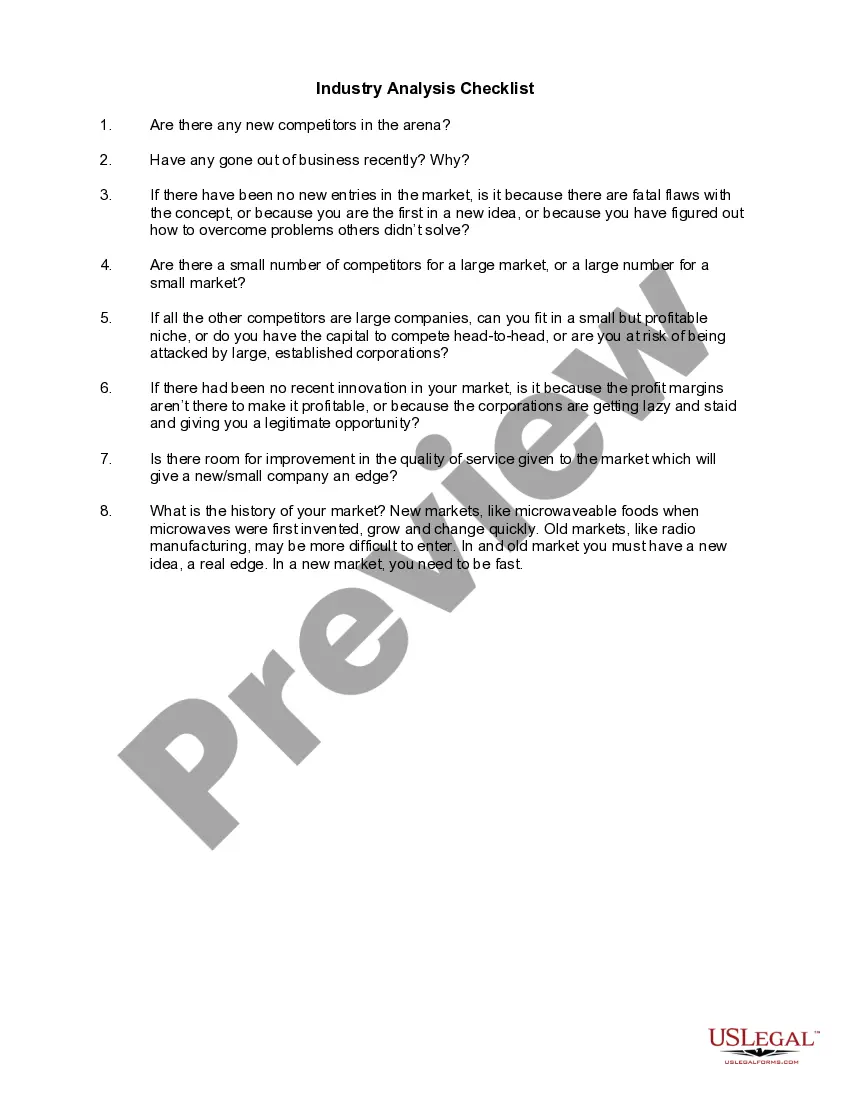
Industry Analysis Checklist With Examples
Description
Get your form ready online
Our built-in tools help you complete, sign, share, and store your documents in one place.
Make edits, fill in missing information, and update formatting in US Legal Forms—just like you would in MS Word.
Download a copy, print it, send it by email, or mail it via USPS—whatever works best for your next step.
Sign and collect signatures with our SignNow integration. Send to multiple recipients, set reminders, and more. Go Premium to unlock E-Sign.
If this form requires notarization, complete it online through a secure video call—no need to meet a notary in person or wait for an appointment.
We protect your documents and personal data by following strict security and privacy standards.

Make edits, fill in missing information, and update formatting in US Legal Forms—just like you would in MS Word.

Download a copy, print it, send it by email, or mail it via USPS—whatever works best for your next step.

Sign and collect signatures with our SignNow integration. Send to multiple recipients, set reminders, and more. Go Premium to unlock E-Sign.

If this form requires notarization, complete it online through a secure video call—no need to meet a notary in person or wait for an appointment.

We protect your documents and personal data by following strict security and privacy standards.
Looking for another form?




How to fill out Industry Analysis Checklist?
It’s well-known that you cannot transform into a legal expert instantly, nor can you learn how to swiftly create an Industry Analysis Checklist With Examples without possessing a specialized background.
Developing legal documents is a lengthy task that necessitates particular training and abilities. So why not entrust the creation of the Industry Analysis Checklist With Examples to the professionals.
With US Legal Forms, one of the most comprehensive legal template collections, you can access everything from court documents to templates for internal corporate communication. We recognize the significance of compliance and adherence to federal and local regulations. That’s why, on our platform, all templates are location-specific and current.
Click Buy now. After the payment is completed, you can acquire the Industry Analysis Checklist With Examples, complete it, print it, and send or mail it to the specified individuals or organizations.
You can regain access to your forms from the My documents section at any time. If you are a current client, you can simply Log In, and find and download the template from the same section.
- Begin with our website and obtain the form you need in just minutes.
- Find the form you require using the search bar at the top of the page.
- Preview it (if this option is available) and read the accompanying description to determine if the Industry Analysis Checklist With Examples is what you are looking for.
- Restart your search if you need any additional template.
- Create a free account and select a subscription option to purchase the template.
Form popularity
FAQ
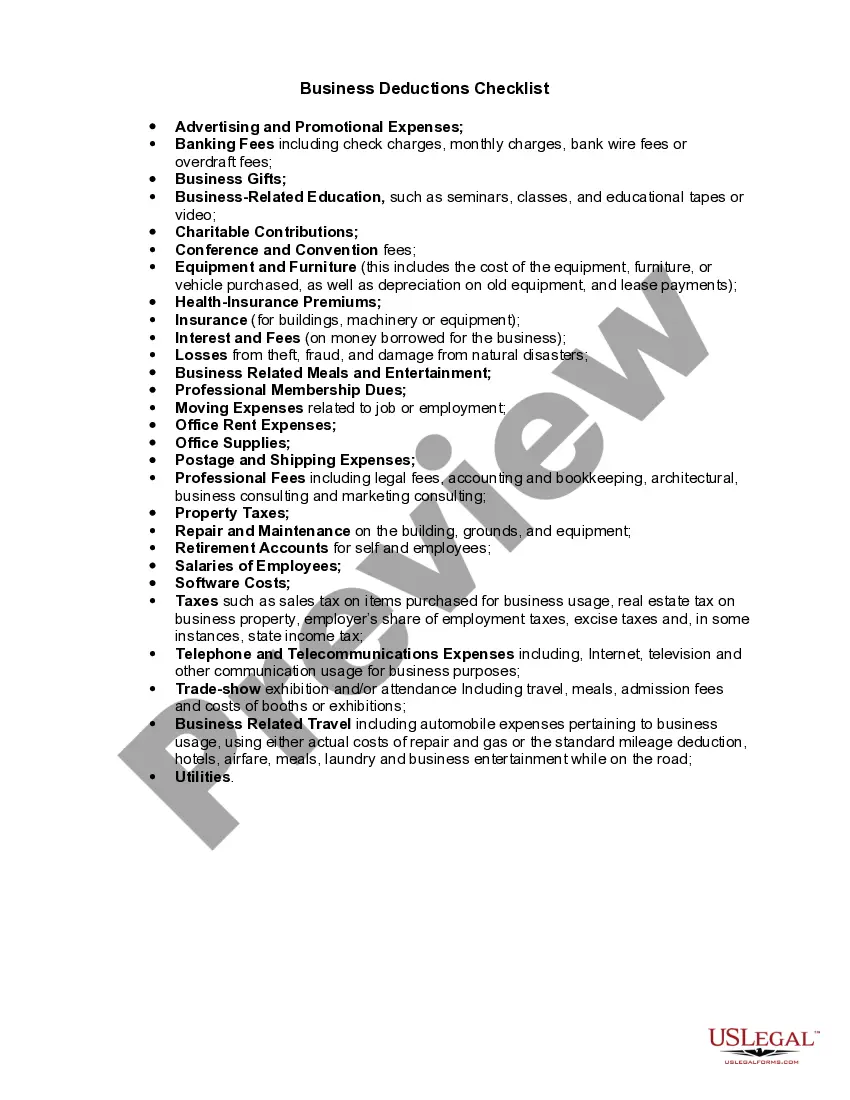
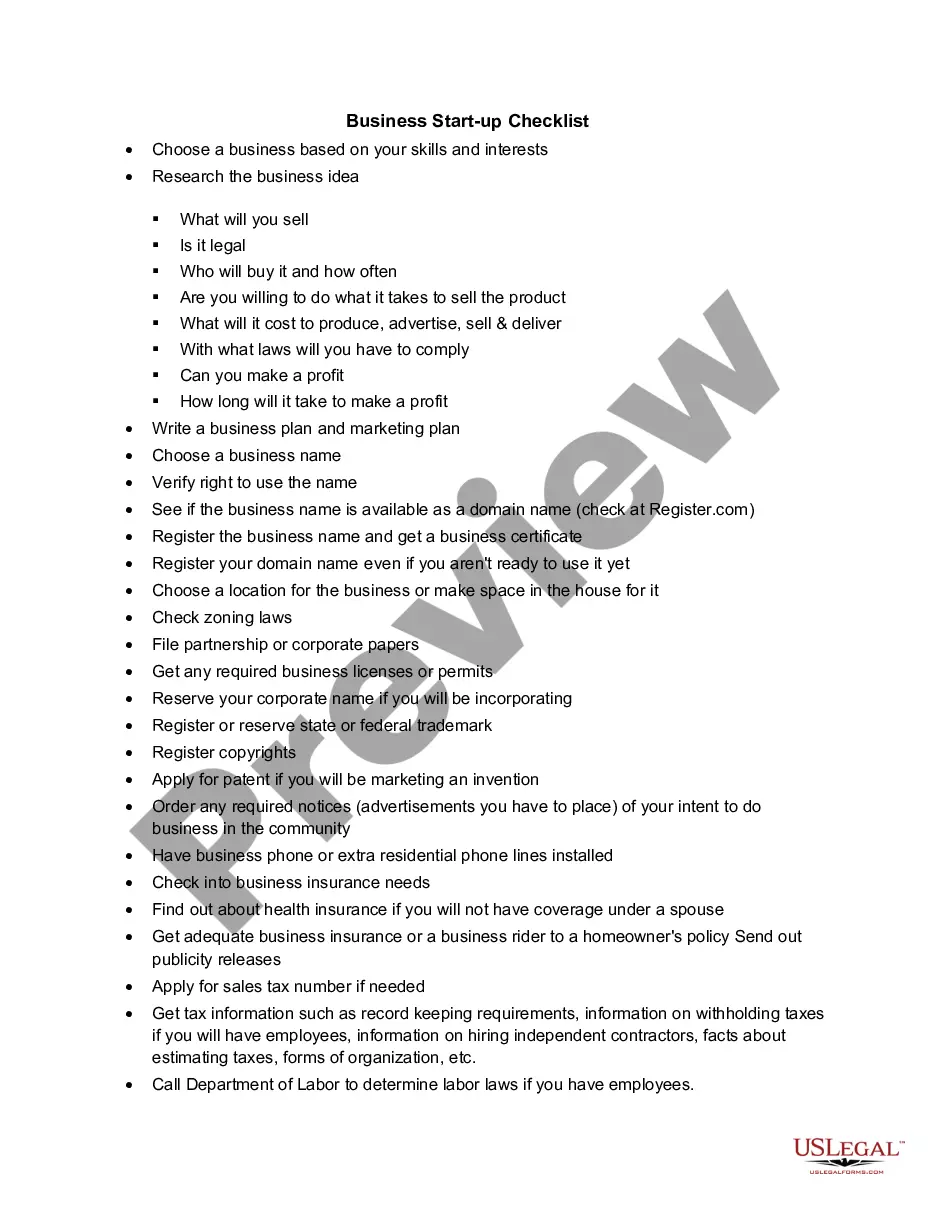
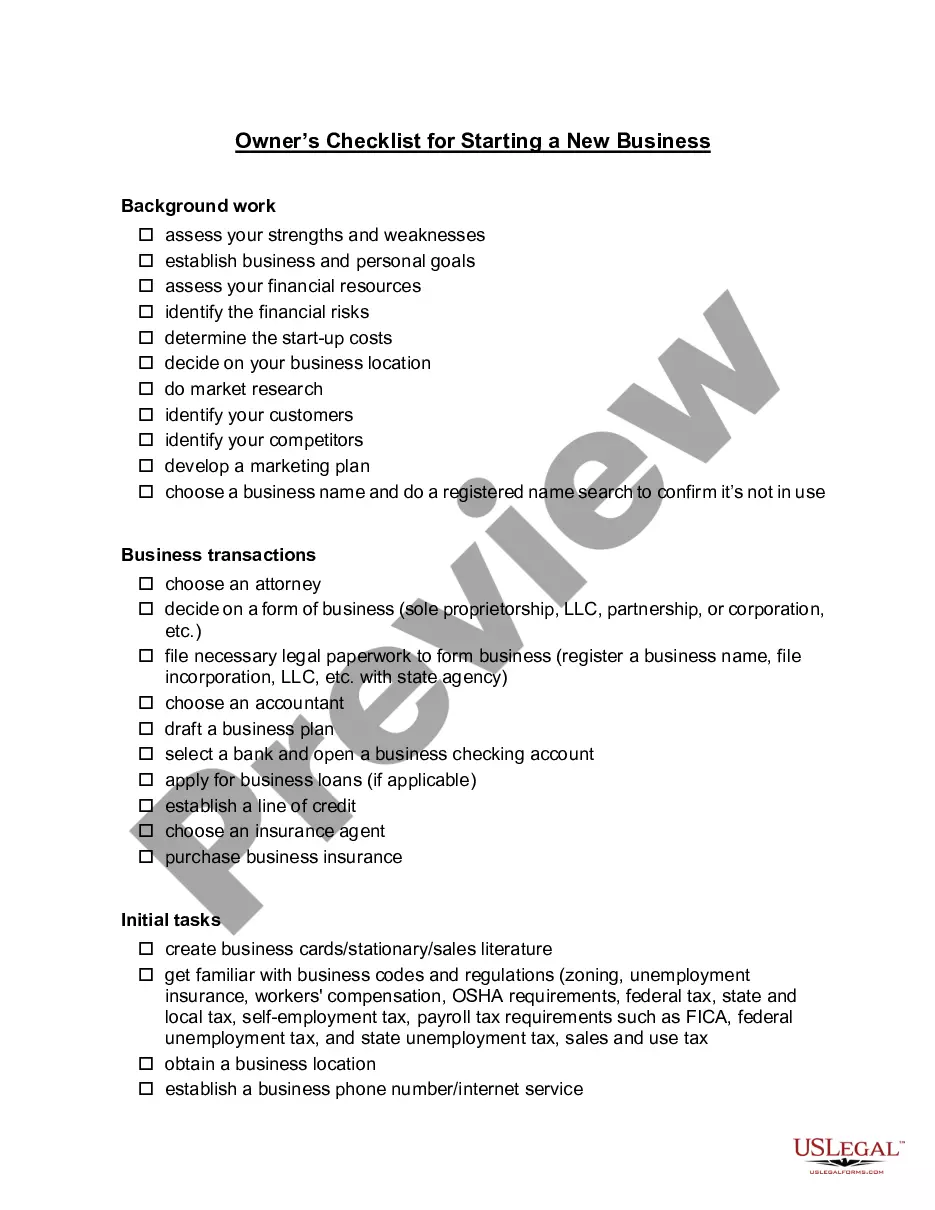
To complete an industry analysis, start by defining the industry and collecting relevant data. Utilize tools like the industry analysis checklist with examples to ensure you cover key aspects such as market trends, competitive landscape, and regulatory factors. This structured process helps you understand the dynamics at play. You can leverage platforms like US Legal Forms to access templates and resources that simplify your analysis.
The 5 C's of strategic analysis include Company, Customers, Competitors, Collaborators, and Context. Each component helps you evaluate your business environment effectively. By using the industry analysis checklist with examples, you can systematically assess these areas. This approach allows you to identify opportunities and threats, ultimately guiding your strategic decisions.
The 5 industry analysis often refers to the five forces model proposed by Michael Porter. It examines the competitive forces within an industry, including supplier power, buyer power, competitive rivalry, threat of substitution, and threat of new entrants. Using an industry analysis checklist with examples can help visualize these forces effectively. Understanding these dynamics allows businesses to navigate their industry landscape with confidence.
An industry analysis typically includes an overview of the market, major competitors, and potential challenges. You should also assess market share distribution, profitability, and customer segments. By utilizing an industry analysis checklist with examples, you can ensure no critical aspect is overlooked. This thorough examination helps you develop a robust strategy for your business.
When conducting an industry analysis, you should include market size, growth potential, competitive landscape, and key trends. Additionally, consider factors like regulatory environment and consumer preferences. An industry analysis checklist with examples can guide you through this process effectively. This comprehensive approach ensures you capture all relevant data for informed decision-making.
An example of industry analysis is evaluating the technology sector's trends, competition, and market demands. You might look at emerging technologies, major players, and consumer behavior. Using an industry analysis checklist with examples can help you identify key insights. This approach allows businesses to position themselves strategically within the market.
Include specific information about growth patterns, fluctuations related to the economy, and income projections. Be sure to document recent developments, news, and innovations. Also, discuss marketing strategies, and the industry's prevalent operational and management trends. Provide a forecast for your industry.
Here are four steps on how to conduct an industry analysis. Getting the information ready. Carrying out detailed research is the first step in an industry analysis. ... Evaluating your competitors. ... Analyzing competitive data. ... Evaluating Your Position.
This includes current trends, opportunities, threats, challenges, and critical issues. They also contain financial benchmark information that may be used for comparison against those in the industry. This report is a critical component of understanding the current state of a given industry.
So identifying the right sub-industry is key to accurate analysis. Forecast the potential of the company's growth: Try to gauge what the future demand and supply in the industry look like. Additionally, assess the health of each company based on its growth rate and product portfolio of the last 5 yrs.