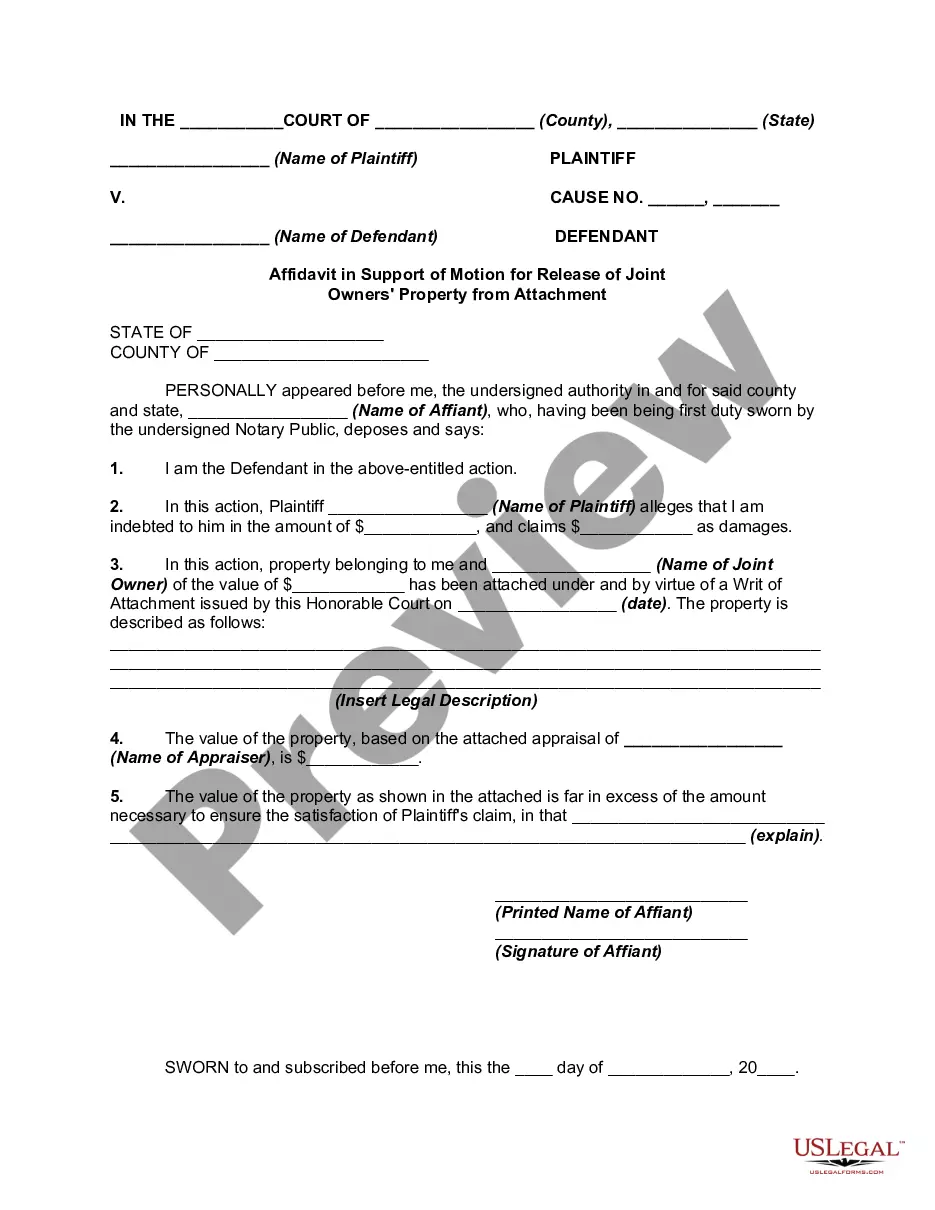
Affidavit in Support of Motion for Release of Joint Owners' Property from Attachment
What is this form?
The Affidavit in Support of Motion for Release of Joint Owners' Property from Attachment is a legal document used in court proceedings. This form enables a defendant to formally request the release of joint property that has been attached due to a legal claim against them. Unlike other affidavits, this specific document focuses on properties jointly owned and outlines the reasons why the attachment should be lifted. It is designed to ensure that the rights of joint owners are protected while addressing the claims of the opposing party.
Key components of this form
- Case Information: Provides the names of the plaintiff and defendant, along with the case number.
- Affiant Introduction: Includes the name and details of the person making the affidavit (affiant).
- Debt Details: Outlines the alleged amounts owed by the defendant.
- Property Description: Specifies the joint property being attached and provides a legal description.
- Appraisal Information: Includes the value of the property based on an appraisal.
- Justification for Release: Contains explanations for why the attachment should be released due to property value exceeding the claim.

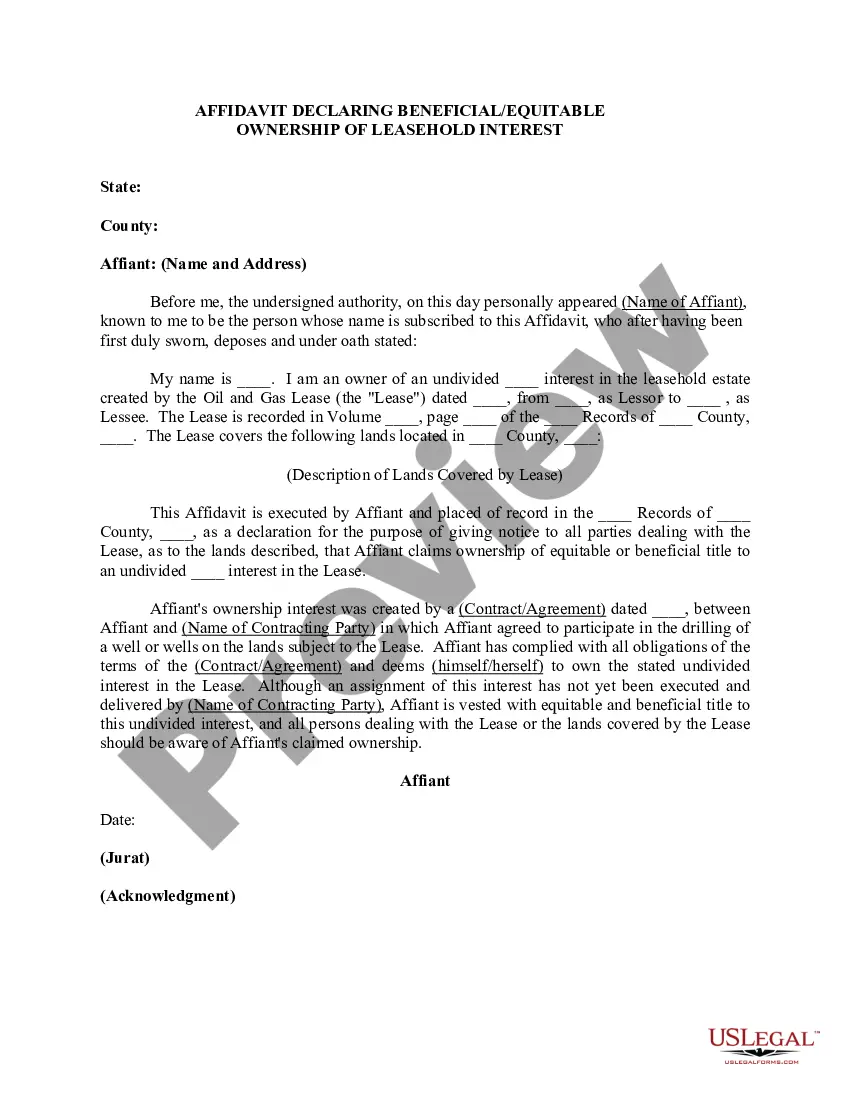
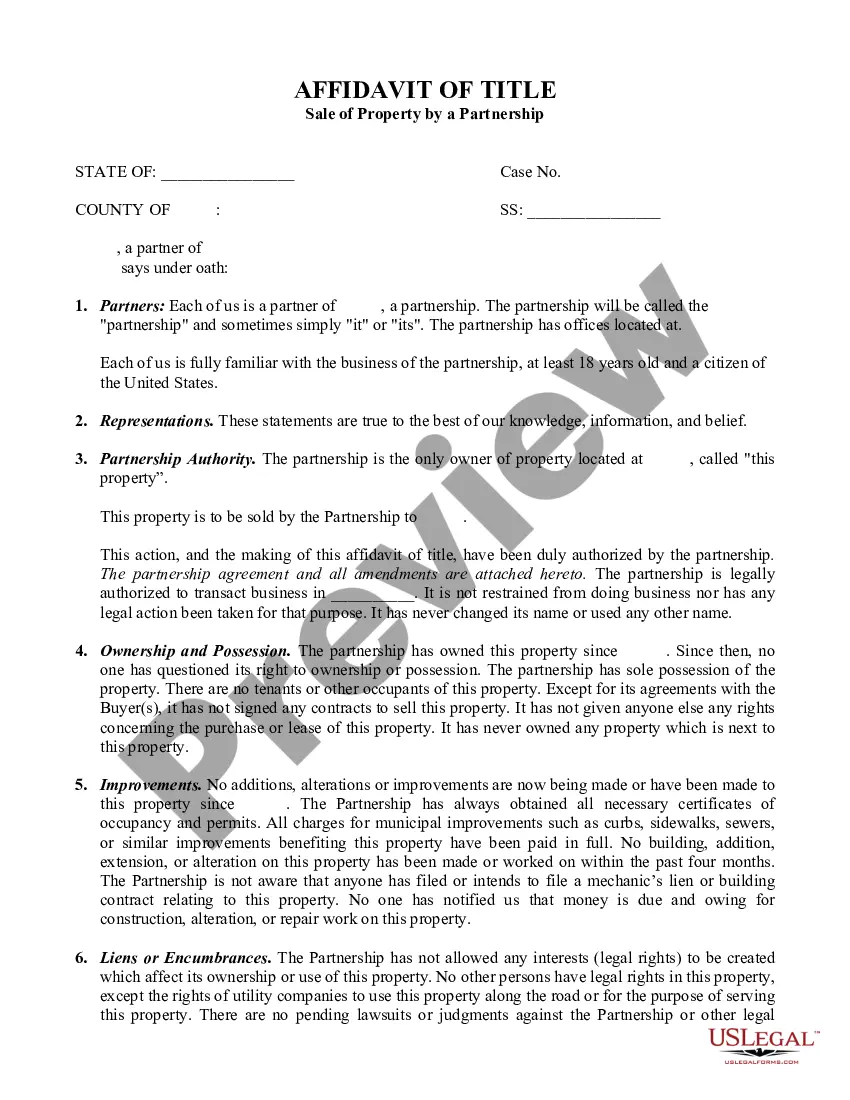
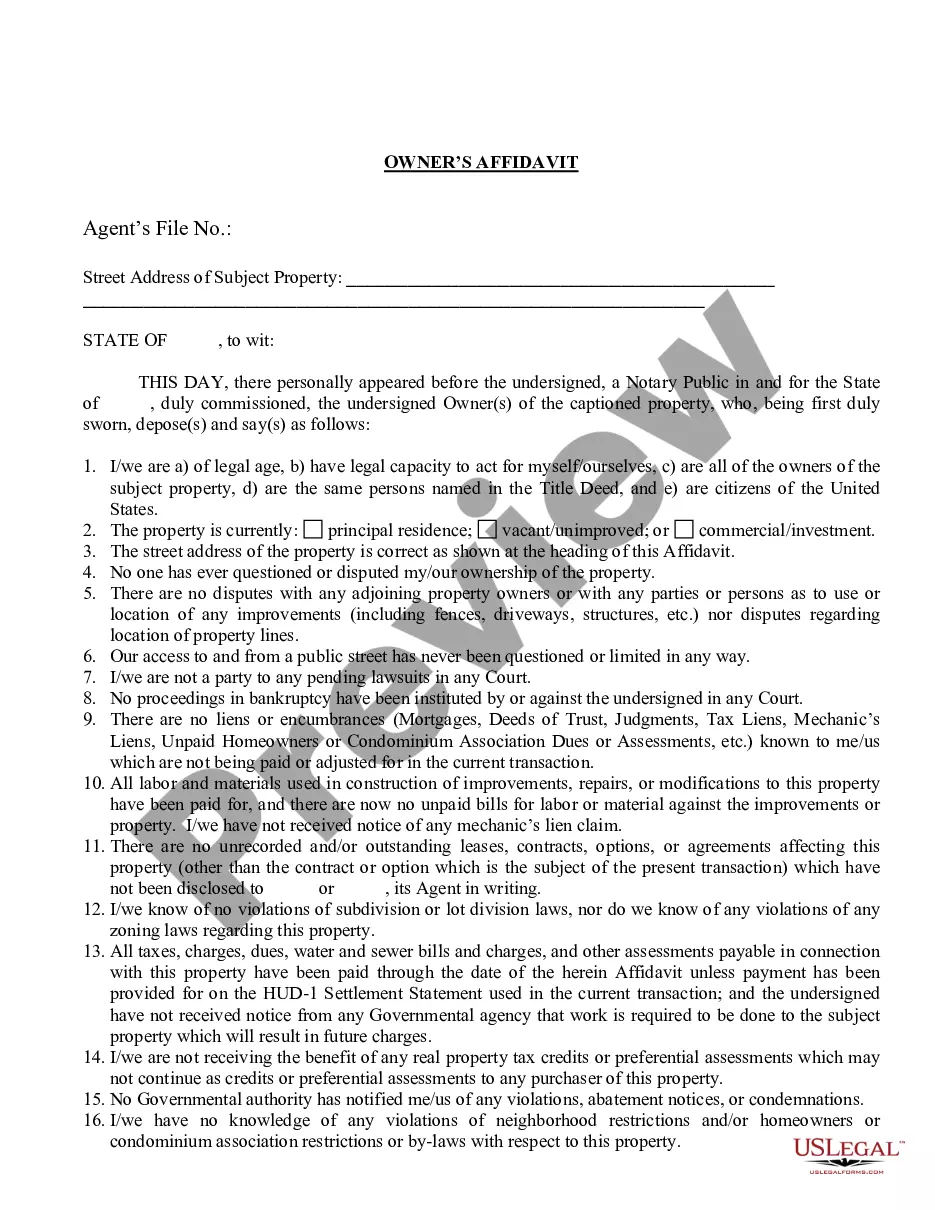
Situations where this form applies
This form should be used when a legal claim has been made against a defendant, resulting in the attachment of property that is jointly owned. If the defendant believes that the value of the jointly owned property exceeds the outstanding debt, they can use this affidavit to formally request the release of the property from attachment. It is especially useful in scenarios where immediate access to the property is necessary for the affiant's livelihood or for joint ownership responsibilities.
Who needs this form
- Defendants who are facing legal claims that have resulted in the attachment of their jointly owned property.
- Any party involved in a dispute regarding property ownership and value.
- Individuals seeking to protect their rights as joint property owners in legal proceedings.
Steps to complete this form
- Identify the parties: Fill in the names of the plaintiff and defendant at the beginning of the affidavit.
- Provide affiant details: Enter the name and relevant information of the affiant who is making the statement.
- State the debt: Clearly specify the alleged amount owed to the plaintiff.
- Describe the attached property: Provide a thorough legal description of the property that has been attached.
- Include appraisal info: Add the estimated value of the property backed by an appraisal report.
- Explain justification: Write a brief explanation of why the property should be released from attachment.
Does this document require notarization?
Yes, this form must be notarized to be legally valid. The affidavit must be sworn to or affirmed before a notary public or another authorized officer. US Legal Forms offers integrated online notarization services that provide a secure video call process for your convenience, available 24/7.
Get your form ready online
Our built-in tools help you complete, sign, share, and store your documents in one place.
Make edits, fill in missing information, and update formatting in US Legal Forms—just like you would in MS Word.
Download a copy, print it, send it by email, or mail it via USPS—whatever works best for your next step.
Sign and collect signatures with our SignNow integration. Send to multiple recipients, set reminders, and more. Go Premium to unlock E-Sign.
If this form requires notarization, complete it online through a secure video call—no need to meet a notary in person or wait for an appointment.
We protect your documents and personal data by following strict security and privacy standards.

Make edits, fill in missing information, and update formatting in US Legal Forms—just like you would in MS Word.

Download a copy, print it, send it by email, or mail it via USPS—whatever works best for your next step.

Sign and collect signatures with our SignNow integration. Send to multiple recipients, set reminders, and more. Go Premium to unlock E-Sign.

If this form requires notarization, complete it online through a secure video call—no need to meet a notary in person or wait for an appointment.

We protect your documents and personal data by following strict security and privacy standards.
Common mistakes
- Not including all necessary identifying information for the affiant and the property.
- Failing to provide a clear and detailed legal description of the property.
- Leaving out required signatures or notarization.
- Neglecting to justify the request for releasing the attached property.
- Using incorrect amounts for debts or values, which can undermine the affidavit.
Why complete this form online
- Convenience of downloading the form anytime, anywhere.
- Easy editability allows for quick updates as needed.
- Reliability of professionally drafted templates ensures legal standards are met.
What to keep in mind
- The affidavit is a crucial document for a defendant seeking to reclaim joint property from legal attachment.
- It must be accurately completed and notarized to hold legal weight.
- Understanding the propertyâs value and effectively justifying its release are key to a successful affidavit.
- The form can be tailored to meet specific legal requirements based on the jurisdiction.
Looking for another form?
Form popularity
FAQ
The Notice of Motion usually begins with the caption that includes the court of jurisdiction, the docket number, and below the docket number, "Notice of Motion." It is usual to then write, "Please take Notice that the undersigned will bring a motion for (what you are asking the court for or to do)." Read the Local
The motion must include a separate "Notice of Motion" which includes a brief summary of the nature of the motion, the deadline for filing a response, and if there is a hearing, the date, time, and location of the hearing.
Ask the court for a motion date. Identify and fill out your motion forms. Serve and file your motion forms. Confirm that you will attend the motion. Go to your motion hearing. Receive the judge's decision.
Ask the court for a motion date. Identify and fill out your motion forms. Serve and file your motion forms. Confirm that you will attend the motion. Go to your motion hearing. Receive the judge's decision.
Title the affidavit. First, you'll need to title your affidavit. Craft a statement of identity. The very next section of your affidavit is what's known as a statement of identity. Write a statement of truth. State the facts. Reiterate your statement of truth. Sign and notarize.
Filing Your Motion. Take your motion to the clerk of court. You must file your motion in the same court where the related case is being heard if you want the judge to rule on it.
General format - each motion generally consists of a case caption, a title that briefly identifies the relief sought, a series of numbered paragraphs that explains -- in a logical way -- why you are entitled to that relief, a prayer for relief, a signature block, a certification that a copy of the motion was sent to