Defendant Release To
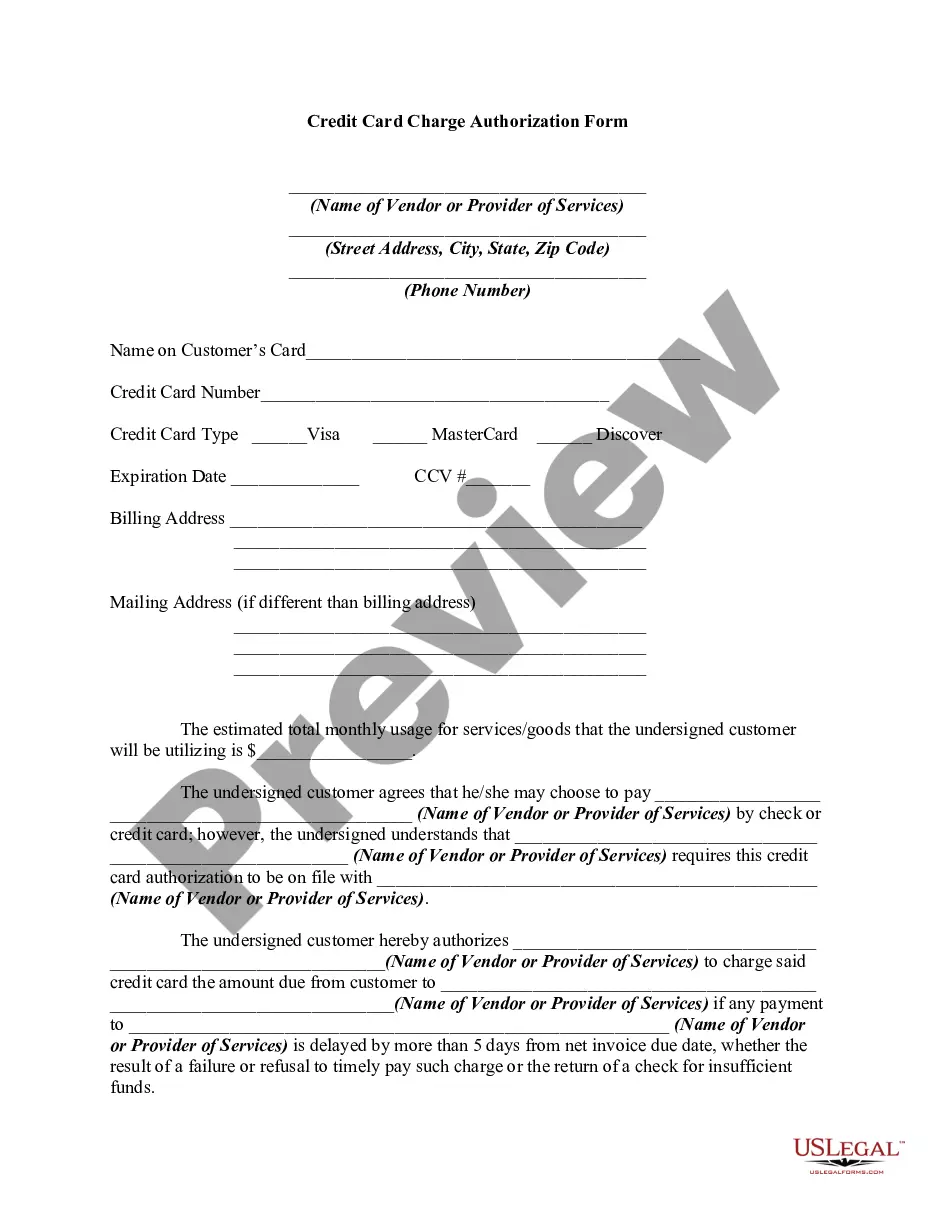
Description
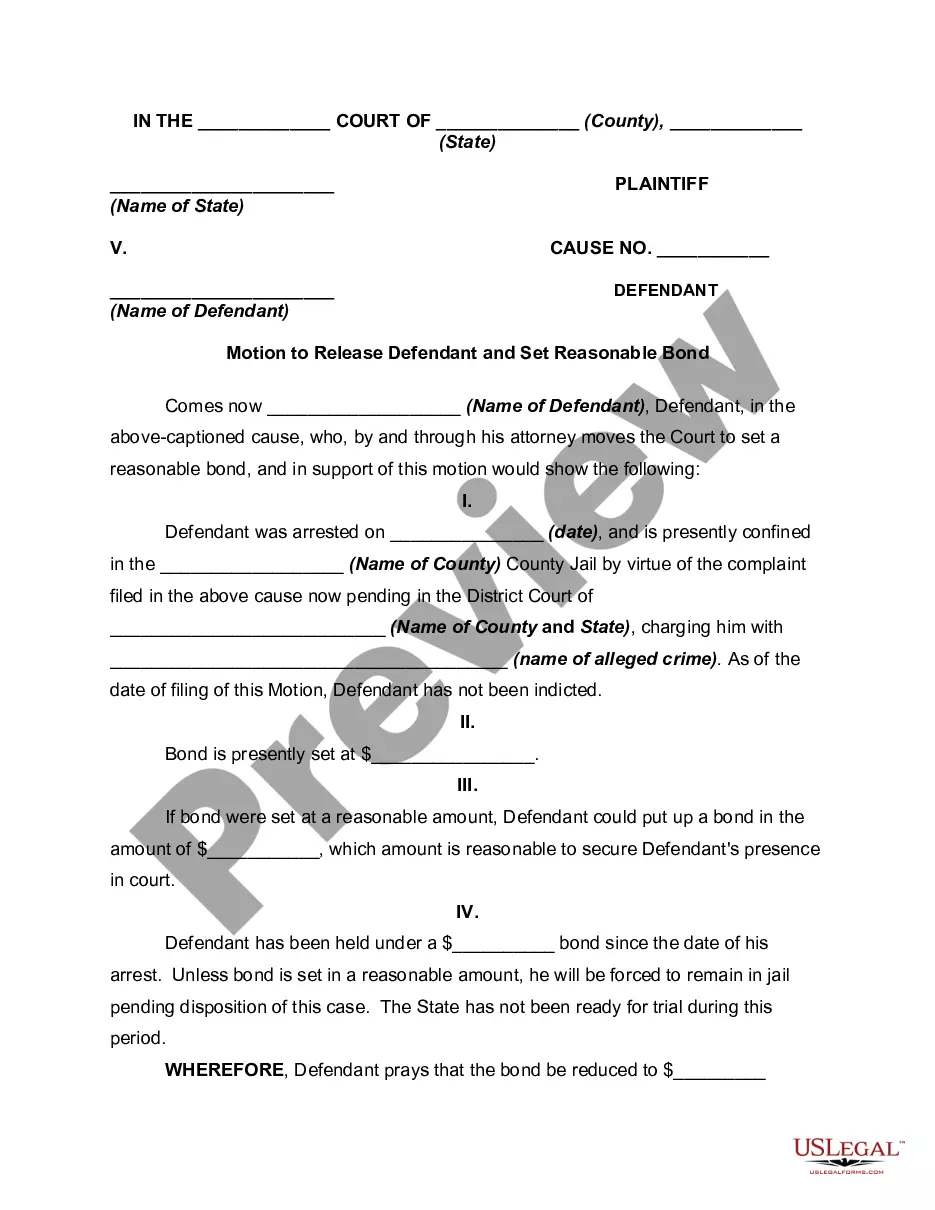
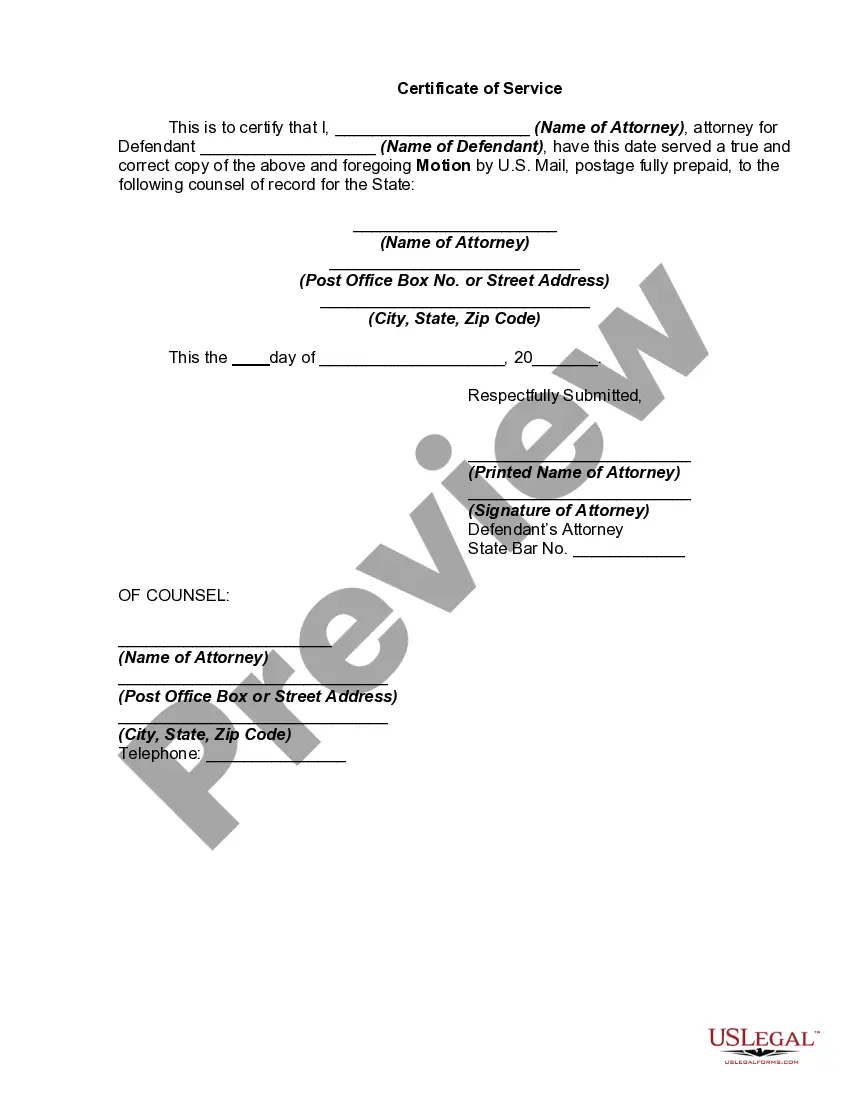
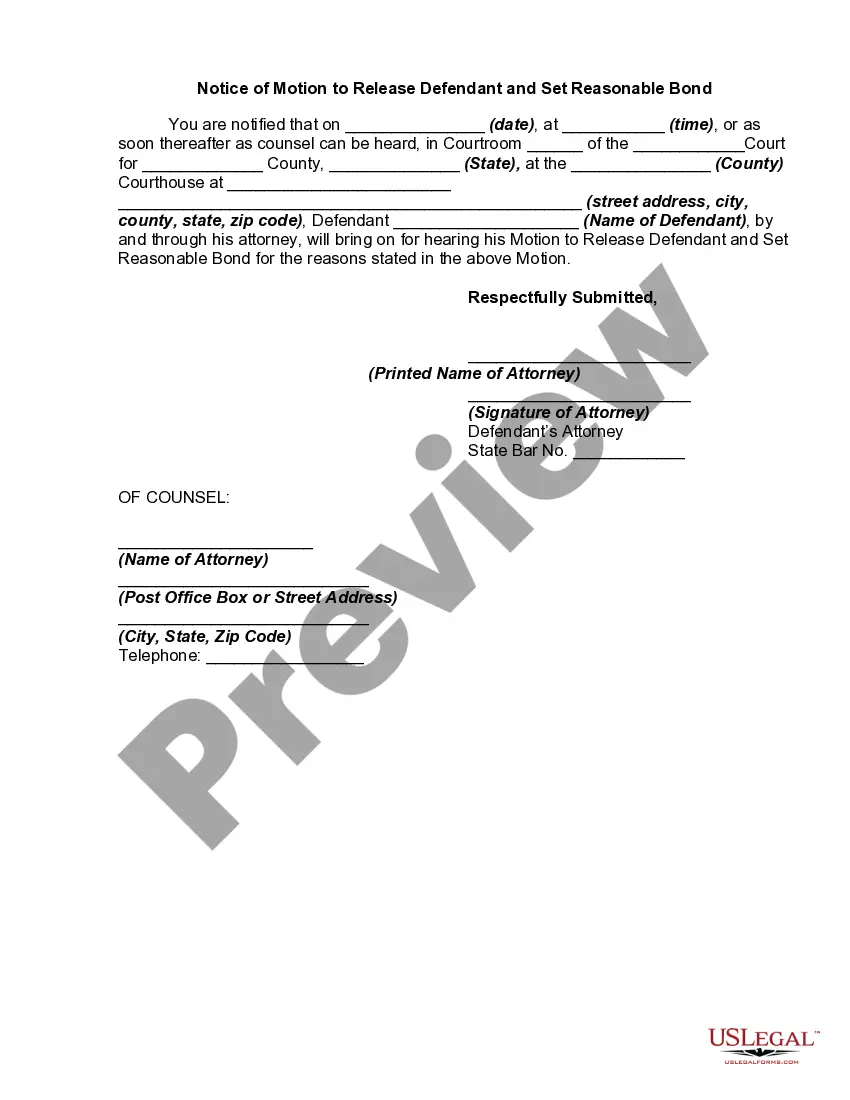
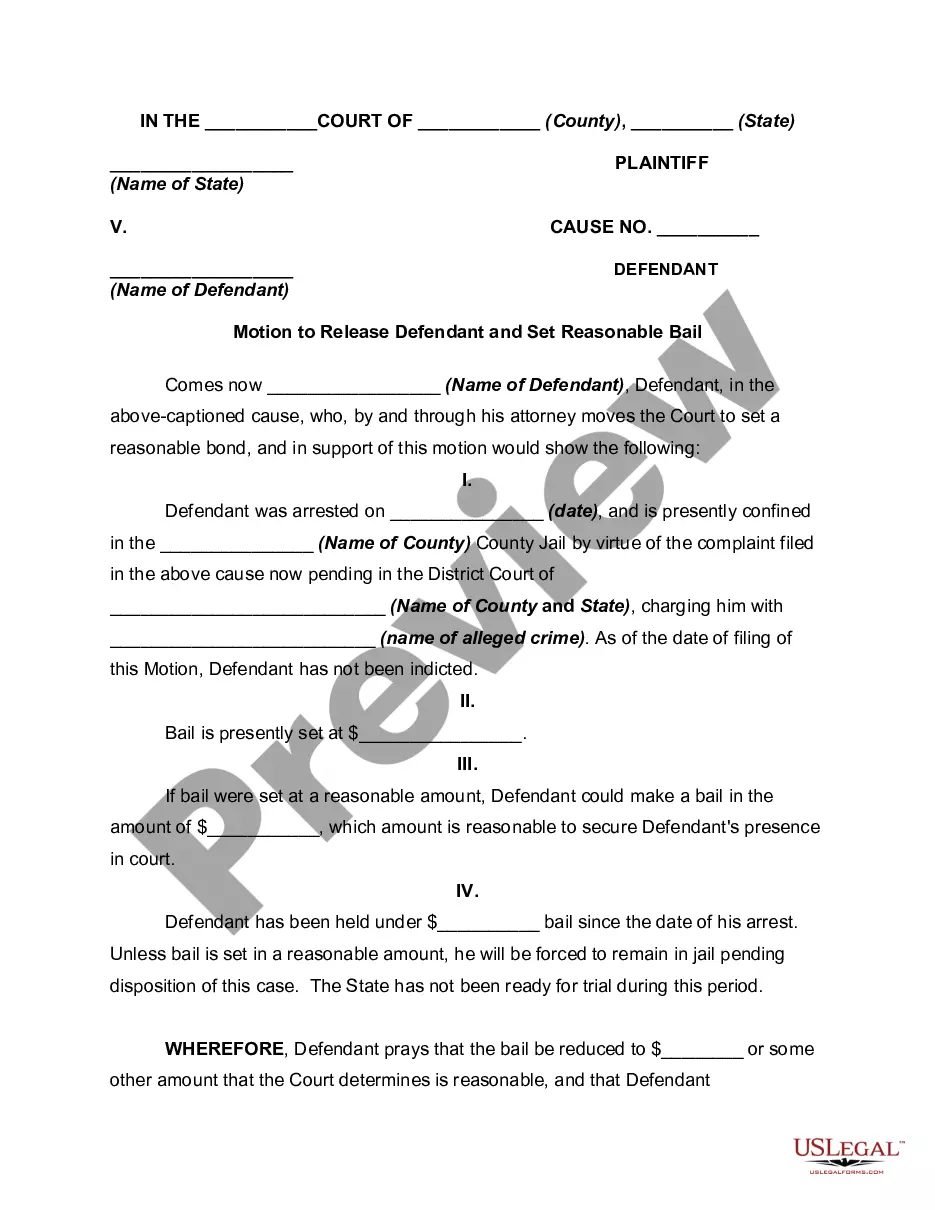
Get your form ready online
Our built-in tools help you complete, sign, share, and store your documents in one place.
Make edits, fill in missing information, and update formatting in US Legal Forms—just like you would in MS Word.
Download a copy, print it, send it by email, or mail it via USPS—whatever works best for your next step.
Sign and collect signatures with our SignNow integration. Send to multiple recipients, set reminders, and more. Go Premium to unlock E-Sign.
If this form requires notarization, complete it online through a secure video call—no need to meet a notary in person or wait for an appointment.
We protect your documents and personal data by following strict security and privacy standards.

Make edits, fill in missing information, and update formatting in US Legal Forms—just like you would in MS Word.

Download a copy, print it, send it by email, or mail it via USPS—whatever works best for your next step.

Sign and collect signatures with our SignNow integration. Send to multiple recipients, set reminders, and more. Go Premium to unlock E-Sign.

If this form requires notarization, complete it online through a secure video call—no need to meet a notary in person or wait for an appointment.

We protect your documents and personal data by following strict security and privacy standards.
Looking for another form?
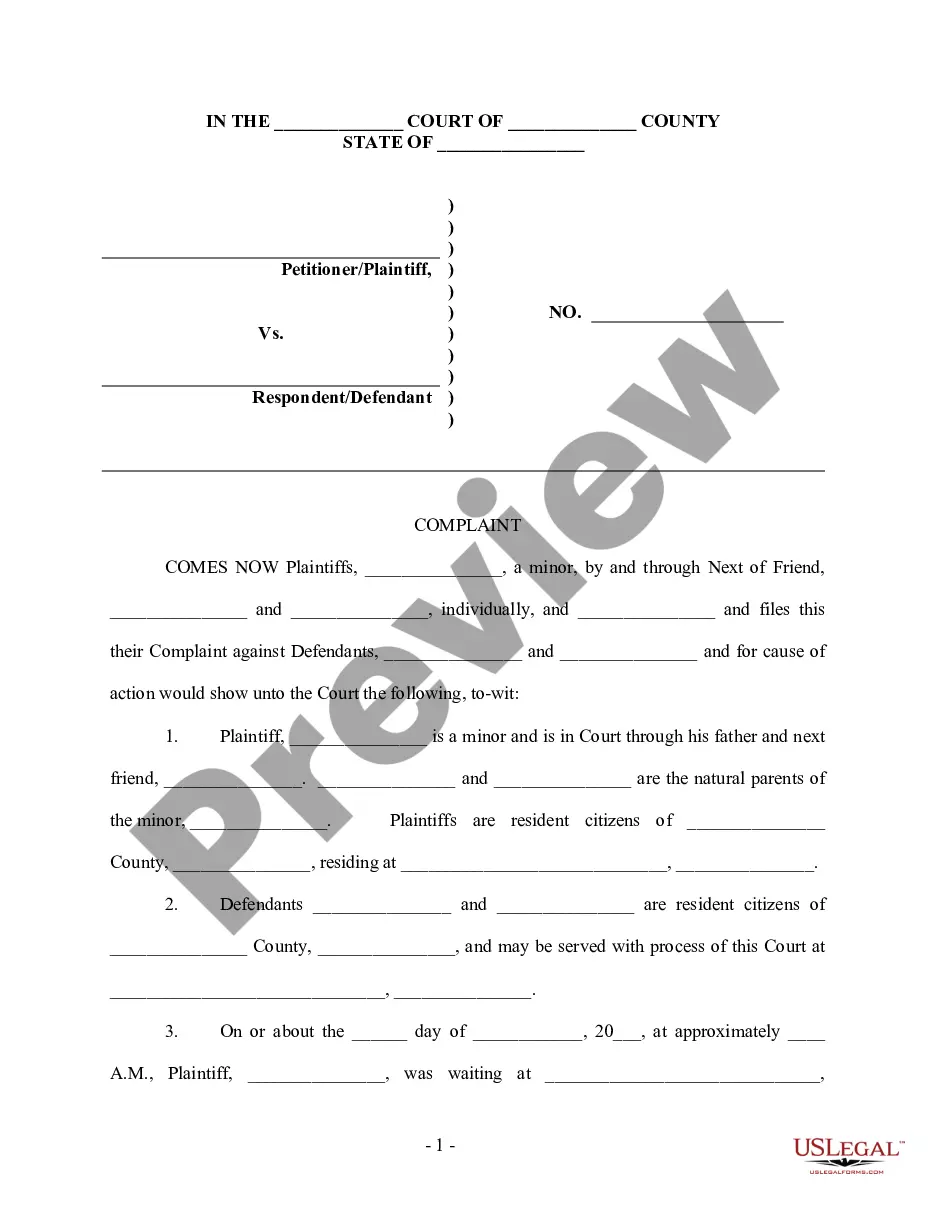


How to fill out Motion To Release Defendant And Set Reasonable Bond?
The Defendant Release To you observe on this page is a reusable legal template formulated by expert attorneys in accordance with federal and state laws. For over 25 years, US Legal Forms has supplied individuals, entities, and legal professionals with more than 85,000 authenticated, state-specific documents for any commercial and personal situation. It’s the quickest, easiest, and most trustworthy method to procure the paperwork you require, as the service ensures bank-level data protection and anti-malware safeguards.
Acquiring this Defendant Release To will require just a few straightforward steps.
Subscribe to US Legal Forms to have authentic legal templates for all of life's situations at your disposal.
- Search for the document you require and review it. Browse through the file you looked for and view it or examine the form description to confirm it meets your needs. If it doesn’t, utilize the search bar to discover the appropriate one. Click Buy Now once you have located the template you need.
- Join and Log In. Choose the payment plan that fits you and establish an account. Use PayPal or a credit card for a quick transaction. If you already hold an account, Log In and review your subscription to continue.
- Obtain the editable template. Choose the format you prefer for your Defendant Release To (PDF, DOCX, RTF) and download the example onto your device.
- Complete and sign the documents. Print the template to fill it out by hand. Alternatively, utilize an online multifunctional PDF editor to swiftly and accurately complete and sign your form digitally.
- Download your documents once more. Access the same document at any time as needed. Open the My documents tab in your profile to redownload any previously saved forms.
Form popularity
FAQ
The way to apply for judicial release is by filing a motion. It is always better if you can go through a lawyer to file any motions with the court. The court is not required to appoint a lawyer to file your judicial release motion. You can write to your original attorney to ask if he or she will file the motion.
Many offenders have a single chance to petition for judicial release. There is no guarantee incarcerated offenders may file a second petition if the first is rejected. It is essential, therefore, that those seeking judicial release ensure they are eligible to file a motion under Section 2929.20 of the Ohio Code.
The judge may deny the motion without a hearing within 60 days, but this preserves the offender's eligibility to file again. However, if a judge denies the motion ?with prejudice,? the offender can no longer petition for judicial release.
Who's Eligible for Judicial Release in Ohio? Under Ohio Revised Code Section 2929.20, judicial release allows eligible inmates to be released from custody and convert the remainder of their sentence to probation. To be considered eligible, an offender first cannot be serving a mandatory prison sentence.
In Ohio, early release from prison is governed by Ohio Revised Code § 2929.20, which is titled ?Sentence Reduction Through Judicial Release.? An applicant can file a judicial release motion without an attorney; however, hiring a lawyer can give an applicant a greater chance for being accepted for judicial release.