Adverse Possessor Defendants Editable For Others
Description
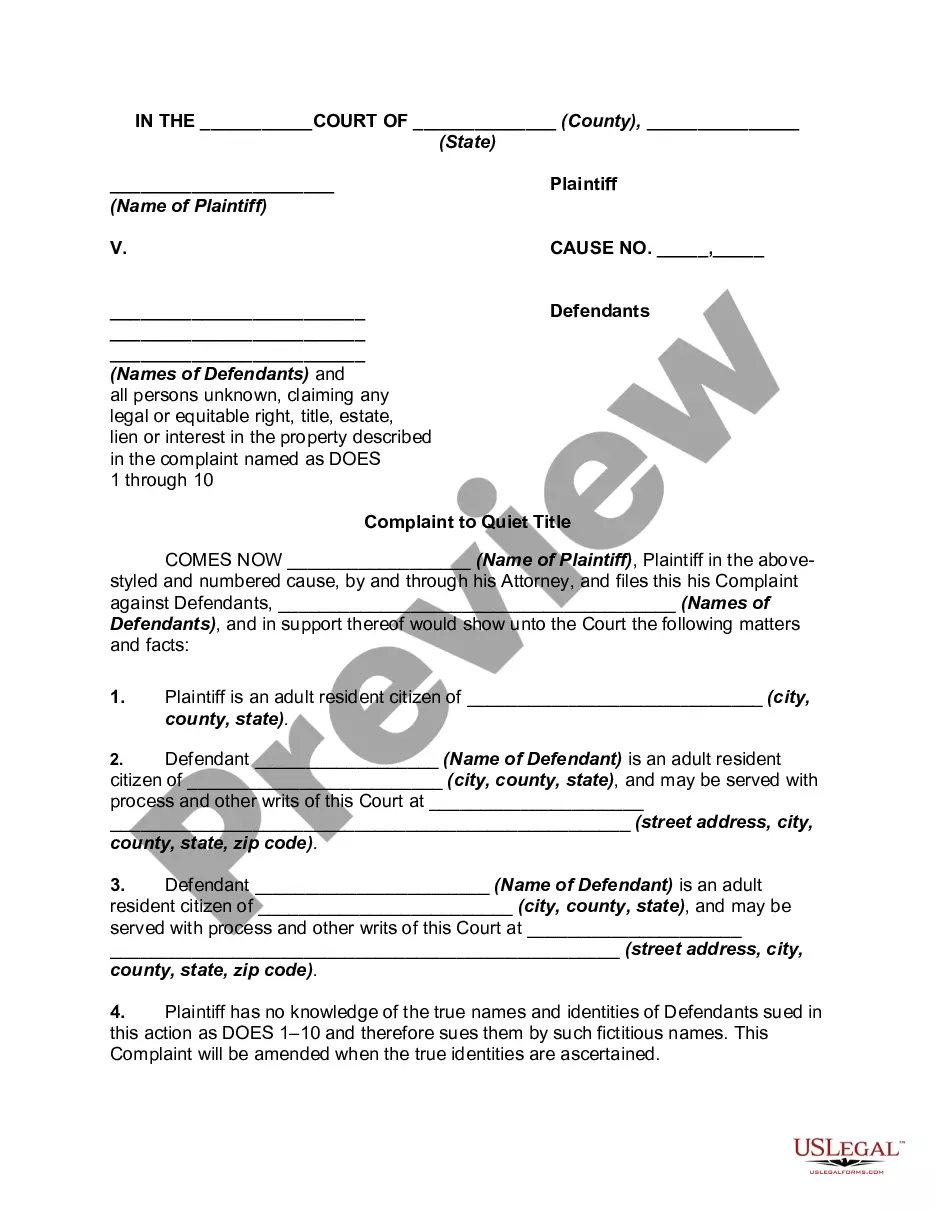
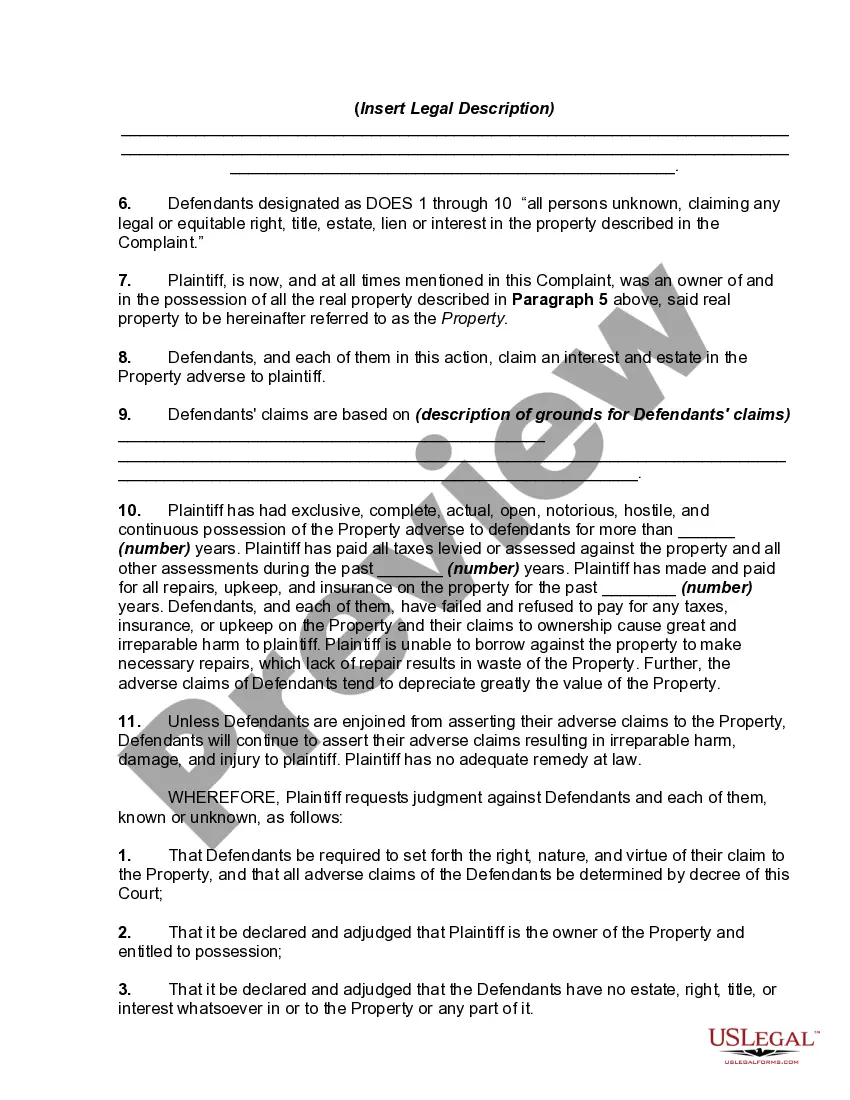
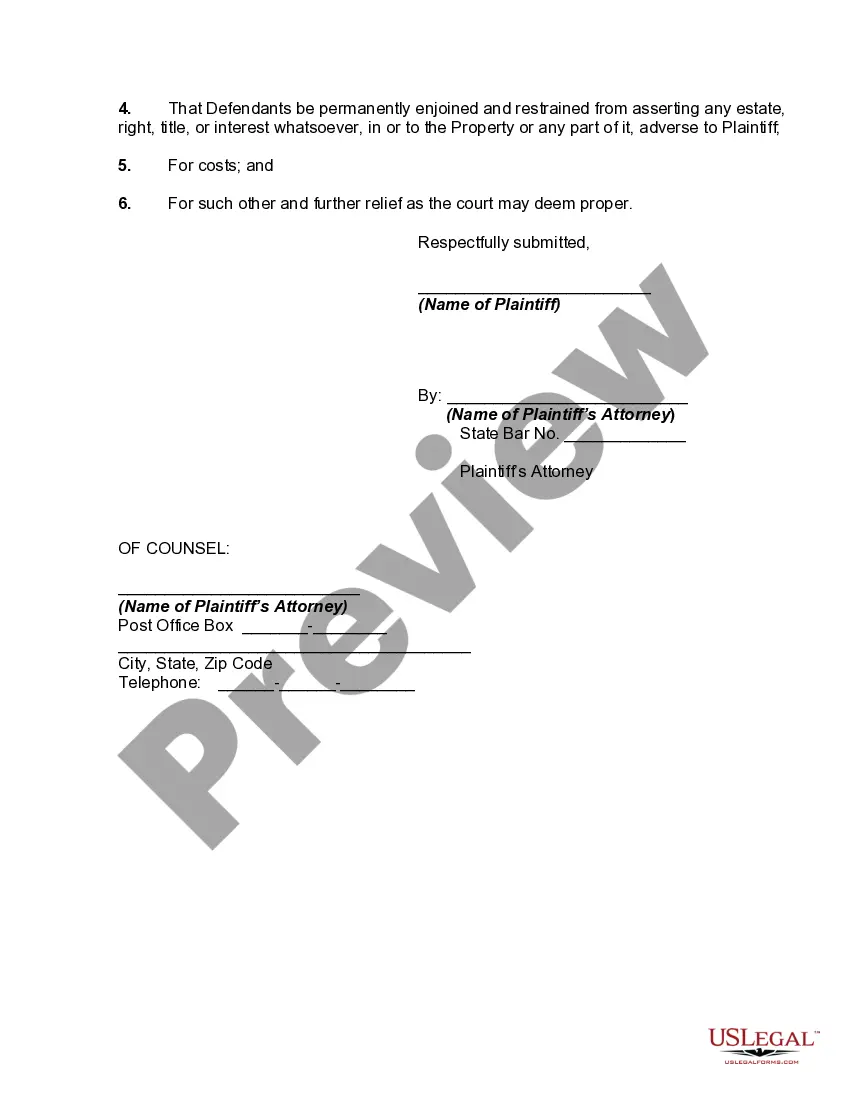
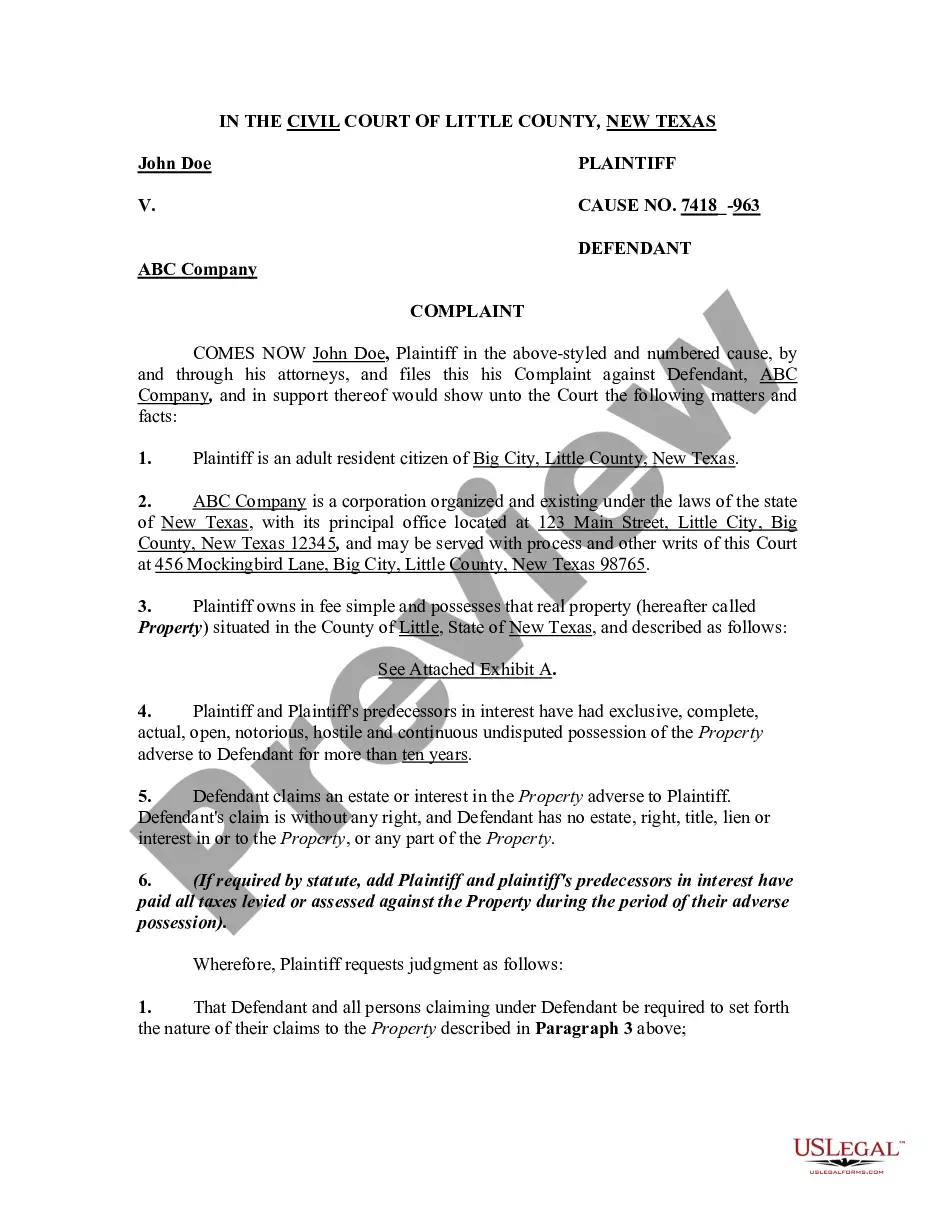
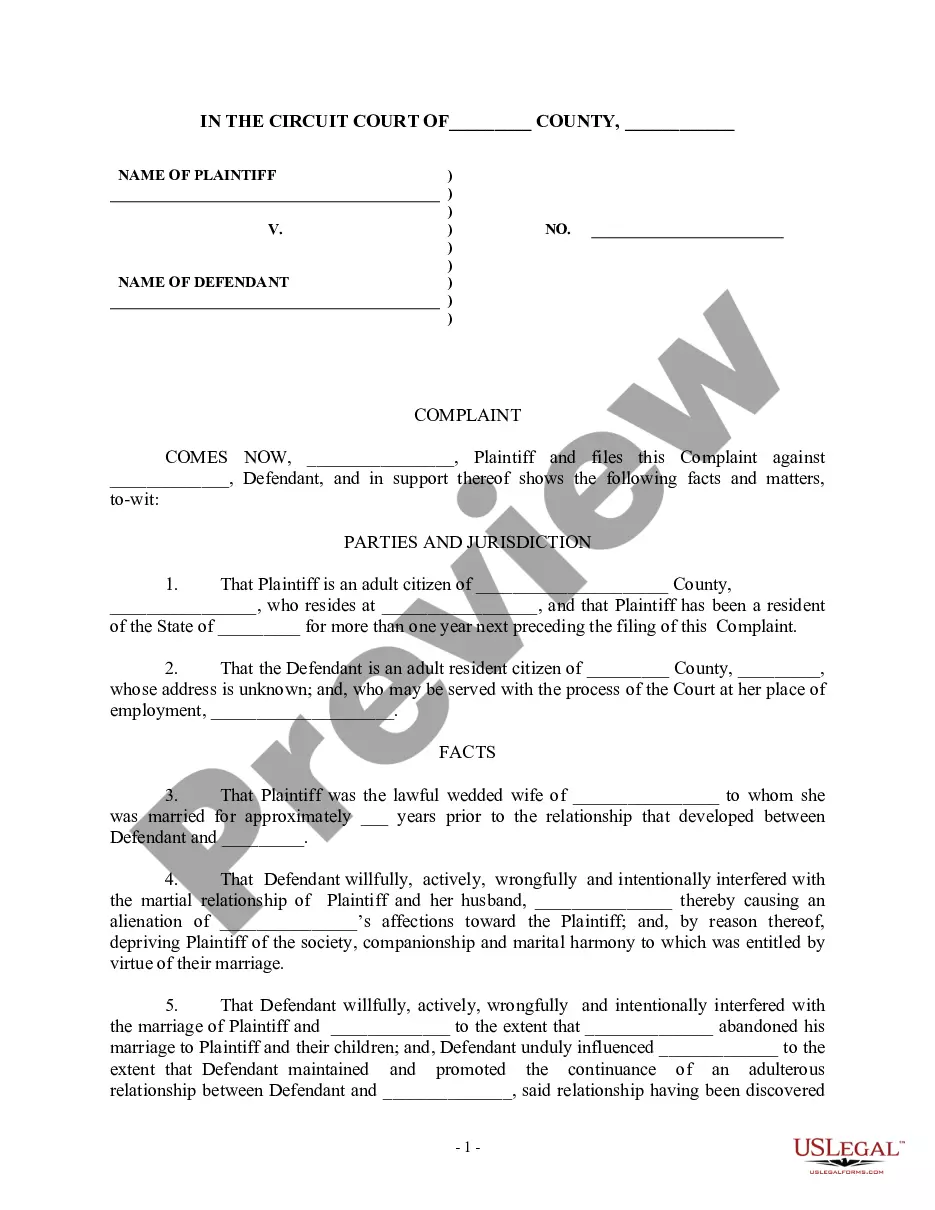
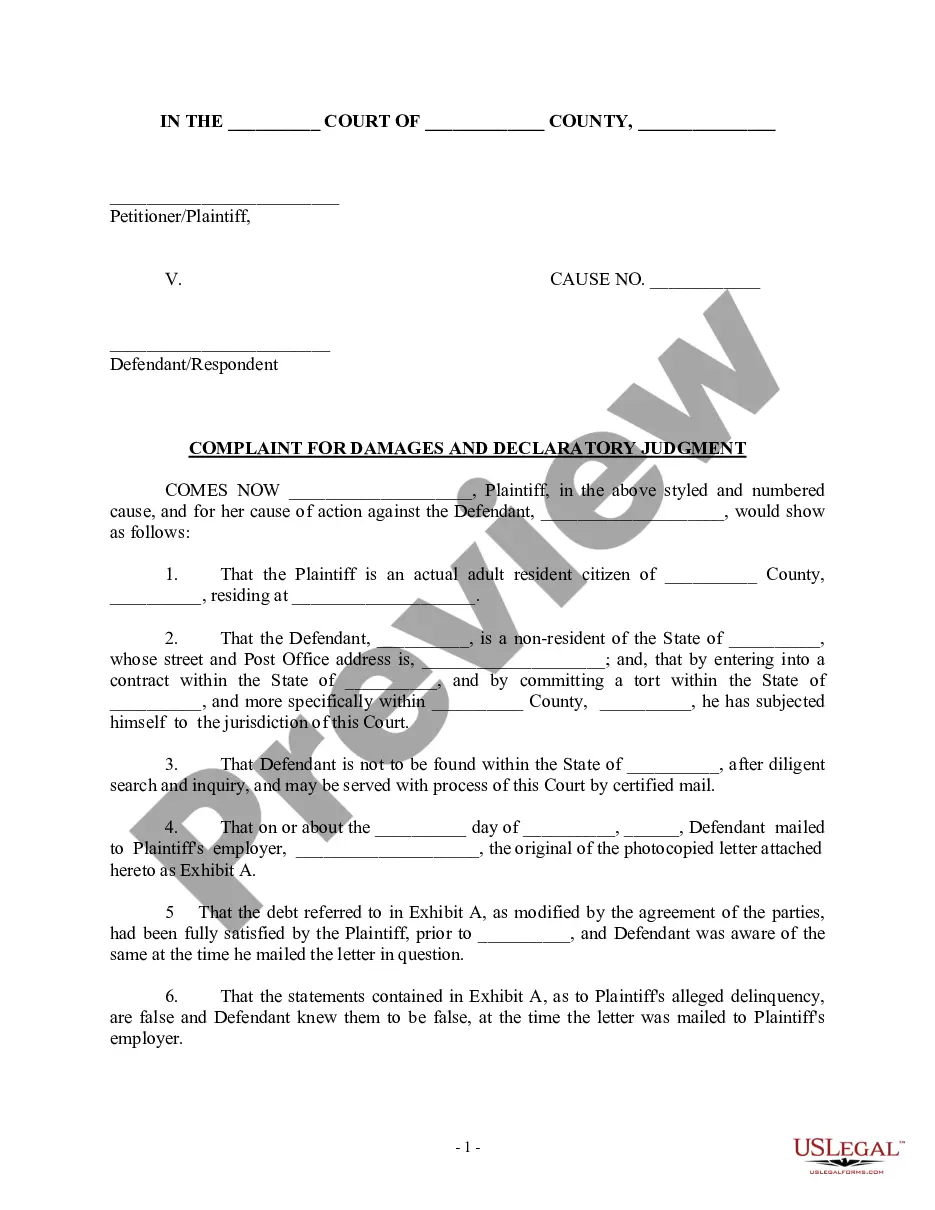
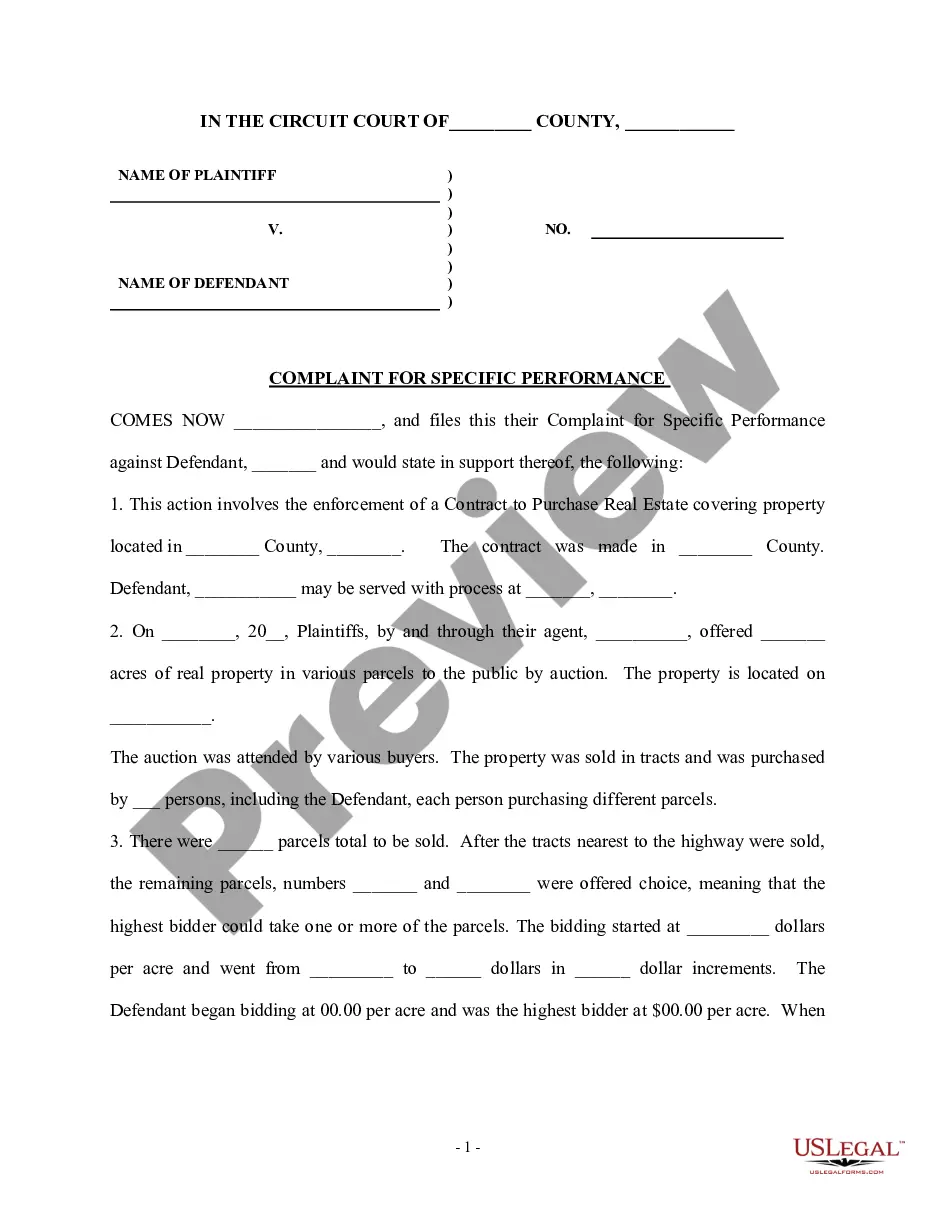
Get your form ready online
Our built-in tools help you complete, sign, share, and store your documents in one place.
Make edits, fill in missing information, and update formatting in US Legal Forms—just like you would in MS Word.
Download a copy, print it, send it by email, or mail it via USPS—whatever works best for your next step.
Sign and collect signatures with our SignNow integration. Send to multiple recipients, set reminders, and more. Go Premium to unlock E-Sign.
If this form requires notarization, complete it online through a secure video call—no need to meet a notary in person or wait for an appointment.
We protect your documents and personal data by following strict security and privacy standards.

Make edits, fill in missing information, and update formatting in US Legal Forms—just like you would in MS Word.

Download a copy, print it, send it by email, or mail it via USPS—whatever works best for your next step.

Sign and collect signatures with our SignNow integration. Send to multiple recipients, set reminders, and more. Go Premium to unlock E-Sign.

If this form requires notarization, complete it online through a secure video call—no need to meet a notary in person or wait for an appointment.

We protect your documents and personal data by following strict security and privacy standards.
Looking for another form?


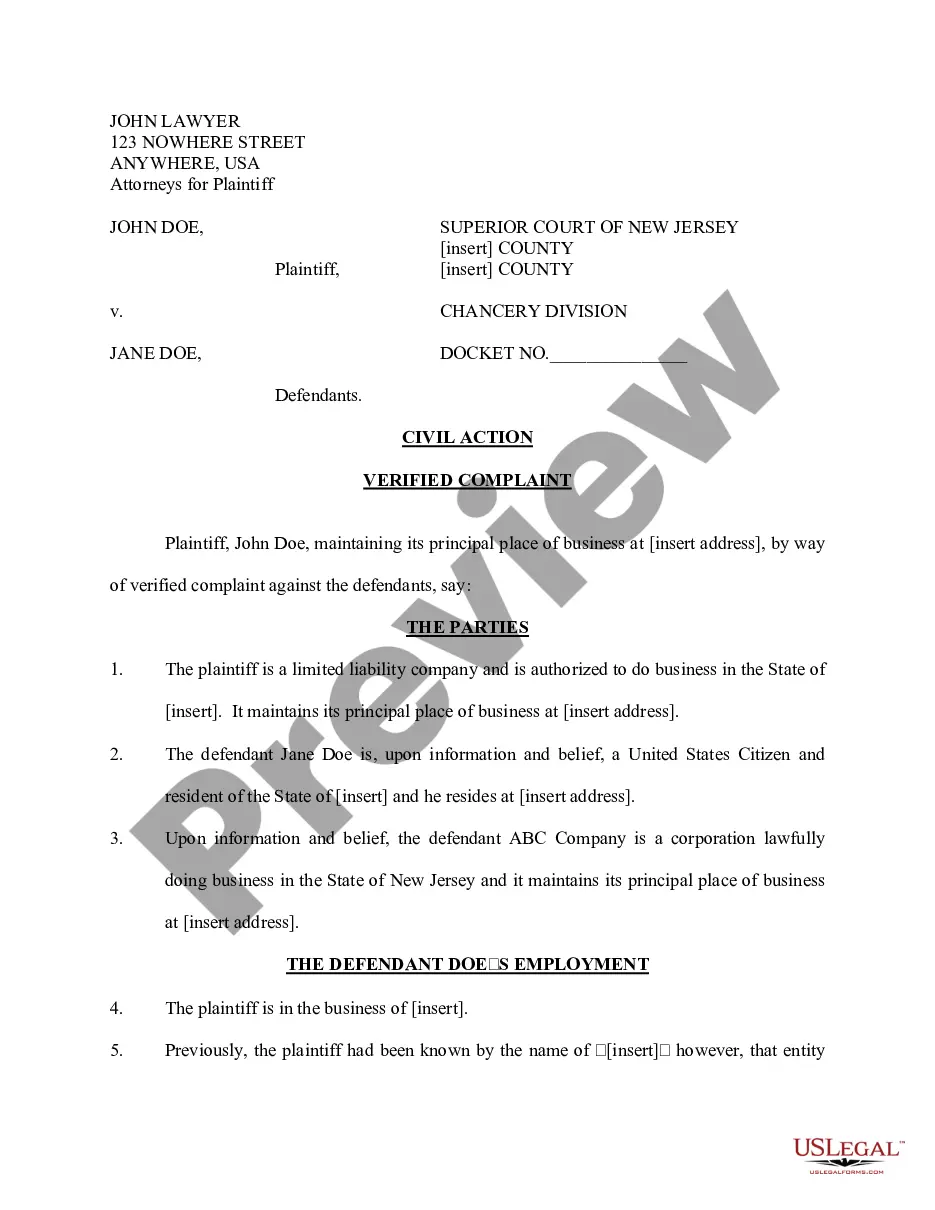




How to fill out Complaint To Quiet Title By Adverse Possessor With Unknown Defendants?
- Log in to your account if you're a returning user; ensure your subscription is active. Otherwise, consider renewing it based on your payment preferences.
- View the Preview mode and read the form description to verify that the selected document aligns with your requirements and complies with your jurisdiction.
- If the template doesn't meet your needs, use the Search function to find an alternative that better suits your case; ensure it aligns properly before proceeding.
- Click the Buy Now button and select your preferred subscription plan; creating an account is essential for accessing the library.
- Complete your purchase by entering your payment details, whether through credit card or PayPal, to secure your subscription.
- Download the required form to your device for easy access, and you can always revisit it later from the My Forms section of your profile.
By following these steps, you can efficiently acquire and utilize the legal forms necessary for your case. US Legal Forms streamlines the entire process, ensuring you can focus on what matters most: resolving your legal issues effectively.
Don’t hesitate—navigate to US Legal Forms today and take advantage of their extensive resources to simplify your legal journey!
Form popularity
FAQ
life example of adverse possession often occurs in neighborhoods where fences are placed incorrectly. Suppose a neighbor builds a fence several feet into an adjacent property, and this fence remains for over 10 years without challenge. This situation can lead to a claim of adverse possession, demonstrating how adverse possessor defendants editable for others can effectively secure rights through longterm use and established boundaries.
To record adverse possession, the possessor typically must file a claim with the local land records office. This usually includes providing evidence of their continuous use of the property over a specific period. Leveraging resources from platforms like uslegalforms can simplify this process for adverse possessor defendants editable for others seeking to formalize their claims.
One element that is not a requirement of adverse possession is the need for the claimant to have good faith. Adverse possession typically requires that the possession is actual, open, hostile, and continuous, but the intent of the possessor isn’t a factor. Understanding this aspect helps explain how adverse possessor defendants editable for others can sometimes claim land rights without prior consent.
An example of an adverse possession claim is when someone occupies a piece of land that they don’t own, in a manner that is open, notorious, and continuous. For instance, if a person has used a vacant lot for gardening and maintenance for several years without the owner’s permission, they might claim adverse possession. This scenario illustrates how adverse possessor defendants editable for others can gain rights over property through their actions.
To counter a claim of adverse possession, property owners must take action to assert their rights. This involves maintaining clear boundaries, regularly visiting the property, and documenting any interruptions to the adverse possessor's claim. If necessary, the US Legal Forms platform provides resources that empower property owners with legal forms and information to effectively challenge adverse possessor defendants editable for others. Staying proactive is crucial to protecting your property.
In the United States, the legal definition of adverse possession can vary by state. Generally, state statutes establish the guidelines for adverse possession, defining the required duration of possession, use, and the conditions that must be met. Often, the property owner must be aware of the adverse possessor, and the possession must be open and notorious. Understanding this authority helps adverse possessor defendants editable for others better navigate their legal situations.
No, adverse possession does not require proof of animosity or anger between the parties involved. The focus is on the possession of the property, and the intent of the possessor is to occupy and use the land as their own. The legal requirements center more on duration, exclusivity, and continuity rather than the relationships of the parties. For adverse possessor defendants editable for others, understanding this aspect can clarify what is necessary for a successful claim.
Yes, public records play a crucial role in establishing adverse possession. They can include tax records, property documents, and any other term that supports your claim of continuous possession and use. Accurate records help demonstrate your connection to the property over time, reinforcing your case. For adverse possessor defendants editable for others, maintaining thorough public documentation strengthens your position.
To officially record adverse possession, you should file a claim in the local land records office where the property is located. This process involves submitting necessary documentation to prove your continuous occupation and use of the property. It's essential to include all relevant details to support your claim, making use of credible resources valuable for adverse possessor defendants editable for others. Legal platforms can assist in drafting and filing the required documents effectively.
To file for adverse possession in California, you must meet specific criteria and begin with the use of the property for five years without permission. After establishing continuous and exclusive possession, you will need to file a legal claim in the appropriate court. It's important to maintain proper records of your occupancy and any relevant property documents. Using platforms like USLegalForms can streamline this process for adverse possessor defendants editable for others.