Adverse Possessor Claim With Title
Description
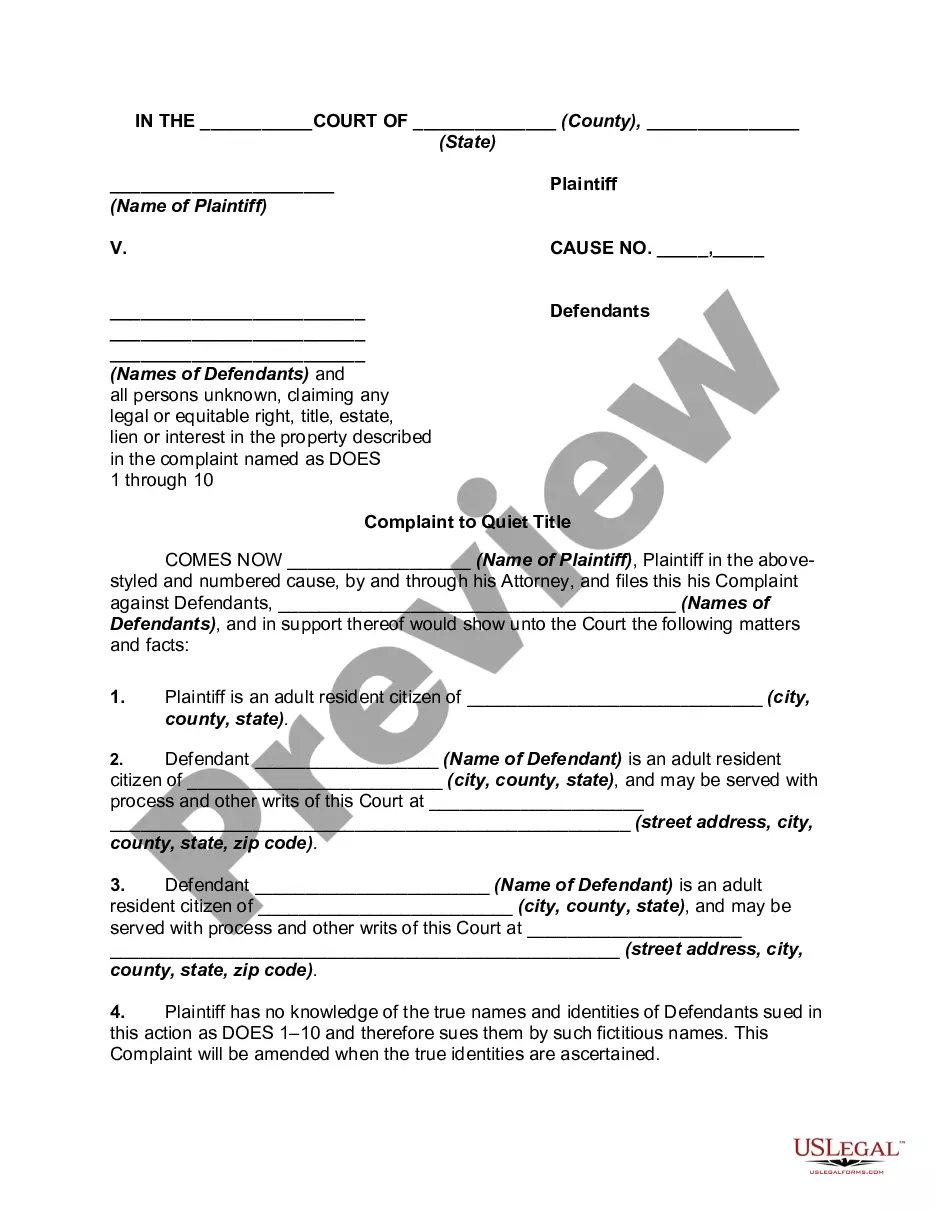
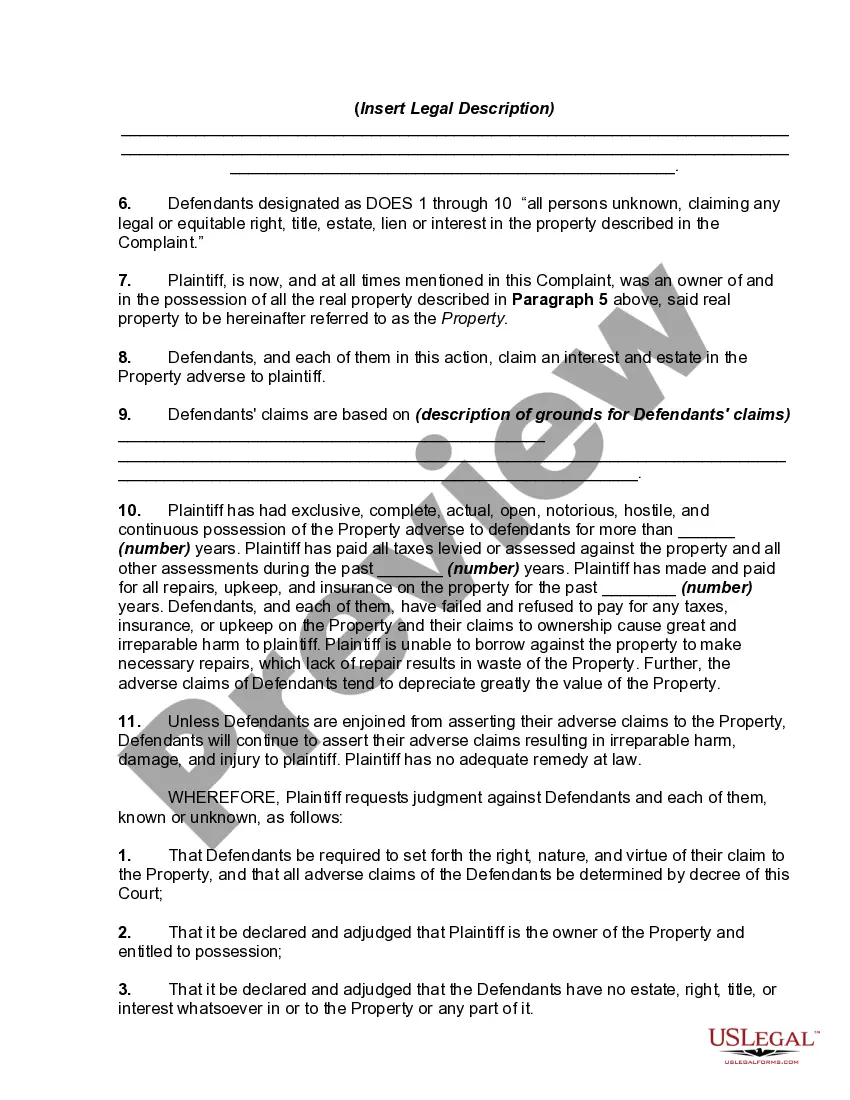
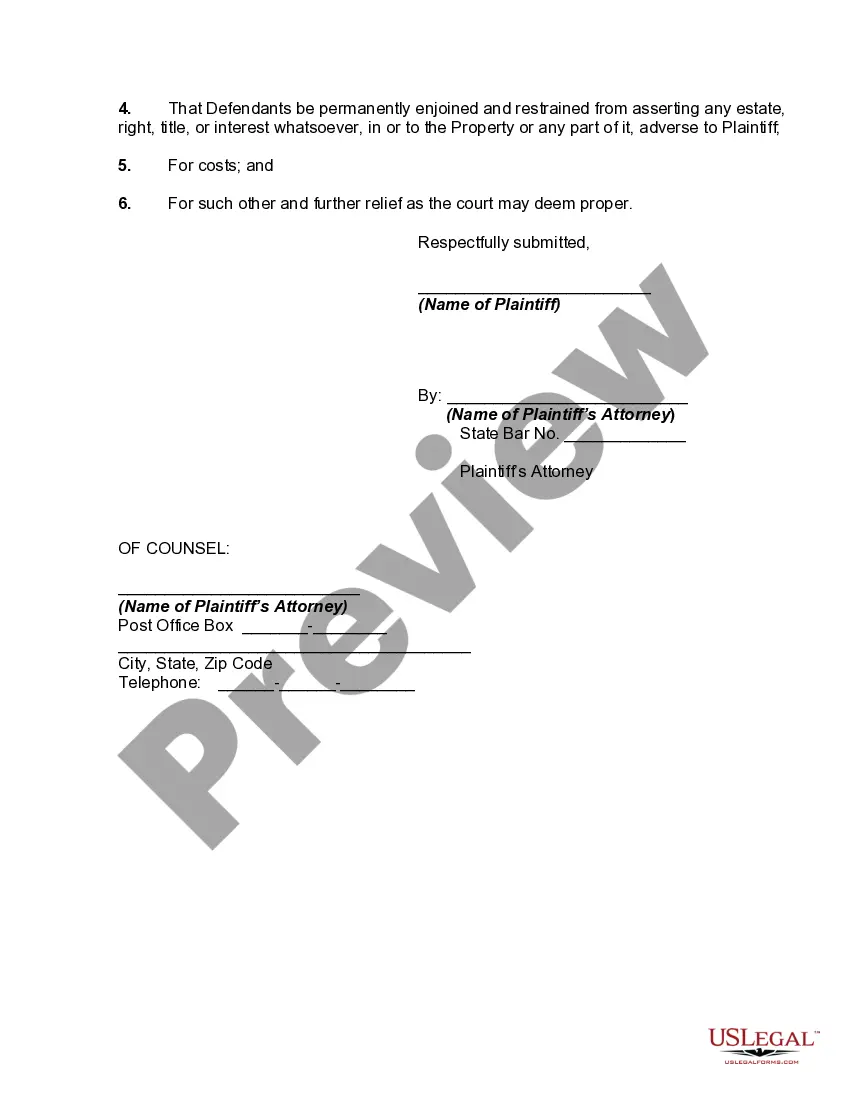
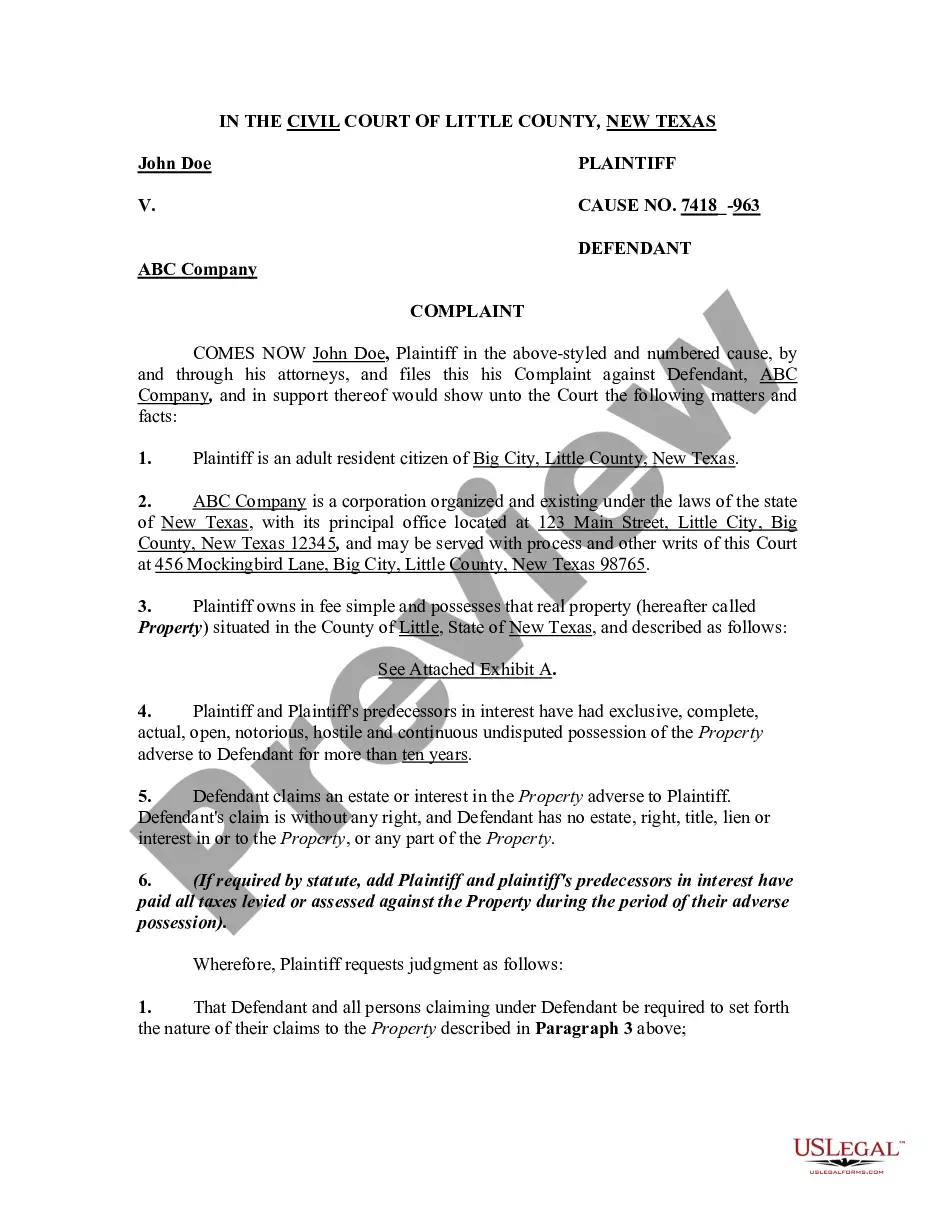

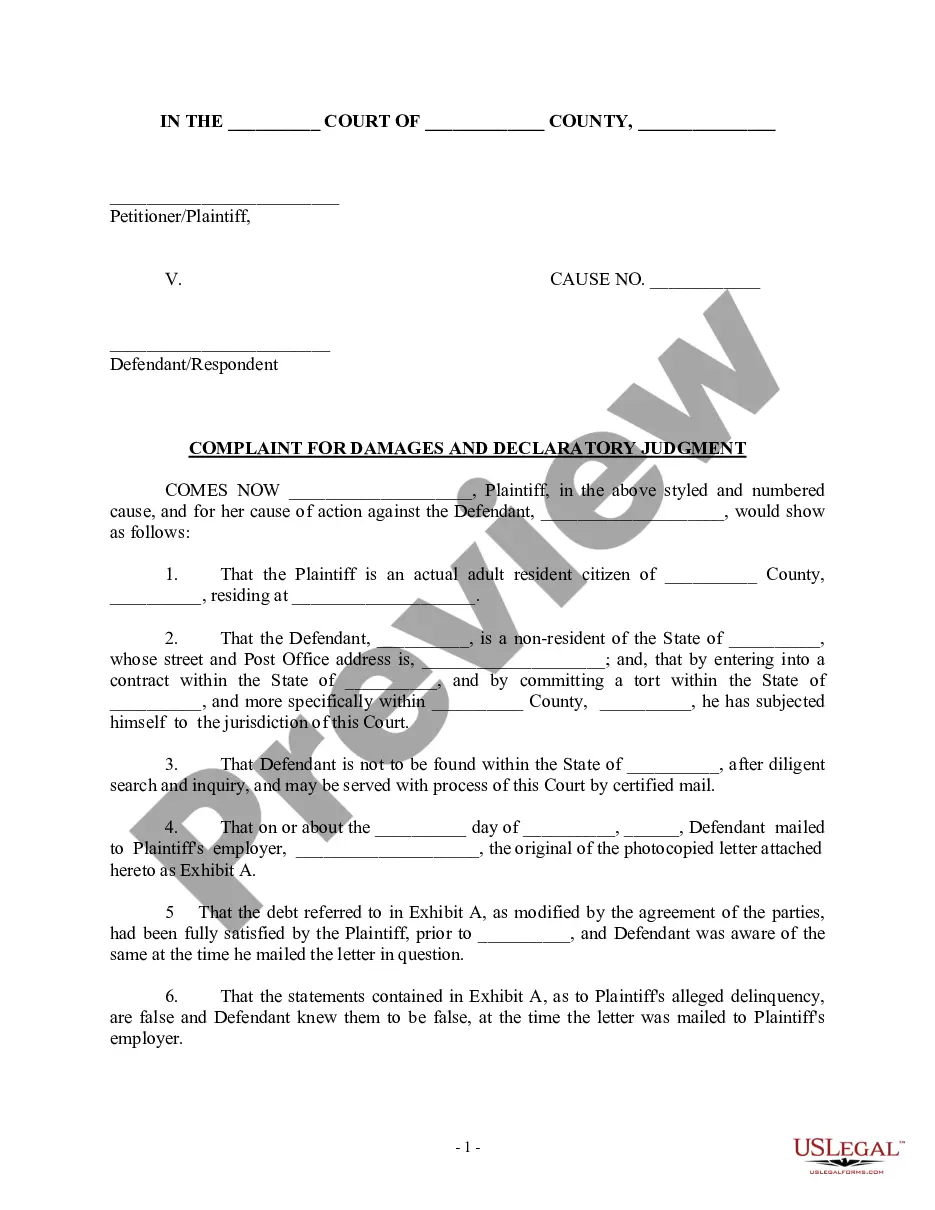
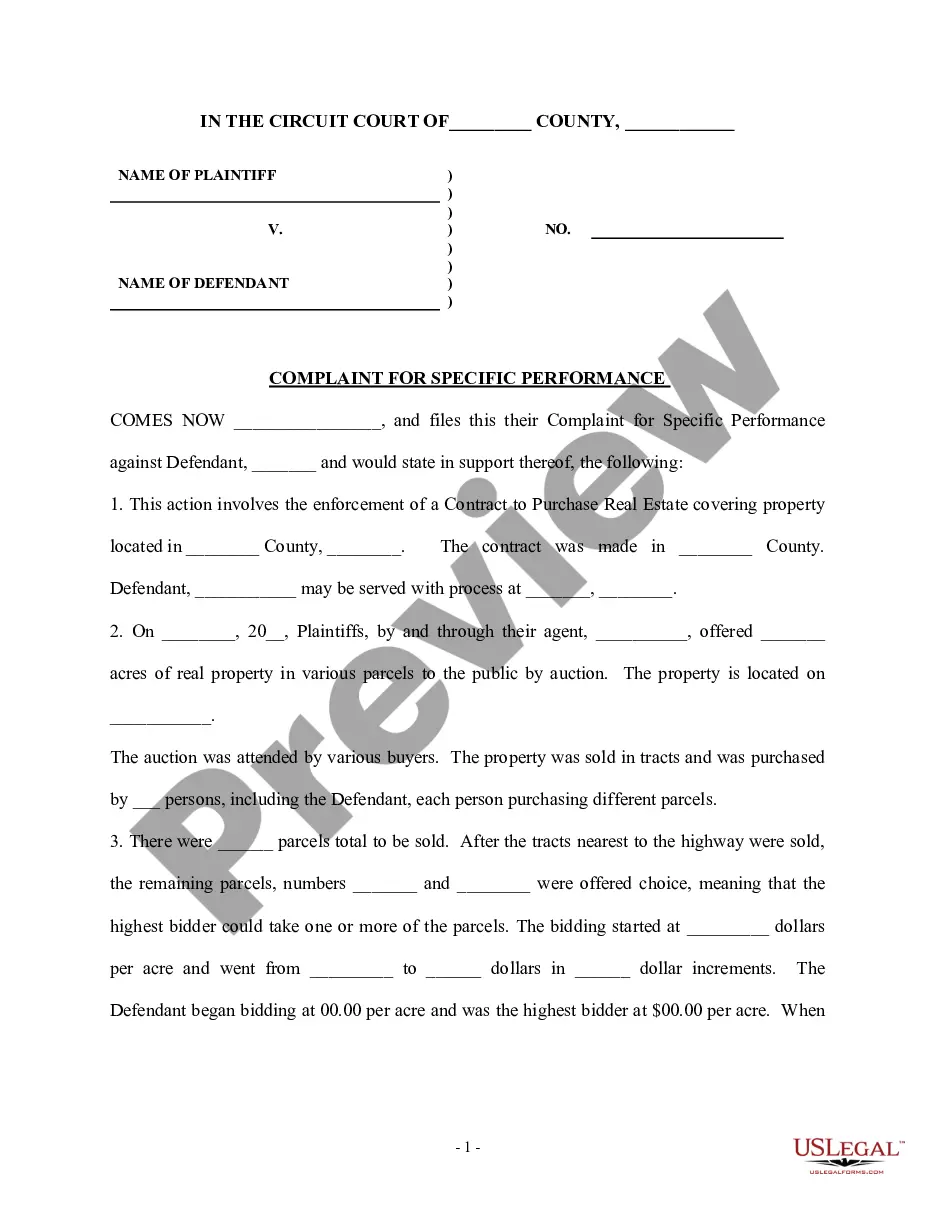
Get your form ready online
Our built-in tools help you complete, sign, share, and store your documents in one place.
Make edits, fill in missing information, and update formatting in US Legal Forms—just like you would in MS Word.
Download a copy, print it, send it by email, or mail it via USPS—whatever works best for your next step.
Sign and collect signatures with our SignNow integration. Send to multiple recipients, set reminders, and more. Go Premium to unlock E-Sign.
If this form requires notarization, complete it online through a secure video call—no need to meet a notary in person or wait for an appointment.
We protect your documents and personal data by following strict security and privacy standards.
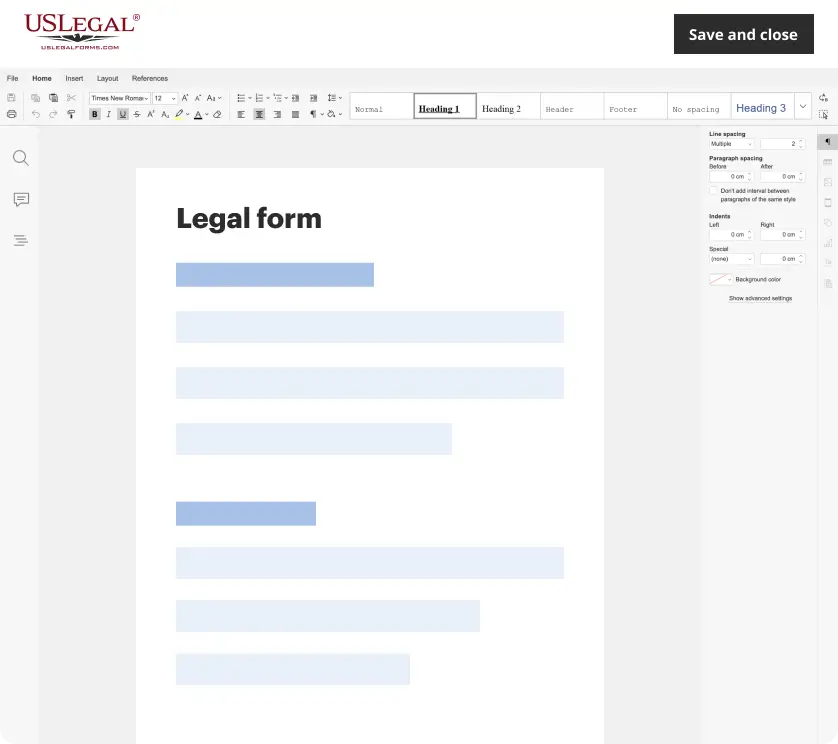
Make edits, fill in missing information, and update formatting in US Legal Forms—just like you would in MS Word.
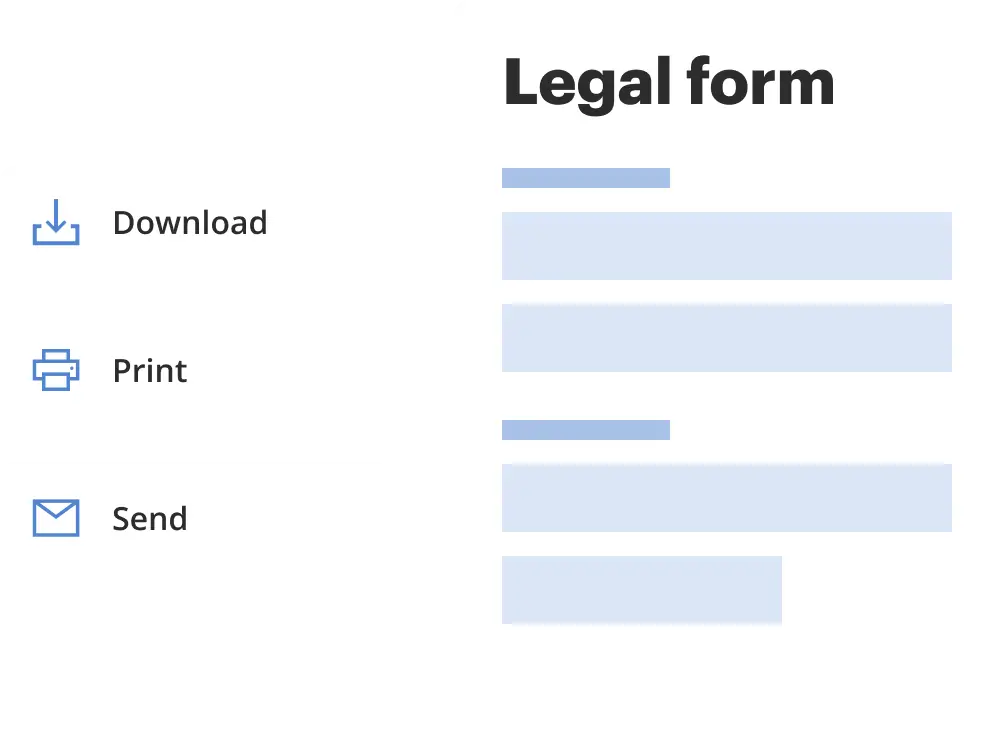
Download a copy, print it, send it by email, or mail it via USPS—whatever works best for your next step.
Sign and collect signatures with our SignNow integration. Send to multiple recipients, set reminders, and more. Go Premium to unlock E-Sign.
If this form requires notarization, complete it online through a secure video call—no need to meet a notary in person or wait for an appointment.
We protect your documents and personal data by following strict security and privacy standards.
Looking for another form?

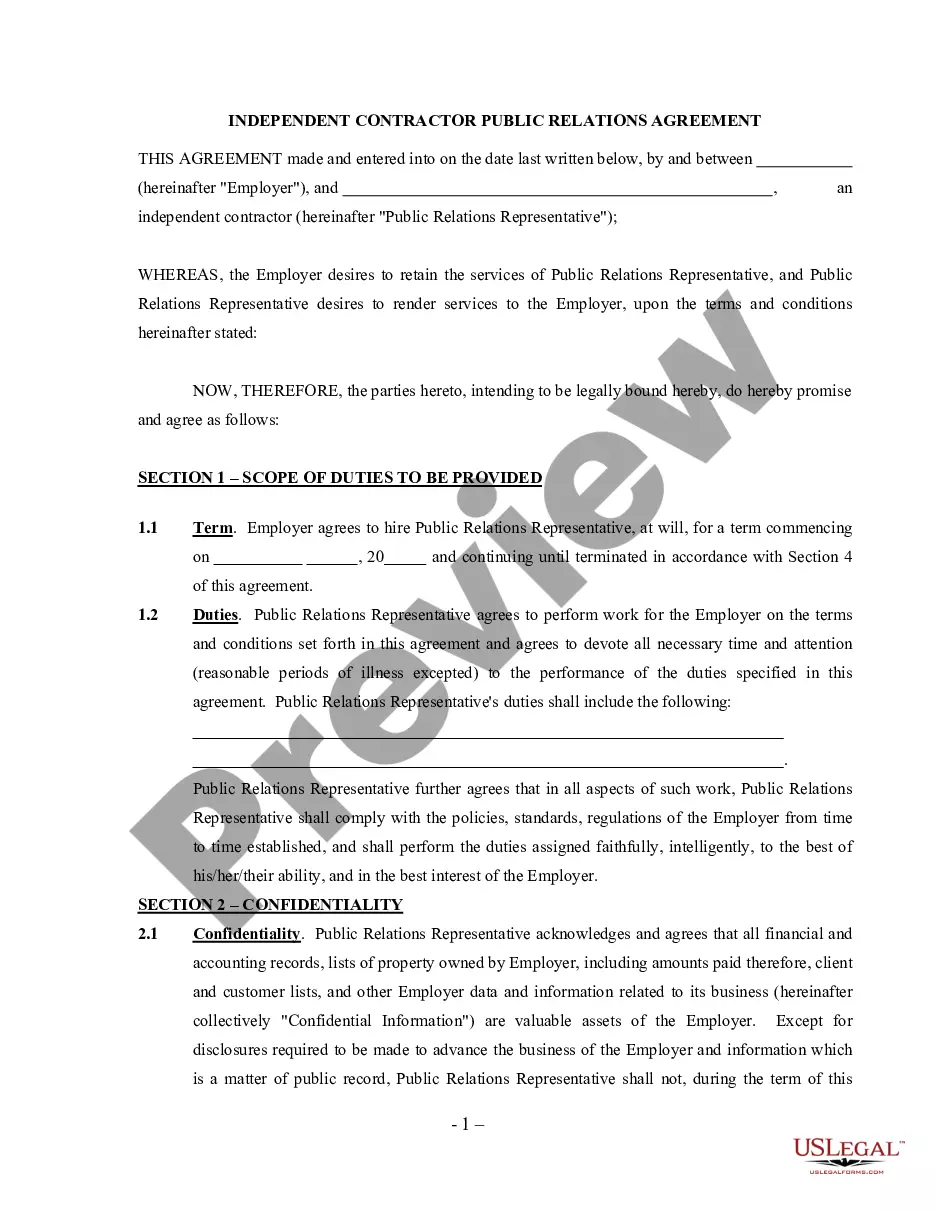



How to fill out Complaint To Quiet Title By Adverse Possessor With Unknown Defendants?
- Log in to your US Legal Forms account. If you're a returning user, ensure your subscription is active or renew it as needed.
- Explore the Preview mode and detailed description of the forms. Verify that the selected document meets your requirements and complies with your local jurisdiction.
- If necessary, search for alternative templates using the Search tab, ensuring you select the appropriate form tailored to your needs.
- Purchase the desired document by clicking 'Buy Now' and choose the subscription plan that suits you. Creating an account will grant you access to the resource library.
- Complete your purchase by entering your payment information via credit card or PayPal.
- Download the completed form. You can save it directly to your device and access it anytime from the 'My Forms' section of your profile.
In conclusion, obtaining an adverse possessor claim with title through US Legal Forms is a streamlined process. Their robust form collection and support from experienced professionals ensure that your legal documents are precise and ready for use.
Take the first step today by exploring US Legal Forms and simplify your legal form needs!
Form popularity
FAQ
To effectively challenge an adverse possessor claim with title, you must gather evidence that proves the possession was not continuous or open. Establishing any instances of interruption or permission provided to the claimant can weaken their case significantly. Engaging in regular inspections of your property and documenting any unauthorized use is also beneficial. Using a legal platform like USLegalForms can help guide you through the process of contesting an adverse possessor claim.
New York law requires a claimant to possess the land for at least 10 years to make an adverse possessor claim with title. During this time, the possession must be open, notorious, exclusive, and continuous. The claimant must demonstrate that their use was without permission from the owner. Understanding and meeting these requirements is essential for a successful claim in New York.
In Ohio, an adverse possessor must occupy the land for 21 years before making a claim. This occupation must be exclusive, open, and notorious, as well as adverse to the interests of the true owner. The claimant cannot rely on any permission from the owner to establish a valid claim. Therefore, bolstering an adverse possessor claim with title involves documenting continuous and unauthorized use of the property through this entire period.
Connecticut has specific rules governing adverse possession, which require a claimant to prove continuous and uninterrupted possession for 15 years. The possession must also be actual, open, and notorious, meaning the true owner must be able to notice it. Additionally, it cannot be based on permission from the original owner. For a potent adverse possessor claim with title, understanding these nuances is crucial.
In Minnesota, the period required for an adverse possessor claim with title is typically 15 years. During this time, the claimant must openly occupy the property, using it as an actual owner would. Continuous use is key, as the law demands that the possession is not interrupted. Therefore, ensuring you meet all conditions can help support a strong adverse possessor claim with title.
Generally, title insurance does not protect against adverse possessor claims with title. While title insurance covers many issues that may arise, this specific risk is often excluded. Understanding your policy’s coverage can help you navigate potential disputes. For peace of mind, consider additional legal guidance to address any threats posed by adverse possession.
In Texas, five requirements for establishing an adverse possessor claim with title include continuous possession for at least ten years, actual possession of the property, exclusive possession, open and notorious use, and claim of right. These factors help determine whether a claimant can legally acquire your property. Engaging with legal resources, such as USLegalForms, can clarify these requirements and assist with potential claims.
A title insurance policy typically excludes risks associated with adverse possessor claims with title. Other exclusions include claims arising from fraud, forgery, and certain state laws. Understanding these exclusions helps you gauge your potential risks as a property owner. Be proactive and consult professionals to ensure your title remains secure.
One significant risk not covered by title insurance involves adverse possessor claims with title. If someone claims ownership of your property through adverse possession, your title insurance may not provide protection. This situation can lead to legal disputes that could undermine your ownership status. Always consider hiring experts to navigate these potential risks.
Title insurance does not cover claims arising from adverse possessor claims with title. These claims may affect your ownership rights, despite you holding a title insurance policy. Additionally, certain defects, such as zoning issues and easements, may not be covered. Therefore, it is crucial to understand the limitations of your title insurance policy.