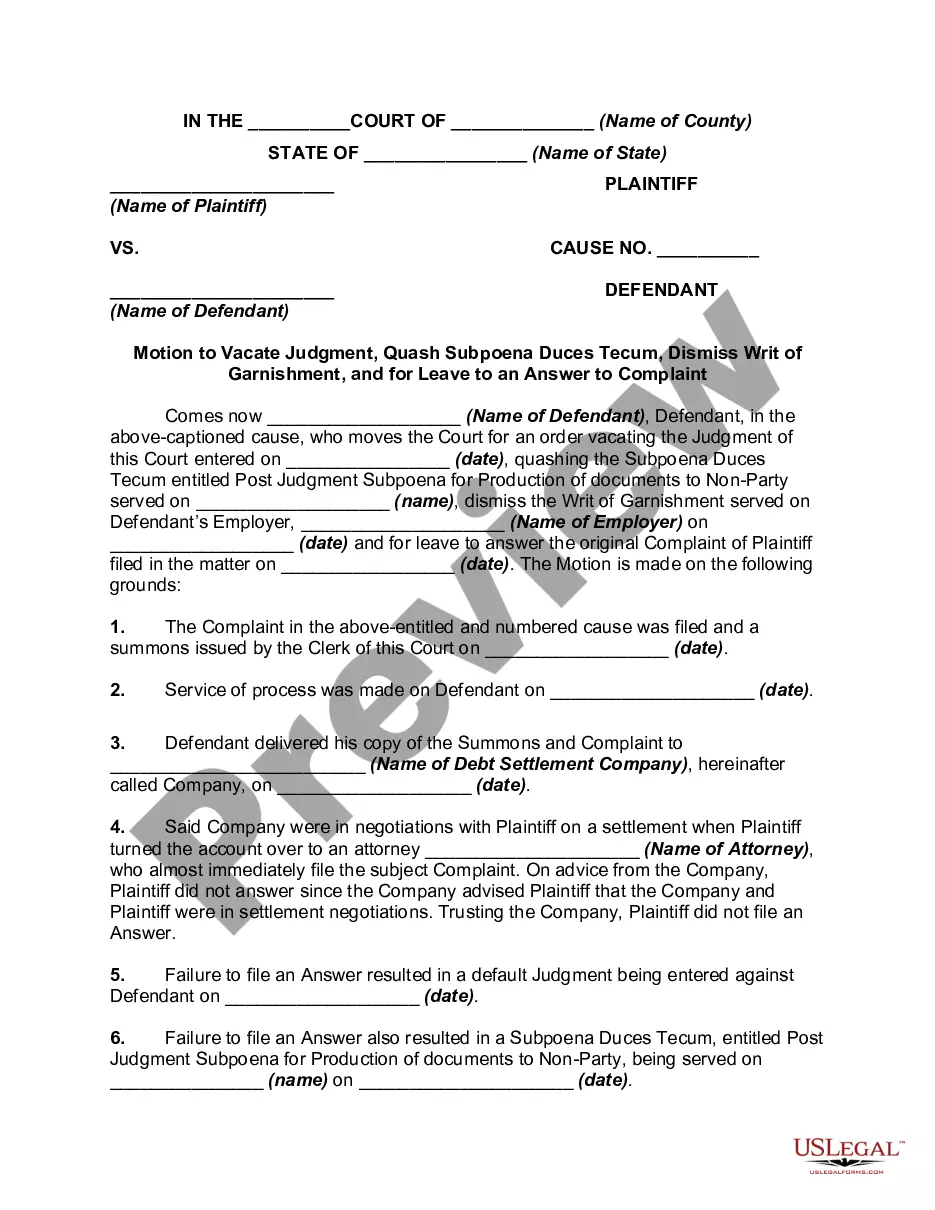
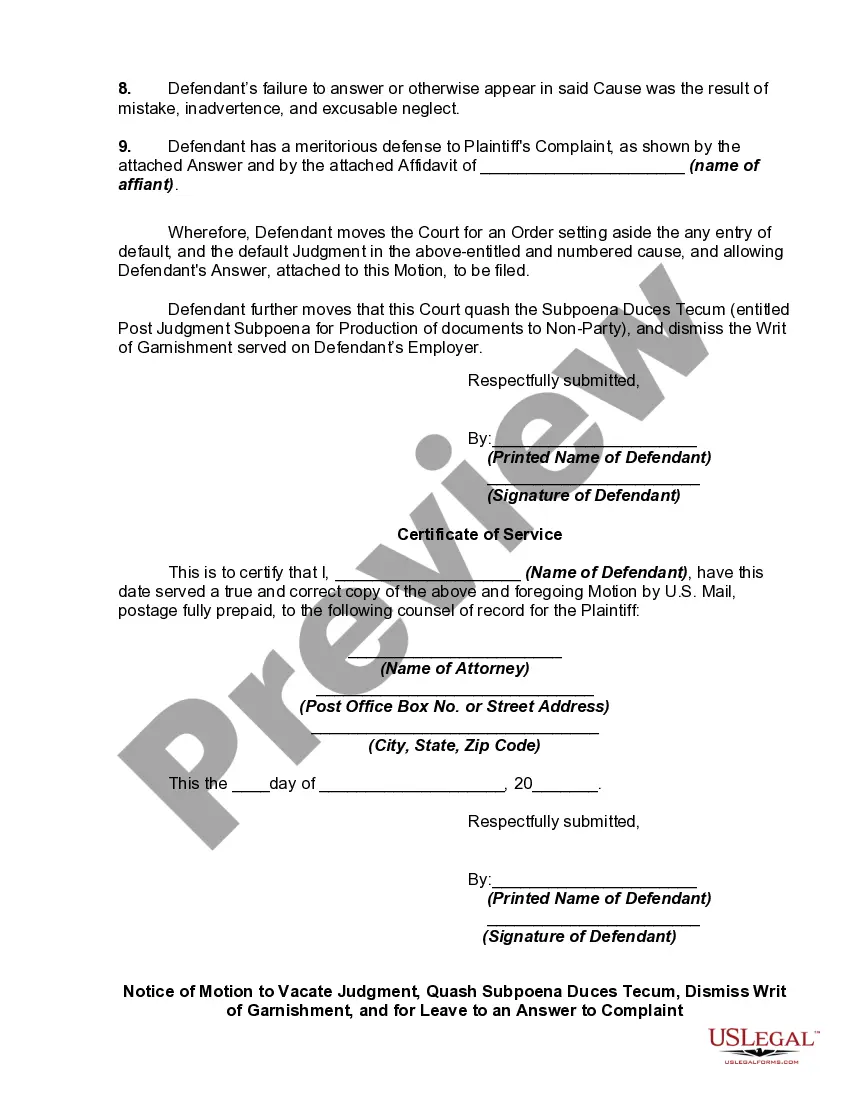
Motion Vacate Judgment Form For Tenant
Description
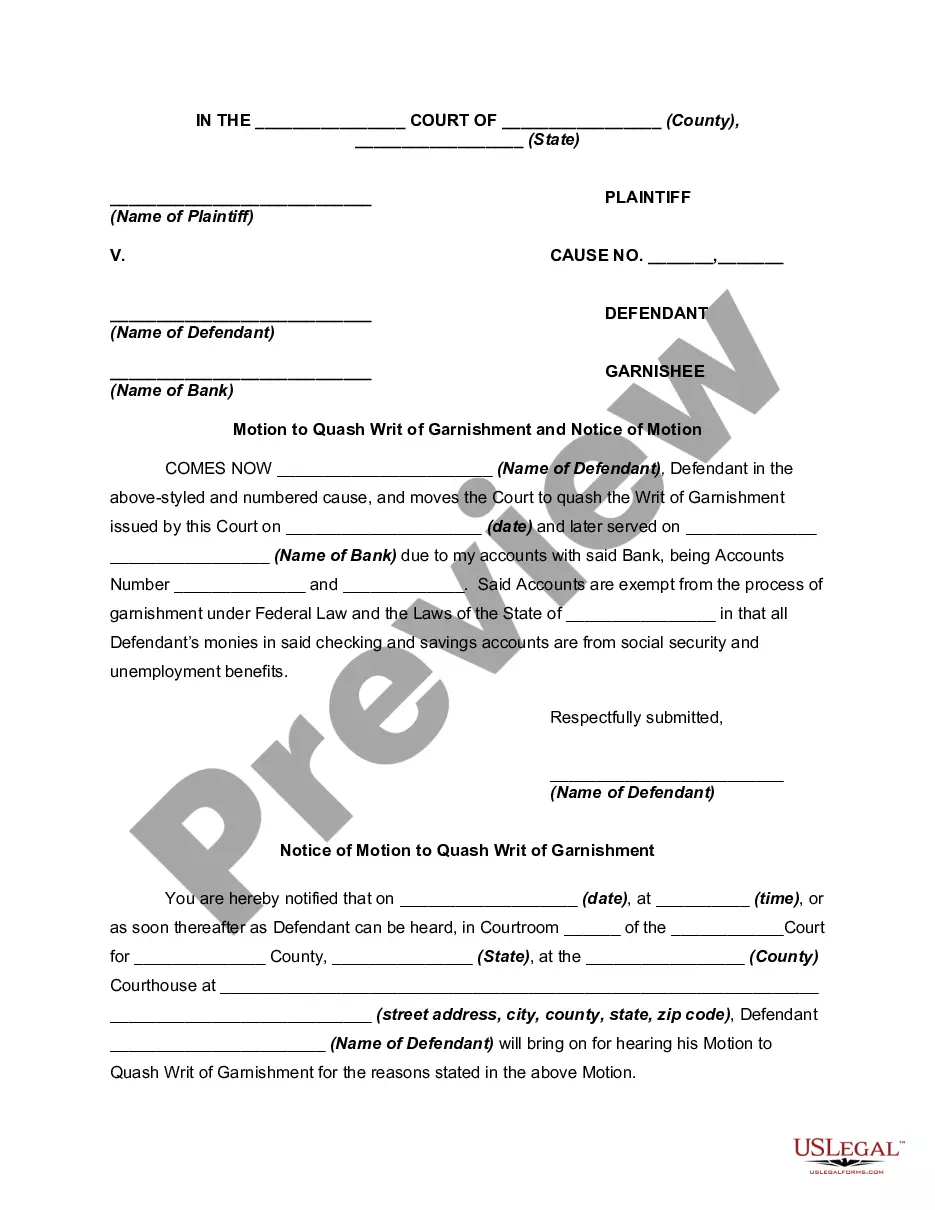
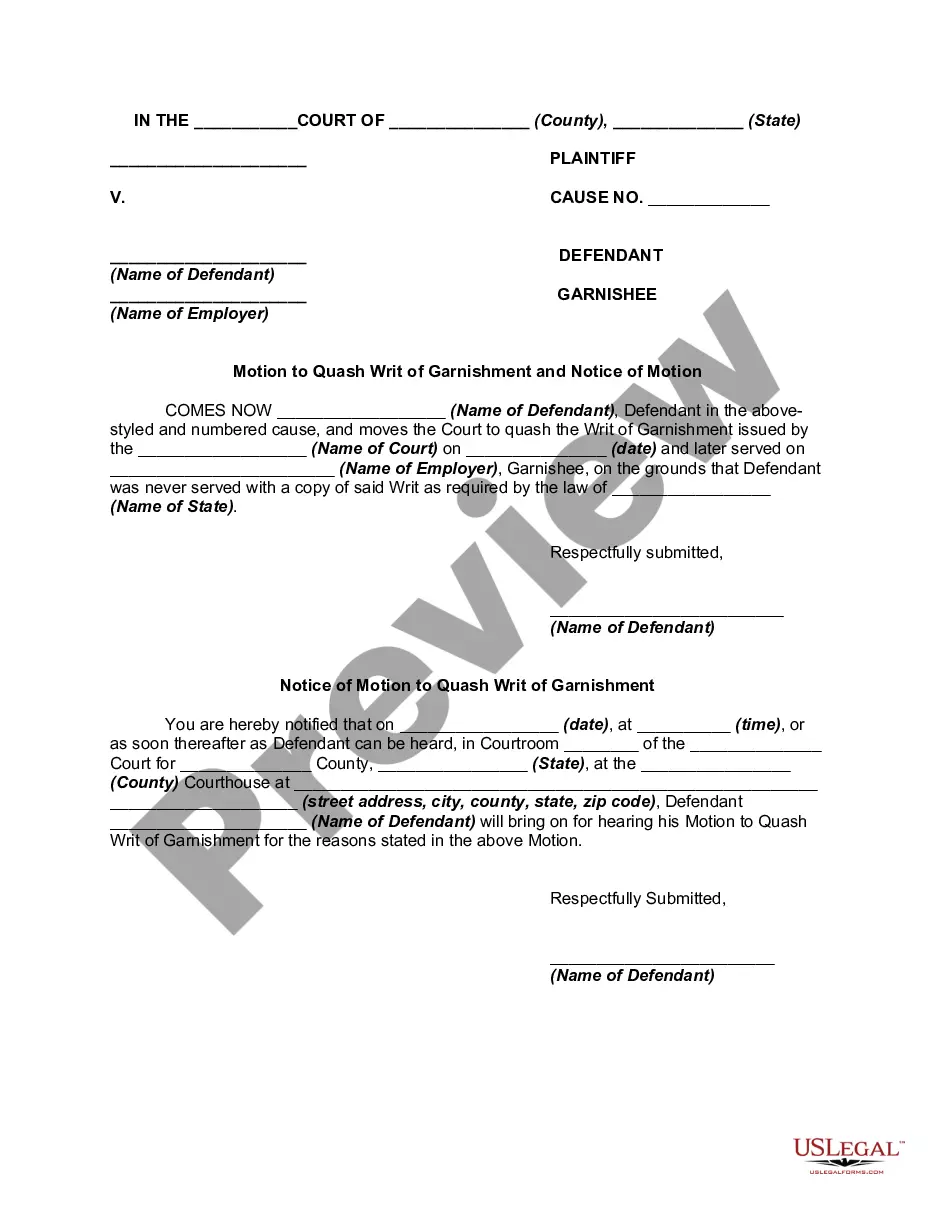
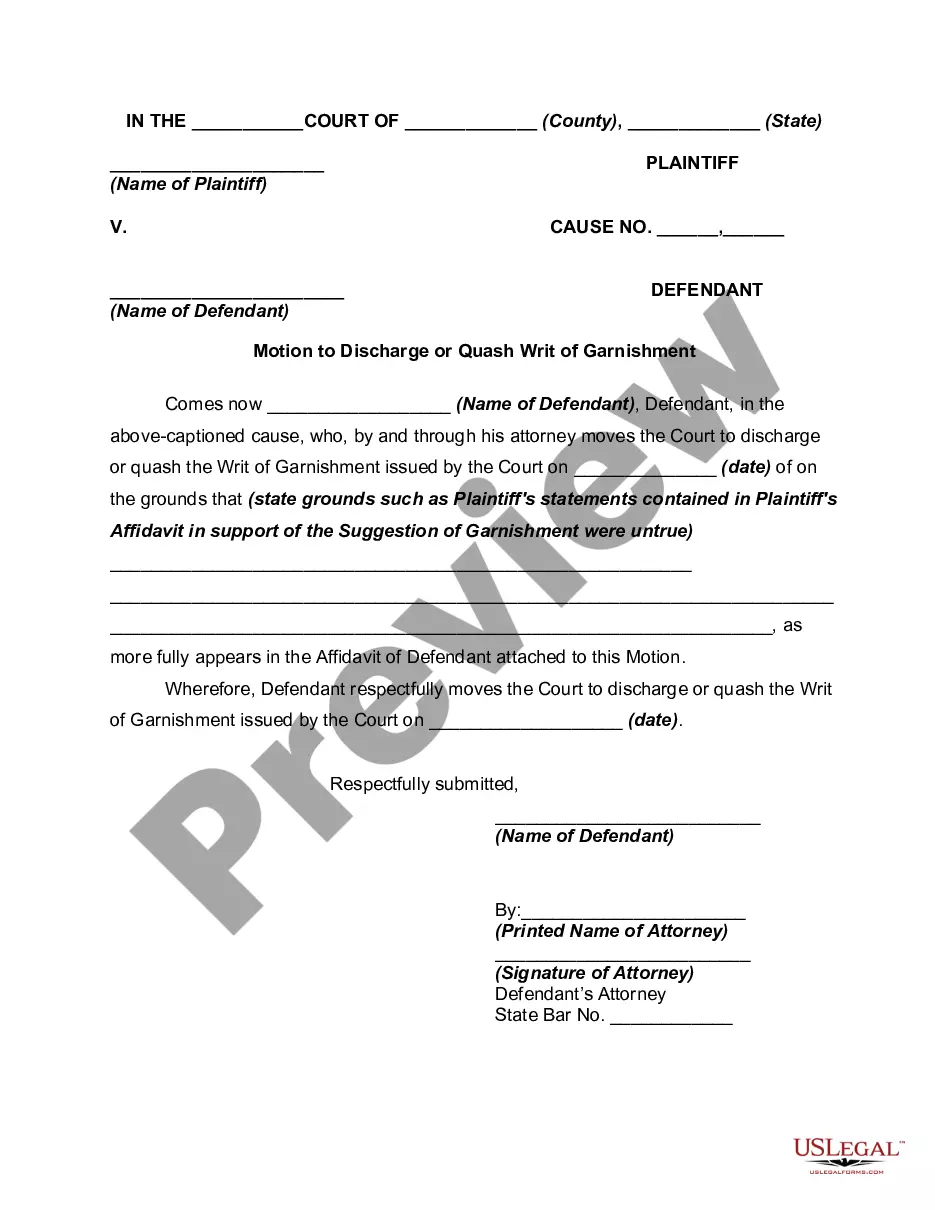
Get your form ready online
Our built-in tools help you complete, sign, share, and store your documents in one place.
Make edits, fill in missing information, and update formatting in US Legal Forms—just like you would in MS Word.
Download a copy, print it, send it by email, or mail it via USPS—whatever works best for your next step.
Sign and collect signatures with our SignNow integration. Send to multiple recipients, set reminders, and more. Go Premium to unlock E-Sign.
If this form requires notarization, complete it online through a secure video call—no need to meet a notary in person or wait for an appointment.
We protect your documents and personal data by following strict security and privacy standards.

Make edits, fill in missing information, and update formatting in US Legal Forms—just like you would in MS Word.

Download a copy, print it, send it by email, or mail it via USPS—whatever works best for your next step.

Sign and collect signatures with our SignNow integration. Send to multiple recipients, set reminders, and more. Go Premium to unlock E-Sign.

If this form requires notarization, complete it online through a secure video call—no need to meet a notary in person or wait for an appointment.

We protect your documents and personal data by following strict security and privacy standards.
Looking for another form?
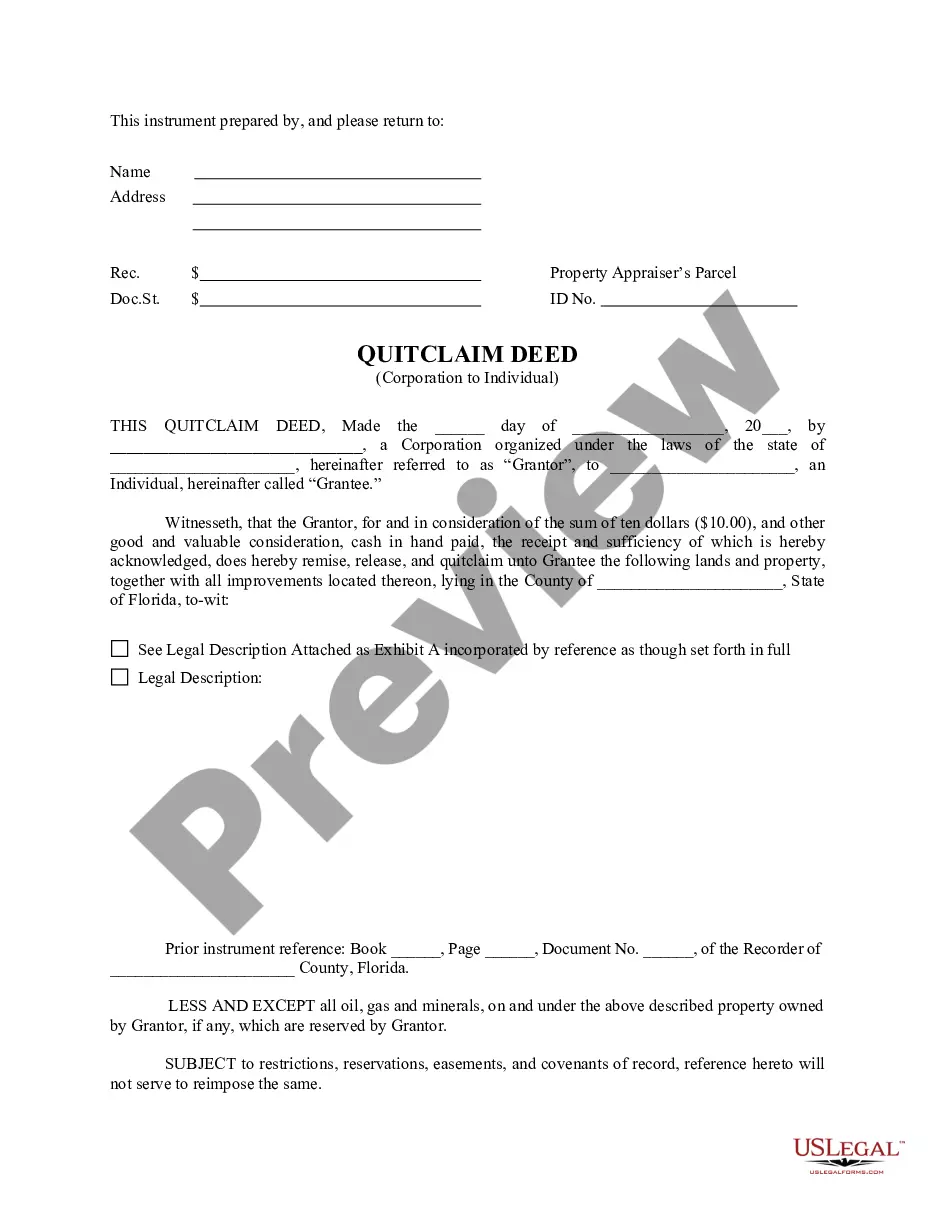

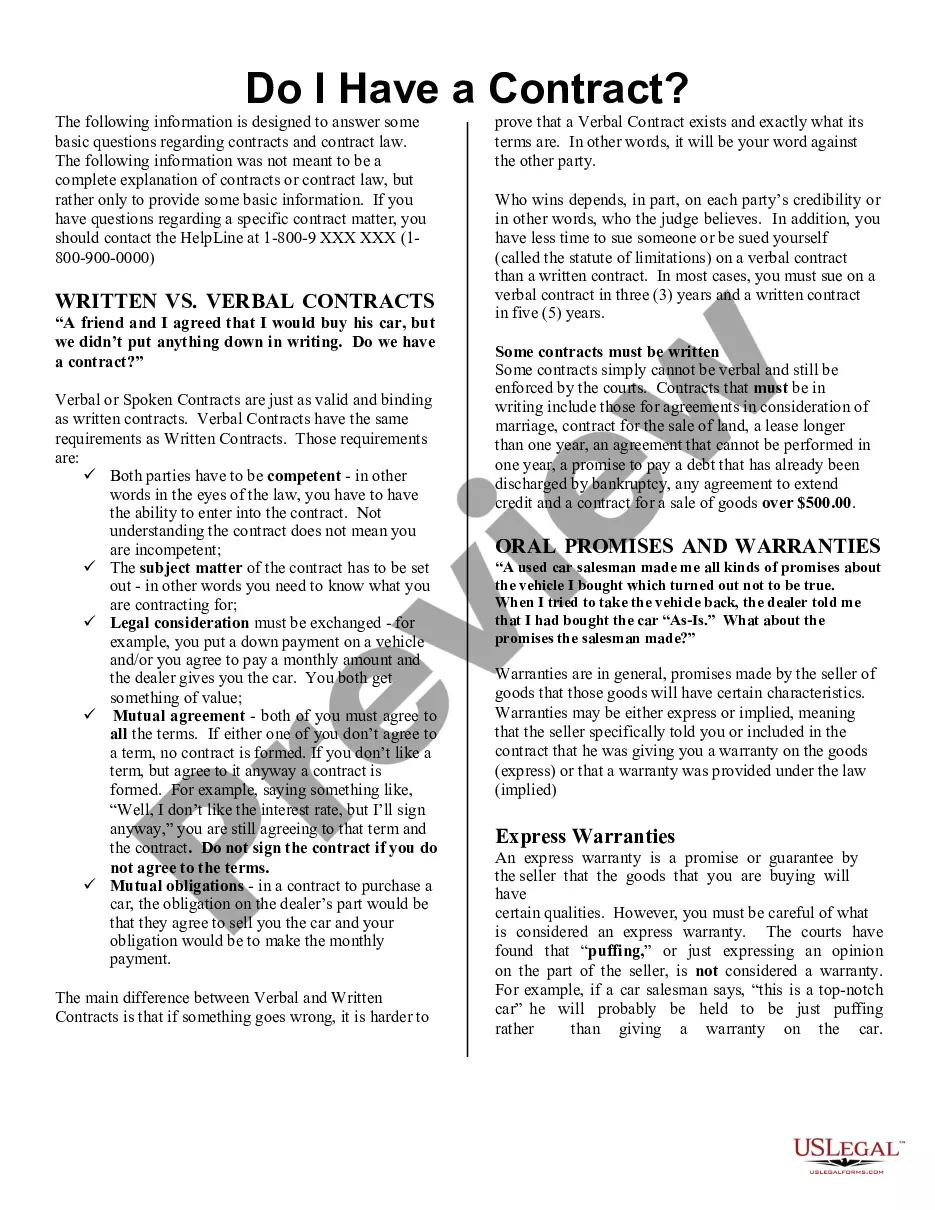



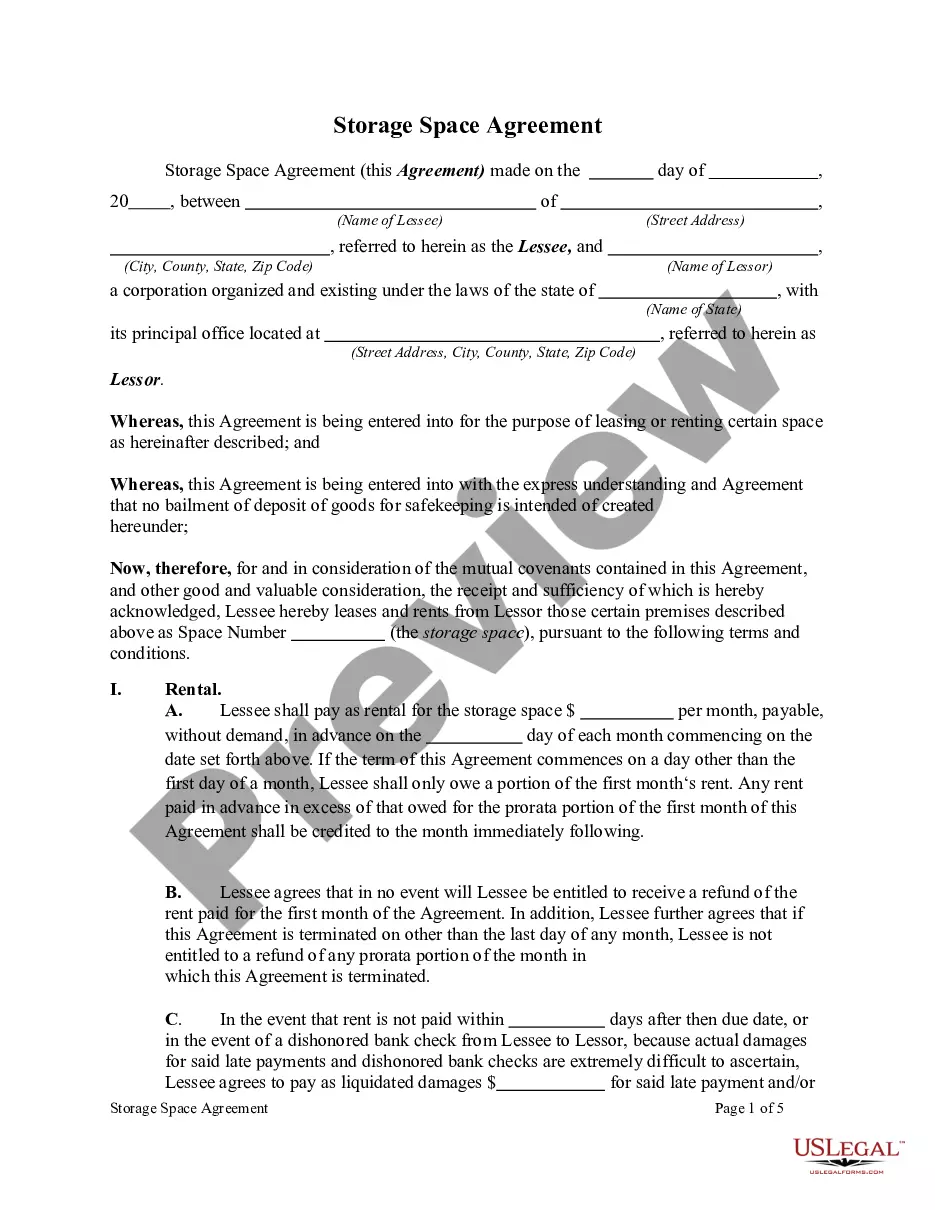


How to fill out Motion To Vacate Judgment, Quash Subpoena Duces Tecum, Dismiss Writ Of Garnishment, And For Leave To File An Answer To Complaint?
Securing a reliable source for accessing the most up-to-date and suitable legal templates is a significant part of navigating bureaucracy. Acquiring the correct legal paperwork requires precision and careful consideration, which is why obtaining samples of the Motion Vacate Judgment Form For Tenant exclusively from trustworthy providers, such as US Legal Forms, is crucial. An incorrect template can waste your time and prolong your current situation. With US Legal Forms, you have minimal concerns.
You can find and review all details regarding the document’s applicability and significance for your specific situation and locality.
Eliminate the hassle associated with your legal documentation. Explore the extensive US Legal Forms catalog where you can find legal templates, evaluate their applicability to your situation, and download them immediately.
- Utilize the catalog search or input field to find your sample.
- Access the form details to verify it meets the standards of your state and locality.
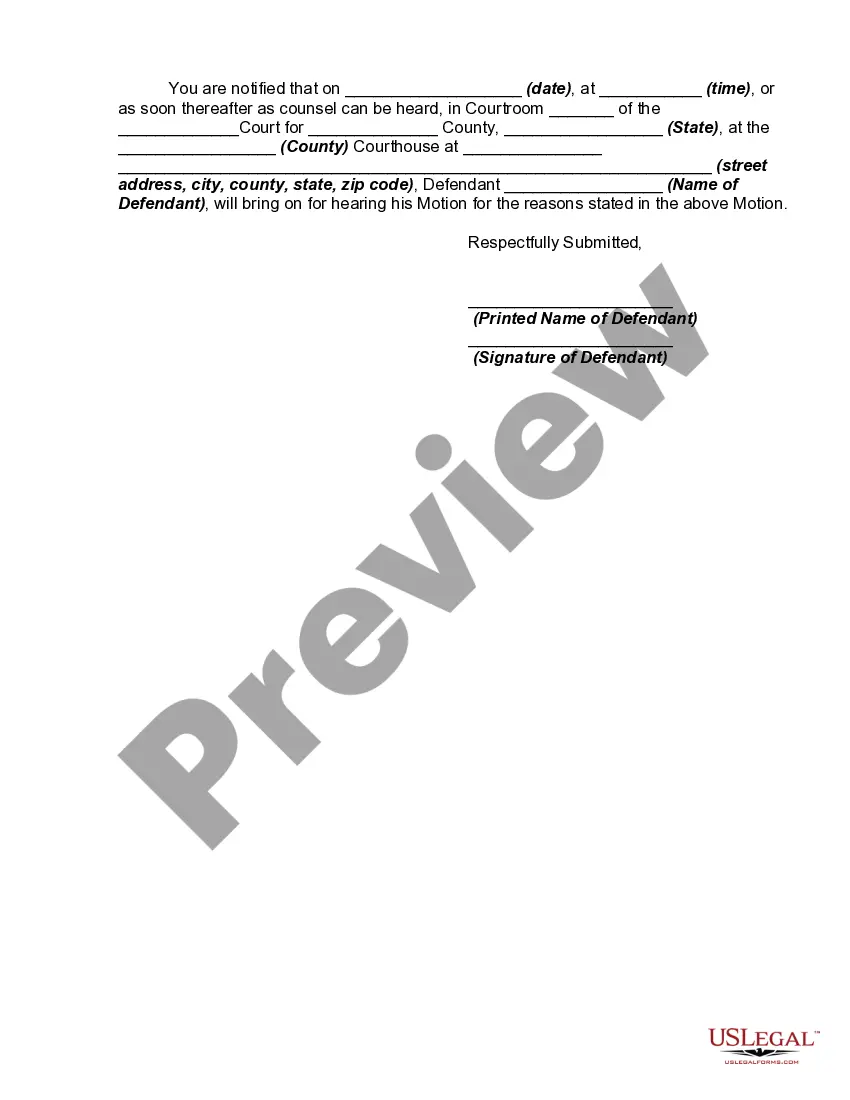
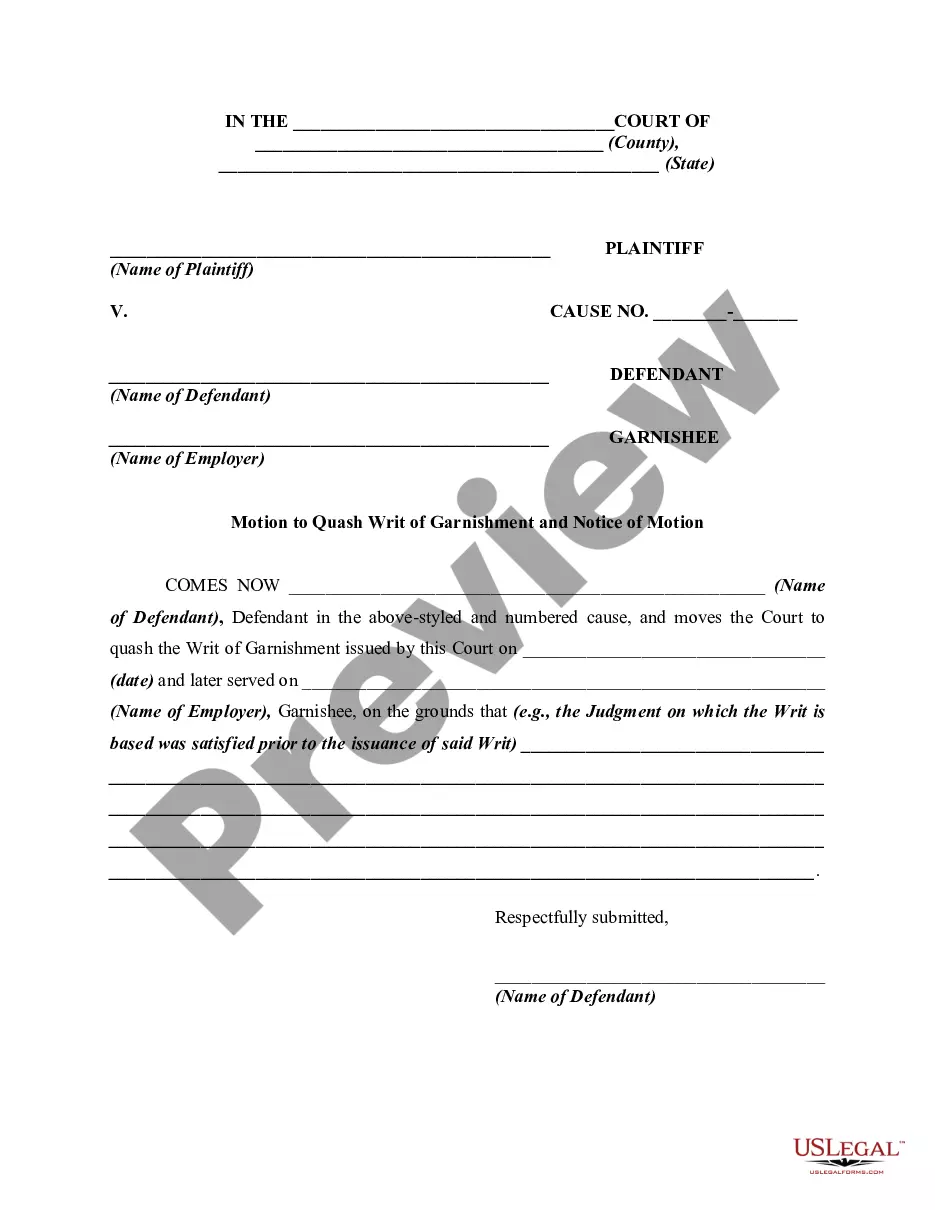
- View the form preview, if one is available, to confirm the template is indeed what you need.
- Continue your search and look for the correct document if the Motion Vacate Judgment Form For Tenant does not meet your specifications.
- When you are confident in the form’s applicability, proceed to download it.
- If you are a registered user, click Log in to verify your identity and access your chosen templates in My documents.
- If you haven't created an account yet, click Buy now to acquire the form.
- Select a pricing plan that fits your needs.
- Complete the registration process to finalize your purchase.
- Finish your transaction by selecting a payment option (credit card or PayPal).
- Choose the file format for downloading the Motion Vacate Judgment Form For Tenant.
- After the form is on your device, you can edit it using the editor or print it out and complete it by hand.
Form popularity
FAQ
Having a default judgment on your record can negatively impact your financial standing and future rental opportunities. It may limit your ability to secure housing and can lead to wage garnishment or bank levies. However, tenants can change this situation. Filing a motion vacate judgment form for tenant can initiate the process of removing or altering the judgment, which can improve your creditworthiness and restore your peace of mind.
A lawyer can assist in getting a judgment removed by filing the appropriate legal motions. Specifically, a motion vacate judgment form for tenant could be crucial in this process. An experienced lawyer understands the nuances of the law and can present your case effectively, increasing your chances of favorable outcomes. Having legal expertise can significantly streamline the process and alleviate stress for tenants.
Yes, a judgment can often be reversed. To do so, a tenant typically needs to file a motion vacate judgment form for tenant, which explains the reasons for contesting the judgment. This process can help rectify an unjust legal decision, especially if new evidence has surfaced or if there were procedural errors. It's essential to act quickly, as there are time limits for filing such motions.
To withdraw a default judgment, you typically need to file a Motion to Vacate Judgment Form for Tenant with the court that issued the judgment. This motion should describe your reasons for requesting the withdrawal and any relevant supporting materials. It's vital to adhere to the court's procedures and timelines. Assistance from a legal professional can be beneficial in this situation.
To vacate a judgment in Texas, you need to submit a Motion to Vacate Judgment Form for Tenant. This motion should clearly outline your reasons for vacating the judgment, along with any supporting evidence. Texas law requires that you act within a specific time frame, so timely action is essential. Consider seeking legal advice to navigate the process smoothly.
Yes, there are actions you can take after a default judgment. You can file a Motion to Vacate Judgment Form for Tenant to contest the judgment and provide valid reasons for doing so. Additionally, you may seek to negotiate with the creditor or explore settlement options. Each situation is unique, so reviewing your options is crucial.
You can file a motion to revise or vacate (cancel) the judgment in writing within 30 days after the date of the judgment. This motion is usually filed to correct clerical errors, or to vacate a judgment if you believe that you were not served with the court papers or were not notified of the court date.
Get the form SC-135: Notice of Motion to Vacate Judgment. You must explain on the form why you did not come to court. File the form with the Small Claims Court Clerk's Office at the court where your case was heard. Pay the filing fee.
If you file a motion to vacate a default or a default judgment, you must file an answer to the original complaint along with any cross claims or counterclaims you may wish to assert, and the motion must be accompanied by the appropriate fee.
You can tell the clerk that you want to file an order to show cause (?OSC?). On the OSC form you can tell the court why they should vacate this judgment based on either excusable default, lack of personal jurisdiction, or both. The OSC should include 1) a reasonable excuse and 2) a good defense.