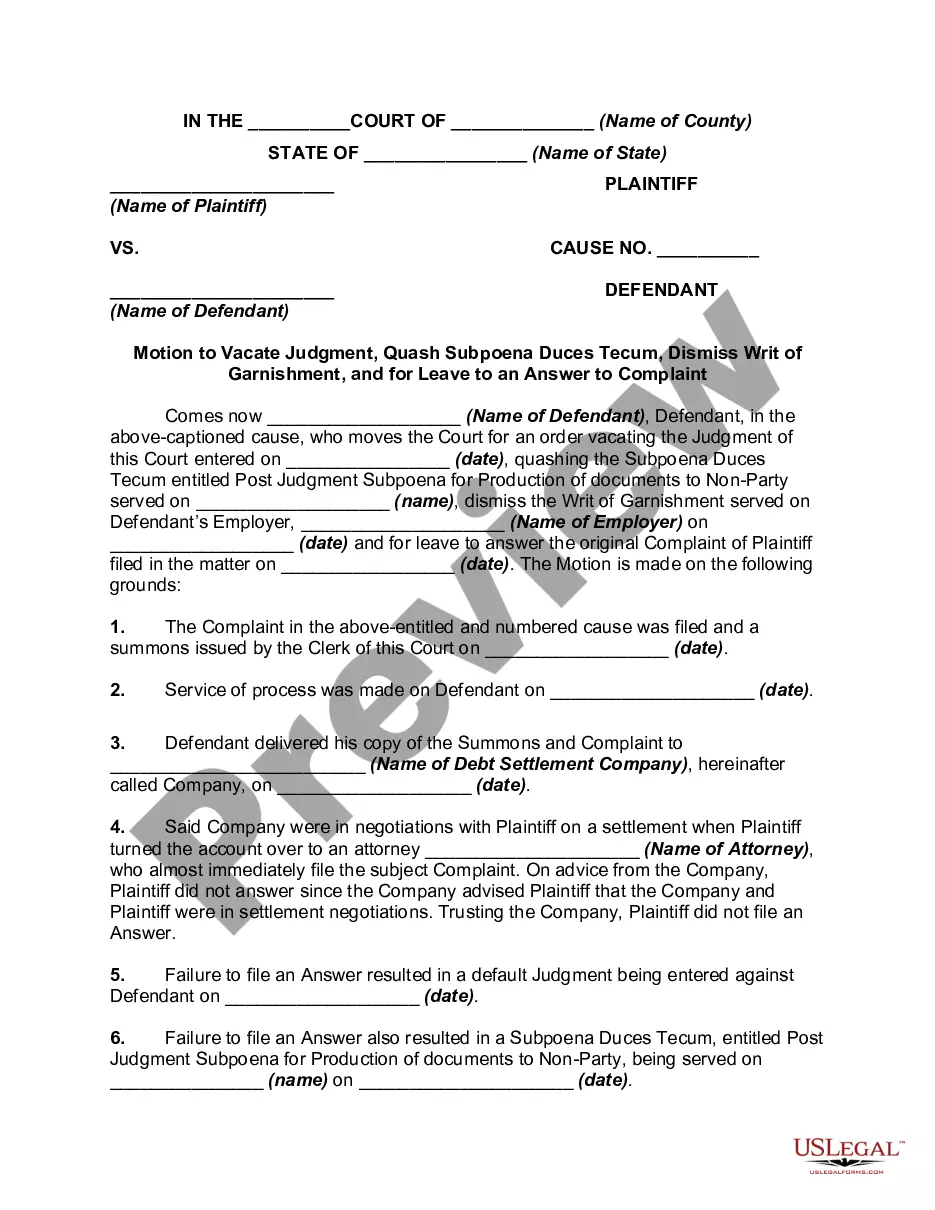
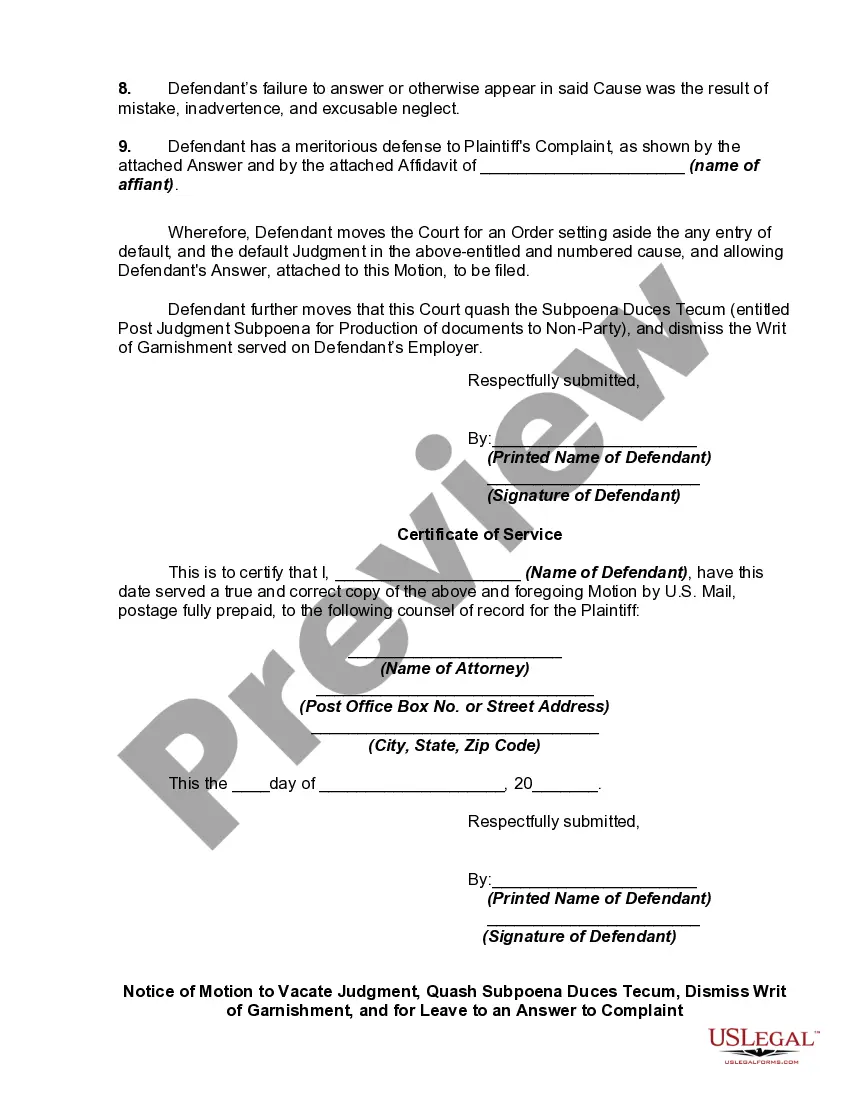
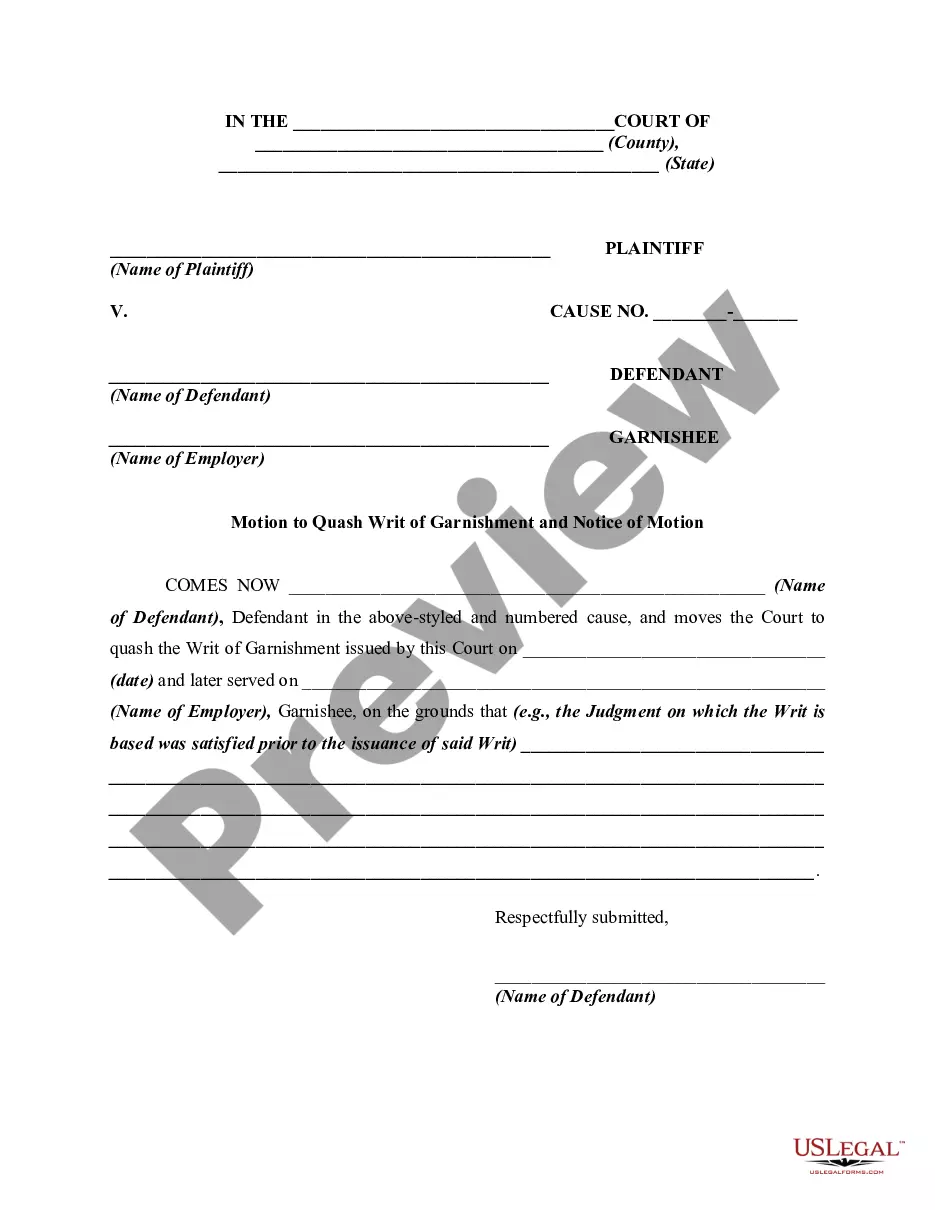
Court Judgment Motion Format
Description
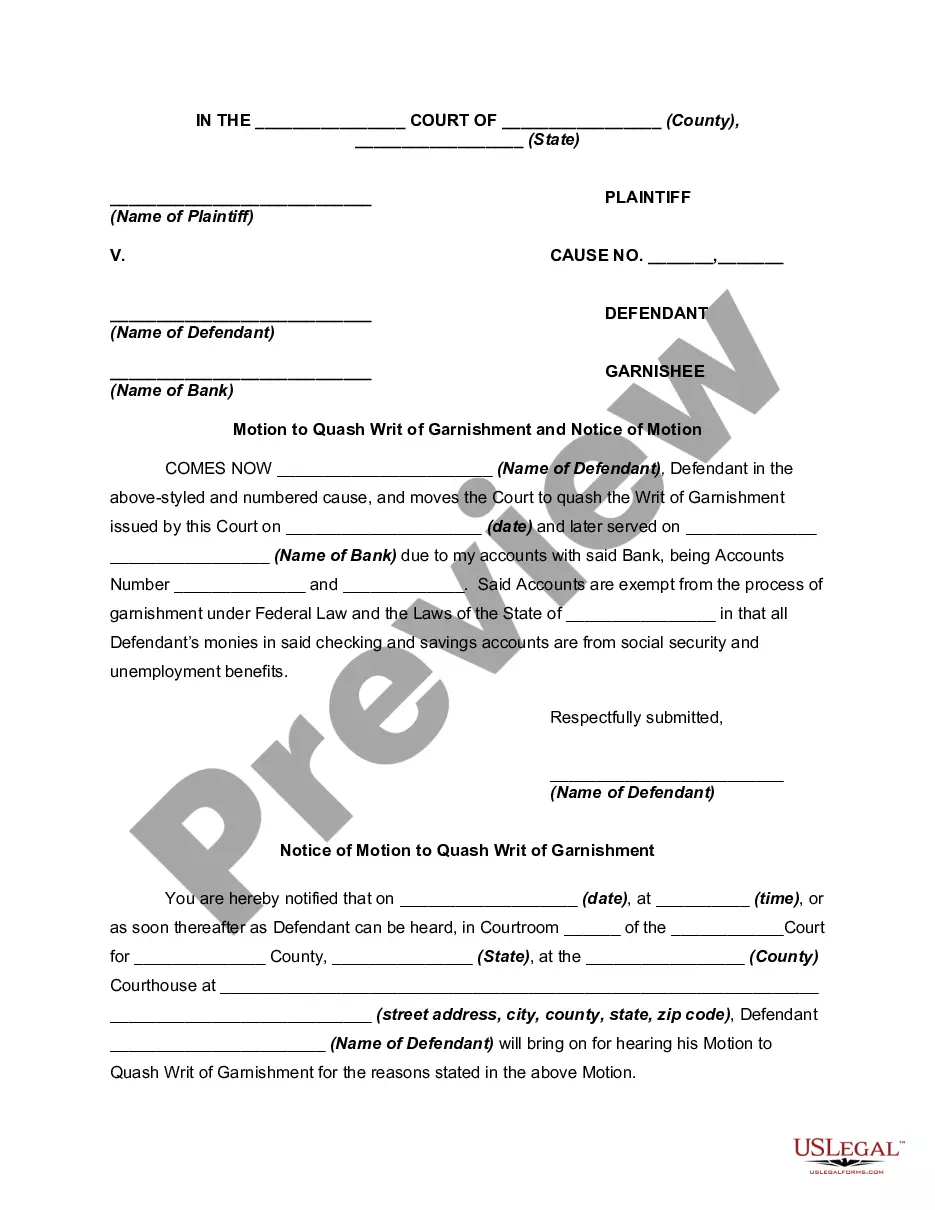
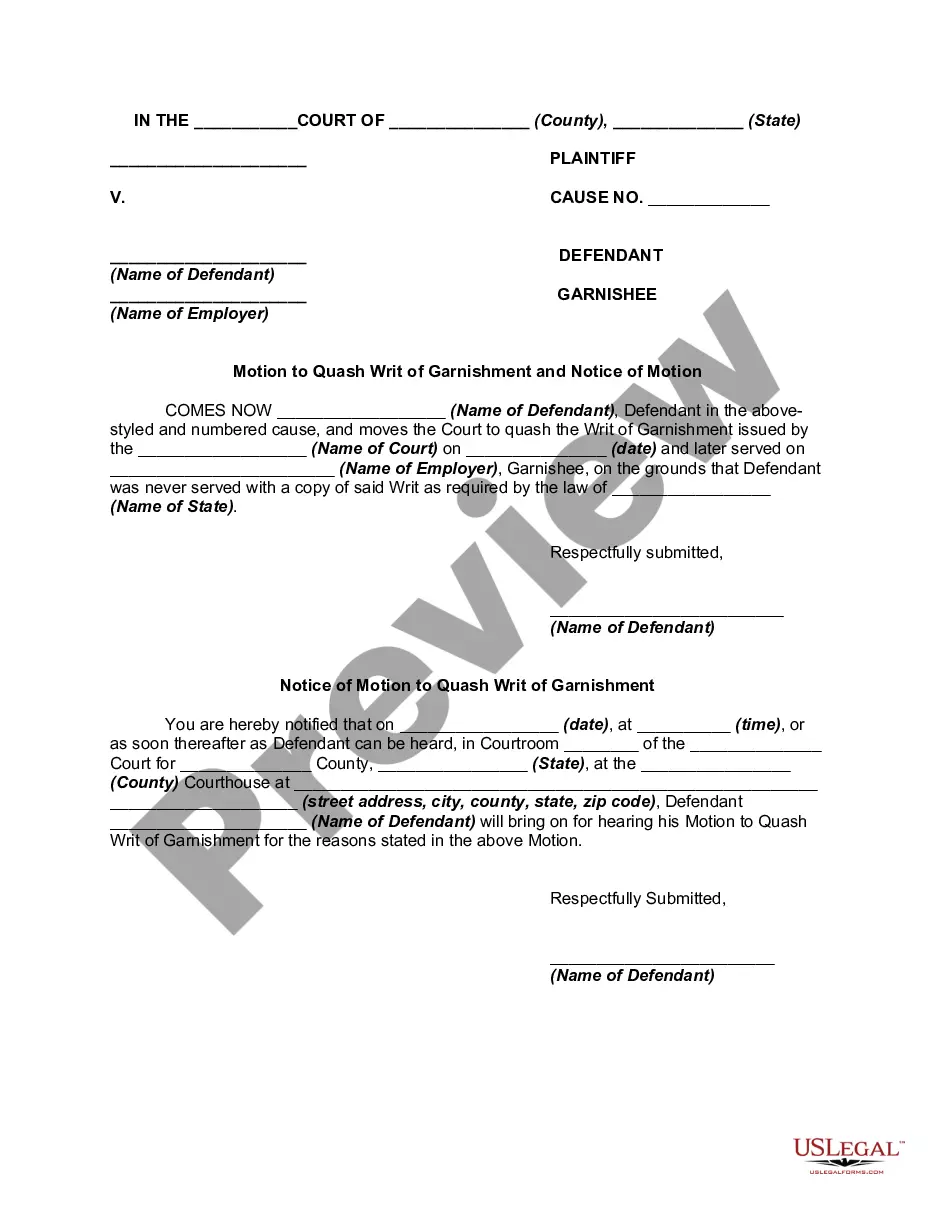
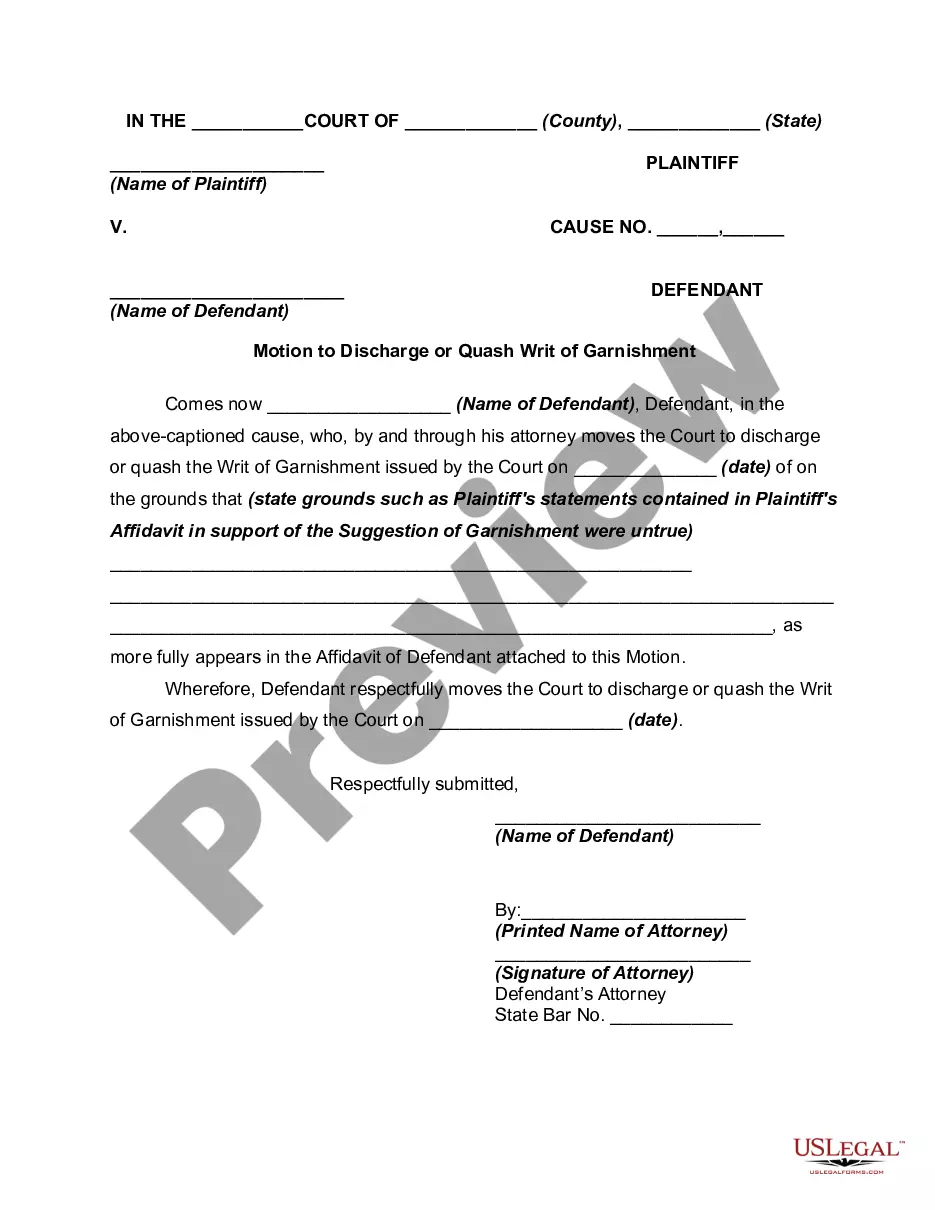
Get your form ready online
Our built-in tools help you complete, sign, share, and store your documents in one place.
Make edits, fill in missing information, and update formatting in US Legal Forms—just like you would in MS Word.
Download a copy, print it, send it by email, or mail it via USPS—whatever works best for your next step.
Sign and collect signatures with our SignNow integration. Send to multiple recipients, set reminders, and more. Go Premium to unlock E-Sign.
If this form requires notarization, complete it online through a secure video call—no need to meet a notary in person or wait for an appointment.
We protect your documents and personal data by following strict security and privacy standards.

Make edits, fill in missing information, and update formatting in US Legal Forms—just like you would in MS Word.

Download a copy, print it, send it by email, or mail it via USPS—whatever works best for your next step.

Sign and collect signatures with our SignNow integration. Send to multiple recipients, set reminders, and more. Go Premium to unlock E-Sign.

If this form requires notarization, complete it online through a secure video call—no need to meet a notary in person or wait for an appointment.

We protect your documents and personal data by following strict security and privacy standards.
Looking for another form?

How to fill out Motion To Vacate Judgment, Quash Subpoena Duces Tecum, Dismiss Writ Of Garnishment, And For Leave To File An Answer To Complaint?
Securing a reliable source for the latest and pertinent legal forms is half the battle when navigating bureaucracy.
Locating the appropriate legal documents necessitates precision and focus, which is why it's crucial to obtain samples of Court Judgment Motion Format solely from trustworthy providers, like US Legal Forms. An incorrect template can squander your time and hinder your current situation.
Once the form is on your device, you can modify it using the editor or print it out and complete it manually. Remove the stress associated with legal paperwork. Discover the vast collection at US Legal Forms where you can find legal templates, assess their relevance to your circumstance, and download them instantly.
- Use the directory navigation or search option to locate your template.
- Check the form’s details to verify it meets your state's and area's requirements.
- Preview the form, if available, to confirm it aligns with what you seek.
- Return to your search to find the correct template if the Court Judgment Motion Format does not meet your needs.
- Once you are sure about the form’s suitability, download it.
- If you are a registered user, click Log in to verify and access your chosen templates in My documents.
- If you haven’t created an account yet, click Buy now to acquire the form.
- Choose the pricing option that aligns with your preferences.
- Proceed to registration to finalize your purchase.
- Complete your transaction by selecting a payment method (credit card or PayPal).
- Choose the file format for downloading Court Judgment Motion Format.
Form popularity
FAQ
The three main types of motions are pretrial motions, post-trial motions, and motions in limine. Each type serves a specific purpose in legal proceedings. Pretrial motions may seek to resolve issues before a trial starts, while post-trial motions can challenge a verdict. Understanding these types can help you effectively use the court judgment motion format.
To reply to a motion, begin by addressing the court respectfully, then clearly state your position. You might say, 'I would like to respond to the motion by highlighting...'. Ensure your reply addresses the key points raised in the original motion, supporting your argument with facts. Familiarizing yourself with the court judgment motion format will ensure you provide a comprehensive response.
General format - each motion generally consists of a case caption, a title that briefly identifies the relief sought, a series of numbered paragraphs that explains -- in a logical way -- why you are entitled to that relief, a prayer for relief, a signature block, a certification that a copy of the motion was sent to ...
Think of the motion as the request by itself. The reasoning for the request (the argument) is a separate document. That is the Brief or, in lieu of the brief, Points and Authorities. Some motions may be governed by specific standards set forth by court rule or statute.
There are several different types of post-judgment motions, but the most common are motions for new trial, motions to vacate, and motions to set-aside. Motions for new trial, motions to vacate, and motions to set-aside are the three most common post-judgment motions.
In a summary judgment, one party may contend there are no facts that need to be decided, or the parties may agree on what the facts are. Either side (and sometimes both sides) may bring a motion for summary judgment arguing that they are entitled to a judgment in their favor without a trial.
Be as persuasive as possible as you write your motion in a sequential, logical format. Express your ideas clearly, and make sure you outline what steps are necessary and how they will help your case. Use facts of the case whenever you can to avoid baseless emotional appeals.