Redemption Period For Judicial Foreclosure
Description
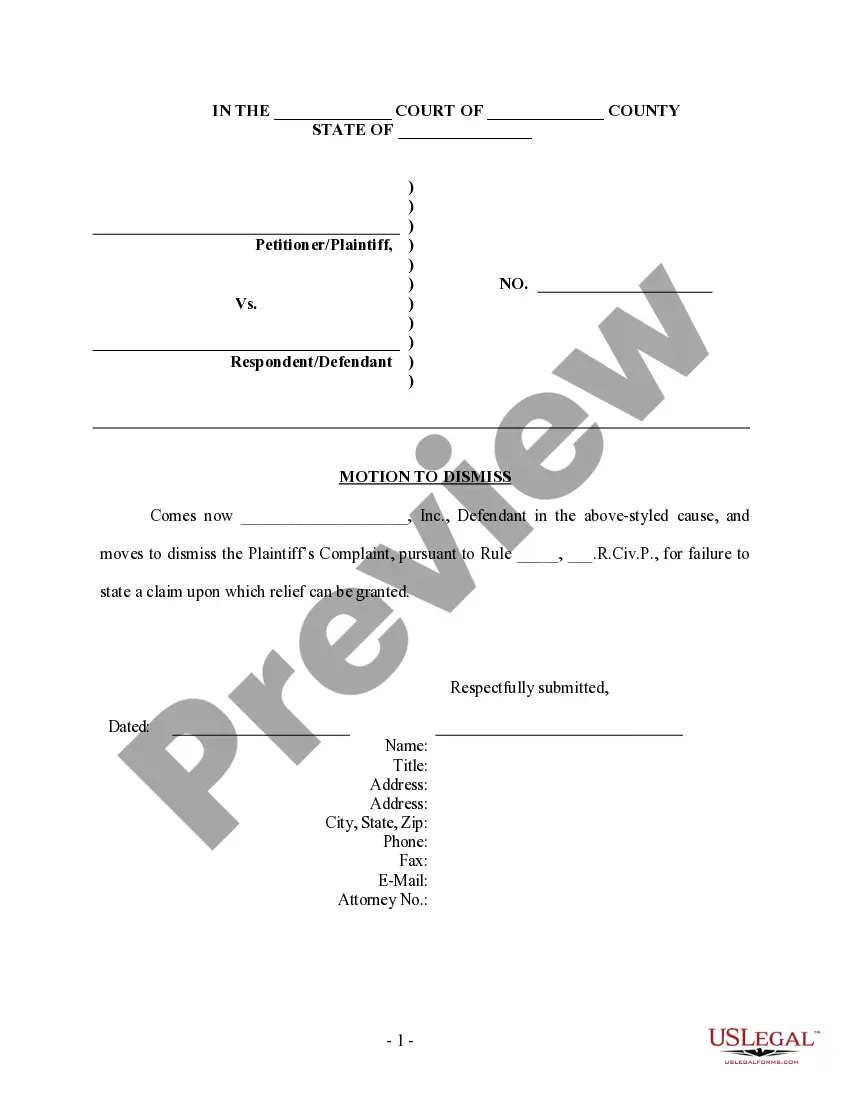
Get your form ready online
Our built-in tools help you complete, sign, share, and store your documents in one place.
Make edits, fill in missing information, and update formatting in US Legal Forms—just like you would in MS Word.
Download a copy, print it, send it by email, or mail it via USPS—whatever works best for your next step.
Sign and collect signatures with our SignNow integration. Send to multiple recipients, set reminders, and more. Go Premium to unlock E-Sign.
If this form requires notarization, complete it online through a secure video call—no need to meet a notary in person or wait for an appointment.
We protect your documents and personal data by following strict security and privacy standards.

Make edits, fill in missing information, and update formatting in US Legal Forms—just like you would in MS Word.

Download a copy, print it, send it by email, or mail it via USPS—whatever works best for your next step.

Sign and collect signatures with our SignNow integration. Send to multiple recipients, set reminders, and more. Go Premium to unlock E-Sign.

If this form requires notarization, complete it online through a secure video call—no need to meet a notary in person or wait for an appointment.

We protect your documents and personal data by following strict security and privacy standards.
Looking for another form?




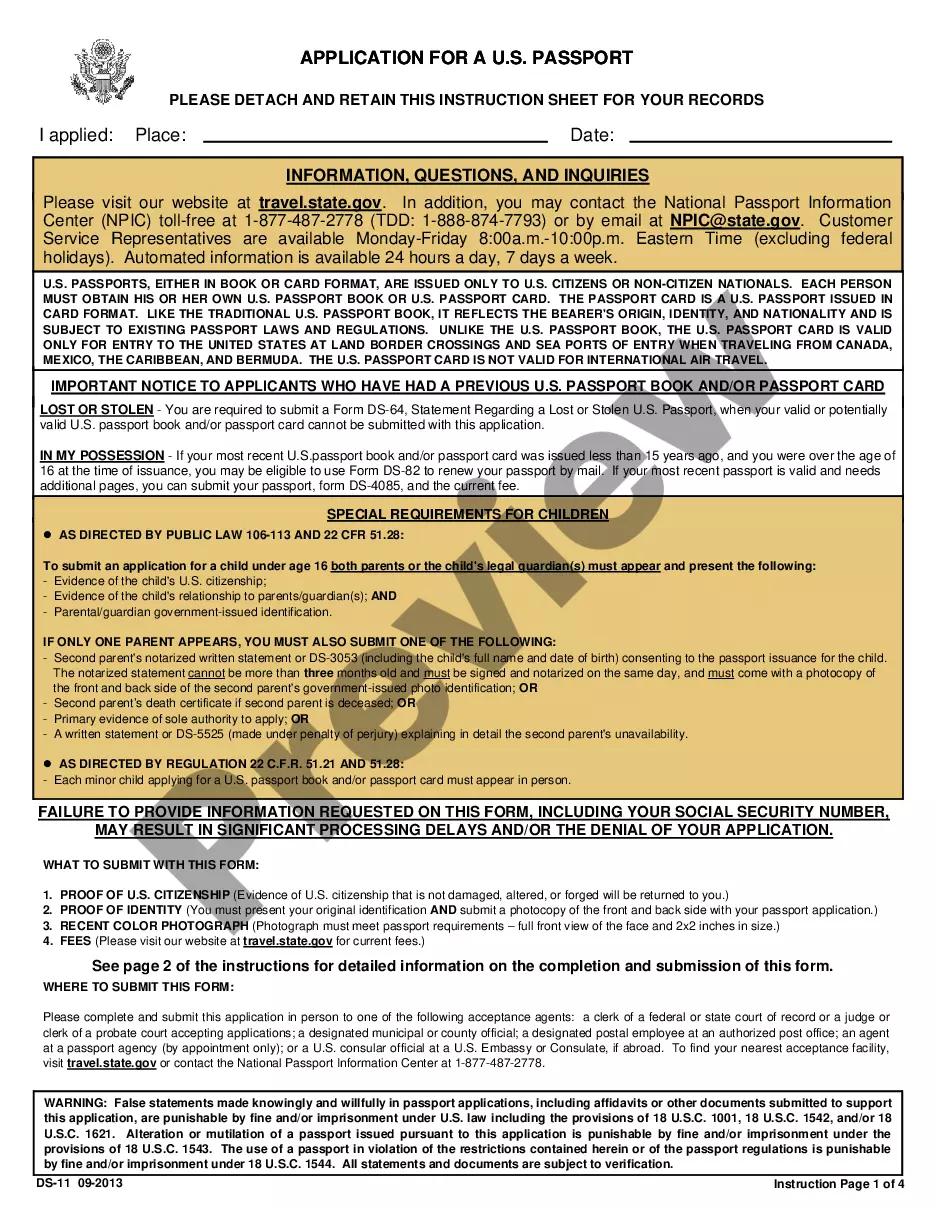





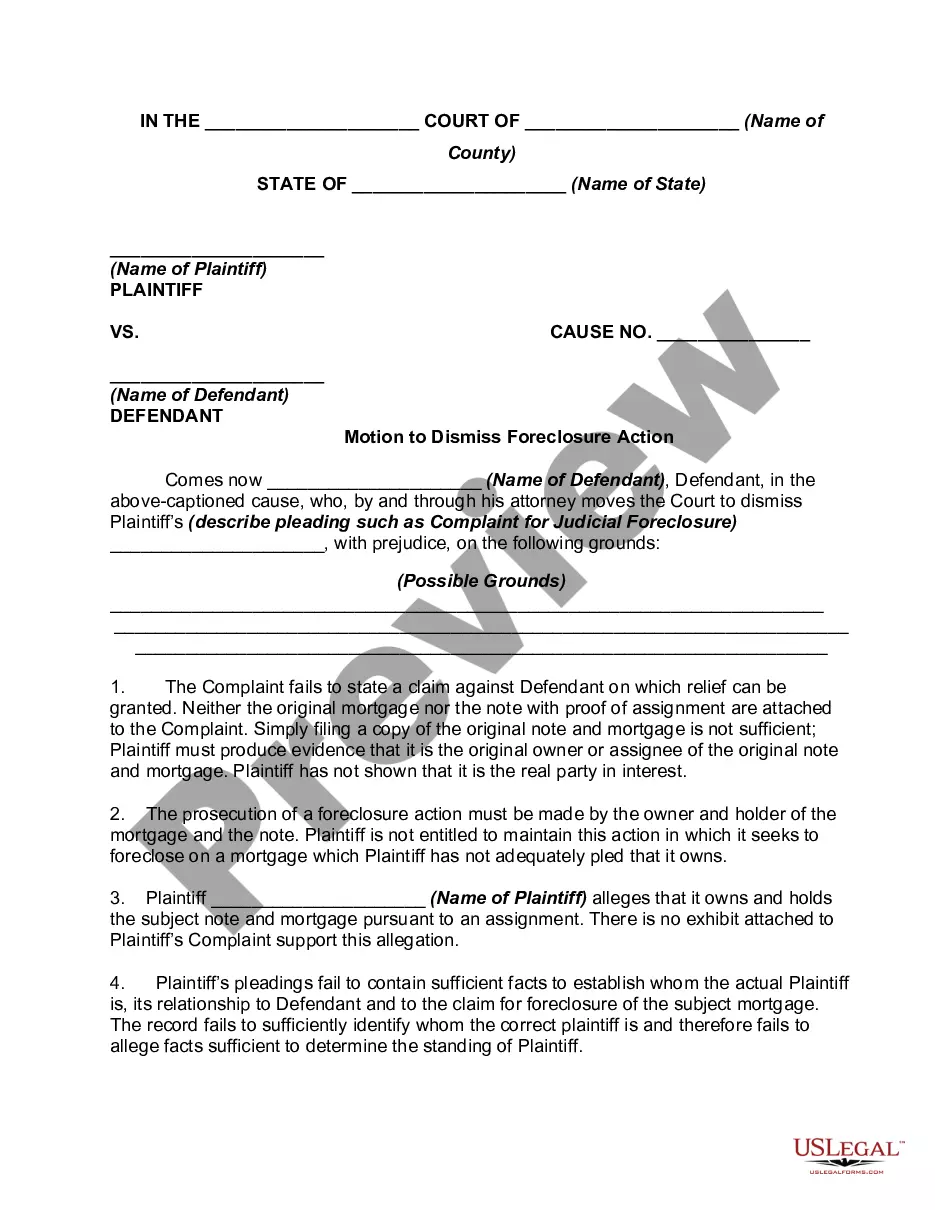
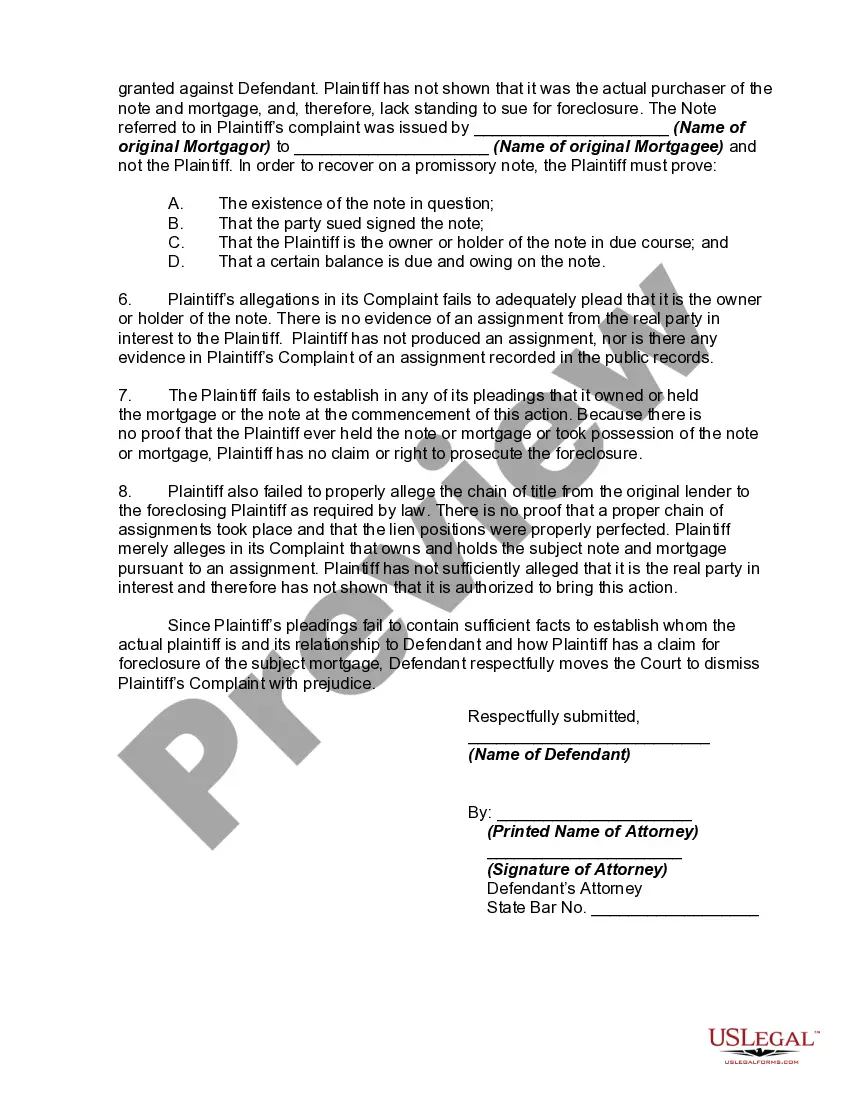
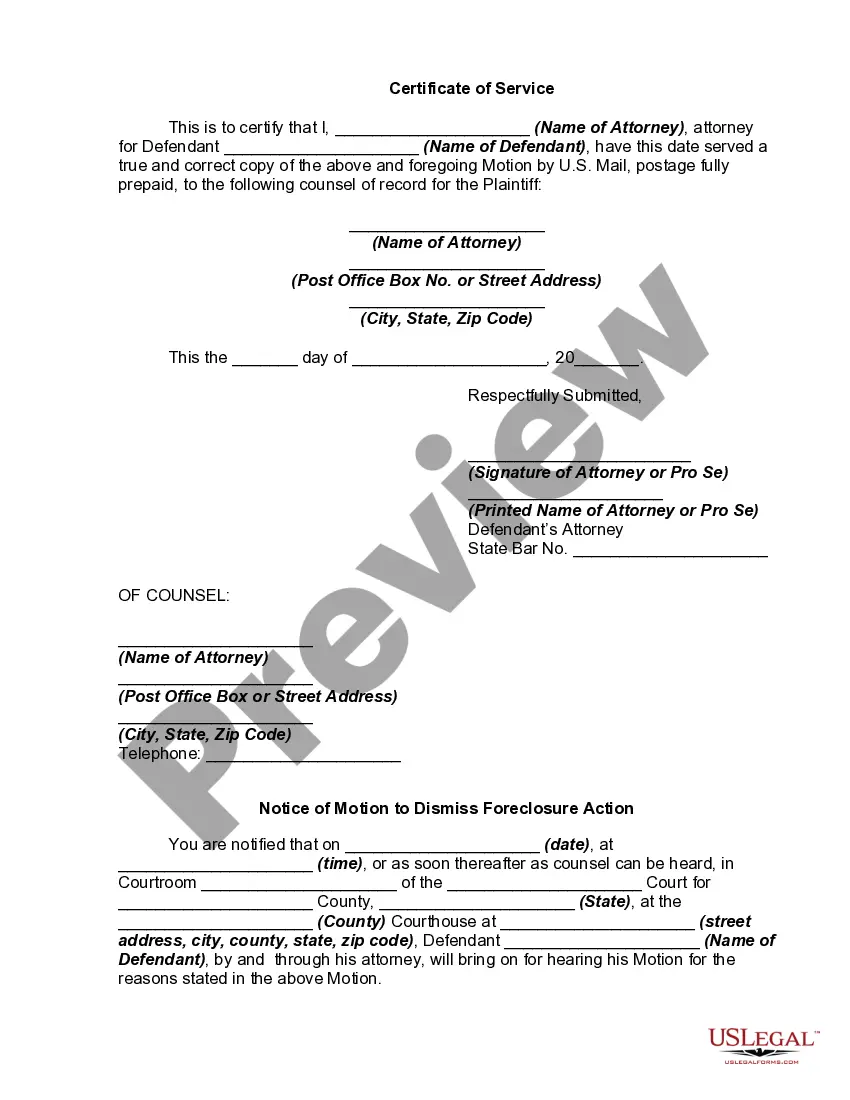
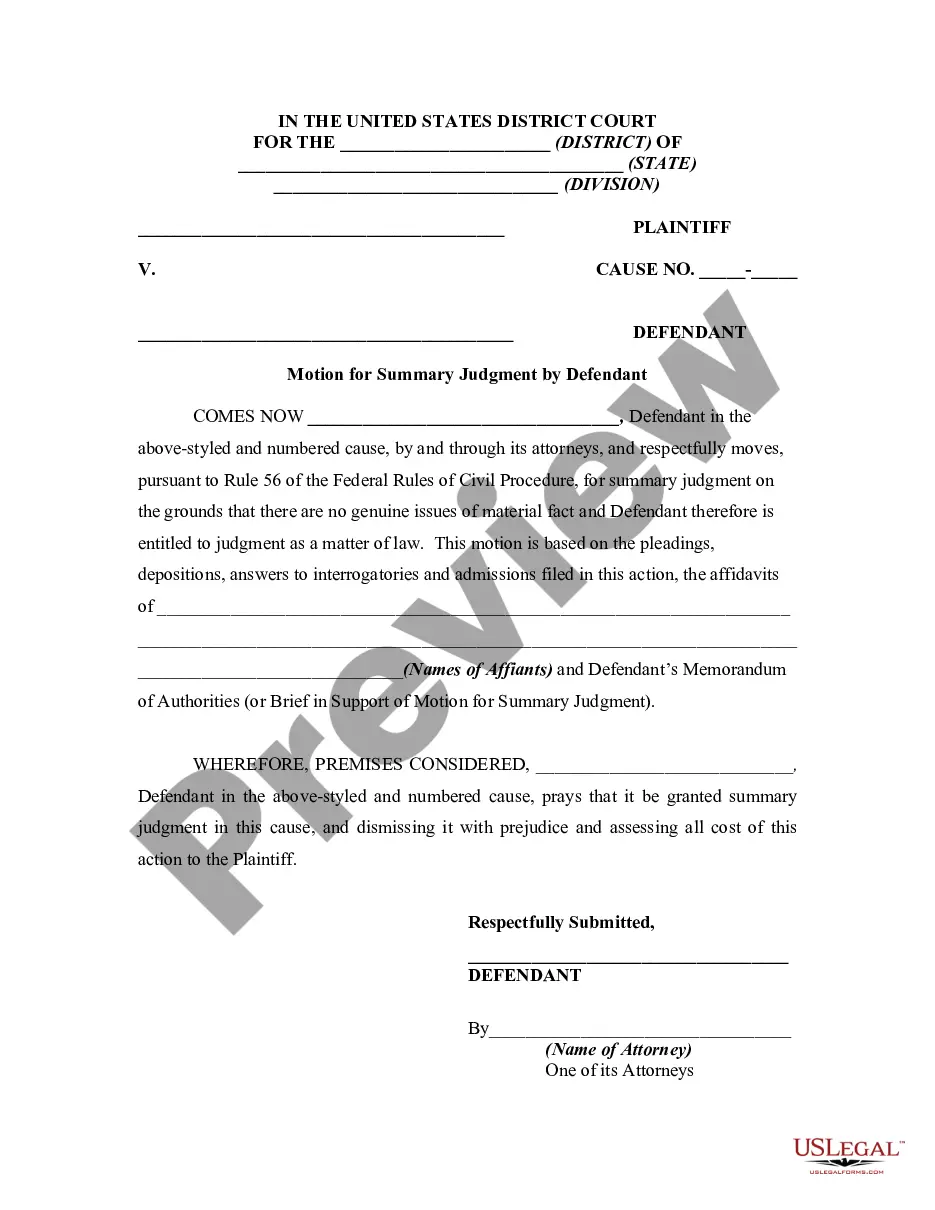
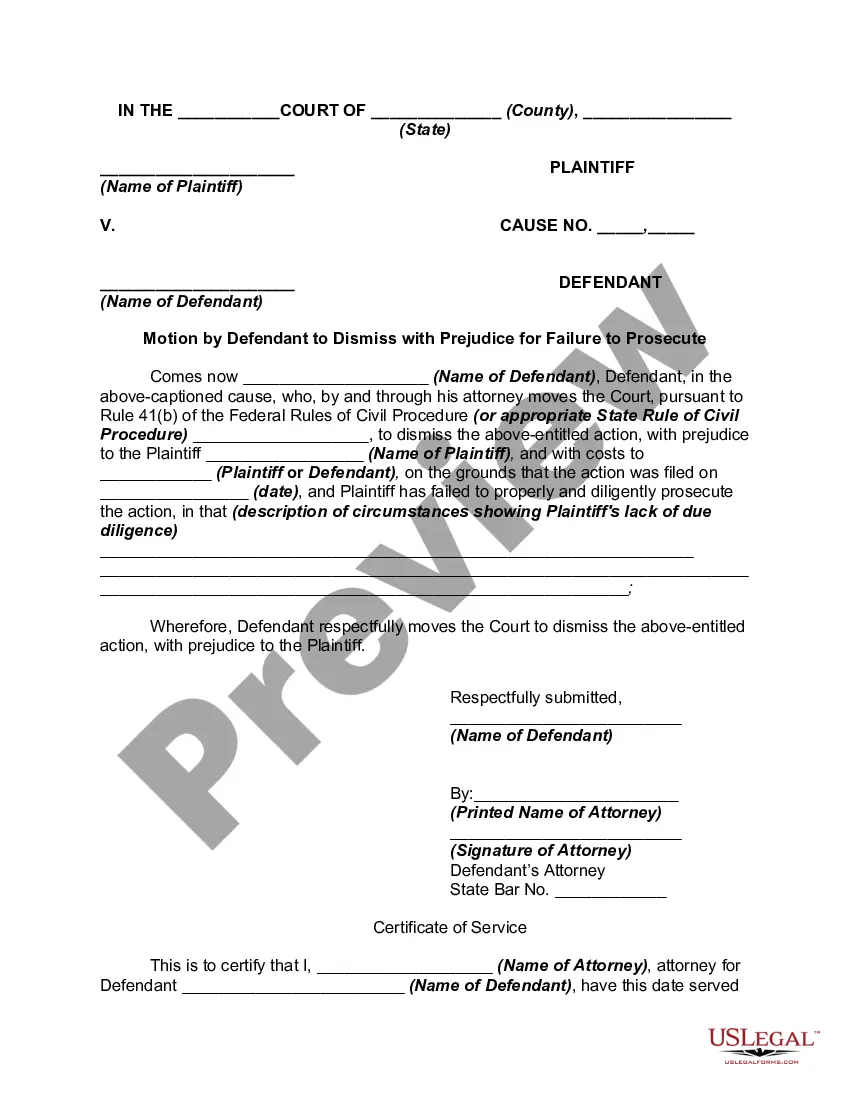
How to fill out Motion To Dismiss Foreclosure Action And Notice Of Motion?
- If you're an existing user, simply log in to your account and access your desired form template. Ensure your subscription is up-to-date, renewing if necessary.
- For new users, start by browsing the Preview mode and reading the form description carefully. Verify that the selected document suits your needs and complies with local jurisdiction requirements.
- Use the Search tab to locate a different template if necessary. Once you find the correct form, proceed to the next step.
- Purchase the document by clicking the Buy Now button. Select the subscription plan that fits your needs, and create an account to access the complete library.
- Complete your payment by entering your credit card information or logging in with your PayPal account.
- Download the form to your device for completion. Access the document anytime through the My Forms section on your profile.
By using US Legal Forms, individuals and attorneys can swiftly execute vital legal documents with confidence. Their vast library, combined with premium expert advice, ensures that you have precisely tailored, legally sound documents at your fingertips.
Take charge of your foreclosure process—start accessing the forms you need today with US Legal Forms!
Form popularity
FAQ
Selling your house during the redemption period for judicial foreclosure is possible, but it comes with challenges. You need to be aware that the buyer will inherit the risk of the redemption, potentially facing a costly situation if you decide to reclaim the property. It’s vital to consult with real estate and legal professionals before proceeding, and platforms like US Legal Forms can assist you in understanding your rights and obligations during this critical time.
The duration of redemption can differ widely based on where you live, commonly ranging from 30 days to several years. For specific instances, such as judicial foreclosure, understanding the state laws is key. This period is your opportunity to reclaim what you have lost financially. Platforms like uslegalforms can help you navigate these complexities effectively.
In Florida, the redemption period for judicial foreclosure is generally set at 5 years from the date of the final judgment. This gives homeowners ample time to recover their property by meeting the financial obligations. However, specifics can vary based on individual circumstances, so it’s wise to consult legal resources or platforms like uslegalforms for tailored advice.
A redemption statement is typically valid for a specific duration, often around 30 days. This document details the amount needed to redeem the property from foreclosure. After this period, the amount may change due to accrued fees or interest. Always check the laws in your state to ensure you have the latest information.
The redemption period for judicial foreclosure varies by state. Typically, this period lasts from a few months to several years, depending on local laws. During this time, you can reclaim your property by paying off the owed amount. Understanding your state's regulations is crucial for effective planning.
Yes, you can potentially write off foreclosure losses on your taxes, which can provide some financial relief. The IRS allows taxpayers to deduct certain losses that occur during a foreclosure, but the rules can be complex. Consult with a tax professional or use resources like US Legal Forms to understand how to properly document and deduct these losses within the context of the redemption period for judicial foreclosure.
The IRS right to redeem foreclosure allows the government to reclaim property that has been foreclosed by a lender. It typically comes into play when unpaid federal taxes are involved. During the redemption period for judicial foreclosure, the IRS can intervene and take steps to claim the property, highlighting the importance of resolving tax issues promptly to avoid losing your home.
Not every state permits a defaulting borrower to redeem their property before the foreclosure sale. Each state's laws dictate the conditions and duration of the redemption period for judicial foreclosure. Some states offer robust redemption options, while others may not. Therefore, it's vital for borrowers to understand their state's specific laws to navigate the foreclosure process effectively.
When a foreclosure is redeemed, it means the borrower has successfully repaid the outstanding debt and reclaimed their property. This process occurs during the redemption period for judicial foreclosure, allowing the borrower a chance to recover their home before it changes ownership. Redemption signifies a fresh start, giving the borrower another opportunity to maintain homeownership. Knowing the specific steps to take can empower borrowers facing foreclosure.
The 120 day rule in foreclosure relates to the time frame before the lender can initiate foreclosure proceedings. After a borrower defaults, they have a grace period of 120 days to cure the default by paying the overdue amount. This rule aims to provide borrowers ample time to resolve financial difficulties and prevent foreclosure. Knowing the redemption period for judicial foreclosure can be beneficial, serving as a last opportunity to retain ownership.