Opposing A Motion To Dismiss For Suing The Wrong Party
Description
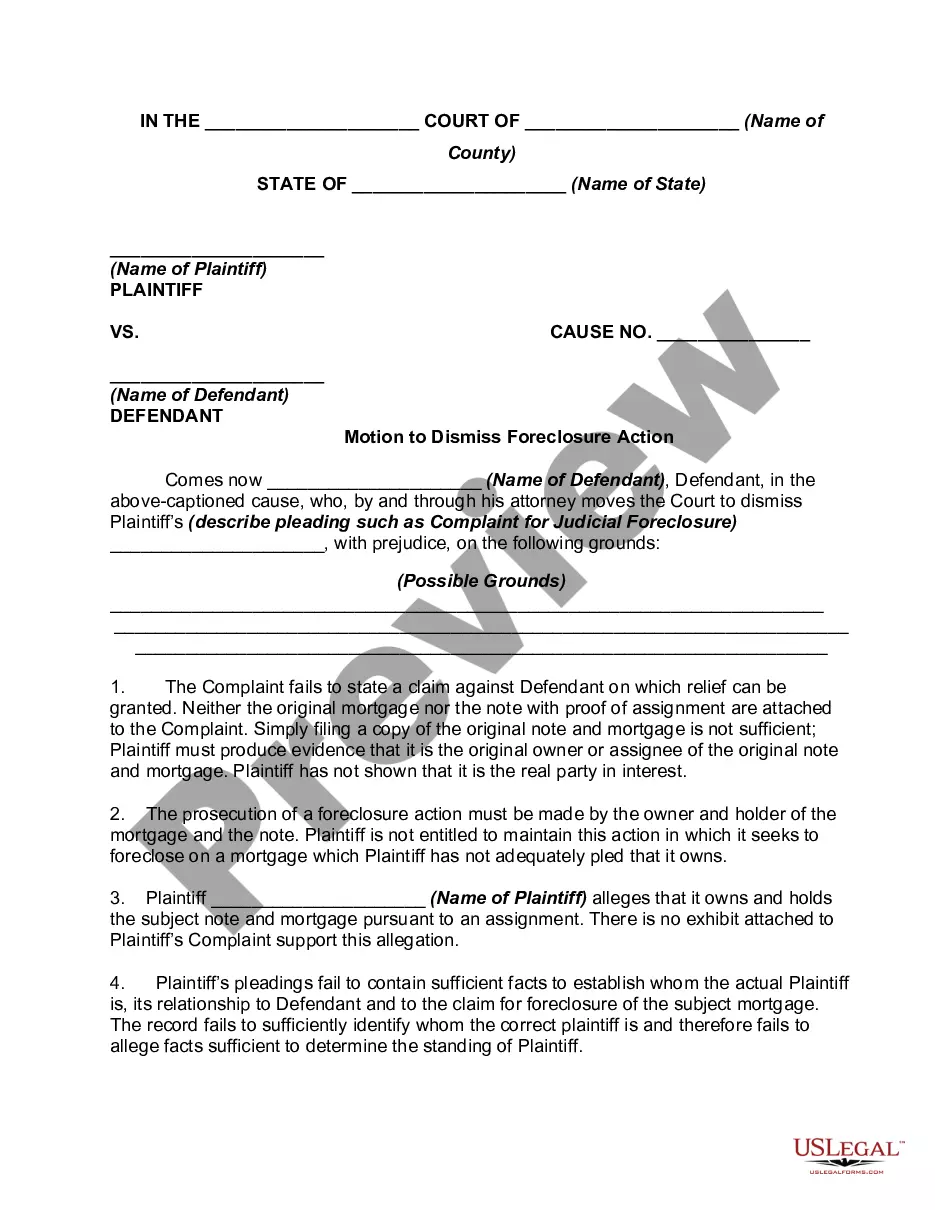
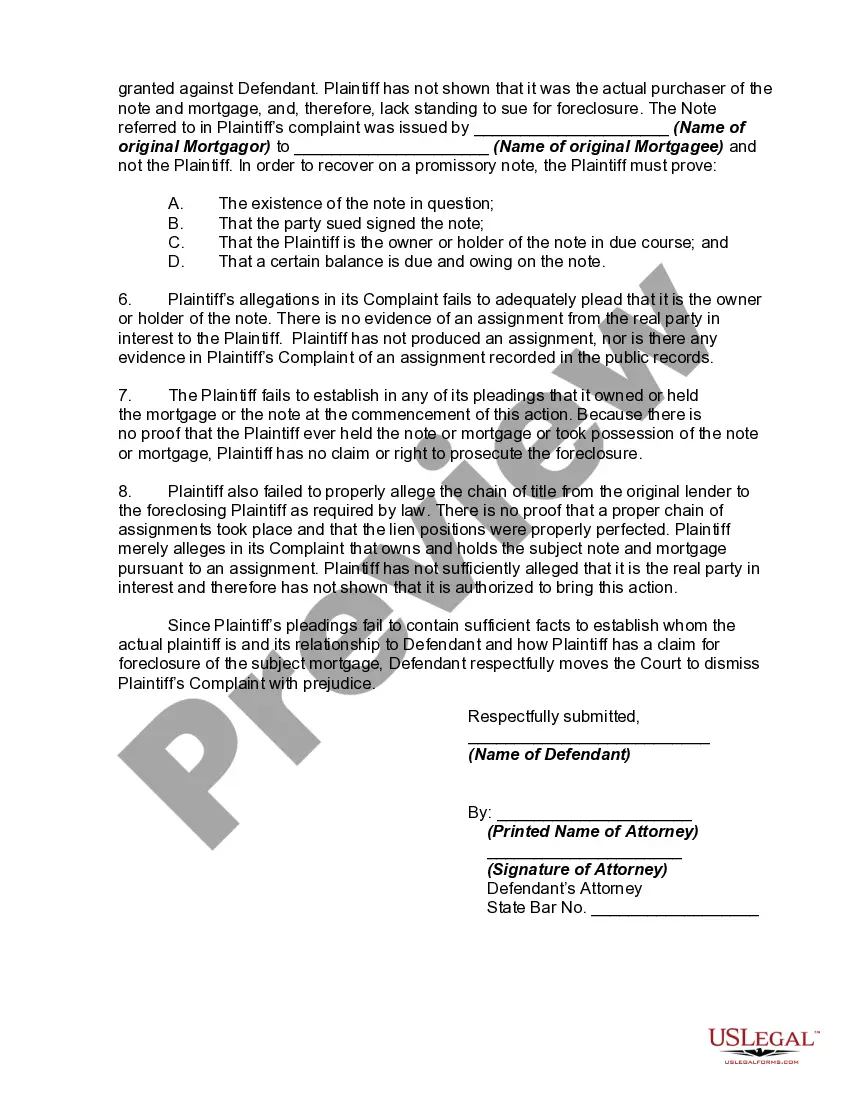
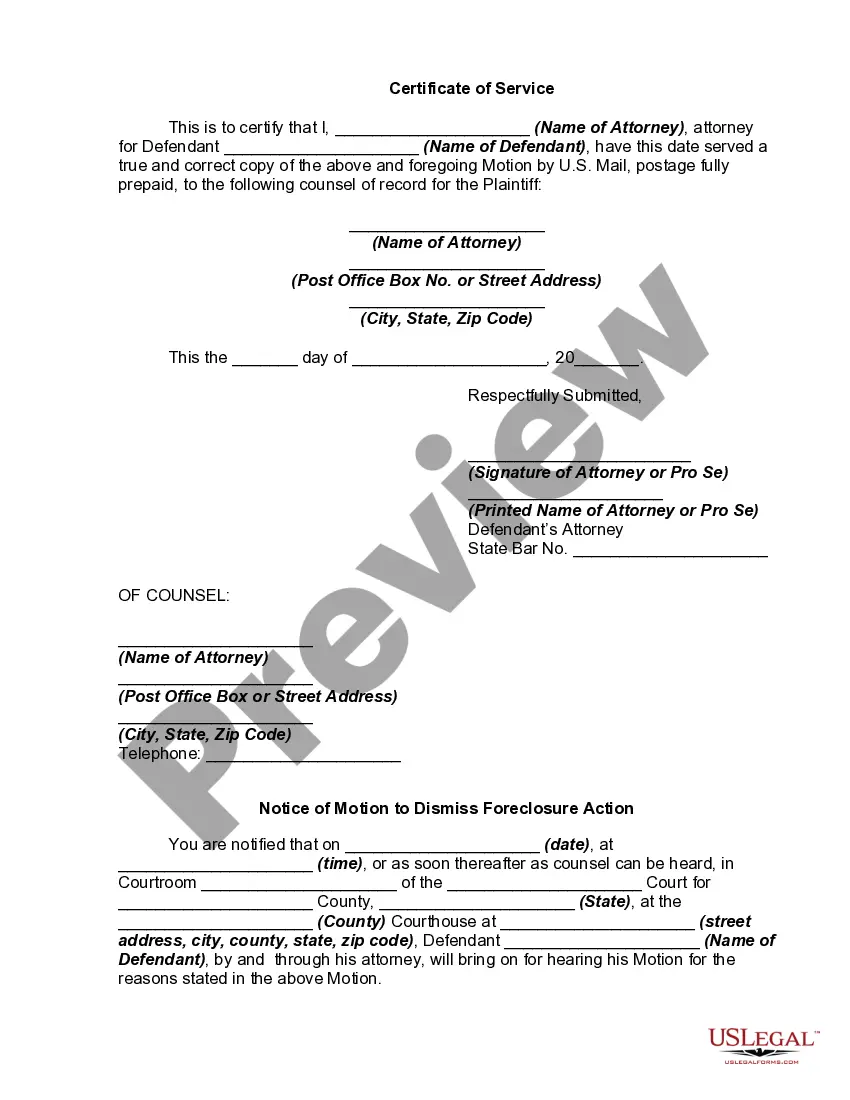
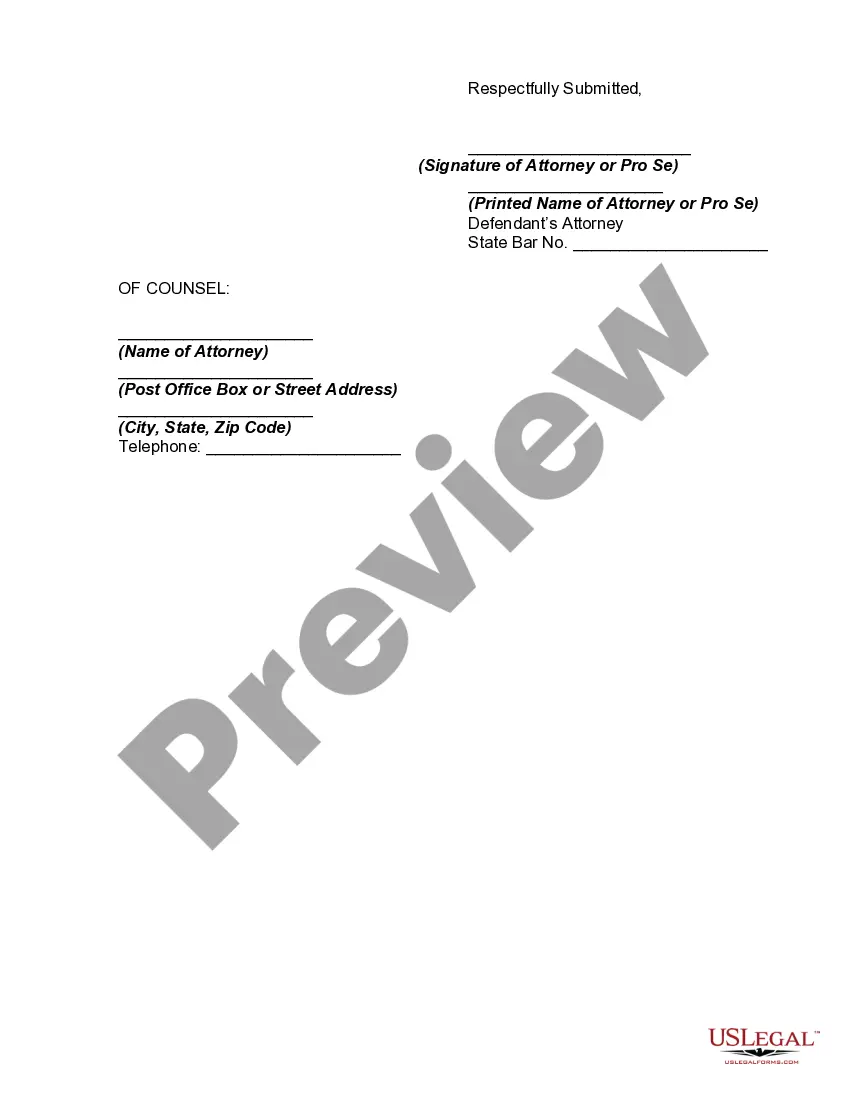
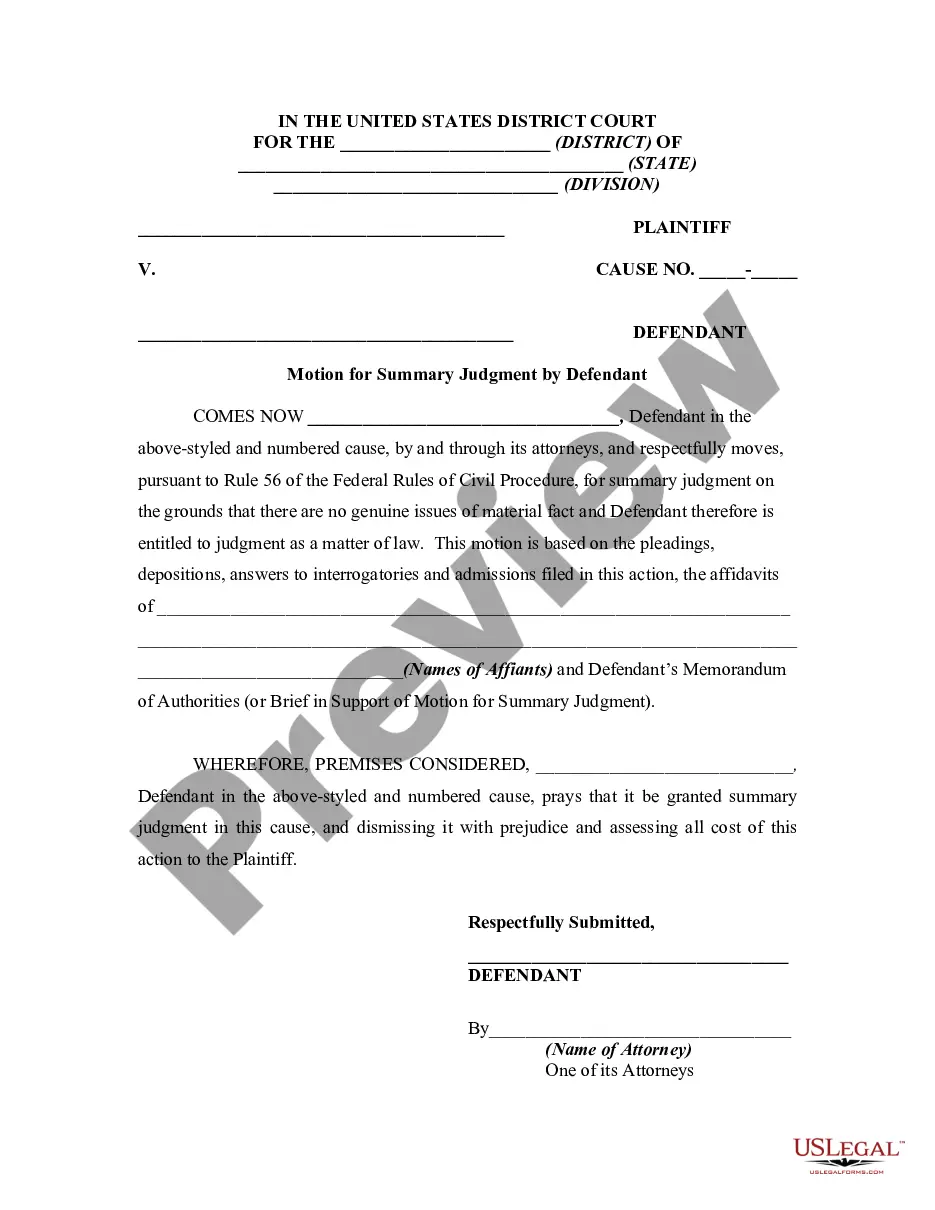
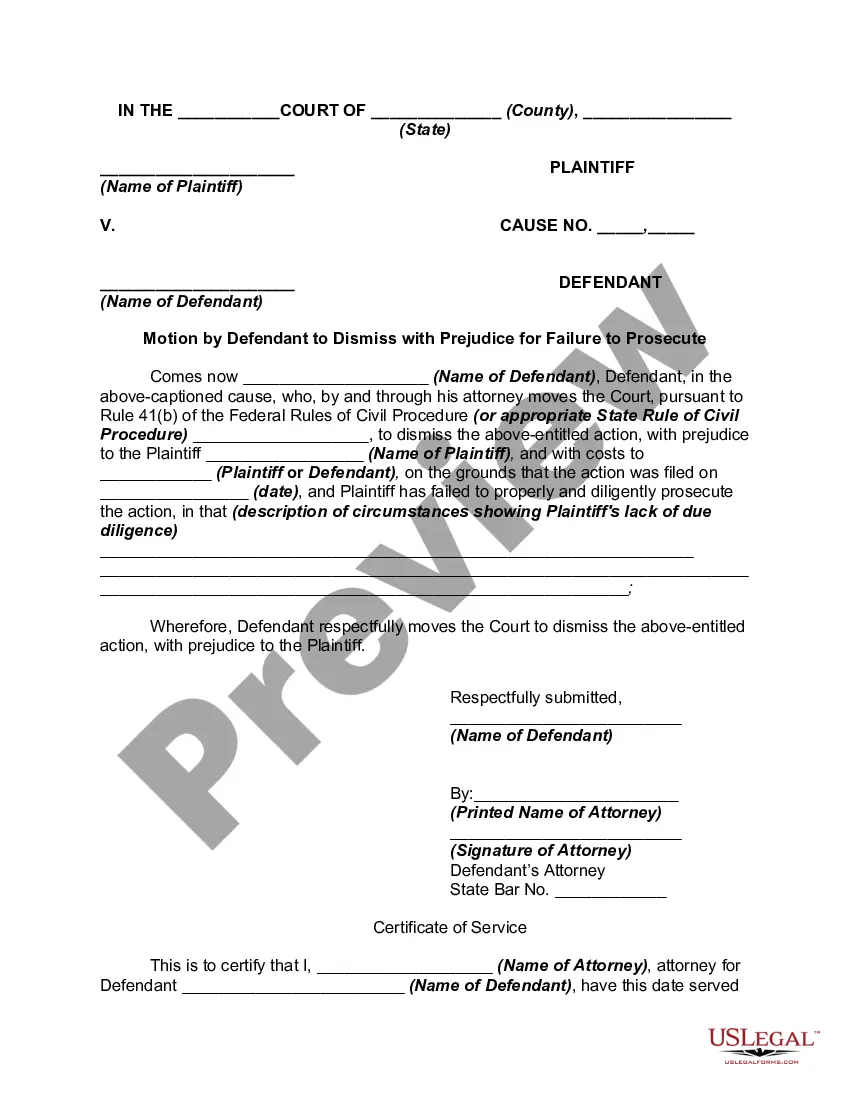
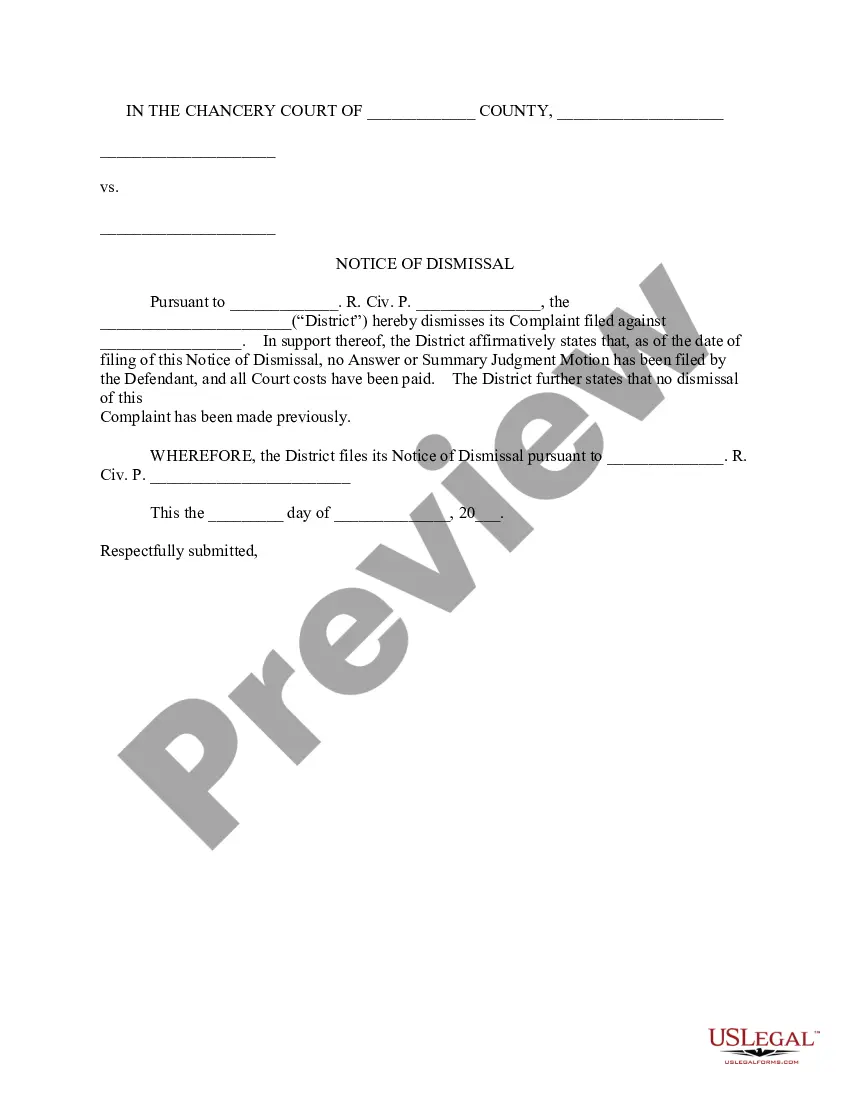
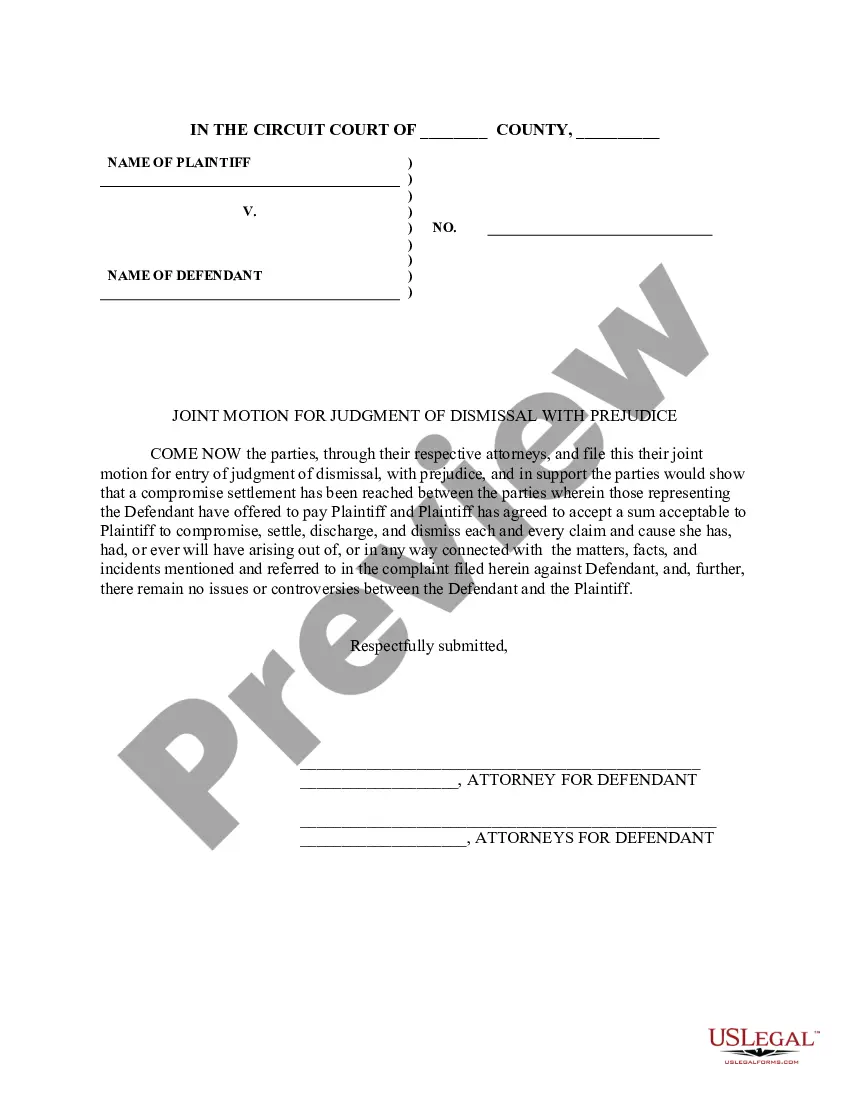
Get your form ready online
Our built-in tools help you complete, sign, share, and store your documents in one place.
Make edits, fill in missing information, and update formatting in US Legal Forms—just like you would in MS Word.
Download a copy, print it, send it by email, or mail it via USPS—whatever works best for your next step.
Sign and collect signatures with our SignNow integration. Send to multiple recipients, set reminders, and more. Go Premium to unlock E-Sign.
If this form requires notarization, complete it online through a secure video call—no need to meet a notary in person or wait for an appointment.
We protect your documents and personal data by following strict security and privacy standards.

Make edits, fill in missing information, and update formatting in US Legal Forms—just like you would in MS Word.

Download a copy, print it, send it by email, or mail it via USPS—whatever works best for your next step.

Sign and collect signatures with our SignNow integration. Send to multiple recipients, set reminders, and more. Go Premium to unlock E-Sign.

If this form requires notarization, complete it online through a secure video call—no need to meet a notary in person or wait for an appointment.

We protect your documents and personal data by following strict security and privacy standards.
Looking for another form?
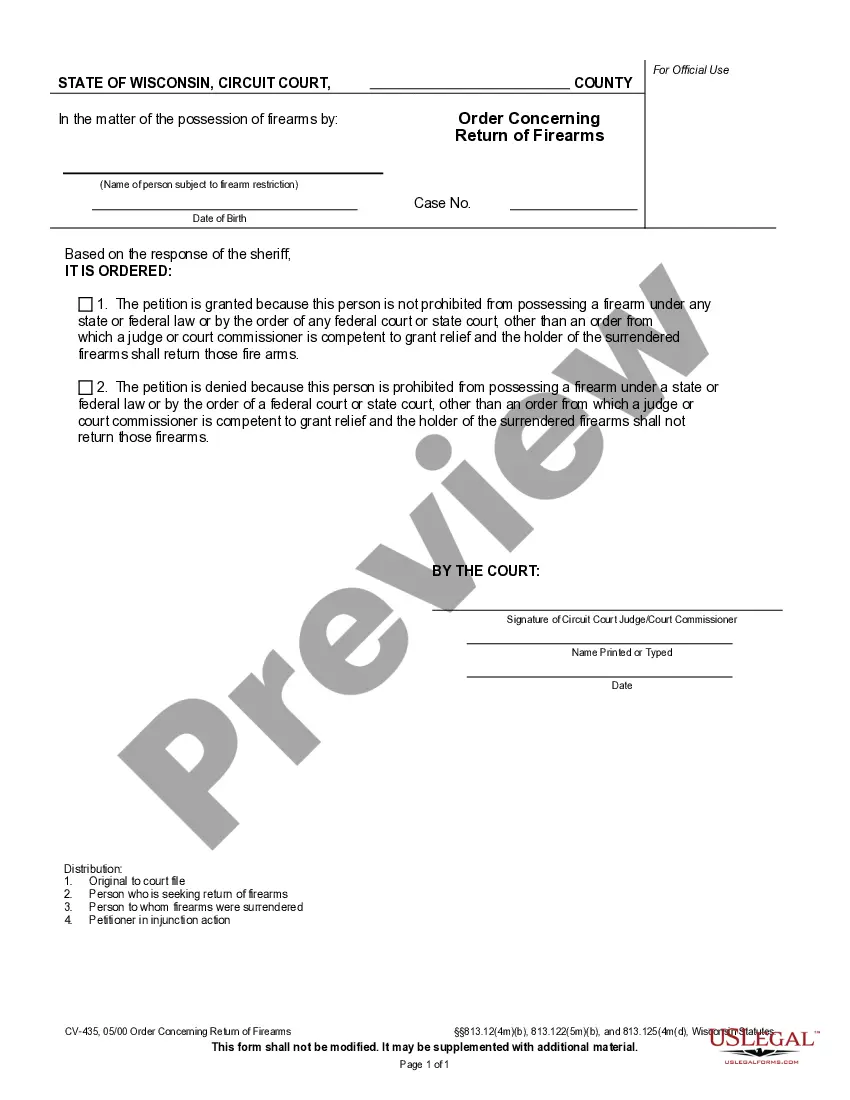
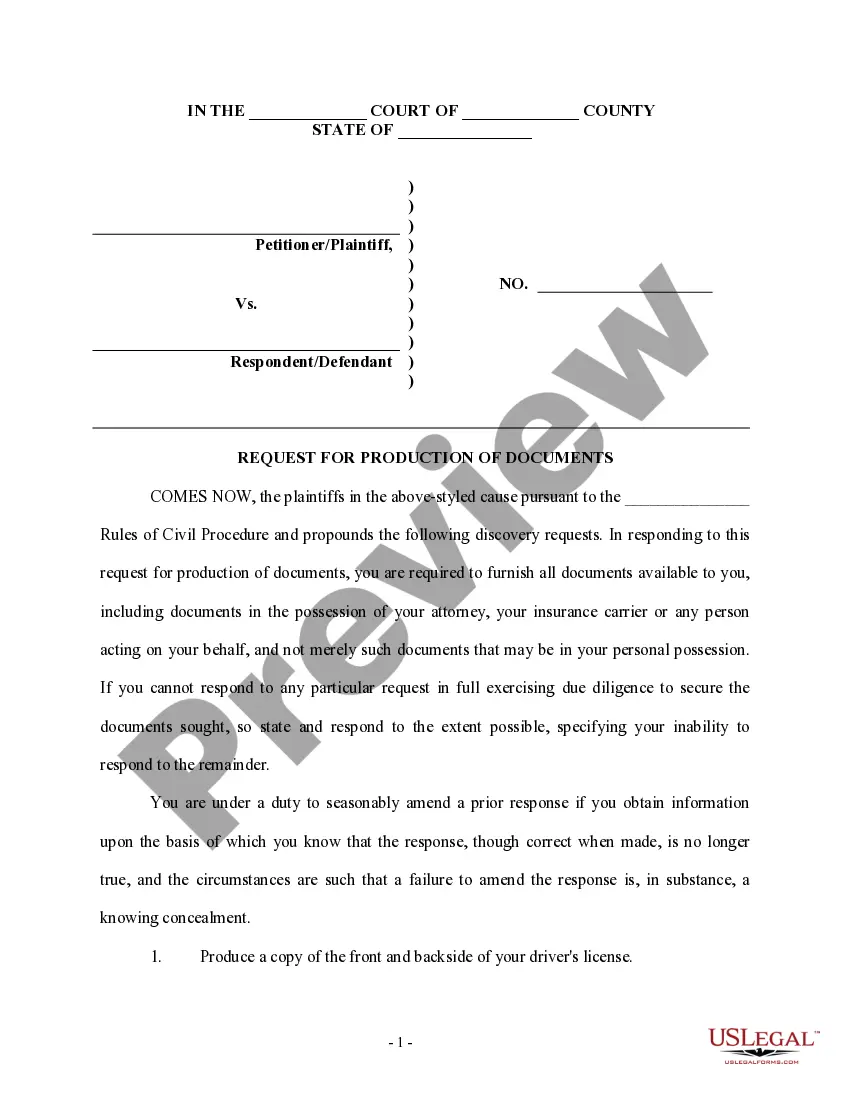

How to fill out Motion To Dismiss Foreclosure Action And Notice Of Motion?
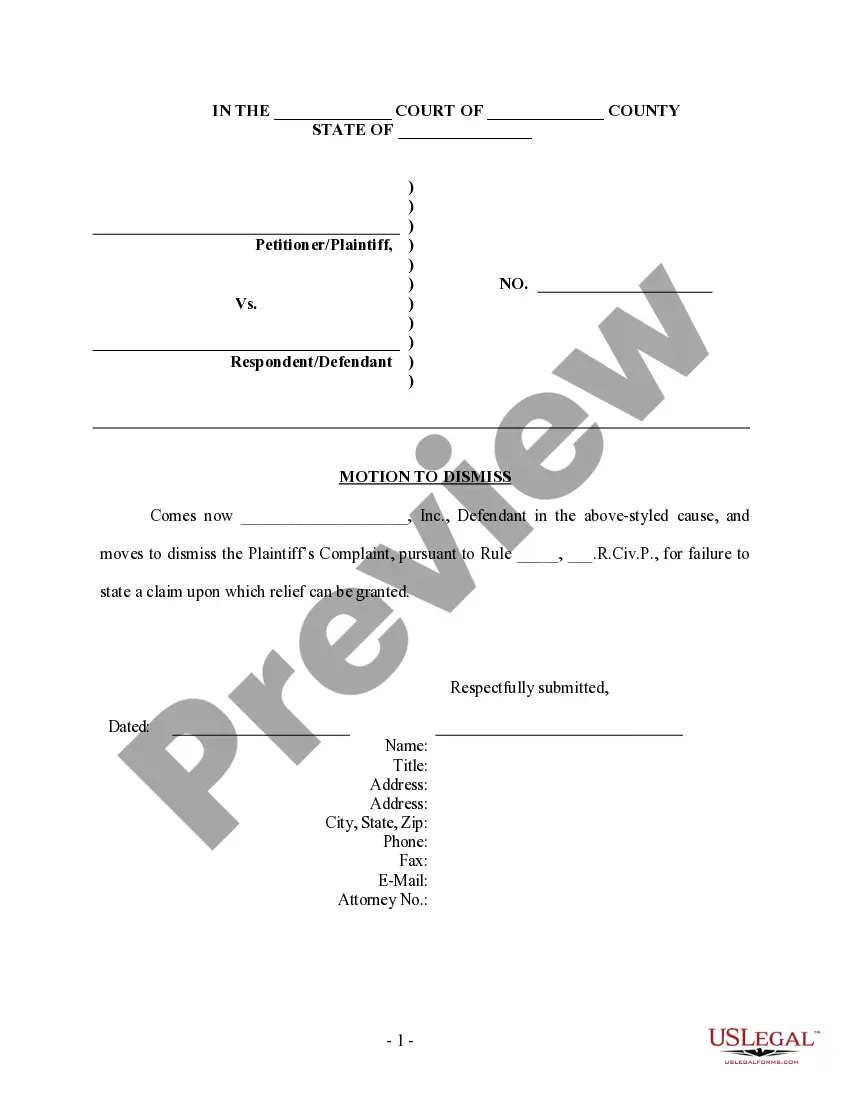
The Contesting A Motion To Dismiss For Litigating Against The Incorrect Entity you see on this page is a reusable formal template composed by experienced attorneys in alignment with federal and local statutes.
For over 25 years, US Legal Forms has supplied individuals, organizations, and lawyers with more than 85,000 authenticated, state-specific templates for any business and personal situation. It’s the quickest, easiest, and most dependable method to obtain the documents you require, as the service assures the utmost degree of data security and anti-virus protection.
Subscribe to US Legal Forms to have verified legal templates for all of life’s situations available to you.
- Search for the document you require and examine it.
- Review the file you searched and view it or verify the form description to confirm it meets your requirements. If it doesn’t, use the search feature to find the correct one. Click Buy Now once you have identified the template you need.
- Register and Log In.
- Select the pricing plan that fits you and create an account. Use PayPal or a credit card for a swift payment. If you already possess an account, Log In and verify your subscription to proceed.
- Obtain the editable template.
- Choose the format you desire for your Contesting A Motion To Dismiss For Litigating Against The Incorrect Entity (PDF, DOCX, RTF) and save the document on your device.
- Fill out and sign the paperwork.
- Print the template to complete it manually. Alternatively, utilize an online multi-functional PDF editor to efficiently and accurately fill out and sign your form with an eSignature.
- Download your documents again.
- Utilize the same document once more whenever necessary. Access the My documents tab in your profile to redownload any previously saved forms.
Form popularity
FAQ
The motion to dismiss is a defendant's request that the case be thrown out, usually because of a deficiency in the complaint or the way the complaint was served on the defendant. Failure to state a claim is the most common grounds for dismissal. A judge can dismiss a claim with or without prejudice.
A motion requests the Court to take action under a specific Federal Rule. To oppose a motion, you must prepare an affidavit or affirmation. You will title your submission as appropriate, for example: plaintiff s opposition to defendant's motion to dismiss or for summary judgment.
A Response or Reply to the Opposing Party's Pleadings is your answer to the opposing party's document filed with the court. These documents could include a Petition for Dissolution of a Non-Covenant Marriage, a Motion for Clarification, or a Petition to Enforce.
Consider the following five approaches: Show that the motion fails to list the specific facts and law supporting summary judgment. ... Show that a dispute exists on a material fact. ... Show that the law does not support judgment on the undisputed facts.
A Response will address the Motion and provide the party's position on the points raised in the Motion. This can include a rebuttal to issues of fact or law raised in the Motion. A Reply will address the points raised in the Response and provide the party's position on the points raised in the Response.