Foreclosure Tenant Rights Foreclosure
Description
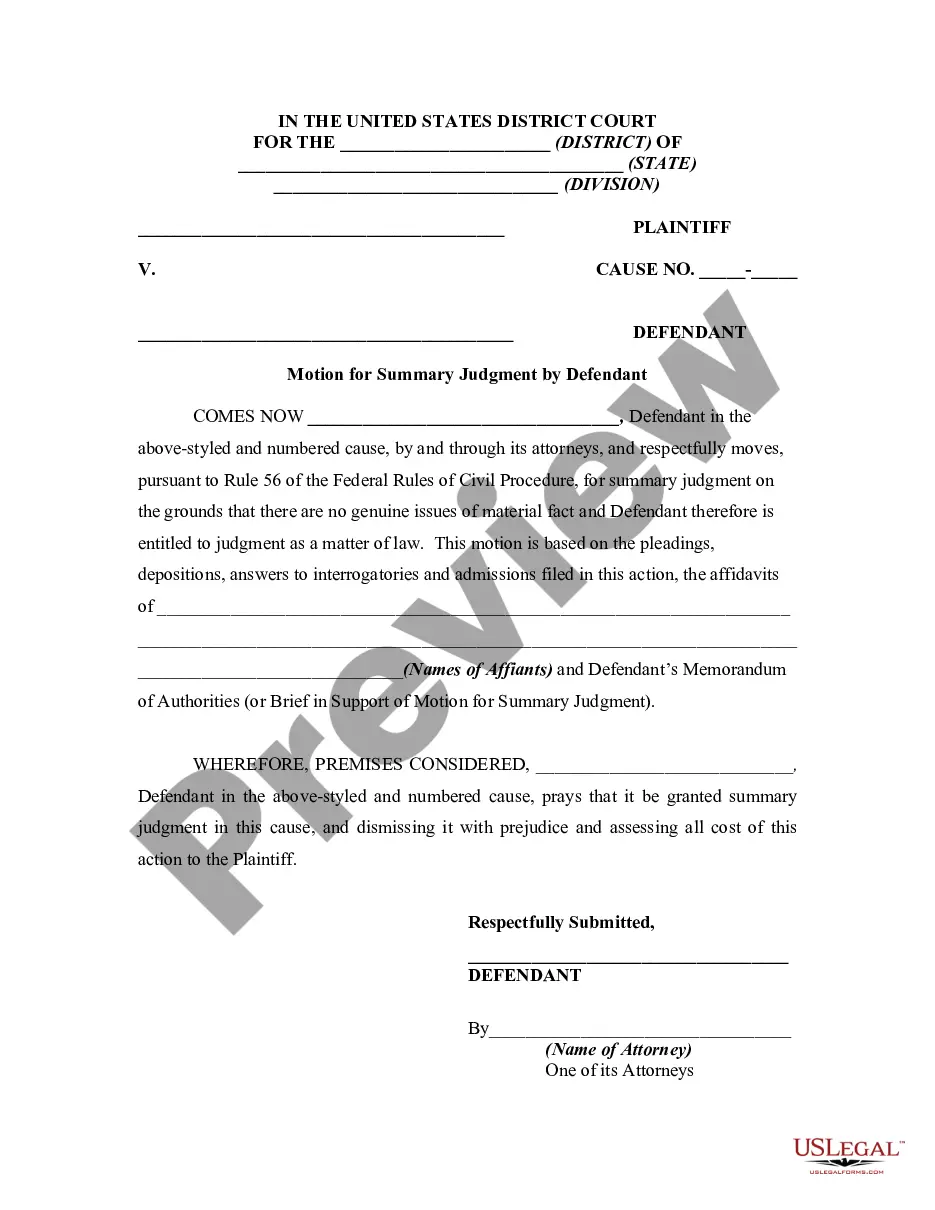
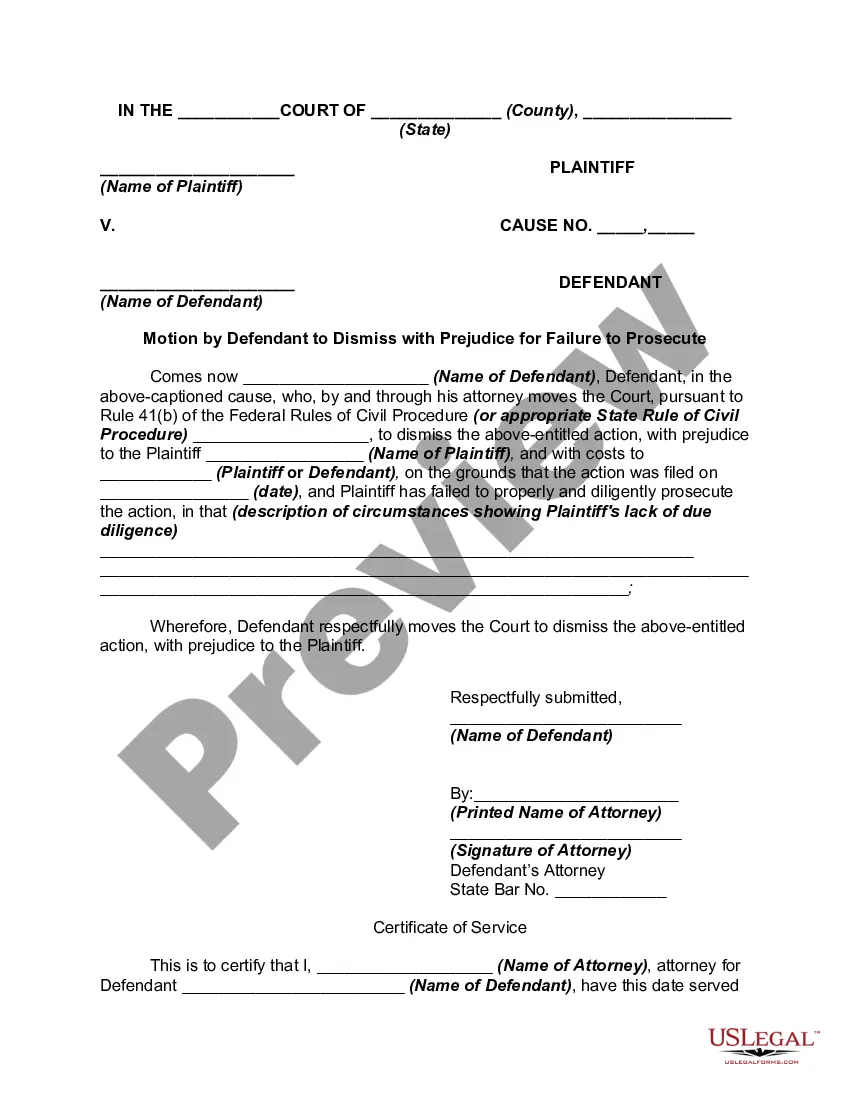
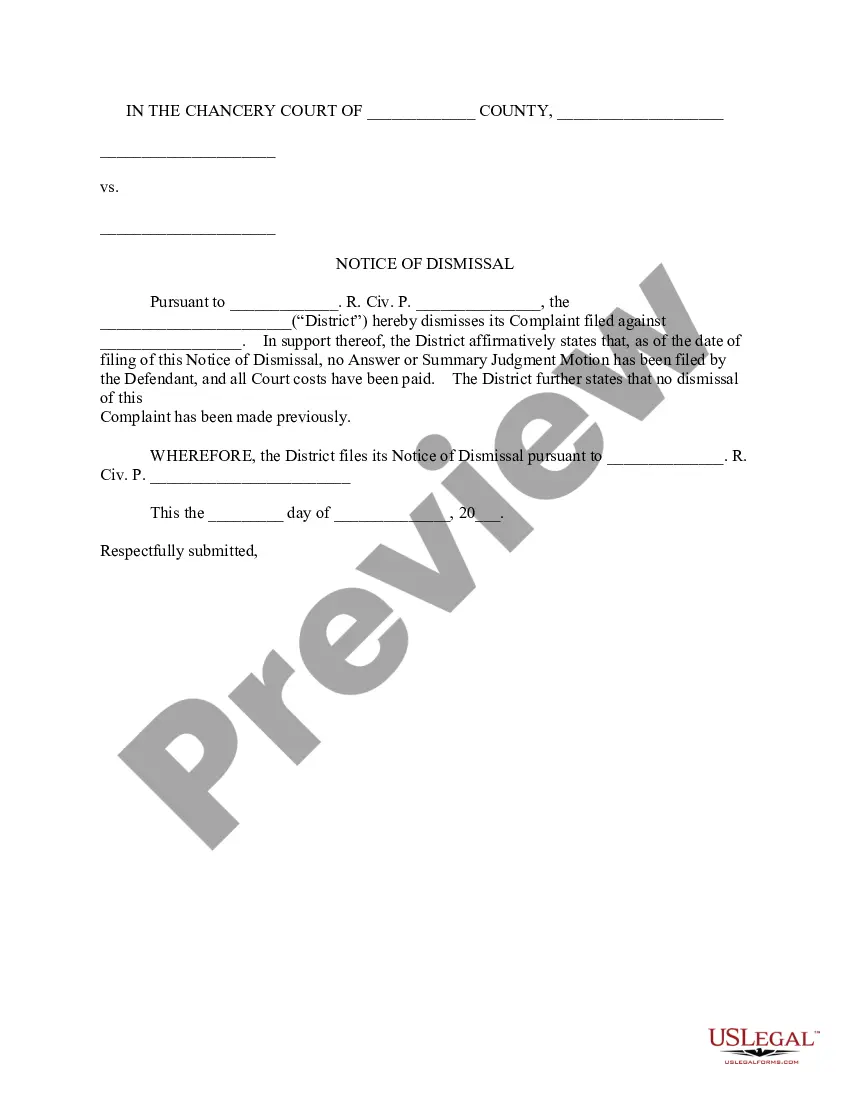
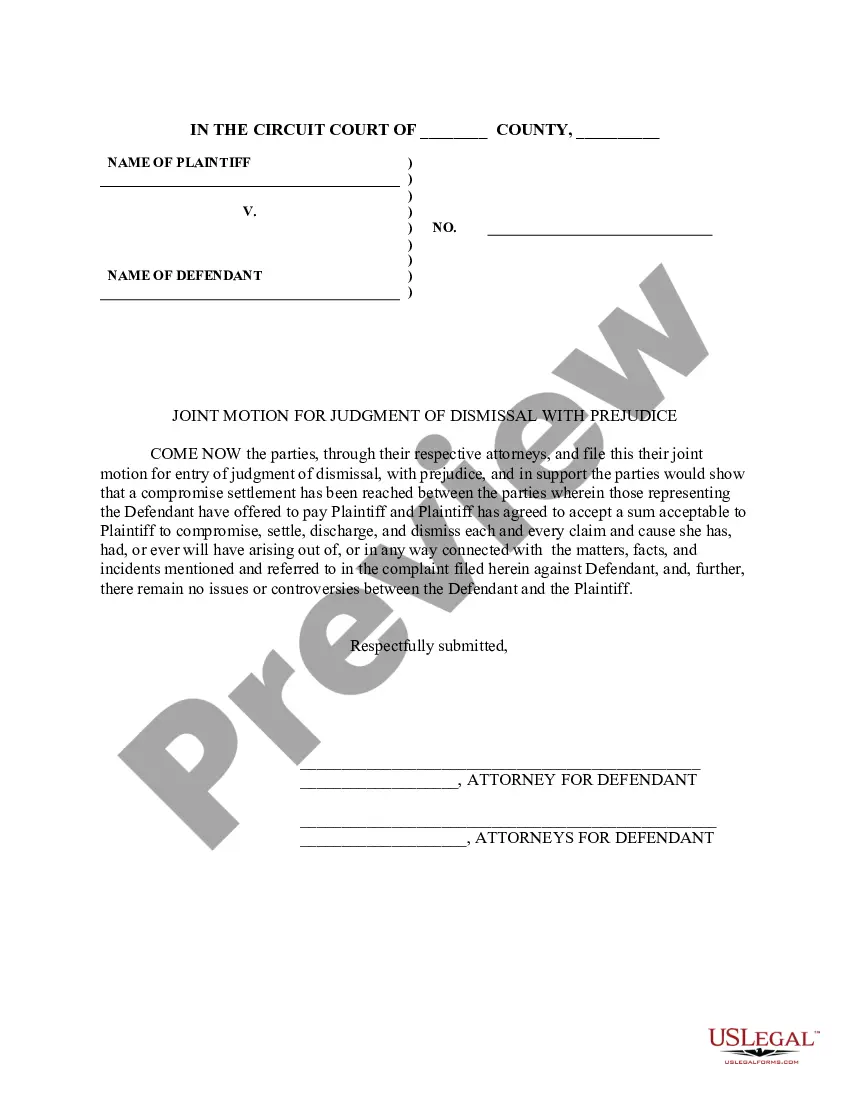
Get your form ready online
Our built-in tools help you complete, sign, share, and store your documents in one place.
Make edits, fill in missing information, and update formatting in US Legal Forms—just like you would in MS Word.
Download a copy, print it, send it by email, or mail it via USPS—whatever works best for your next step.
Sign and collect signatures with our SignNow integration. Send to multiple recipients, set reminders, and more. Go Premium to unlock E-Sign.
If this form requires notarization, complete it online through a secure video call—no need to meet a notary in person or wait for an appointment.
We protect your documents and personal data by following strict security and privacy standards.

Make edits, fill in missing information, and update formatting in US Legal Forms—just like you would in MS Word.

Download a copy, print it, send it by email, or mail it via USPS—whatever works best for your next step.

Sign and collect signatures with our SignNow integration. Send to multiple recipients, set reminders, and more. Go Premium to unlock E-Sign.

If this form requires notarization, complete it online through a secure video call—no need to meet a notary in person or wait for an appointment.

We protect your documents and personal data by following strict security and privacy standards.
Looking for another form?
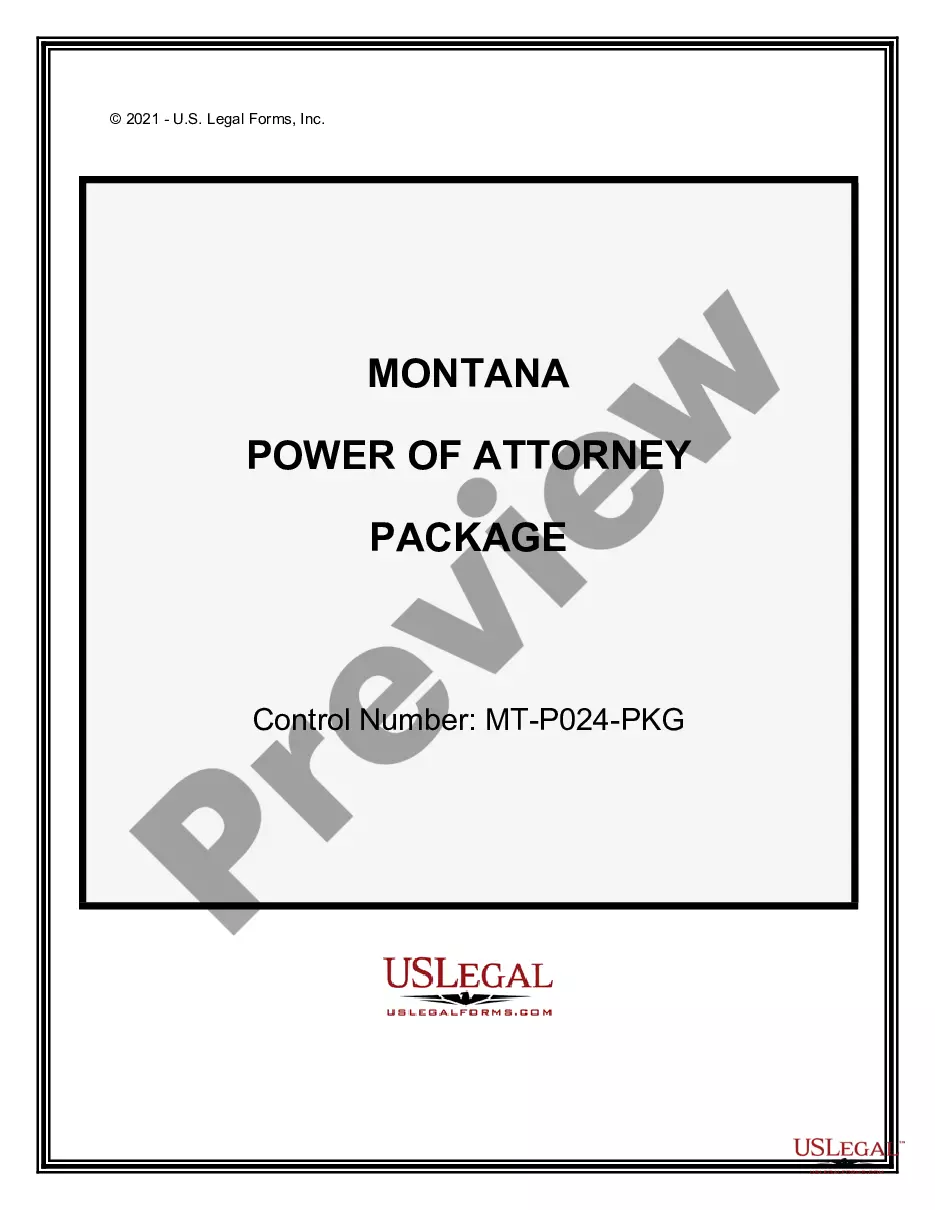






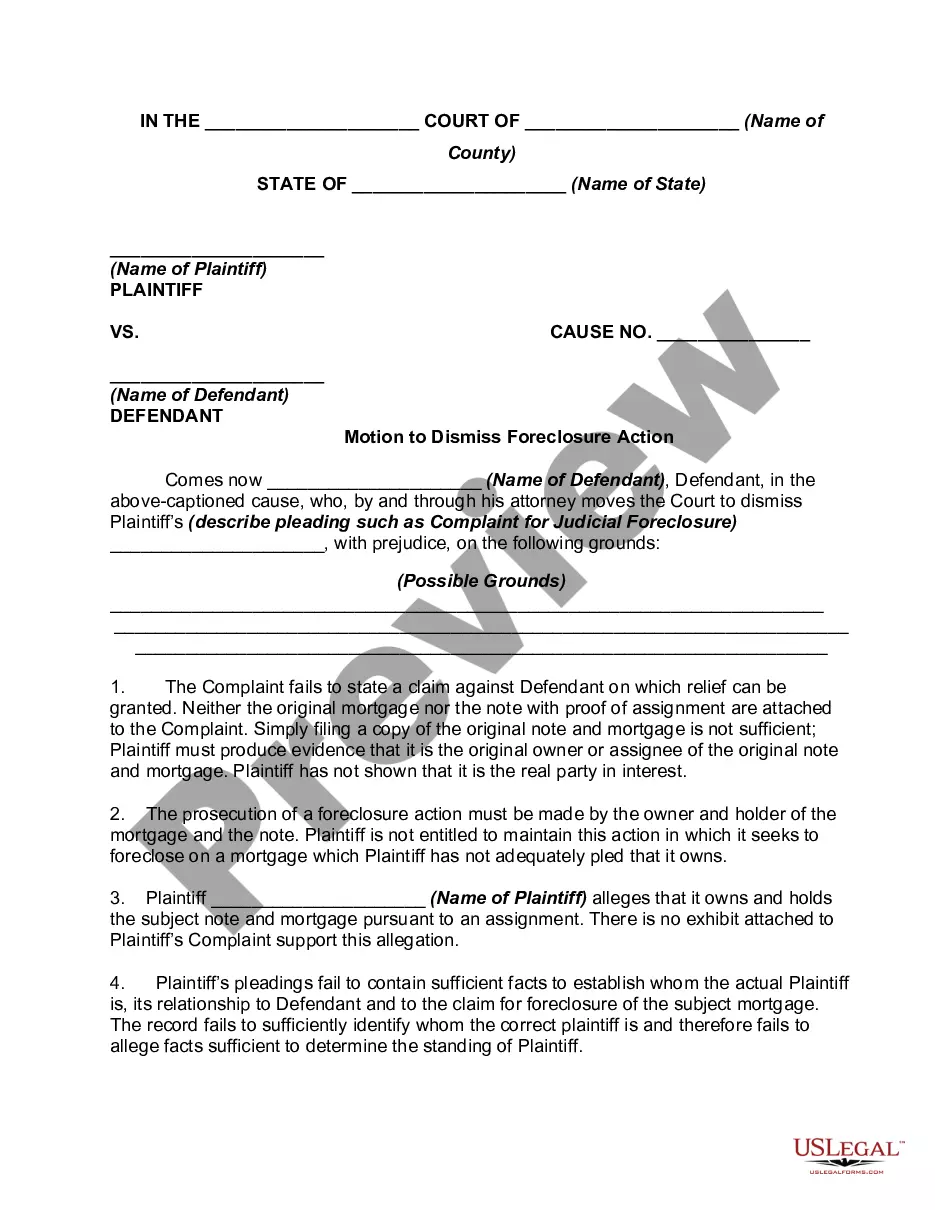
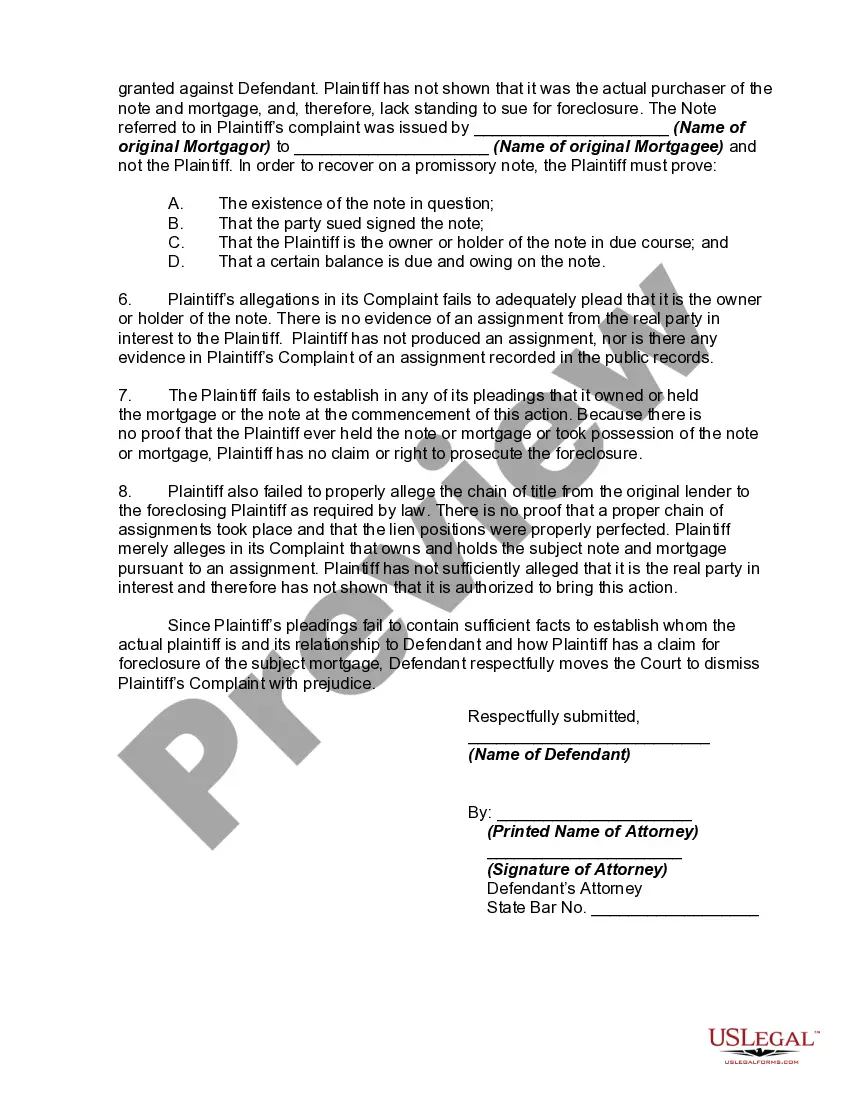
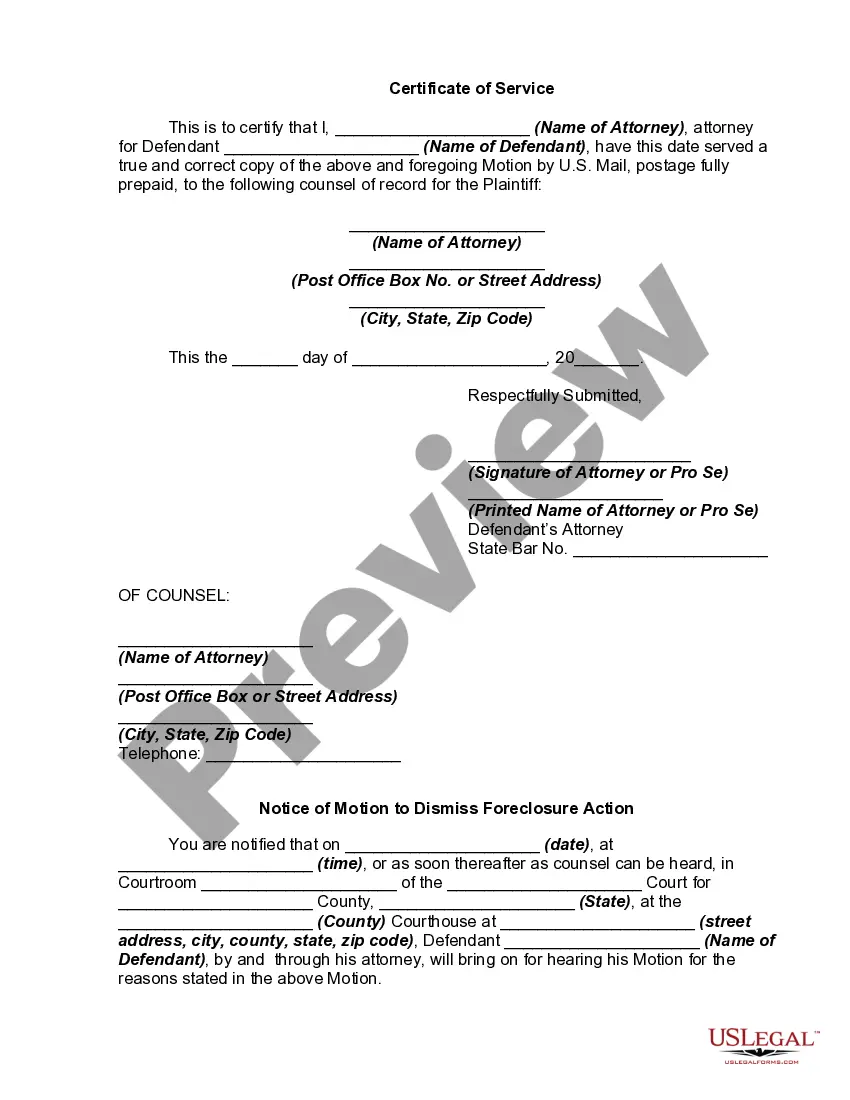
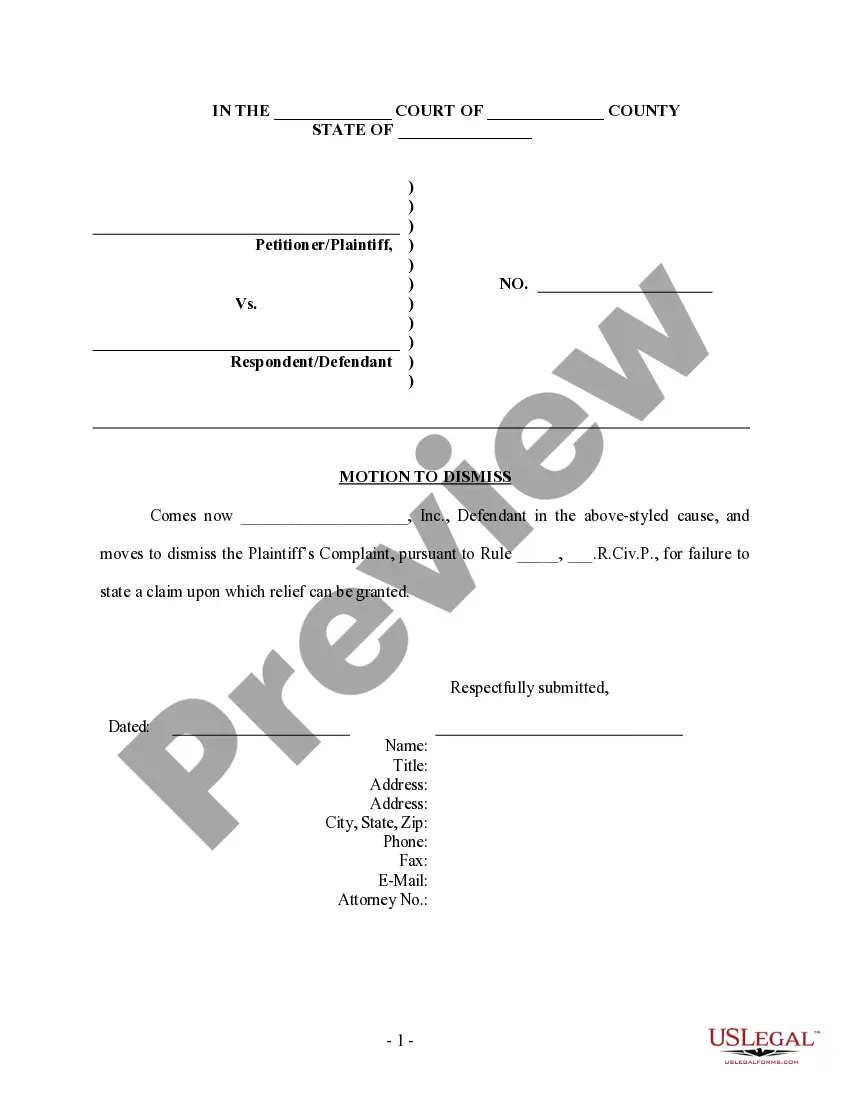
How to fill out Motion To Dismiss Foreclosure Action And Notice Of Motion?
Locating a reliable source for obtaining the latest and pertinent legal templates is a significant part of managing bureaucracy.
Selecting the appropriate legal documents requires precision and meticulousness, which is why it is essential to acquire Foreclosure Tenant Rights Foreclosure samples solely from trustworthy sources, such as US Legal Forms.
Eliminate the complications associated with your legal documentation. Explore the extensive US Legal Forms collection to find legal templates, verify their applicability to your situation, and download them without delay.
- Utilize the catalog navigation or search bar to locate your template.
- Examine the form’s details to determine if it meets the requirements of your state and locality.
- Check the form preview, if available, to verify that the template is indeed the one you are looking for.
- Return to the search and find the appropriate template if the Foreclosure Tenant Rights Foreclosure does not meet your needs.
- If you are confident about the form’s applicability, download it.
- If you are a registered user, click Log in for authentication and to access your chosen templates in My documents.
- If you do not have an account yet, click Buy now to purchase the form.
- Select the pricing option that fits your requirements.
- Proceed to registration to complete your purchase.
- Finalize your purchase by selecting a payment method (credit card or PayPal).
- Choose the document format for downloading Foreclosure Tenant Rights Foreclosure.
- Once the form is on your device, you can either edit it using the editor or print it and fill it out manually.
Form popularity
FAQ
If a homeowner is unable to make mortgage payments, the lender takes ownership of the home. The borrower is evicted from the property and the property is sold to earn back the lender's lost investment. Power of sale is also called a nonjudicial foreclosure and begins 15-days after the missed payment.
Process of a Foreclosure or Power of Sale in Ontario In a foreclosure, the process involves court supervision. The lender initiates the foreclosure by filing a Statement of Claim with the court. The homeowner is then served with the Statement of Claim and has the opportunity to respond.
If there is a shortfall after the bank forecloses, CMHC (Canada Mortgage and Housing Corporation) steps in, pays the bank, and then pursues the client for the remaining balance.
If the landlord works something out with the bank, or brings the mortgage current, then the landlord remains the owner of the property. If the property is sold through the foreclosure process, the new owner will become the landlord. More commonly, a tenant will need to vacate the property.
You have the right to challenge a foreclosure if you think your lender made a mistake or has violated the law. A notice of preforeclosure does not mean you need to vacate the home.