Trust For Children With Disabilities
Description
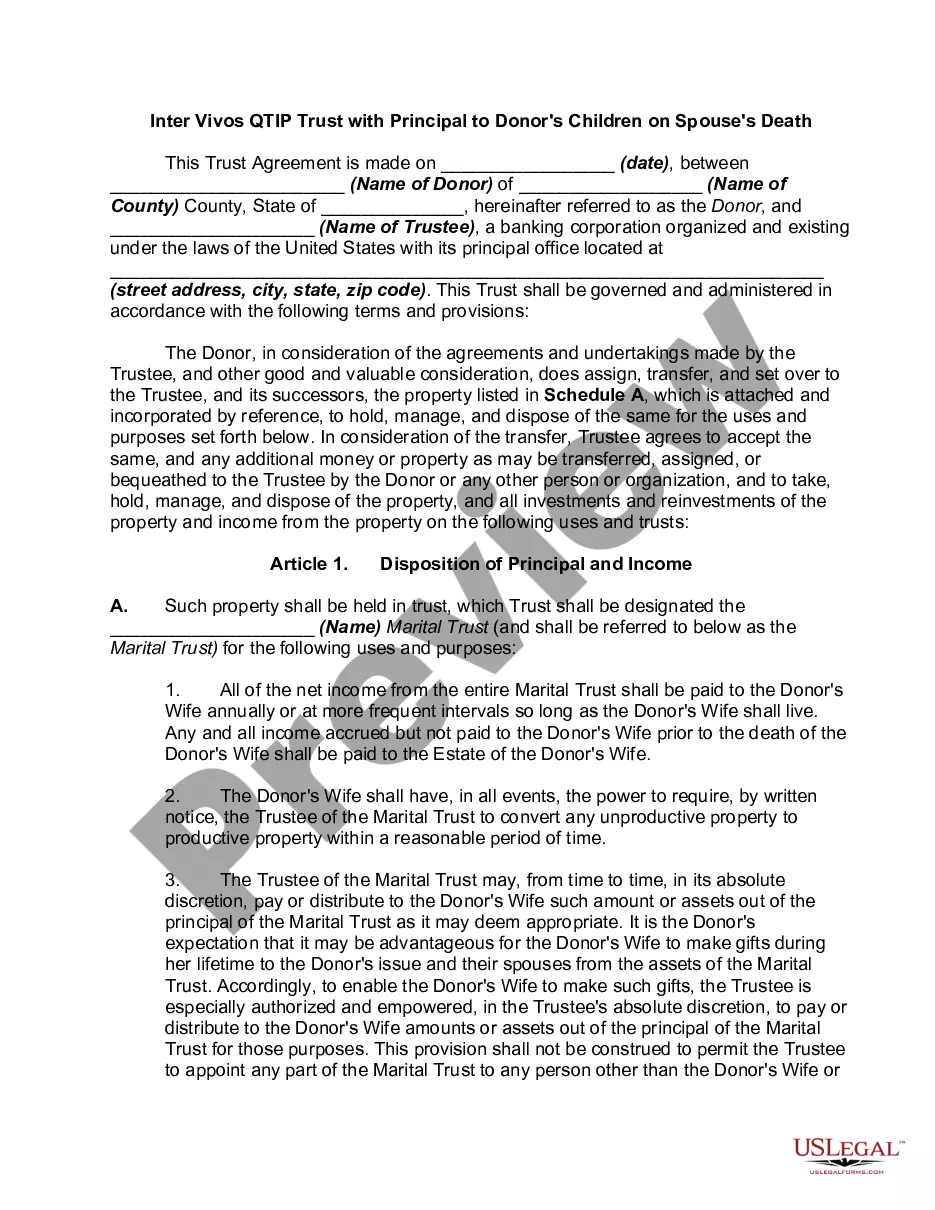

Get your form ready online
Our built-in tools help you complete, sign, share, and store your documents in one place.
Make edits, fill in missing information, and update formatting in US Legal Forms—just like you would in MS Word.
Download a copy, print it, send it by email, or mail it via USPS—whatever works best for your next step.
Sign and collect signatures with our SignNow integration. Send to multiple recipients, set reminders, and more. Go Premium to unlock E-Sign.
If this form requires notarization, complete it online through a secure video call—no need to meet a notary in person or wait for an appointment.
We protect your documents and personal data by following strict security and privacy standards.

Make edits, fill in missing information, and update formatting in US Legal Forms—just like you would in MS Word.

Download a copy, print it, send it by email, or mail it via USPS—whatever works best for your next step.

Sign and collect signatures with our SignNow integration. Send to multiple recipients, set reminders, and more. Go Premium to unlock E-Sign.

If this form requires notarization, complete it online through a secure video call—no need to meet a notary in person or wait for an appointment.

We protect your documents and personal data by following strict security and privacy standards.
Looking for another form?









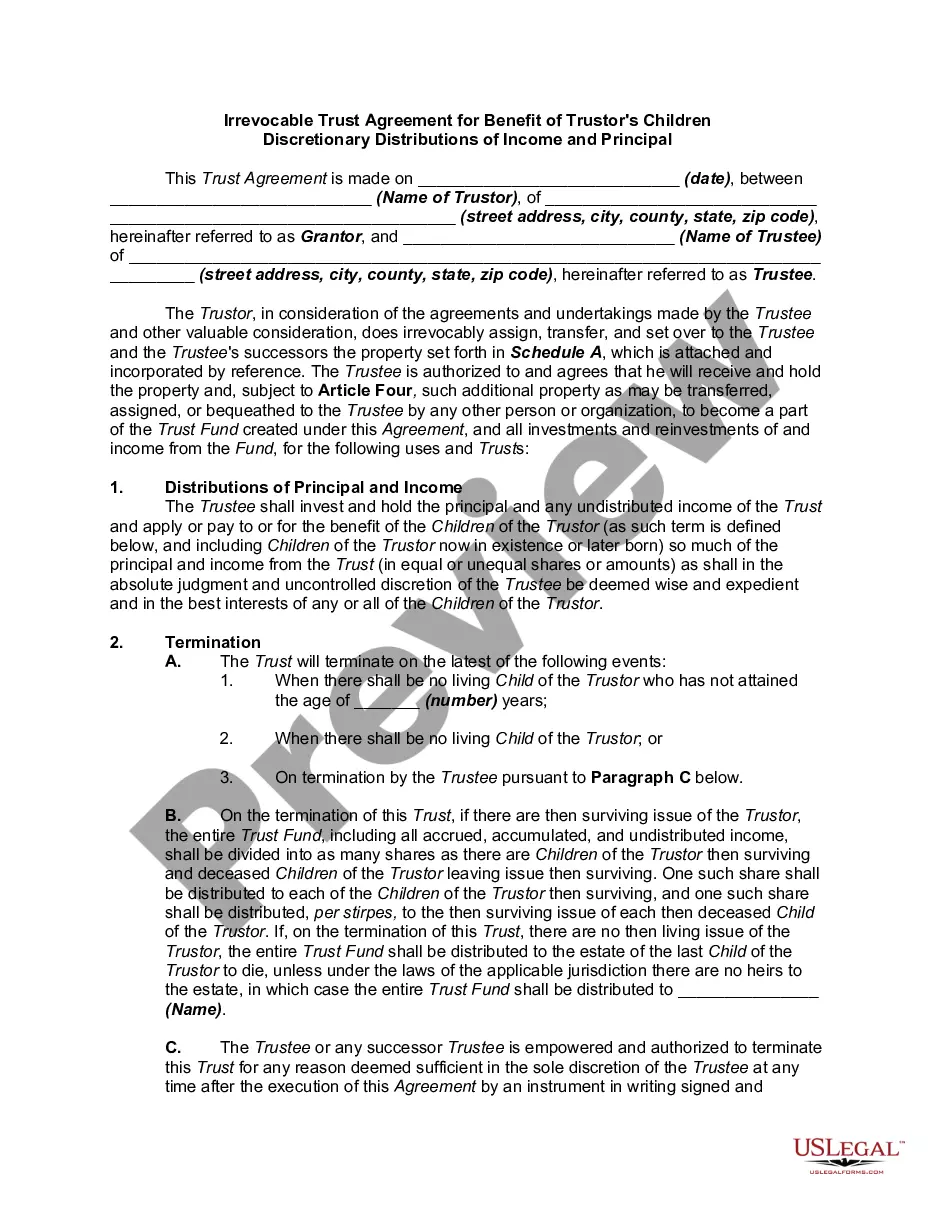
How to fill out Inter Vivos QTIP Trust With Principal To Donor's Children On Spouse's Death?
- If you’ve used US Legal Forms before, log into your account and download the necessary template via the Download button. Ensure your subscription is active; renew it if required.
- If this is your first time, start by browsing the Preview mode and form descriptions to identify the template that aligns with your needs and complies with your local laws.
- Should you need a different form, utilize the Search feature at the top to find the appropriate document. Proceed if you find a suitable option.
- Purchase the document by clicking the Buy Now button, selecting your desired subscription plan. Account registration is necessary to access the resources.
- Complete your purchase with your credit card information or by using a PayPal account to finalize the subscription.
- Download the form and save it to your device for filling out later, ensuring you can access it anytime in the My Forms area of your profile.
US Legal Forms empowers users by offering an extensive library of over 85,000 fillable and editable legal forms, making it a superior choice for accessing legal documents. The platform also provides premium expert assistance to ensure that your forms are completed correctly and are legally sound.
In conclusion, finding the right legal documentation for establishing a trust for children with disabilities is now easier than ever with US Legal Forms. Start your journey today for accurate and efficient legal solutions tailored to your needs!
Form popularity
FAQ
One disadvantage of a family trust is the possibility of conflicts arising among family members regarding how funds are distributed. Even well-intentioned arrangements can lead to misunderstandings or disputes. To minimize risks, clearly define the terms of the trust and communicate openly with family members to ensure alignment of your intentions.
A potential downfall of having a trust for children with disabilities is the complexity of administration. Trusts require regular maintenance and can become cumbersome if not properly managed. Families should be prepared for this responsibility and consider using platforms like uslegalforms to simplify the process.
It's worth considering whether your parents should put their assets in a trust, especially if they want to secure financial support for a child with disabilities. A trust can provide a structured way to manage assets and protect them from unintended consequences. Each family's situation is unique, so exploring this option can greatly benefit your child's future.
One common mistake parents make when establishing a trust for children with disabilities is not clearly outlining the intended use of the funds. This can lead to misunderstandings and mismanagement later on. It's important to define the trust terms and consult with professionals like uslegalforms to ensure your wishes are accurately reflected.
To set up a trust for children with disabilities, start by deciding on the type of trust that best fits your child's needs—such as a special needs trust. Work with a qualified attorney to draft the trust document, ensuring it complies with relevant laws. Also, fund the trust appropriately to cover your child's ongoing care and support.
One downside of putting assets in a trust for children with disabilities is the initial setup costs, which can be significant. Additionally, managing the trust may require ongoing legal fees and administration expenses that can add up over time. This may deter some families from choosing this option, even though it provides essential benefits for special needs planning.
The maximum amount for a special needs trust for children with disabilities is not strictly defined, but there are limits on how much can be saved without affecting means-tested benefits. Often, maintaining resources under $2,000 for eligibility in Medicaid and SSI programs is crucial. However, having larger amounts in a trust to support your child's needs can be beneficial, as long as it is managed wisely.
A qualified disability trust must meet several key criteria, including being irrevocable and having a disabled beneficiary under age 65. It should also ensure that all income is used for the benefit of the disabled individual. Notably, this trust type allows you to plan responsibly for your child’s future while protecting their public benefits.
The requirements for a qualified trust primarily involve ensuring that the trust benefits a disabled individual and adheres to regulations regarding management and distribution of assets. A qualified trust must be irrevocable and structured to protect the beneficiary's eligibility for means-tested government benefits. Consulting with legal experts on trusts for children with disabilities can help navigate these requirements accurately.
To qualify for a qualified disability trust, the trust must have a disabled individual as a beneficiary, and that individual must be under age 65 at the time the trust is established. Additionally, the trust must be irrevocable, meaning it cannot be modified or terminated by the grantor. Establishing a qualified disability trust ensures that your child receives essential benefits without jeopardizing their government assistance.