Qtip Trust Explained For Estate
Description
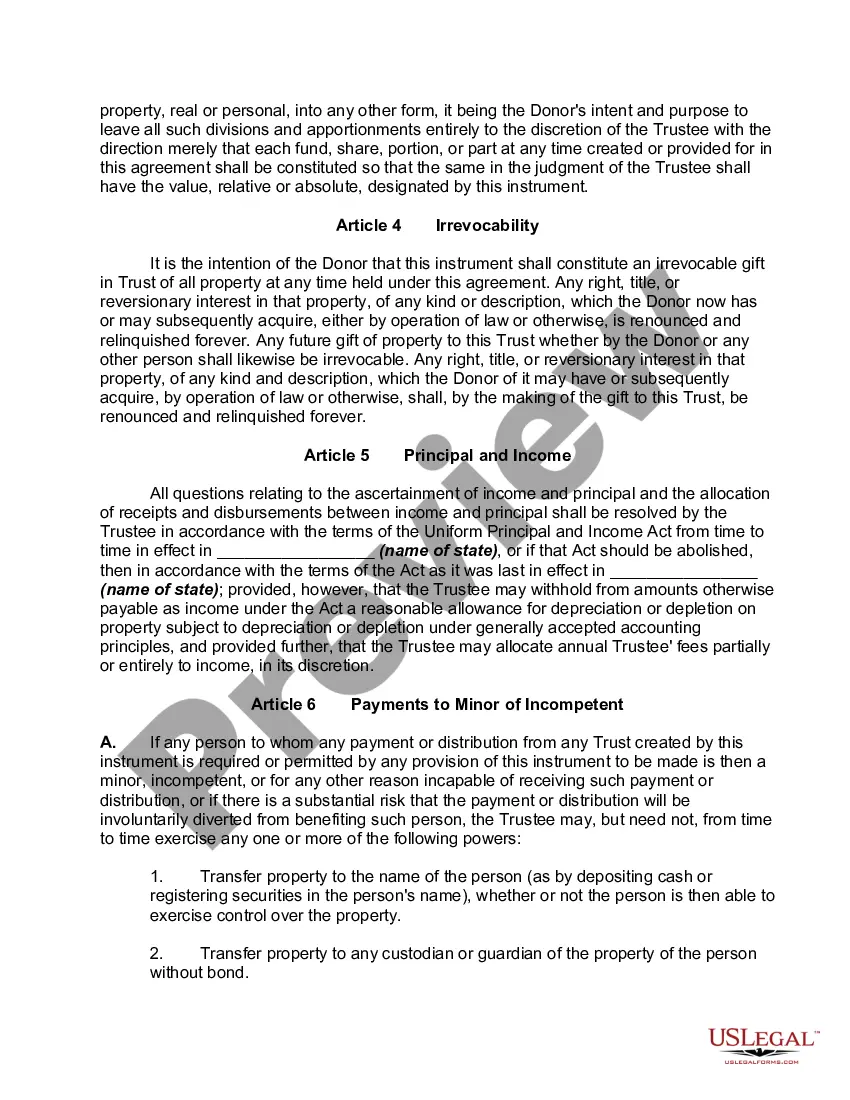
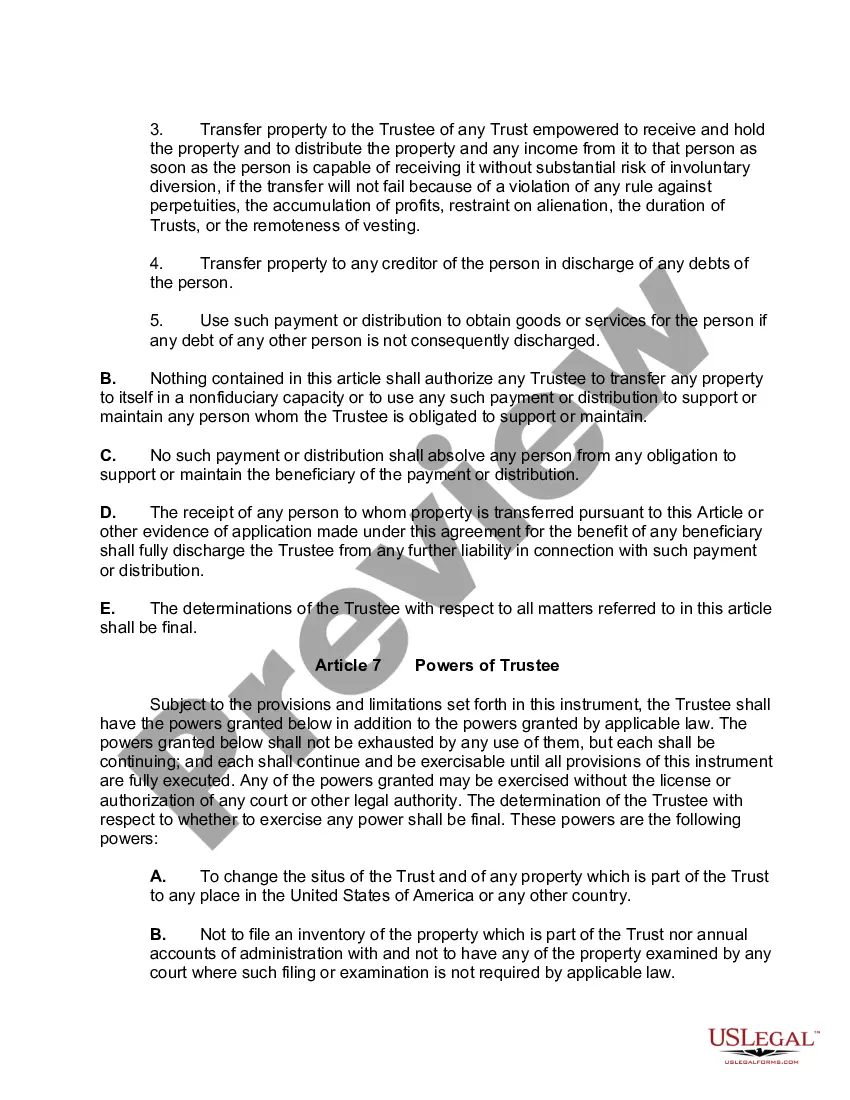
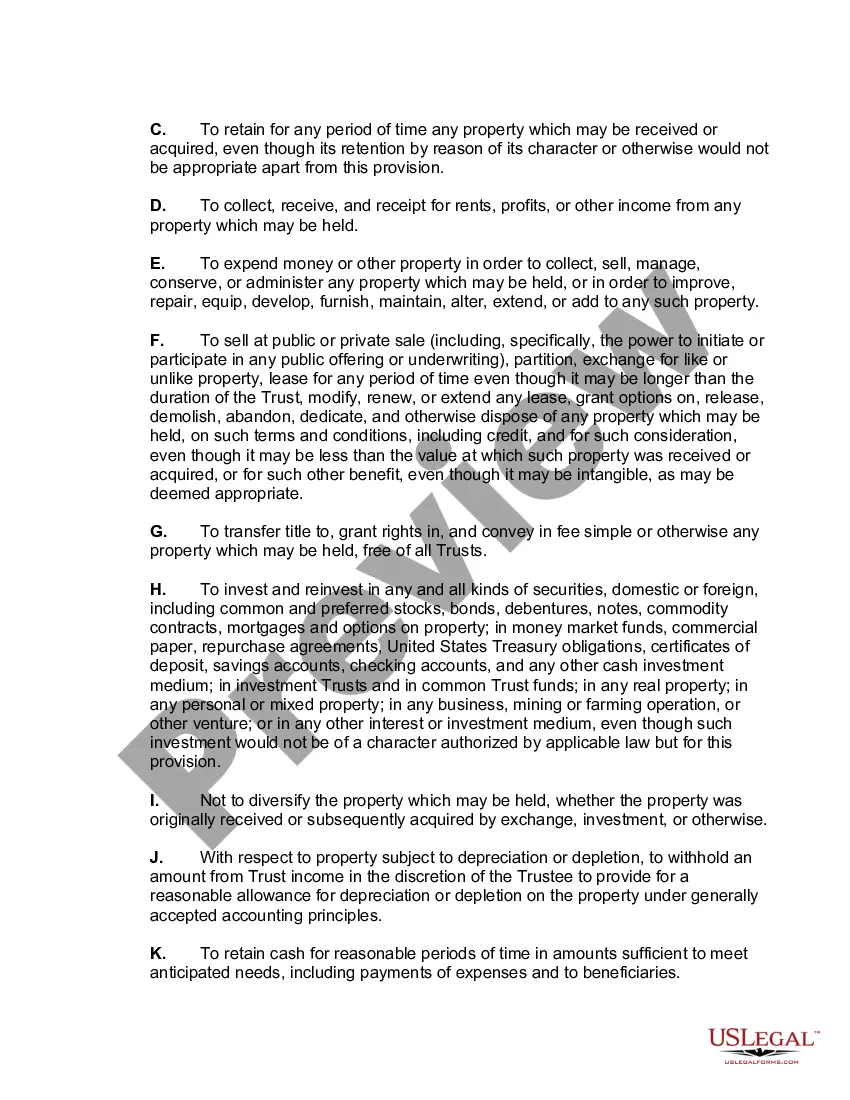
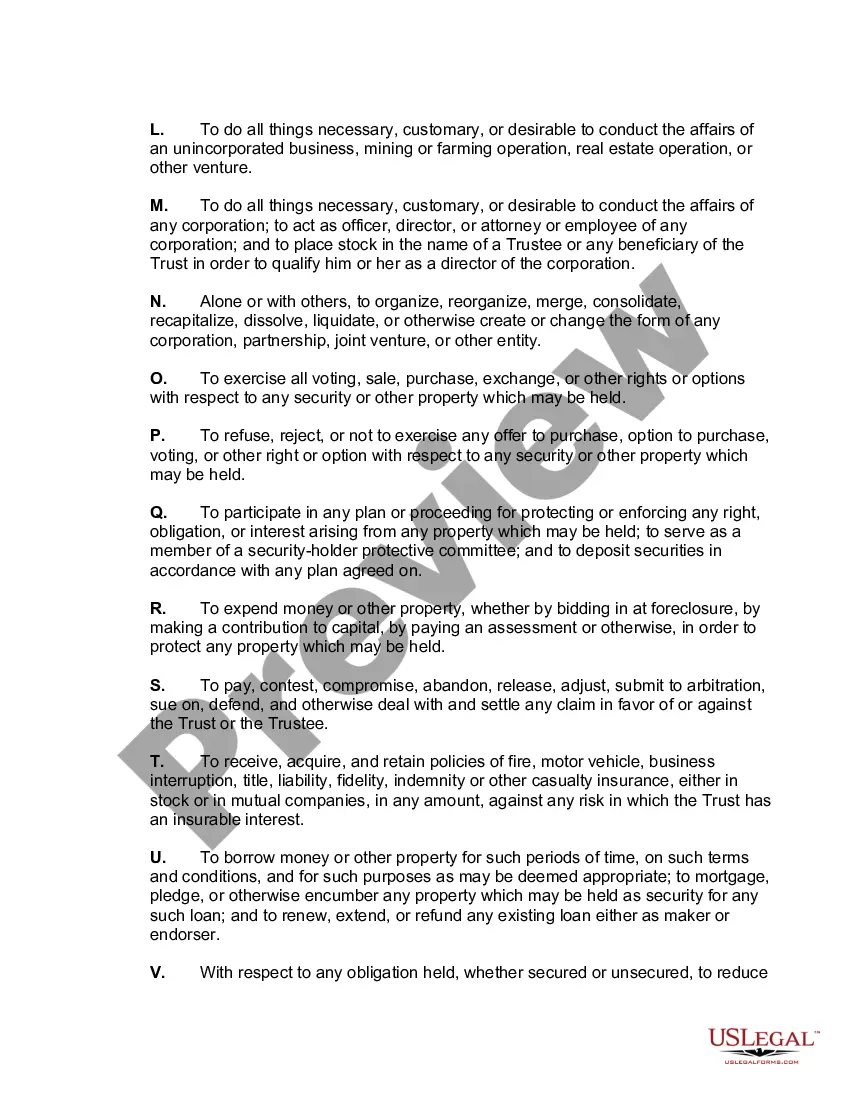
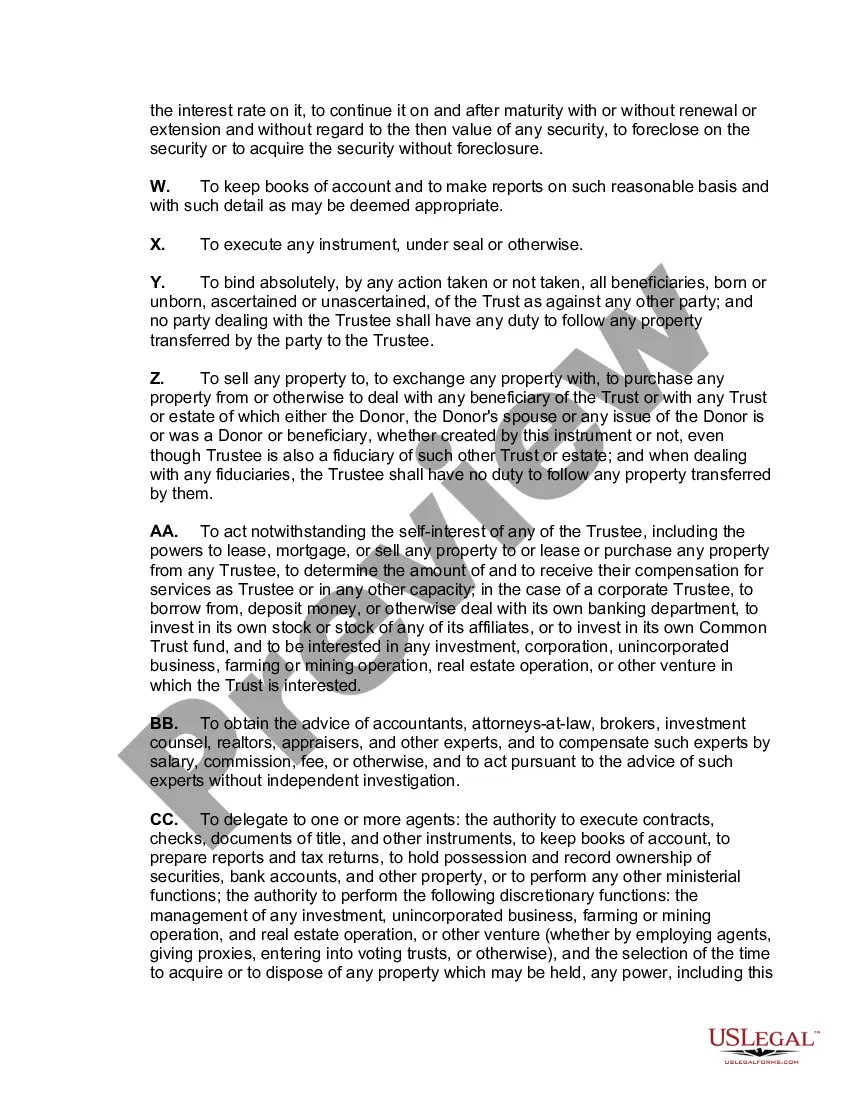
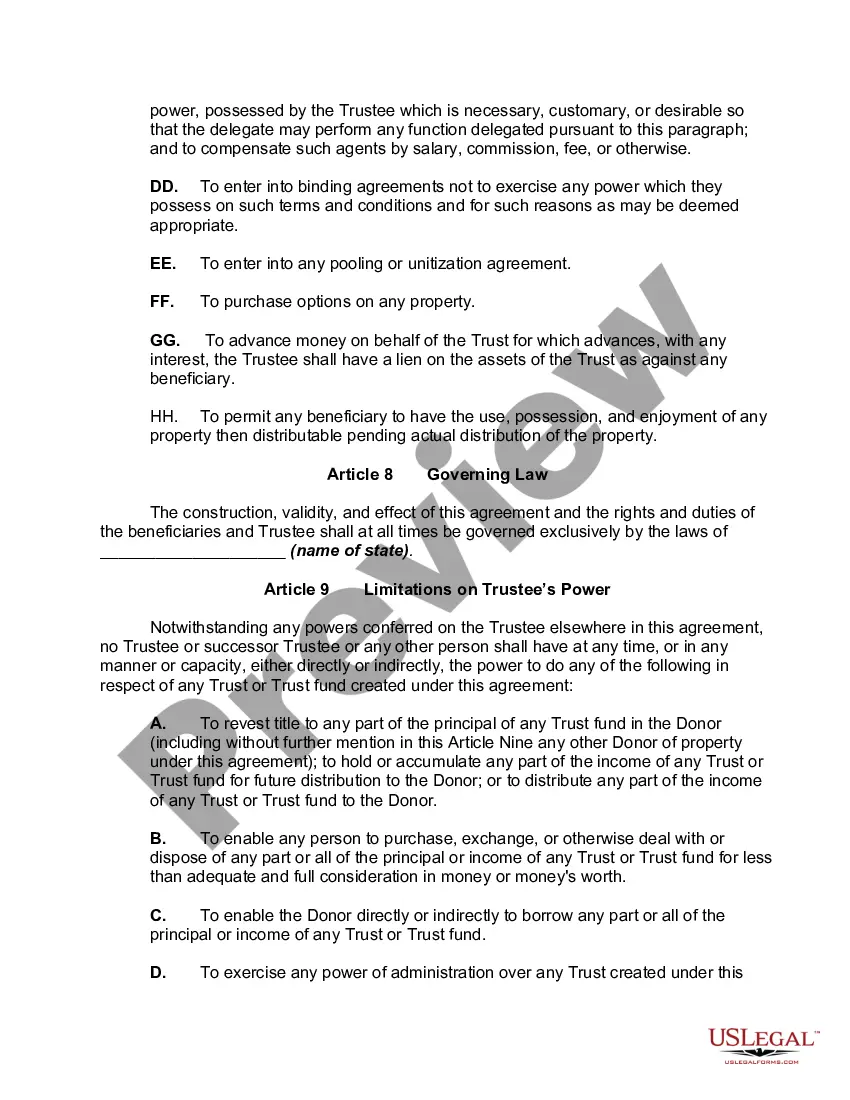

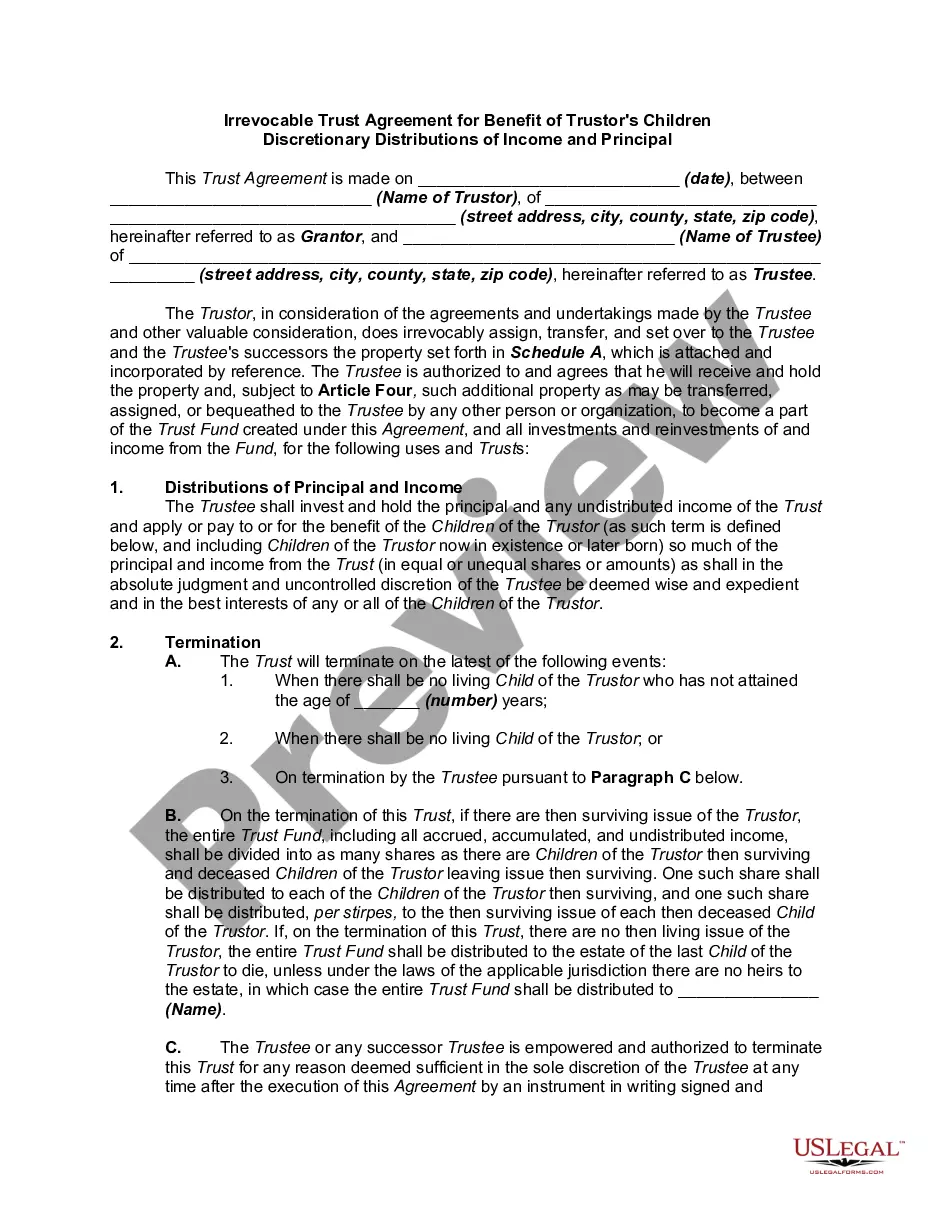
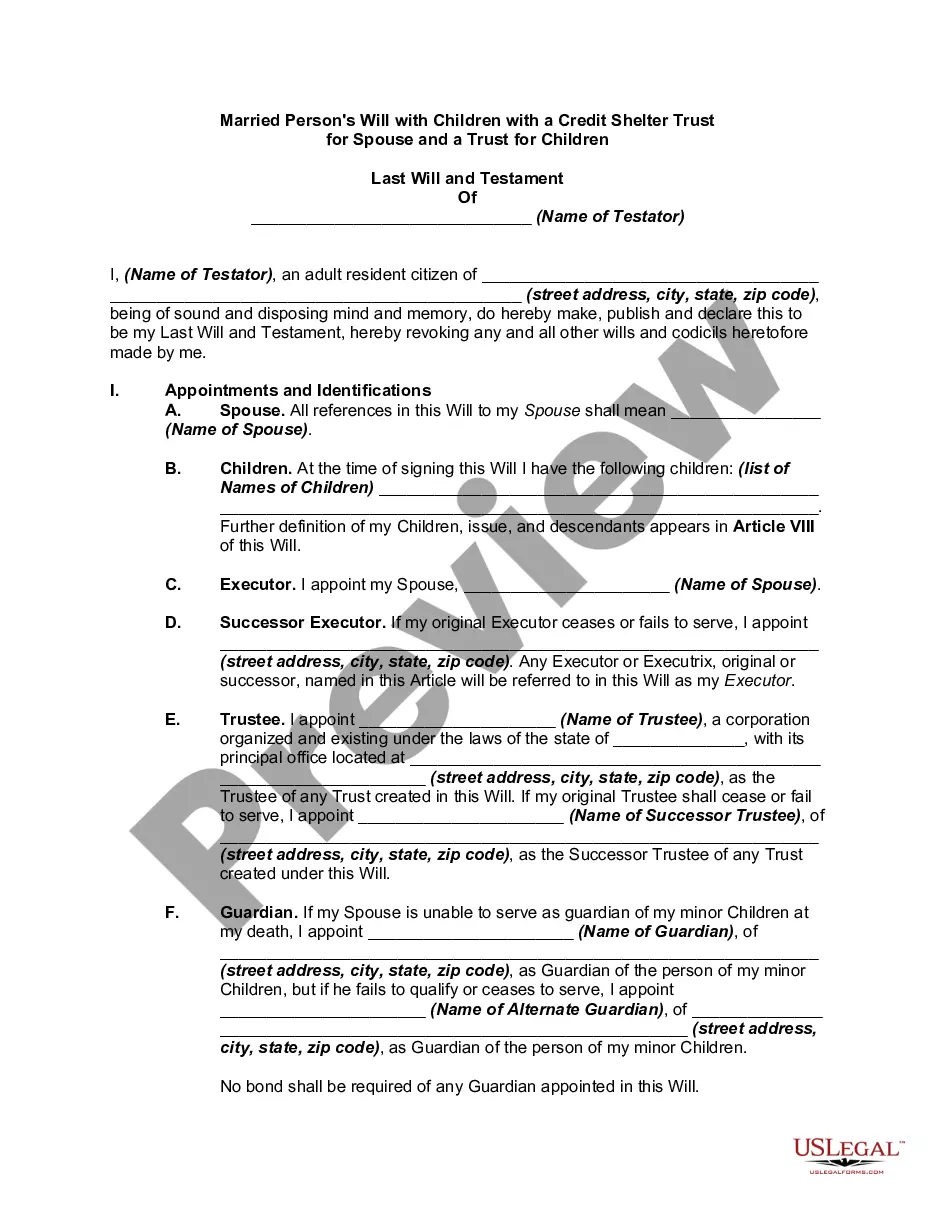
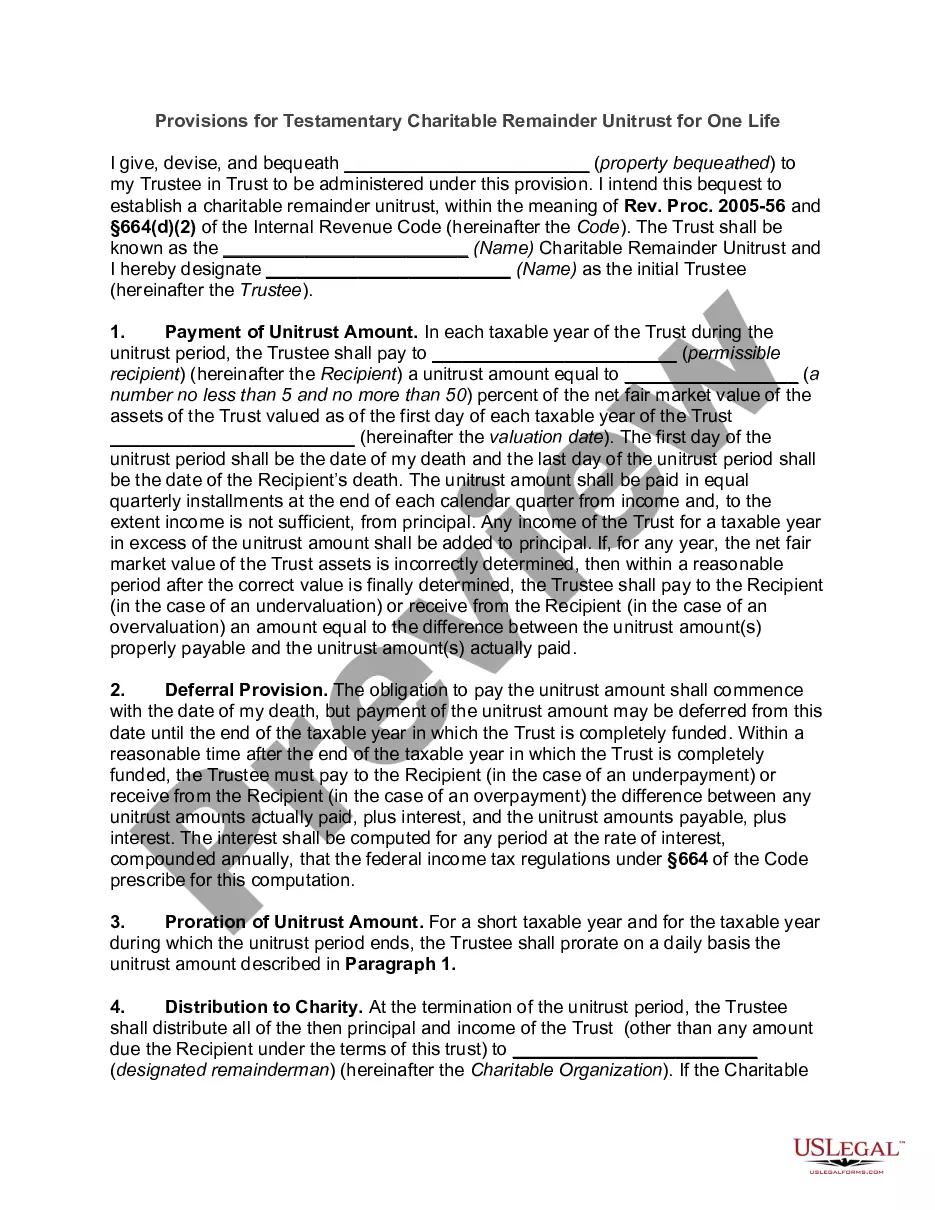
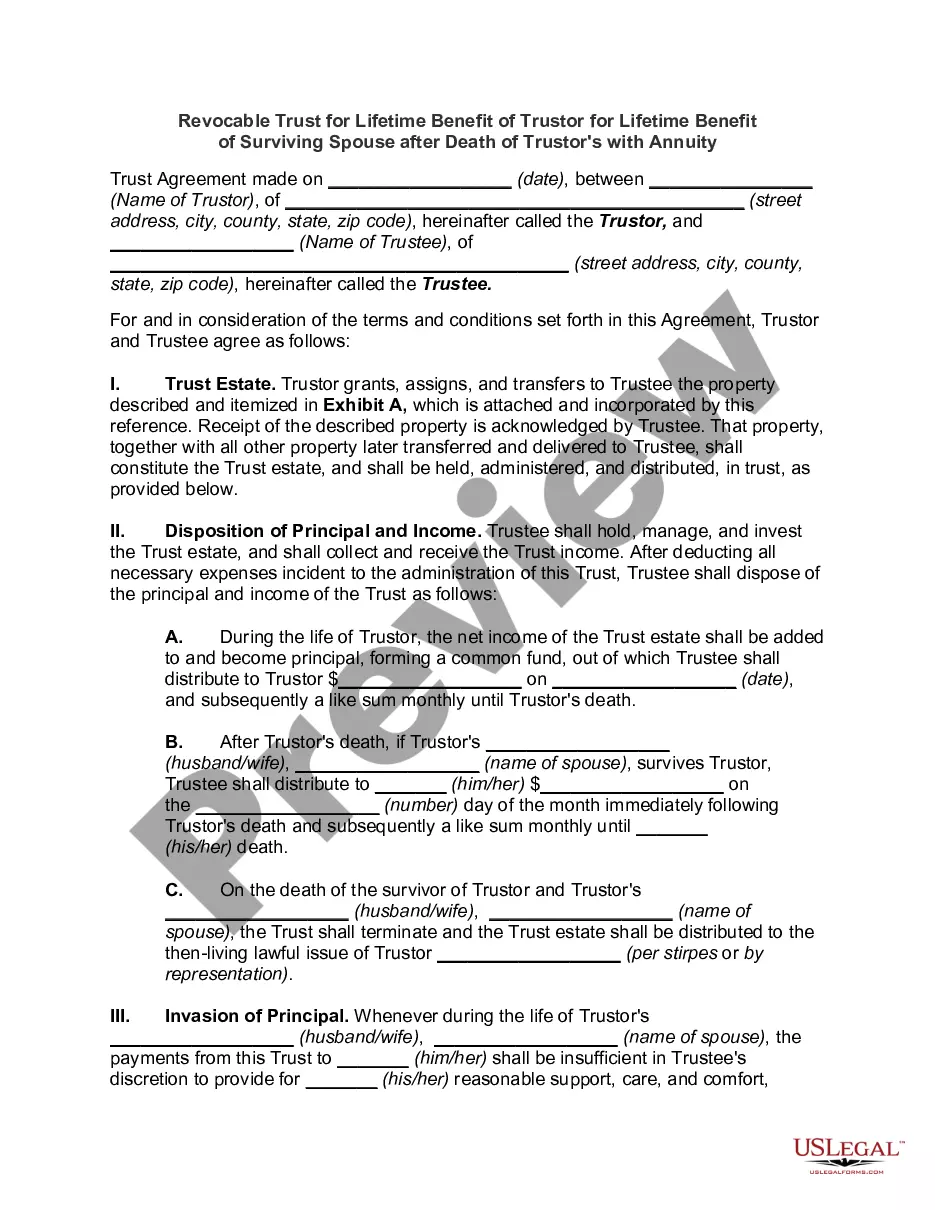
Get your form ready online
Our built-in tools help you complete, sign, share, and store your documents in one place.
Make edits, fill in missing information, and update formatting in US Legal Forms—just like you would in MS Word.
Download a copy, print it, send it by email, or mail it via USPS—whatever works best for your next step.
Sign and collect signatures with our SignNow integration. Send to multiple recipients, set reminders, and more. Go Premium to unlock E-Sign.
If this form requires notarization, complete it online through a secure video call—no need to meet a notary in person or wait for an appointment.
We protect your documents and personal data by following strict security and privacy standards.

Make edits, fill in missing information, and update formatting in US Legal Forms—just like you would in MS Word.

Download a copy, print it, send it by email, or mail it via USPS—whatever works best for your next step.

Sign and collect signatures with our SignNow integration. Send to multiple recipients, set reminders, and more. Go Premium to unlock E-Sign.

If this form requires notarization, complete it online through a secure video call—no need to meet a notary in person or wait for an appointment.

We protect your documents and personal data by following strict security and privacy standards.
Looking for another form?


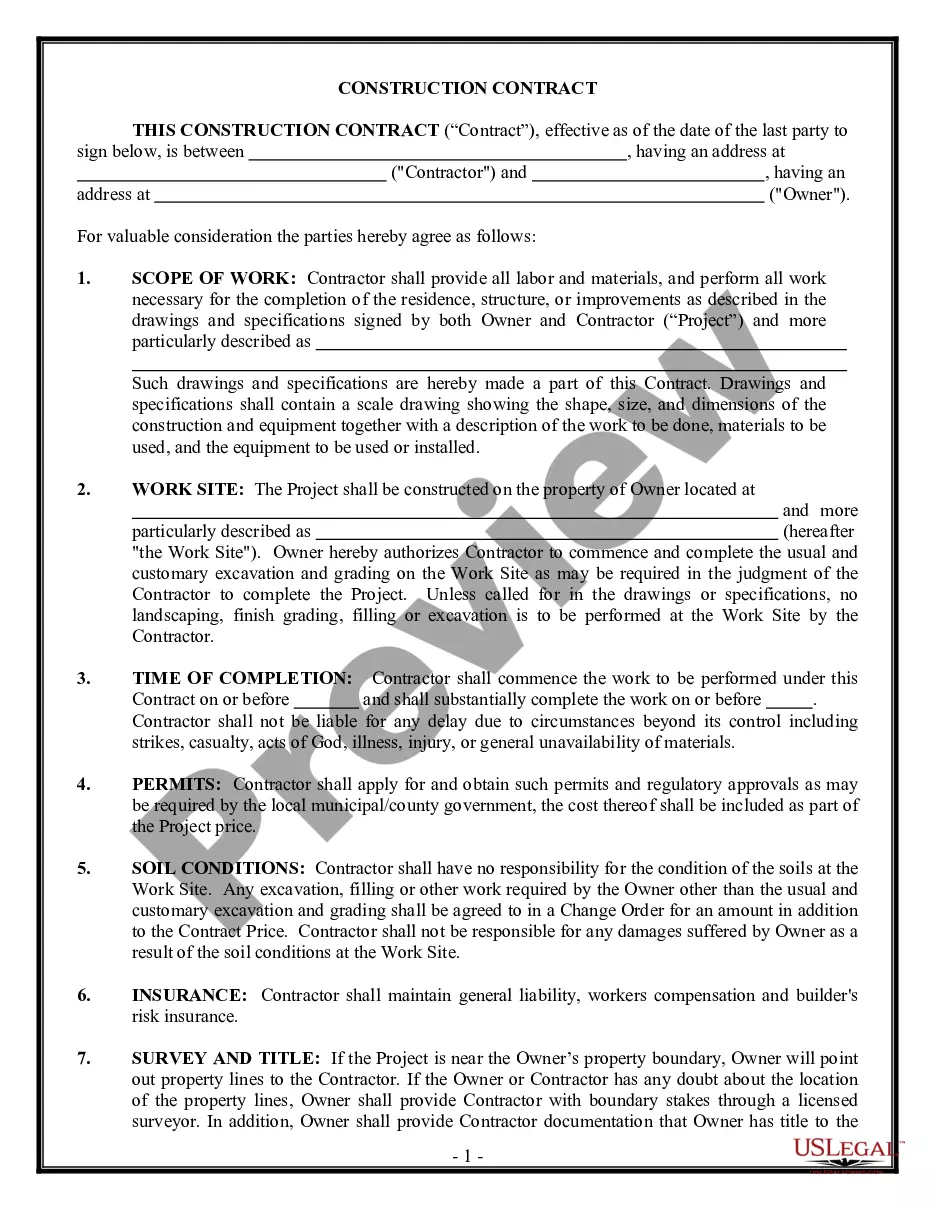







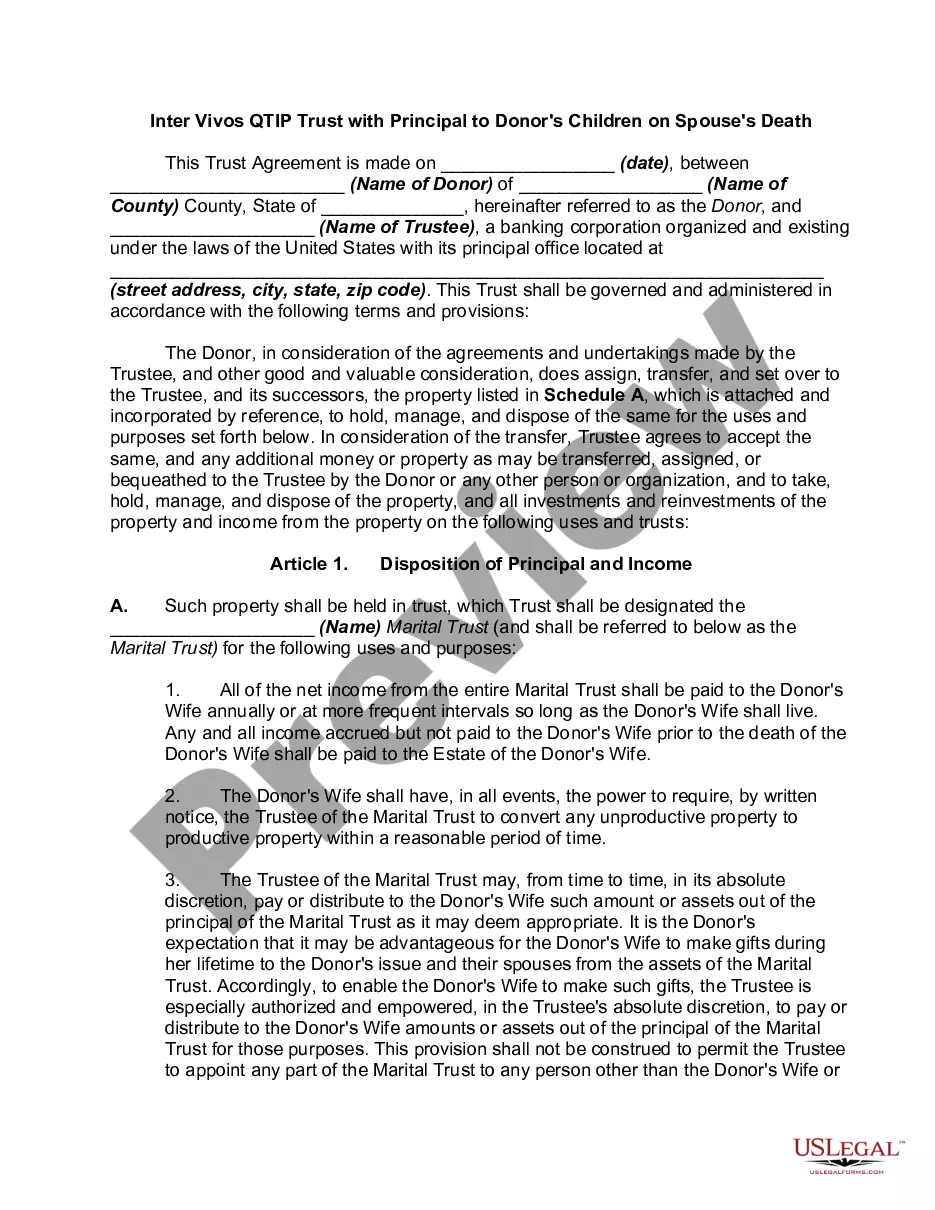
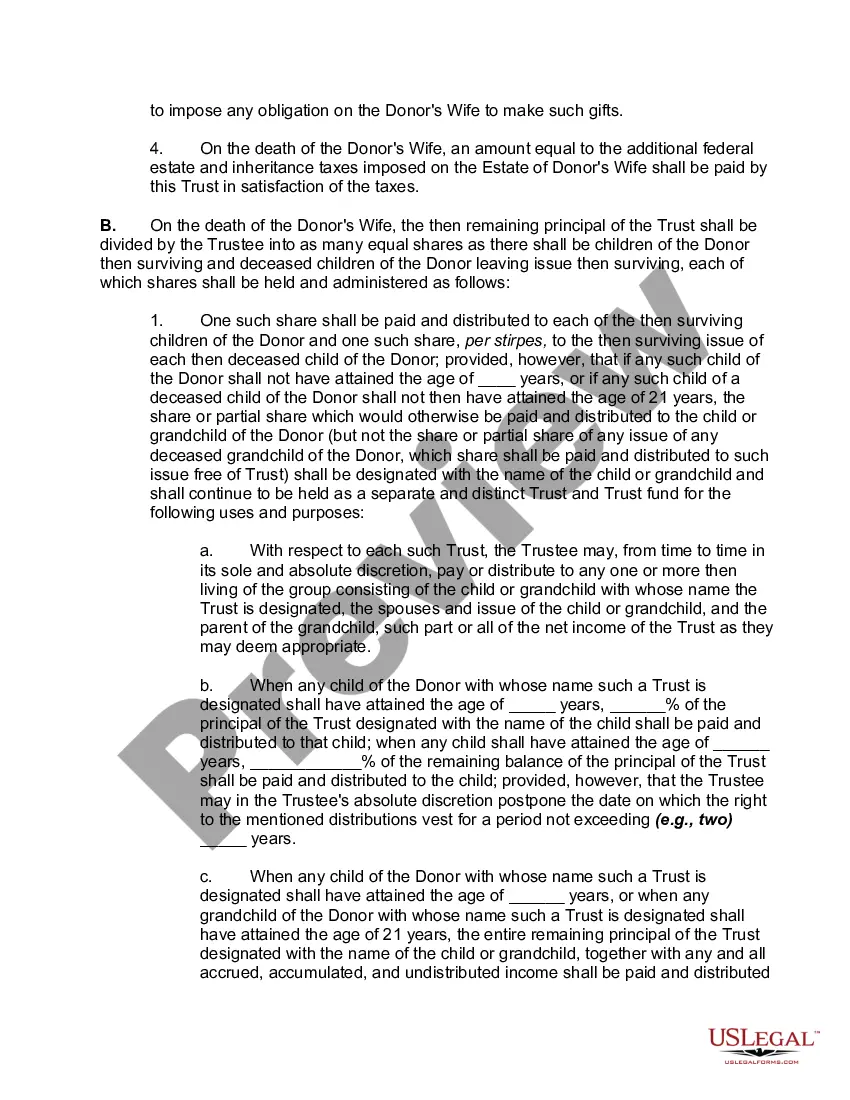
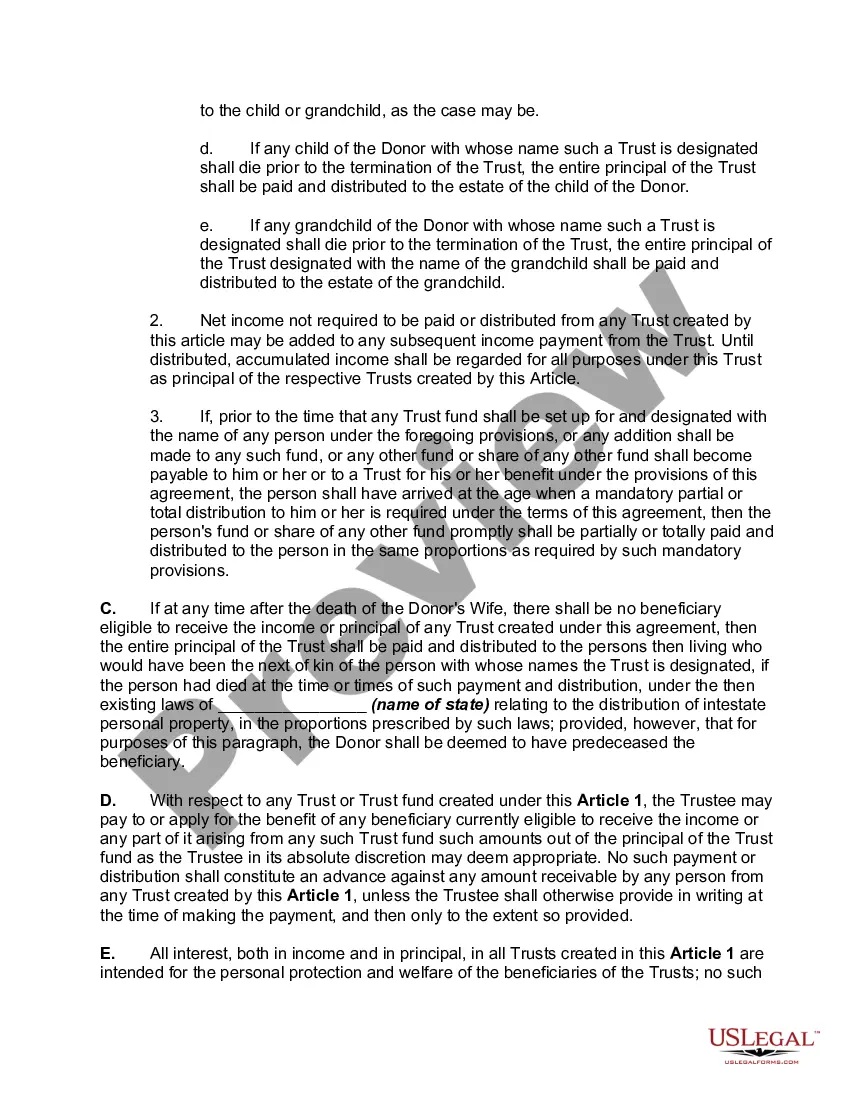
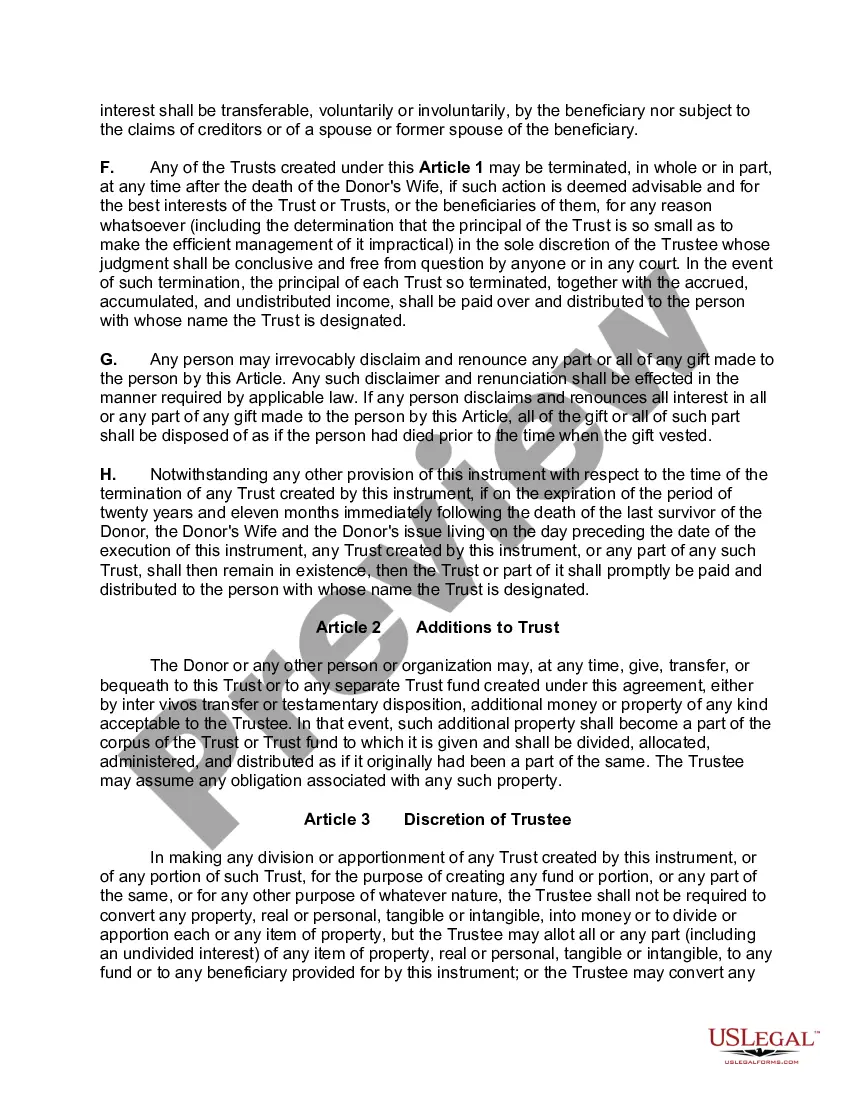
How to fill out Inter Vivos QTIP Trust With Principal To Donor's Children On Spouse's Death?
- Log in to your US Legal Forms account if you’ve used our service before, or create a new account to get started.
- Search for the QTIP trust template in the Preview mode, making sure it meets your specific needs and complies with local jurisdiction requirements.
- Should you require a different template, use the search feature to find the correct one that suits your situation.
- Once you've selected the right document, click 'Buy Now' and choose your preferred subscription plan. Registration is necessary to access the legal form library.
- Proceed with the payment using your credit card or PayPal. Ensure your subscription is active for continued access.
- Download the completed form to your device for immediate use, and conveniently access it later through the My Forms section of your profile.
Using US Legal Forms grants you access to an extensive library of over 85,000 editable legal documents, empowering both individuals and attorneys to create precise, legally-defensible paperwork.
Start simplifying your estate planning today with US Legal Forms. Visit our website to explore our offerings and take control of your legal documentation.
Form popularity
FAQ
A QTIP trust does not avoid probate, as the trust assets typically go through probate after the death of the surviving spouse. Instead, it focuses on how the assets are distributed and managed during their lifetime. While it provides income to the surviving spouse, a successful estate plan should incorporate other tools to fully avoid probate. For detailed guidance, consider the Qtip trust explained for estate.
A revocable land trust typically avoids probate as it allows you to transfer ownership of land without going through the probate court. This trust keeps the asset out of your probate estate, which streamlines the transfer process. Furthermore, it helps maintain your privacy, as the trust is not publicly recorded. To explore more about this, including the benefits of a QTIP arrangement, look into the Qtip trust explained for estate.
A QTIP trust, or Qualified Terminable Interest Property trust, is a legal arrangement that provides financial support to a surviving spouse while controlling how the assets pass upon their death. Essentially, it allows the spouse to receive income from the trust assets, but the original owner retains the ultimate control over those assets. This setup often benefits blended families. For a clearer understanding, refer to the Qtip trust explained for estate.
A QTIP trust does not necessarily avoid estate tax. Instead, it allows for a marital deduction, postponing estate tax until the death of the surviving spouse. This means that while the assets are not taxed immediately, they can still be included in the taxable estate of the survivor. For deeper insights into the tax implications, revisit the Qtip trust explained for estate.
One downside of a QTIP trust is the potential for income tax liability on the distributions received by the surviving spouse. This trust also requires meticulous documentation and management, which can be cumbersome. Additionally, assets in a QTIP trust will be included in the surviving spouse's estate, possibly leading to higher estate taxes. Understanding these factors is crucial, so consider the Qtip trust explained for estate to make informed decisions.
The best type of trust to avoid probate is a revocable living trust. This trust allows you to maintain control over your assets during your lifetime while ensuring a smooth transition to your beneficiaries after your passing. By using a revocable living trust, you effectively bypass the probate process, making it simpler for your heirs. To learn more about trusts, consider the Qtip trust explained for estate planning.
One disadvantage of a QTIP trust is that it may not provide as much control over the ultimate distribution of assets as other trust types. The surviving spouse has complete access to the trust's income, but they could deplete the principal, limiting the benefits for subsequent beneficiaries. Additionally, setting up this trust involves legal complexities that some may find challenging, which is why our platform can guide you through these intricacies, as shared in our QTIP trust explained for estate.
The tax implications of a QTIP trust primarily involve income and estate taxes. The surviving spouse must report all income generated by the trust on their personal tax return, yet the trust assets are not taxed until the spouse passes away. Furthermore, strategic planning around a QTIP trust can lead to favorable tax outcomes, which we detail in our article on QTIP trust explained for estate.
People set up a QTIP trust to ensure their surviving spouse receives income from the trust during their lifetime, while also controlling the distribution of the principal after their death. This trust type provides flexibility in managing assets and can help with estate planning to support a spouse while potentially protecting assets for other beneficiaries. By using a QTIP trust, individuals can effectively navigate complex family dynamics, as we explain in our QTIP trust explained for estate resource.
Yes, a QTIP trust can be subject to estate tax. When the trust owner passes away, the assets within the QTIP trust are included in their taxable estate. This means that while income generated by the trust benefits the surviving spouse, the value of the trust may still affect the estate's tax liability. For a deeper understanding, refer to our comprehensive guide on QTIP trust explained for estate.