Qtip Trust Death Blank For 30 Seconds
Description
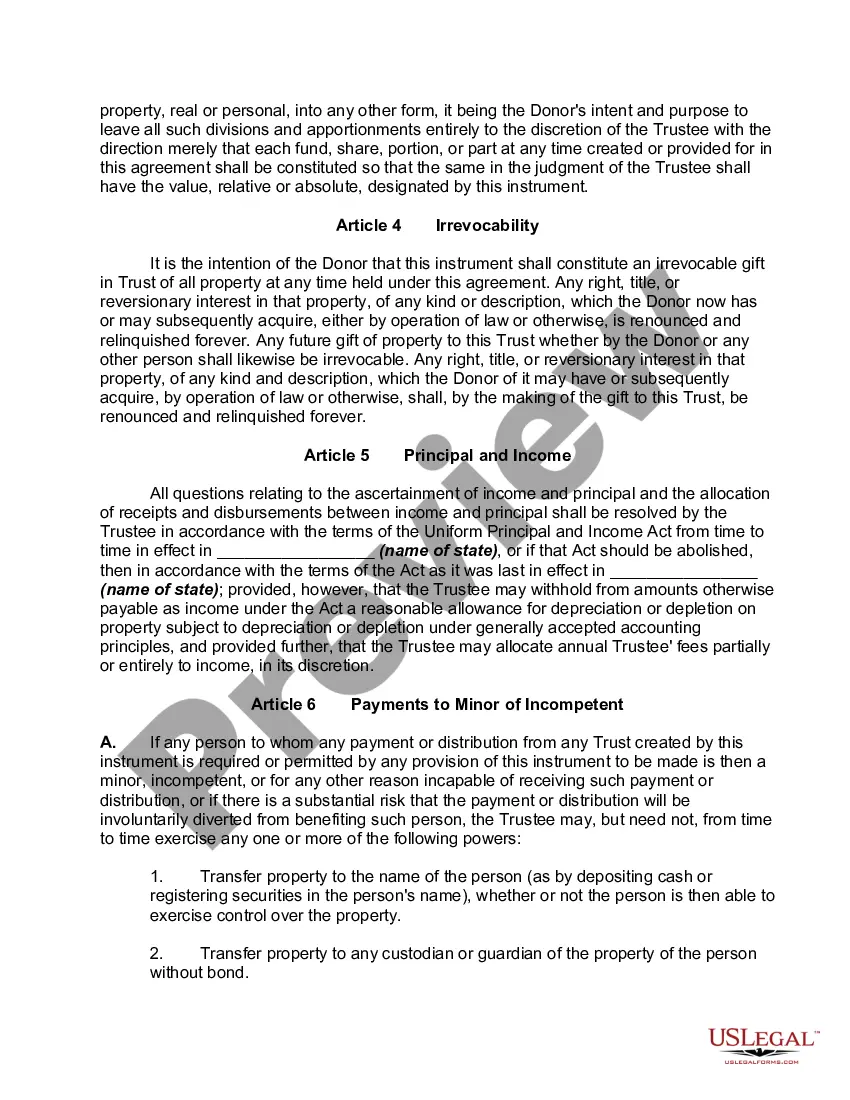
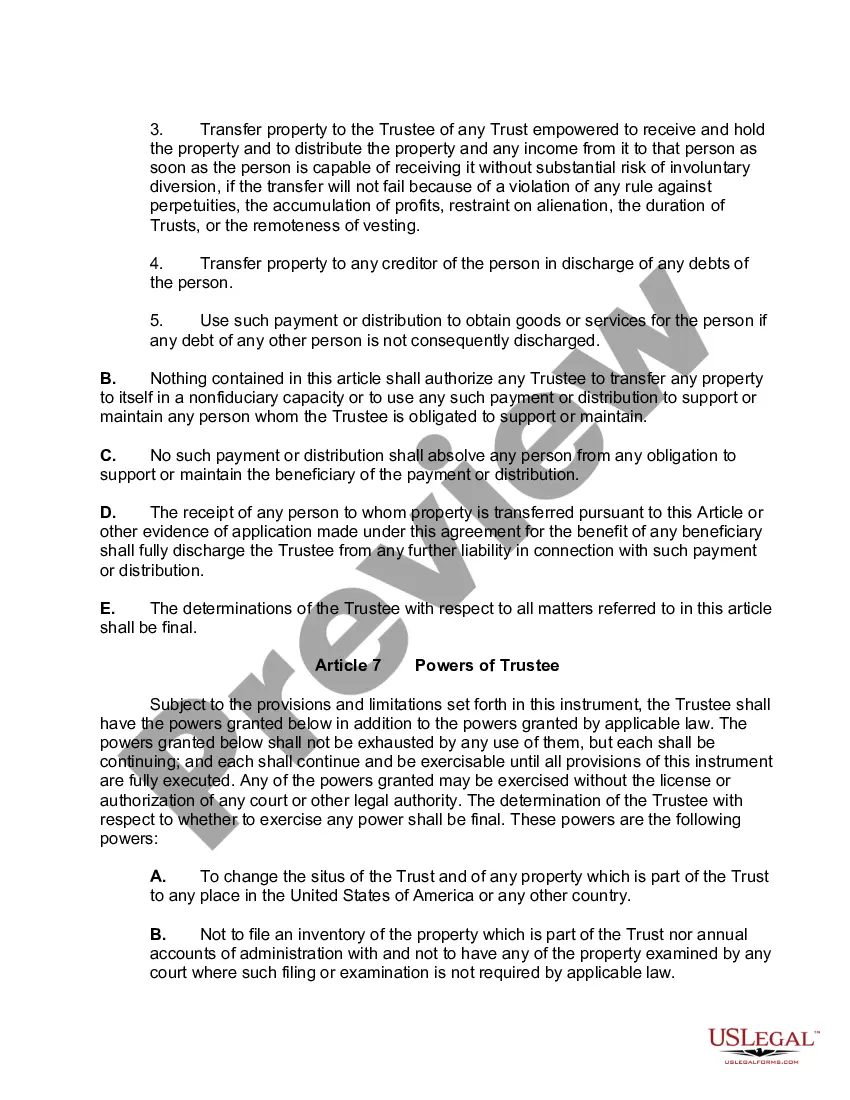
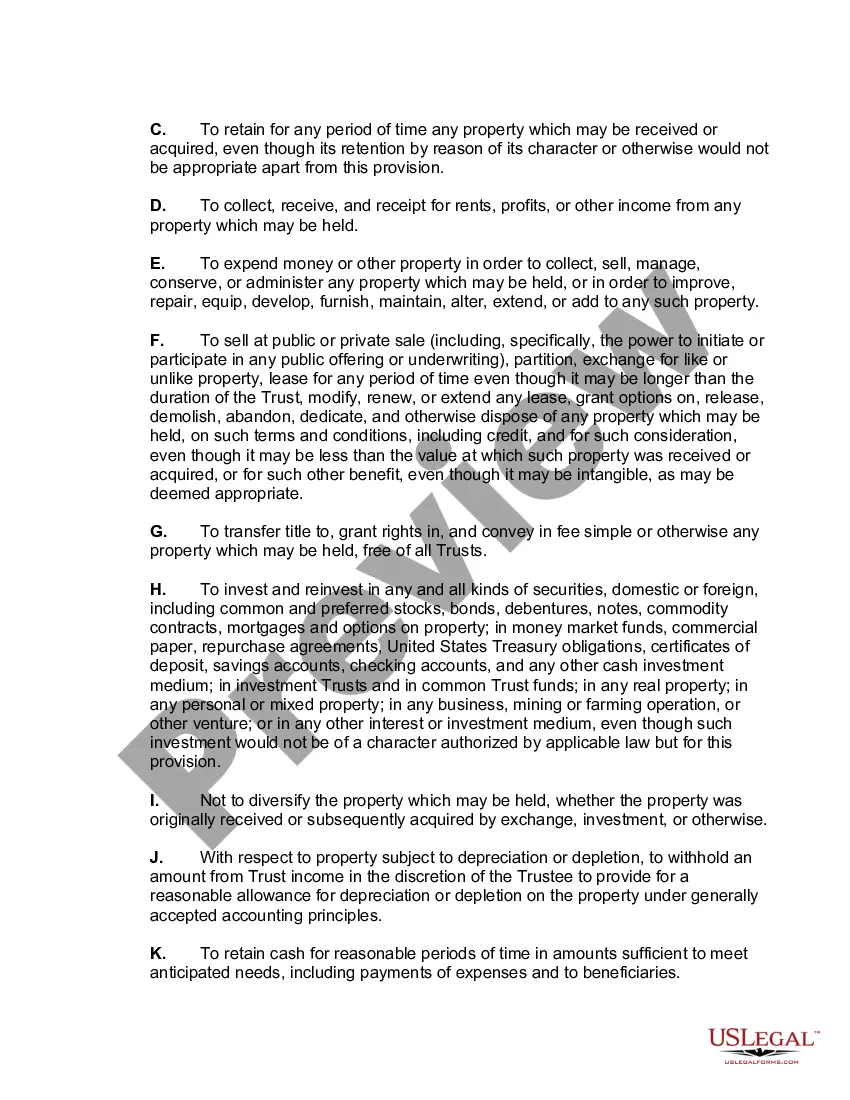
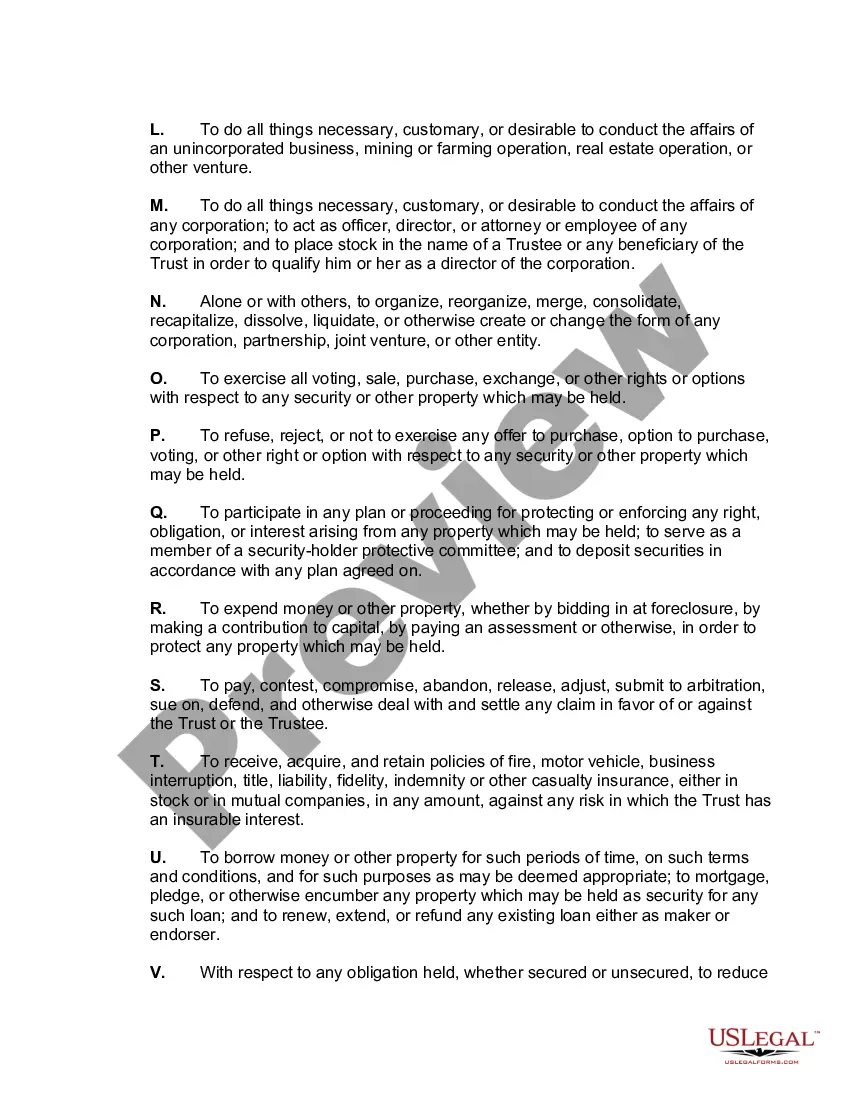

Get your form ready online
Our built-in tools help you complete, sign, share, and store your documents in one place.
Make edits, fill in missing information, and update formatting in US Legal Forms—just like you would in MS Word.
Download a copy, print it, send it by email, or mail it via USPS—whatever works best for your next step.
Sign and collect signatures with our SignNow integration. Send to multiple recipients, set reminders, and more. Go Premium to unlock E-Sign.
If this form requires notarization, complete it online through a secure video call—no need to meet a notary in person or wait for an appointment.
We protect your documents and personal data by following strict security and privacy standards.

Make edits, fill in missing information, and update formatting in US Legal Forms—just like you would in MS Word.

Download a copy, print it, send it by email, or mail it via USPS—whatever works best for your next step.

Sign and collect signatures with our SignNow integration. Send to multiple recipients, set reminders, and more. Go Premium to unlock E-Sign.

If this form requires notarization, complete it online through a secure video call—no need to meet a notary in person or wait for an appointment.

We protect your documents and personal data by following strict security and privacy standards.
Looking for another form?









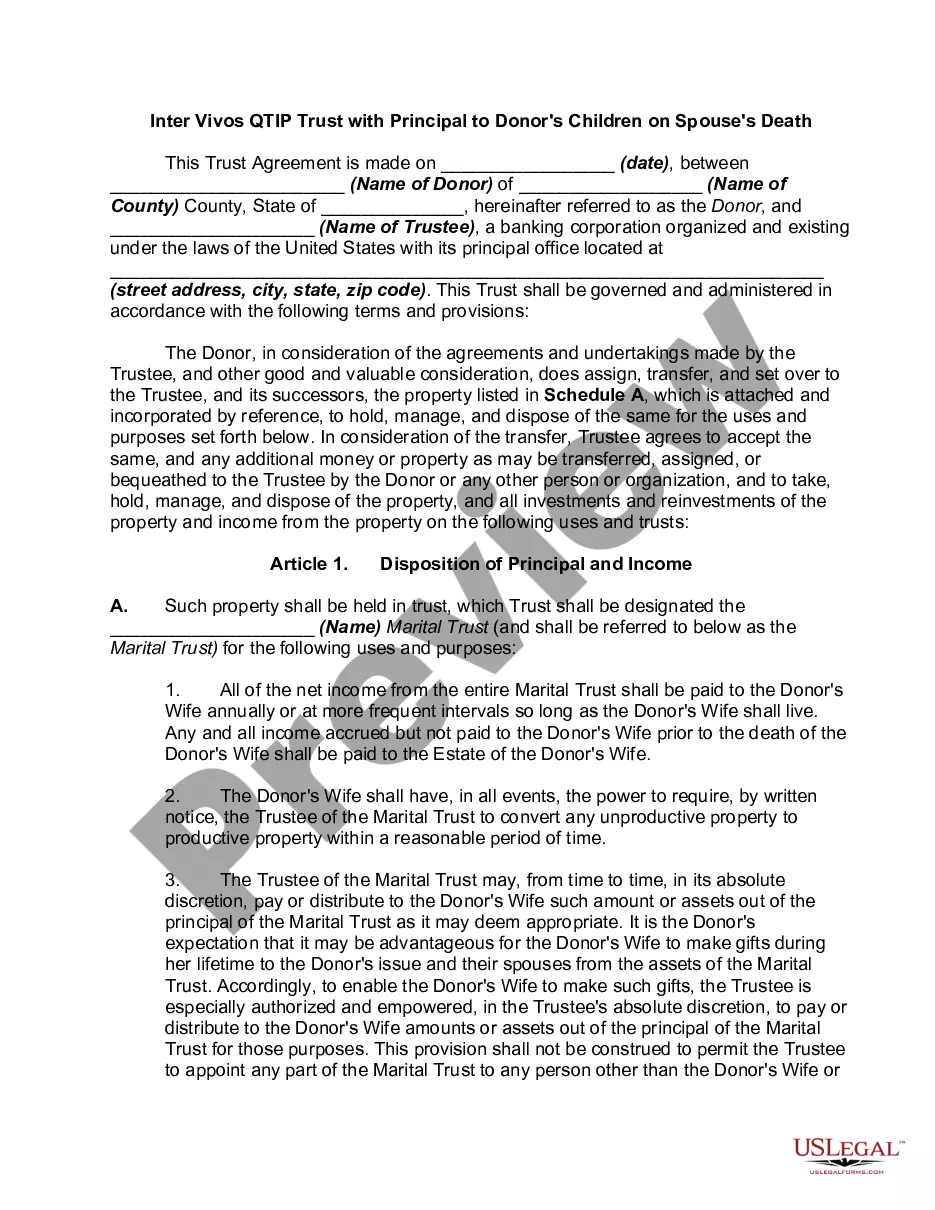
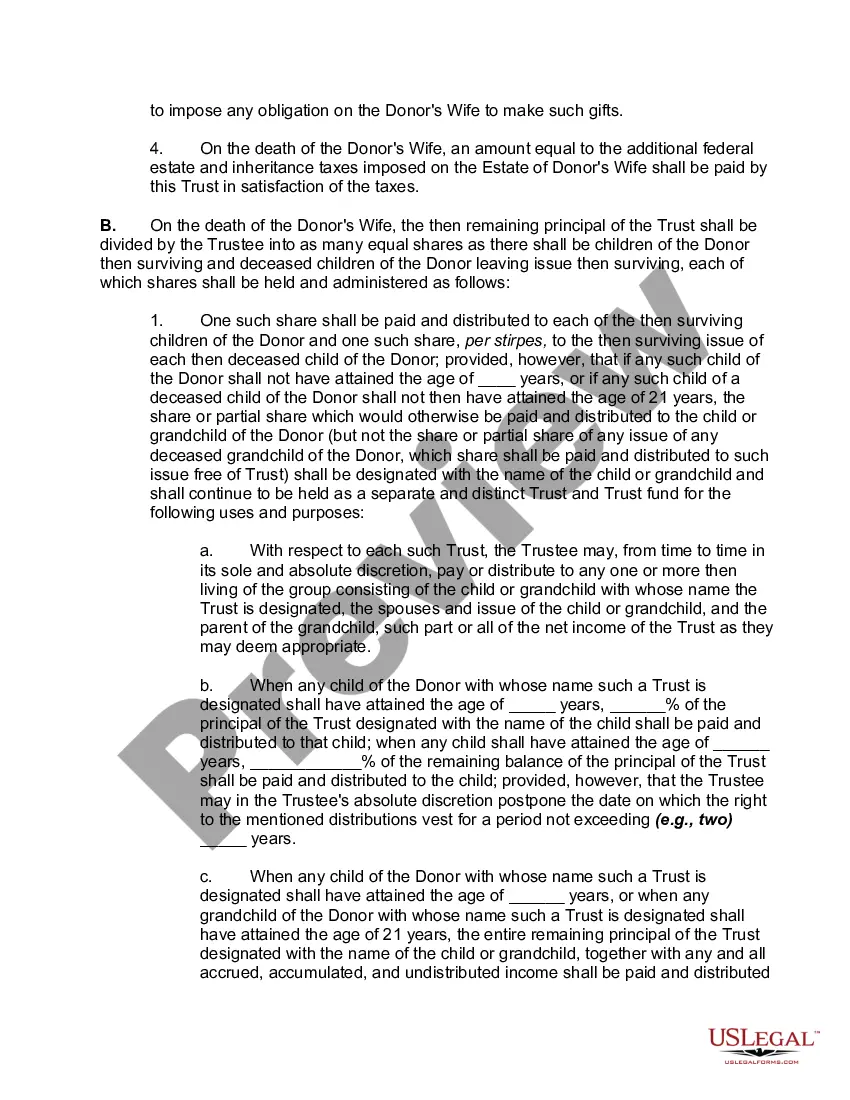
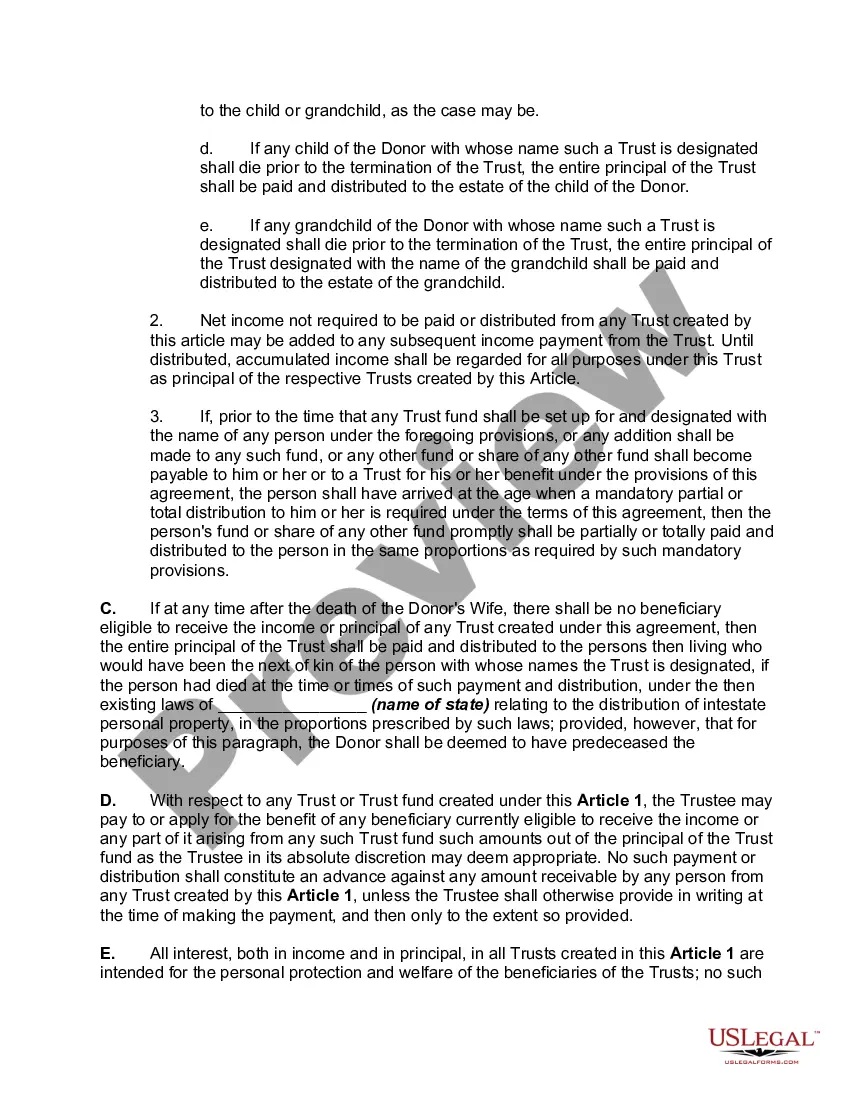
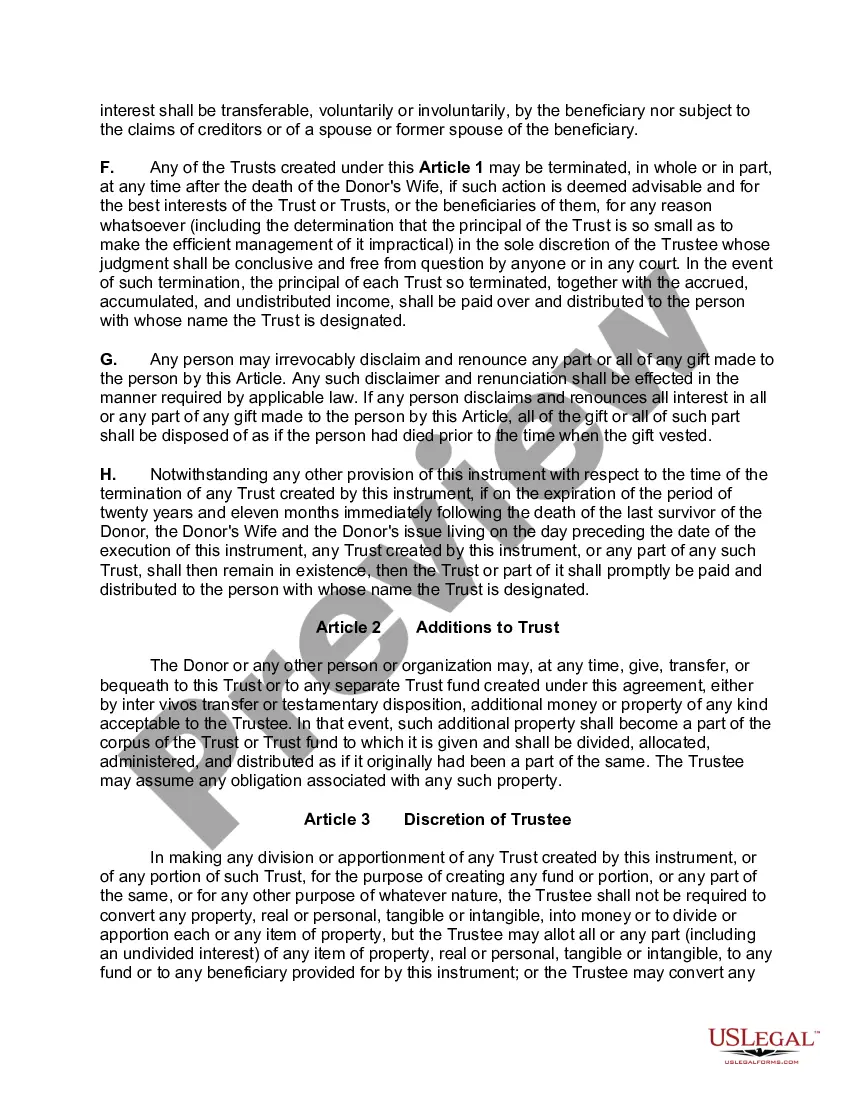
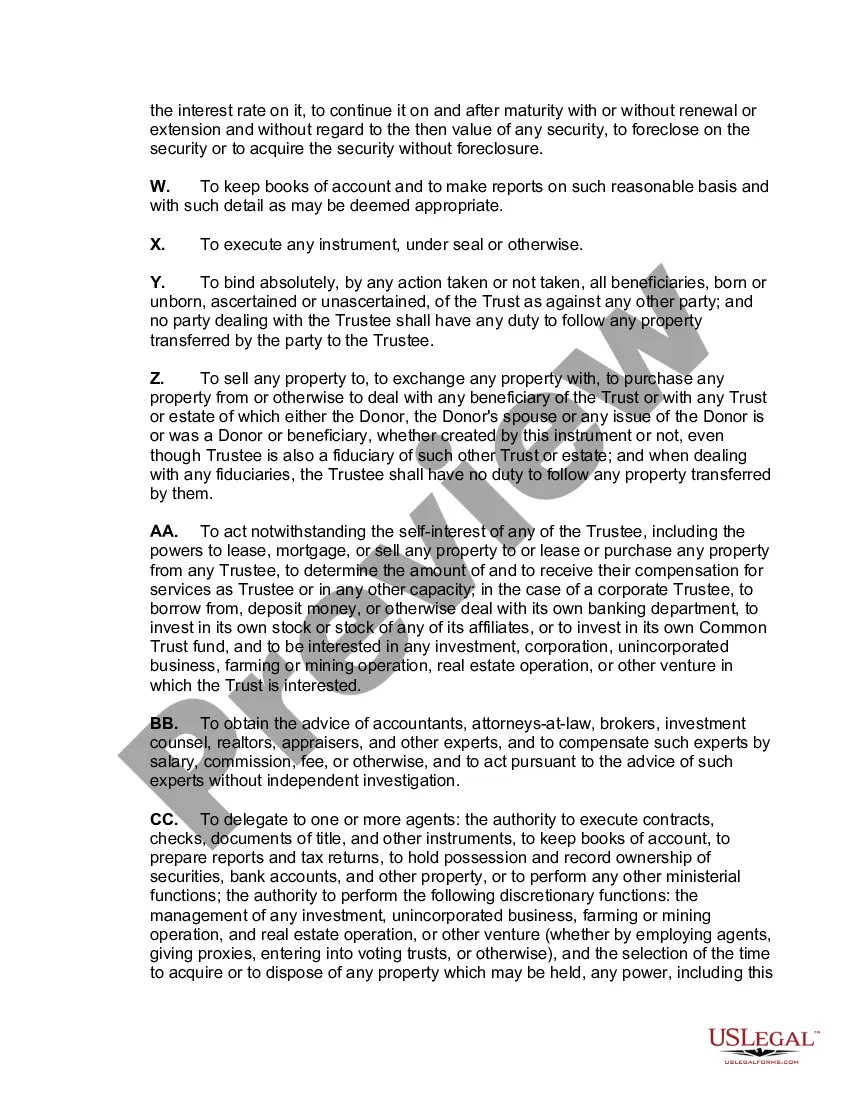
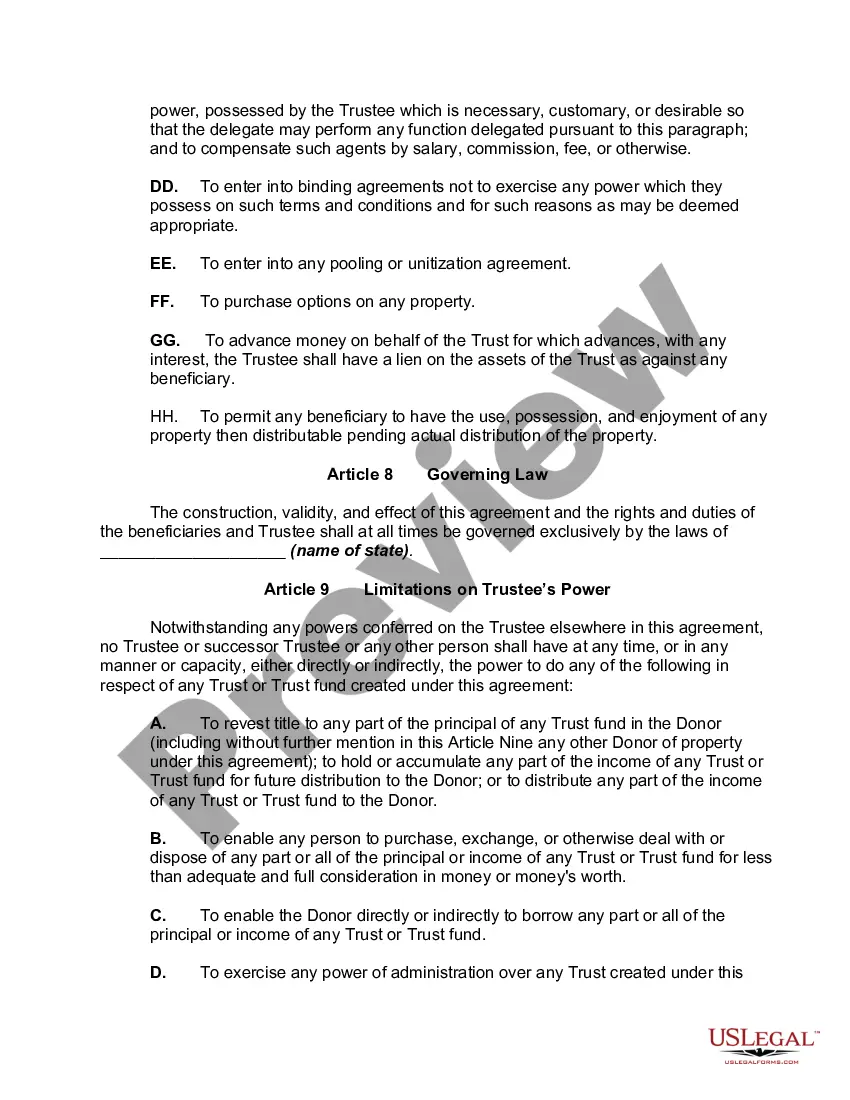
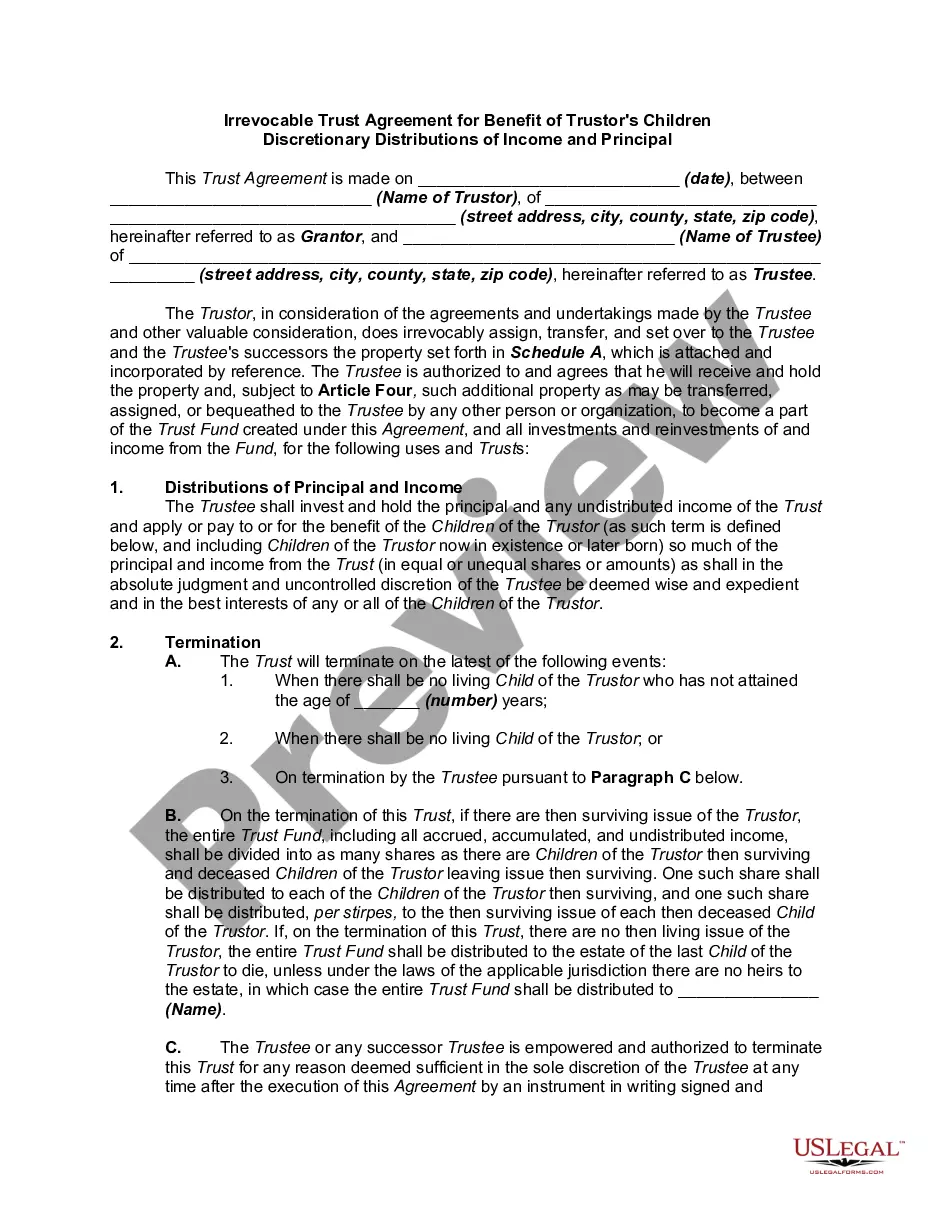
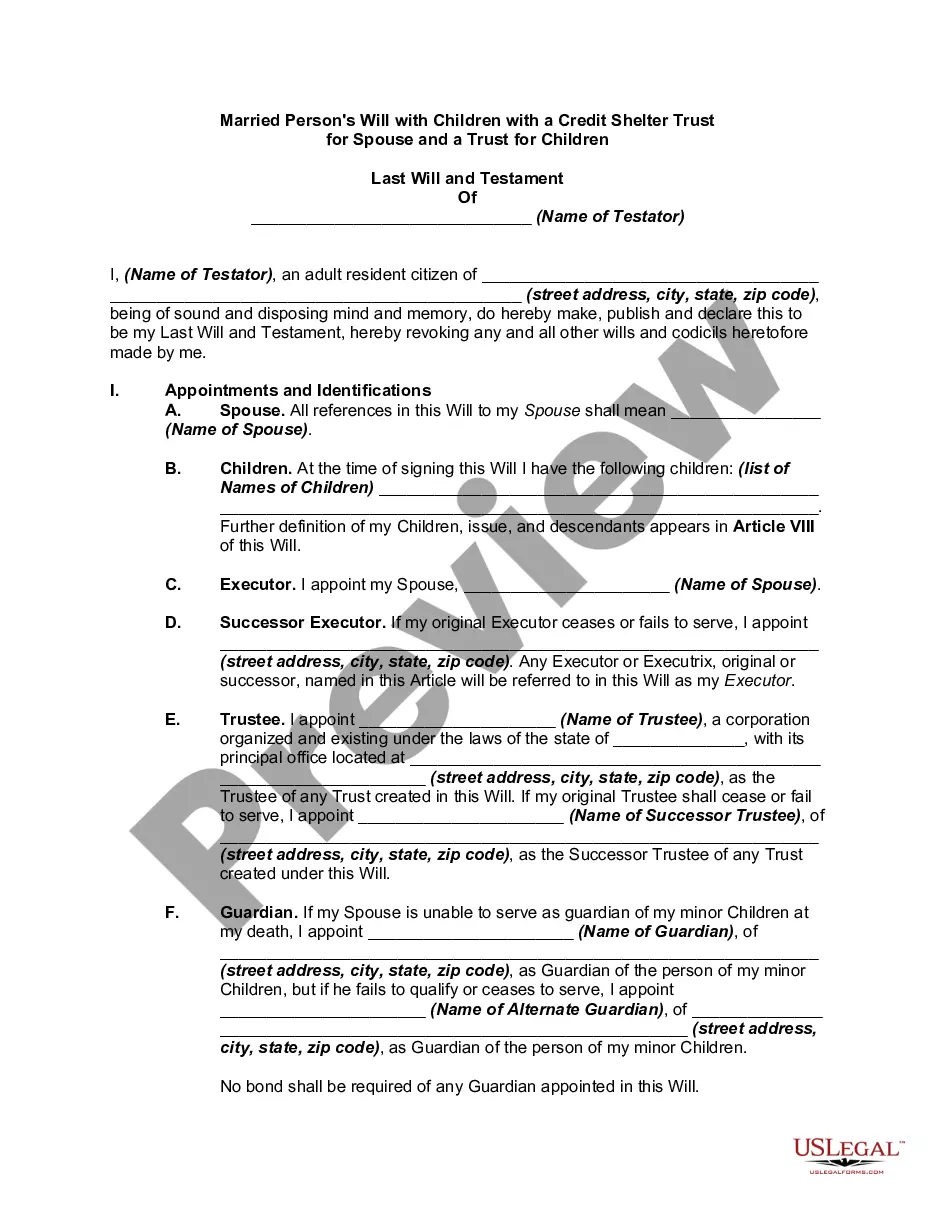
How to fill out Inter Vivos QTIP Trust With Principal To Donor's Children On Spouse's Death?
- If you're a returning user, log in to your account and make sure your subscription is active. Then, locate and download the required form.
- For new users, start by reviewing the form descriptions in Preview mode to ensure you select the correct one that meets your specific jurisdiction requirements.
- If your desired template isn’t available, use the Search tab at the top to find a suitable alternative.
- Proceed to purchase the document by clicking the Buy Now button and selecting your preferred subscription plan. You will need to create an account to access the full library.
- Enter your payment details via credit card or PayPal to complete your purchase.
- Finally, download the form to your device, ensuring you can access it later through the My Forms section.
By utilizing US Legal Forms, you empower yourself to efficiently generate legally sound documents with assurance. With over 85,000 forms and expert support, you can confidently navigate your legal needs.
Don’t hesitate, simplify your legal processes today with US Legal Forms!
Form popularity
FAQ
Filing for portability requires filling out Form 706 carefully and accurately. In addition, ensure you include all necessary documentation to support your claim for the unused exclusion amount. Don't miss the nine-month filing deadline. For assistance, you can use the resources available through uslegalforms, which offers tools to manage your QTIP trust death blank.
To file for portability, start by completing Form 706, which is the estate tax return. You’ll need to report your spouse's unused exclusion amount on this form. Be diligent about meeting the deadline, as this is vital for your QTIP trust death blank benefits. Professional assistance can be advantageous in navigating this process.
Failing to file Form 709, which is necessary for reporting gifts to individuals, can lead to penalties. Specifically, you may miss out on utilizing your lifetime gift exclusion effectively. It can also complicate the QTIP trust death blank, which might affect your estate plan. Seeking guidance can help clarify your obligations.
To obtain an Employer Identification Number (EIN) for a trust after death, you need to apply through the IRS. You can complete this process online or submit Form SS-4 by mail. Having the necessary information about the trust and its assets handy will streamline the process. This is essential for your QTIP trust death blank management.
Yes, you can make a QTIP election on a late-filed return under certain circumstances. You must demonstrate that the late filing resulted from reasonable cause rather than willful neglect. Assessing your specific situation with a professional can provide clarity on how to proceed with your QTIP trust death blank.
A portability document refers to the estate tax return used to elect portability of a deceased spouse's unused exclusion amount. This document allows the surviving spouse to benefit from additional estate tax exclusion. Properly filing this document can maximize your tax advantages, particularly related to a QTIP trust death blank. Ensuring you have the necessary forms is crucial.
Filing for portability typically involves submitting Form 706, the Estate Tax Return. You generally have nine months from the date of death to file. However, if you need more time, you can request an extension. It's important to act within these timeframes to ensure your QTIP trust death blank is handled properly.
A QTIP trust can be terminated, typically when all parties involved agree. This process requires careful consideration and planning to ensure compliance with legal requirements. Engaging with platforms like uslegalforms can help you clarify the process and navigate potential pitfalls when considering trust termination.
To terminate a QTIP trust, the surviving spouse and the beneficiaries must reach a consensus. This involves formally documenting the decision and distributing the assets according to their new agreement. It is wise to seek legal advice to navigate the complexities of QTIP trust death blank for 30 seconds efficiently.
Generally, QTIP trusts are irrevocable, meaning they cannot be altered or revoked after funding. This characteristic helps ensure the trust's assets are protected and distributed according to the grantor's wishes. Understanding that QTIP trusts are irrevocable underscores their importance in long-term estate planning.