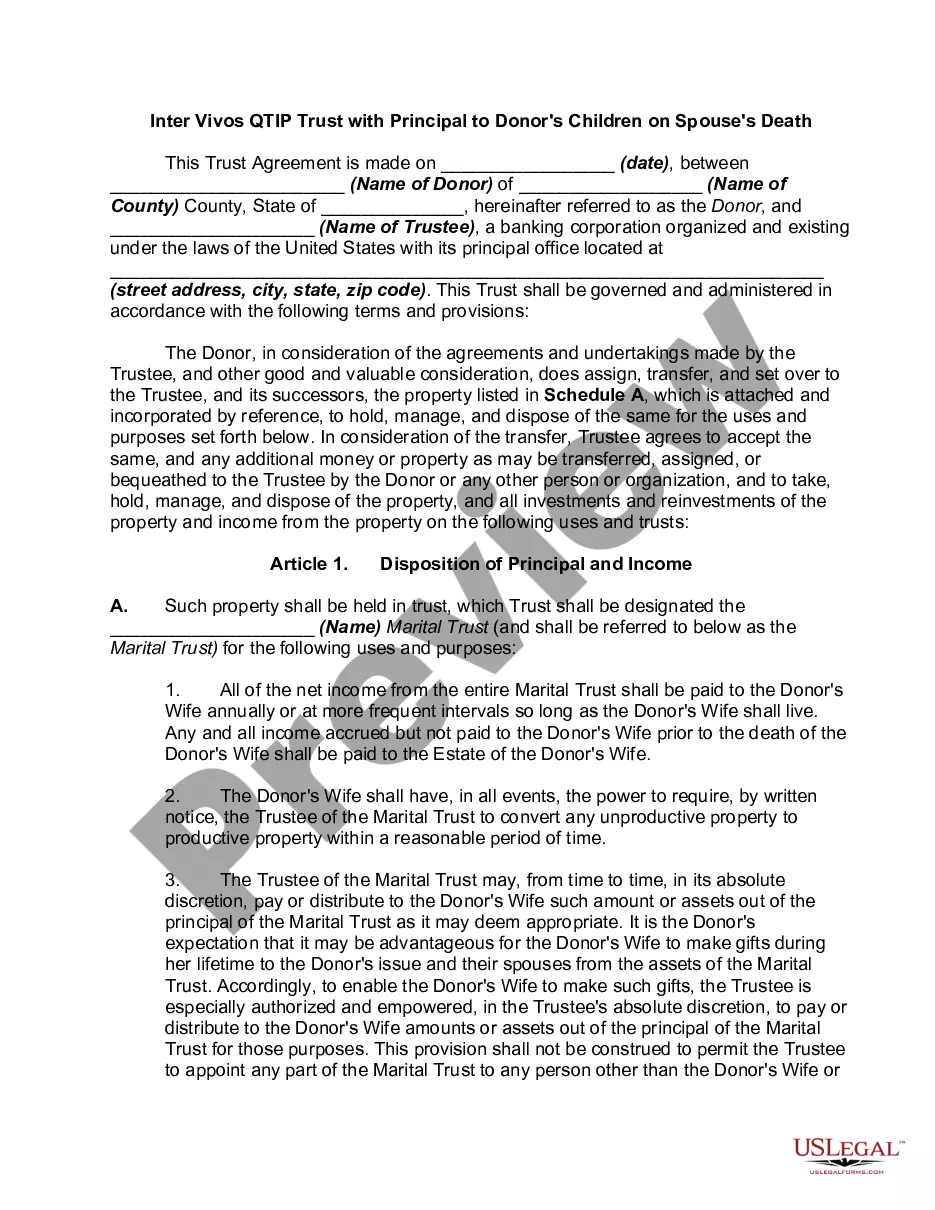
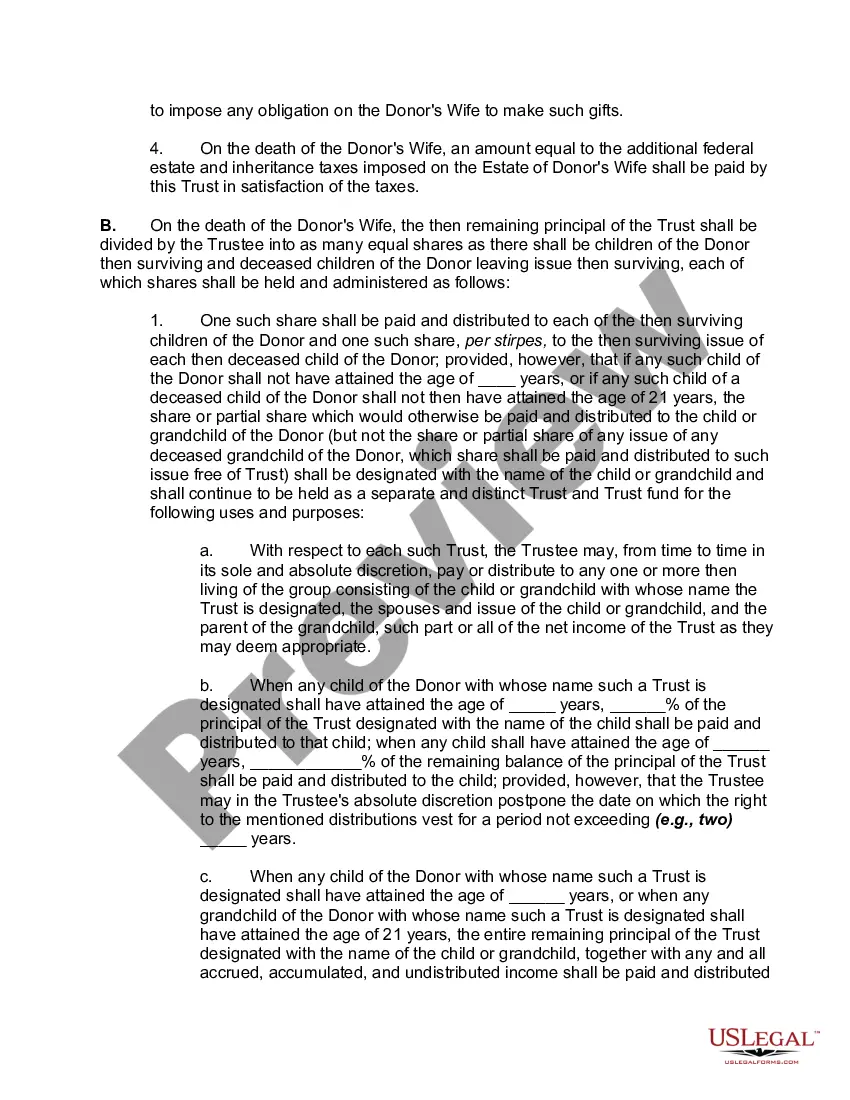
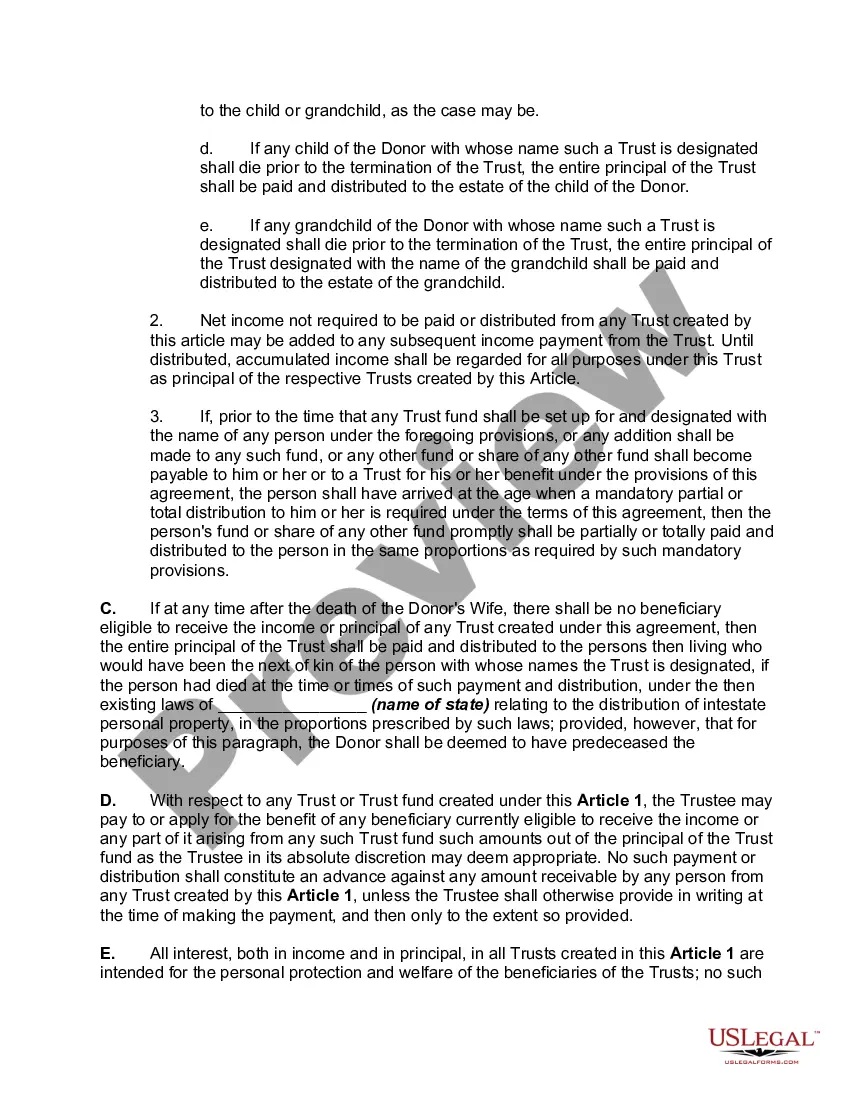
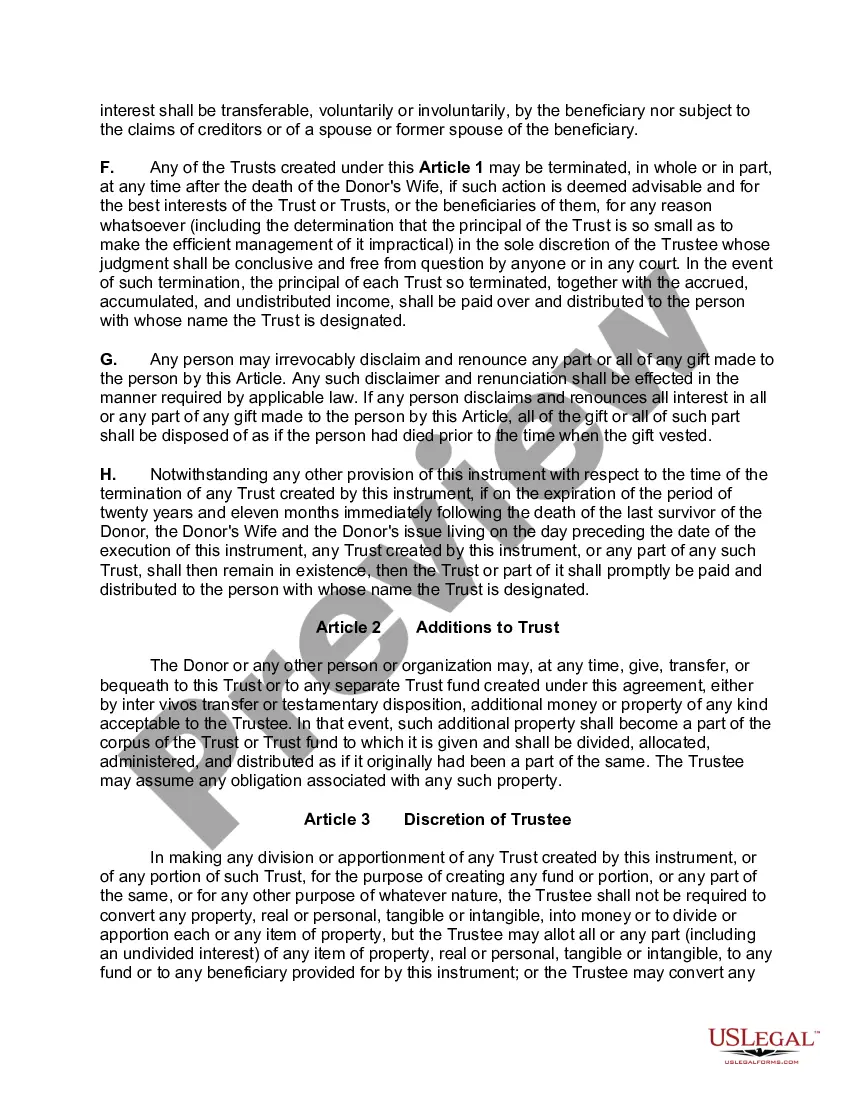
Qtip Spouses Form Blank With A
Description

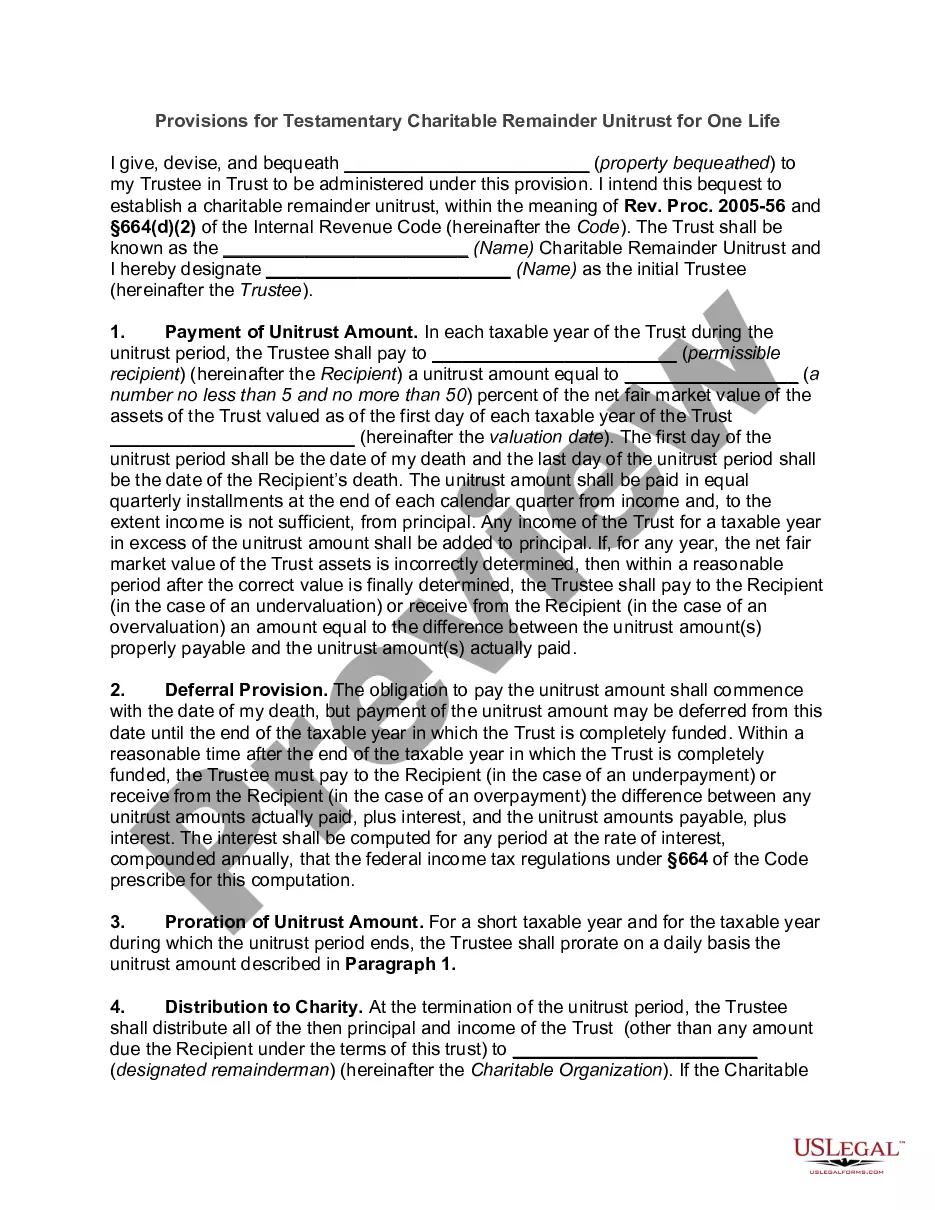
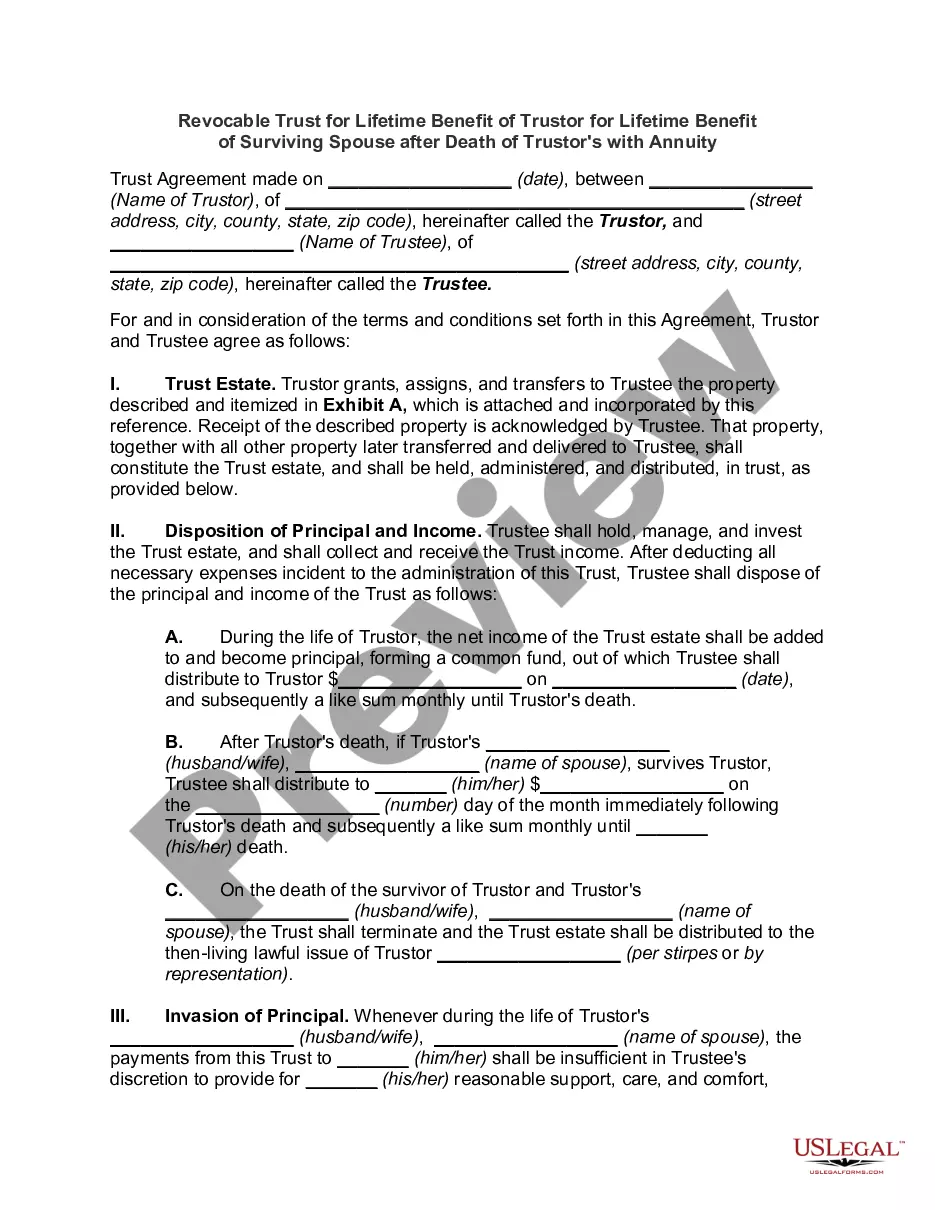
Get your form ready online
Our built-in tools help you complete, sign, share, and store your documents in one place.
Make edits, fill in missing information, and update formatting in US Legal Forms—just like you would in MS Word.
Download a copy, print it, send it by email, or mail it via USPS—whatever works best for your next step.
Sign and collect signatures with our SignNow integration. Send to multiple recipients, set reminders, and more. Go Premium to unlock E-Sign.
If this form requires notarization, complete it online through a secure video call—no need to meet a notary in person or wait for an appointment.
We protect your documents and personal data by following strict security and privacy standards.

Make edits, fill in missing information, and update formatting in US Legal Forms—just like you would in MS Word.

Download a copy, print it, send it by email, or mail it via USPS—whatever works best for your next step.

Sign and collect signatures with our SignNow integration. Send to multiple recipients, set reminders, and more. Go Premium to unlock E-Sign.

If this form requires notarization, complete it online through a secure video call—no need to meet a notary in person or wait for an appointment.

We protect your documents and personal data by following strict security and privacy standards.
Looking for another form?
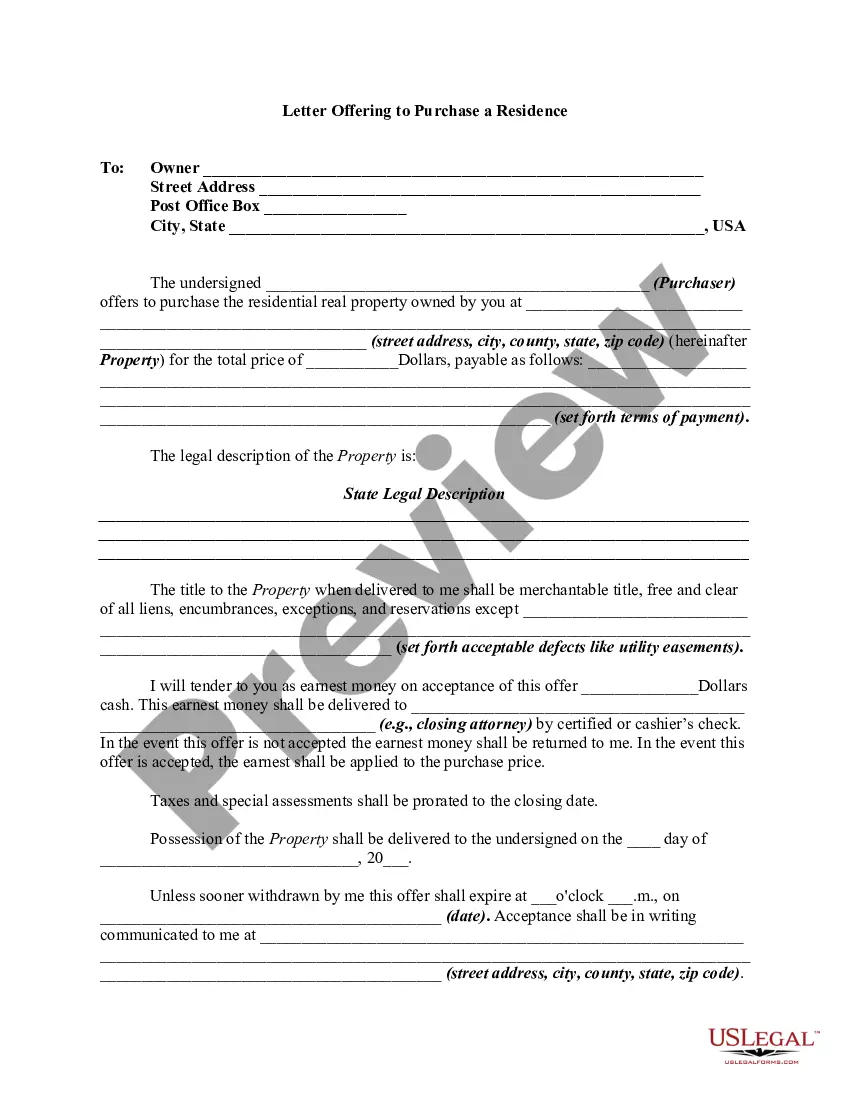




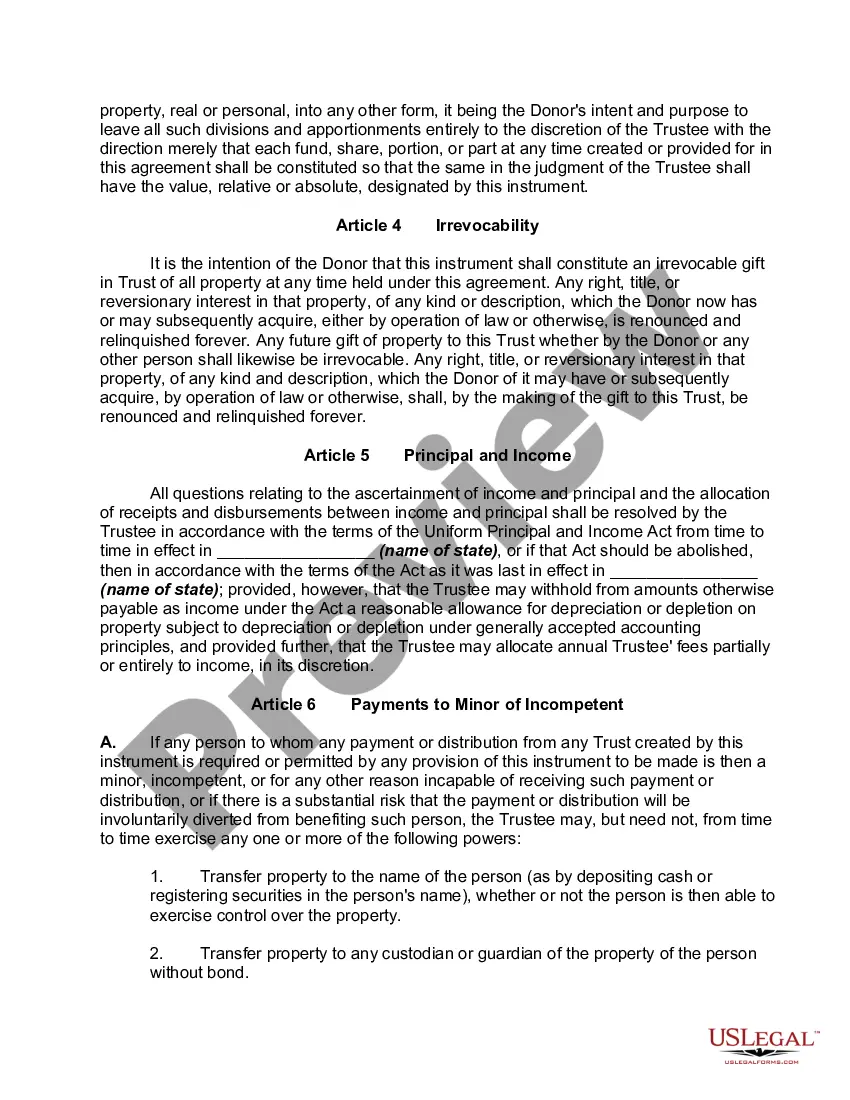
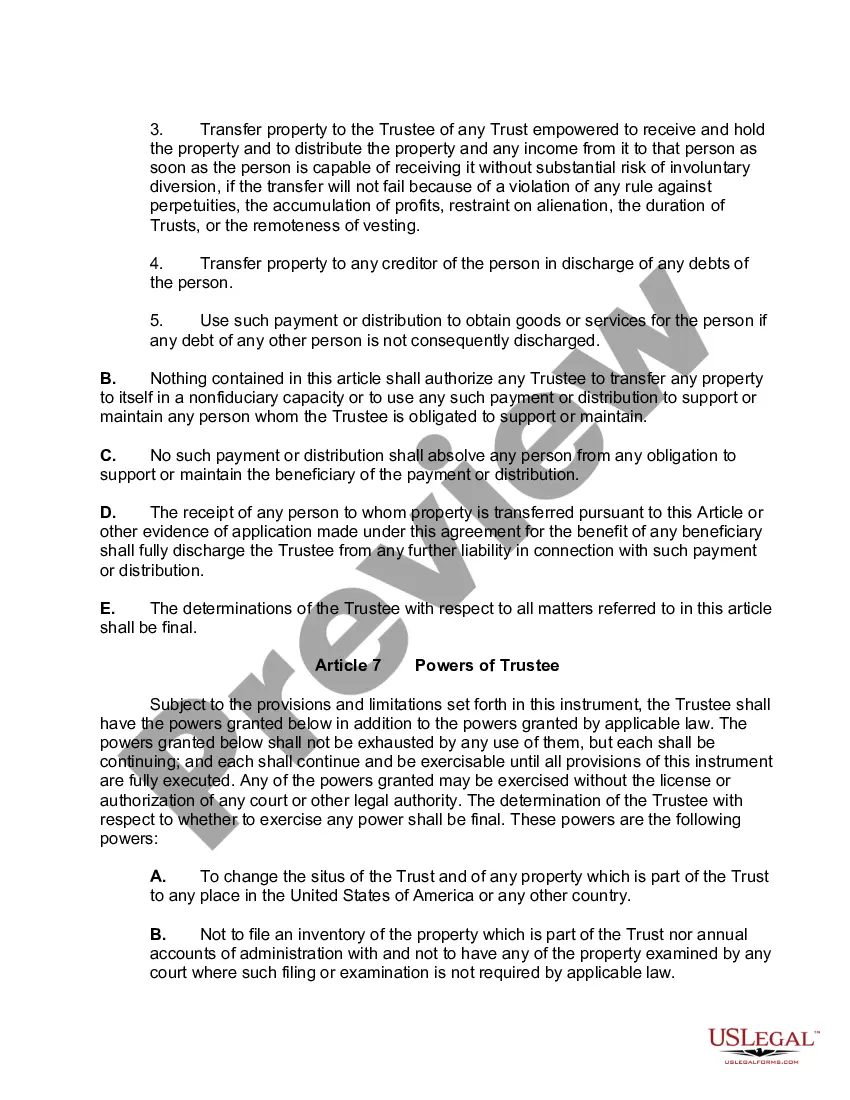
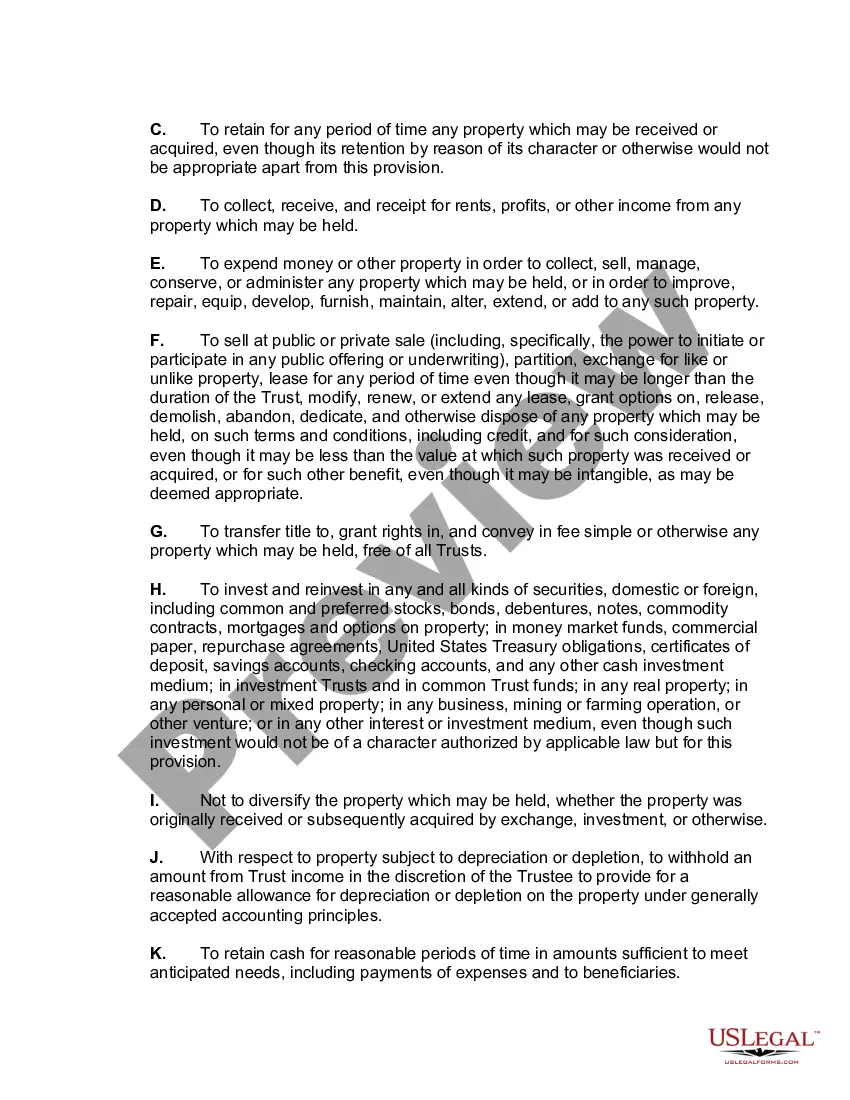
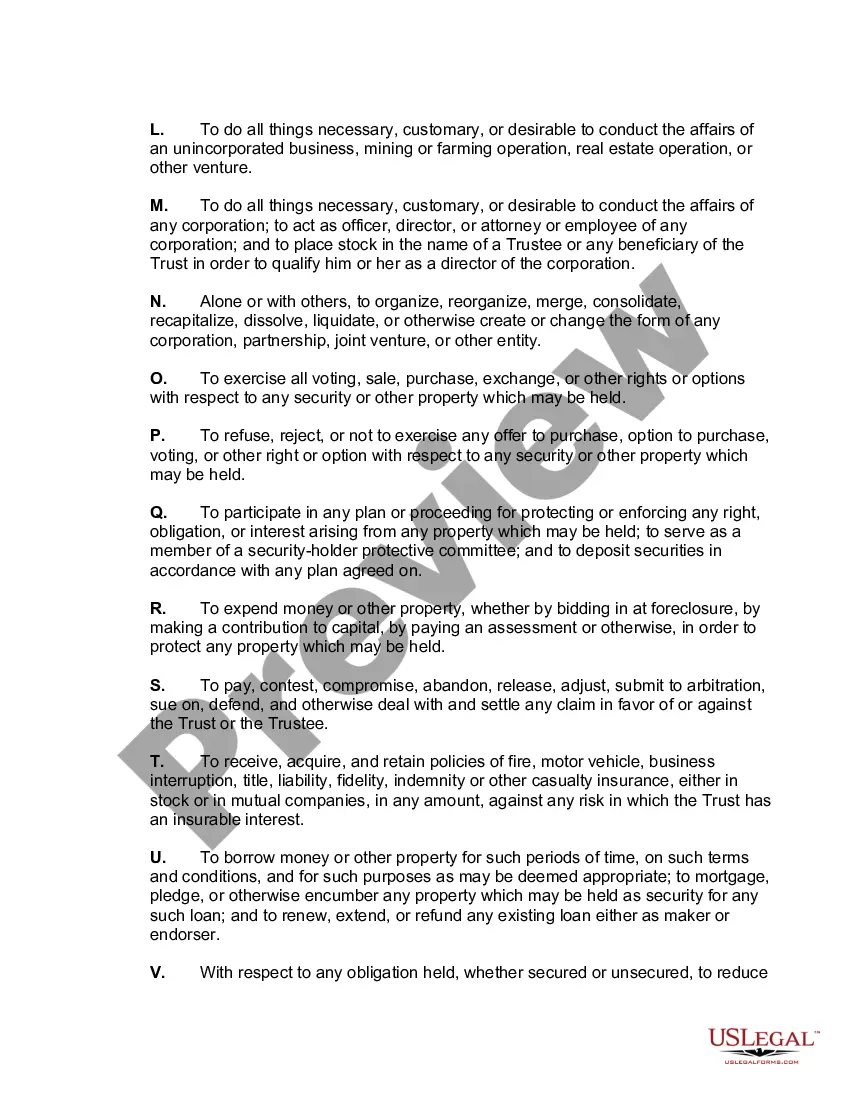
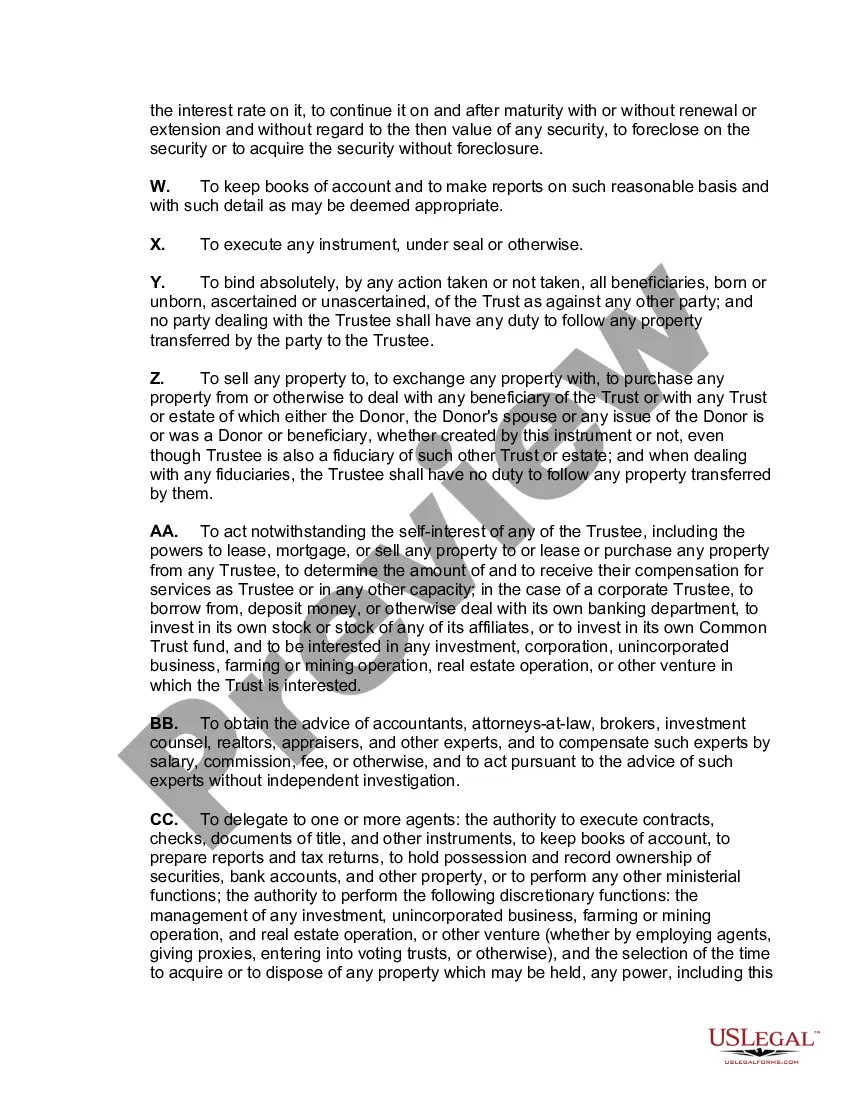
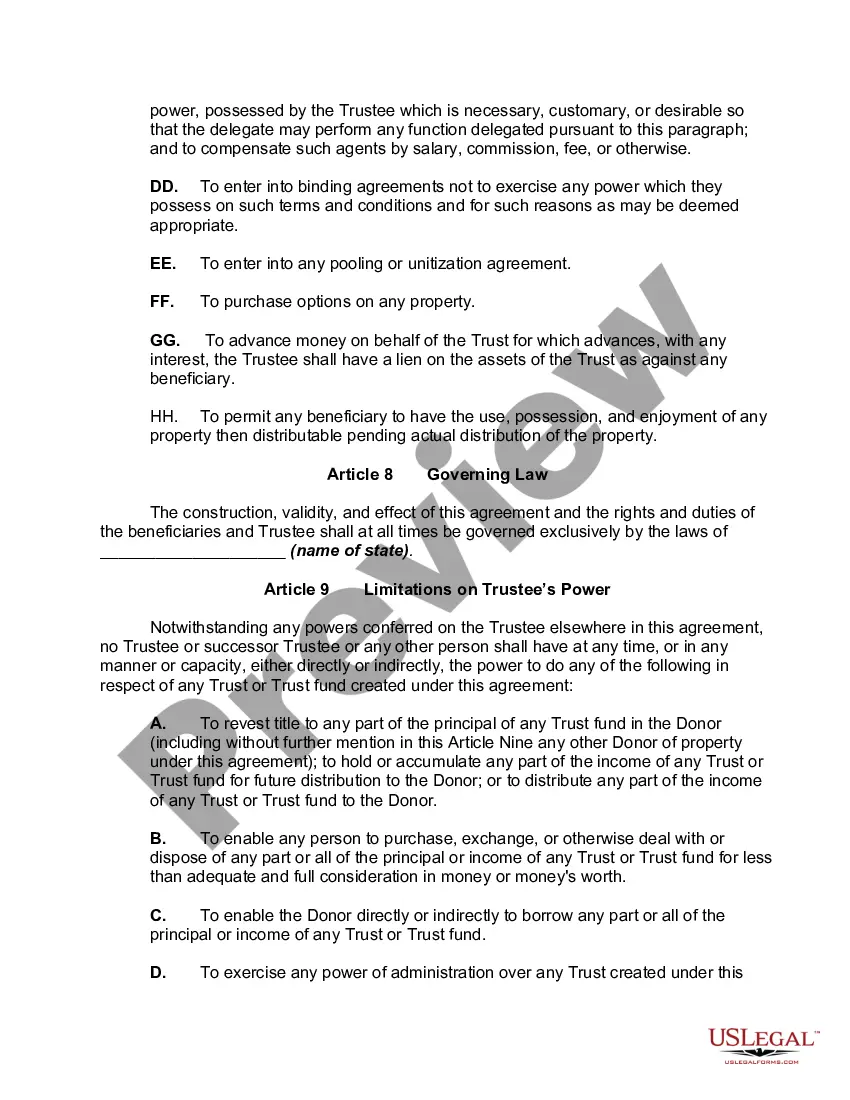
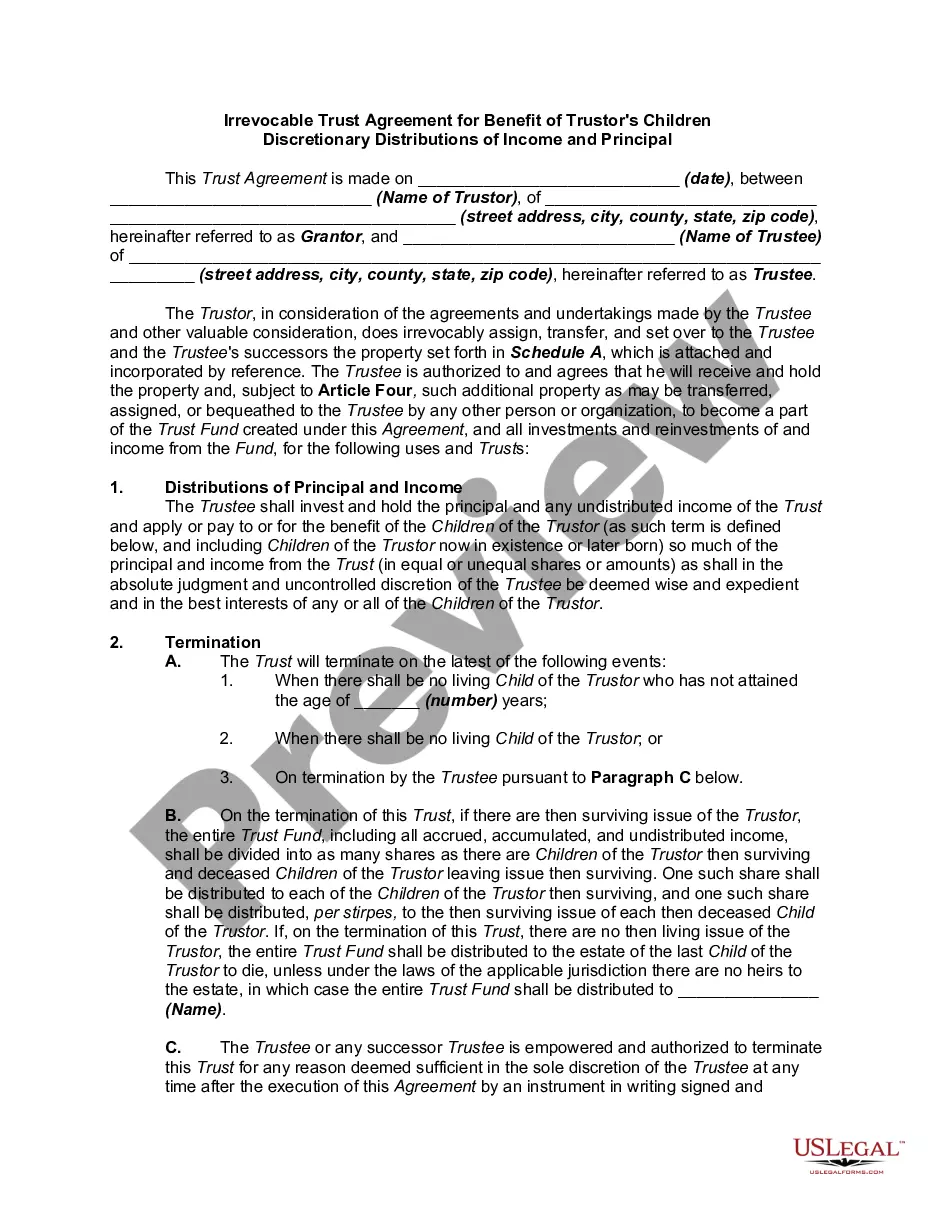
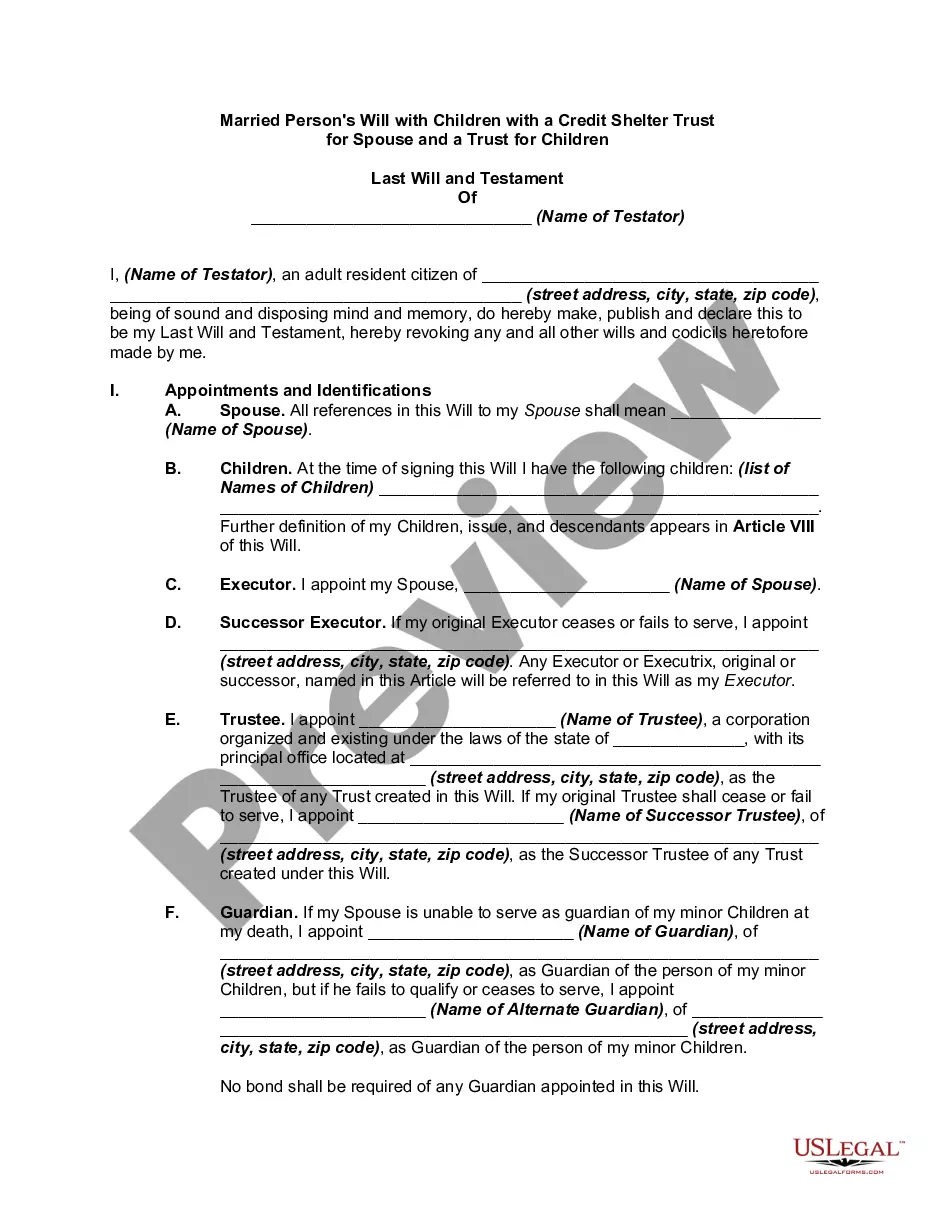
How to fill out Inter Vivos QTIP Trust With Principal To Donor's Children On Spouse's Death?
- If you're a returning user, log in to your account and select the Qtip spouses form to download it directly to your device.
- For new users, start by exploring the Preview mode and form description to confirm you have the correct document that aligns with your requirements.
- If you notice discrepancies, utilize the Search tab to locate an alternative template that fits your needs.
- Once satisfied, click on the Buy Now button to select your preferred subscription plan and create an account to access the full library.
- Enter your payment information, either through credit card or PayPal, to complete your purchase.
- Download the completed form to your device, ensuring you can access it anytime from the My Forms section of your profile.
Utilizing US Legal Forms not only expedites the process of acquiring legal documents but also offers a plethora of additional resources and expert assistance for your needs.
Take advantage of US Legal Forms' extensive library and simplify your legal document processing today!
Form popularity
FAQ
Yes, a surviving spouse can indeed make a QTIP election, which allows them to treat certain property as part of the deceased spouse's estate for tax purposes. This election ensures that any income generated from the property qualifies for the marital deduction. By leveraging the QTIP spouses form blank with a, the surviving spouse can effectively manage tax implications while retaining control over the assets. This option provides vital financial flexibility and aids in estate planning.
You are not required to file form 709 if your gifts fall below the yearly exclusion limit, which is often adjusted annually by the IRS. Additionally, certain gifts, like those to your spouse who is a U.S. citizen, typically do not need reporting on form 709. If you make gifts exclusively to charities, they are usually also exempt from this filing requirement. Knowing these exceptions can simplify your gift-giving process and help you avoid unnecessary filings.
Form 709 for spousal consent is employed in situations where one spouse wants to make a gift that surpasses the annual exclusion limit. This form allows the gifting spouse to report gifts and potentially utilize the lifetime gift tax exemption. When it comes to QTIP spouses form blank with a transfer of assets, this form ensures both spouses are on the same page regarding taxable gifts. It provides clarity and prevents unexpected tax burdens on the recipient.
Filing form 709, also known as the United States Gift (and Generation-Skipping Transfer) Tax Return, is necessary when you give a gift exceeding the annual exclusion amount. You must file this form if you transfer property and the total value surpasses the annual limit set by the IRS. Additionally, if you make gifts to a spouse who is not a U.S. citizen, the gift may also necessitate filing form 709. Understanding these criteria helps you navigate the complexities surrounding gifts and tax obligations.
QTIP trusts must follow specific rules, including that all income generated must be distributed to the surviving spouse during their lifetime. Upon their death, the remaining assets are distributed to the beneficiaries named in the trust document. Completing the QTIP spouses form blank with a ensures you adhere to these guidelines and helps in proper estate management. Understanding these rules can make a significant difference in effective estate planning.
One disadvantage of a QTIP trust is that it may not provide the surviving spouse with full control over the trust assets. Since the principal must eventually go to the designated beneficiaries, this can limit the surviving spouse's financial flexibility. Additionally, when using the QTIP spouses form blank with a, be mindful to address these limitations to prevent any confusion down the line.
A QTIP trust can grant the surviving spouse limited powers of appointment. These powers allow the spouse to direct where the trust assets may go upon their death. However, these powers can be defined in the trust document, and it is beneficial to complete the QTIP spouses form blank with a to outline these details clearly. Understanding these powers can help in effective estate planning.
Yes, income from a QTIP trust is generally taxable. The surviving spouse must report this income on their personal tax returns. Utilizing the QTIP spouses form blank with a allows for clear documentation of income, ensuring proper reporting. It's crucial to stay informed about tax obligations to avoid penalties.
In a QTIP trust, the surviving spouse typically holds a life interest. This means they can receive all the income generated by the trust during their lifetime. After their death, the principal of the trust passes to the beneficiaries specified in the trust agreement. Thus, the QTIP spouses form blank with a is essential for establishing these rights and ensuring proper management of the trust.
Generally, any trust fund that generates income is required to file a tax return. This includes trusts like a QTIP, which must report any income received during the tax year. By utilizing the QTIP spouses form blank with a, you can simplify this process and ensure compliance with tax regulations. It's important to consult tax professionals to address specific details related to your trust.