Qtip Principal Donors Spouses Death With Disabilities
Description

Get your form ready online
Our built-in tools help you complete, sign, share, and store your documents in one place.
Make edits, fill in missing information, and update formatting in US Legal Forms—just like you would in MS Word.
Download a copy, print it, send it by email, or mail it via USPS—whatever works best for your next step.
Sign and collect signatures with our SignNow integration. Send to multiple recipients, set reminders, and more. Go Premium to unlock E-Sign.
If this form requires notarization, complete it online through a secure video call—no need to meet a notary in person or wait for an appointment.
We protect your documents and personal data by following strict security and privacy standards.

Make edits, fill in missing information, and update formatting in US Legal Forms—just like you would in MS Word.

Download a copy, print it, send it by email, or mail it via USPS—whatever works best for your next step.

Sign and collect signatures with our SignNow integration. Send to multiple recipients, set reminders, and more. Go Premium to unlock E-Sign.

If this form requires notarization, complete it online through a secure video call—no need to meet a notary in person or wait for an appointment.

We protect your documents and personal data by following strict security and privacy standards.
Looking for another form?






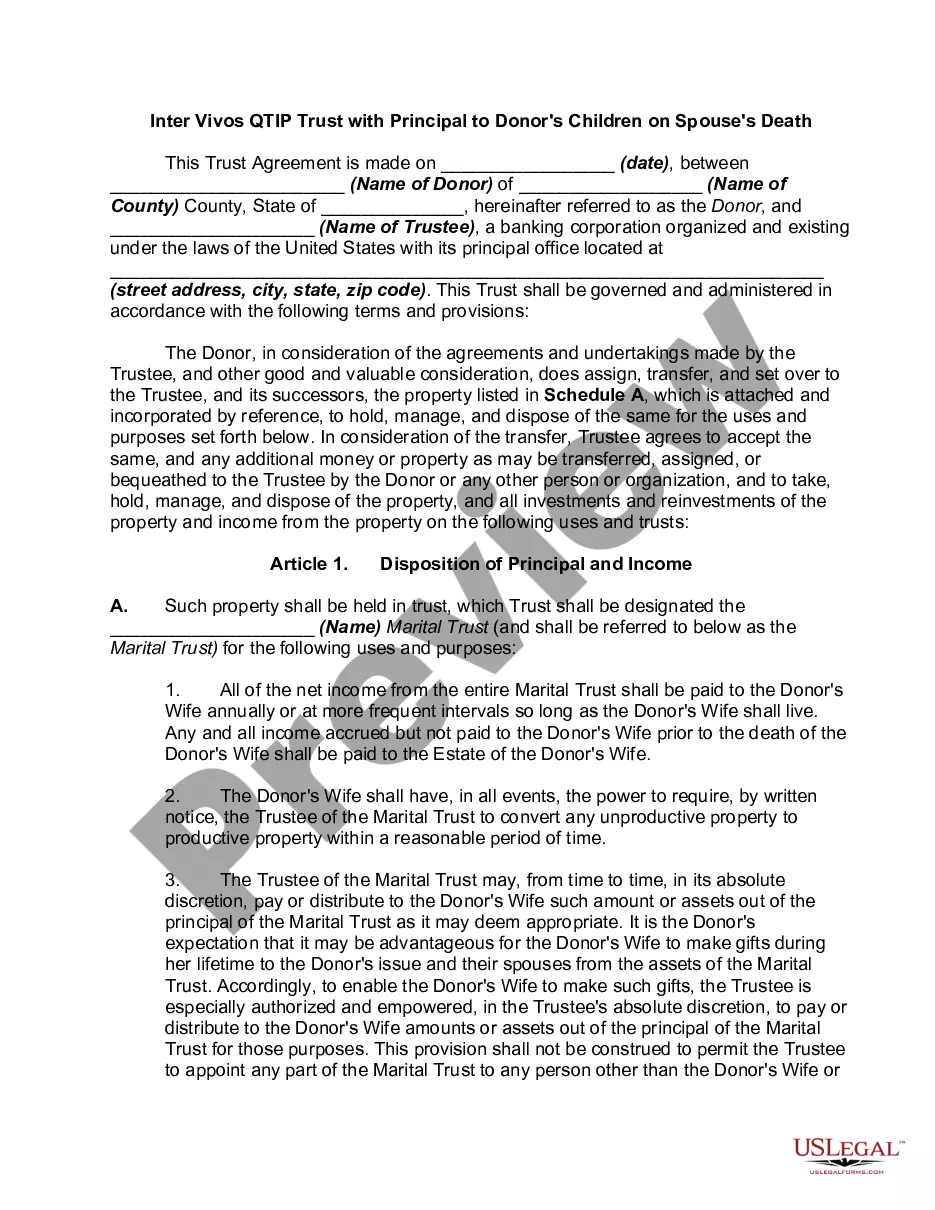
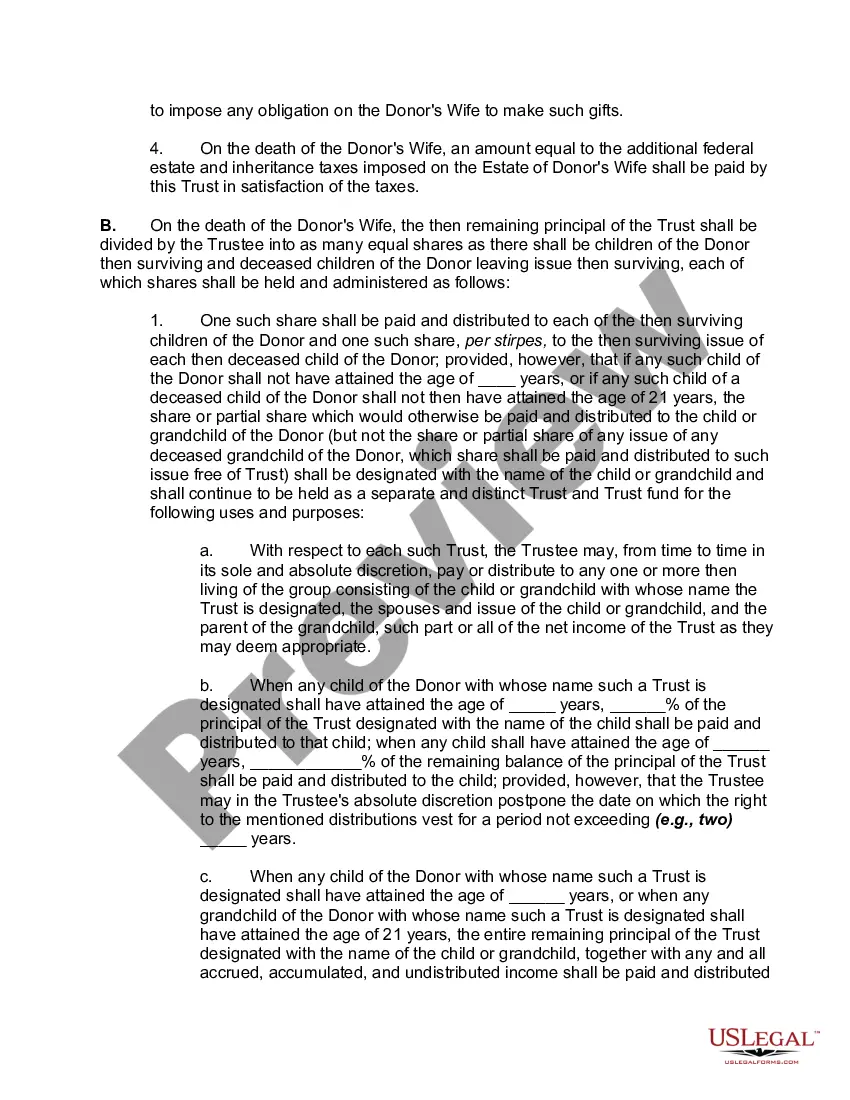
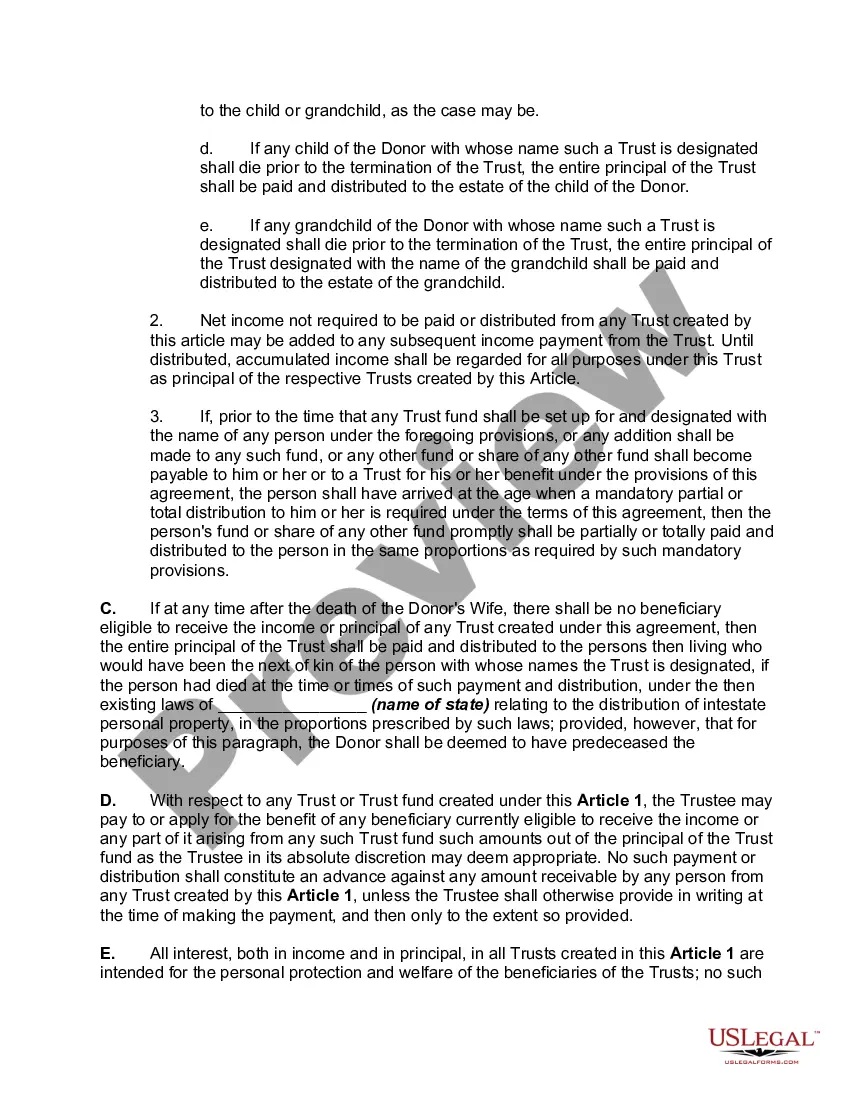
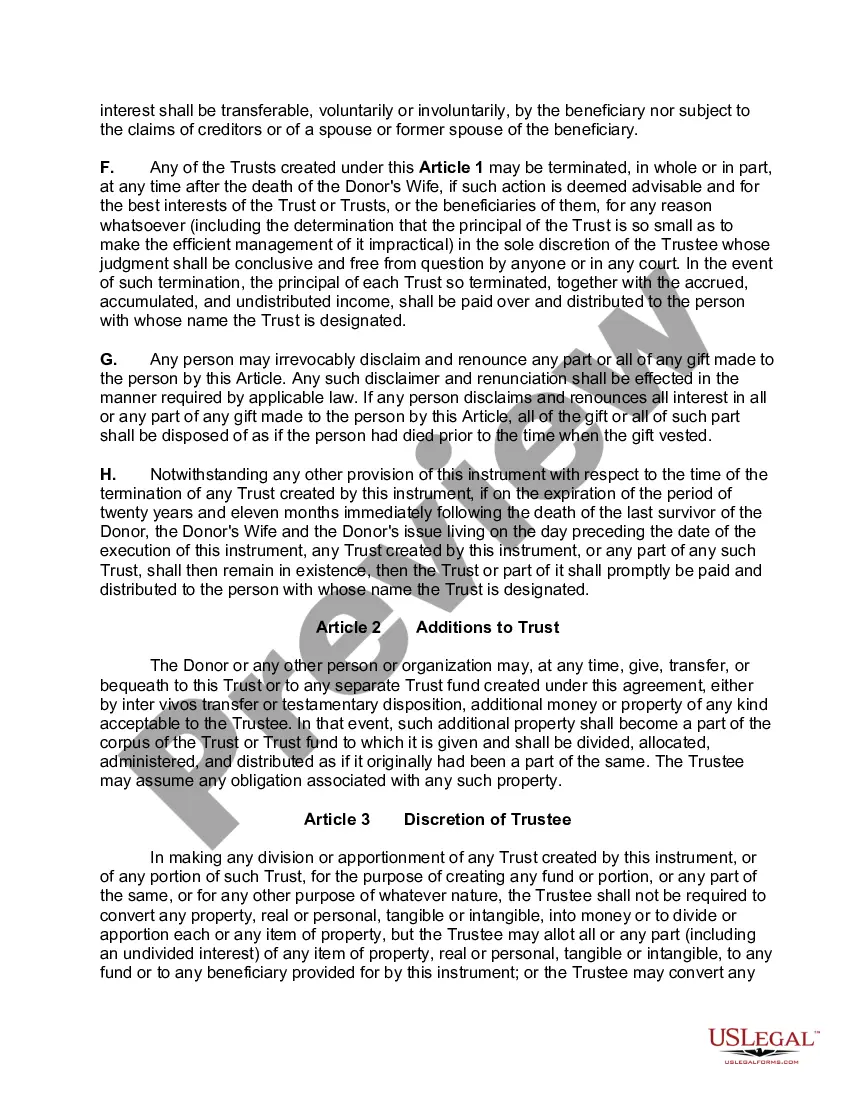
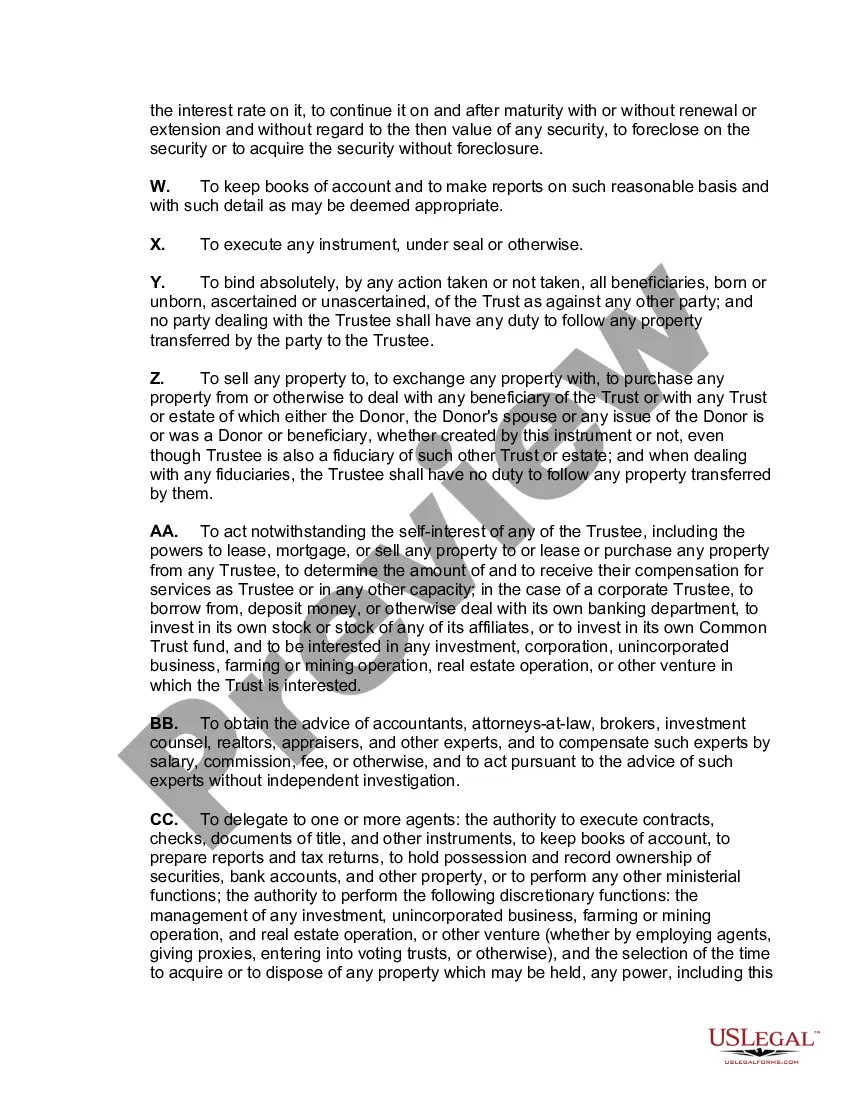
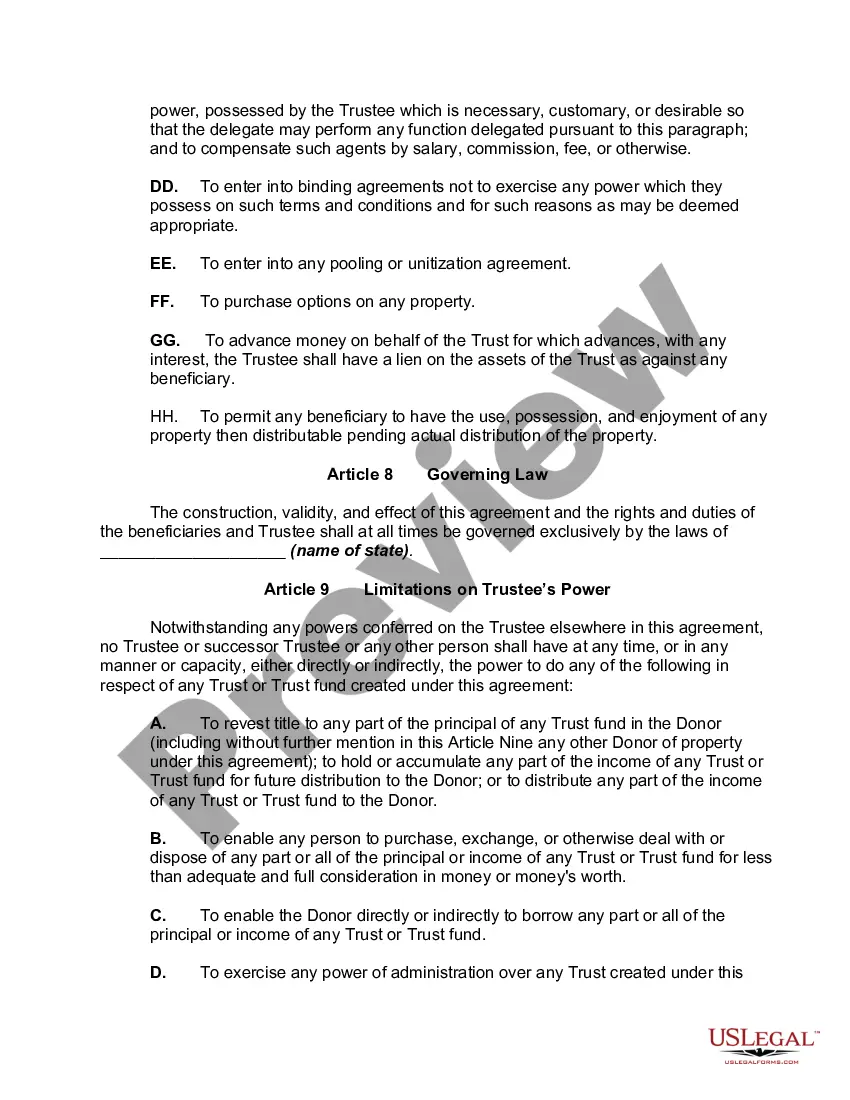
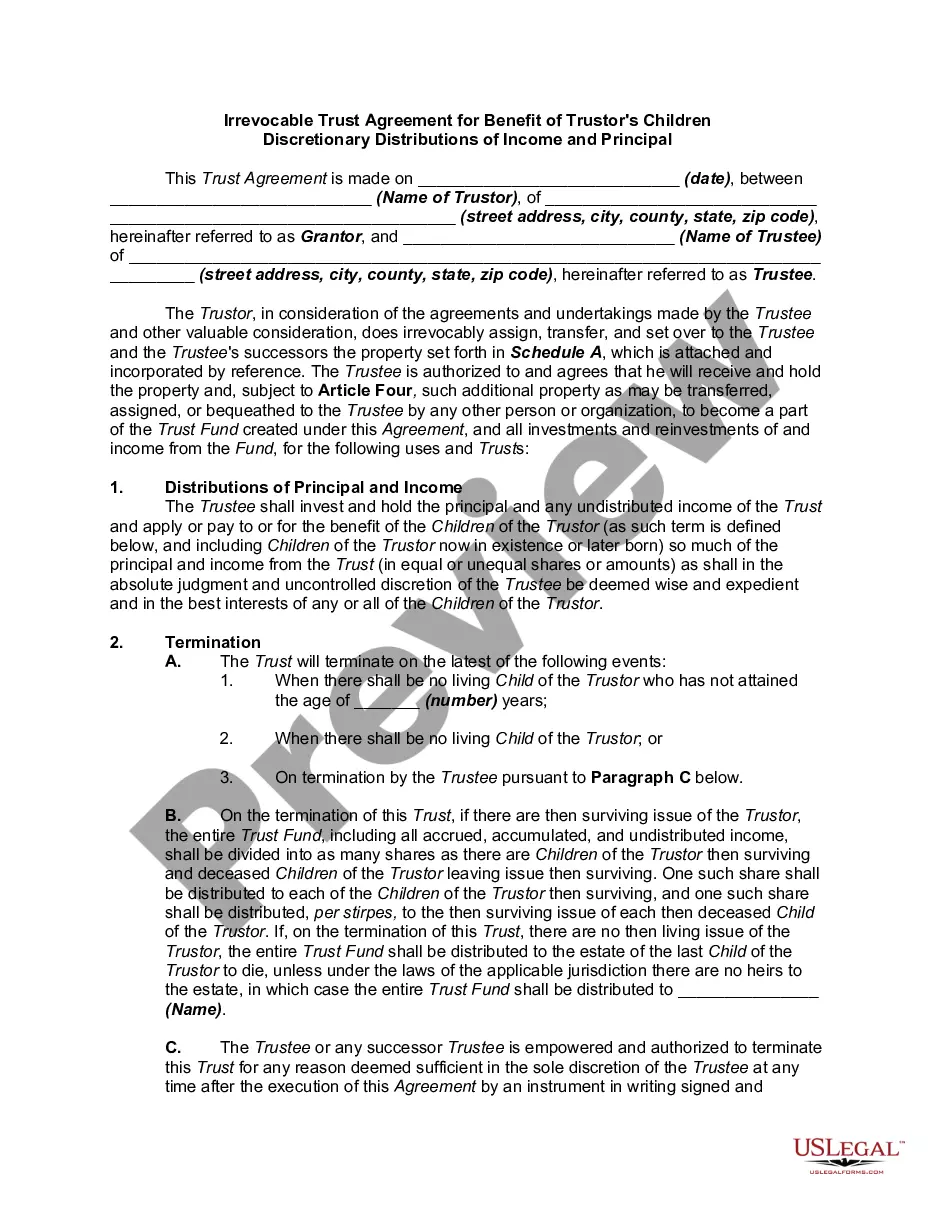
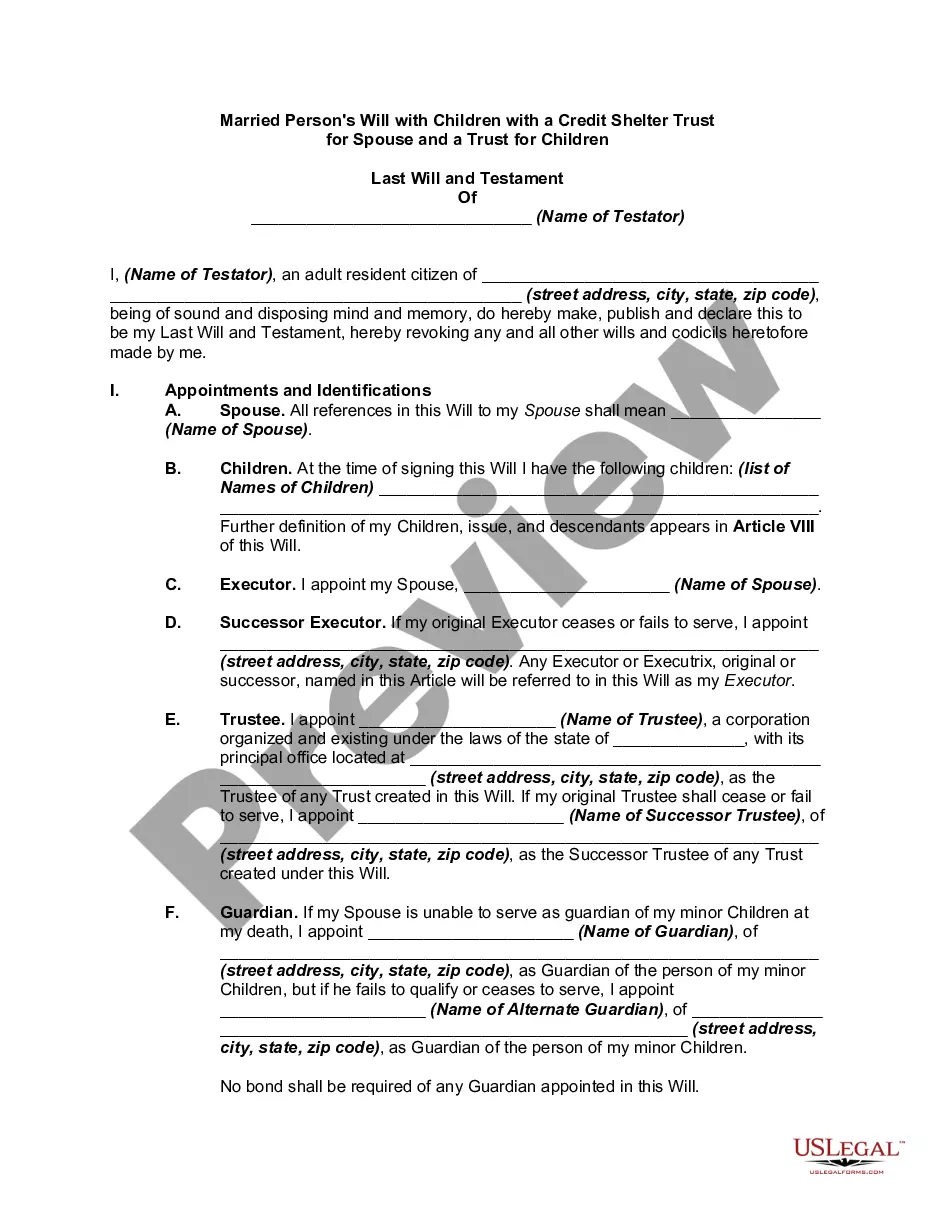
How to fill out Inter Vivos QTIP Trust With Principal To Donor's Children On Spouse's Death?
- If you are a returning user, simply log in to access your account and download the desired form template by clicking the Download button. Ensure your subscription is active; if it’s expired, renew it.
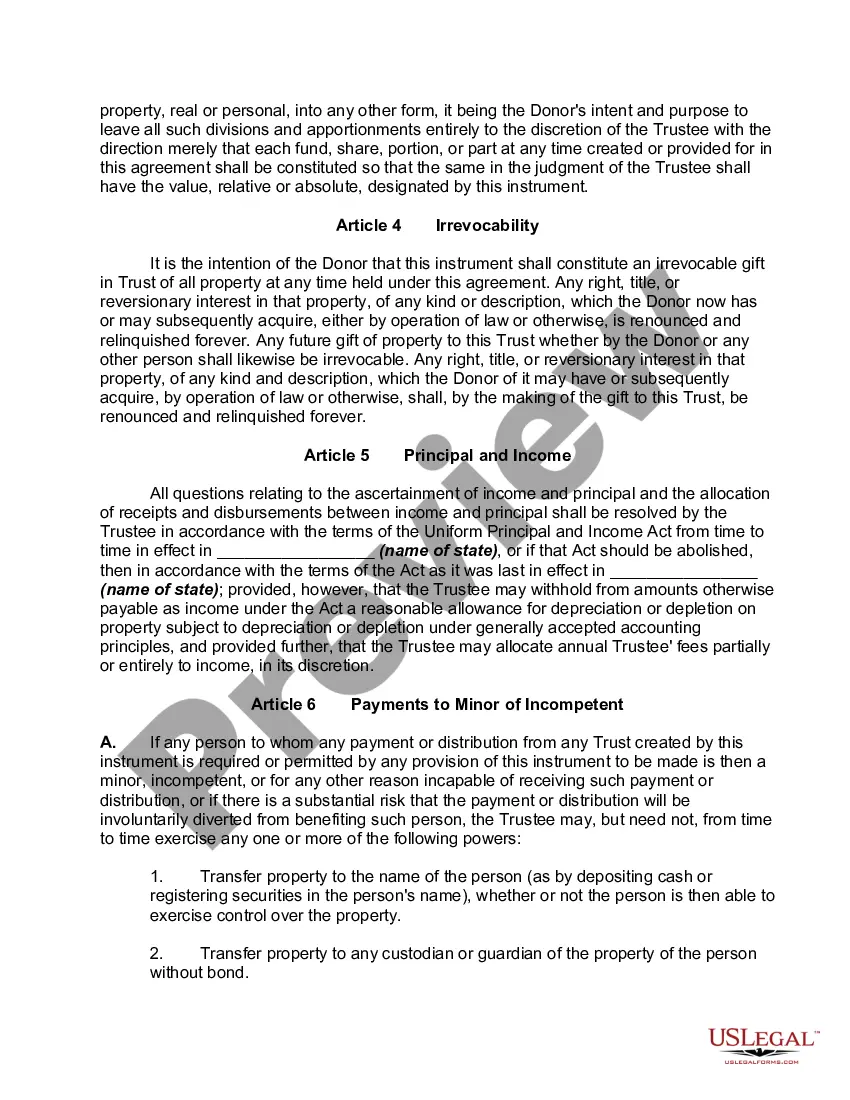
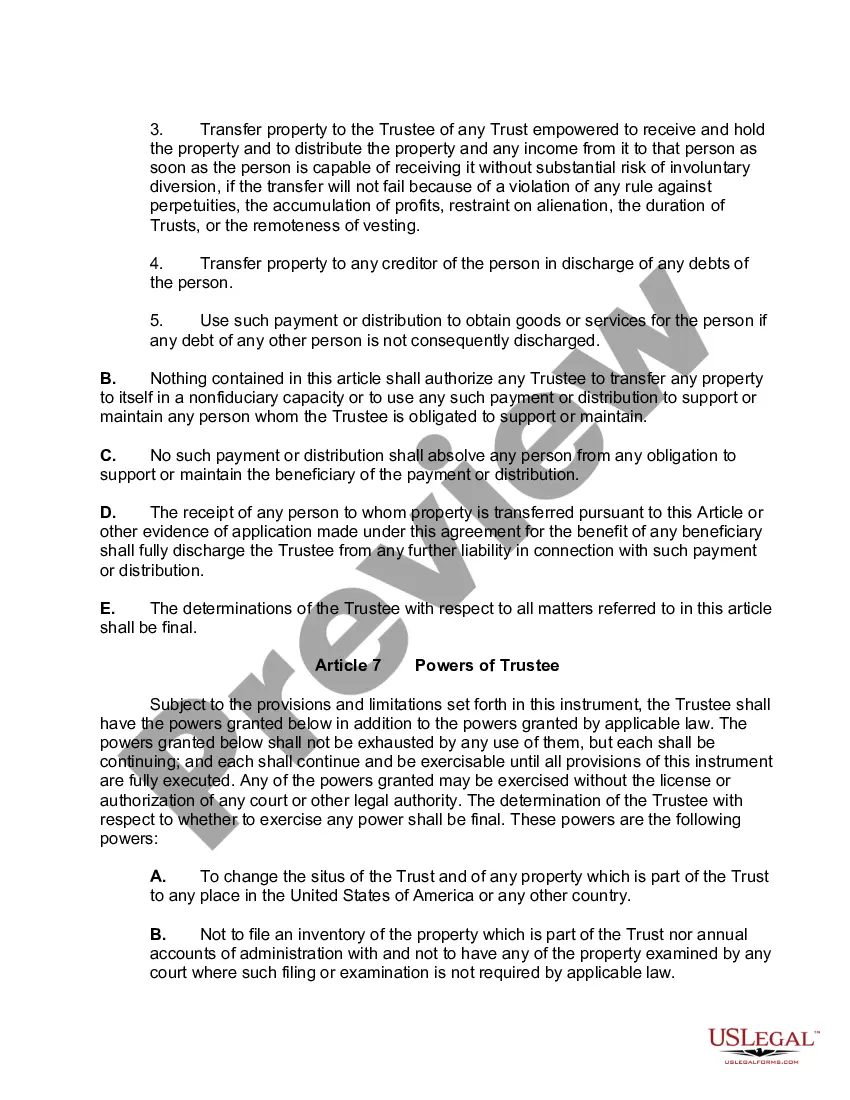
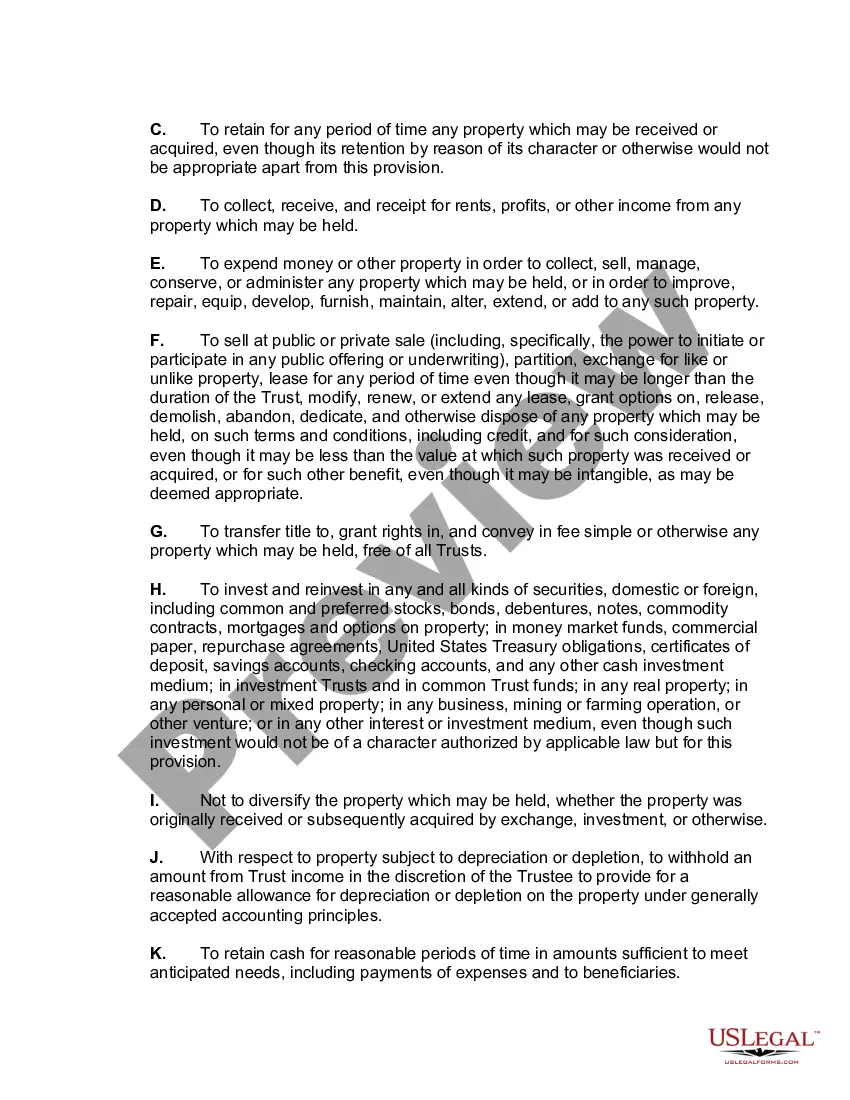
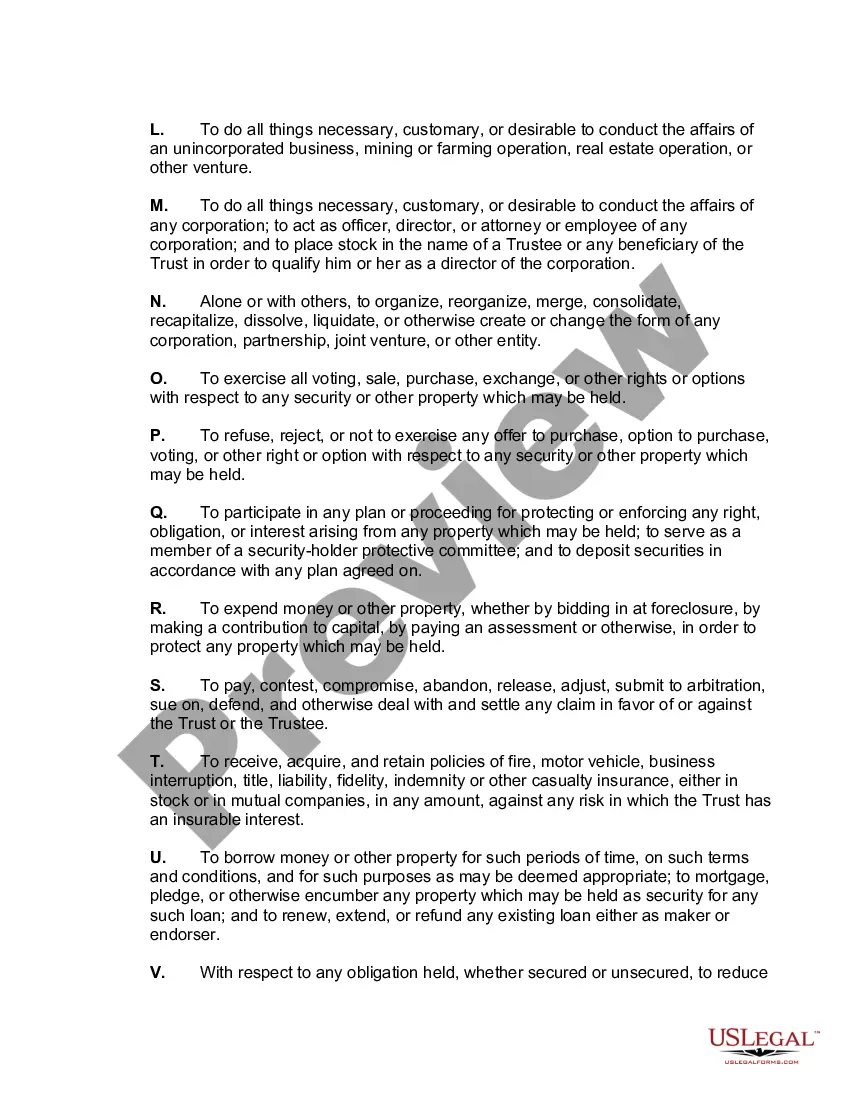
- If this is your first visit, start by reviewing the form description and Preview mode to confirm its suitability for your specific legal requirements.
- Should you need a different document, utilize the Search tab to locate an alternative that aligns with your needs.
- When you're ready, click the Buy Now button and select your preferred subscription plan. You'll need to create an account for full access.
- Complete your purchase by entering your credit card information or using a PayPal account for payment.
- Finally, download your selected form and save it on your device. You can also access it anytime from the My Forms section of your profile.
Utilizing US Legal Forms not only simplifies the process of acquiring necessary documentation but also ensures that the forms are comprehensively filled and legally sound.
Start your journey towards easier legal solutions today with US Legal Forms!
Form popularity
FAQ
QTIP property is typically included in the estate of the surviving spouse if they receive the benefits of the trust. This inclusion may have tax implications that the surviving spouse should consider. Understanding these elements is a vital step for QTIP principal donors, particularly in situations involving disabilities. Legal resources like US Legal Forms can enhance your understanding and preparation for these situations.
Yes, a marital trust can be considered part of the surviving spouse's estate in specific situations. This designation usually depends on how the trust is structured and the rights of the surviving spouse within it. It's critical for QTIP principal donors to understand these details when planning for post-death scenarios involving spouses with disabilities. You might find useful resources through US Legal Forms to navigate these challenges.
A marital trust may be included in the surviving spouse's estate, depending on several factors. If the surviving spouse has control over the trust or benefits significantly from it, the IRS may see it as part of their estate. Being informed about how this works is crucial for QTIP principal donors, especially in cases involving disabilities that may complicate estate planning. Legal help from services like US Legal Forms can clarify these complexities.
Yes, terminable interest can qualify for a marital deduction under certain circumstances. This typically applies to interests that can end upon the death of the spouse. Understanding the nuances of this deduction is essential for those managing QTIP principal distributions following a spouse's death with disabilities. Consulting with legal experts can provide further clarity in your specific situation.
One significant mistake parents often make when establishing a trust fund is failing to communicate their intentions clearly. If the beneficiaries do not understand the purpose and the terms of the trust, it can lead to confusion and disputes. Moreover, overlooking potential tax implications can diminish the trust's effectiveness. Utilizing platforms like US Legal Forms can help ensure clarity and compliance.
While QTIP trusts offer benefits, there are some downsides to consider. They can result in high administrative costs, and the trust may become subject to estate tax upon the death of the surviving spouse. Additionally, limitations exist on how assets can be distributed, which might not suit every family's needs. Evaluating these factors can be vital for effective estate planning for QTIP principal donors dealing with disabilities.
Yes, marital trust assets typically receive a step-up in basis upon the death of the spouse. This means that the assets' value will be adjusted to their market value at the time of death, which can help reduce capital gains taxes for the surviving spouse. It's an important aspect of planning for QTIP principal donors and their heirs. You might want to explore legal resources, like US Legal Forms, for personalized guidance.
When a spouse passes away, the QTIP trust becomes irrevocable. The trust's principal will usually transfer to the surviving spouse if the terms allow it. This means the surviving spouse can receive income generated by the trust. Understanding these transitions is crucial for anyone concerned about QTIP principal and how it aligns with estate planning following a spouse's death with disabilities.
Schedule G of Form 706 includes information about the QTIP property that qualifies for the marital deduction. You will detail the value of the trust assets that benefit the surviving spouse, particularly after a spouse's death with disabilities. Accurate completion of this schedule ensures the estate tax implications are clearly understood and managed.
Deductions from the adjusted gross estate may include funeral expenses, debts owed by the deceased, and bequests to a surviving spouse. For QTIP principal donors, recognizing these deductions is crucial as they can minimize the taxable estate left after a spouse's death with disabilities. Utilizing these deductions wisely can lead to significant tax savings.