Inter Vivos Form With Example
Description
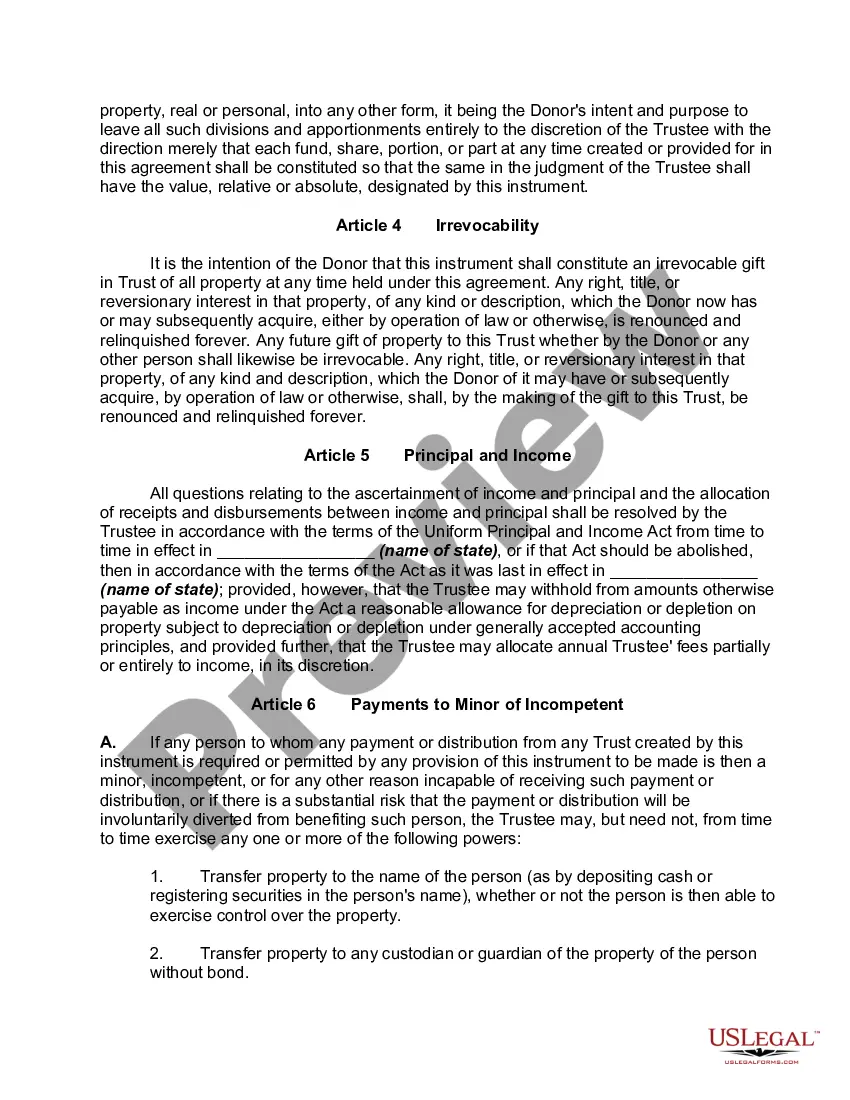
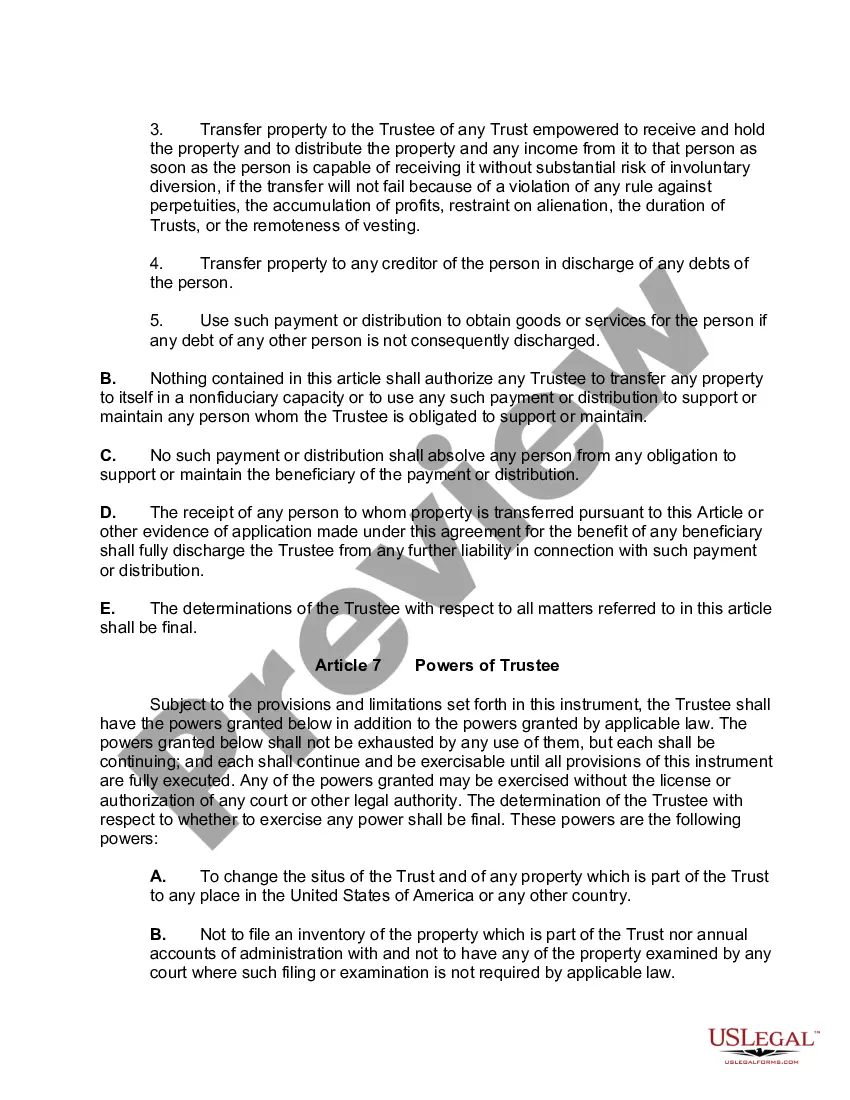
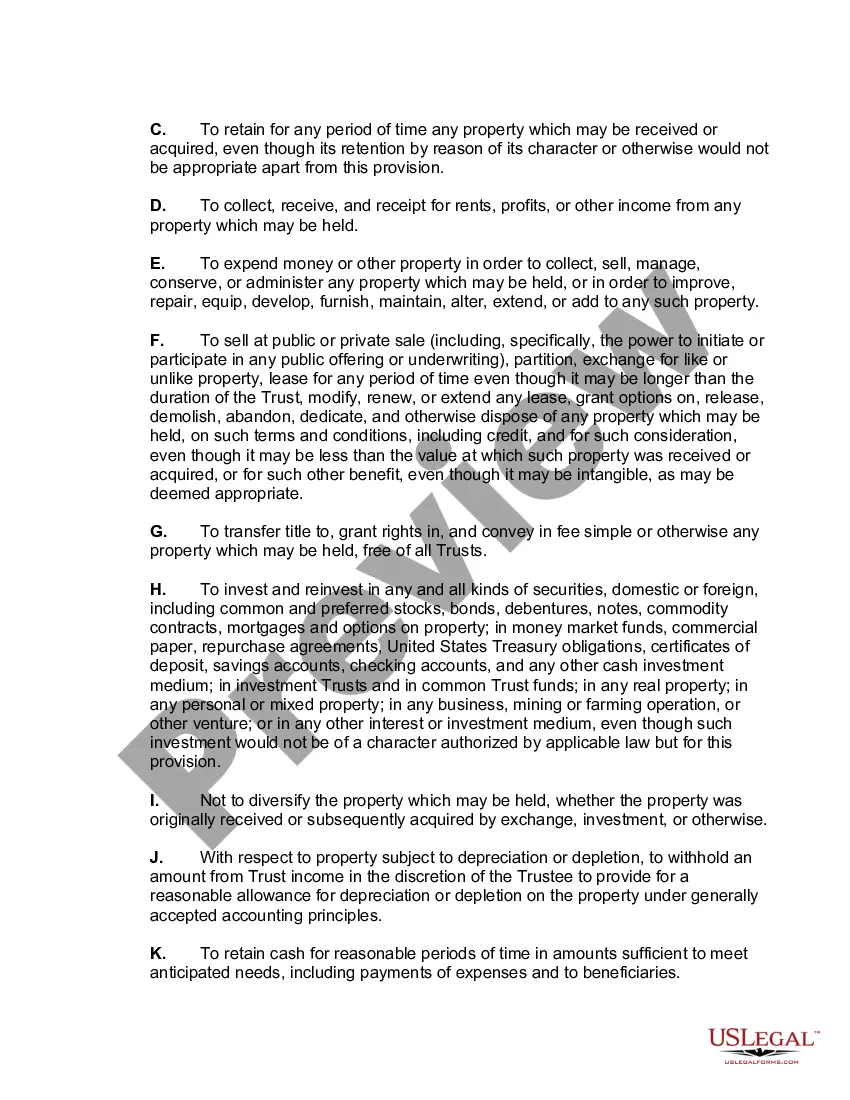
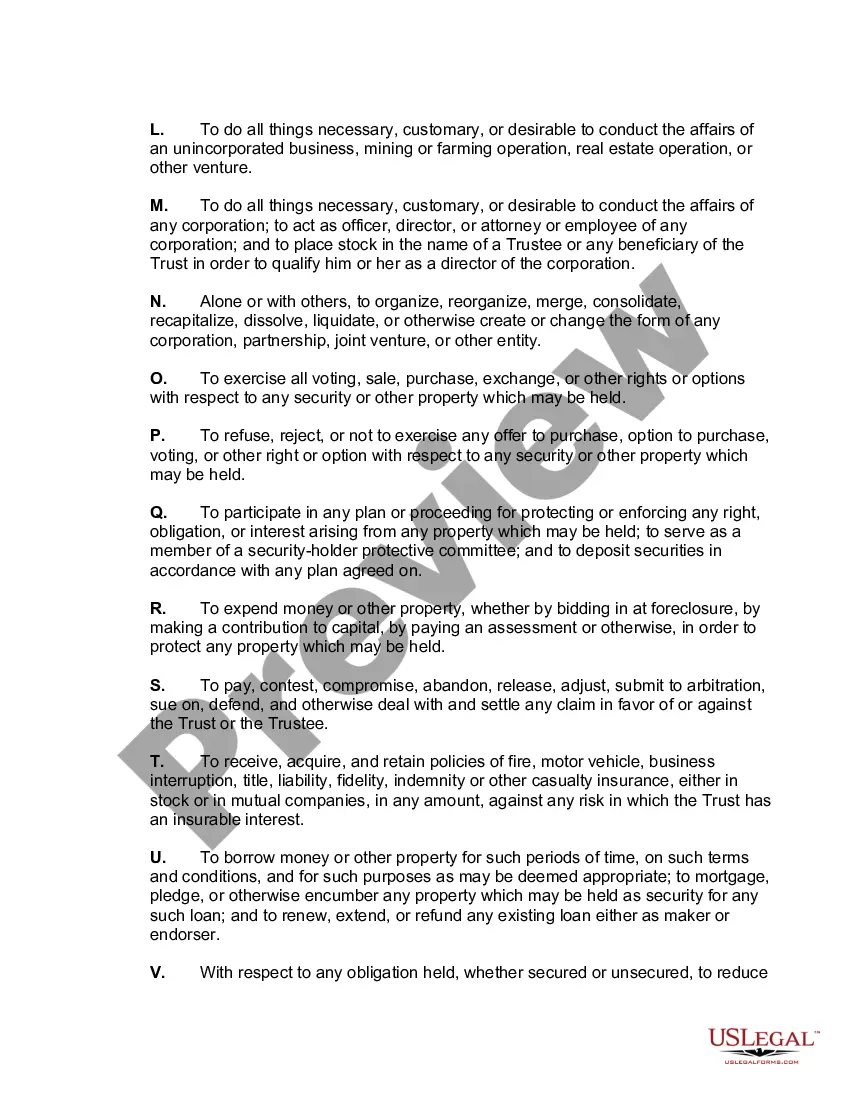
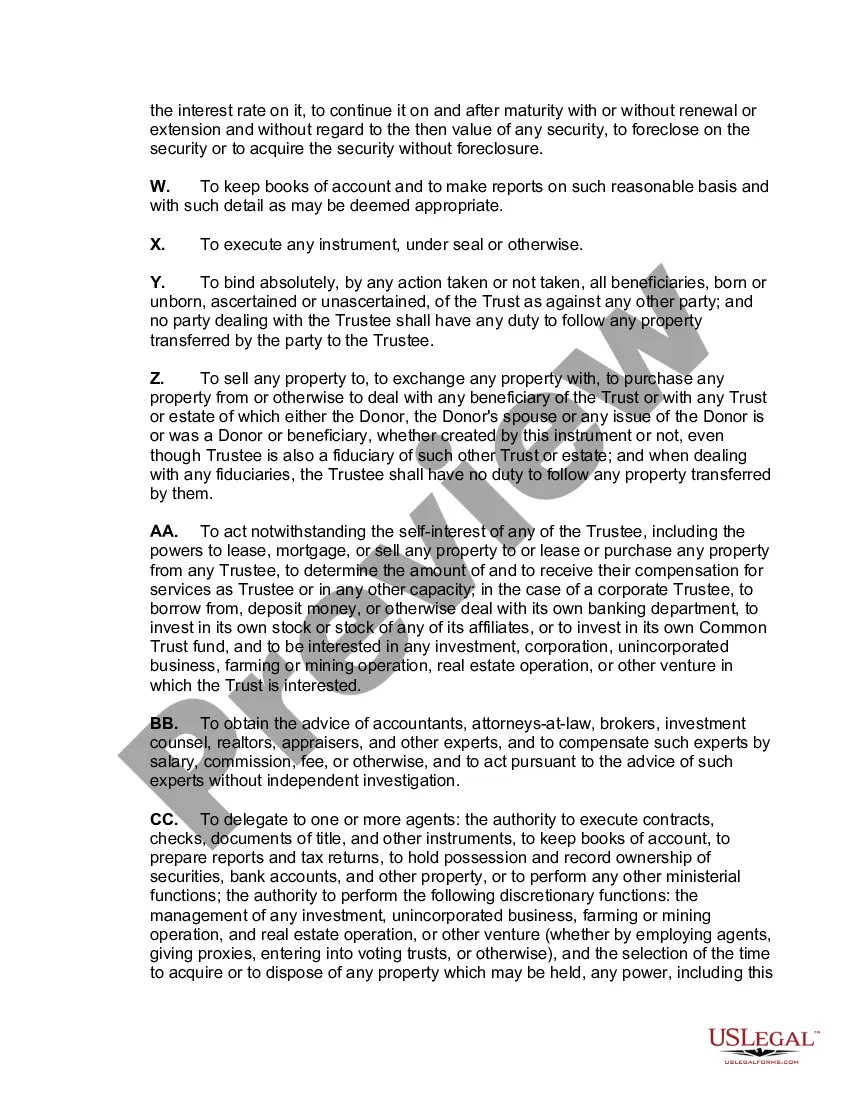
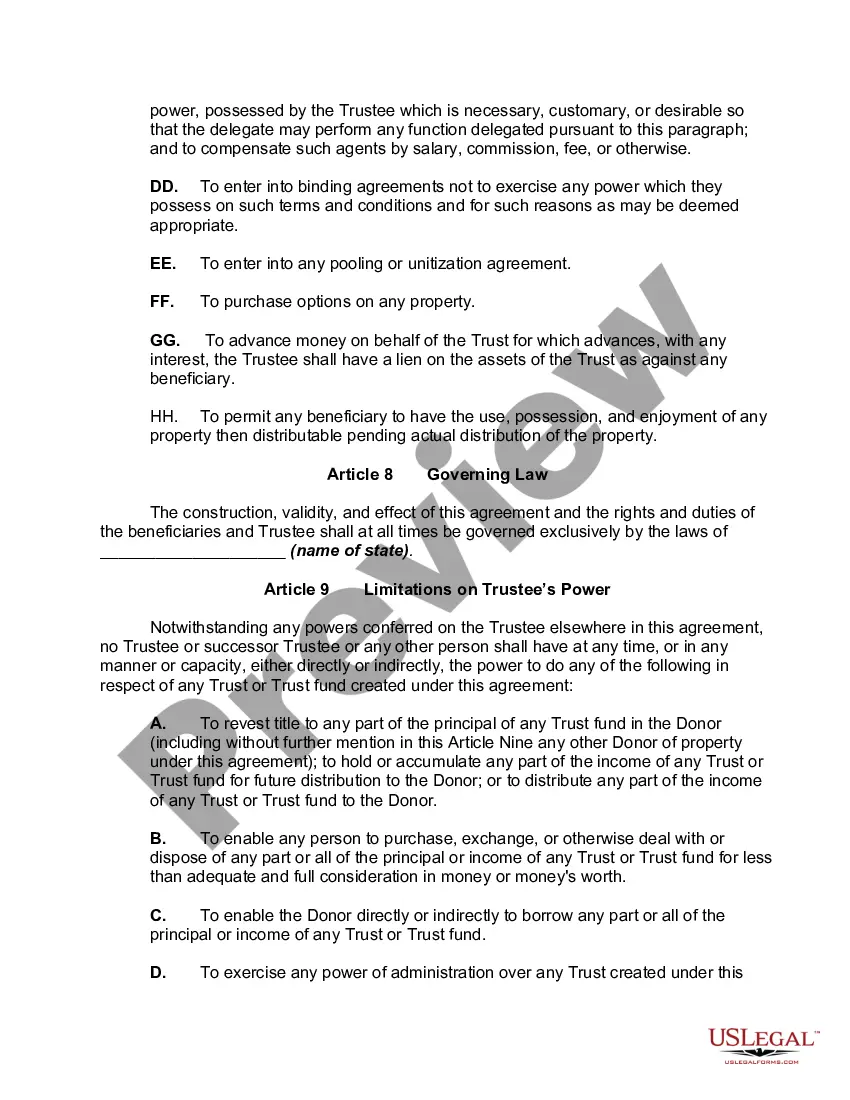

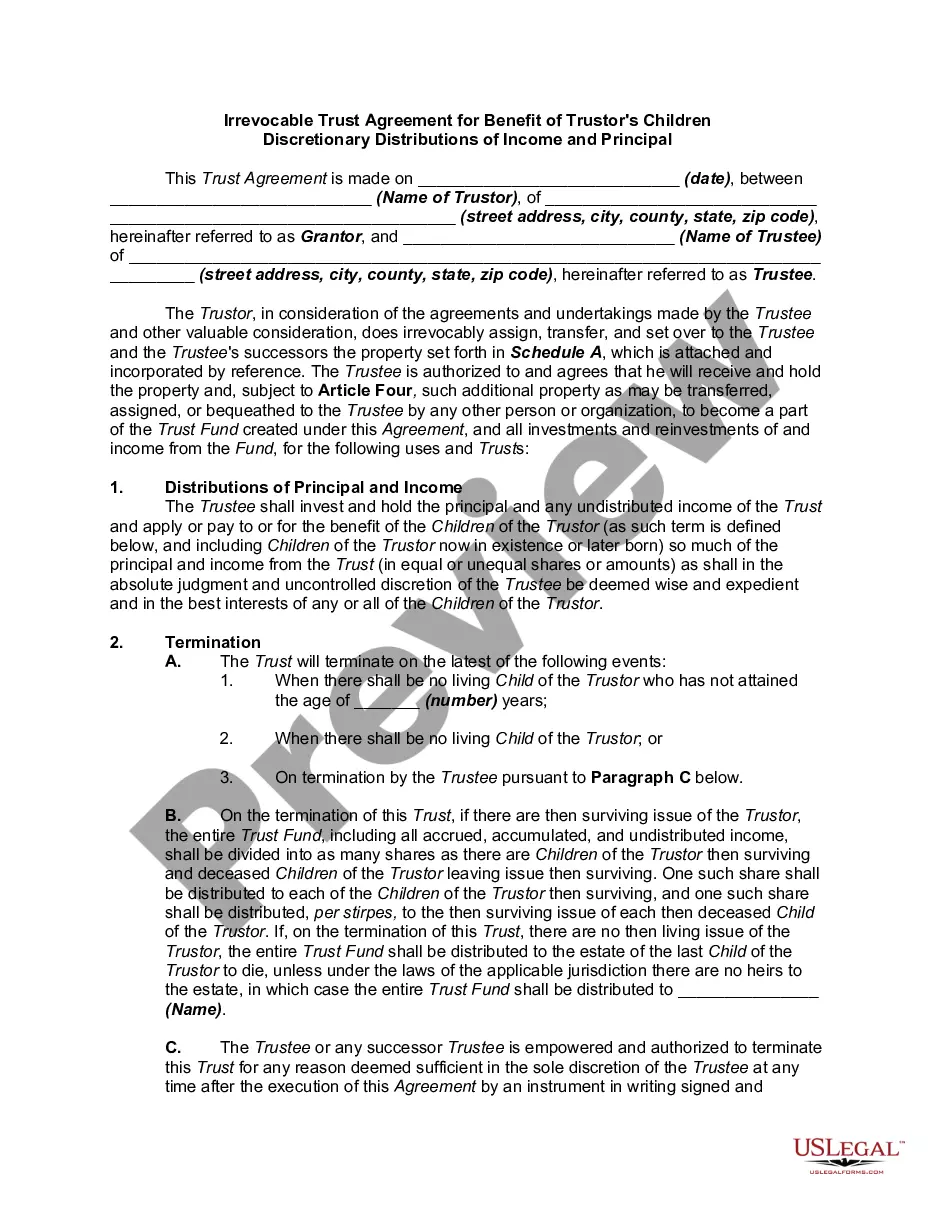
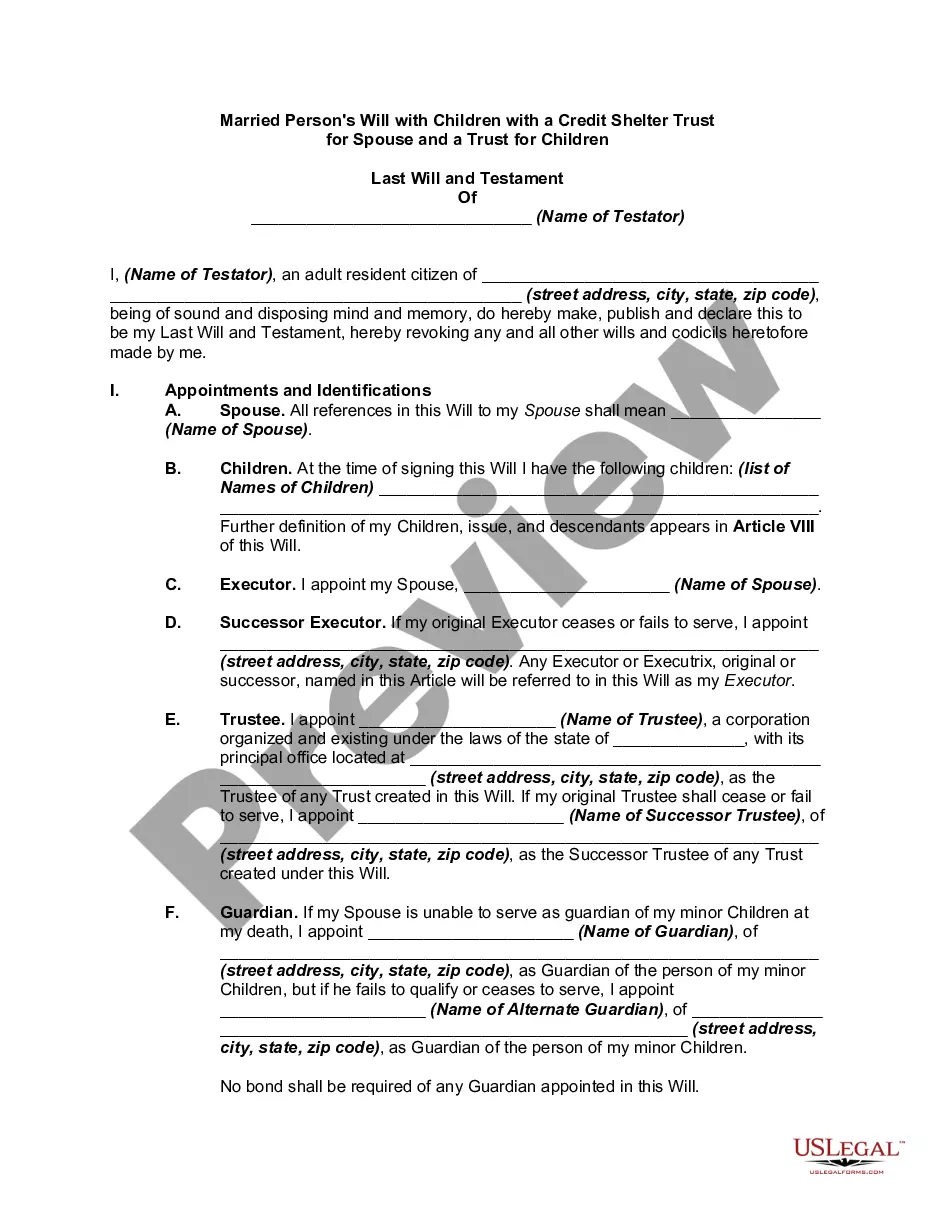
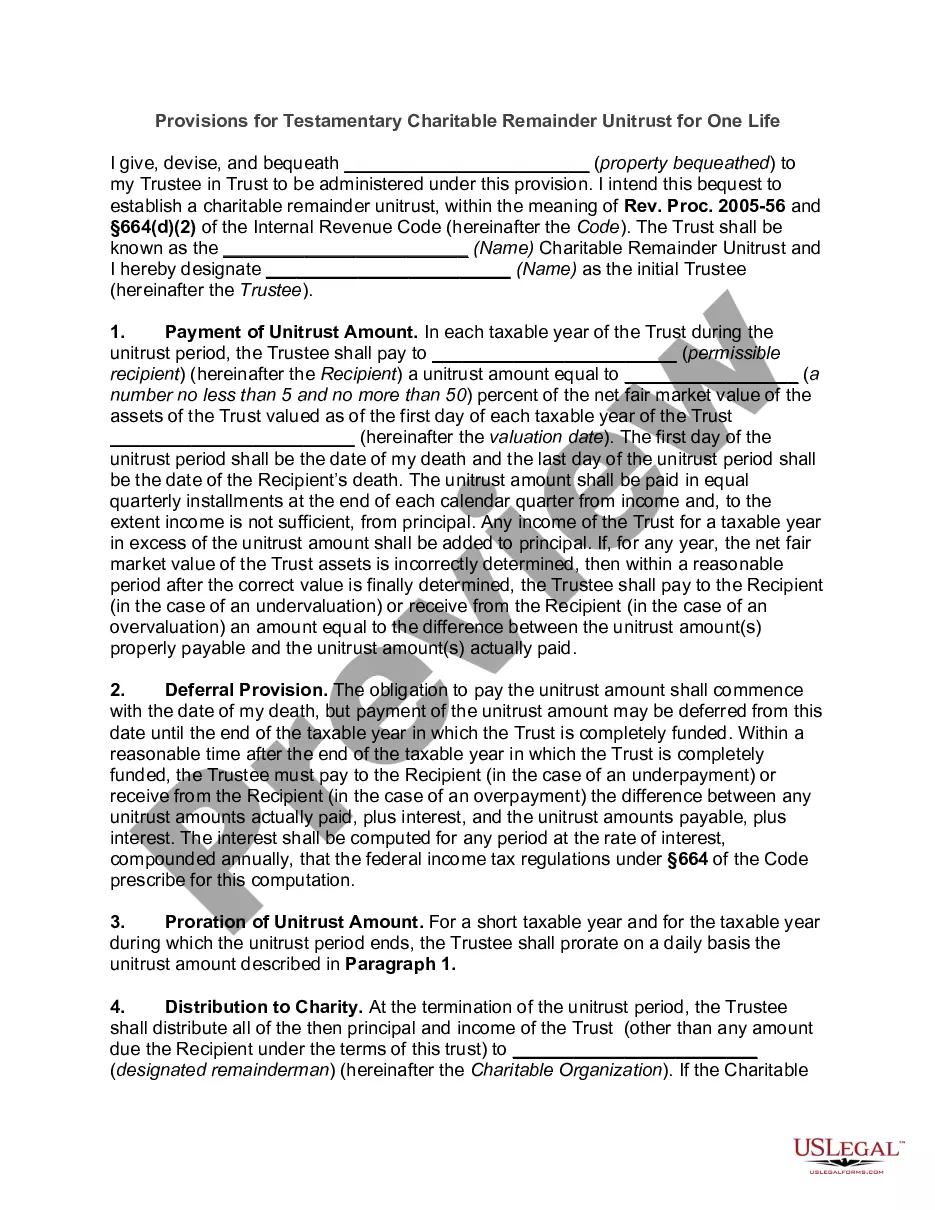
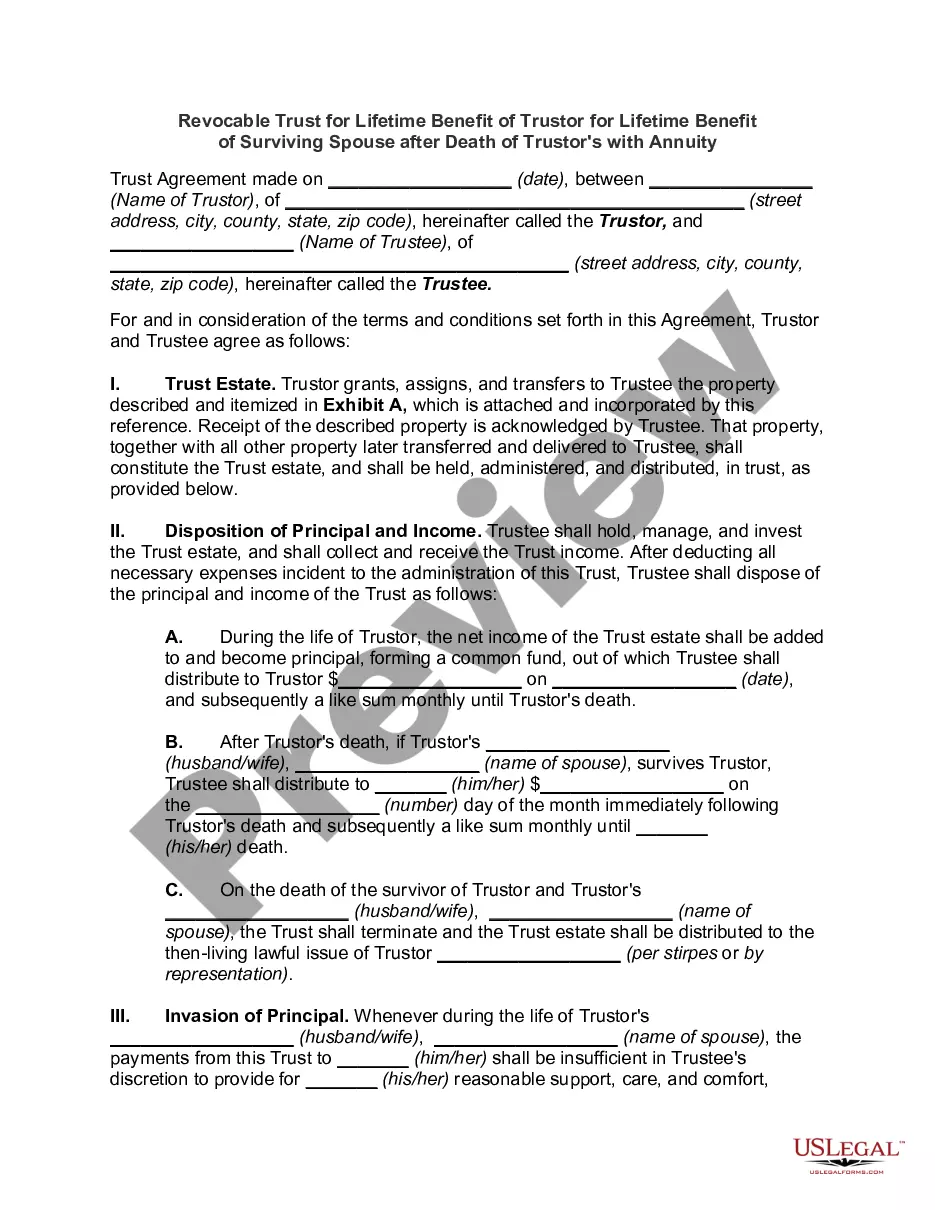
Get your form ready online
Our built-in tools help you complete, sign, share, and store your documents in one place.
Make edits, fill in missing information, and update formatting in US Legal Forms—just like you would in MS Word.
Download a copy, print it, send it by email, or mail it via USPS—whatever works best for your next step.
Sign and collect signatures with our SignNow integration. Send to multiple recipients, set reminders, and more. Go Premium to unlock E-Sign.
If this form requires notarization, complete it online through a secure video call—no need to meet a notary in person or wait for an appointment.
We protect your documents and personal data by following strict security and privacy standards.

Make edits, fill in missing information, and update formatting in US Legal Forms—just like you would in MS Word.

Download a copy, print it, send it by email, or mail it via USPS—whatever works best for your next step.

Sign and collect signatures with our SignNow integration. Send to multiple recipients, set reminders, and more. Go Premium to unlock E-Sign.

If this form requires notarization, complete it online through a secure video call—no need to meet a notary in person or wait for an appointment.

We protect your documents and personal data by following strict security and privacy standards.
Looking for another form?
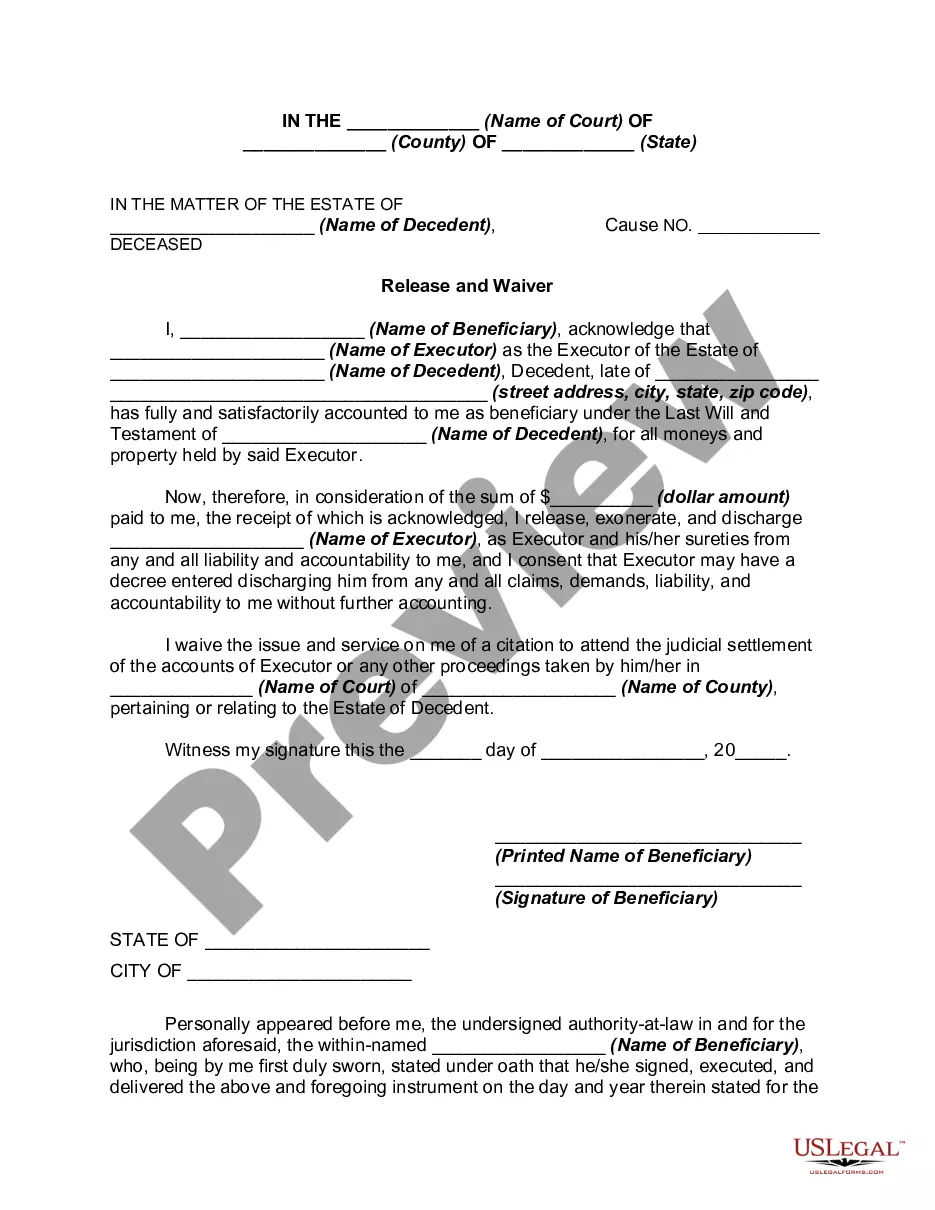
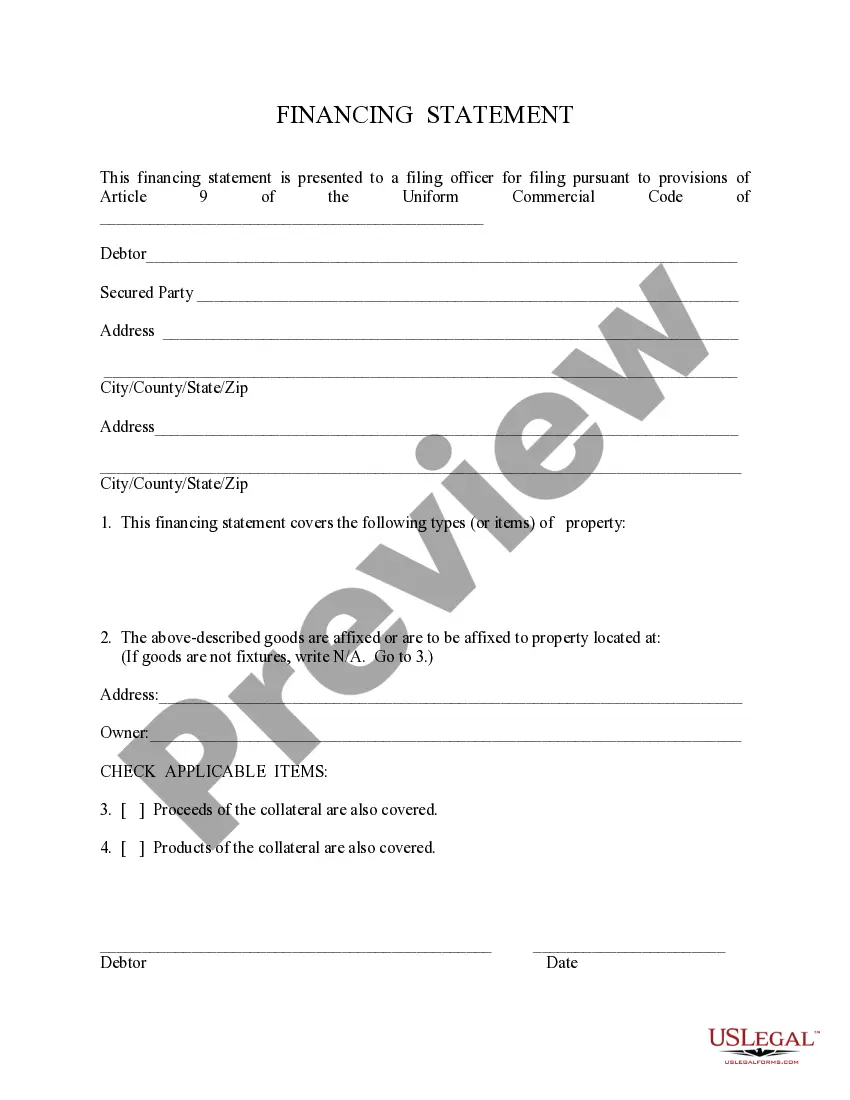
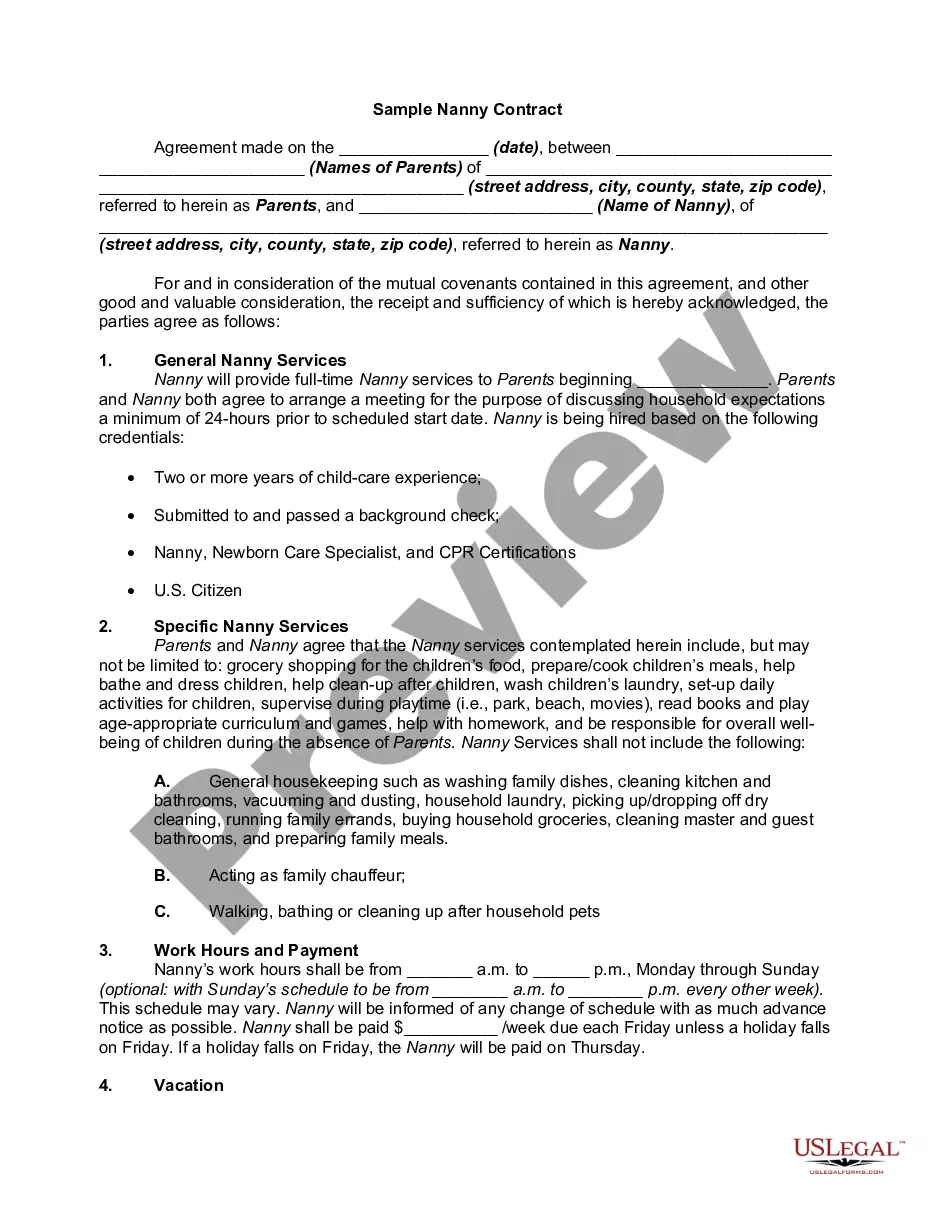


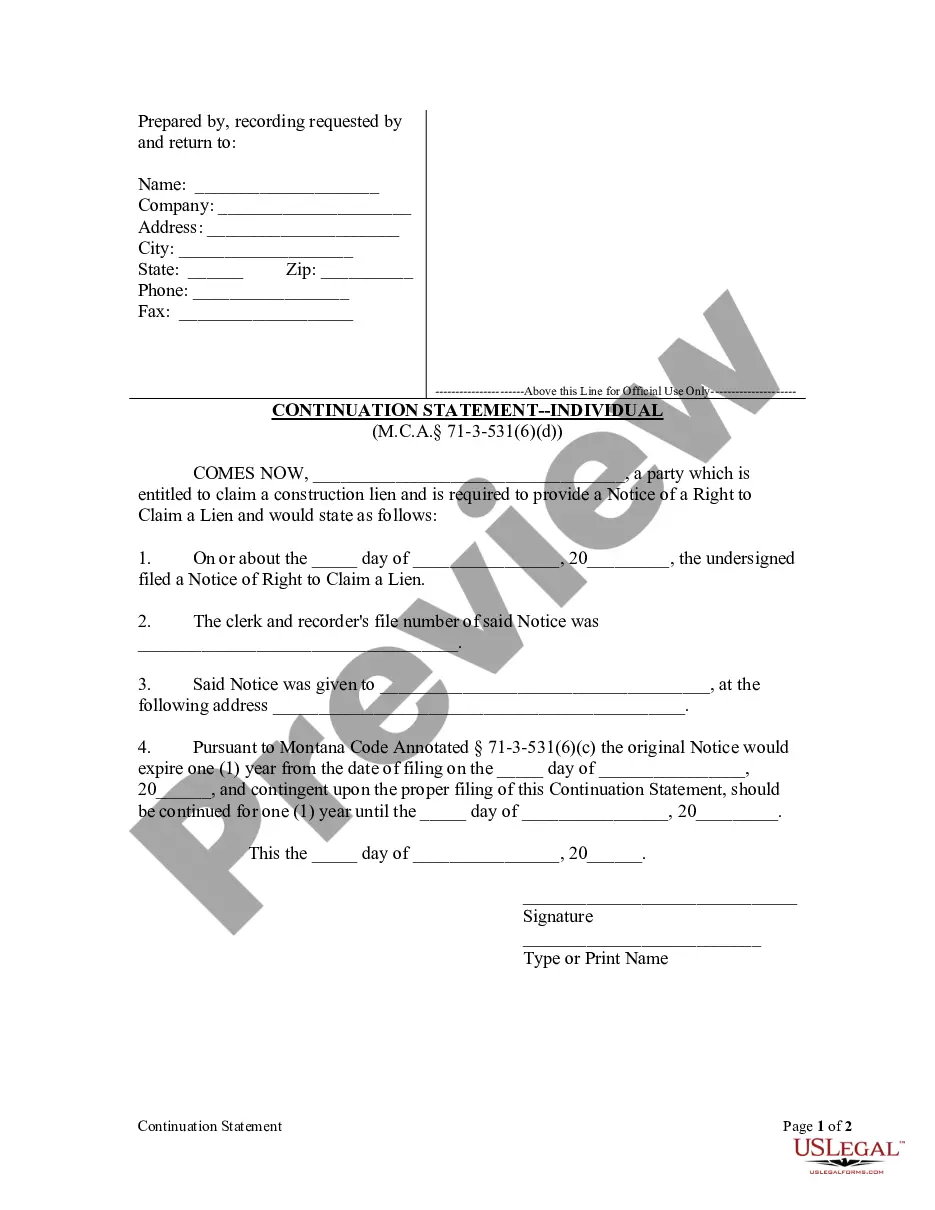

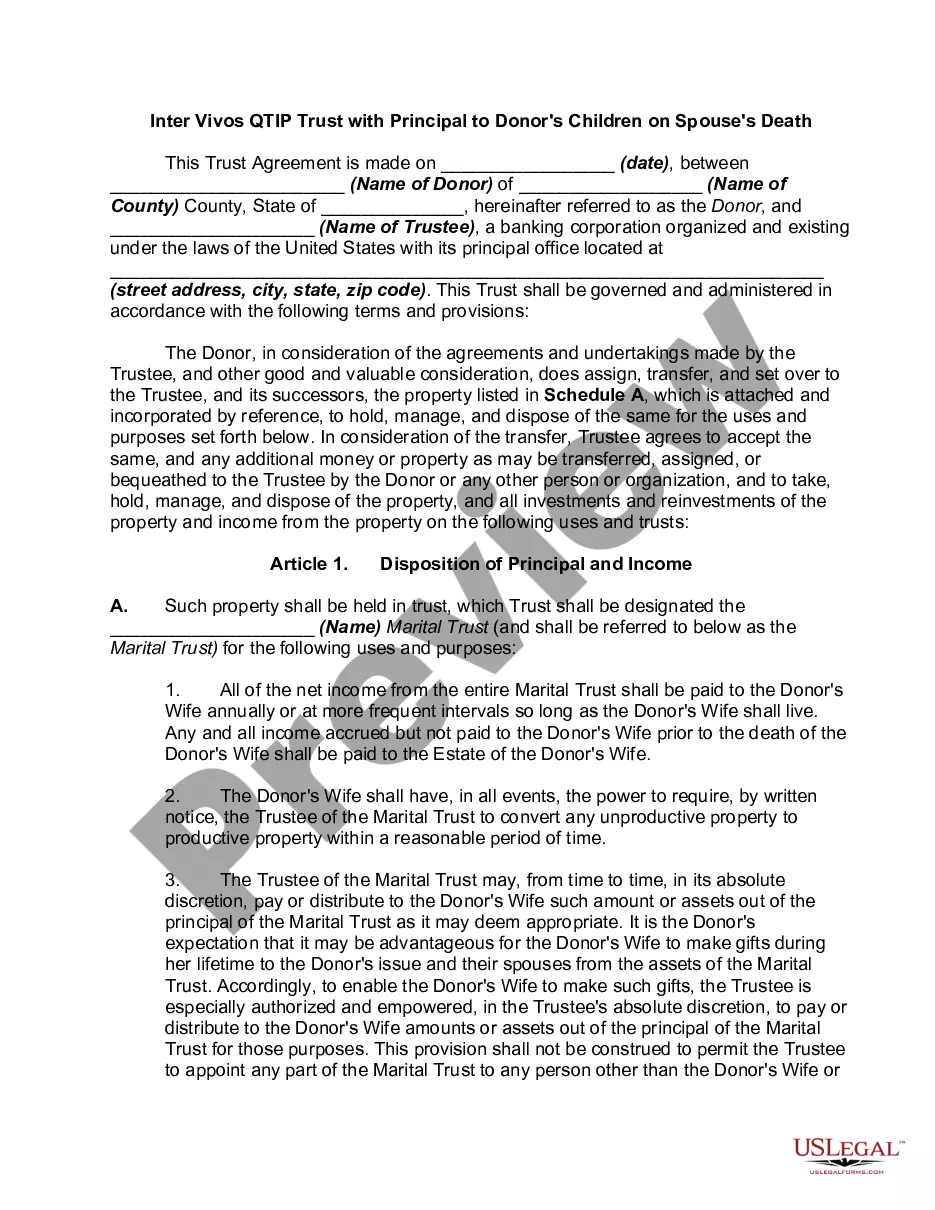
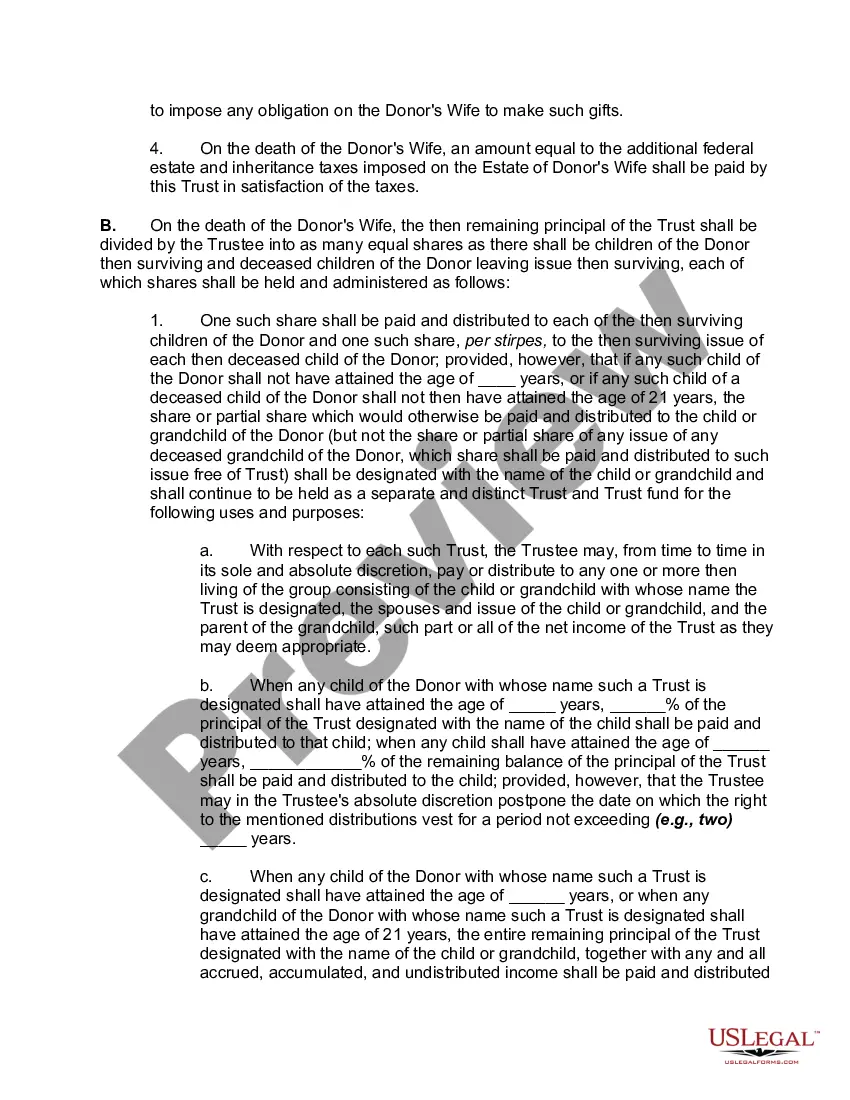
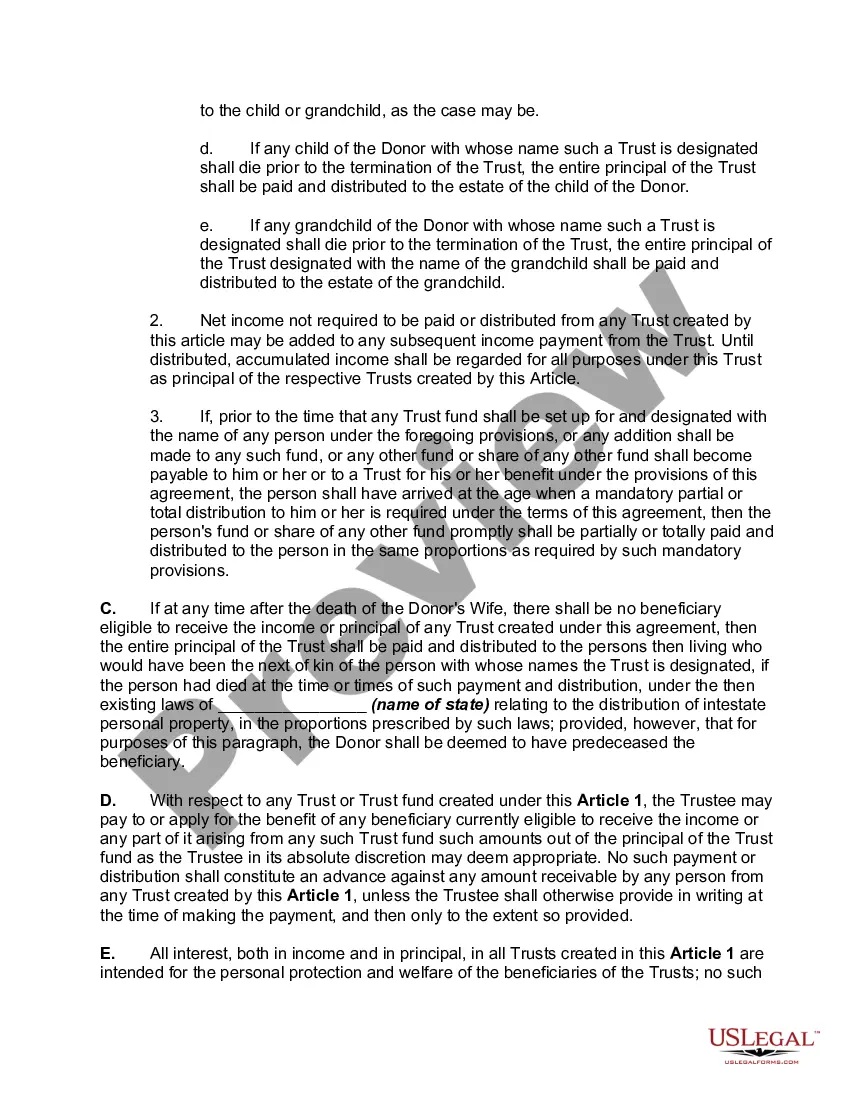
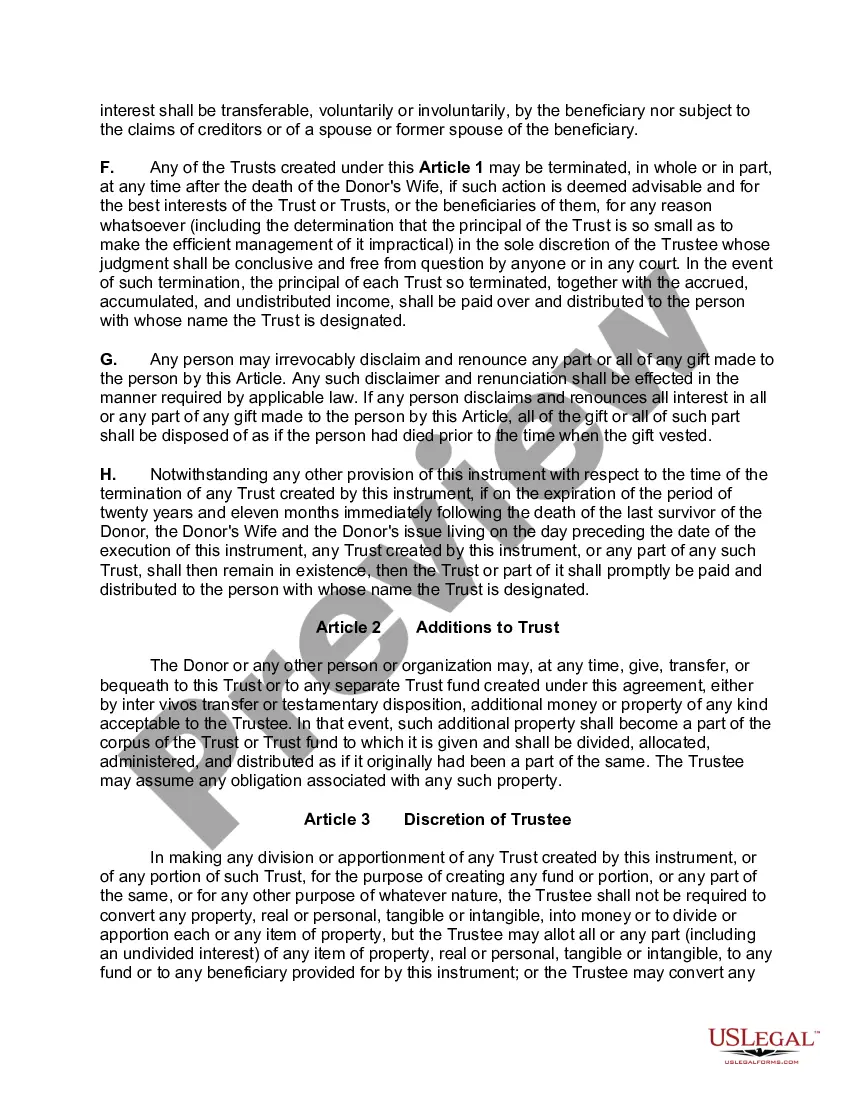
How to fill out Inter Vivos QTIP Trust With Principal To Donor's Children On Spouse's Death?
The Inter Vivos Template With Example you observe on this page is a reusable legal framework crafted by professional attorneys in accordance with federal and local statutes and regulations.
For over 25 years, US Legal Forms has supplied individuals, enterprises, and legal practitioners with more than 85,000 validated, state-specific documents for any business and personal situation.
Sign up for US Legal Forms to have authenticated legal templates for all of life’s situations readily available.
- It's the fastest, most straightforward, and most reliable method to acquire the documentation you require, as the service assures the utmost level of data security and anti-malware safeguarding.
- Obtaining this Inter Vivos Template With Example will require only a few easy steps.
- Search for the document you require and examine it. Browse through the file you sought and preview it or read the form description to confirm it meets your needs. If it doesn’t, utilize the search tool to locate the suitable one. Click Buy Now once you have found the template you need.
- Create an account and Log In. Choose the pricing option that fits you and set up an account. Use PayPal or a credit card to make a swift payment. If you already possess an account, Log In and review your subscription to continue.
- Obtain the fillable template. Select the format you desire for your Inter Vivos Template With Example (PDF, DOCX, RTF) and save the sample on your device.
Form popularity
FAQ
What Is Gift Inter Vivos? A gift inter vivos, a gift between the living in Latin, is the legal term that refers to a transfer or gift made during the grantor's life. Inter vivos gifts, which include property related to an estate, are not subject to probate taxes since they are not part of the donor's estate at death.
Both types of gifts share three elements which must be met in order for the gift to be legally effective: donative intent (the intention of the donor to give the gift to the donee), the delivery of the gift to the donee, and the acceptance of the gift.
Some examples of inter vivos actions and items in property law include: An inter vivos transfer is a property transfer that is made during a transferor's lifetime. Living trusts are trusts created during the lifetime of a settlor and are revocable before that settlor's death (see: revocable living trusts).
The essential elements of an inter vivos gift are: (1) present donative intent (the donor's clear intent to pass title/interest to the property to the recipient); (2) delivery (a surrender of all or some dominion and control by the donor and allowing the donee to have possession, which may take different forms ...
In establishing a trust, the grantor names the trust parties, which include the grantors, typically the spouse; the beneficiaries; and the trustee. Sometimes, the spouses are named as trustees. However, a contingent trustee should be named in the event both spouses die.