Establishing Trust With Children
Description






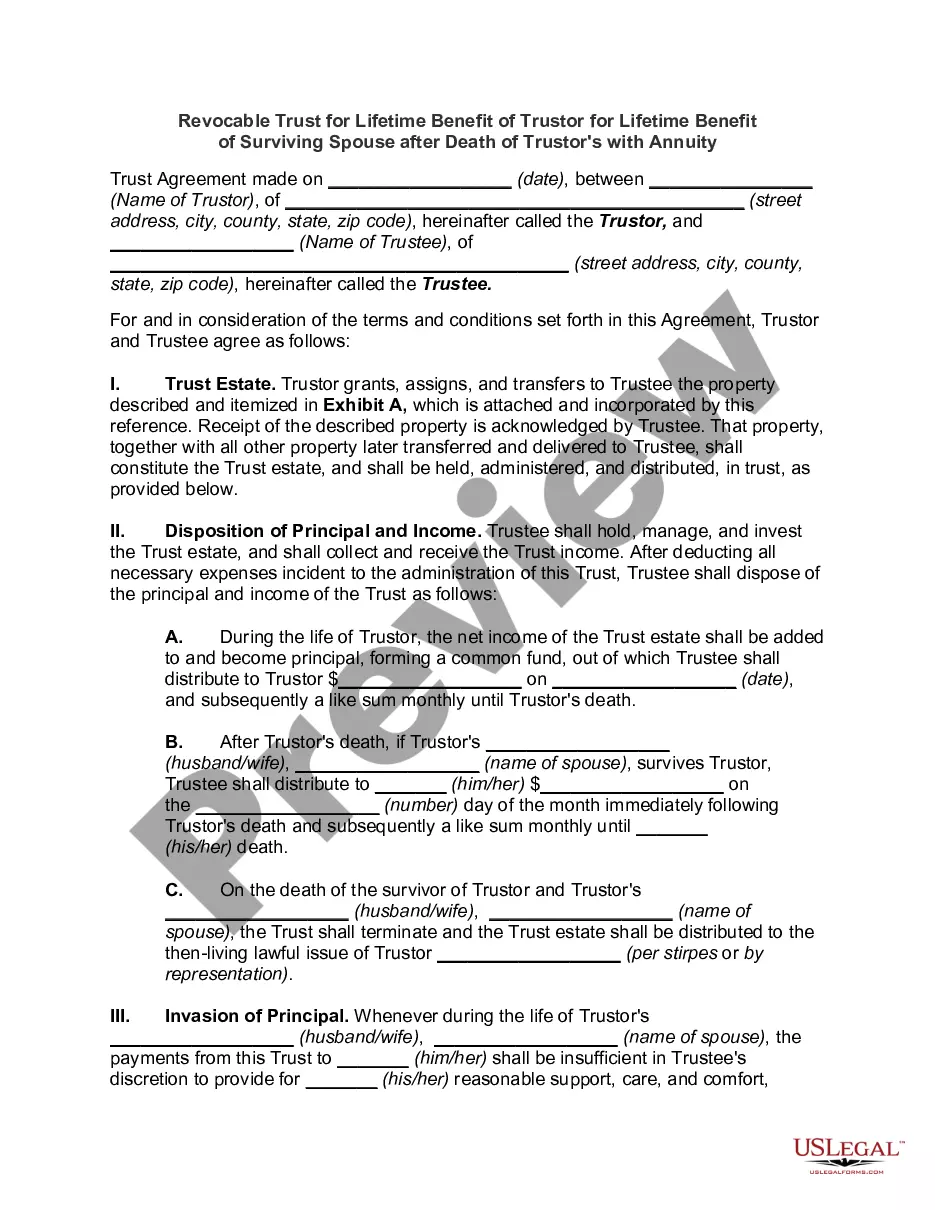
Get your form ready online
Our built-in tools help you complete, sign, share, and store your documents in one place.
Make edits, fill in missing information, and update formatting in US Legal Forms—just like you would in MS Word.
Download a copy, print it, send it by email, or mail it via USPS—whatever works best for your next step.
Sign and collect signatures with our SignNow integration. Send to multiple recipients, set reminders, and more. Go Premium to unlock E-Sign.
If this form requires notarization, complete it online through a secure video call—no need to meet a notary in person or wait for an appointment.
We protect your documents and personal data by following strict security and privacy standards.

Make edits, fill in missing information, and update formatting in US Legal Forms—just like you would in MS Word.

Download a copy, print it, send it by email, or mail it via USPS—whatever works best for your next step.

Sign and collect signatures with our SignNow integration. Send to multiple recipients, set reminders, and more. Go Premium to unlock E-Sign.

If this form requires notarization, complete it online through a secure video call—no need to meet a notary in person or wait for an appointment.

We protect your documents and personal data by following strict security and privacy standards.
Looking for another form?










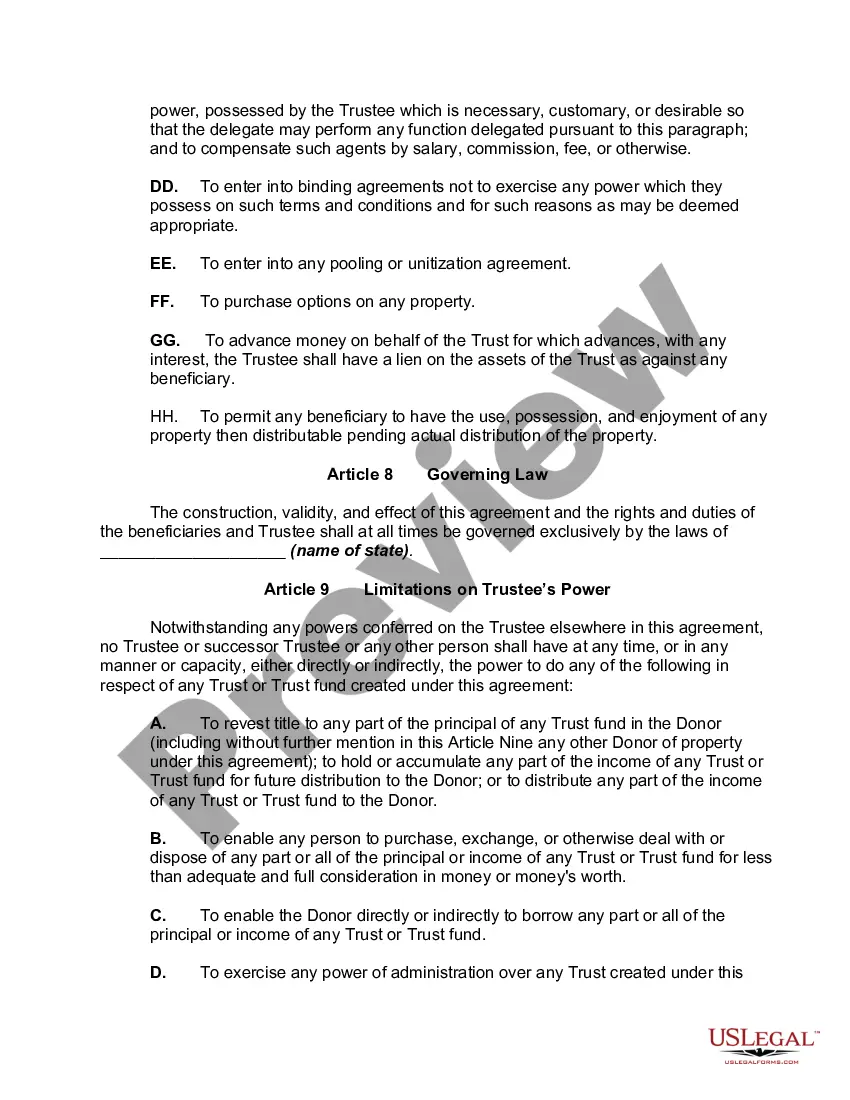
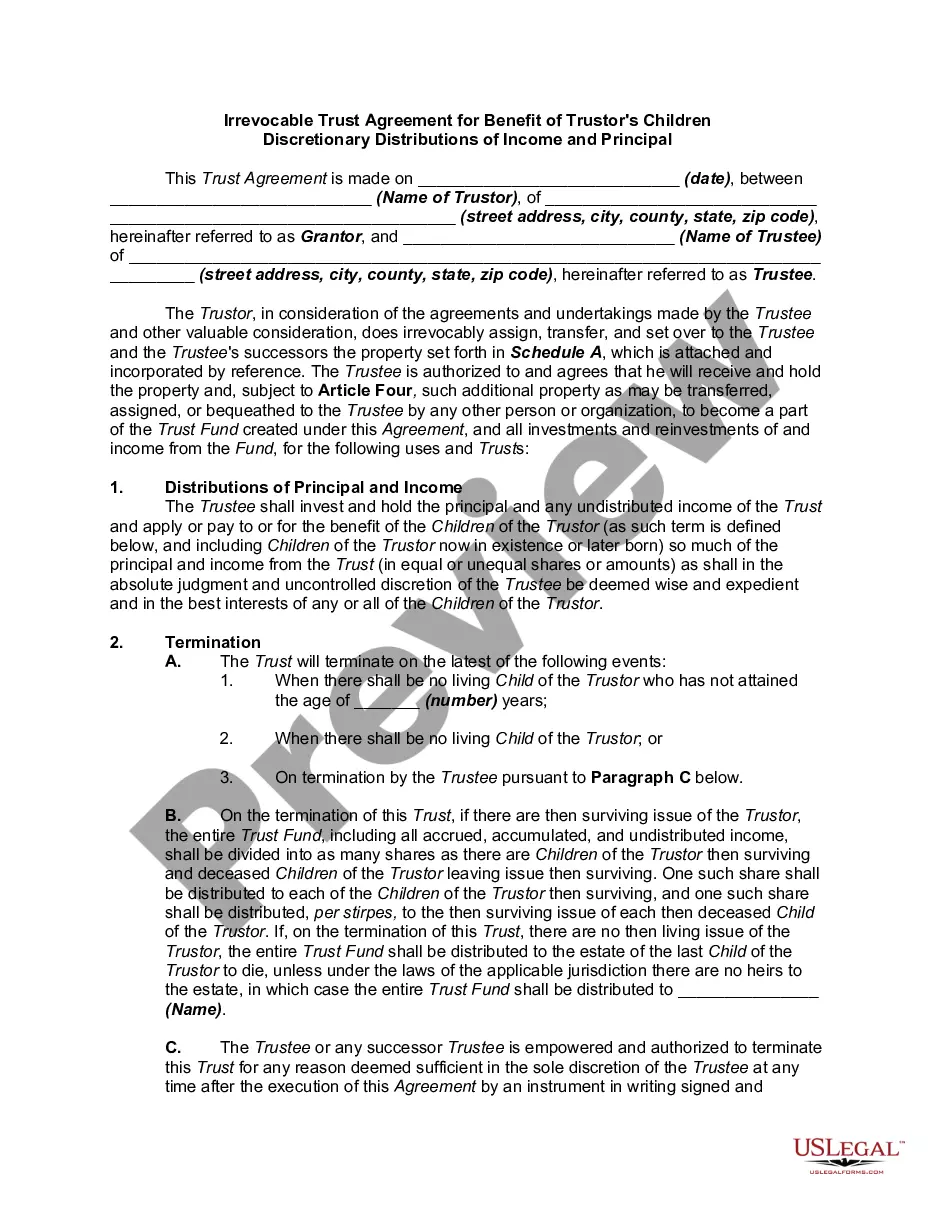
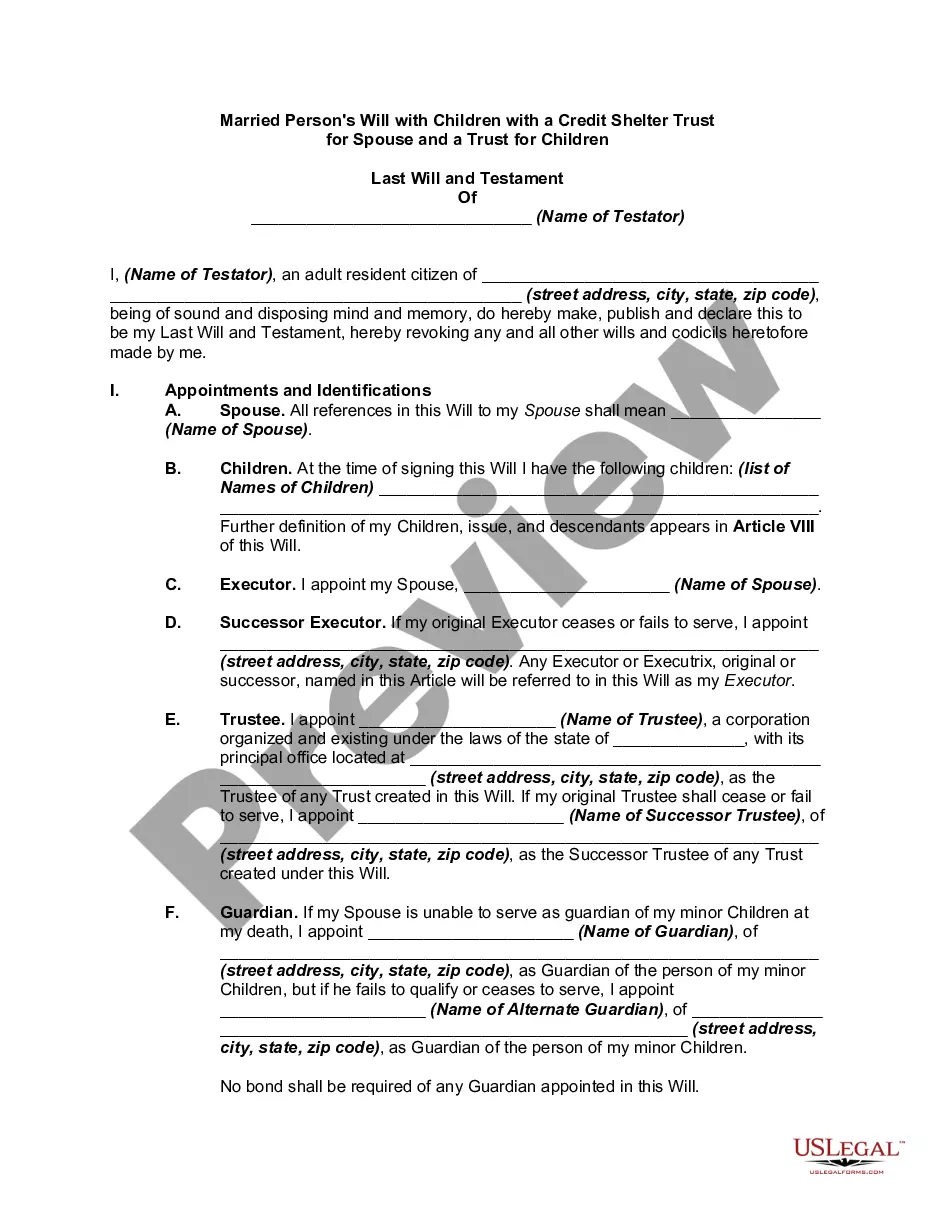
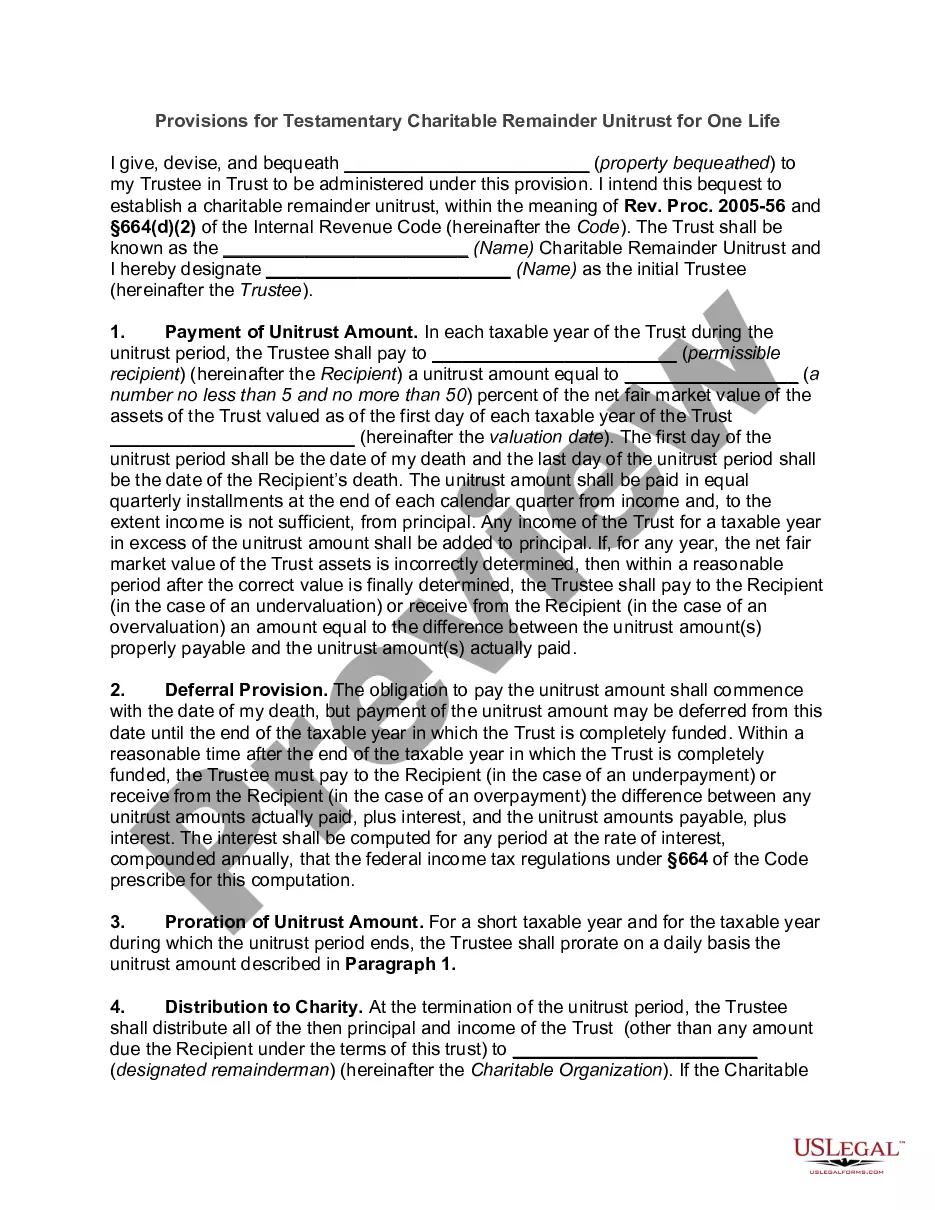
How to fill out Inter Vivos QTIP Trust With Principal To Donor's Children On Spouse's Death?
- Log in to your US Legal Forms account if you are a returning user. Make sure your subscription is active before accessing the needed forms.
- If you are new to the service, start by previewing the available templates. Verify that any form you select fits your requirements and adheres to local laws.
- Utilize the search functionality to find additional templates if necessary. Ensure it aligns perfectly with your needs before proceeding.
- Choose your document by clicking on the 'Buy Now' button. Select the subscription plan that suits you best and create an account to access the full library.
- Complete your purchase using credit card information or your PayPal account, ensuring secure payment for your subscription.
- Download your template to your device for easy access and completion. You can also find it in the 'My Forms' section of your profile whenever you need it.
US Legal Forms empowers users with a robust selection of over 85,000 fillable legal forms, setting it apart from competitors. Access to premium expert support ensures that your completed documents are accurate and legally compliant, which will enhance the trust you establish with children and their guardians.
In conclusion, by utilizing US Legal Forms, you not only streamline the process of obtaining crucial legal documents but also build trust and credibility. Take the first step today and explore the resources available to you!
Form popularity
FAQ
The major disadvantage of a trust is the potential for high initial setup and ongoing administration costs. While establishing trust with children is often beneficial, parents should be aware that legal fees, maintenance costs, and possible tax implications can add up. It is wise to evaluate whether these costs are justified by the protection and benefits the trust provides to your family and assets.
Putting your home in a trust can complicate your property ownership, which may deter some homeowners. For instance, if the trust becomes a revocable or irrevocable entity, it can restrict your ability to sell or refinance the property easily. Additionally, there may be tax implications and costs associated with transferring the title, which is essential to weigh against the benefits of establishing trust with children.
One of the biggest mistakes parents make when establishing trust with children is not clearly communicating their intentions and the details of the trust. Many assume their children will automatically understand the purpose and mechanics of the trust, but this can lead to confusion and misunderstandings. It is crucial to have open discussions about the trust's objectives so that children feel included and comprehend the benefits it offers them.
Three effective strategies to build trust are consistency, communication, and empathy. Always be consistent in your rules and responses to your child's behavior. Maintain open lines of communication, allowing them to express their thoughts and feelings. Practice empathy by understanding their experiences and validating their emotions, which is essential for establishing trust with children.
To safeguard your child from bad people, educate them about their surroundings and the importance of trust and safety. Teach them to recognize potentially dangerous situations or individuals. Encourage them to share any uncomfortable feelings with you without fear of judgment. Establishing trust with children allows them to confide in you when they face such challenges.
Protecting your child from a toxic parent requires clear communication and firm boundaries. If possible, involve a trusted mediator, such as a counselor or legal expert, to facilitate discussions. Ensure your child feels safe and supported, reminding them that they can talk to you about anything. This approach not only safeguards their well-being but also aids in establishing trust with children.
Children often seek acceptance, which can lead them to associate with peers who have negative traits. They might be drawn to bad kids due to peer pressure or a desire to fit in. It’s important to discuss their feelings and motivations openly. By understanding their perspective, you can help them navigate these relationships while establishing trust with children.
To protect your child from bad influences, maintain an active role in their social life. Monitor their friendships and provide guidance about making positive choices. Teach them to recognize signs of negative influences, and encourage them to seek your advice when in doubt. This proactive approach is key in establishing trust with children.
Building trust with your children is vital for their emotional development. Show them that you are dependable by being consistent in your actions and decisions. Spend quality time together to create a strong bond, and encourage them to express their thoughts and feelings. This approach fosters an environment where establishing trust with children becomes natural.
Establishing trust with children begins with open communication. Encourage your kids to share their feelings about their friends, and listen to their concerns. Set clear boundaries around friendships, and help them understand the traits of healthy relationships versus negative influences. Additionally, engage in activities that promote positive peer interactions.