Foreclosure Vs Tax Deed
Description
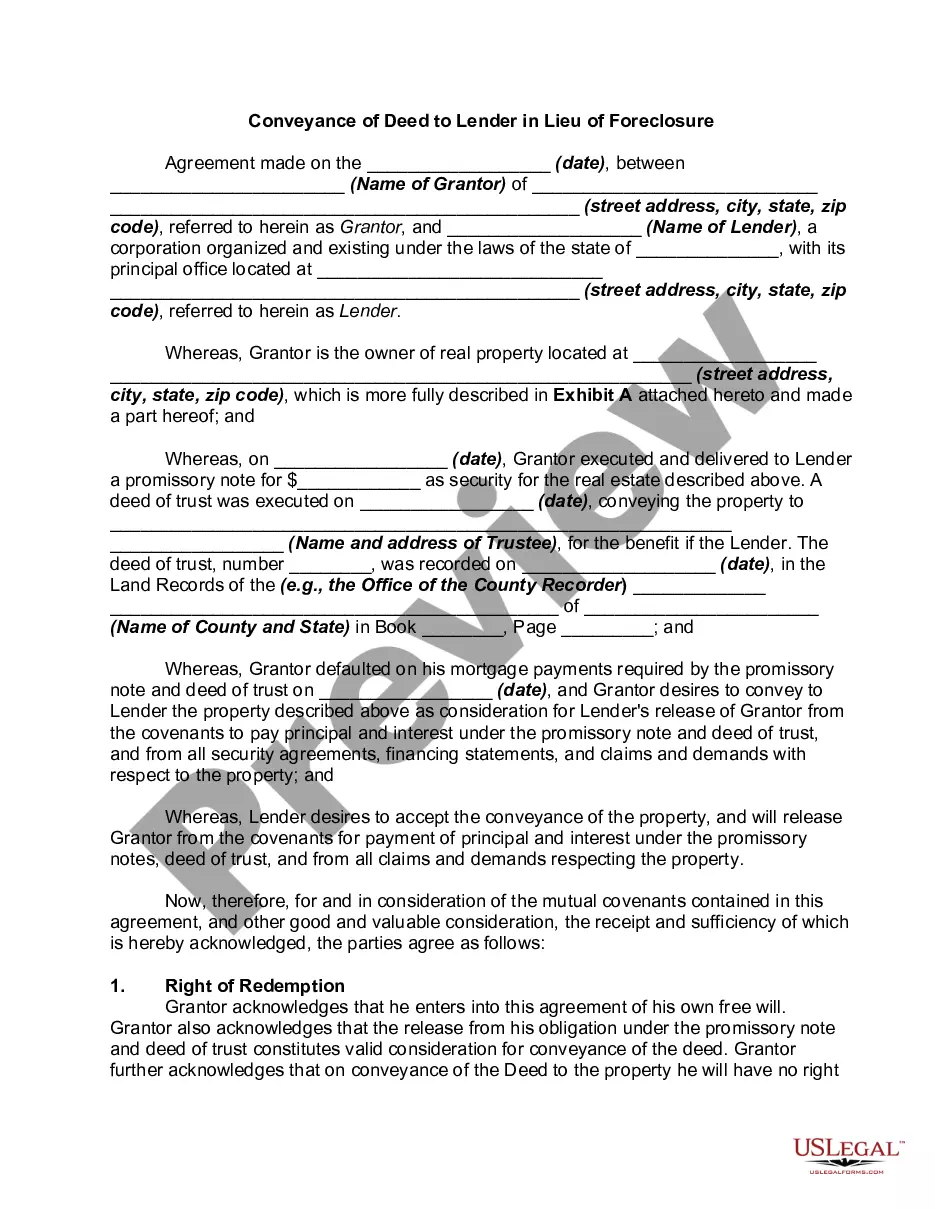
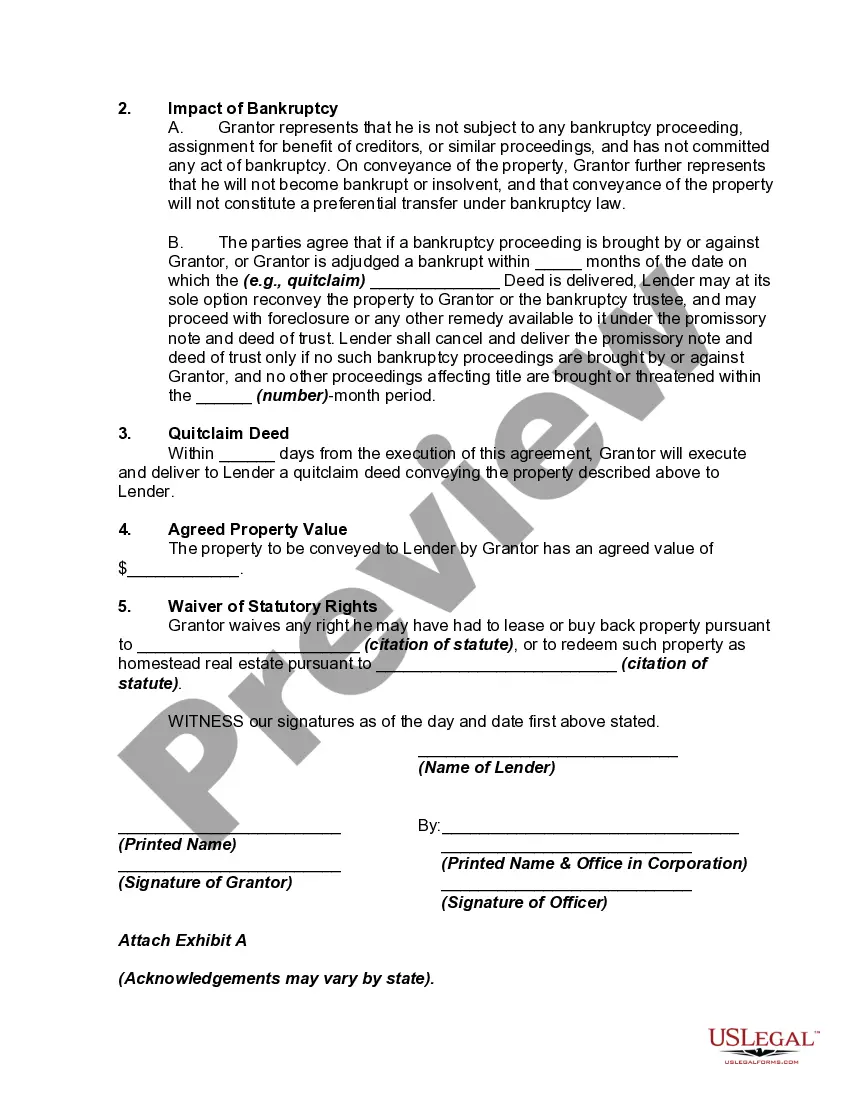
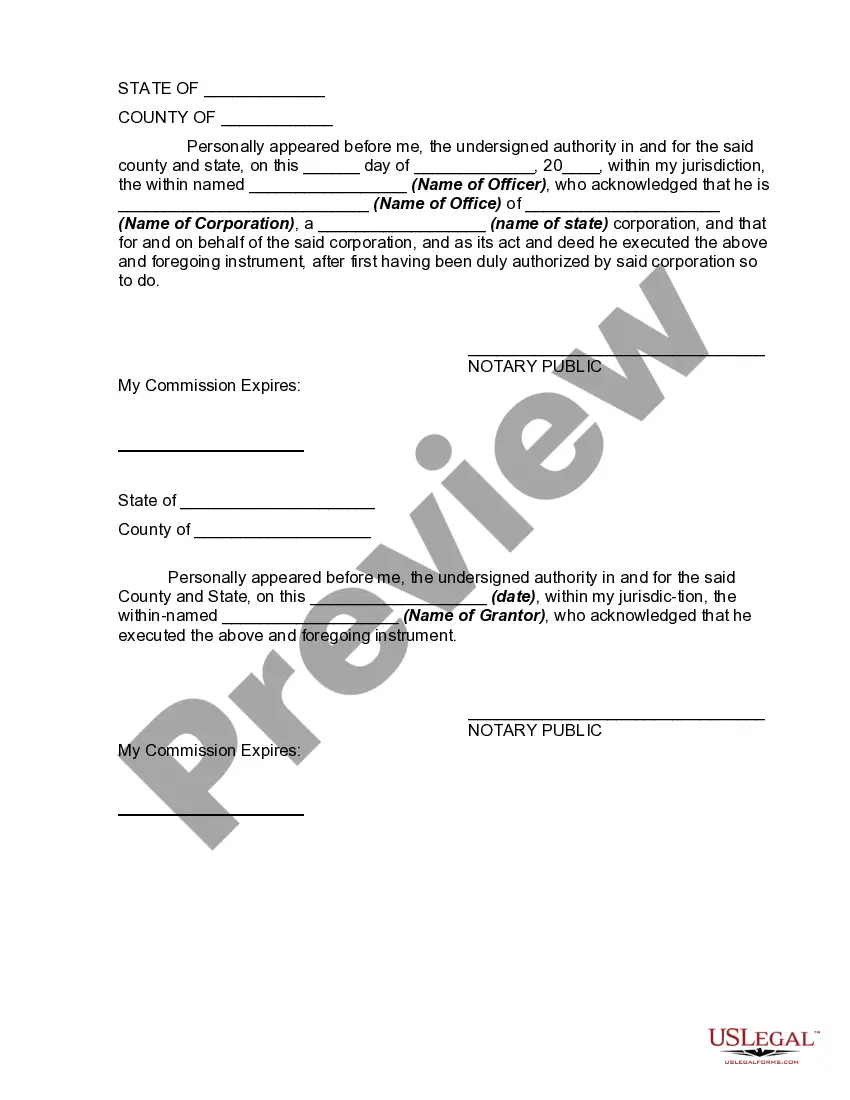
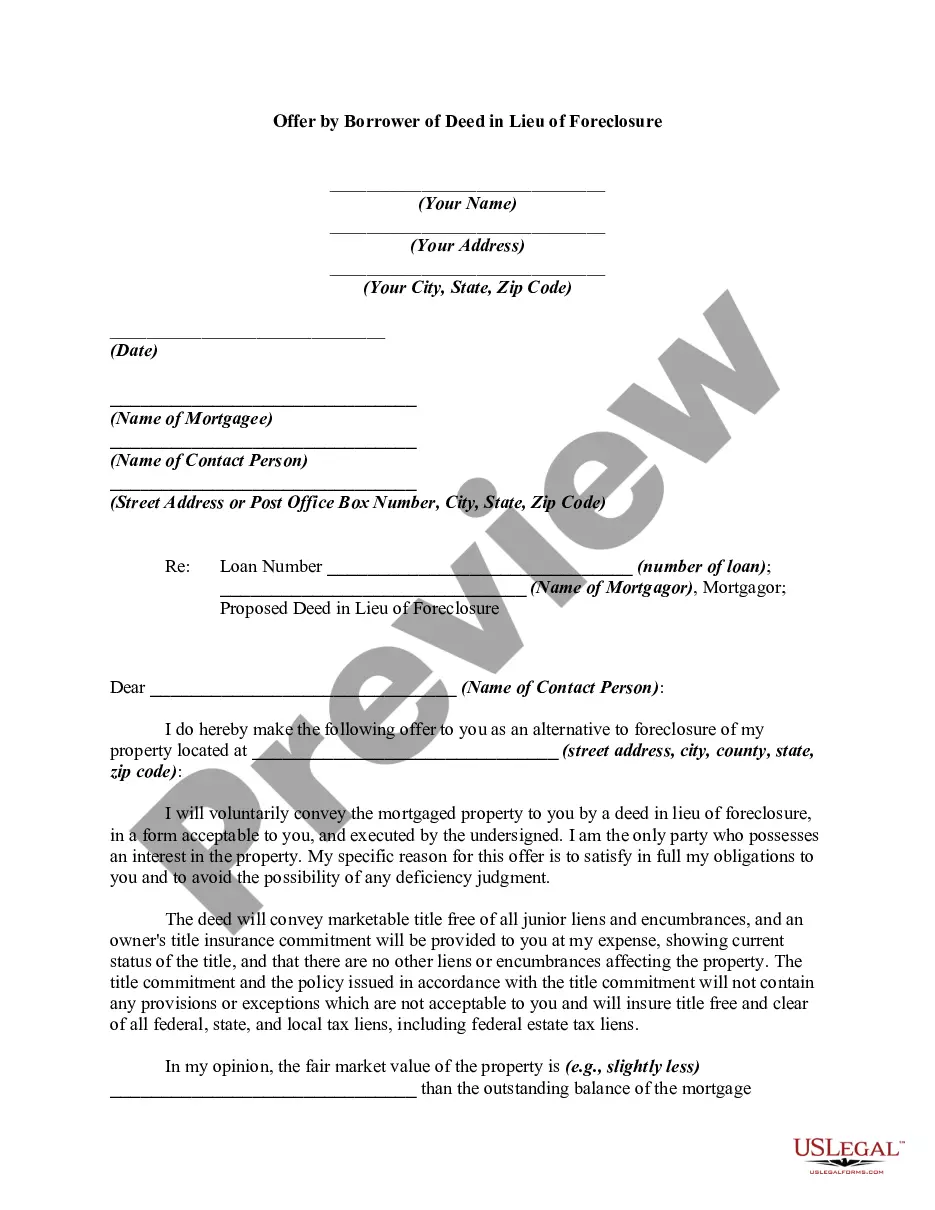

Get your form ready online
Our built-in tools help you complete, sign, share, and store your documents in one place.
Make edits, fill in missing information, and update formatting in US Legal Forms—just like you would in MS Word.
Download a copy, print it, send it by email, or mail it via USPS—whatever works best for your next step.
Sign and collect signatures with our SignNow integration. Send to multiple recipients, set reminders, and more. Go Premium to unlock E-Sign.
If this form requires notarization, complete it online through a secure video call—no need to meet a notary in person or wait for an appointment.
We protect your documents and personal data by following strict security and privacy standards.

Make edits, fill in missing information, and update formatting in US Legal Forms—just like you would in MS Word.

Download a copy, print it, send it by email, or mail it via USPS—whatever works best for your next step.

Sign and collect signatures with our SignNow integration. Send to multiple recipients, set reminders, and more. Go Premium to unlock E-Sign.

If this form requires notarization, complete it online through a secure video call—no need to meet a notary in person or wait for an appointment.

We protect your documents and personal data by following strict security and privacy standards.
Looking for another form?





How to fill out Conveyance Of Deed To Lender In Lieu Of Foreclosure?
Utilizing legal document examples that adhere to federal and state laws is essential, and the internet provides numerous choices to select from.
However, what is the purpose of spending time searching for the appropriate Foreclosure Vs Tax Deed example online when the US Legal Forms digital library has already compiled such templates in one location.
US Legal Forms is the largest online legal repository featuring over 85,000 fillable templates created by attorneys for any business and personal situation.
Review the template using the Preview feature or through the text outline to ensure it suits your requirements.
- They are easy to navigate with all documents organized by state and intended use.
- Our specialists stay updated with legislative changes, ensuring your form is current and compliant when obtaining a Foreclosure Vs Tax Deed from our site.
- Acquiring a Foreclosure Vs Tax Deed is quick and straightforward for both existing and new users.
- If you already have an account with an active subscription, Log In and save the document template you require in the appropriate format.
- If you are new to our site, follow the steps outlined below.
Form popularity
FAQ
Can I claim a loss on my tax return? No. Losses from the sale or foreclosure of personal property are not deductible.
If the IRS tax lien is junior to the mortgage being foreclosed, the IRS tax lien will be foreclosed through the judicial sale and the lien on the property will be extinguished after the judicial deed is issued.
If delinquent property taxes go unpaid, a lien attaches to the property and continues from the time the taxes become delinquent until the taxes are paid, up to 11 years from the date the taxes become delinquent.
In New York, the tax foreclosure procedure is similar to the mortgage foreclosure process. A petition (lawsuit) is filed in court. If you don't respond to the lawsuit by filing an answer that lists your objections to the case, the court will enter a default judgment against the property.
If you engage in a short sale or your mortgage lender forecloses on your home, the Internal Revenue Service treats it just like a sale. Foreclosures and short sales may also require you to recognize ordinary income if the lender cancels any of your outstanding mortgage balance and you're ineligible for an exclusion.