Foreclosure For Sale By Owner
Description
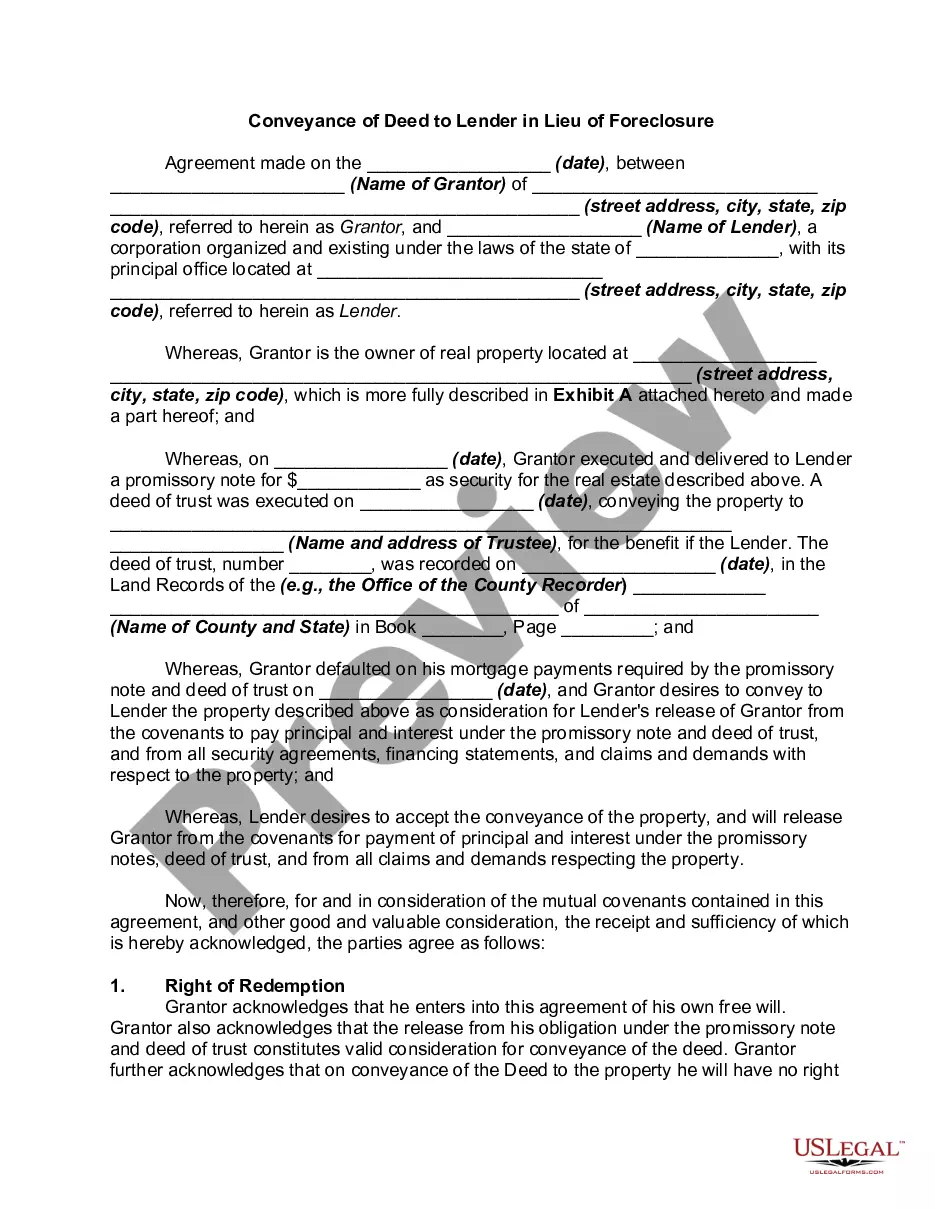
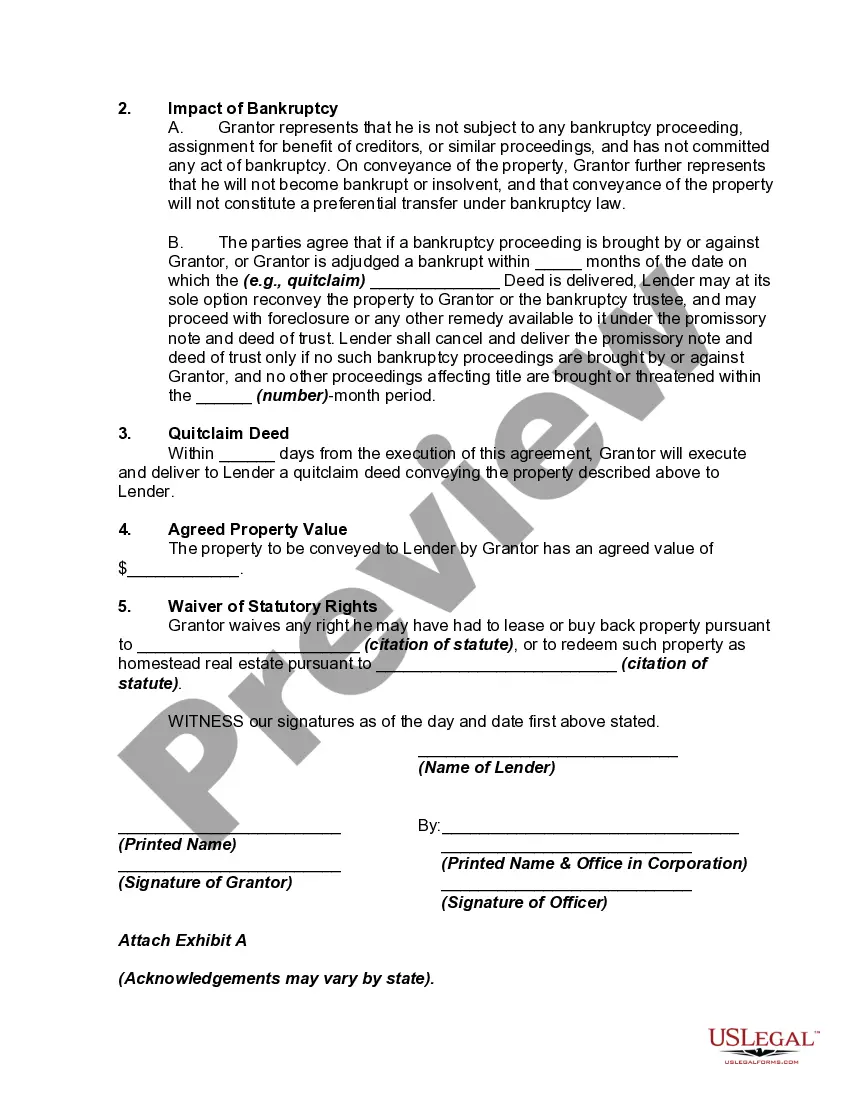
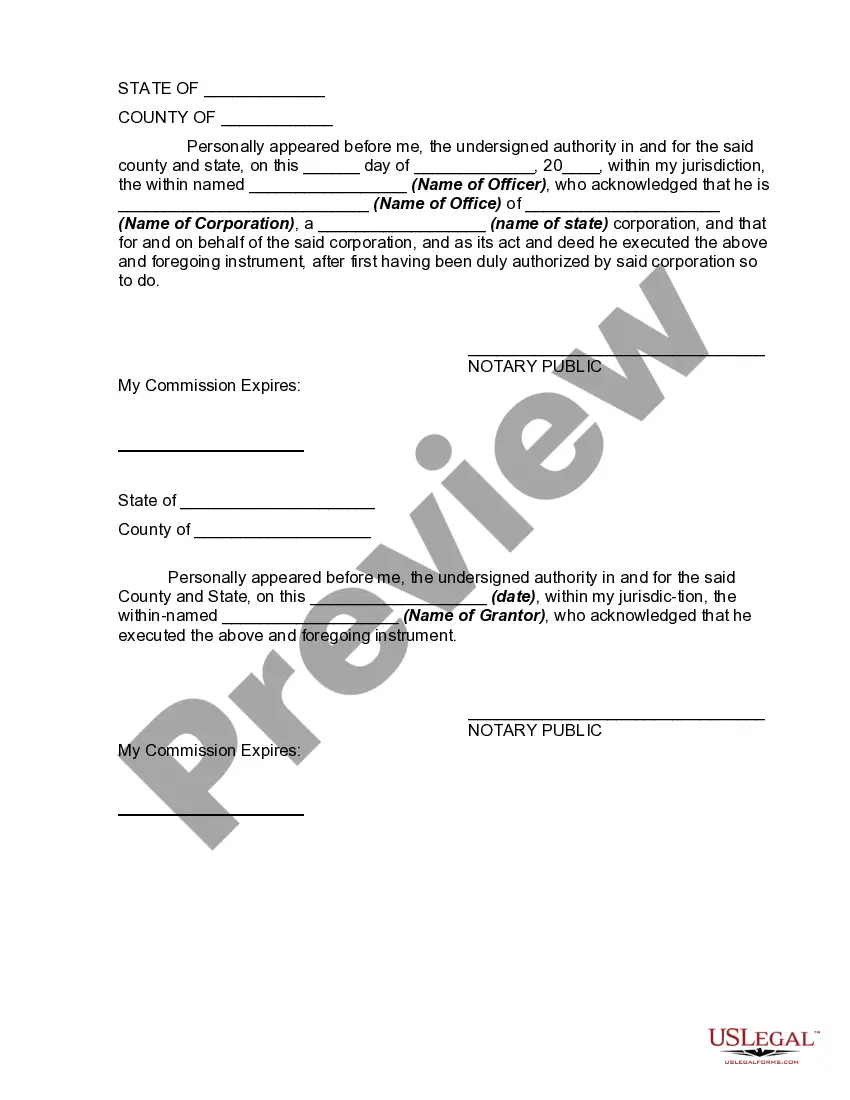
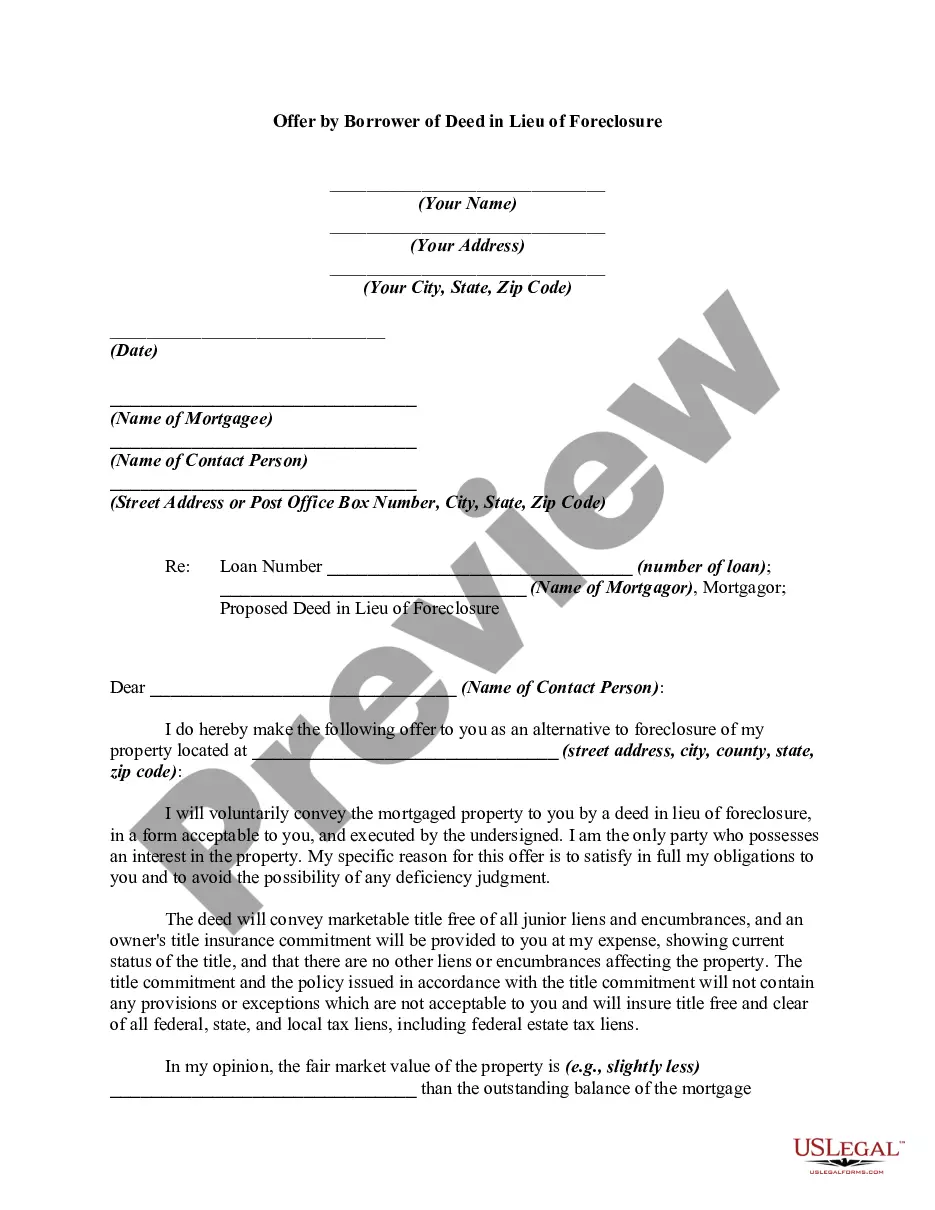

Get your form ready online
Our built-in tools help you complete, sign, share, and store your documents in one place.
Make edits, fill in missing information, and update formatting in US Legal Forms—just like you would in MS Word.
Download a copy, print it, send it by email, or mail it via USPS—whatever works best for your next step.
Sign and collect signatures with our SignNow integration. Send to multiple recipients, set reminders, and more. Go Premium to unlock E-Sign.
If this form requires notarization, complete it online through a secure video call—no need to meet a notary in person or wait for an appointment.
We protect your documents and personal data by following strict security and privacy standards.

Make edits, fill in missing information, and update formatting in US Legal Forms—just like you would in MS Word.

Download a copy, print it, send it by email, or mail it via USPS—whatever works best for your next step.

Sign and collect signatures with our SignNow integration. Send to multiple recipients, set reminders, and more. Go Premium to unlock E-Sign.

If this form requires notarization, complete it online through a secure video call—no need to meet a notary in person or wait for an appointment.

We protect your documents and personal data by following strict security and privacy standards.
Looking for another form?








How to fill out Conveyance Of Deed To Lender In Lieu Of Foreclosure?
- If you're a returning user, log in to your account and ensure your subscription is active. Click the Download button to save the needed form template on your device.
- For first-time users, begin by checking the Preview mode and form description to confirm you select the right document that aligns with your local jurisdiction.
- Use the Search tab to find alternative templates if necessary; once located, ensure it fits your needs before proceeding.
- Purchase your document by clicking the Buy Now button and select a subscription plan that suits you. Registration for an account is required to access the resources.
- Complete your purchase by entering your payment details via credit card or PayPal.
- Finally, download your form and save it on your device. You can access it anytime in the My Forms section of your profile.
In conclusion, utilizing US Legal Forms streamlines the document acquisition process, providing users with a robust set of tools and resources. Whether you’re an attorney or an individual, you can navigate legal requirements with ease.
Start accessing essential legal documents today with US Legal Forms!
Form popularity
FAQ
In New Jersey, tenants can remain in a foreclosed property for a certain duration, especially if they have a lease agreement in place. Even after foreclosure, the new owner must follow legal protocols, which often protects tenants' rights. Understanding these aspects is vital, particularly for anyone considering foreclosure for sale by owner options.
The 120-day rule is a guideline that requires lenders to wait 120 days after a borrower defaults before initiating foreclosure proceedings. This rule is designed to give homeowners a fair chance to catch up on payments or seek alternatives. For those exploring foreclosure for sale by owner, knowing this timeline is crucial.
Foreclosures in New Jersey begin when a homeowner defaults on their mortgage payments. The lender must initiate a legal process, and the court will oversee the foreclosure proceedings. Understanding how foreclosure for sale by owner functions in this environment is essential for both sellers and potential buyers.
In New Jersey, the rules governing foreclosure involve a judicial process that mandates a court's involvement. Lenders must file a lawsuit to foreclose on a property, and homeowners have specific rights to contest the action during this time. These rules can greatly influence the dynamics of foreclosure for sale by owner properties.
New Jersey has recently implemented changes that affect the foreclosure process, including extensions for homeowners facing financial difficulties. The new law emphasizes support for borrowers and requires lenders to provide additional notices before proceeding with foreclosure. Understanding these updates is crucial for anyone considering properties labeled as foreclosure for sale by owner.
In Tennessee, foreclosures typically occur through a non-judicial process. Once a homeowner defaults on their mortgage, the lender can initiate a legal procedure to sell the property. Foreclosure for sale by owner means that the homeowner may choose to sell the property themselves, often avoiding some costs associated with traditional real estate sales.
Foreclosure in West Virginia usually takes between six months and one year to complete. The timeline depends on various factors, including court schedules and the borrower’s response. Knowing this timeframe is vital for buyers looking to invest in a foreclosure for sale by owner, as it impacts property availability and market conditions.
In Virginia, foreclosure rules vary based on whether the property has a deed of trust or is a mortgage. Generally, the lender must provide a notice of default to the borrower and file a lawsuit. Once the court approves the foreclosure, the property is sold at auction. For buyers interested in a foreclosure for sale by owner, understanding these rules can help navigate the process effectively.
While there's no strict credit score requirement to buy a foreclosure for sale by owner, a score of 620 or higher is generally preferred by most lenders. This score indicates a history of responsible credit management, which lenders view favorably. However, options do exist for buyers with lower credit scores, though these may come with higher interest rates or stricter terms. It's always best to check with your lender for specific requirements.
While many foreclosures can offer great deals, there can be challenges involved in buying a foreclosure for sale by owner. These homes may require repairs or renovations that could add unforeseen costs. Additionally, understanding the legal nuances surrounding foreclosures is crucial. Knowledge of local laws can prevent potential complications during the buying process.