Non Criminal Affidavit Format
Description
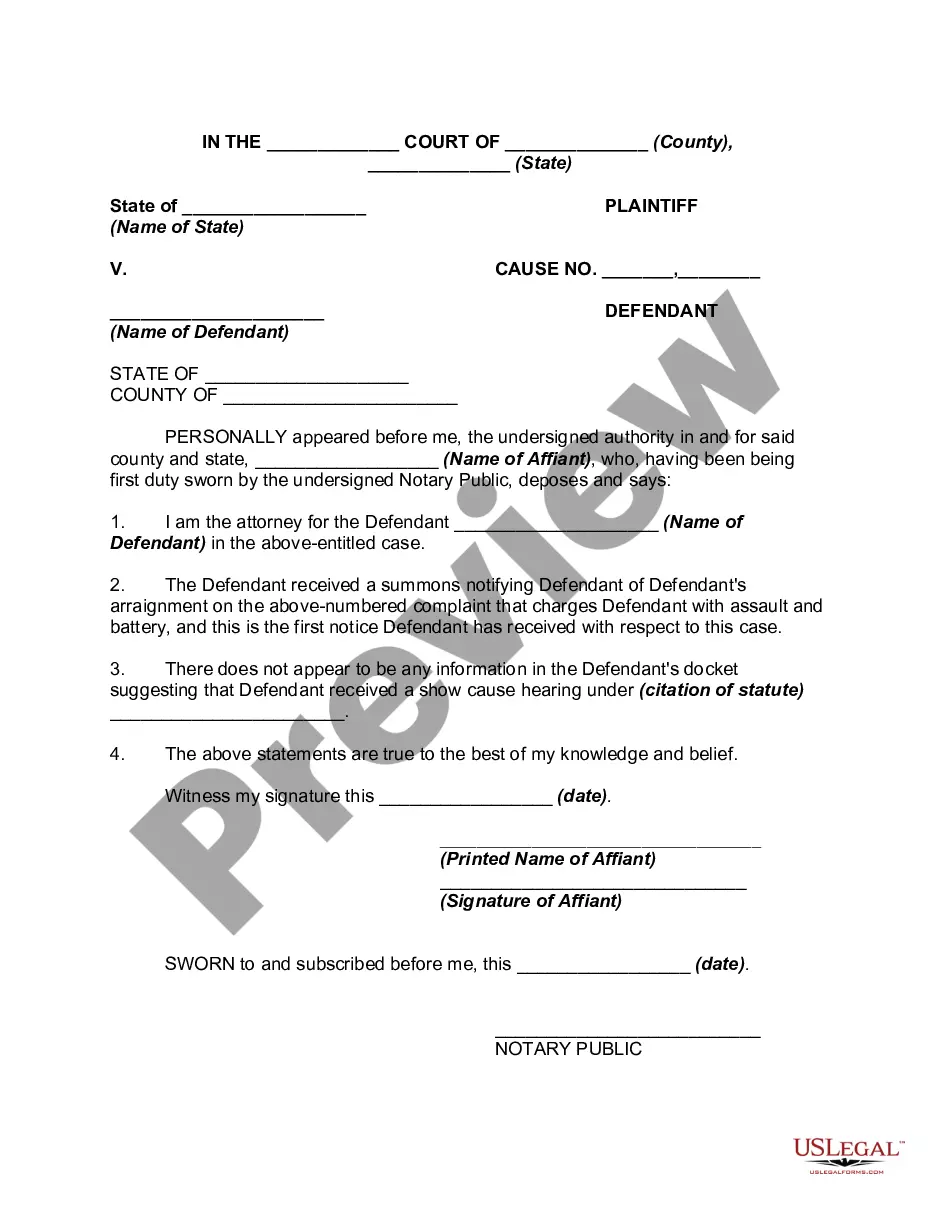

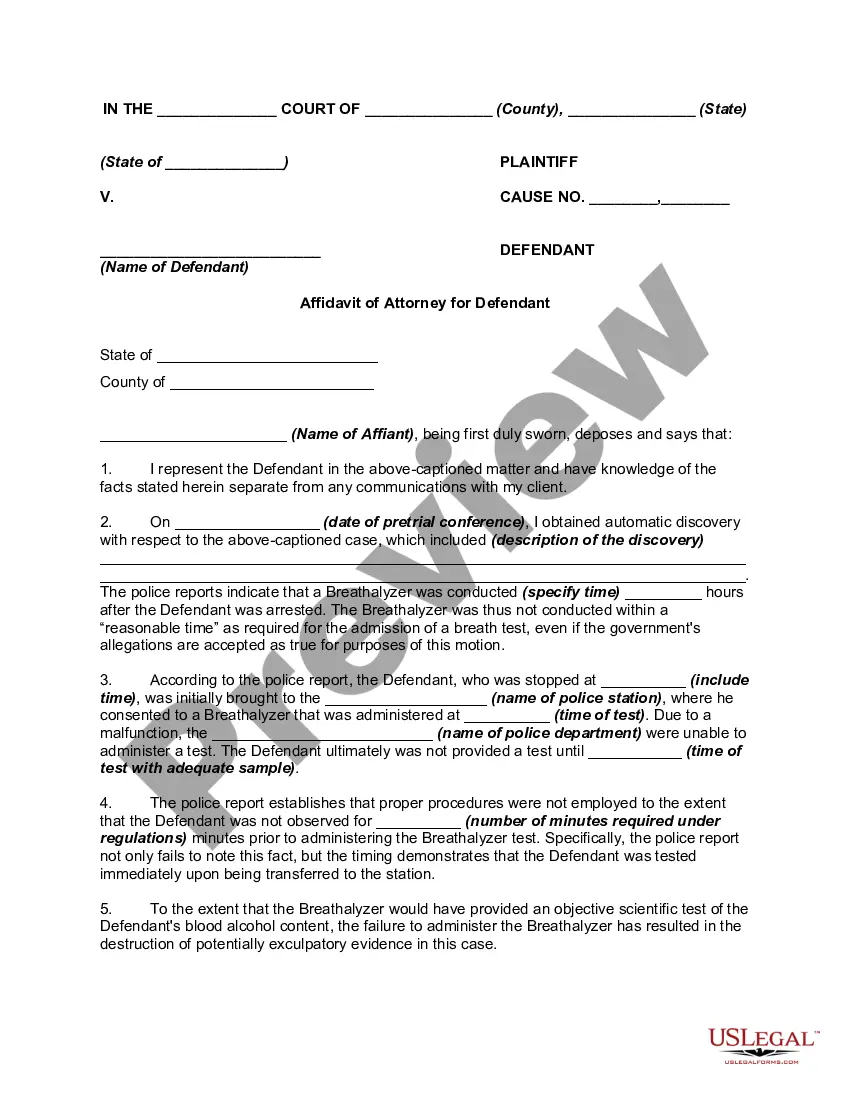
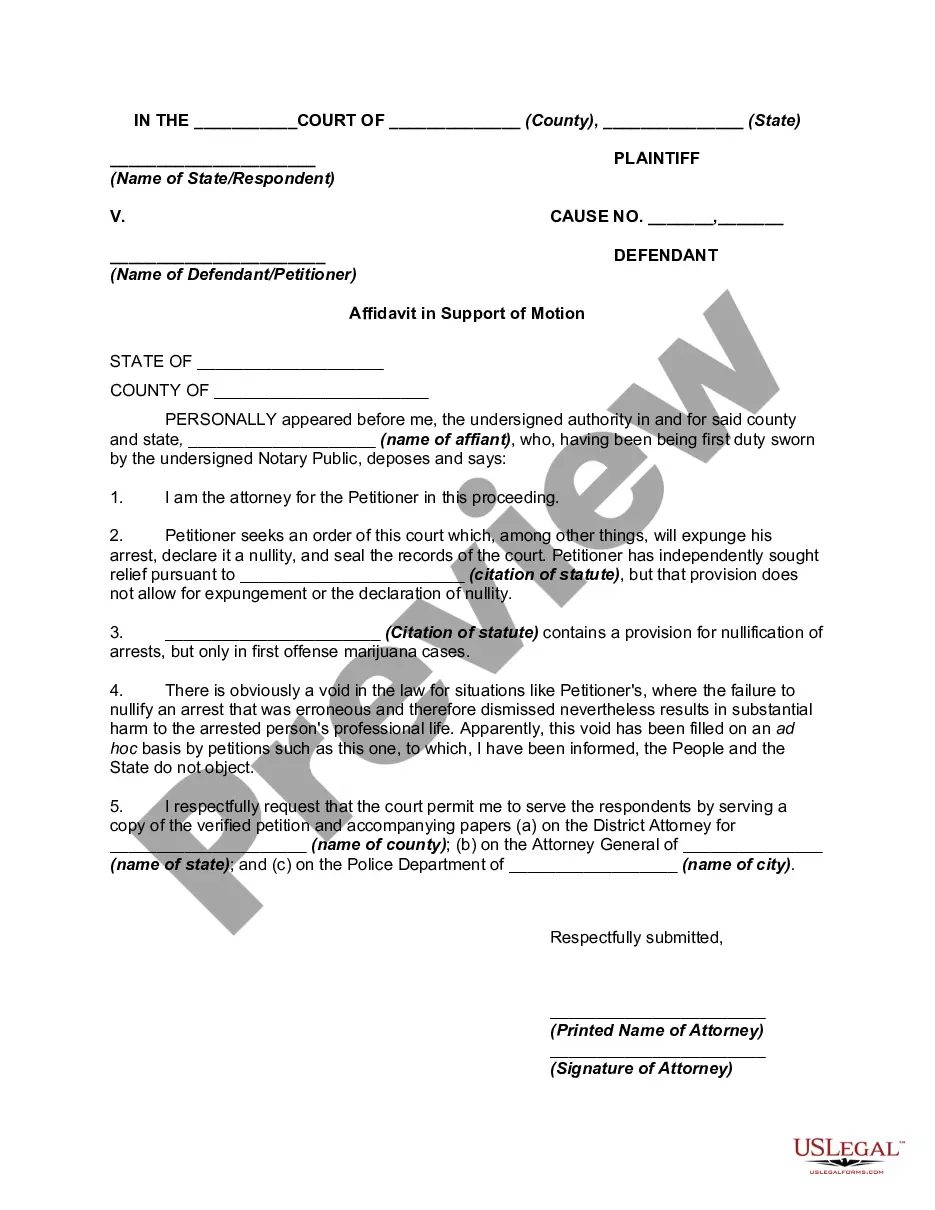
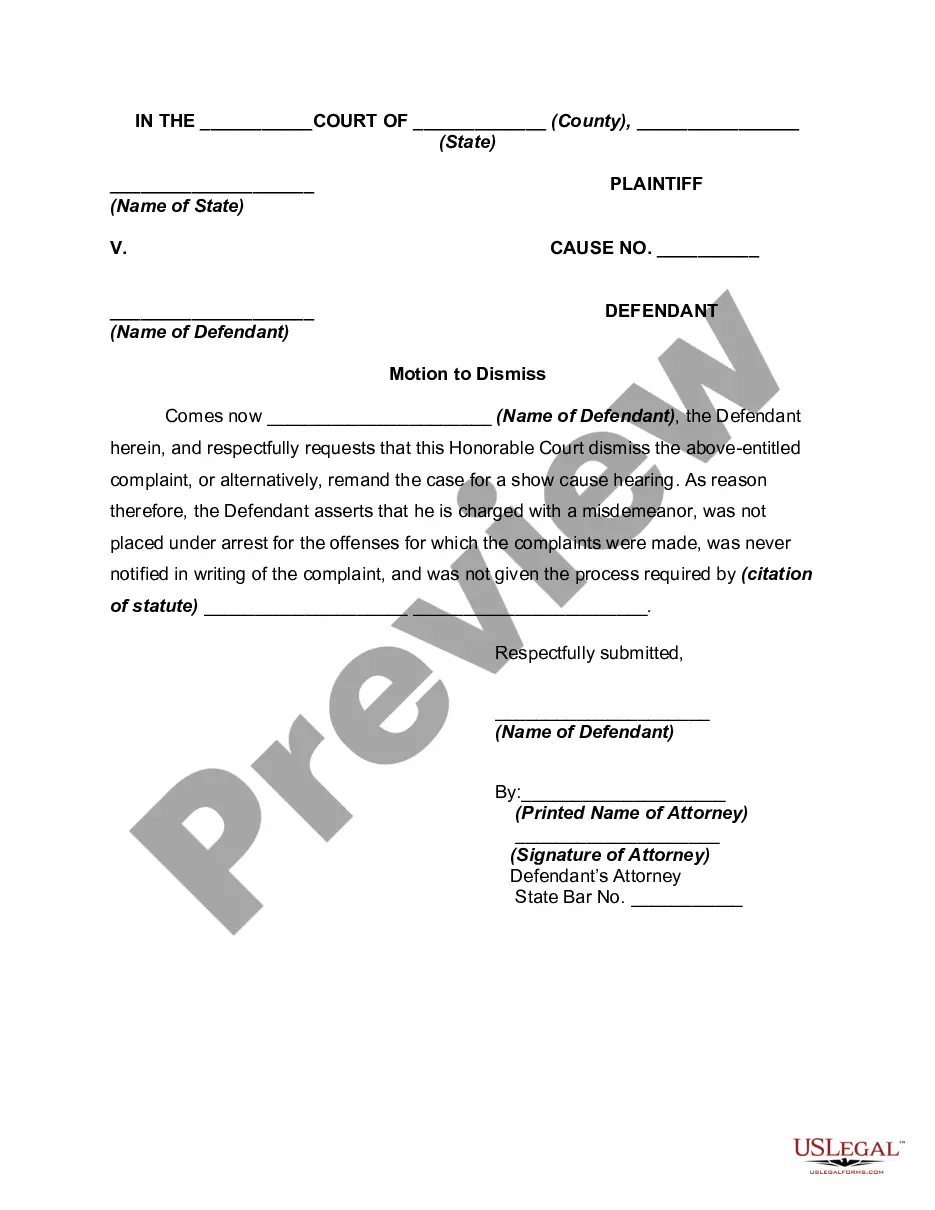
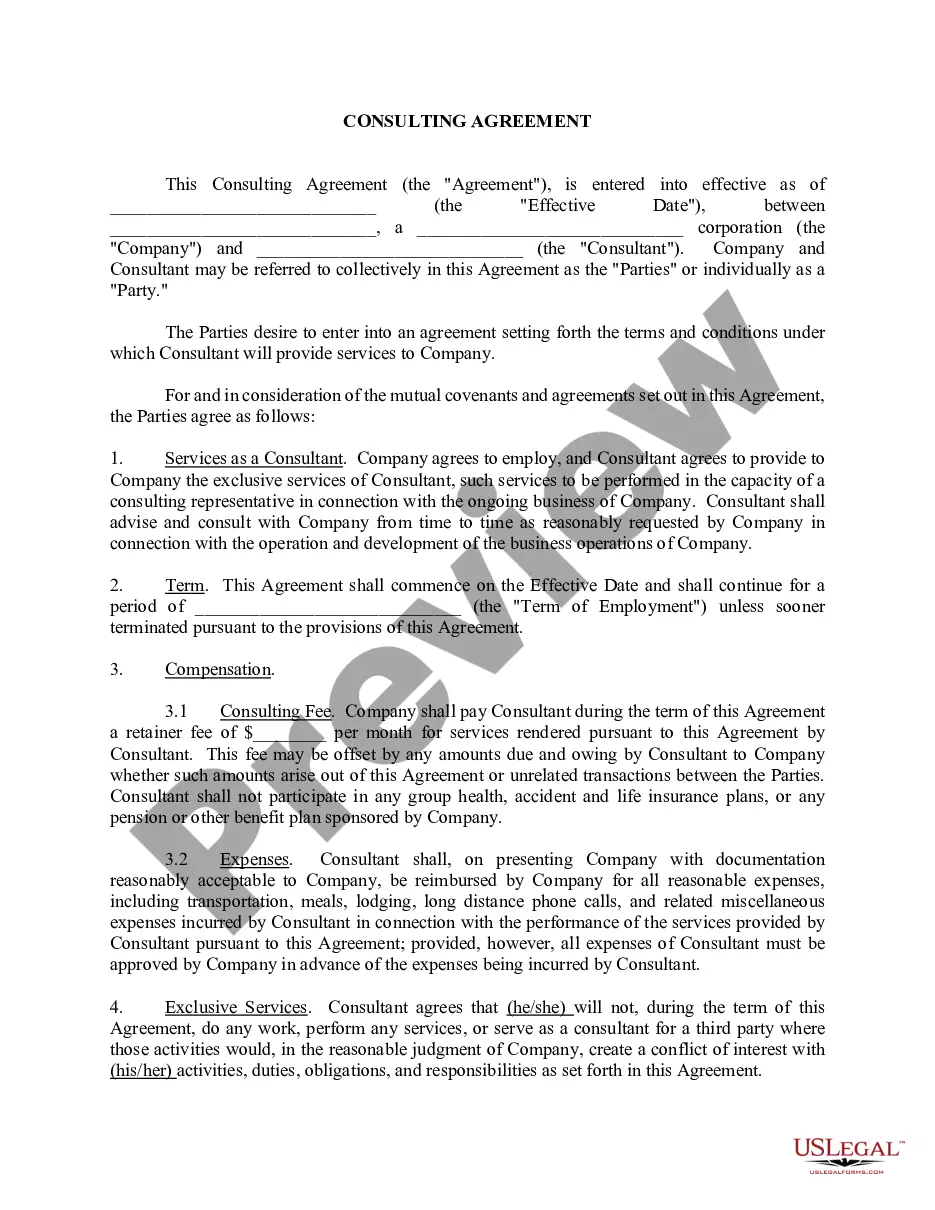
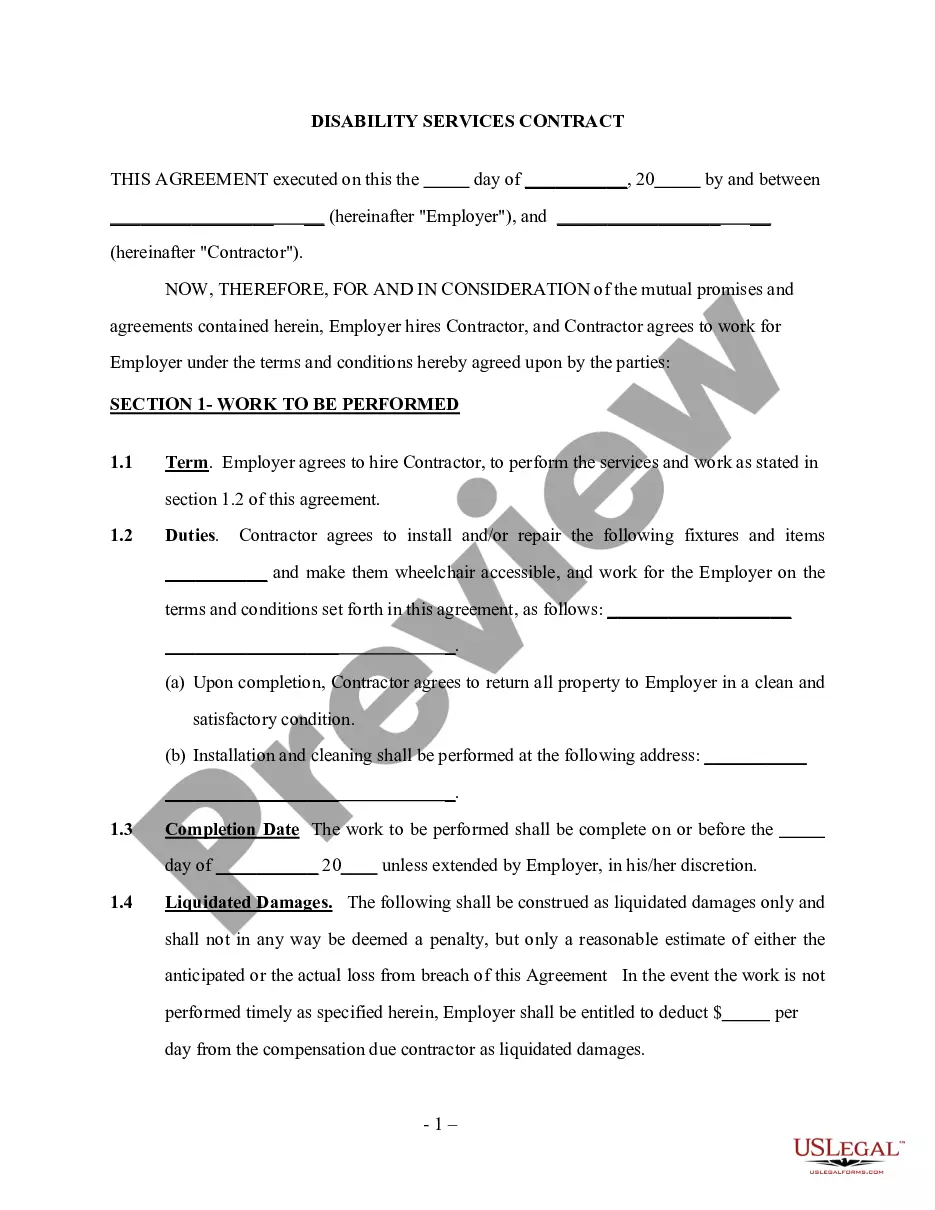
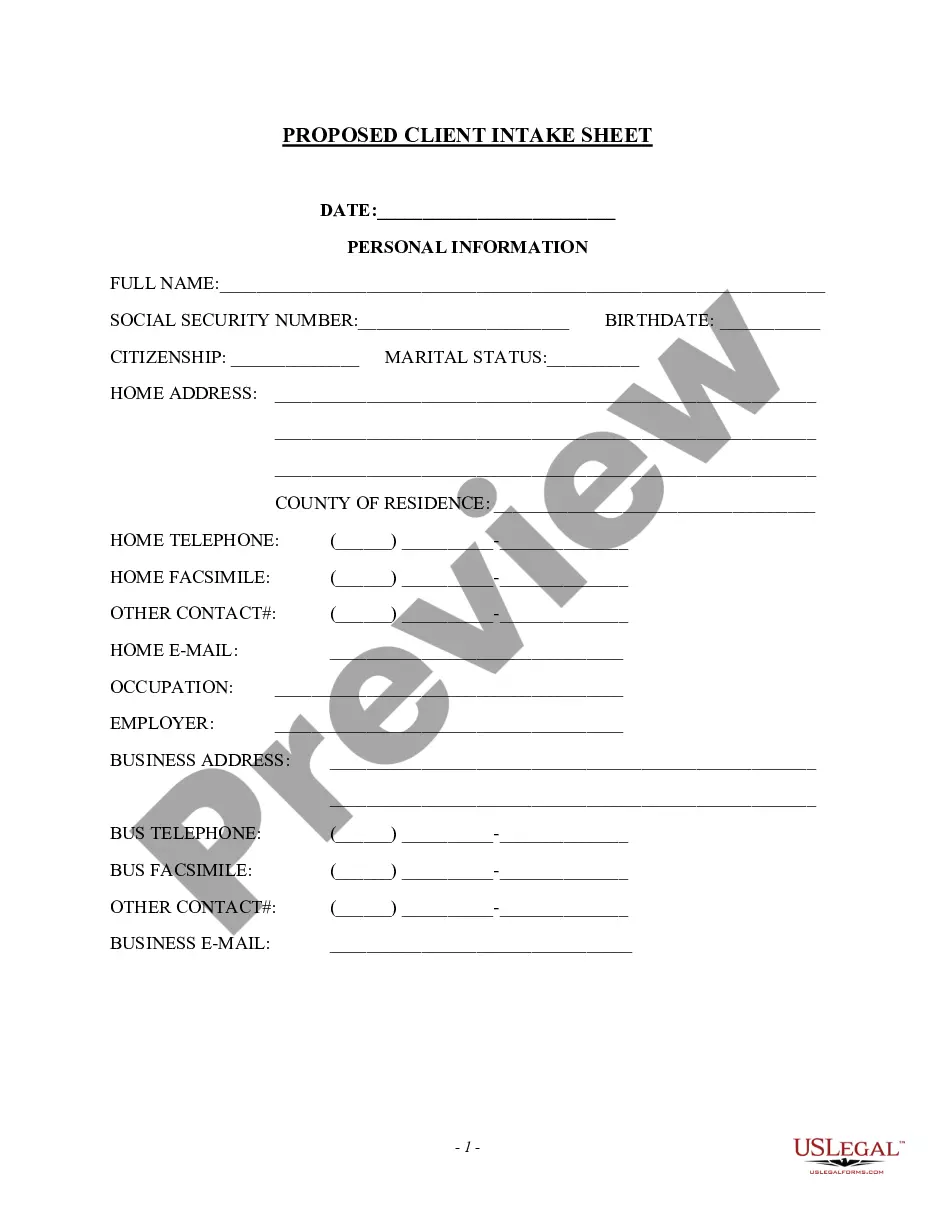
How to fill out Affidavit In Support Of Motion To Dismiss Criminal Charges For Failure To Grant Show Cause Hearing?
The Non Criminal Affidavit Format you see on this page is a reusable formal template drafted by professional lawyers in line with federal and local laws. For more than 25 years, US Legal Forms has provided people, organizations, and legal professionals with more than 85,000 verified, state-specific forms for any business and personal occasion. It’s the fastest, most straightforward and most trustworthy way to obtain the paperwork you need, as the service guarantees the highest level of data security and anti-malware protection.
Obtaining this Non Criminal Affidavit Format will take you only a few simple steps:
- Browse for the document you need and review it. Look through the sample you searched and preview it or review the form description to ensure it satisfies your needs. If it does not, make use of the search option to get the right one. Click Buy Now when you have found the template you need.
- Subscribe and log in. Choose the pricing plan that suits you and create an account. Use PayPal or a credit card to make a prompt payment. If you already have an account, log in and check your subscription to proceed.
- Get the fillable template. Select the format you want for your Non Criminal Affidavit Format (PDF, Word, RTF) and download the sample on your device.
- Fill out and sign the document. Print out the template to complete it by hand. Alternatively, use an online multi-functional PDF editor to quickly and accurately fill out and sign your form with a legally-binding] {electronic signature.
- Download your papers again. Make use of the same document again anytime needed. Open the My Forms tab in your profile to redownload any earlier saved forms.
Subscribe to US Legal Forms to have verified legal templates for all of life’s circumstances at your disposal.
Form popularity
FAQ
In the Philippines, a police clearance is a document issued by the Philippine National Police (PNP) that certifies that an individual has no criminal or derogatory record based on the police database. There are two types of PNP clearances: the National Police Clearance (NPC) and the Local Police Clearance (LPC).
Go to your local police department where you reside or last resided in the United States, request that the police conduct a local or state criminal records search and provide you with a document reflecting that there is no history of a criminal record.
In order to obtain a police clearance certificate from the Philippines. You have to fill the prescribed NBI Police Clearance application form in all sections completed in BLOCK CAPITALS with black ink. Obtained a complete set of 10 fingerprint impressions* taken by a qualified fingerprint officer at our lab.
Criminal record check Police clearances can be secured from the Philippine National Police; you can schedule processing and verify clearances online. An alternative is to obtain a certificate from the National Bureau of Investigation (NBI).
?No record on file? is noted when the individual has never obtained a Certificate; ?No derogatory record? is indicated on Certificate renewals; while ?With derogatory record? is indicated for those applicants who do have an incident with the law.