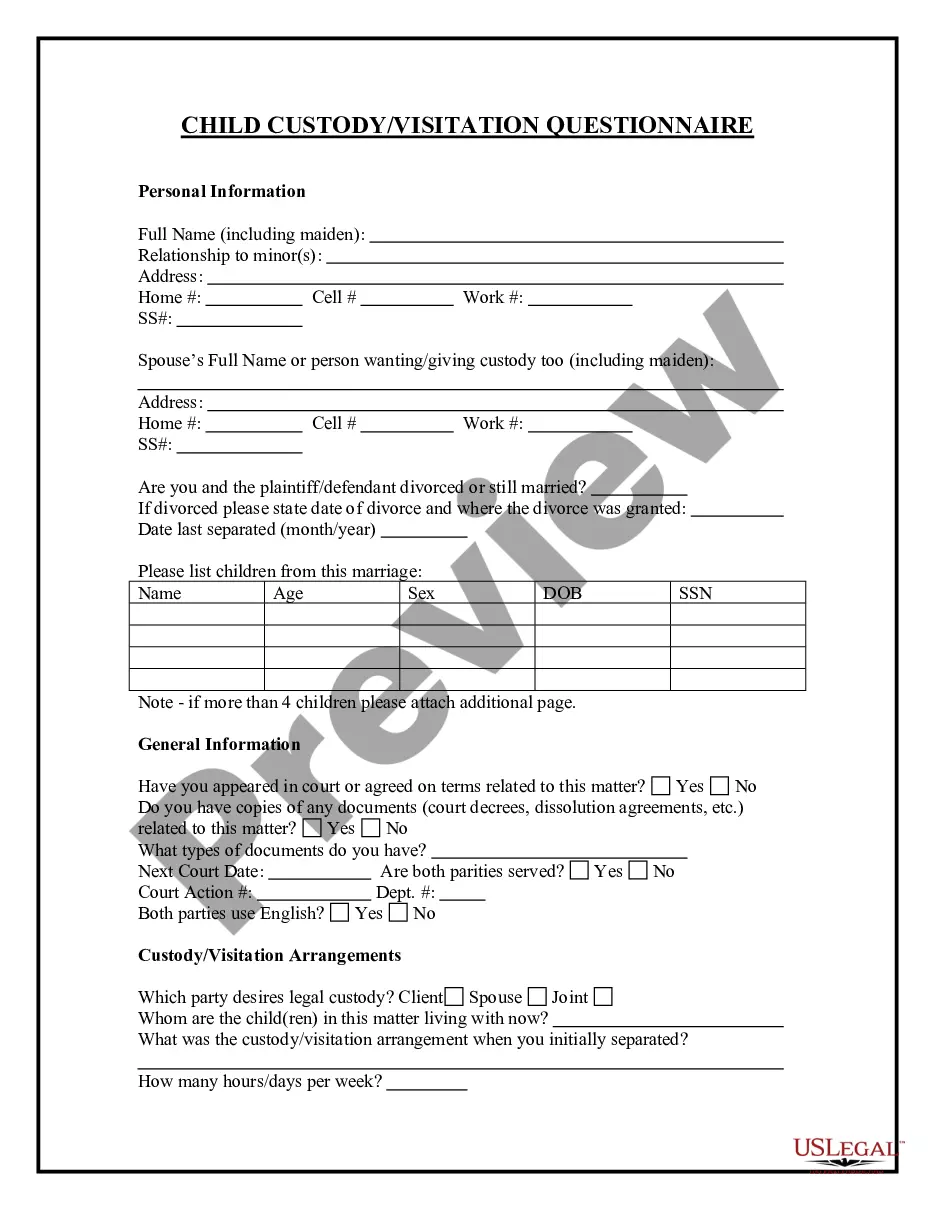
Child Custody Non Forms Michigan
Description




Get your form ready online
Our built-in tools help you complete, sign, share, and store your documents in one place.
Make edits, fill in missing information, and update formatting in US Legal Forms—just like you would in MS Word.
Download a copy, print it, send it by email, or mail it via USPS—whatever works best for your next step.
Sign and collect signatures with our SignNow integration. Send to multiple recipients, set reminders, and more. Go Premium to unlock E-Sign.
If this form requires notarization, complete it online through a secure video call—no need to meet a notary in person or wait for an appointment.
We protect your documents and personal data by following strict security and privacy standards.

Make edits, fill in missing information, and update formatting in US Legal Forms—just like you would in MS Word.

Download a copy, print it, send it by email, or mail it via USPS—whatever works best for your next step.

Sign and collect signatures with our SignNow integration. Send to multiple recipients, set reminders, and more. Go Premium to unlock E-Sign.

If this form requires notarization, complete it online through a secure video call—no need to meet a notary in person or wait for an appointment.

We protect your documents and personal data by following strict security and privacy standards.
Looking for another form?









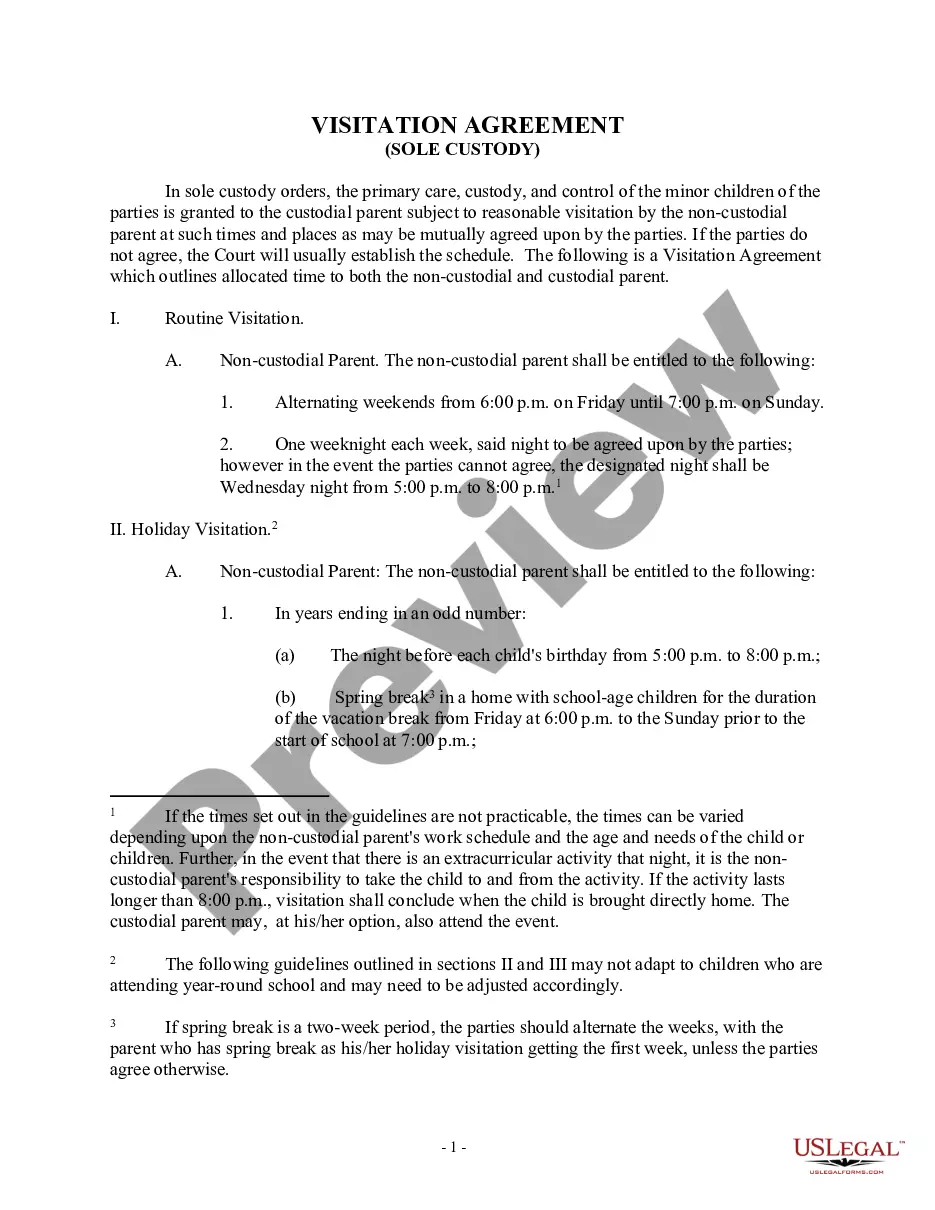
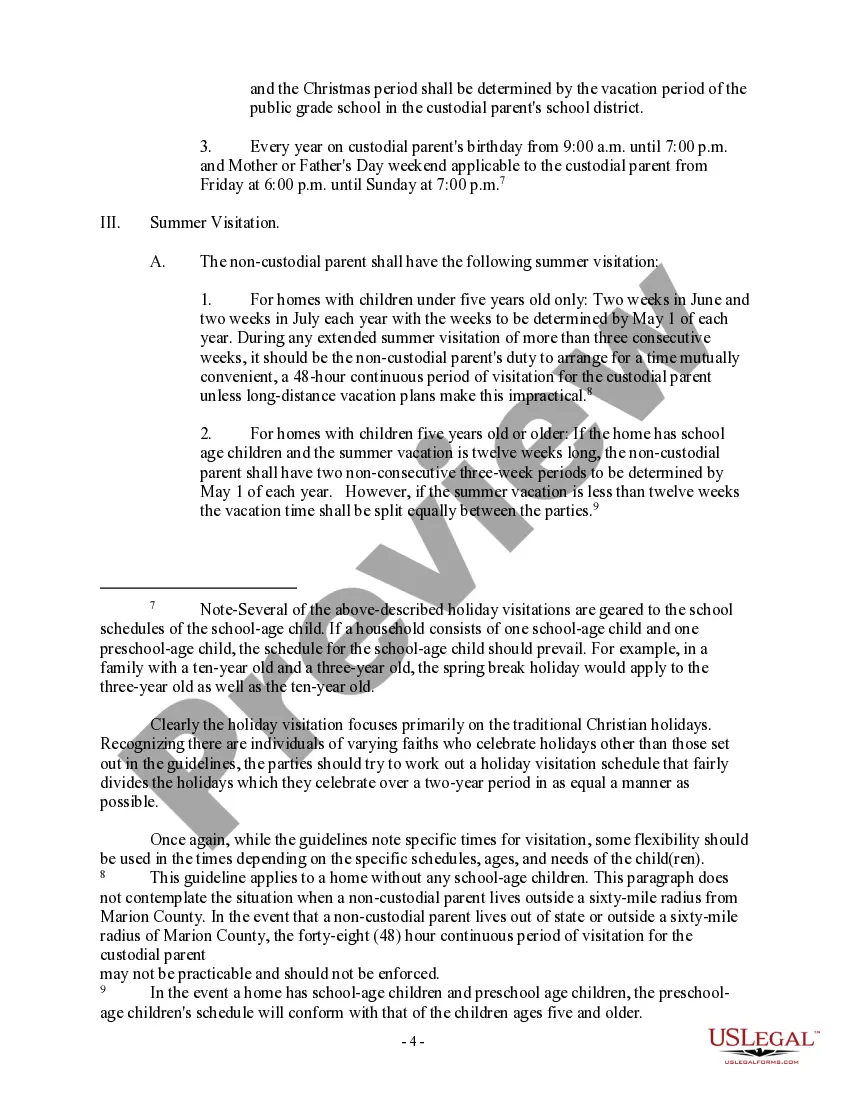
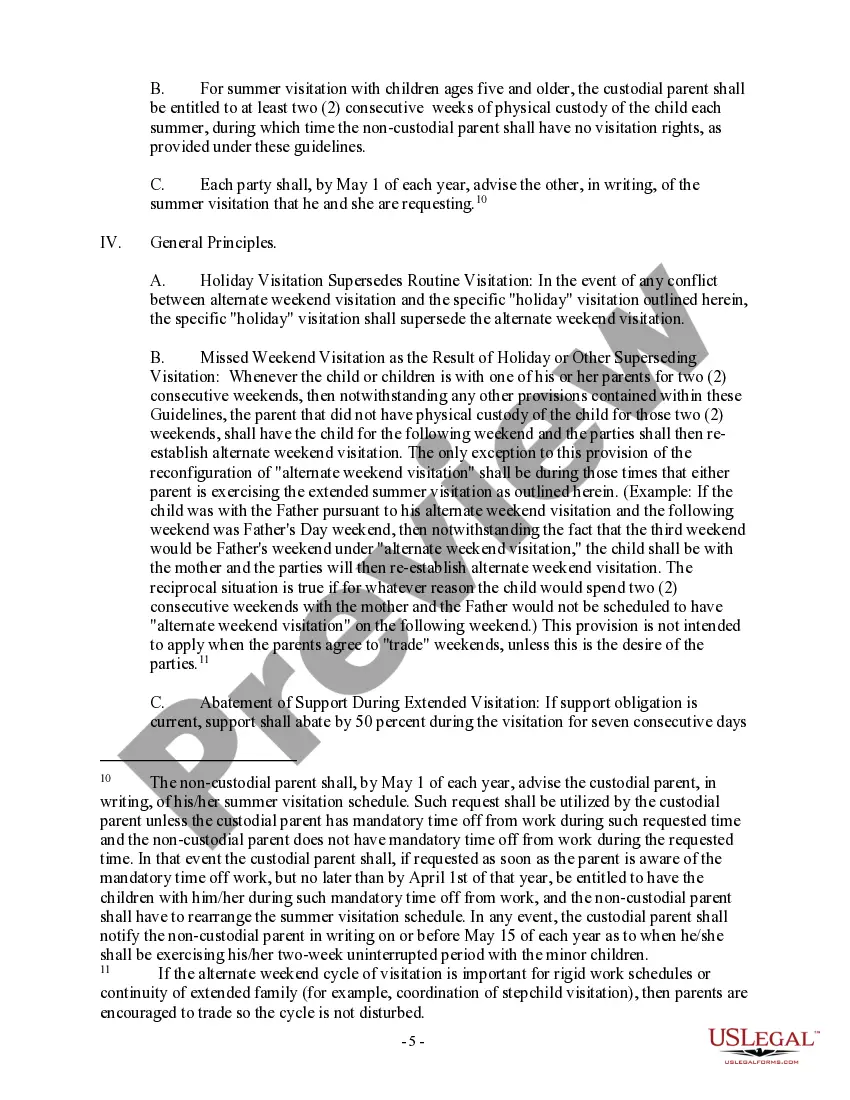
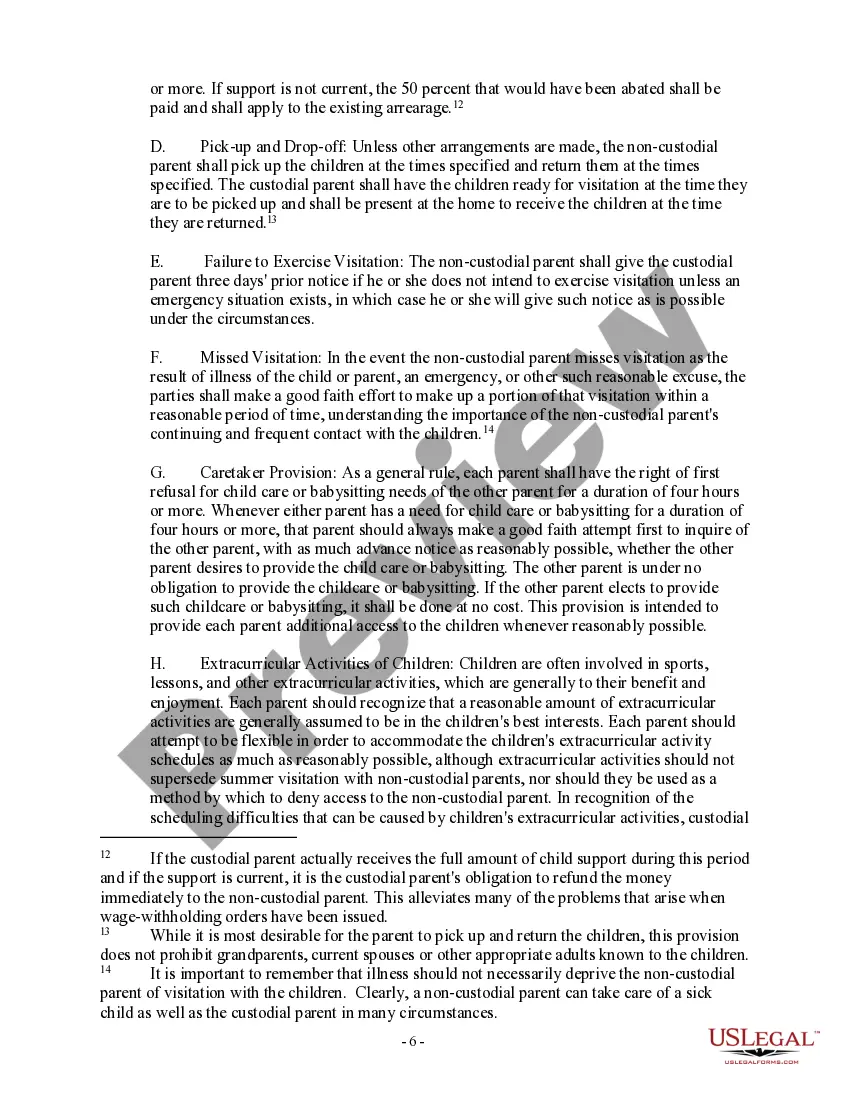
How to fill out Visitation Guidelines?
Managing legal documents and processes can be a lengthy addition to your day.
Child Custody Non Forms Michigan and similar documents typically require you to look for them and figure out how to fill them out properly.
For this reason, whether you are dealing with financial, legal, or personal issues, having a comprehensive and efficient online library of forms readily available will be a tremendous help.
US Legal Forms is the foremost online platform for legal templates, boasting over 85,000 state-specific documents and a variety of resources to help you manage your paperwork effortlessly.
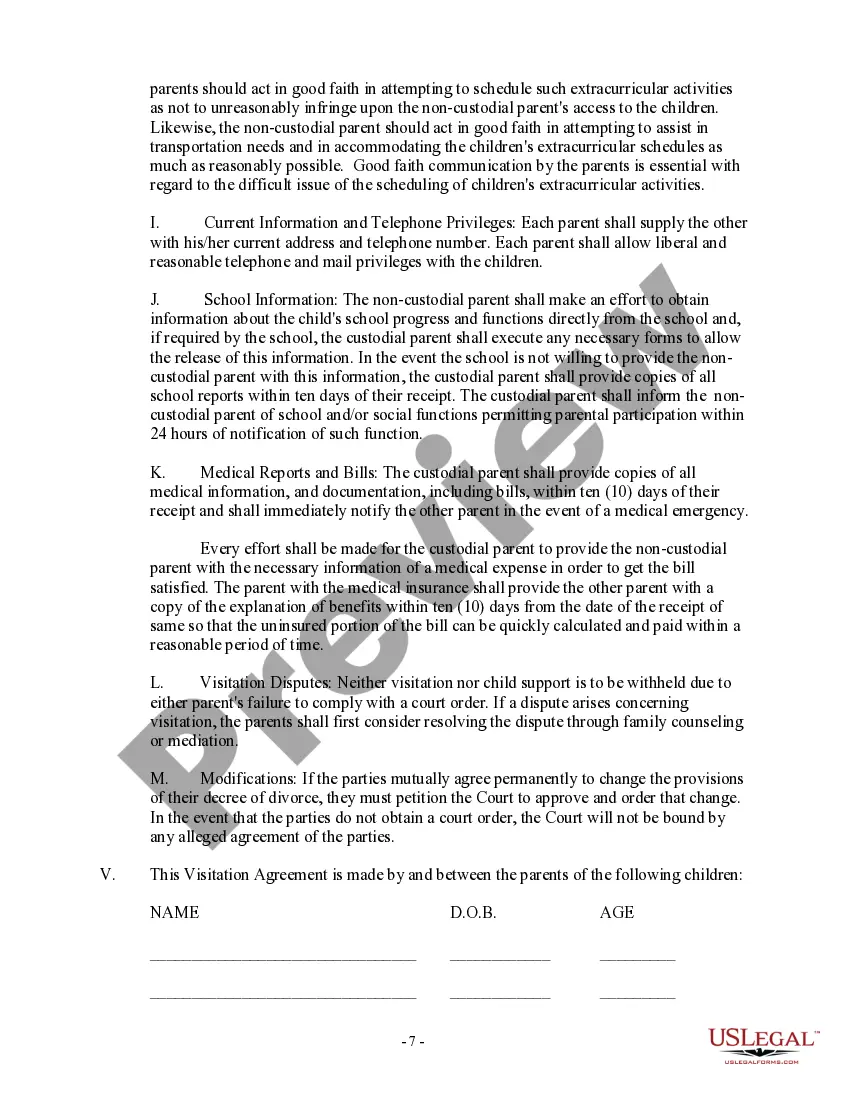
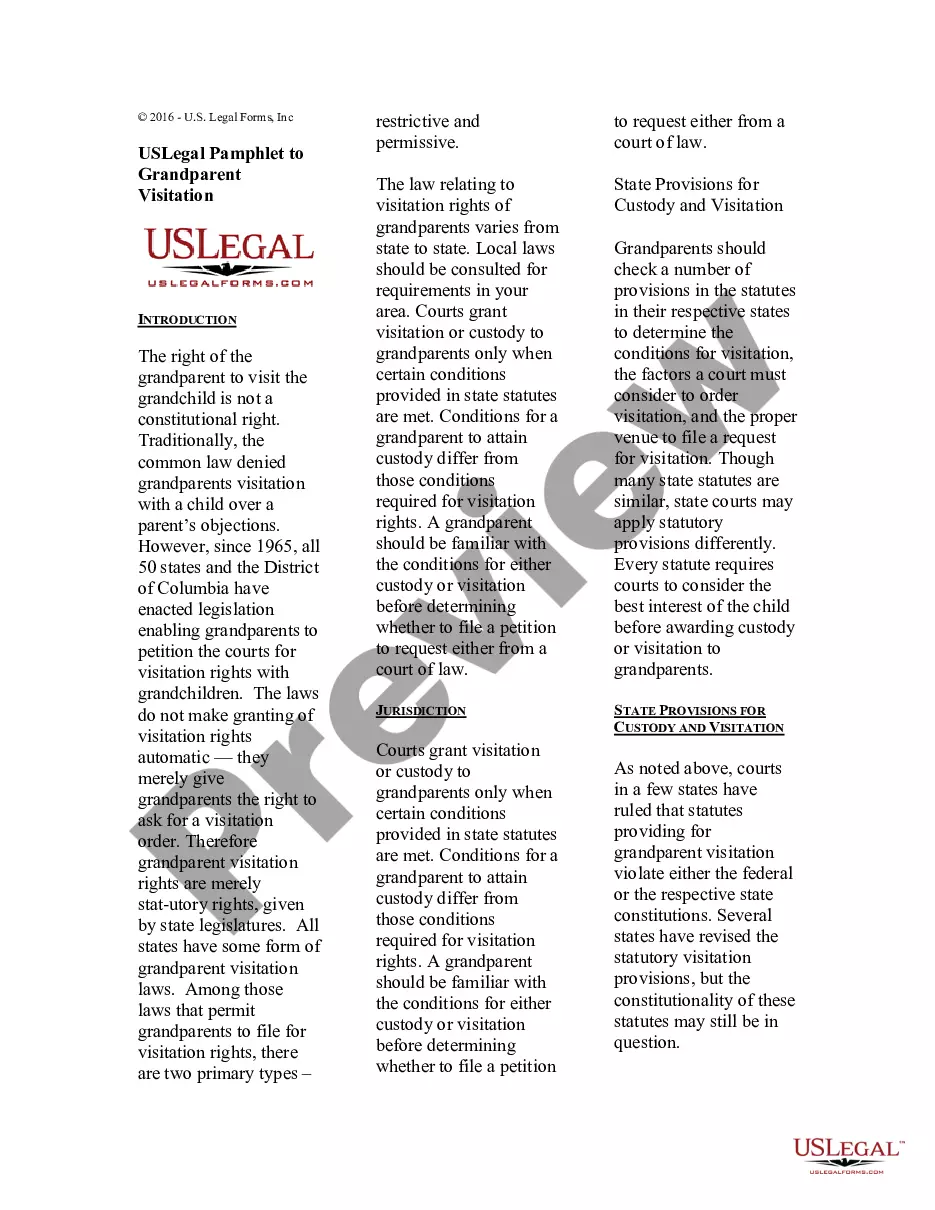
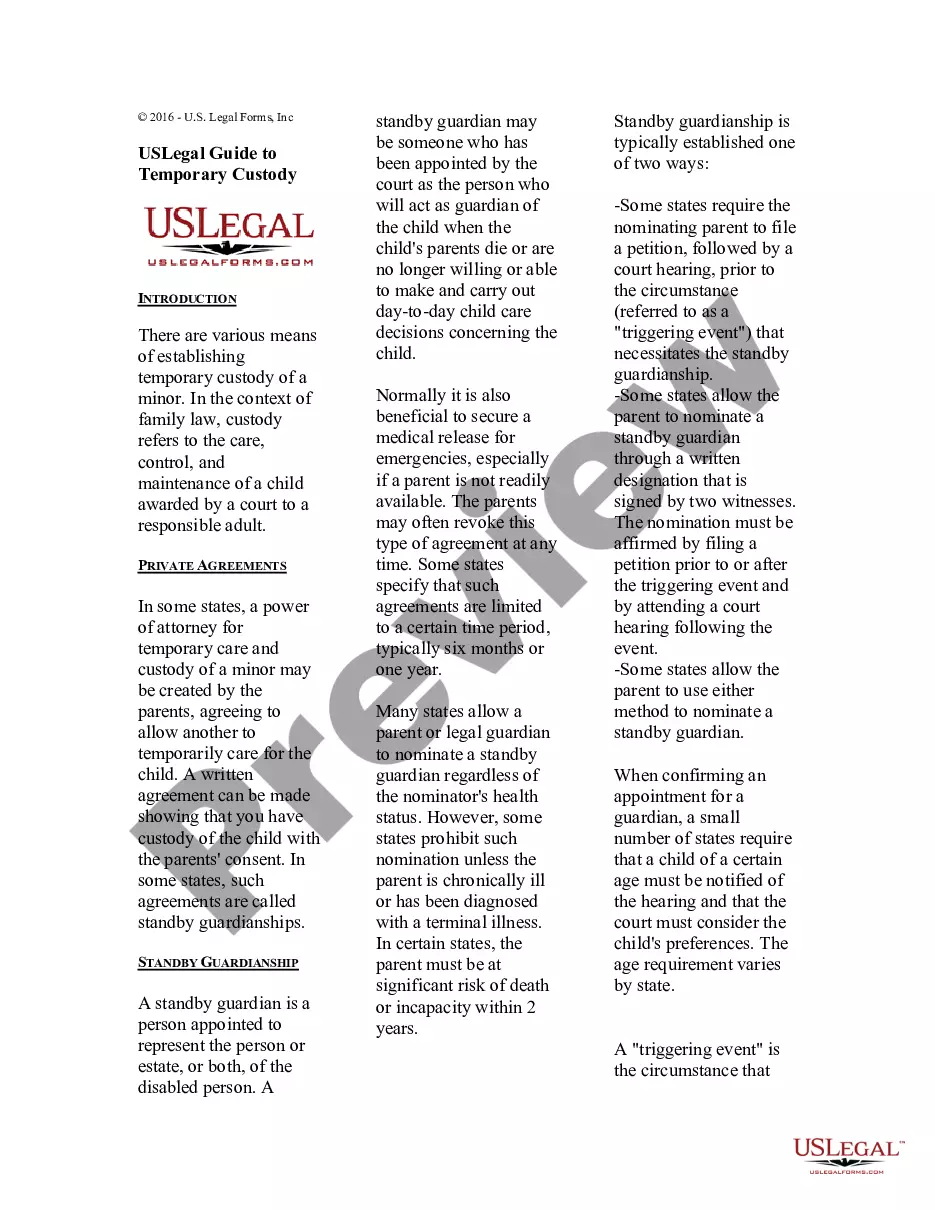
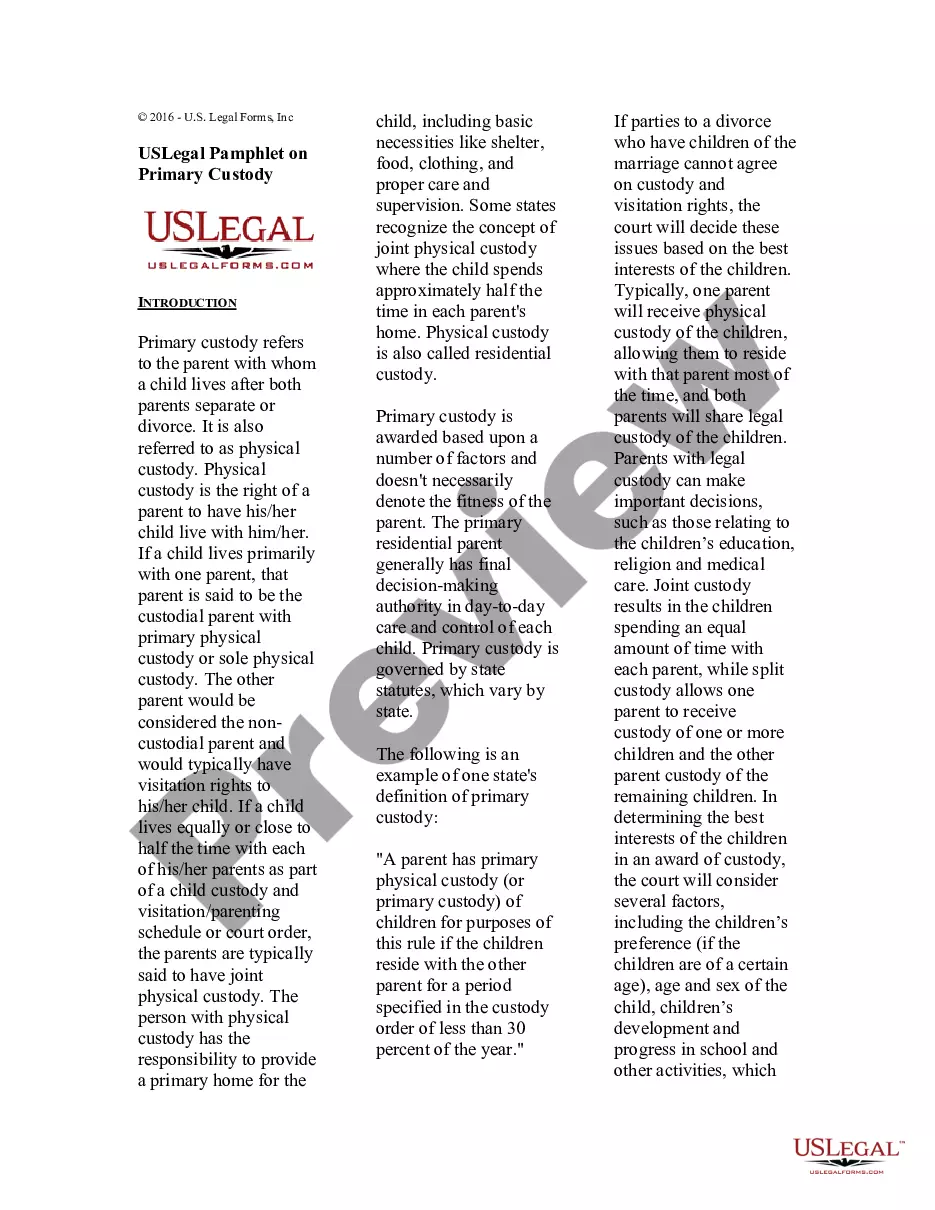
Is this your first experience using US Legal Forms? Sign up and create a free account within minutes, granting you access to the form library and Child Custody Non Forms Michigan. Then, follow the steps below to finalize your form: Make sure you have the correct document by utilizing the Preview function and reviewing the form details. Click Buy Now when prepared and select the subscription option that suits you best. Choose Download, then complete, sign, and print the form. US Legal Forms has twenty-five years of experience helping users manage their legal documents. Acquire the form you need now and streamline any process with ease.
- Browse through the collection of relevant documents at your convenience with just one click.
- US Legal Forms offers state- and county-specific documents available for download any time.
- Streamline your document management with a top-tier service that enables you to prepare any form within minutes without any additional or hidden fees.
- Simply Log In to your account, locate Child Custody Non Forms Michigan, and obtain it instantly from the My documents section.
- You can also retrieve previously saved forms.
Form popularity
FAQ
parent can obtain custody of a child through legal custody arrangements, such as obtaining guardianship or by petitioning for custody in court. Demonstrating a stable environment and a strong bond with the child is crucial for your case. By using child custody non forms Michigan, you can navigate the legal requirements more efficiently. Courts generally prioritize the child's best interests in these decisions.
When Can a Child Refuse Visitation in Michigan? Until children turn 18 or become legally emancipated, they don't have the right to refuse visitation that's required under a court's custody order.
How Old Does a Child Need to Be Before They Can Choose Which Parent They Live With? Ultimately, a child needs to be 18 before they can make any final decisions about where to live. However, Michigan law does allow the preferences of a child to be considered as one factor in custody decisions.
The 100-mile rule requires you to get the judge's permission to move your child's residence more than 100 miles from where the child lived at the time your family court case was filed. Your family court case is the case in which the custody order was issued.
You cannot deny parenting time in Michigan without a court order. If you refuse parenting time to the other parent, you may be held in contempt of Court. Proper cause is always needed if you are denying parenting time in Michigan.
In Michigan, you will need to open your case in the family division of your county court. In some counties, this is referred to as the domestic relations division, or family court. The judges in these divisions of the court have experience dealing with divorce, child custody, and other Michigan family law issues.