Copyright In Works Commissioned By The Crown
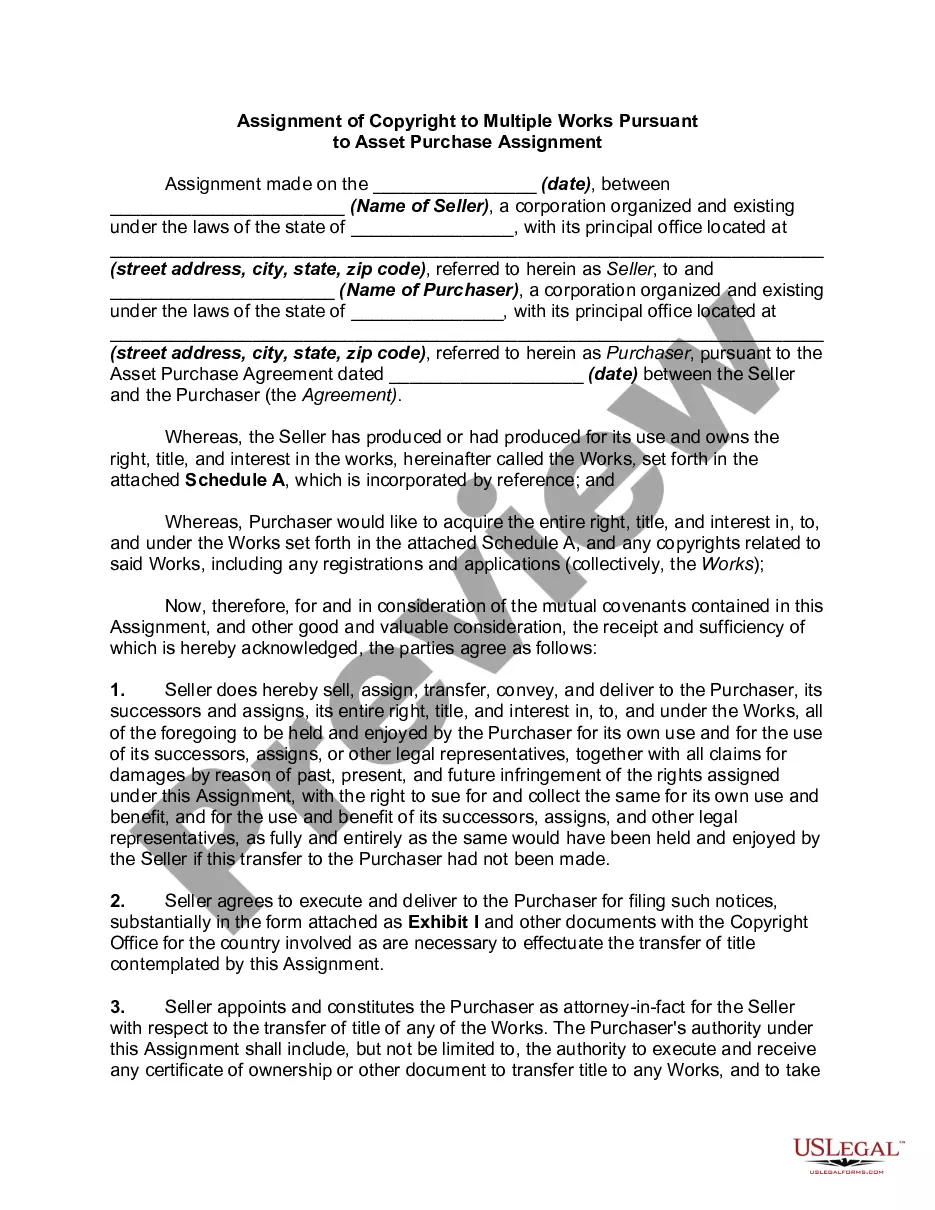
Description
Get your form ready online
Our built-in tools help you complete, sign, share, and store your documents in one place.
Make edits, fill in missing information, and update formatting in US Legal Forms—just like you would in MS Word.
Download a copy, print it, send it by email, or mail it via USPS—whatever works best for your next step.
Sign and collect signatures with our SignNow integration. Send to multiple recipients, set reminders, and more. Go Premium to unlock E-Sign.
If this form requires notarization, complete it online through a secure video call—no need to meet a notary in person or wait for an appointment.
We protect your documents and personal data by following strict security and privacy standards.

Make edits, fill in missing information, and update formatting in US Legal Forms—just like you would in MS Word.

Download a copy, print it, send it by email, or mail it via USPS—whatever works best for your next step.

Sign and collect signatures with our SignNow integration. Send to multiple recipients, set reminders, and more. Go Premium to unlock E-Sign.

If this form requires notarization, complete it online through a secure video call—no need to meet a notary in person or wait for an appointment.

We protect your documents and personal data by following strict security and privacy standards.
Looking for another form?






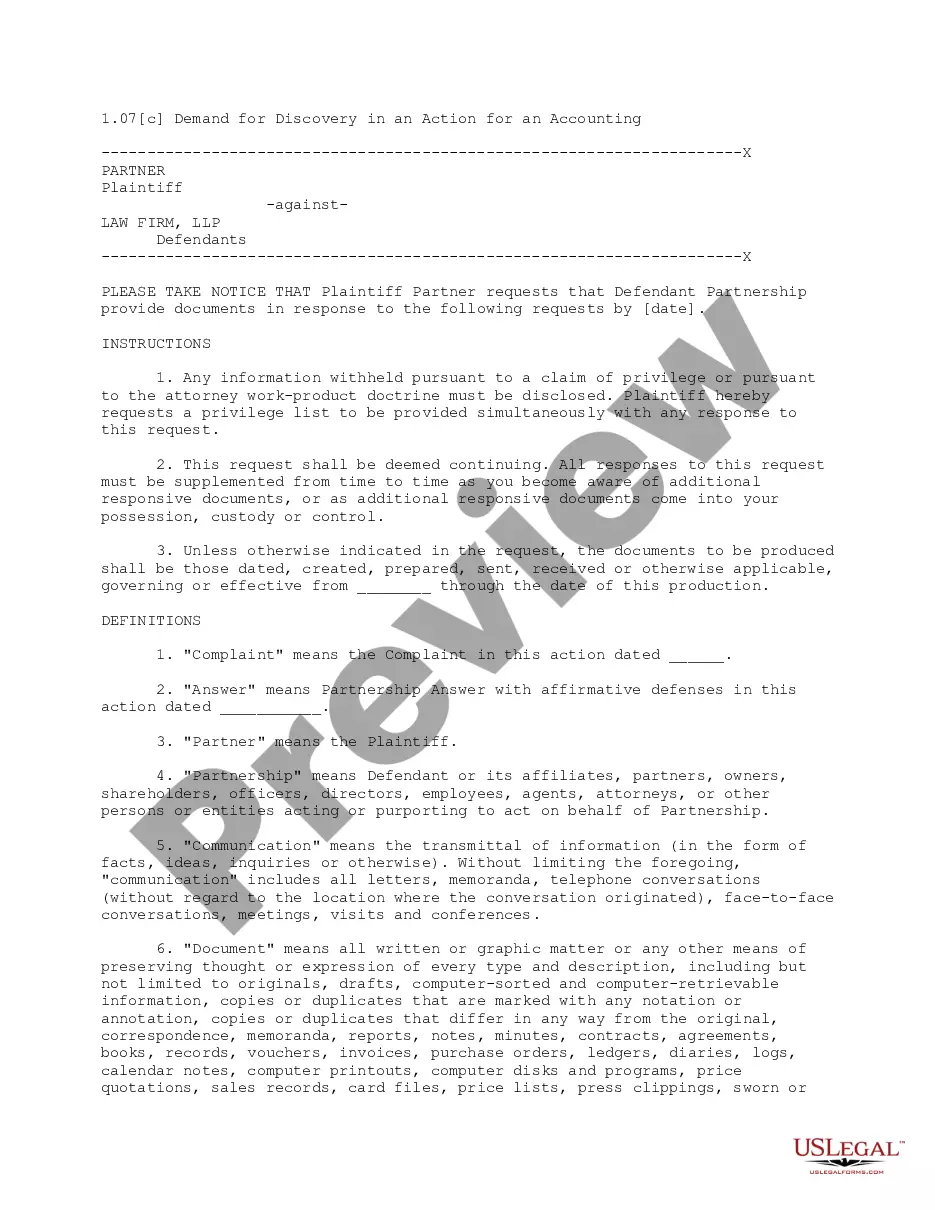

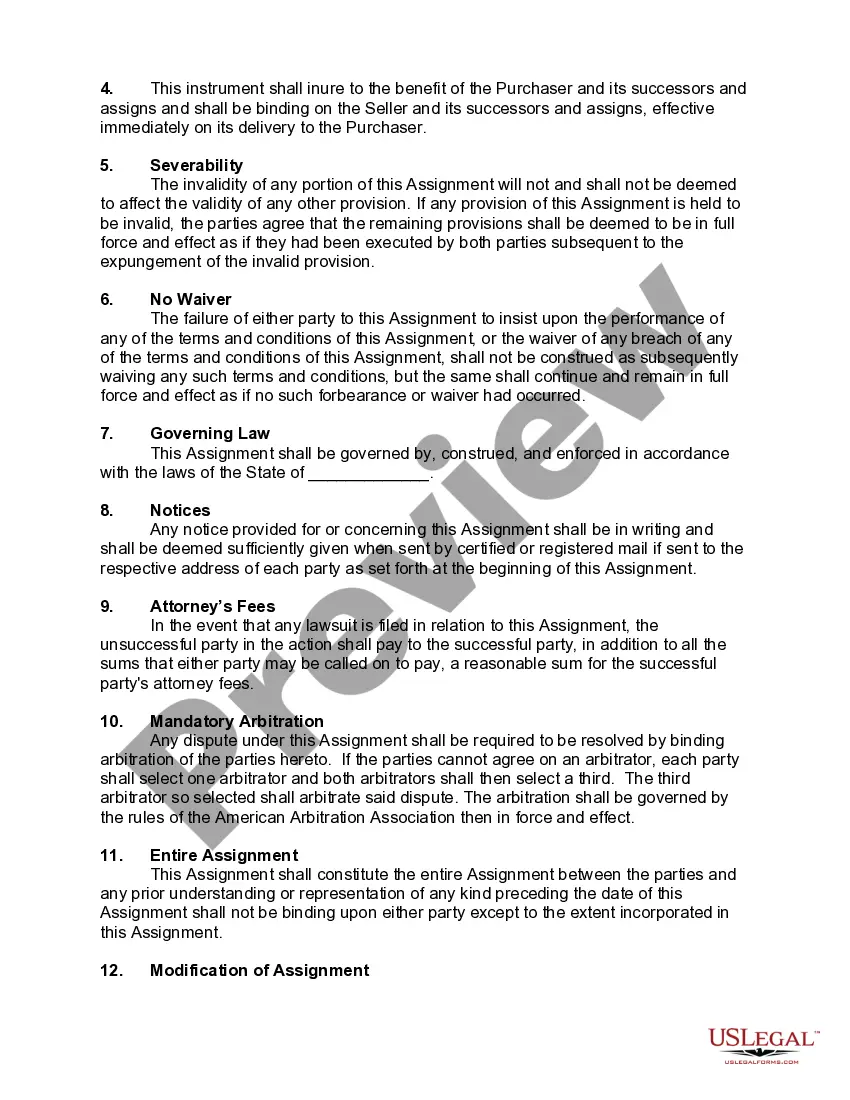
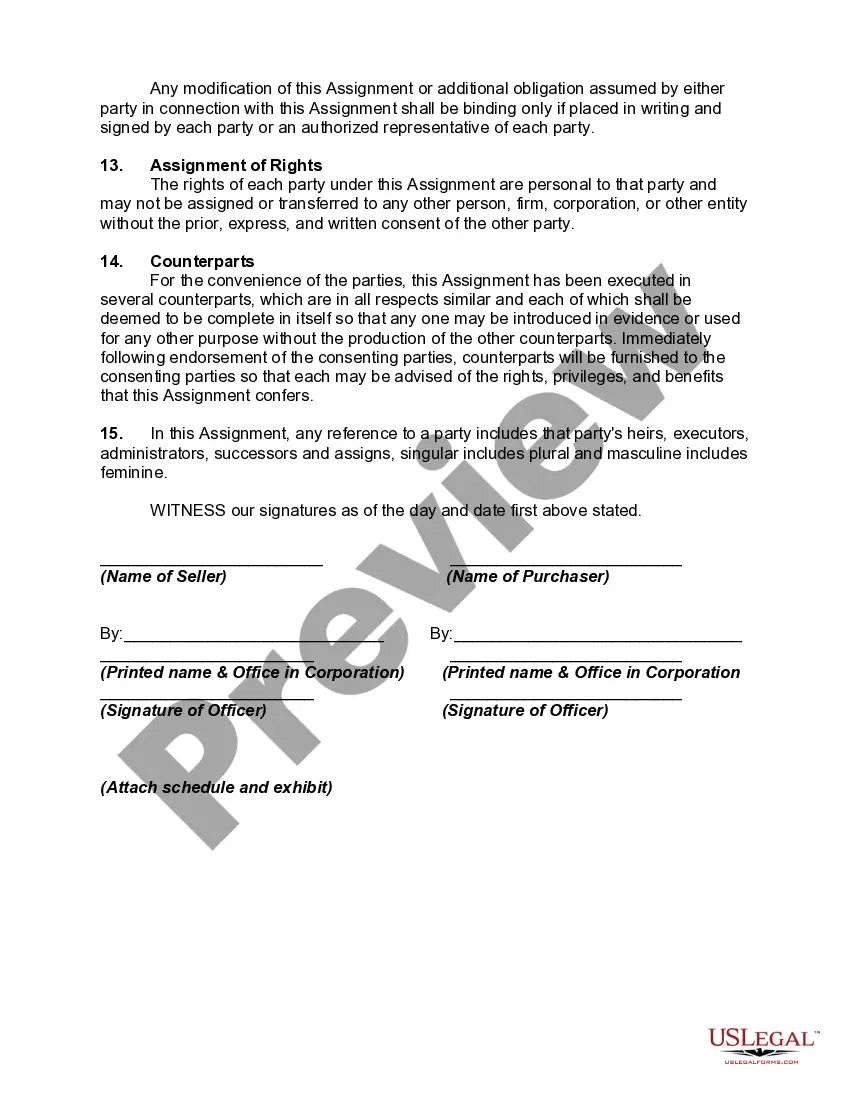
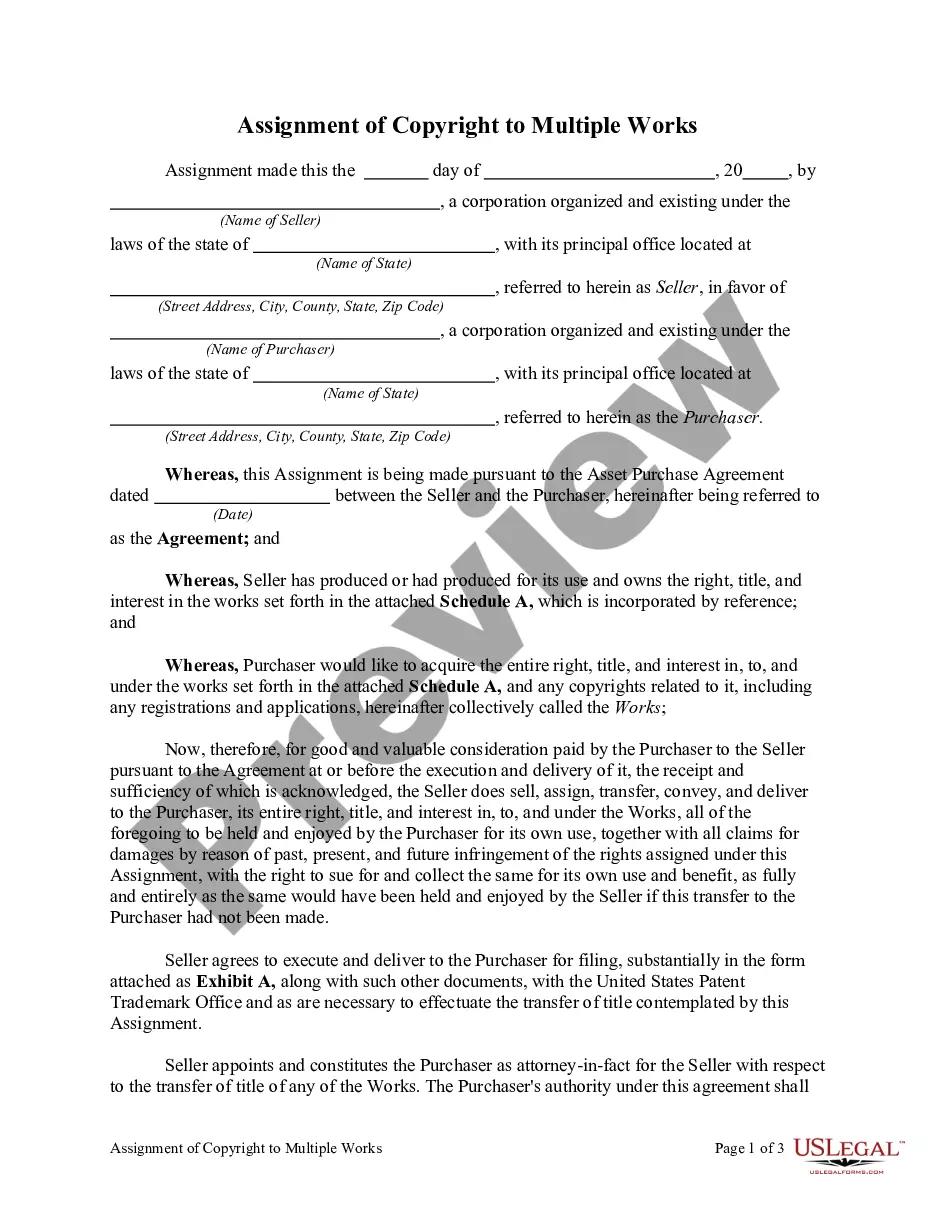
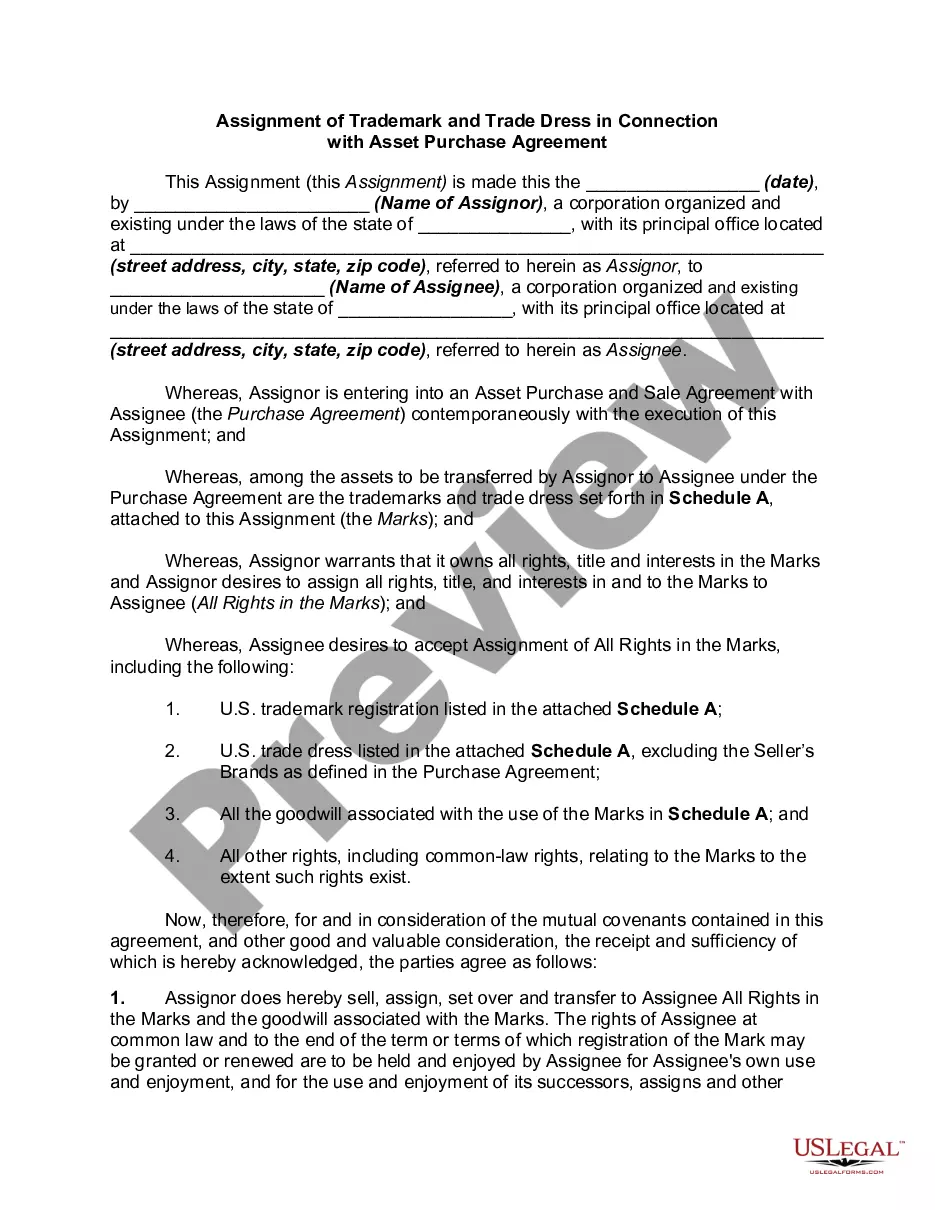
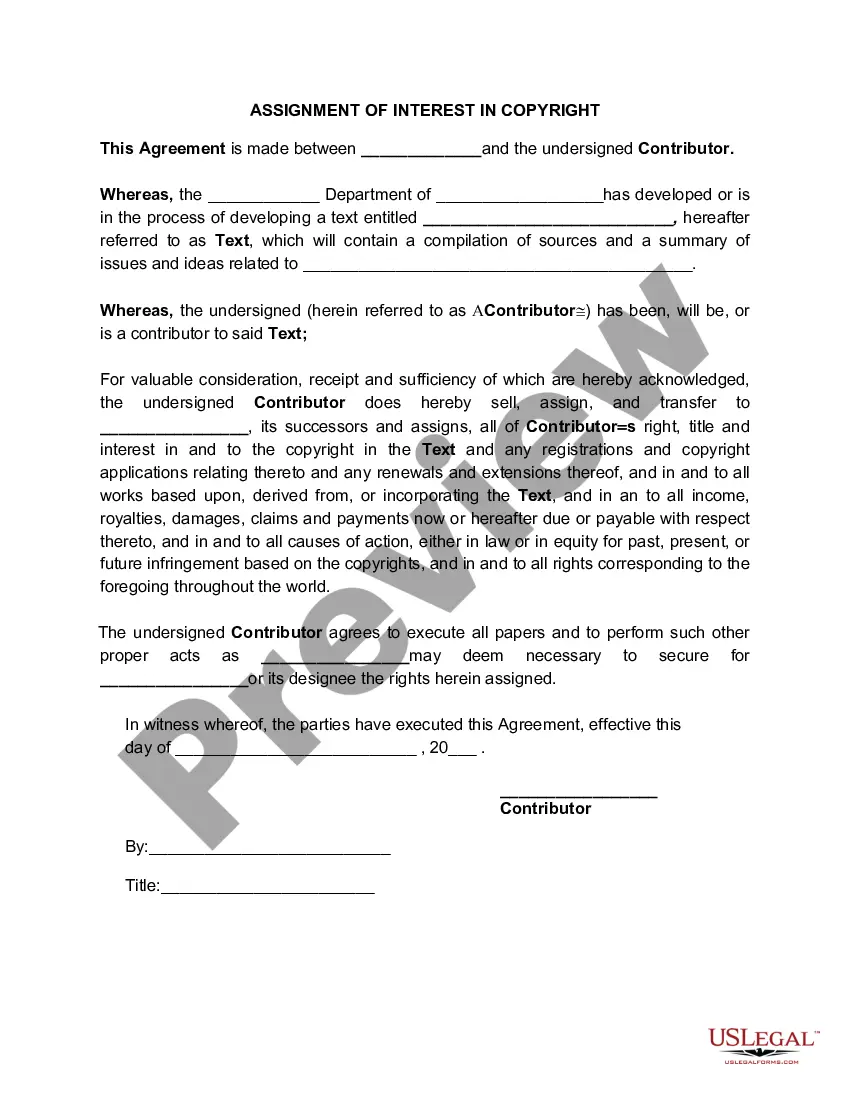
How to fill out Assignment Of Copyright To Multiple Works Pursuant To Asset Purchase?
There's no longer a need to spend countless hours searching for legal documents to comply with your local state requirements.
US Legal Forms has gathered all of them in a single location and made them easier to access.
Our platform offers over 85,000 templates for various business and personal legal situations organized by state and purpose.
Prepare meticulous paperwork in accordance with federal and state laws and regulations swiftly and effortlessly with our platform. Try US Legal Forms today to keep your documents organized!
- All forms are suitably prepared and verified for accuracy, so you can feel assured in obtaining the current Copyright In Works Commissioned By The Crown.
- If you are acquainted with our platform and already possess an account, make sure your subscription is active before accessing any templates.
- Log In to your account, choose the document, and click Download.
- You can also return to all saved documents at any time by accessing the My documents section in your profile.
- If you have not previously used our platform, the process will require a few additional steps to complete.
- Here’s how new users can find the Copyright In Works Commissioned By The Crown in our library.
- Review the page content carefully to ensure it contains the example you need.
- To do this, utilize the form description and preview options if available.
Form popularity
FAQ
Copyright in works commissioned by the crown signifies that the ownership and rights can vary based on the agreements made. Generally, the artist retains copyright unless the contract states otherwise. It’s vital to clearly outline rights in any commission agreement to avoid future disputes. Consulting platforms like uslegalforms can help you draft appropriate contracts to protect both parties involved.
To obtain a copyright for your original published work, you must create a tangible expression of your ideas. Copyright in works commissioned by the crown can complicate ownership. Typically, once your work is completed and fixed in a medium, you can register it with the U.S. Copyright Office. This formal registration provides legal advantages, such as the ability to enforce your rights in court.
The rights to a commissioned work usually depend on the contractual agreement between the artist and the commissioner. Typically, if no transfer of rights is specified, the artist retains ownership. However, you can negotiate to obtain those rights. Familiarizing yourself with copyright in works commissioned by the crown ensures you protect your investment and creative intentions effectively.
Generally, the creator of an artwork owns the copyright unless an agreement states otherwise. This means the artist has the exclusive rights to reproduce, sell, and display their work. If the artwork is created as a commissioned piece, the ownership may shift based on the contract. Understanding copyright in works commissioned by the crown helps clarify these roles and rights.
When you commission art, ownership of the copyright can depend on the agreement between you and the artist. In many cases, the artist retains copyright unless explicitly transferred to you in the contract. It’s crucial to discuss and document these terms upfront. Knowing about copyright in works commissioned by the crown can safeguard your interests as the commissioner.
To put copyright on your work, you must create it in a tangible form. This means that your creation, such as a piece of writing or artwork, should be saved or recorded in some way. While you automatically have copyright upon creation, registering your work with the U.S. Copyright Office provides legal advantages. Understanding copyright in works commissioned by the crown can help clarify ownership issues.
Typically, when you create something at work, your employer holds the copyright, especially if it's done in the course of your employment. This situation can also relate to copyright in works commissioned by the crown, as public employees often create works that the crown owns. Understanding your rights and obligations in your workplace is essential. Resources like USLegalForms provide templates that clarify copyright issues in employment settings.
In general, the rights to a commissioned artwork can depend on the agreement between the artist and the commissioner. Copyright in works commissioned by the crown follows specific rules, where usually the crown retains ownership of the rights. It's crucial to have a clear contract outlining these details. If you're unsure about your rights, platforms like USLegalForms can help you draft agreements that protect your interests.
Copyright in a commissioned work usually belongs to the commissioning party. However, this can vary based on contracts and agreements made prior to the creation of the work. It is wise to clarify ownership terms in writing, especially in the context of copyright in works commissioned by the crown, to prevent confusion down the line.
Generally, the commissioner owns the copyright to commissioned artwork unless otherwise stated in a contract. This ownership is pivotal to ensuring that both the artist and the commissioner know their rights. To protect your interests, consider using legal platforms like uslegalforms to draft clear agreements.
