Blind Trust In Authority
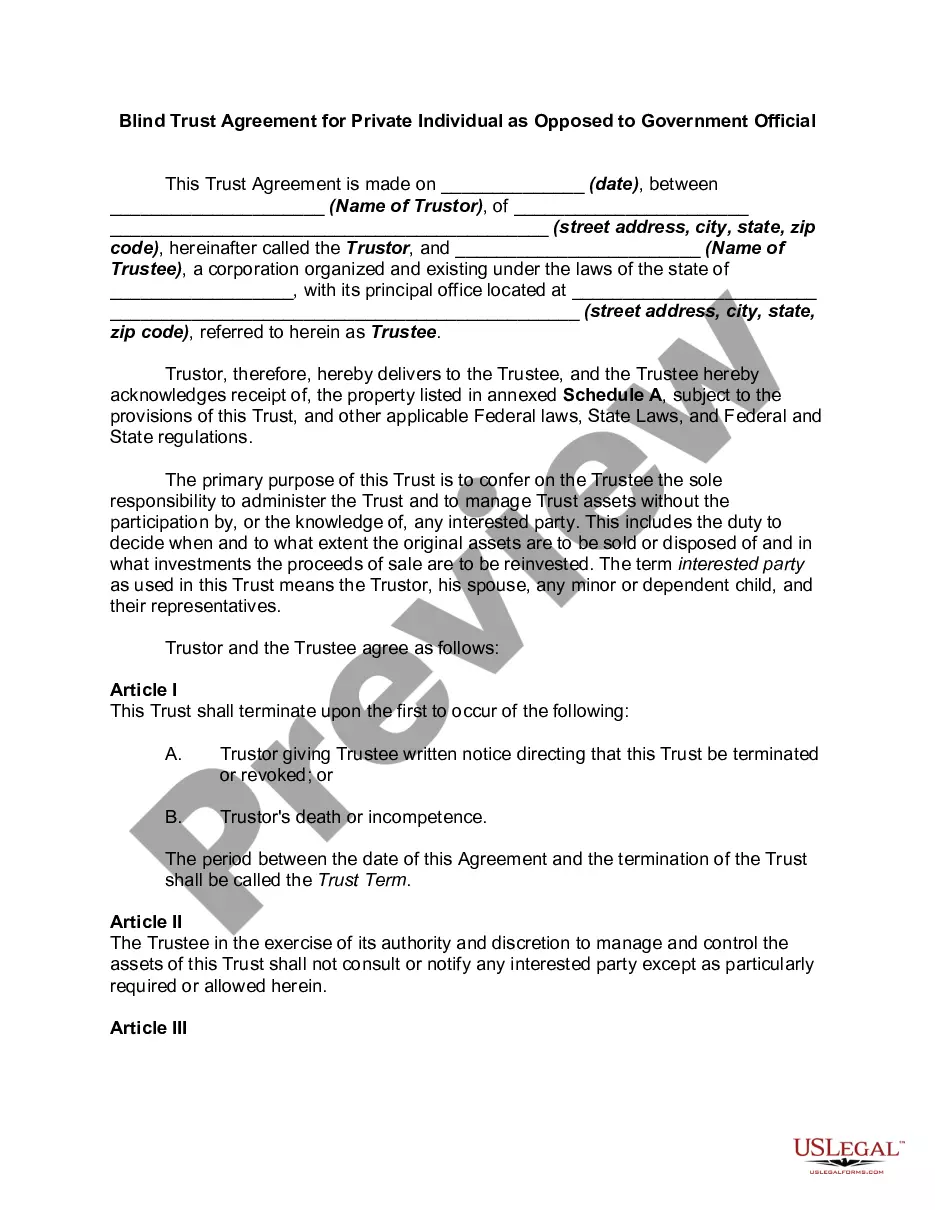
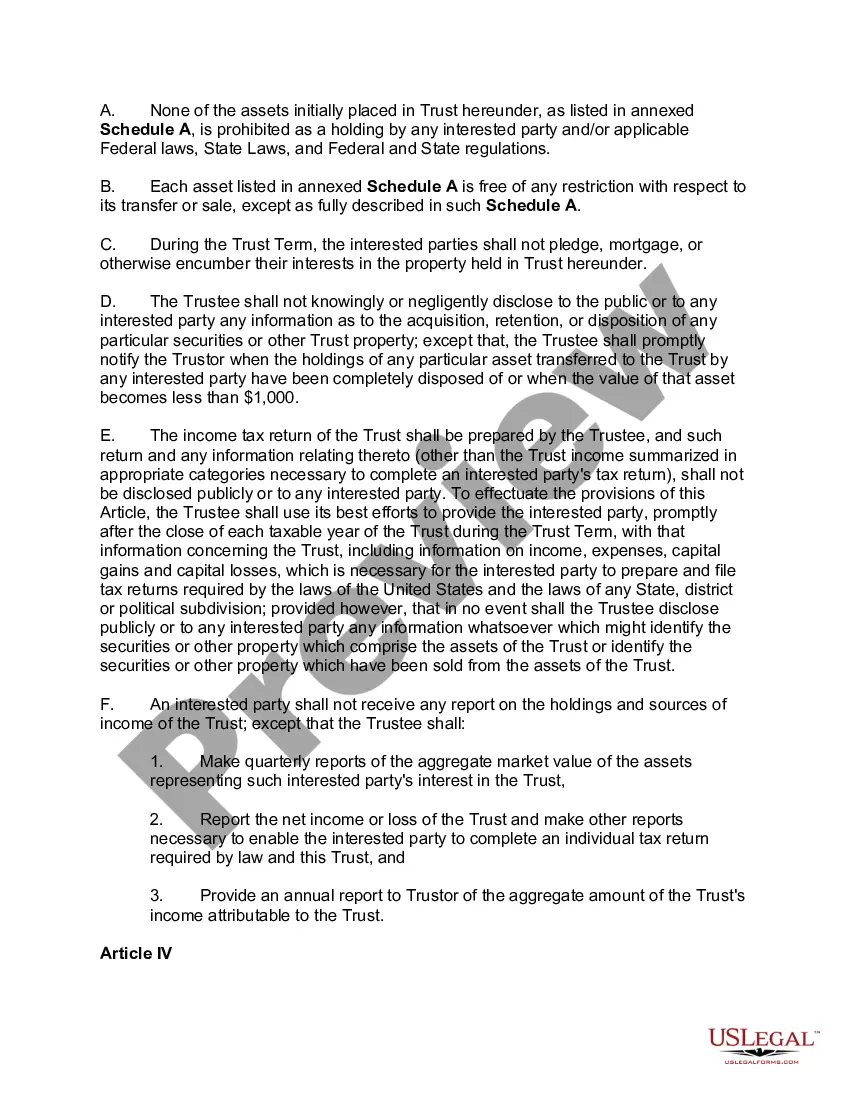
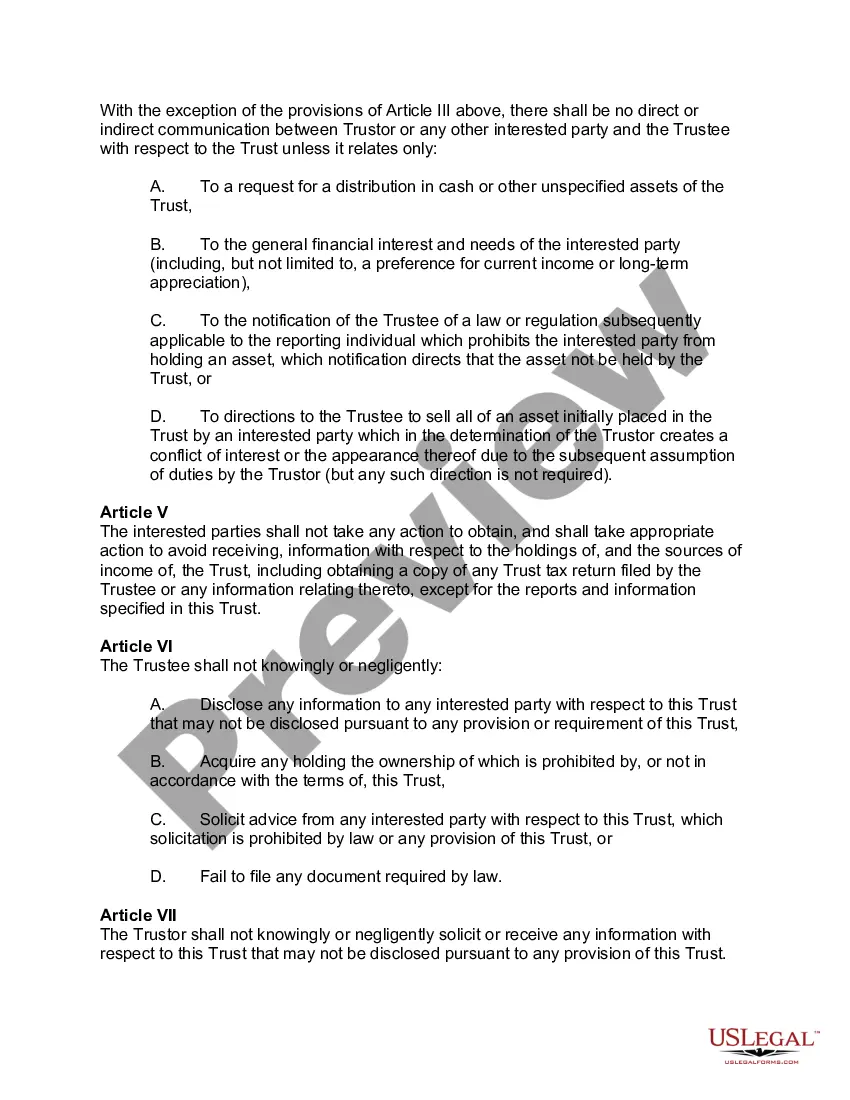
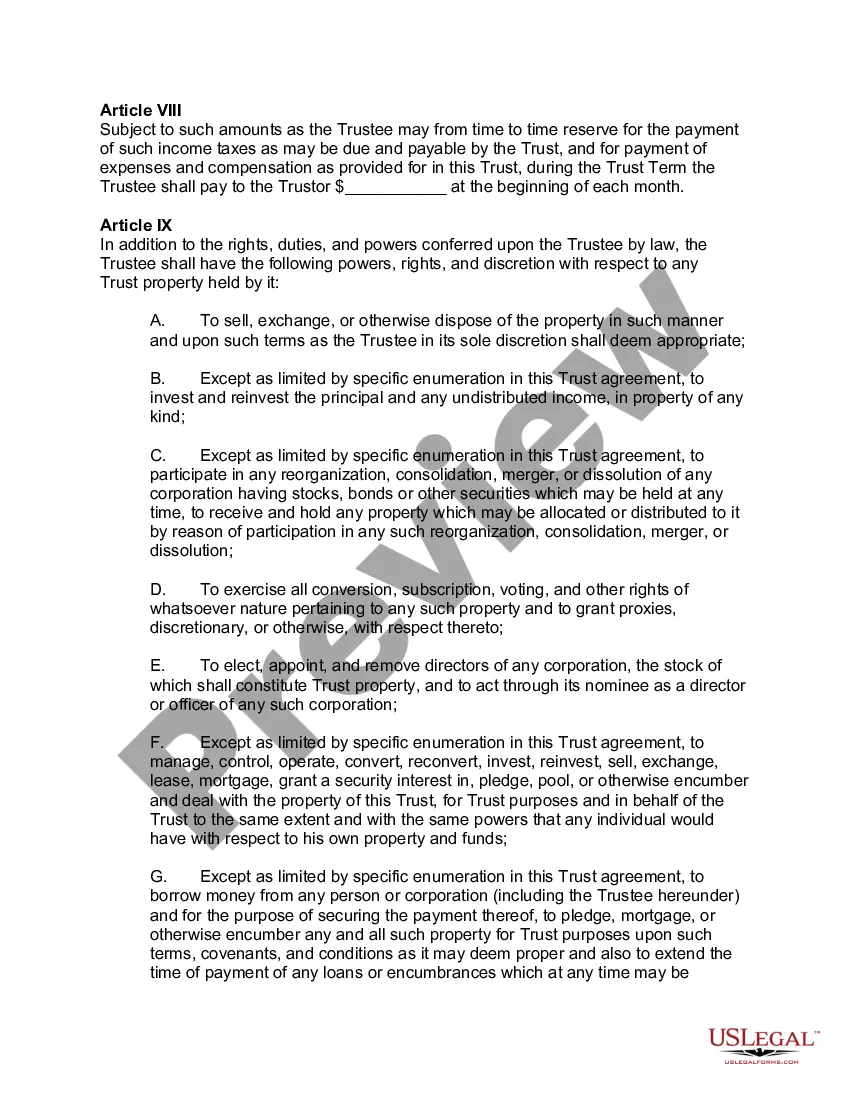
Description
Get your form ready online
Our built-in tools help you complete, sign, share, and store your documents in one place.
Make edits, fill in missing information, and update formatting in US Legal Forms—just like you would in MS Word.
Download a copy, print it, send it by email, or mail it via USPS—whatever works best for your next step.
Sign and collect signatures with our SignNow integration. Send to multiple recipients, set reminders, and more. Go Premium to unlock E-Sign.
If this form requires notarization, complete it online through a secure video call—no need to meet a notary in person or wait for an appointment.
We protect your documents and personal data by following strict security and privacy standards.

Make edits, fill in missing information, and update formatting in US Legal Forms—just like you would in MS Word.

Download a copy, print it, send it by email, or mail it via USPS—whatever works best for your next step.

Sign and collect signatures with our SignNow integration. Send to multiple recipients, set reminders, and more. Go Premium to unlock E-Sign.

If this form requires notarization, complete it online through a secure video call—no need to meet a notary in person or wait for an appointment.

We protect your documents and personal data by following strict security and privacy standards.
Looking for another form?







Form popularity
FAQ
Blind belief in authority entails accepting information or directives from a figure of power without skepticism. This mindset may prevent individuals from engaging in independent thought or decision-making. Cultivating awareness regarding blind trust in authority can empower you to challenge assumptions and foster a more informed approach.
An example of blind authority can be seen in situations where individuals follow orders from leaders without questioning the morality or legality of those commands. Historical contexts, such as certain wartime actions, illustrate how blind trust in authority can lead to problematic outcomes. Recognizing this example is key to understanding the importance of critical thinking.
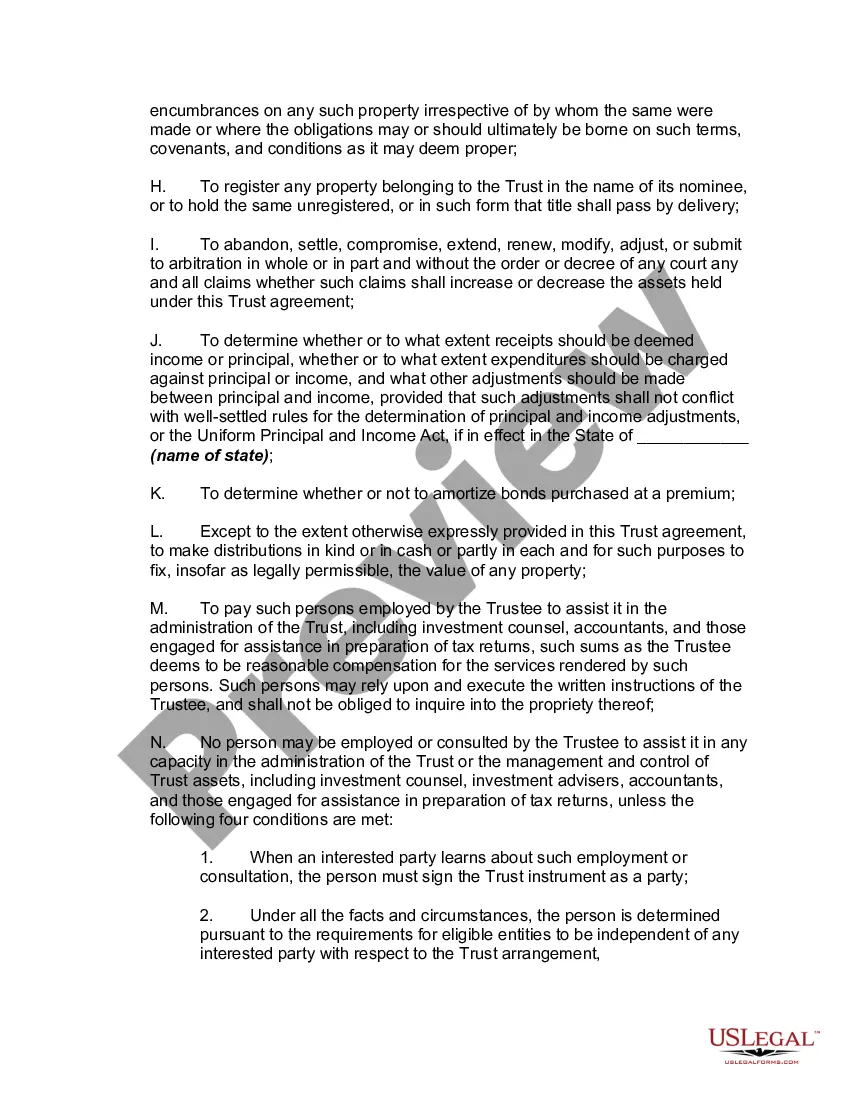
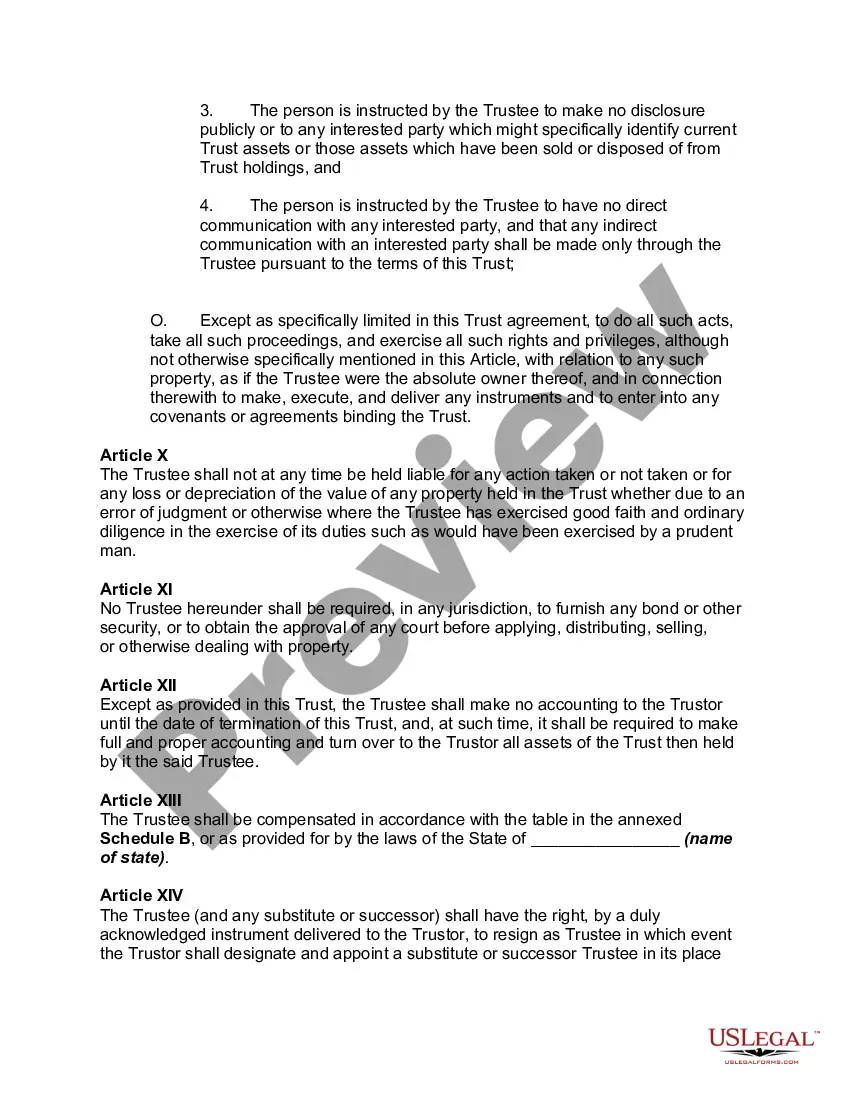
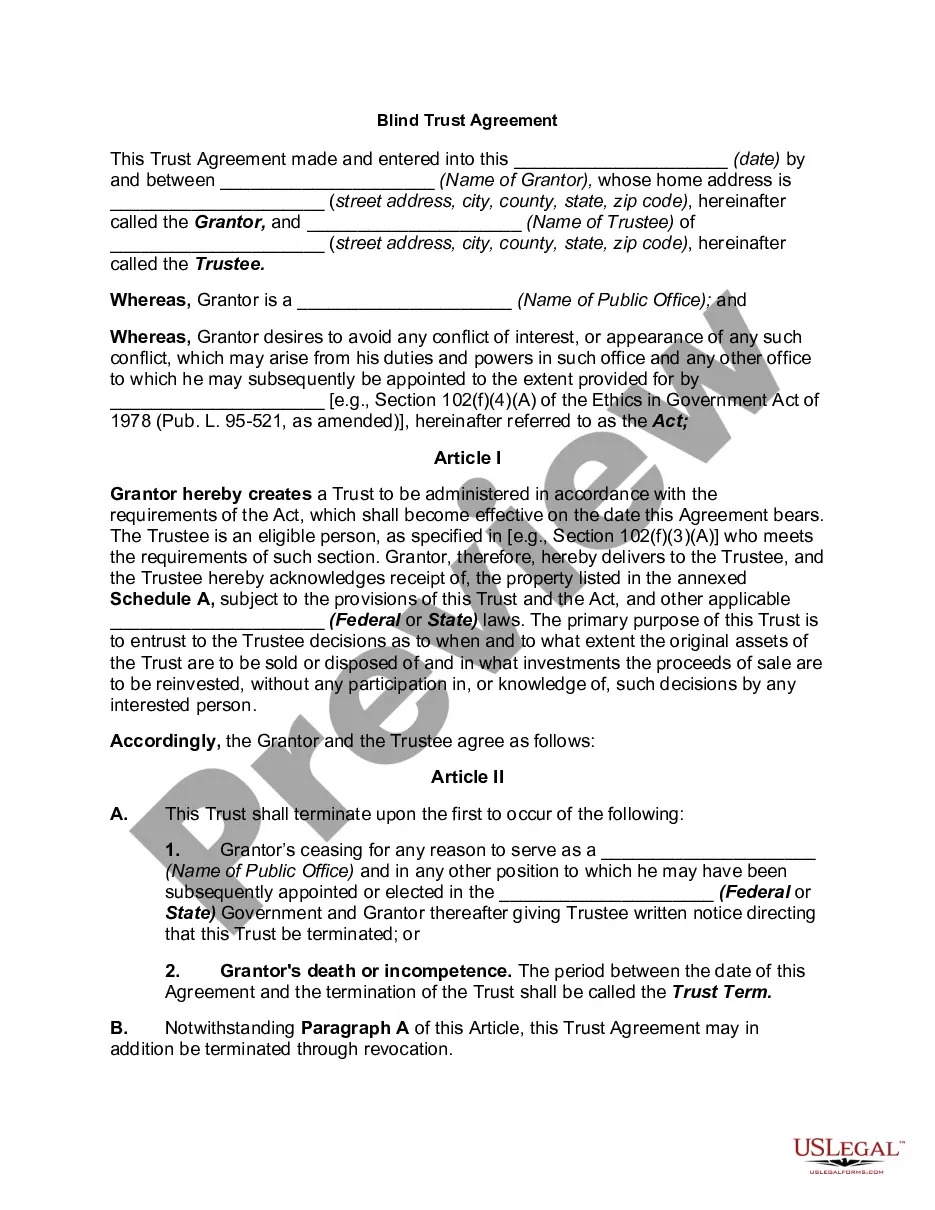
One of the main drawbacks of a blind trust is the lack of transparency, which can leave the granter feeling disconnected from their assets. Additionally, there may be difficulties in accessing funds or executing specific requests due to the trustee’s autonomous control. It’s essential to weigh these cons against the benefits of a blind trust in authority, such as increased privacy.
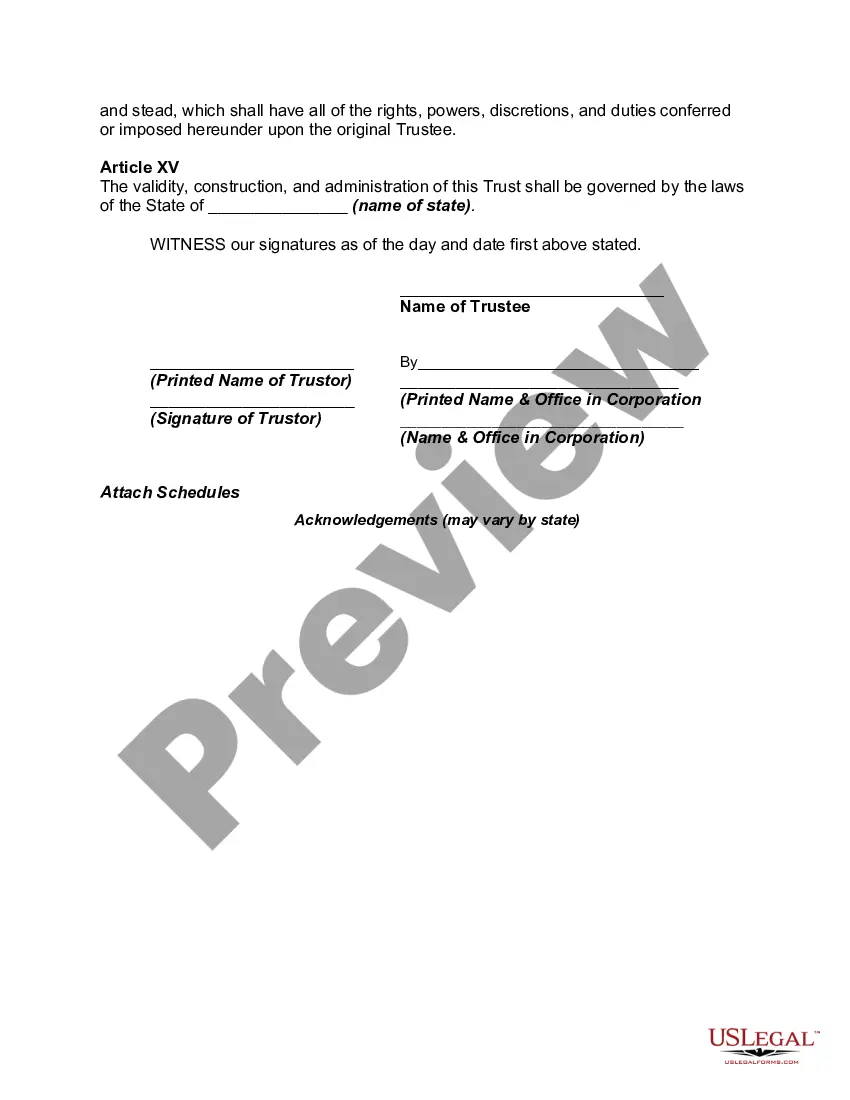
The person in control of a trust is known as the trustee. This individual or entity administers the trust in accordance with its terms and ensures that the beneficiaries receive their rightful assets. In the context of blind trust in authority, the trustee's independence is vital for maintaining the integrity of the trust's purpose.
Blind trusts are typically managed by independent trustees, who are responsible for making decisions regarding the trust's assets. These trustees are selected for their expertise and impartiality to ensure that the granter's interests remain protected. Engaging with professionals who specialize in blind trust in authority can help you navigate this complex landscape.
Blind obedience to authority refers to the uncritical acceptance of directives from those in power, without questioning their decisions or motives. This form of obedience can lead individuals to act against their personal beliefs or ethical standards. In contexts where blind trust in authority is prevalent, it is crucial to examine the implications of such compliance.
A blind trust functions by allowing a trustee to manage assets without the granter's knowledge or input. This separation helps to prevent any conflicts of interest, particularly in situations where the granter holds a position of authority. In essence, a blind trust in authority encourages impartiality and ensures unbiased decision-making.
One of the biggest mistakes parents make when setting up a trust fund is failing to align the trust with their long-term financial objectives. Inadequate planning can lead to confusion over asset distribution and management. Furthermore, overlooking the benefits of a blind trust in authority may result in unintended consequences for beneficiaries and compromise the trust's effectiveness.
The best state to set up a blind trust may vary based on your specific situation; however, many experts recommend South Dakota for its favorable legal framework. This state provides advantages such as asset protection and no state income tax on trust income. By utilizing a blind trust in authority in such a state, you can achieve greater security and flexibility with your assets.
The most favorable state for establishing trusts often depends on your individual needs, but South Dakota frequently stands out as a leading choice. It offers flexible regulations and minimal tax liabilities, making it appealing for those seeking a blind trust in authority. Additionally, the state's strong privacy laws enhance the protection of assets within the trust.
