Blind Trust
Description
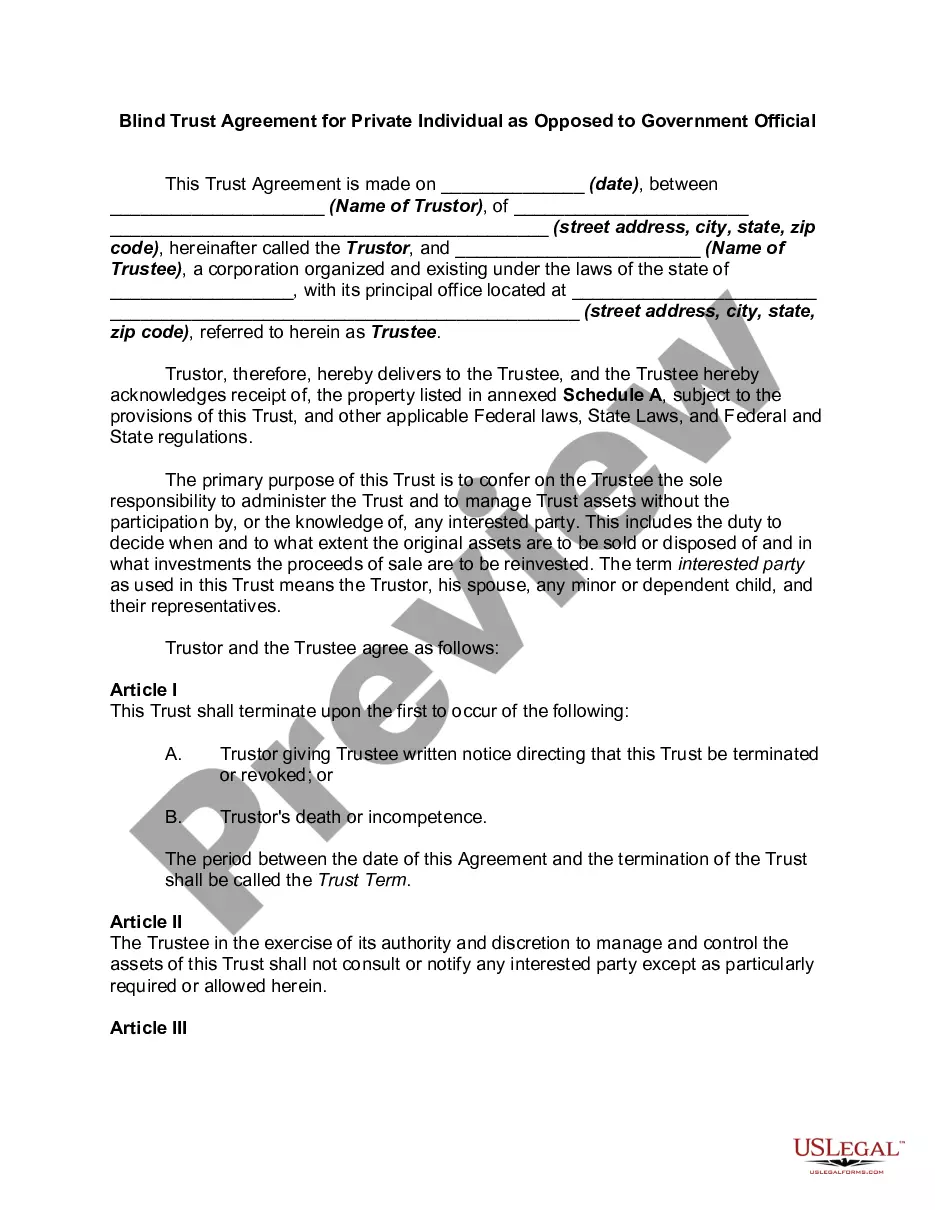
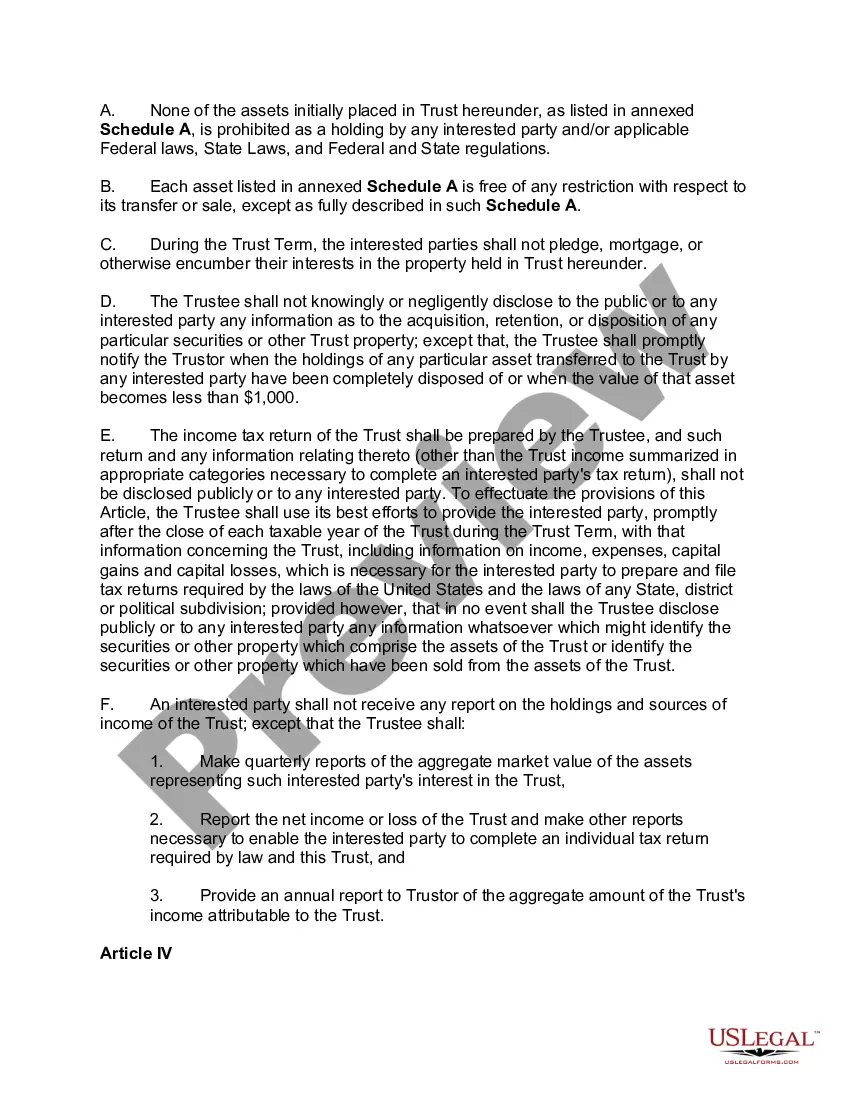
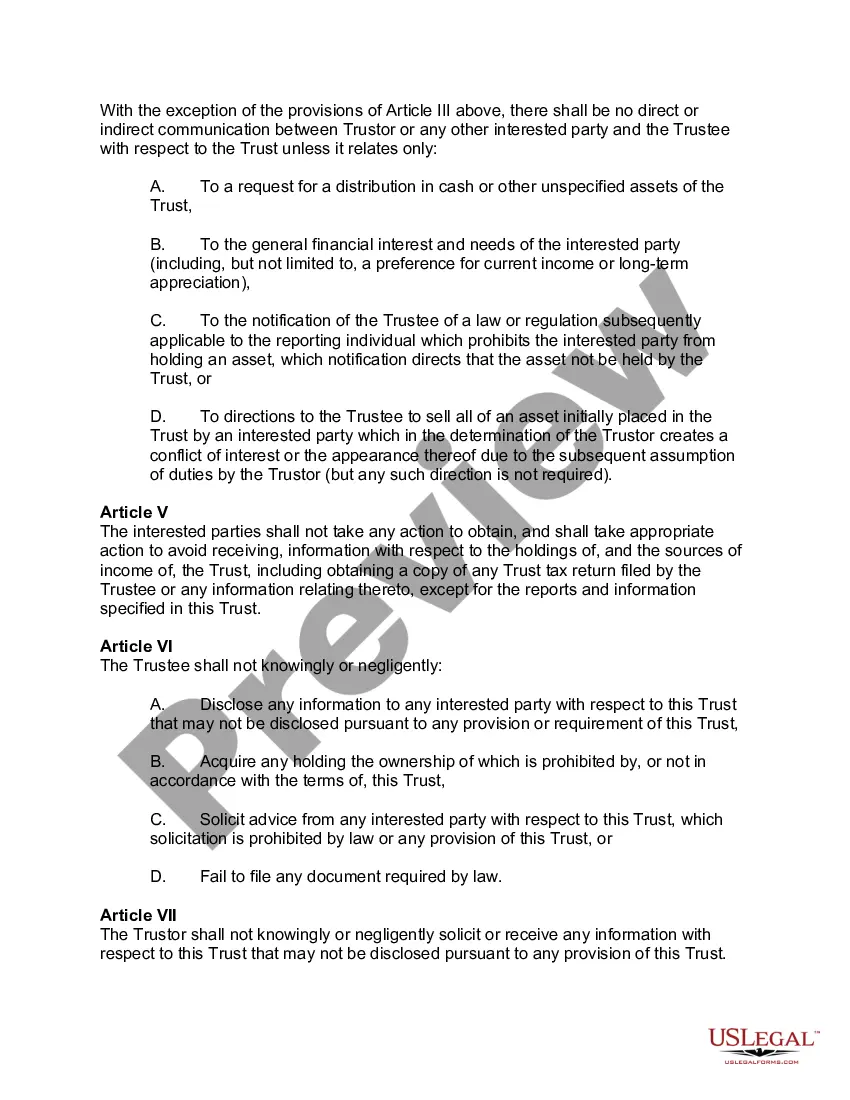
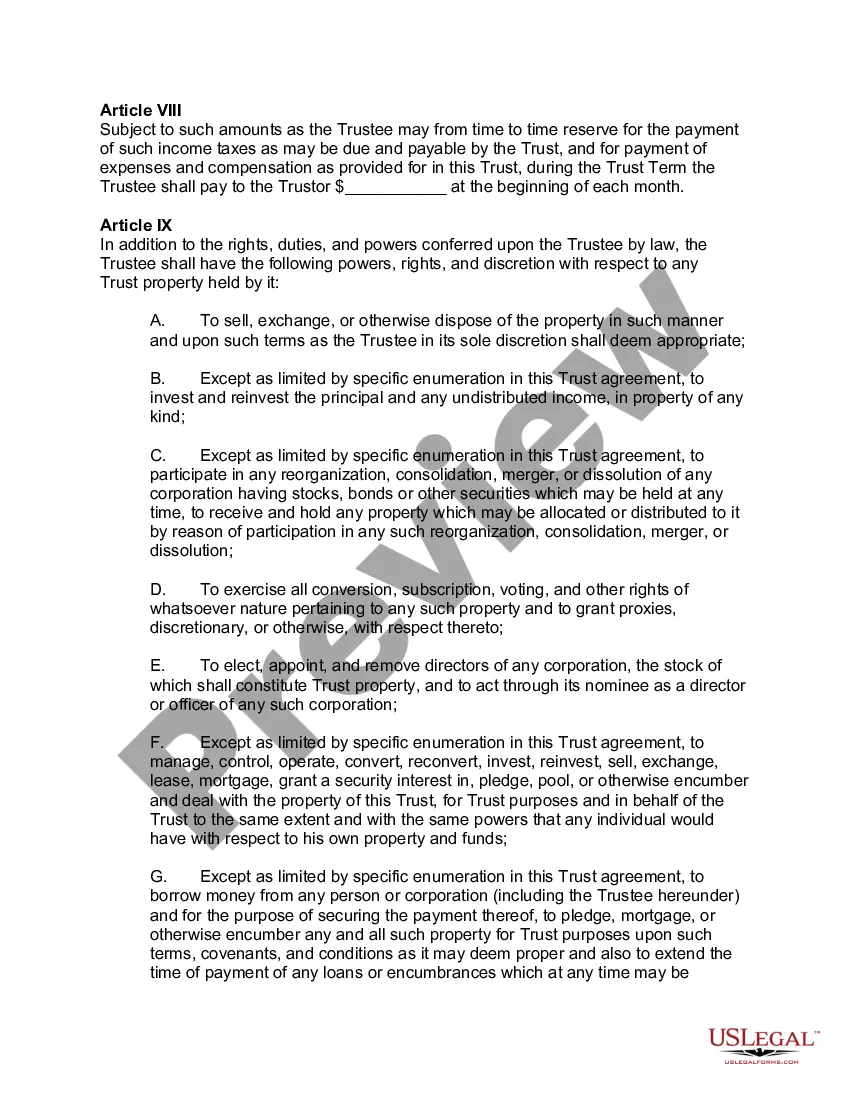
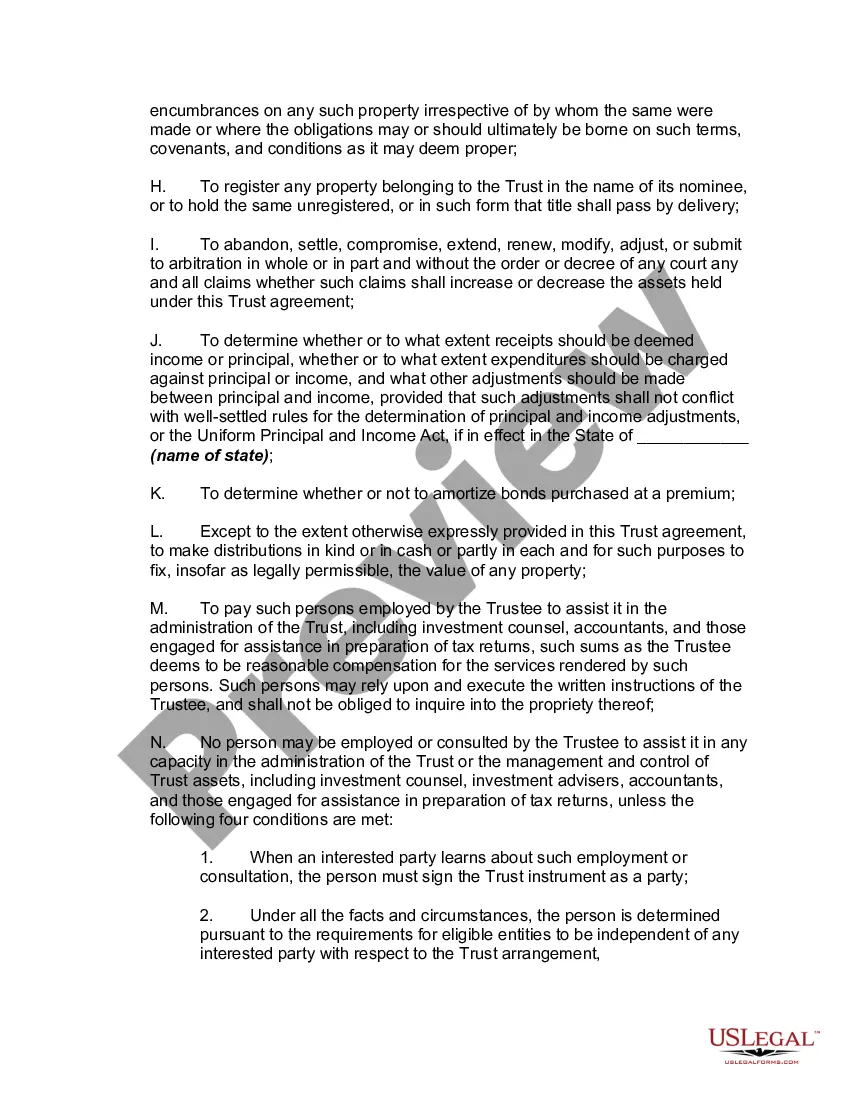
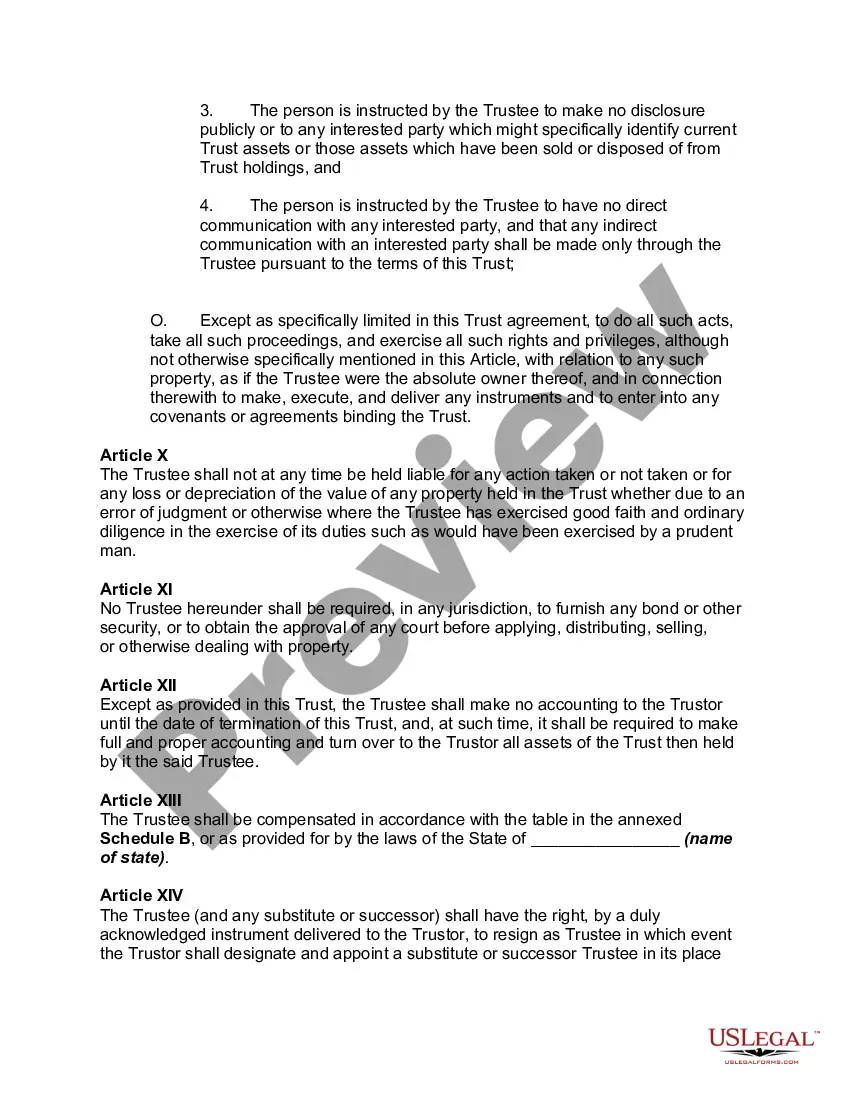
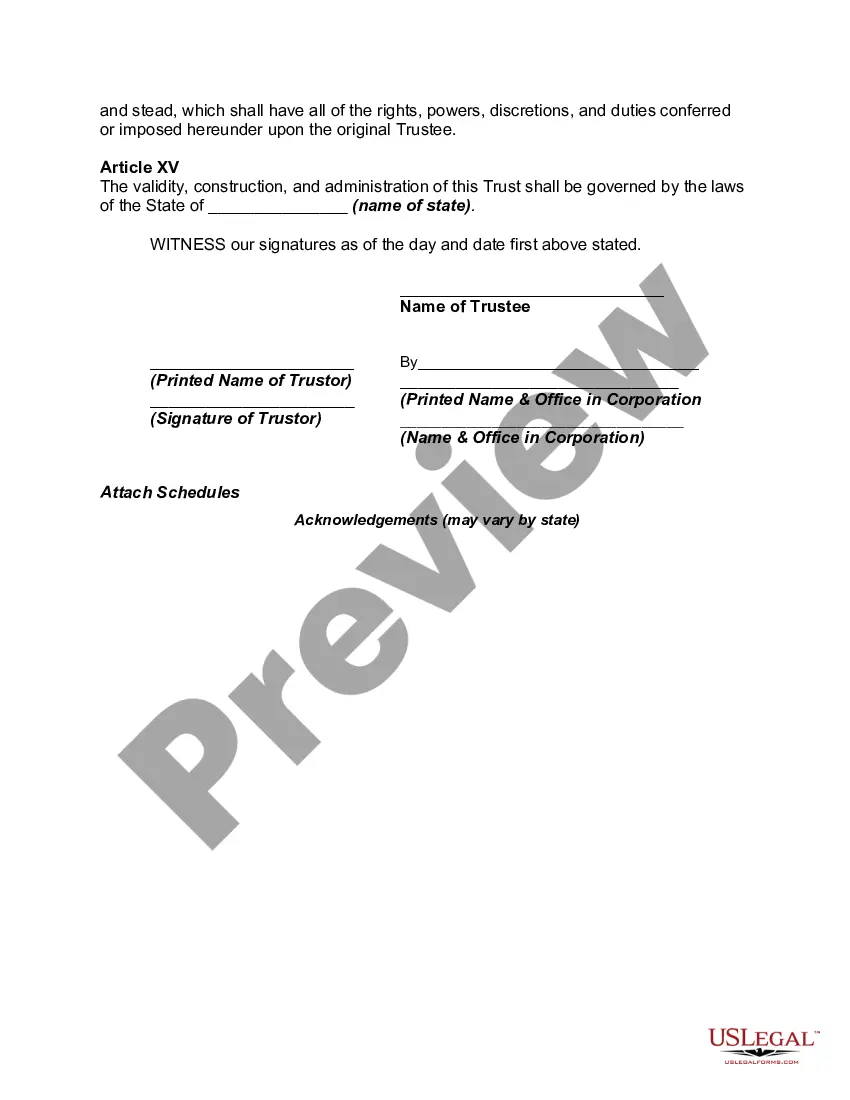
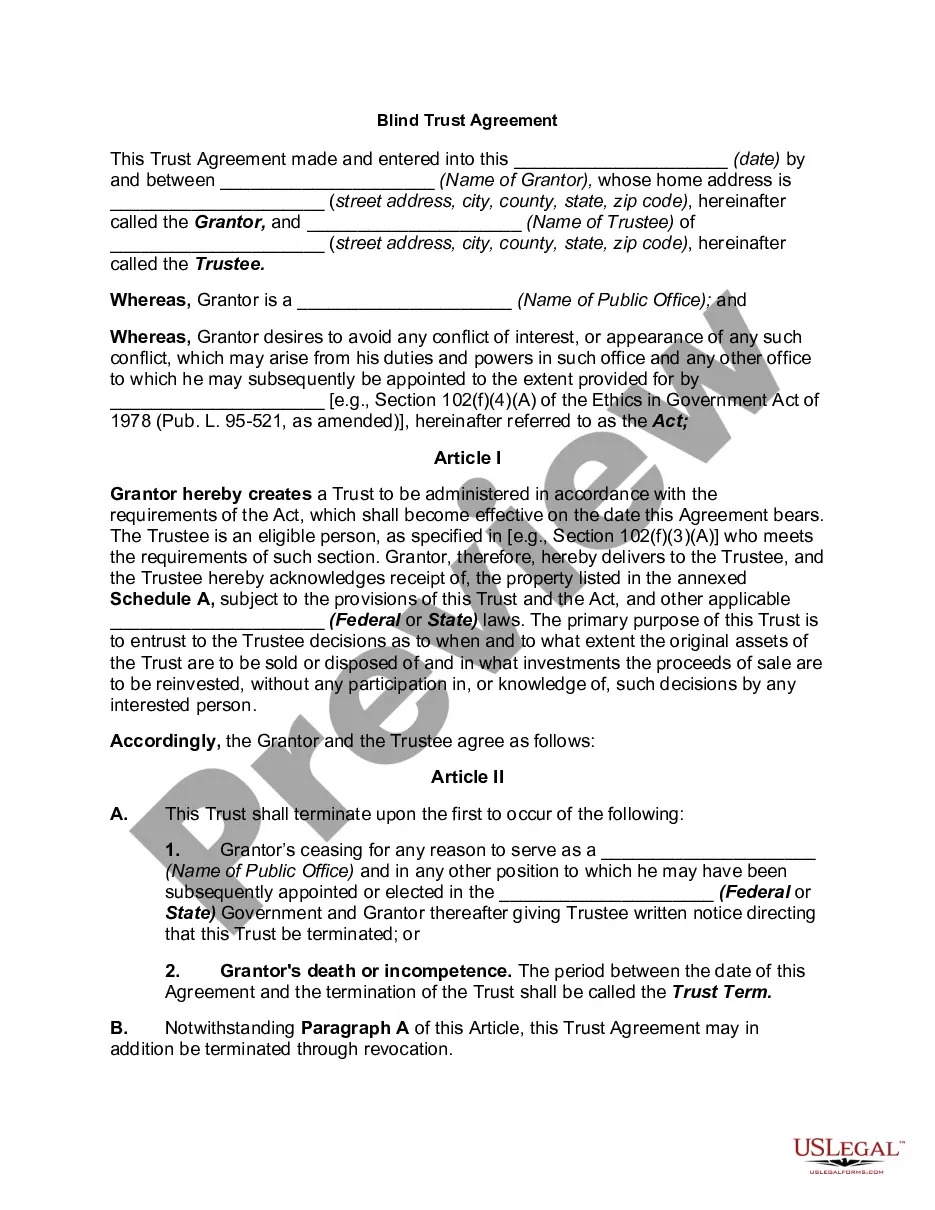
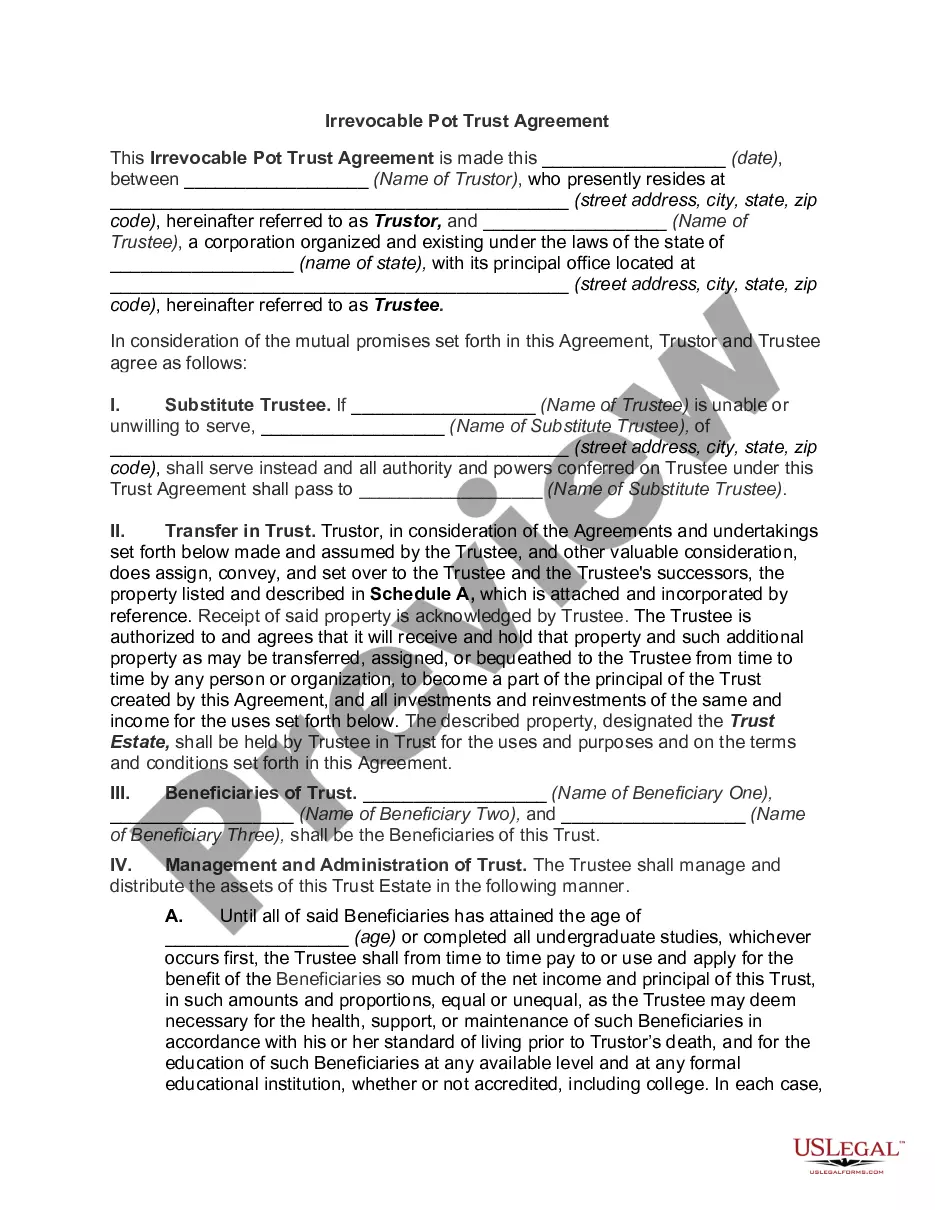
Get your form ready online
Our built-in tools help you complete, sign, share, and store your documents in one place.
Make edits, fill in missing information, and update formatting in US Legal Forms—just like you would in MS Word.
Download a copy, print it, send it by email, or mail it via USPS—whatever works best for your next step.
Sign and collect signatures with our SignNow integration. Send to multiple recipients, set reminders, and more. Go Premium to unlock E-Sign.
If this form requires notarization, complete it online through a secure video call—no need to meet a notary in person or wait for an appointment.
We protect your documents and personal data by following strict security and privacy standards.

Make edits, fill in missing information, and update formatting in US Legal Forms—just like you would in MS Word.

Download a copy, print it, send it by email, or mail it via USPS—whatever works best for your next step.

Sign and collect signatures with our SignNow integration. Send to multiple recipients, set reminders, and more. Go Premium to unlock E-Sign.

If this form requires notarization, complete it online through a secure video call—no need to meet a notary in person or wait for an appointment.

We protect your documents and personal data by following strict security and privacy standards.
Looking for another form?

How to fill out Blind Trust Agreement For Private Individual As Opposed To Government?
- Log in to your US Legal Forms account. If you are an existing user, ensure your subscription is active. If it has lapsed, renew it according to your selected plan.
- Search for your required document. Use the Preview mode and form descriptions to verify that the template fits your needs and local jurisdiction.
- Look for alternatives if necessary. If your first choice doesn’t suit you, leverage the Search tab to find the correct template.
- Make your purchase. Click the Buy Now button, select the subscription plan that meets your needs, and create an account if this is your first time.
- Complete the payment process. Enter your credit card details or opt for PayPal to finalize your purchase.
- Download your document. Save the form to your device for completion and access it anytime through the My Forms section of your profile.
By following these steps, you’ll have secure and legally sound documentation for your blind trust. With over 85,000 fillable forms available, US Legal Forms empowers both individuals and attorneys to execute documents swiftly and efficiently.
Ready to simplify your legal documentation? Visit US Legal Forms today and take the first step towards establishing your blind trust.
Form popularity
FAQ
Setting up a blind trust involves several steps. First, you need to select a trustworthy trustee who will manage the assets on your behalf without disclosing specific information to you. Next, you must prepare legal documents that outline the trust's terms and conditions, detailing how the trustee should handle the assets. You can simplify this process by using platforms like USLegalForms, which provide resources and templates to help you create a blind trust efficiently.
You can suspect a trust exists if you notice assets held under unusual arrangements or hear discussions about estate planning. Moreover, if someone mentions the management of assets without specifics, it might indicate a trust structure, such as a blind trust. If you’re unsure, consult with an attorney who can provide clarity regarding trust documentation and existing legal frameworks.
Finding out if someone has a trust, particularly a blind trust, without their consent can be complicated. Public records may reveal general information about trust assets, but specific details are usually private. Engaging a legal professional can guide you through the laws and methods applicable in your state, helping you gather the information legally.
Finding a hidden trust fund can be challenging, especially if it is designed to remain confidential. Begin by searching through personal documents, bank statements, and any correspondence related to estate planning. Seeking assistance from a trust attorney can also be beneficial; they have the expertise to help uncover potential blind trusts and interpret trust-related agreements.
To find out if you have a trust fund in your name, start by checking with family members or relatives who might have set it up. Additionally, reviewing family financial documents or estate plans can provide clues. If you suspect a blind trust exists, consider hiring a lawyer who specializes in trusts and estates to conduct a thorough investigation.
Establishing a blind trust requires careful planning and legal guidance. You begin by selecting a trustworthy independent trustee who will manage the assets without your influence. Next, you draft the trust document detailing the terms, including the types of assets involved. Utilizing a platform like US Legal Forms can streamline the process, offering step-by-step instructions and necessary legal forms.
In most cases, the specifics of trust ownership are private and protected. A blind trust, in particular, is designed to keep the identity of the beneficiaries confidential. Depending on state laws and the trust’s structure, some information may remain accessible through public records. If you're unsure, consulting with a legal expert can help clarify your inquiries about blind trusts.
Yes, you can withdraw from a blind trust, although the specific process may depend on the trust's terms and conditions. Generally, beneficiaries can request distributions or modifications to the trust. Consulting a legal expert, such as those at US Legal Forms, can help navigate these complex situations effectively.
To blindly trust someone is to rely on them completely without verifying their actions or motives. While this level of trust may feel comforting, it often lacks a foundation of mutual respect and understanding. It is advisable to have awareness and insight into the person you choose to trust.
Having blind trust means placing complete confidence in someone without questioning their decisions or actions. This form of trust can result in both positive and negative outcomes, depending on the individual's reliability. Therefore, understanding the implications of blind trust is crucial for any lasting relationship or agreement.