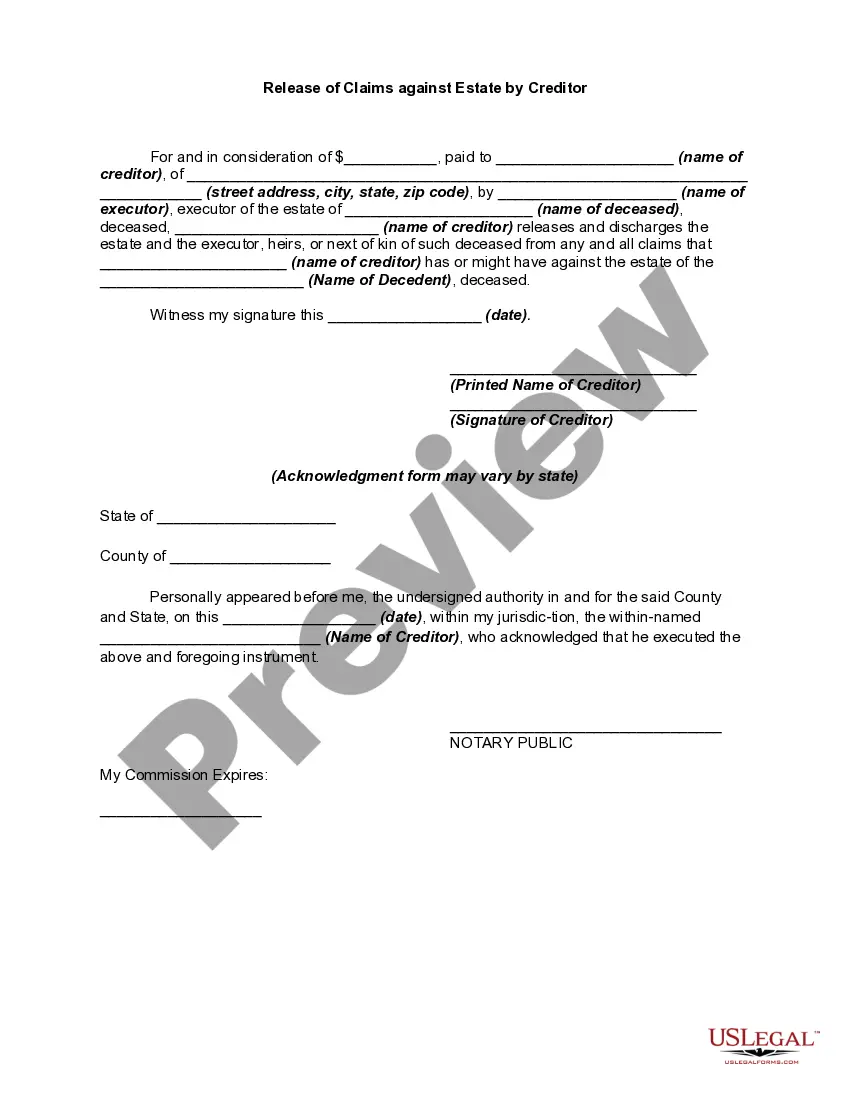
Release Estate
Description
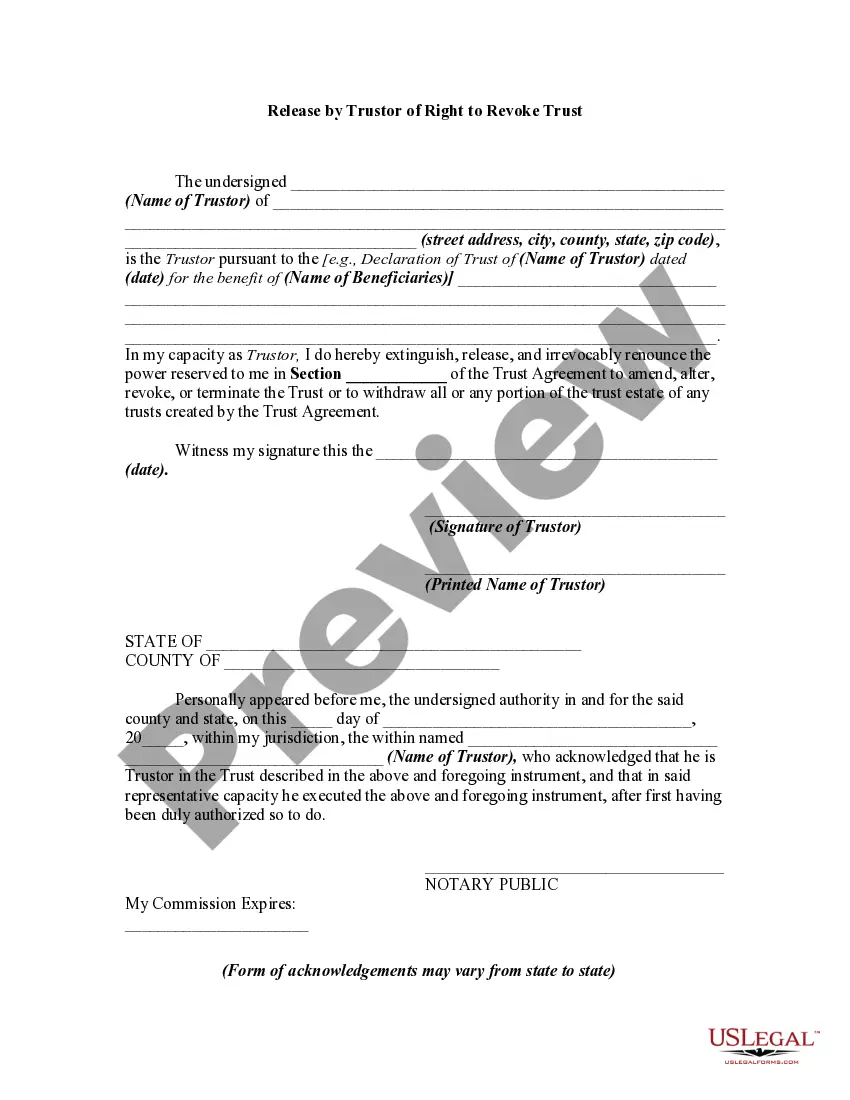
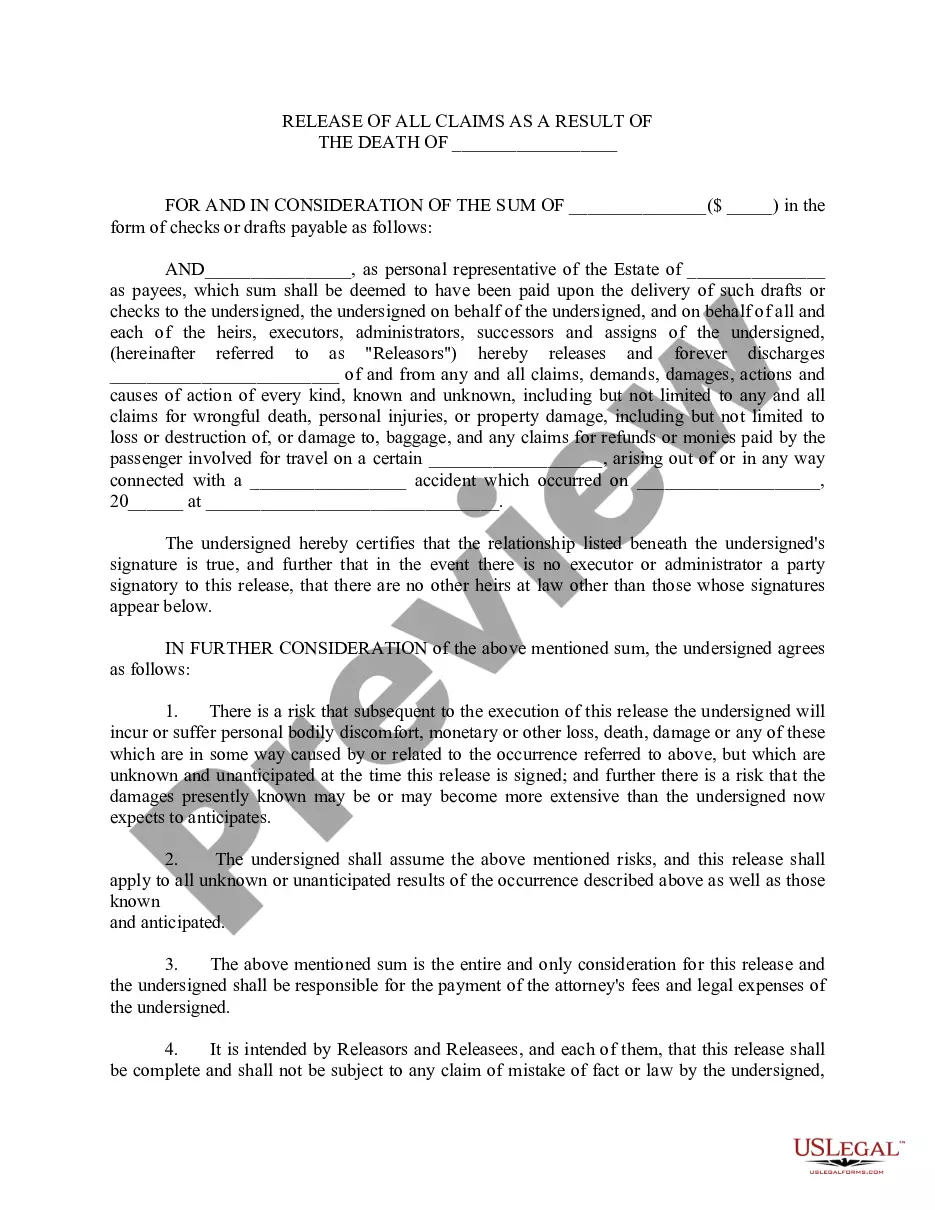
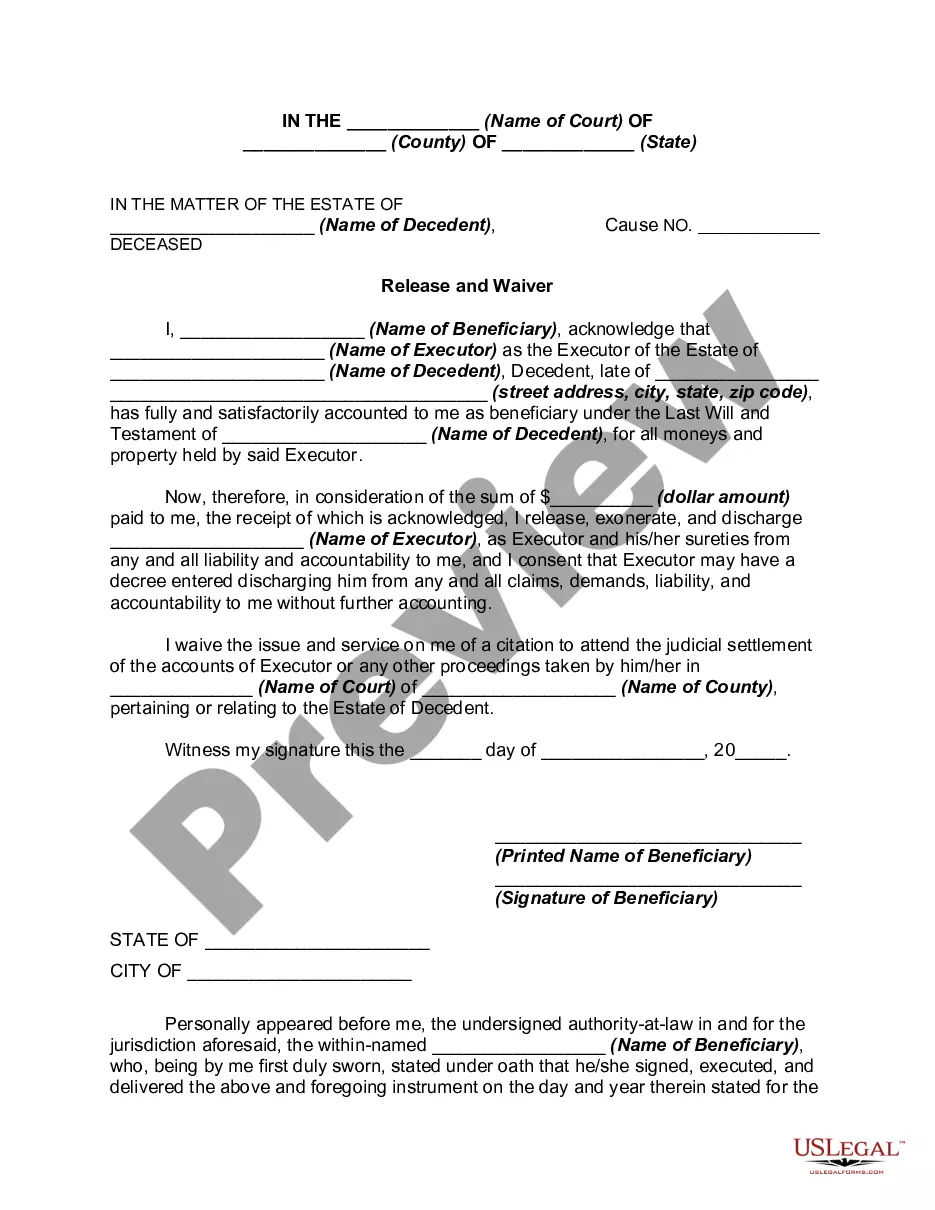
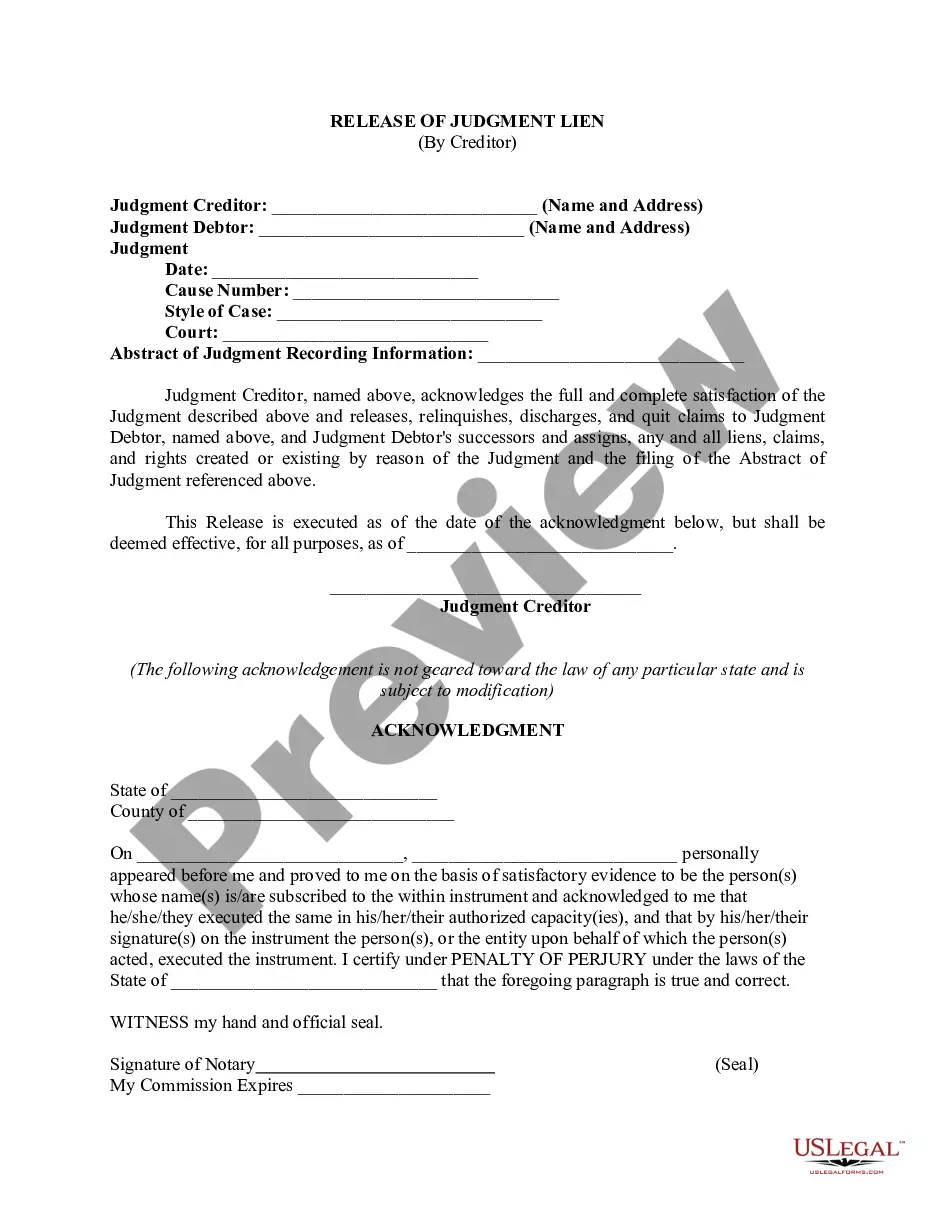
Get your form ready online
Our built-in tools help you complete, sign, share, and store your documents in one place.
Make edits, fill in missing information, and update formatting in US Legal Forms—just like you would in MS Word.
Download a copy, print it, send it by email, or mail it via USPS—whatever works best for your next step.
Sign and collect signatures with our SignNow integration. Send to multiple recipients, set reminders, and more. Go Premium to unlock E-Sign.
If this form requires notarization, complete it online through a secure video call—no need to meet a notary in person or wait for an appointment.
We protect your documents and personal data by following strict security and privacy standards.

Make edits, fill in missing information, and update formatting in US Legal Forms—just like you would in MS Word.

Download a copy, print it, send it by email, or mail it via USPS—whatever works best for your next step.

Sign and collect signatures with our SignNow integration. Send to multiple recipients, set reminders, and more. Go Premium to unlock E-Sign.

If this form requires notarization, complete it online through a secure video call—no need to meet a notary in person or wait for an appointment.

We protect your documents and personal data by following strict security and privacy standards.
Looking for another form?
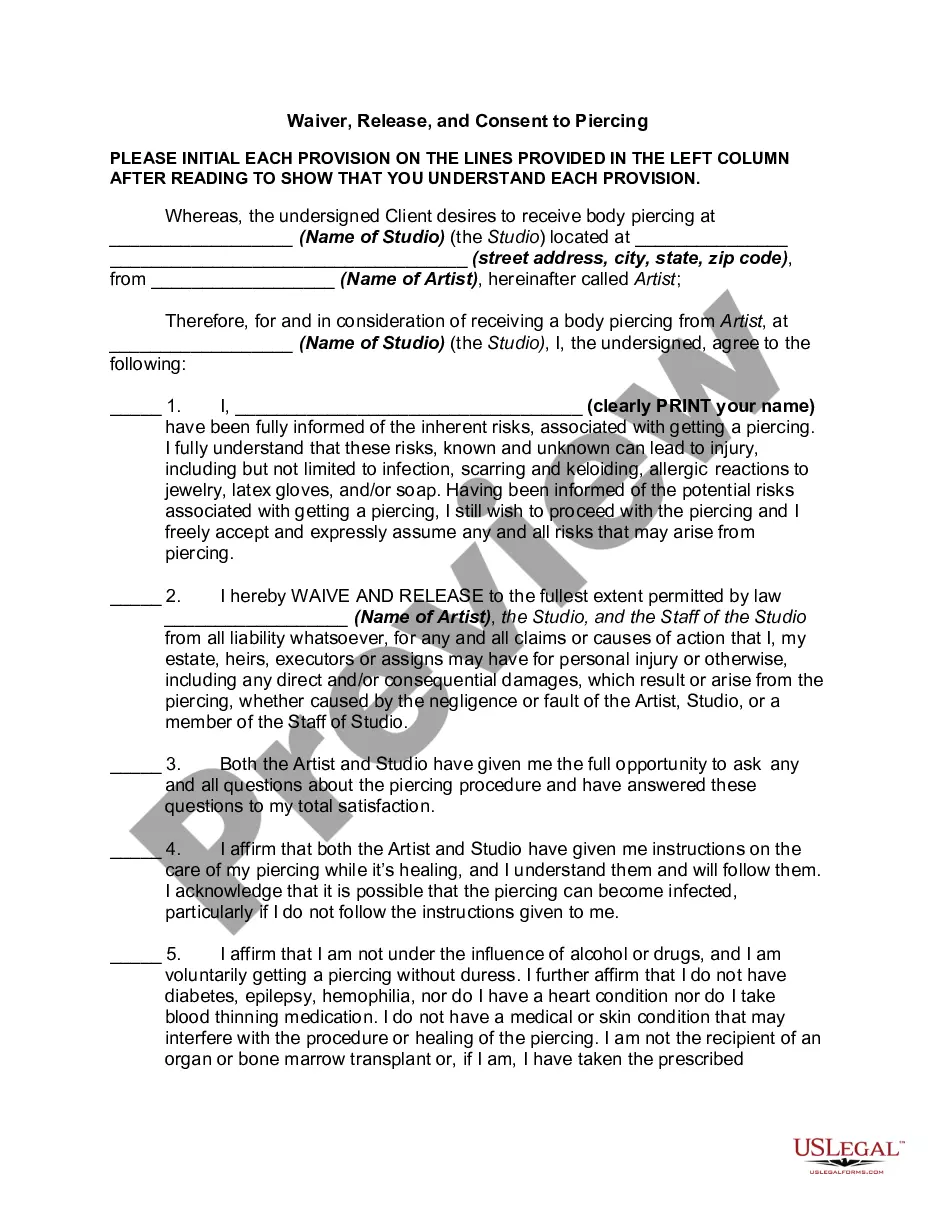

How to fill out Release Of Claims Against Estate By Creditor?
- Log in to your existing account at US Legal Forms. If you're new, create an account to start your journey.
- Use the Preview mode to review document descriptions, ensuring you select the appropriate form for your jurisdiction.
- If the desired form doesn't meet your requirements, utilize the Search feature to find a template that does.
- Select the form and click on the Buy Now button to choose a subscription plan that fits your needs.
- Complete your purchase by entering your payment details, either by credit card or PayPal.
- Once the transaction is complete, download the document to your device for personal use and access it anytime through the My Forms section of your profile.
Utilizing US Legal Forms will provide you with access to an extensive online library, streamlining the document creation process.
With over 85,000 forms and expert assistance available, releasing estate assets has never been easier. Start today and simplify your legal document needs!
Form popularity
FAQ
To release a life estate, follow a clear legal process to ensure your rights are documented and recorded. First, you must draft a legal document that declares your intention to release the estate rights. After this, file the document with your local county office to officially update the property records. For assistance, using services like US Legal Forms can make this process more manageable.
While it is not always necessary to have a lawyer to become an executor of an estate, doing so can provide significant advantages. A lawyer can guide you through legal requirements and ensure proper management of the estate. An experienced attorney can help navigate the challenges that arise during the estate settlement process. Having legal assistance can ultimately make the transition smoother.
Yes, creditors can potentially pursue claims against a life estate. If the life tenant has outstanding debts, creditors may be able to make claims against the former estate. The rights of the life tenant can complicate these claims, but understanding how debts can affect a release estate is crucial. Seeking professional advice can clarify your position.
A will can indeed affect a life estate, but it does not necessarily override it. If a life estate is established, it remains valid despite the provisions in a will. However, if the will specifies changes to the estate after the life tenant's death, those changes will come into effect. It is wise to consult legal expertise when navigating these complexities.
You generally have up to one year to settle an estate after a person dies, but this can vary based on state laws. Factors such as the complexity of the estate and any potential disputes among heirs can influence the settlement duration. It is essential to be proactive in managing the estate process to avoid unnecessary delays. Utilizing platforms like US Legal Forms can streamline this process and provide valuable resources.
The 3-year rule for a deceased estate refers to a timeframe during which claims against the estate can be made. Once three years pass after the date of death, creditors may lose their right to pursue claims made against the estate. This rule can expedite the process of settling the estate, allowing heirs to inherit their shares sooner. Being aware of this timeframe can help you navigate estate issues effectively.
To release a life estate, you typically need to execute a deed that clearly states your intention to relinquish your rights. You should ensure that the new owner is properly informed about the release. The released estate must be recorded with the appropriate county office to reflect the change in ownership. This formal process helps to prevent any legal disputes in the future.
A life estate can limit your flexibility in managing the property. When you release estate rights, you give up control over what to do with the property during your lifetime. Additionally, life estates can complicate the transfer of property upon death, leading to potential conflicts among heirs. Therefore, understanding these limitations is crucial before establishing a life estate.
An example of an inventory of estate could include a list like: a home valued at $300,000, a car worth $15,000, a bank account with $10,000, and personal items estimated at $5,000. This comprehensive list provides an overview of the total estate value. Having a clear inventory helps facilitate the correct and timely release of the estate.
Executors typically have a timeframe of six months to one year to settle an estate, but this can vary based on the complexity of the estate and state laws. Efficient management of the estate assets and debts can significantly expedite this process. By utilizing resources to assist in the documentation, executors can more effectively release the estate within the stipulated timeline.