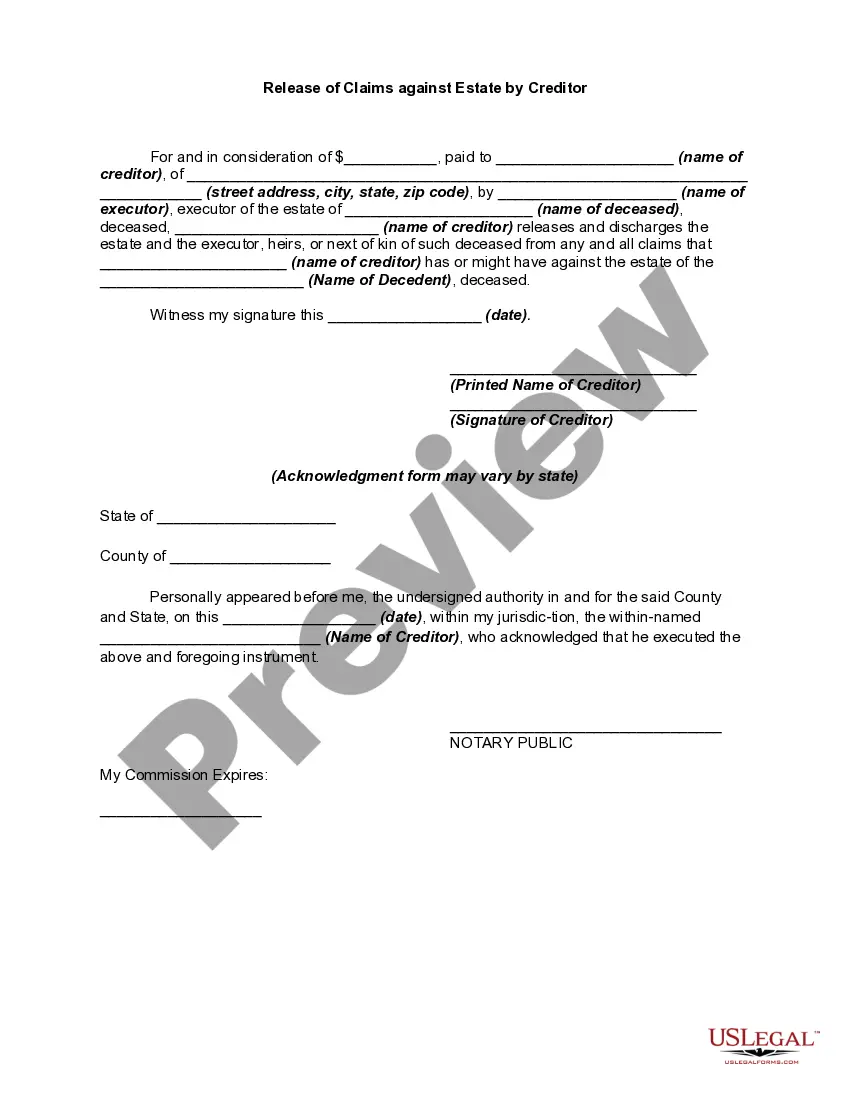
Estate State Deceased Withholding
Description
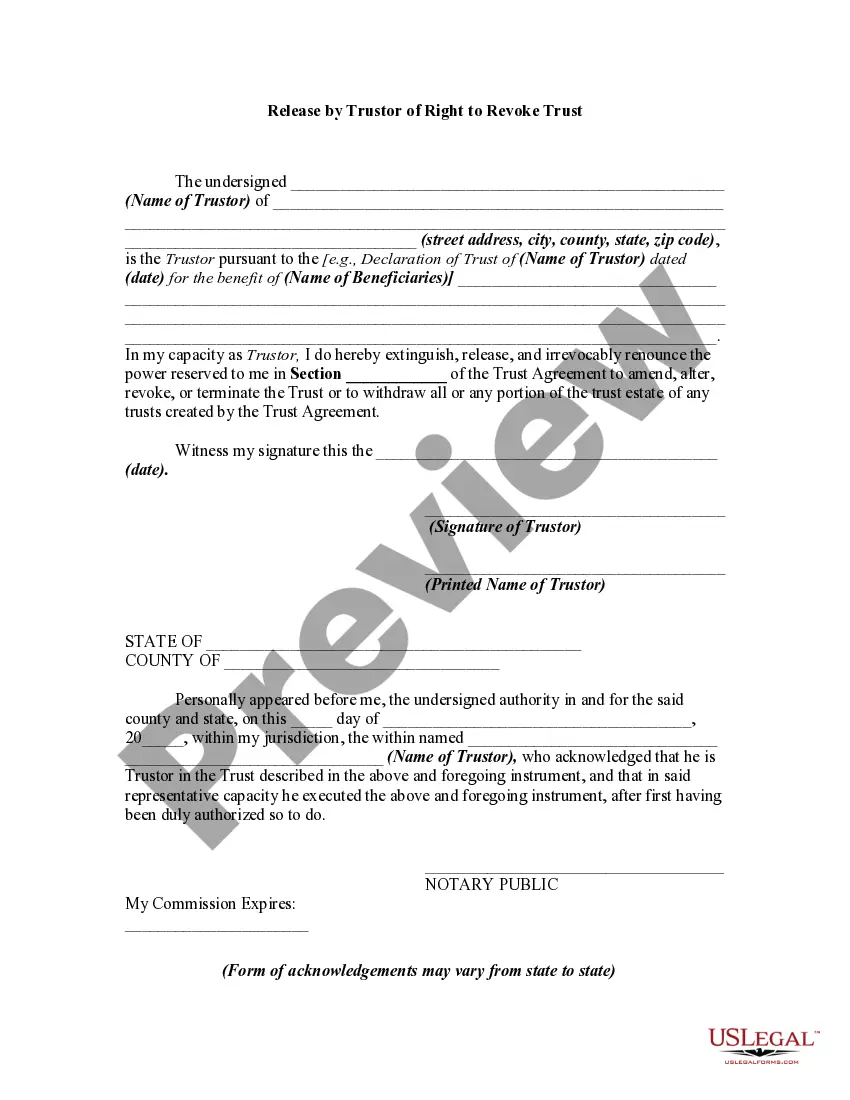
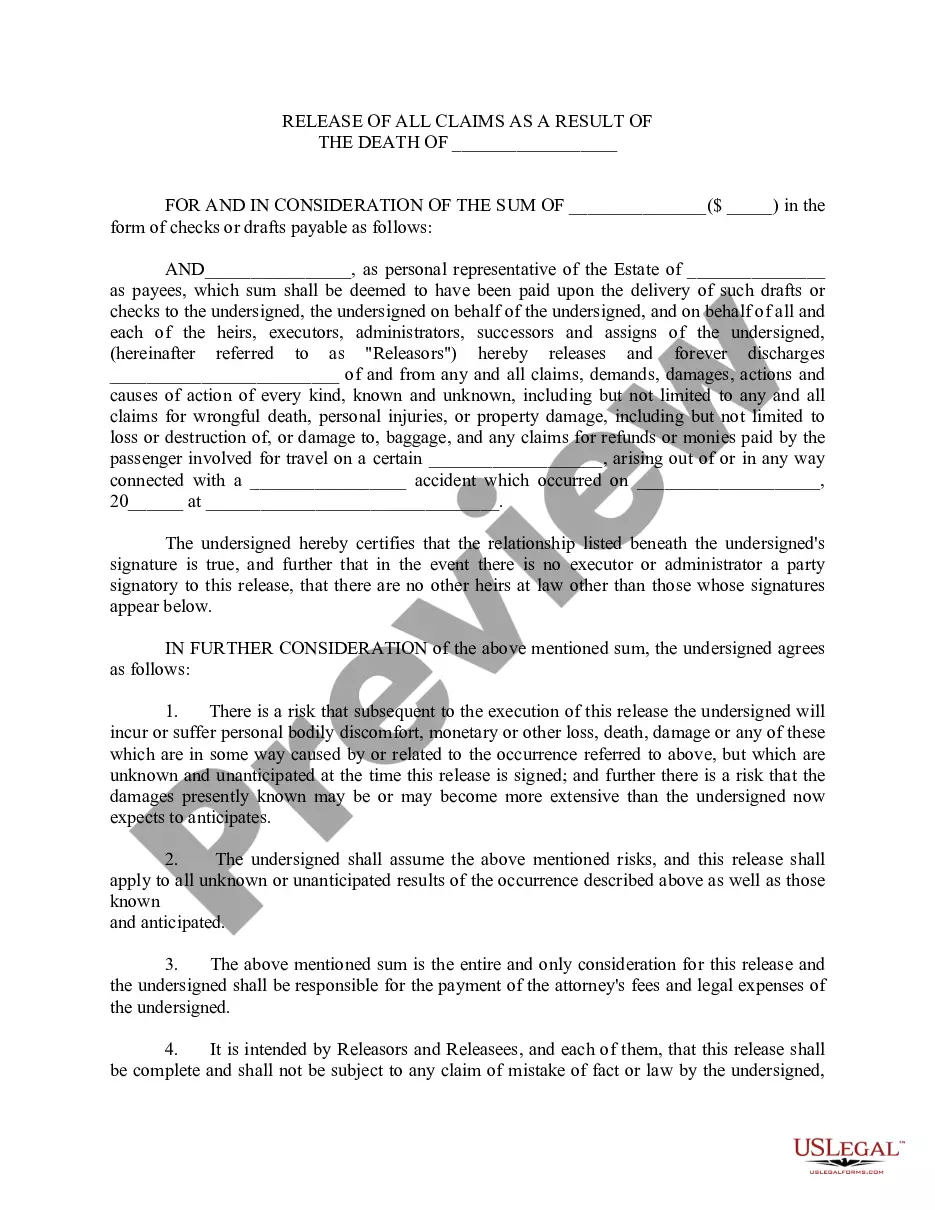
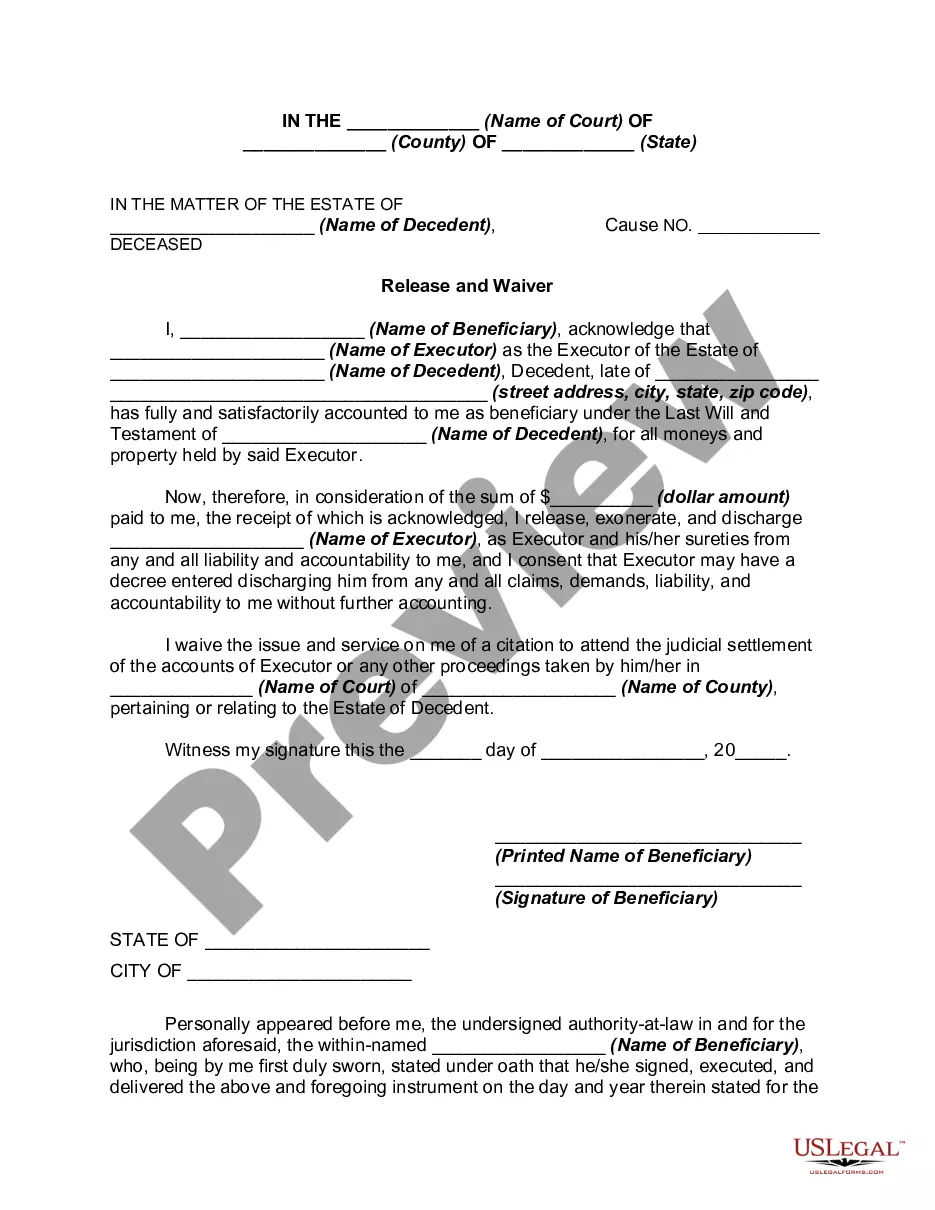
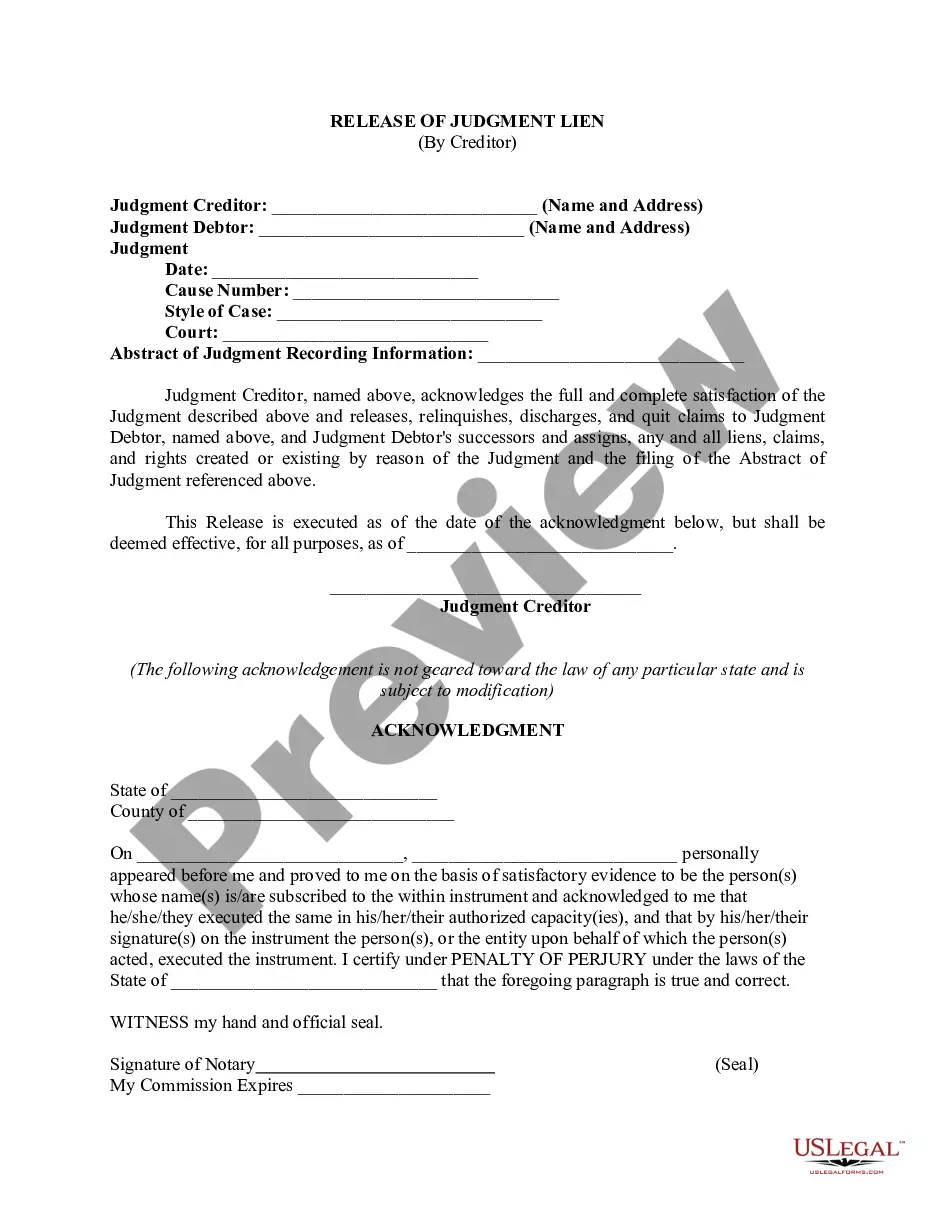
Get your form ready online
Our built-in tools help you complete, sign, share, and store your documents in one place.
Make edits, fill in missing information, and update formatting in US Legal Forms—just like you would in MS Word.
Download a copy, print it, send it by email, or mail it via USPS—whatever works best for your next step.
Sign and collect signatures with our SignNow integration. Send to multiple recipients, set reminders, and more. Go Premium to unlock E-Sign.
If this form requires notarization, complete it online through a secure video call—no need to meet a notary in person or wait for an appointment.
We protect your documents and personal data by following strict security and privacy standards.

Make edits, fill in missing information, and update formatting in US Legal Forms—just like you would in MS Word.

Download a copy, print it, send it by email, or mail it via USPS—whatever works best for your next step.

Sign and collect signatures with our SignNow integration. Send to multiple recipients, set reminders, and more. Go Premium to unlock E-Sign.

If this form requires notarization, complete it online through a secure video call—no need to meet a notary in person or wait for an appointment.

We protect your documents and personal data by following strict security and privacy standards.
Looking for another form?

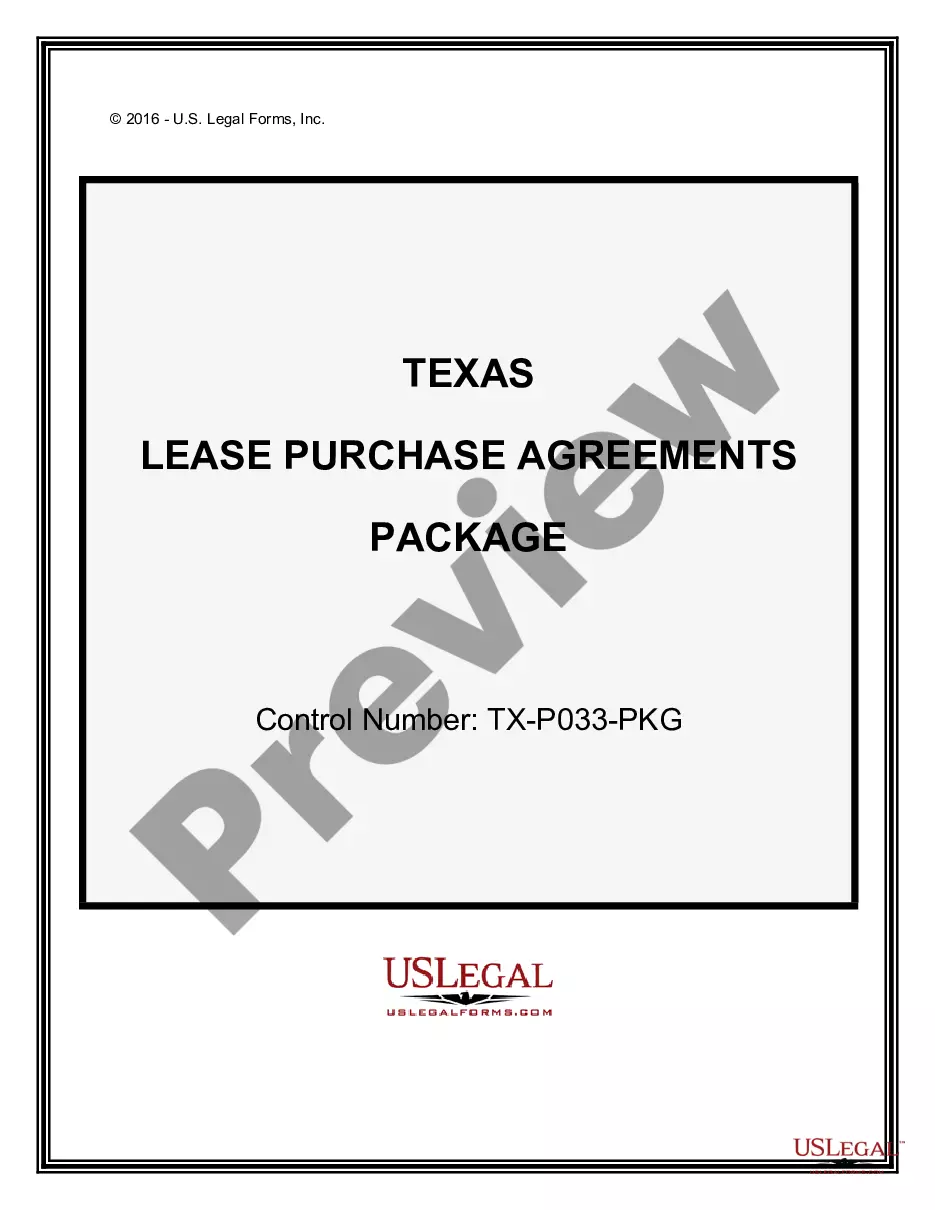






How to fill out Release Of Claims Against Estate By Creditor?
Creating legal documents from the ground up can frequently be overwhelming. Certain situations may require extensive research and significant financial investment. If you’re looking for an easier and more economical approach to preparing Estate State Deceased Withholding or any other documents without unnecessary complications, US Legal Forms is always available to you.
Our online library of more than 85,000 current legal forms covers nearly every facet of your financial, legal, and personal affairs. With just a few clicks, you can quickly obtain state- and county-specific documents meticulously assembled for you by our legal professionals.
Utilize our platform whenever you require a dependable and trustworthy service through which you can effortlessly find and download the Estate State Deceased Withholding. If you’re familiar with our services and have previously set up an account with us, simply sign in to your account, find the form, and download it or re-download it at any moment in the My documents section.
Not registered yet? No worries. It requires minimal time to register and explore the library. However, before you rush to download Estate State Deceased Withholding, consider these suggestions.
US Legal Forms has an impeccable reputation and over 25 years of expertise. Join us today and transform form processing into a straightforward and efficient experience!
- Examine the document preview and descriptions to ensure you have located the document you seek.
- Verify that the form you select complies with the rules and regulations of your state and county.
- Pick the appropriate subscription plan to purchase the Estate State Deceased Withholding.
- Download the form. Then complete, validate, and print it out.
Form popularity
FAQ
Filling out your tax withholding form requires careful consideration of your financial situation and the applicable estate state deceased withholding guidelines. Start by gathering your income information and any deductions you may qualify for. Ensure that you accurately report your estimated tax liability to avoid underpayment or overpayment. For detailed instructions and templates, US Legal Forms offers user-friendly resources to help you complete the form correctly.
Income generated from a deceased estate is generally taxable, depending on the nature and amount of the income. This income may include interest, dividends, or rental income, all of which fall under estate state deceased withholding rules. As the executor or administrator, you have the responsibility to report this income on the estate's tax return. For assistance with tax-related forms and documentation, consider exploring US Legal Forms for accurate resources.
Yes, the estate of a deceased person typically needs to file a tax return if it meets certain income thresholds. This requirement falls under the estate state deceased withholding regulations, which ensure that any income generated by the estate is reported. It's important to gather all financial documents related to the estate and consult a tax professional for guidance. Utilizing platforms like US Legal Forms can simplify the process of filing the necessary forms.
The two-year rule for deceased estates refers to a period during which certain tax benefits may apply. Specifically, if an estate is not settled within this timeframe, beneficiaries may lose specific tax advantages. This rule can affect how the estate state deceased withholding is calculated. It's important to consult with an expert to ensure compliance with this rule and optimize the estate's tax situation.
When someone passes away, the responsibility for paying the estate tax typically falls on the estate itself. This means the estate must settle any tax obligations before distributing assets to beneficiaries. In some cases, if the estate does not have sufficient funds, the personal representative may need to cover these costs. Understanding estate state deceased withholding is crucial for managing these financial responsibilities.
For the first three income years, the deceased estate income is taxed at individual income tax rates, with the benefit of the full tax-free threshold, but without the tax offsets (concessional rebates), such as the low-income tax offset. No Medicare levy is payable.
If paper-filed, write ?Deceased,? the taxpayer's name, and the taxpayer's date of death across the top of the final return. If e-filed, follow the directions provided by the tax software and be sure to indicate the taxpayer is deceased and the date of death.
If payment was after the year of death, the employer should not report it on Form W-2, and should not withhold Social Security and Medicare taxes. Whether the payment was made in the year of death or after the year of death, the employer also must report the payment to the estate or beneficiary on Form 1099-MISC.
Income tax on income generated by assets of the estate of the deceased. If the estate generates more than $600 in annual gross income, you are required to file Form 1041, U.S. Income Tax Return for Estates and Trusts. An estate may also need to pay quarterly estimated taxes.
The Canada Revenue Agency requires you to fill out the terminal tax return either six months after the time of death or on April 30 of the year following the date of death. For example, if the person died on February 2, 2023, you must file the terminal tax return by July 30, 2023, or April 30, 2024.