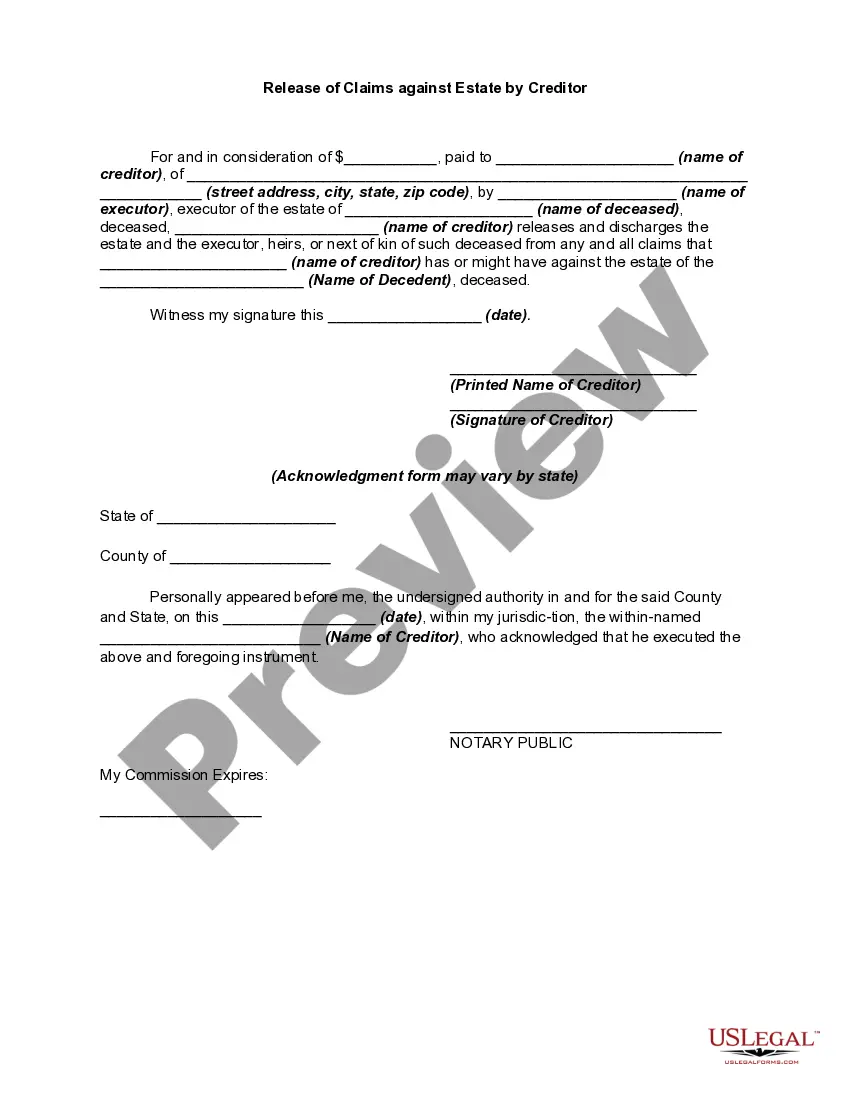
Estate Deceased Claims With No Debt
Description
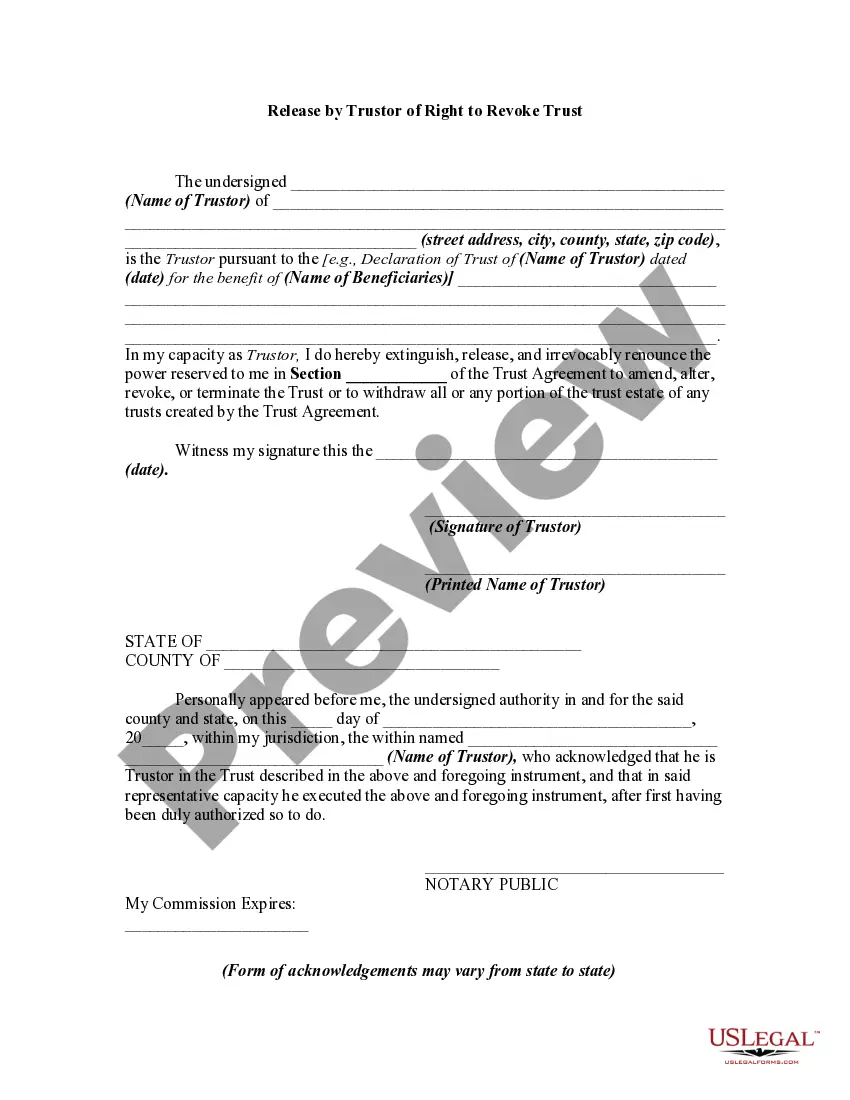
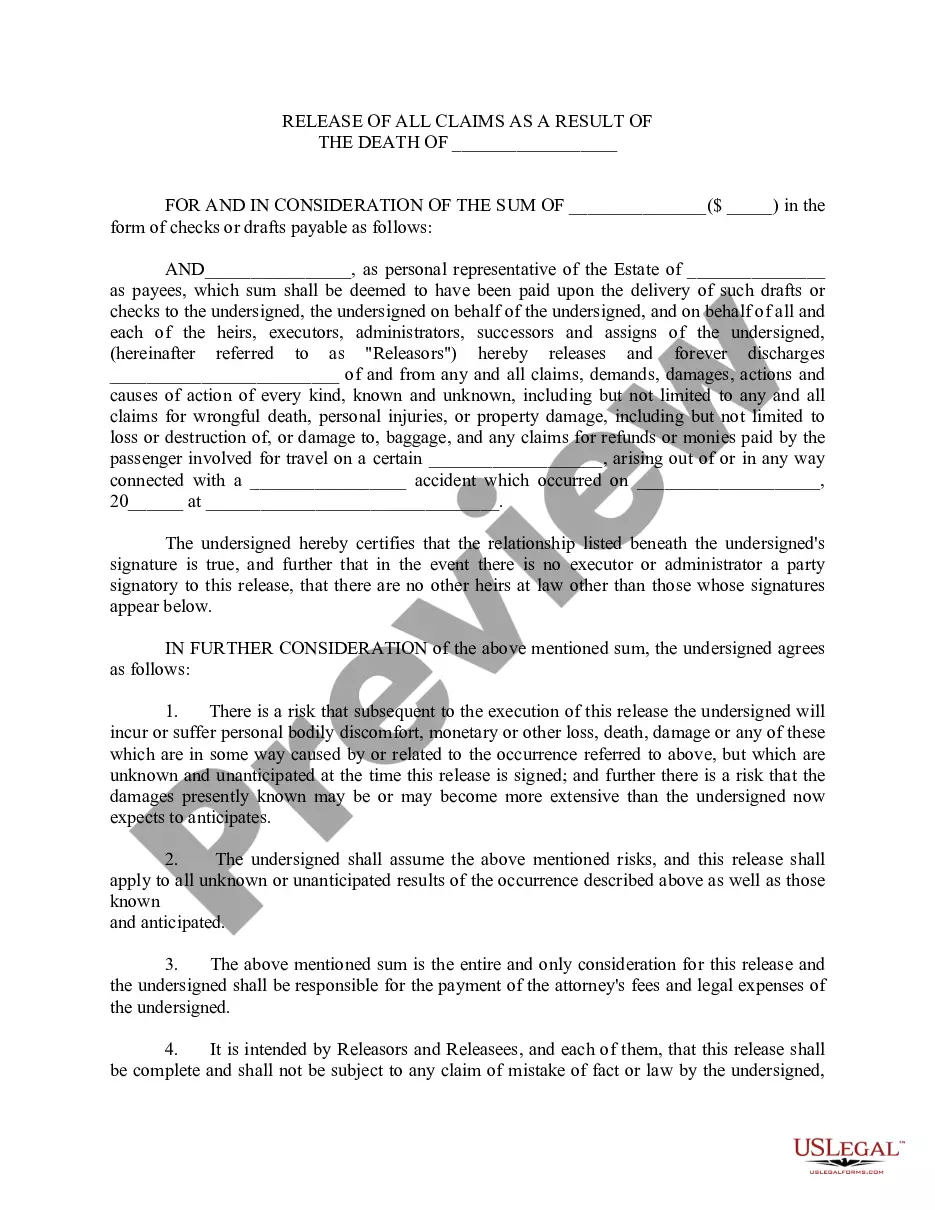
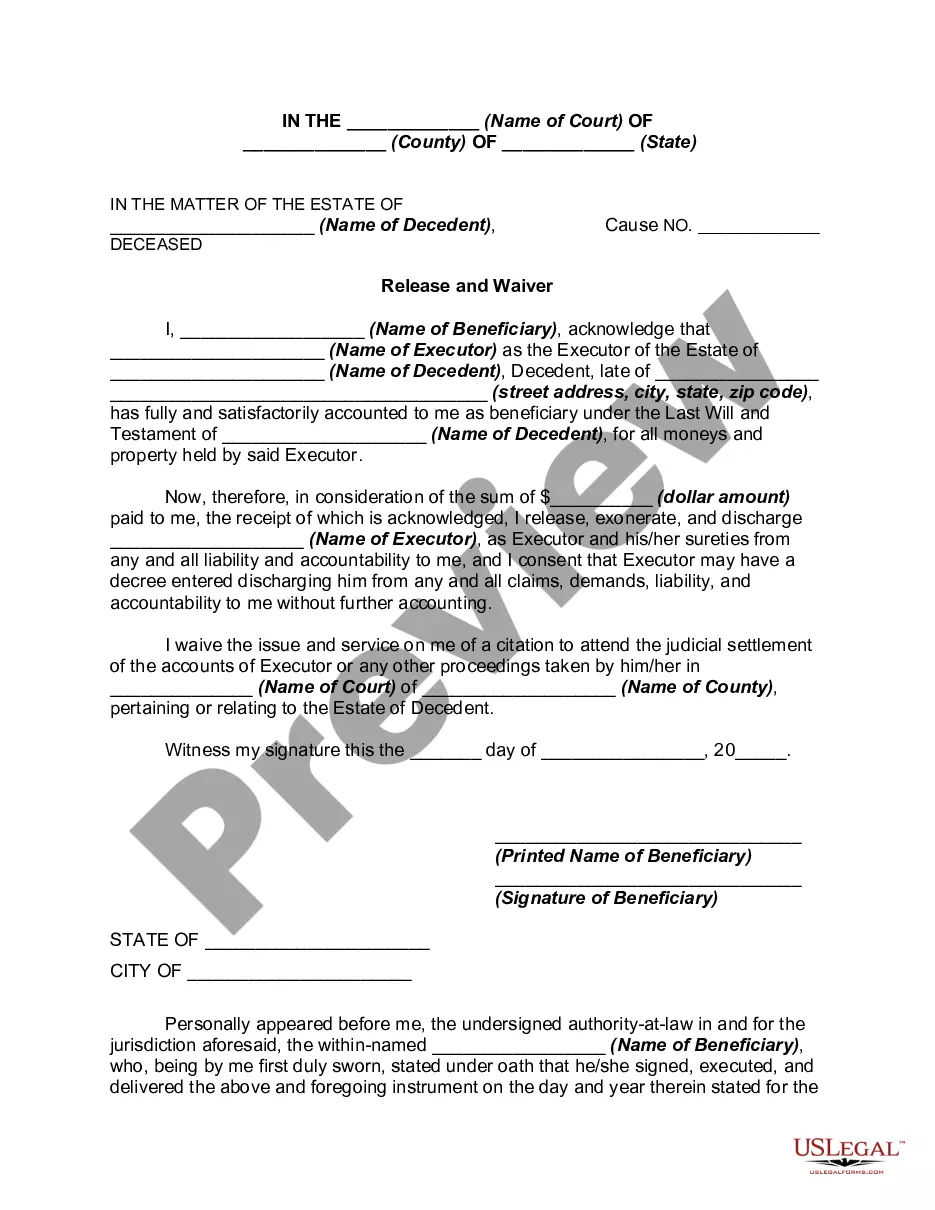
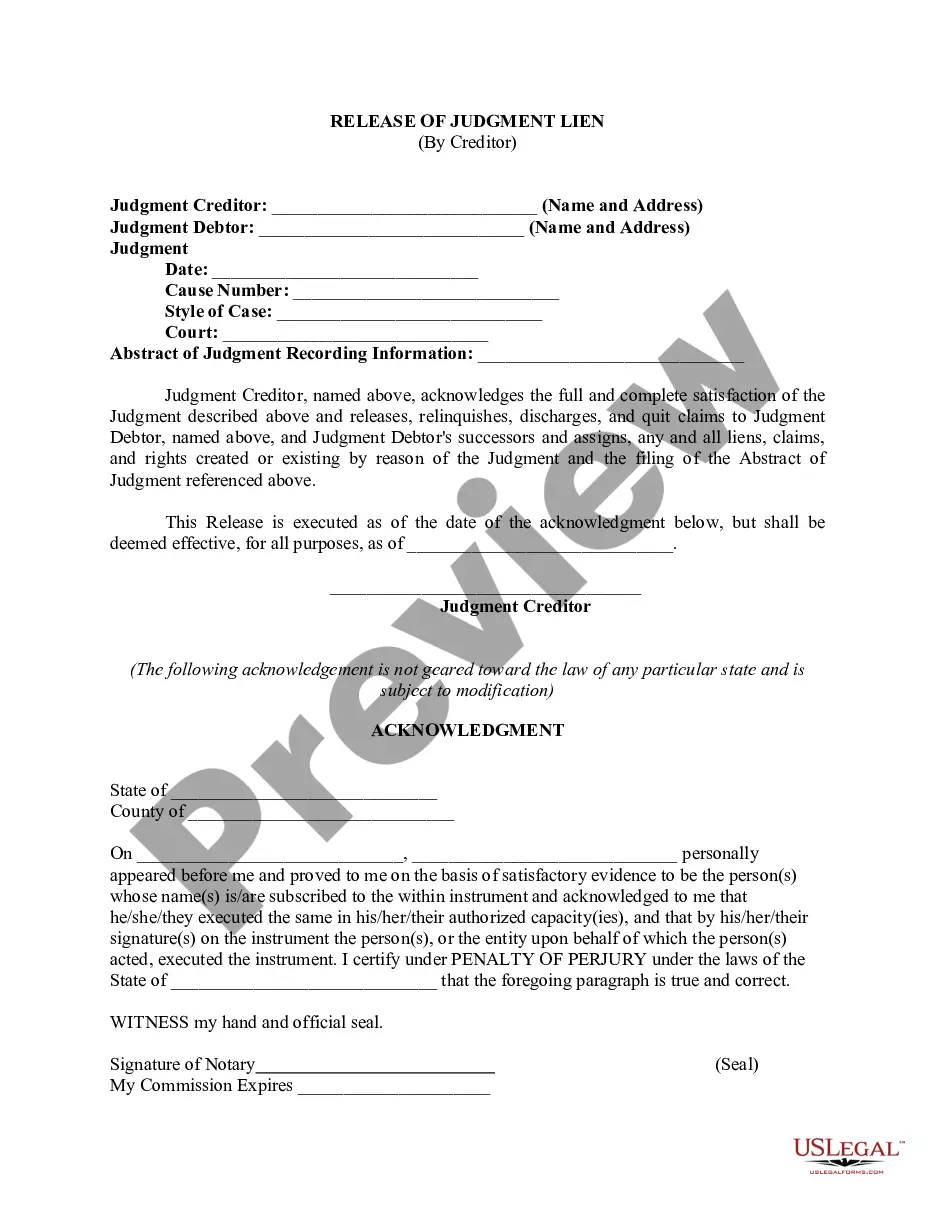
Get your form ready online
Our built-in tools help you complete, sign, share, and store your documents in one place.
Make edits, fill in missing information, and update formatting in US Legal Forms—just like you would in MS Word.
Download a copy, print it, send it by email, or mail it via USPS—whatever works best for your next step.
Sign and collect signatures with our SignNow integration. Send to multiple recipients, set reminders, and more. Go Premium to unlock E-Sign.
If this form requires notarization, complete it online through a secure video call—no need to meet a notary in person or wait for an appointment.
We protect your documents and personal data by following strict security and privacy standards.

Make edits, fill in missing information, and update formatting in US Legal Forms—just like you would in MS Word.

Download a copy, print it, send it by email, or mail it via USPS—whatever works best for your next step.

Sign and collect signatures with our SignNow integration. Send to multiple recipients, set reminders, and more. Go Premium to unlock E-Sign.

If this form requires notarization, complete it online through a secure video call—no need to meet a notary in person or wait for an appointment.

We protect your documents and personal data by following strict security and privacy standards.
Looking for another form?
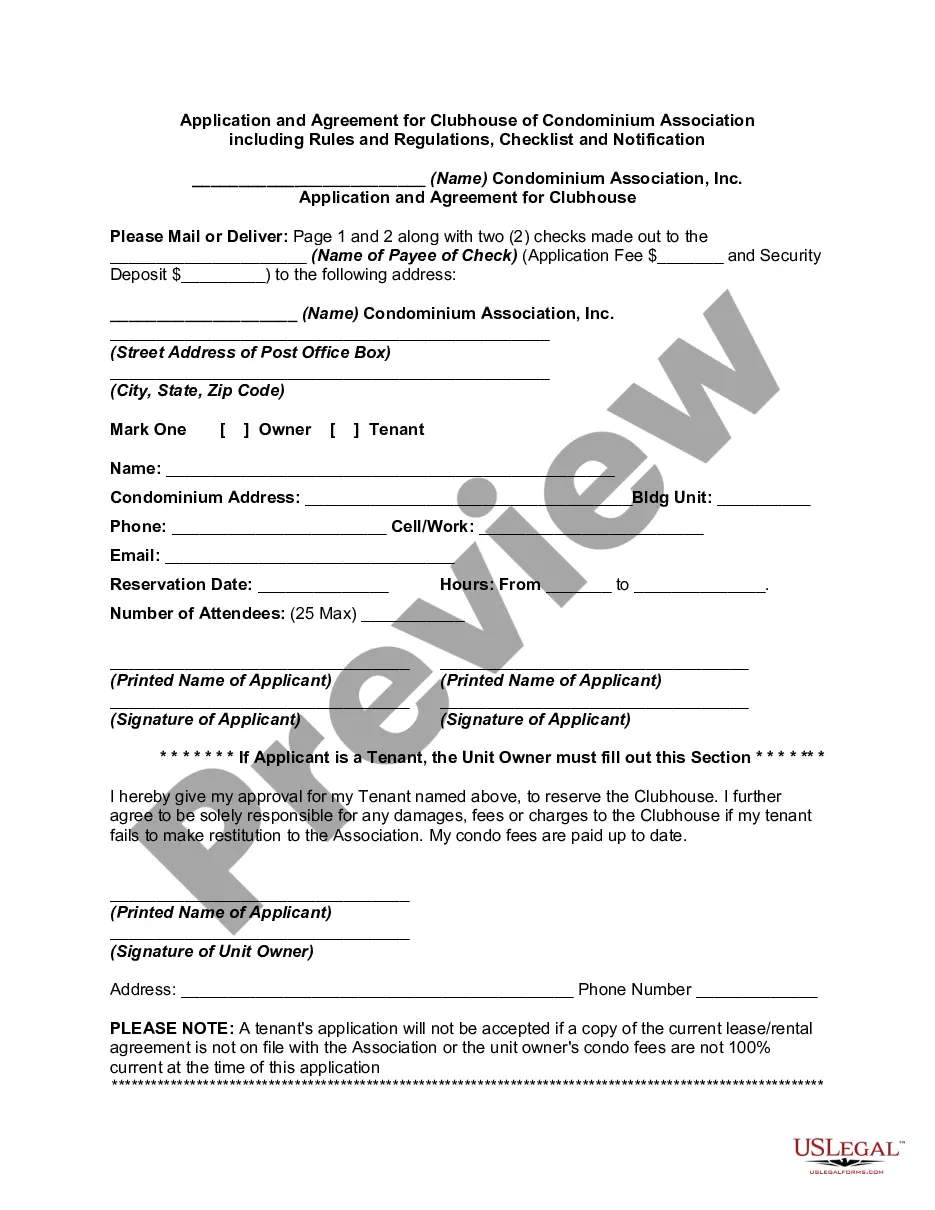


How to fill out Release Of Claims Against Estate By Creditor?
- Log in to your US Legal Forms account if you’re already a user, or create an account if you’re a first-time visitor.
- Preview the form carefully, ensuring that it meets your specific needs and complies with local jurisdiction requirements.
- If adjustments are needed, utilize the Search tab to find alternative templates that best suit your situation.
- Select the desired document by clicking the 'Buy Now' button and choose a subscription plan that fits your needs.
- Complete your purchase by entering your payment details via credit card or PayPal.
- Once purchased, download the form to your device, allowing you to access it anytime from the 'My Forms' section of your profile.
With US Legal Forms, you can benefit from a vast collection of legal documents tailored to your requirements. The platform not only offers over 85,000 editable forms but also provides access to premium experts, ensuring your documents are precise and compliant.
Take control of the estate deceased claims process today. Sign up for US Legal Forms and transform your legal document preparation experience.
Form popularity
FAQ
Generally, you can file a claim against an estate within several months to a few years after the death, depending on state laws. This period allows you to address any estate deceased claims with no debt in a legal manner. However, timing is critical; therefore, staying informed and potentially utilizing services like uslegalforms can aid in understanding your specific rights and timelines for legal action.
The 3 year rule affects gifts that the deceased made within the three years leading up to their death. This includes monetary gifts, property transfers, and other assets that could potentially influence estate deceased claims with no debt. Therefore, it's important to keep detailed records of all such transactions. Consulting with experts or using uslegalforms can clarify which gifts might impact the estate.
Typically, you have up to one year to settle an estate after someone's death, but it can vary by state. This timeline allows for the proper resolution of estate deceased claims with no debt, ensuring that beneficiaries receive their share in a timely manner. However, complexities may arise, extending this period, which is why it's wise to seek guidance through platforms like uslegalforms. They provide valuable legal resources to streamline the estate settlement process.
The 3 year rule pertains to certain estate deceased claims with no debt, specifically regarding gifts made by the deceased within three years of their passing. Under this rule, gifts made during that time frame may be subject to estate taxes, impacting the overall value of the estate. It is crucial to thoroughly document any gifts to understand their potential tax implications. Utilizing resources like uslegalforms can help you navigate these rules effectively.
Generally, beneficiaries do not inherit debt unless they co-signed for it or are legally responsible in some way. When it comes to estate deceased claims with no debt, the estate's assets cover the debts first, leaving any remaining assets to the beneficiaries. It's essential to verify the specific state laws regarding debt responsibility, as they can vary significantly.
To fill out a deceased claim, start by gathering necessary documents such as the death certificate and any relevant estate information. You will need to complete the claim form accurately and provide supporting documentation that confirms the status of the estate. Many people find it useful to use online platforms like US Legal Forms that offer templates and guidance for estate deceased claims with no debt, making the process simpler and more straightforward.
Generally, debt collectors cannot pursue family members for debts incurred by a deceased individual. Debts are typically settled from the deceased's estate before any assets are distributed to heirs. This aspect is particularly relevant for estate deceased claims with no debt, as it protects surviving family members. For personalized guidance, consider exploring options on uslegalforms to navigate these matters confidently.
The 3-year rule refers to a timeframe during which creditors can make claims against a deceased person's estate. In many jurisdictions, creditors have three years from the date of death to file their claims. Understanding this rule is vital, especially for those dealing with estate deceased claims with no debt, as it helps clarify your family's responsibilities. You can find more information on uslegalforms, which provides resources for managing such claims effectively.
When there is no will, you typically have to file for probate within a specific timeframe. In most states, this period ranges from 4 to 6 months after death. It is crucial to act swiftly because delays may affect your ability to manage estate deceased claims with no debt. Utilizing resources from uslegalforms can help streamline this process and ensure you meet all necessary deadlines.
Yes, an executor is responsible for managing and settling the estate’s debts before distributing assets to heirs. However, an executor is not personally liable for debts unless they mismanage the estate. Understanding estate deceased claims with no debt can help executors make informed decisions. Utilizing resources like UsLegalForms can streamline this process and ensure compliance with legal requirements.