Estate Creditor Foreclosure
Description
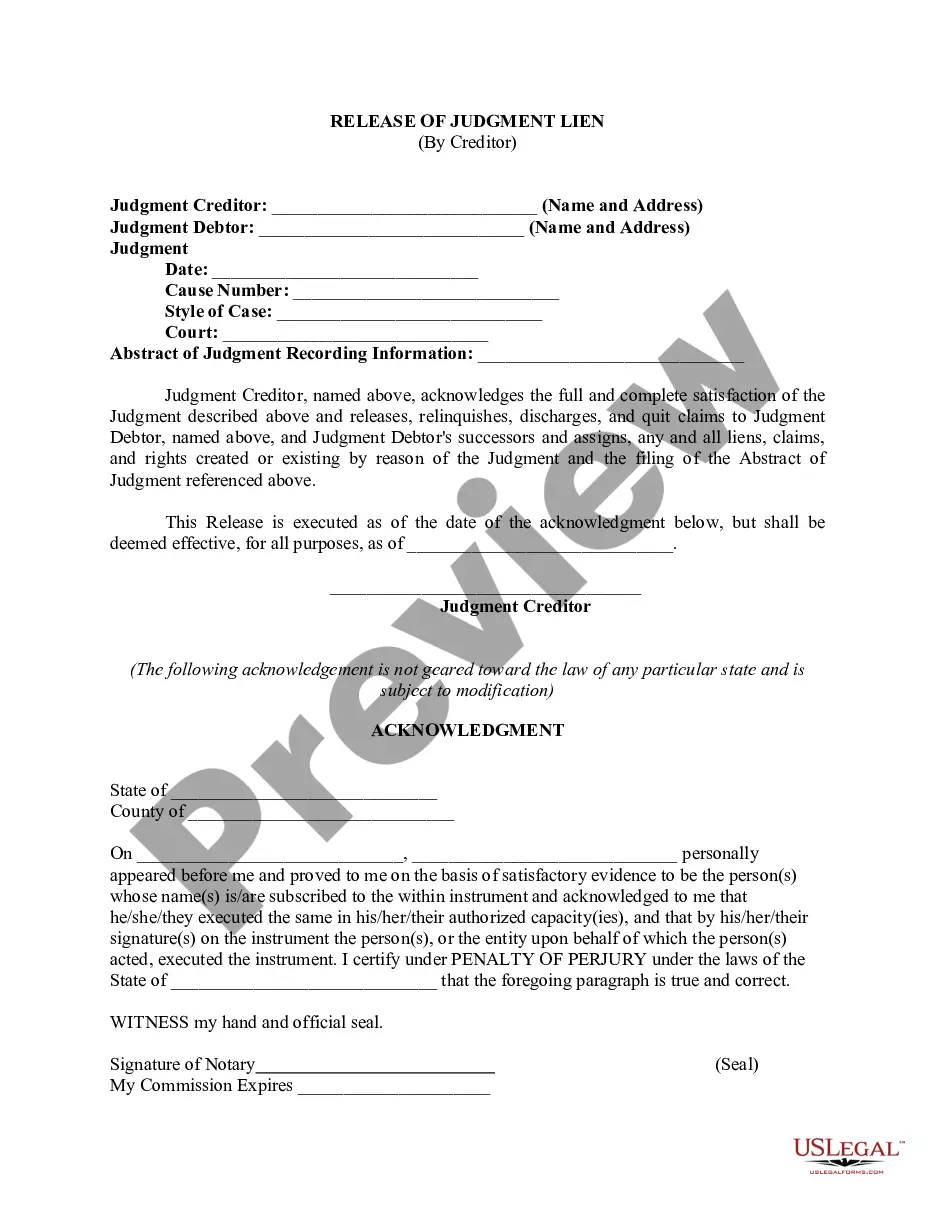
Get your form ready online
Our built-in tools help you complete, sign, share, and store your documents in one place.
Make edits, fill in missing information, and update formatting in US Legal Forms—just like you would in MS Word.
Download a copy, print it, send it by email, or mail it via USPS—whatever works best for your next step.
Sign and collect signatures with our SignNow integration. Send to multiple recipients, set reminders, and more. Go Premium to unlock E-Sign.
If this form requires notarization, complete it online through a secure video call—no need to meet a notary in person or wait for an appointment.
We protect your documents and personal data by following strict security and privacy standards.

Make edits, fill in missing information, and update formatting in US Legal Forms—just like you would in MS Word.

Download a copy, print it, send it by email, or mail it via USPS—whatever works best for your next step.

Sign and collect signatures with our SignNow integration. Send to multiple recipients, set reminders, and more. Go Premium to unlock E-Sign.

If this form requires notarization, complete it online through a secure video call—no need to meet a notary in person or wait for an appointment.

We protect your documents and personal data by following strict security and privacy standards.
Looking for another form?





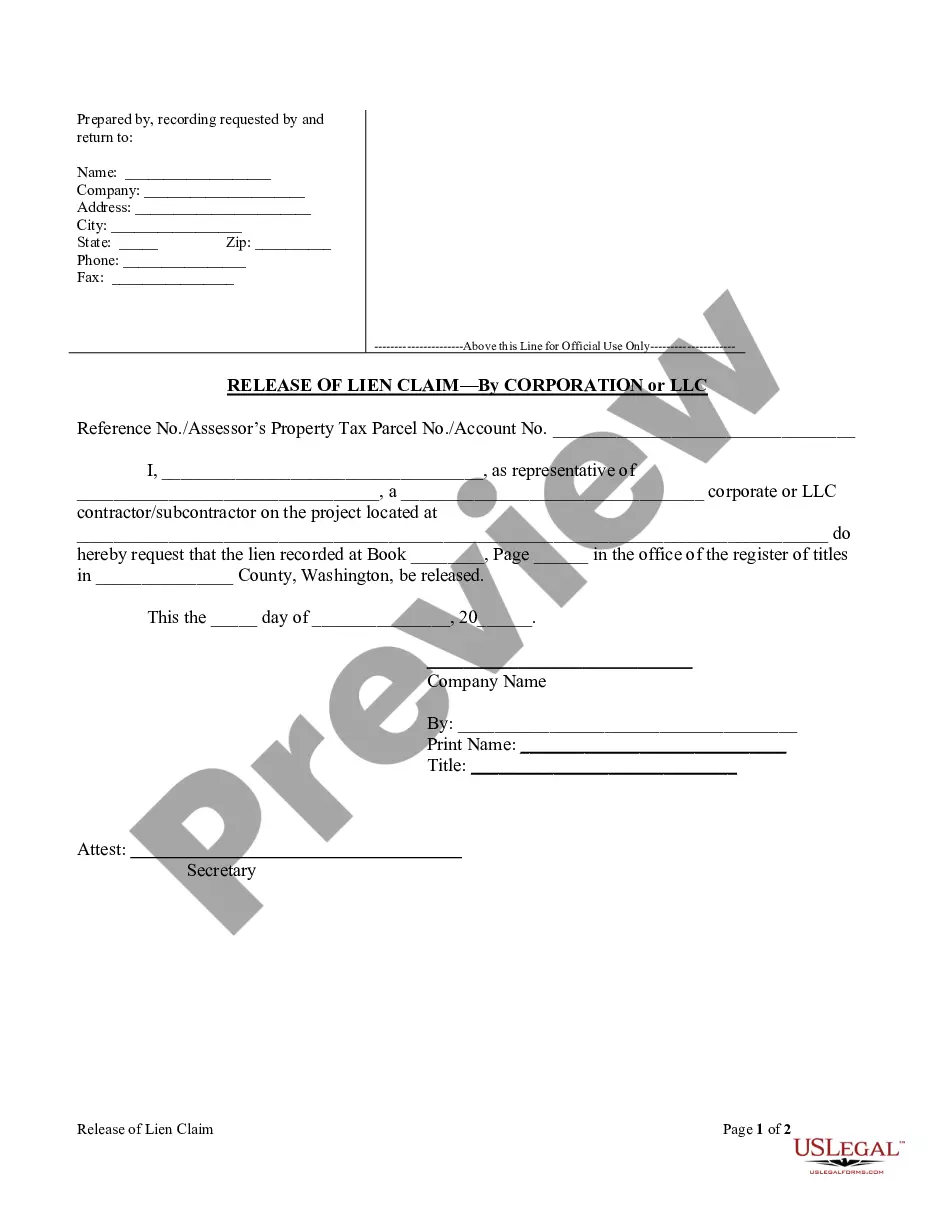
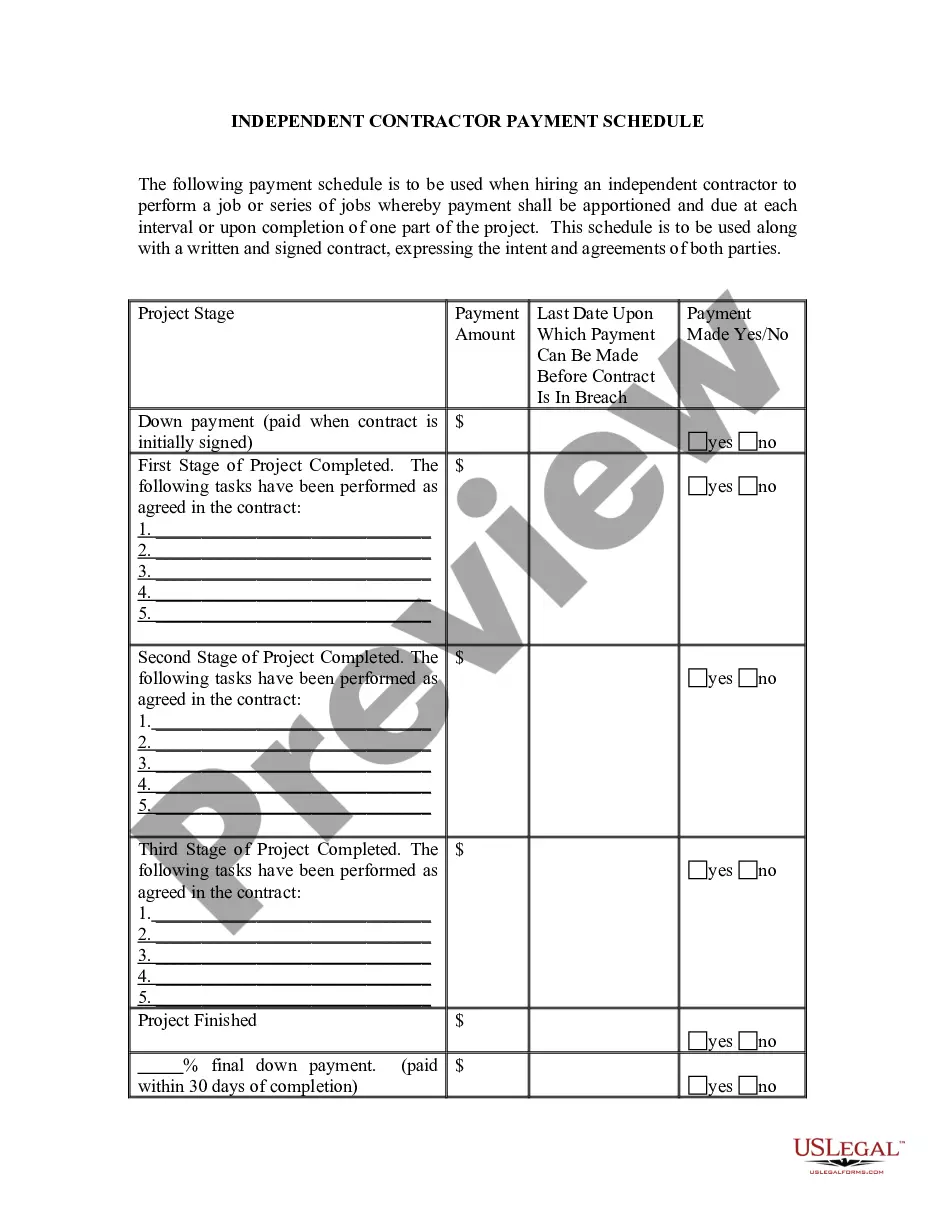
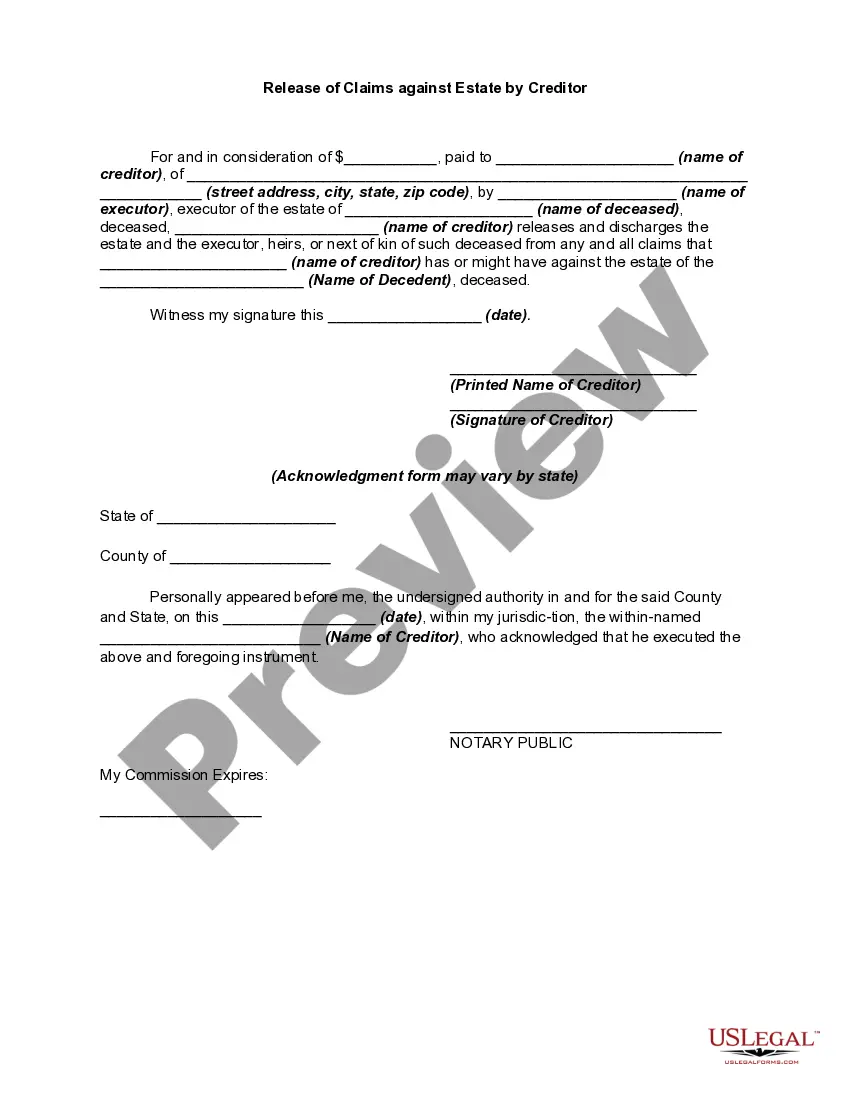
How to fill out Release Of Claims Against Estate By Creditor?
Utilizing legal document examples that adhere to federal and state laws is crucial, and the web provides numerous selections to choose from.
However, what is the benefit of spending time searching for the appropriate Estate Creditor Foreclosure example online when the US Legal Forms digital library already has such templates gathered in one location.
US Legal Forms is the largest online legal repository with over 85,000 fillable templates created by attorneys for any professional and personal scenario.
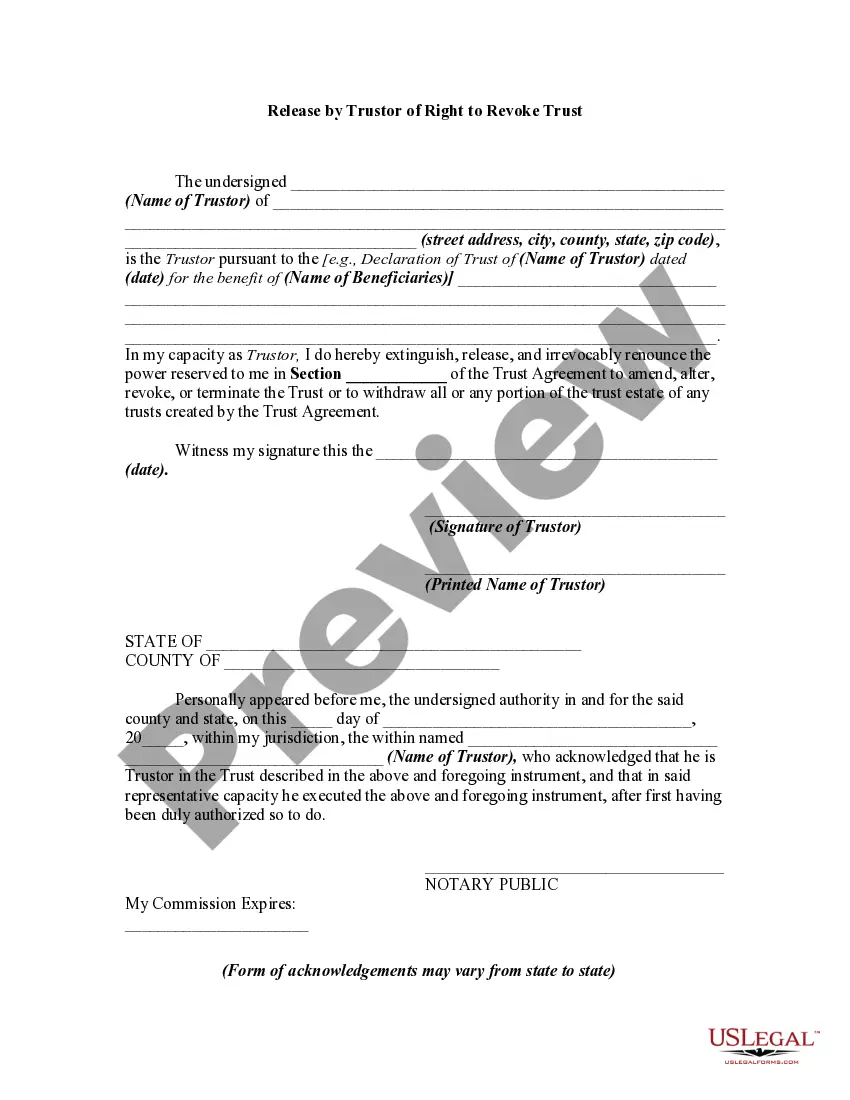
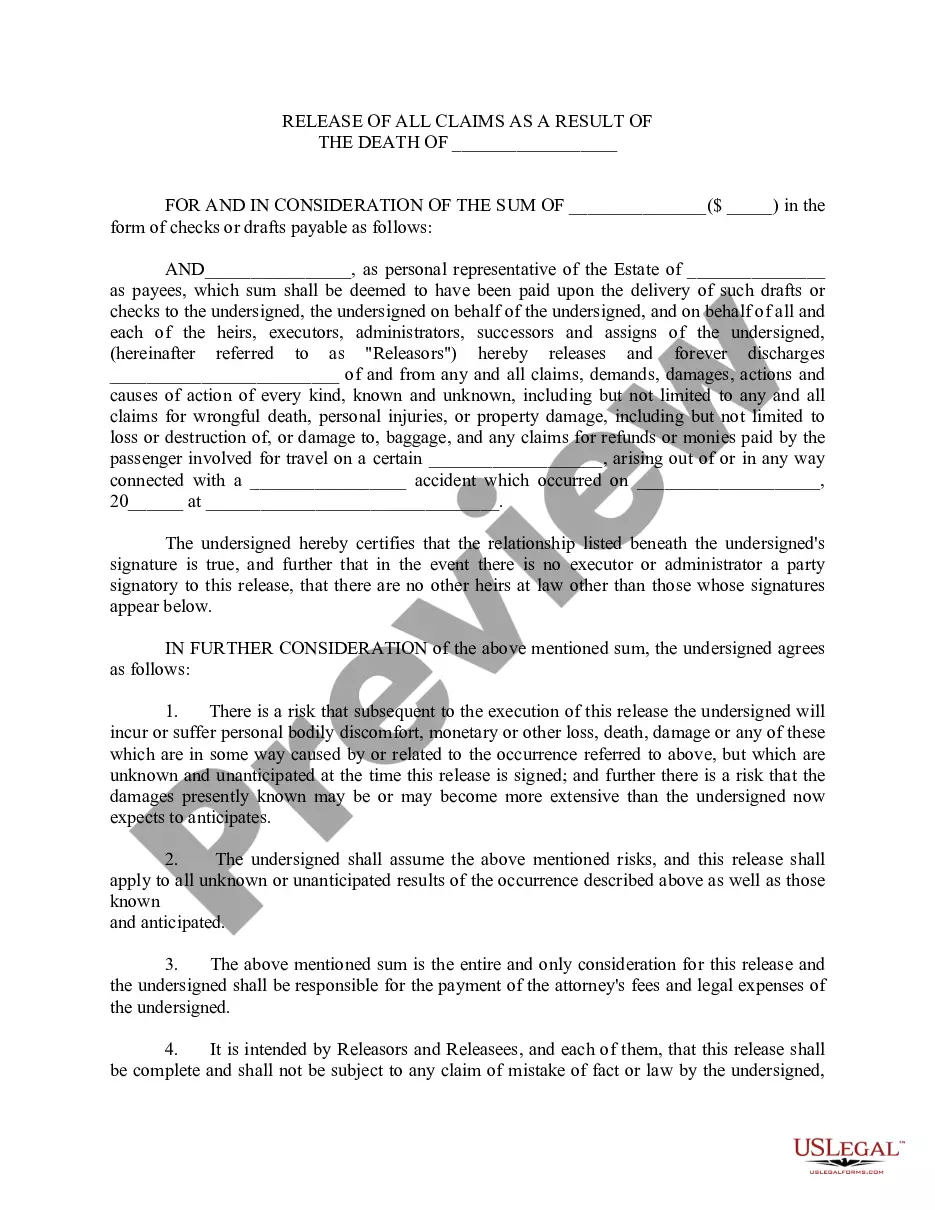
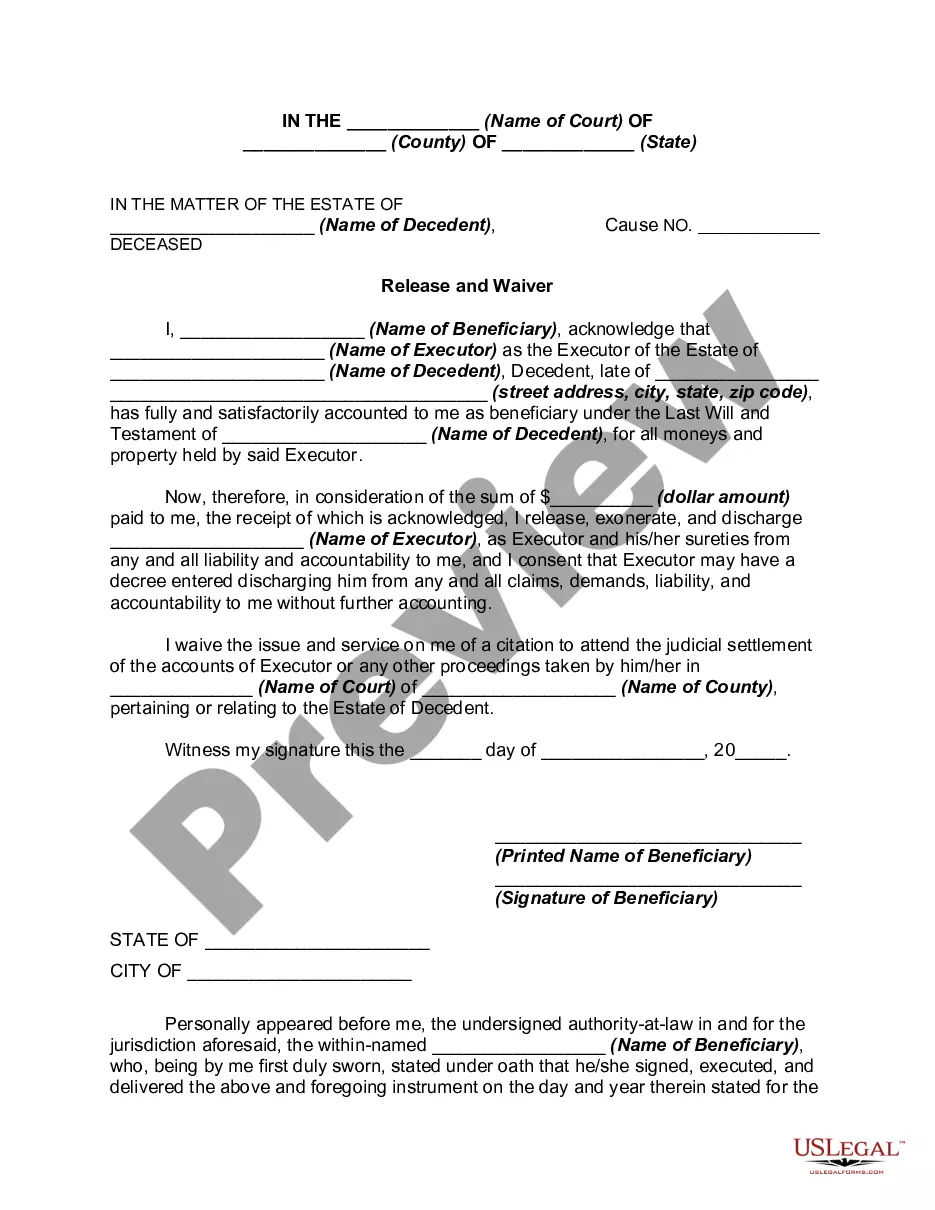
Review the template using the Preview function or through the text description to confirm it meets your requirements.
- They are easy to navigate with all documents organized by state and intended use.
- Our experts stay updated with legal changes, ensuring your form is current and compliant when obtaining an Estate Creditor Foreclosure from our site.
- Acquiring an Estate Creditor Foreclosure is quick and straightforward for both existing and new users.
- If you already have an account with an active subscription, Log In and save the document sample you require in your desired format.
- If you are new to our site, follow the instructions below.
Form popularity
FAQ
Creditors usually have a specific window to make claims after someone passes away. In many jurisdictions, this period is set at one year from the date of death. However, this timeframe can vary based on the type of debt and state laws. Understanding these limitations is crucial for anyone dealing with estate creditor foreclosure, as it helps you manage the estate's financial responsibilities effectively.
Certain assets are often protected from creditors after a person's death. Commonly protected assets include life insurance proceeds, retirement accounts, and assets held in a living trust. These protections can vary by state, so it's vital to understand local laws. If you're facing potential estate creditor foreclosure, knowing what assets are protected can significantly impact your options.
Yes, it is possible to foreclose on an estate if there are debts owed that remain unpaid. When a deceased person's estate has outstanding debts, creditors can seek to foreclose on the estate’s assets to recover their losses. This process can be complex and requires legal guidance to navigate effectively. Utilizing platforms like uslegalforms can provide clarity on the steps involved in estate creditor foreclosure.
The 7 7 7 rule for collections outlines specific guidelines for how long a creditor can pursue a debt. It states that creditors should cease collection efforts after seven years from the date of default. This rule aims to protect consumers while ensuring that creditors can still manage their debts effectively. Knowing this rule can help you navigate situations involving estate creditor foreclosure.
Creditors typically have a limited time to collect debts after someone's death. In most cases, they have up to a year to file a claim against the estate. This time frame can vary based on state laws and the type of debt involved. It's important to be aware of these timelines, especially when considering estate creditor foreclosure.
The 3 year rule for a deceased estate refers to the time frame in which creditors can make claims against the estate. Generally, creditors have three years from the date of death to file claims. This rule helps ensure that estates are settled in a timely manner while also protecting the interests of the heirs. Understanding this rule is essential in the context of estate creditor foreclosure, as it determines the estate's obligations.
A creditor gains the right to sue for foreclosure when a borrower defaults on their mortgage payments. This default typically triggers the lender's legal right to recover the owed amount through the sale of the property. In the case of estate creditor foreclosure, the creditor must demonstrate that the estate owes the debt and that foreclosure is a necessary step to recover funds. Resources like US Legal Forms can help creditors understand their rights and streamline the process.
In Arizona, the foreclosure process typically takes around 120 days from the initial notice to the sale of the property. However, this timeline can vary based on specific circumstances, such as whether the homeowner contests the foreclosure. It's crucial to understand that during this period, creditors may seek to recover debts through estate creditor foreclosure if the property is part of a deceased person's estate. To get more details on managing these situations, consider US Legal Forms for tailored assistance.
To claim debt against an estate, a creditor must follow the probate process and submit a claim to the estate's executor. It's important to provide evidence of the debt, such as contracts or invoices, to support your claim. The executor will review all claims submitted and may approve or deny them based on the estate's assets. Using US Legal Forms can provide you with the necessary templates and guidance to ensure your claim is properly filed.
A creditor files a claim against an estate by submitting a formal notice to the probate court. This process requires the creditor to provide documentation supporting their claim for the debt owed. Once filed, the estate administrator must review the claim, and if valid, the estate may need to settle the debt. Utilizing platforms like US Legal Forms can simplify this process and ensure you meet all legal requirements.