Covenant Not To Sue Template
Description
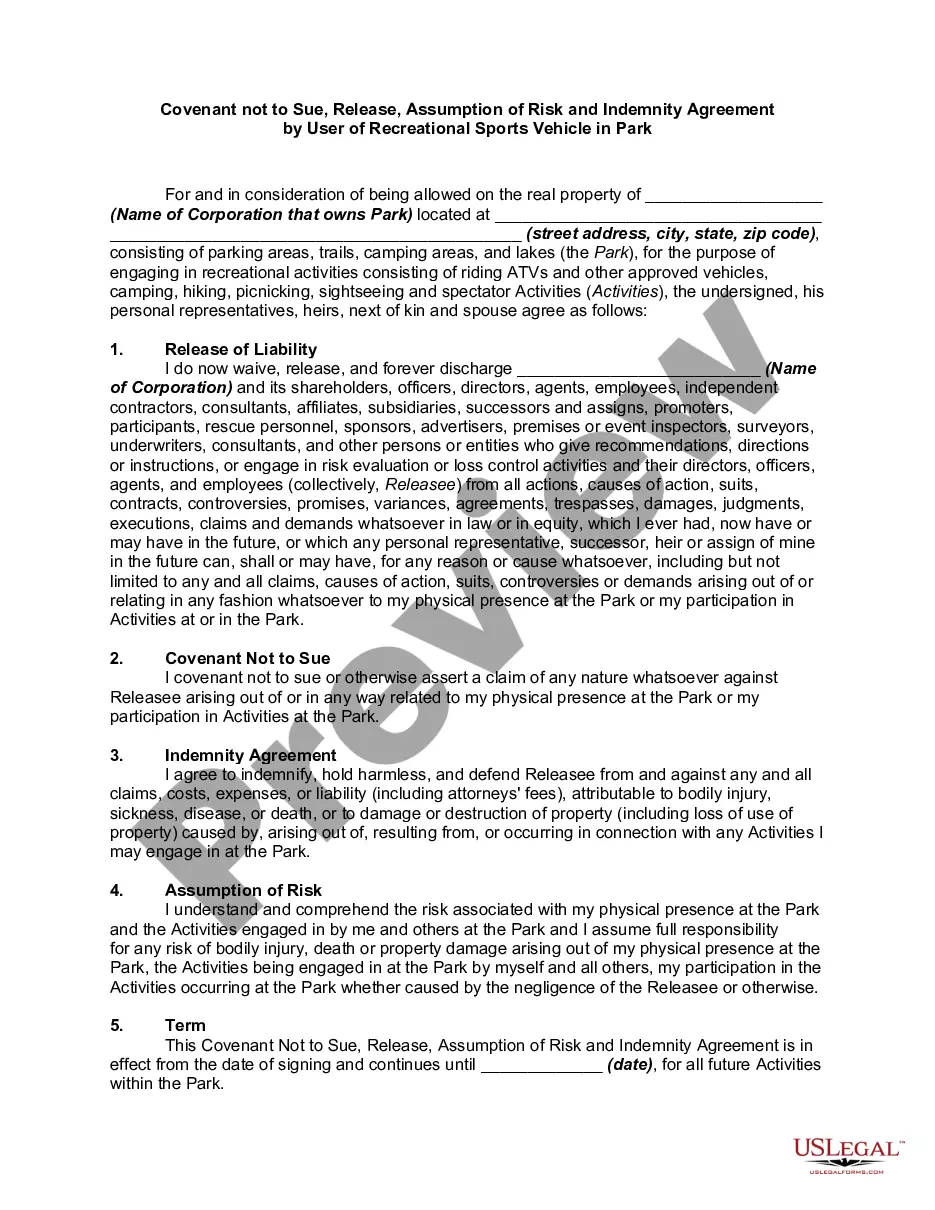
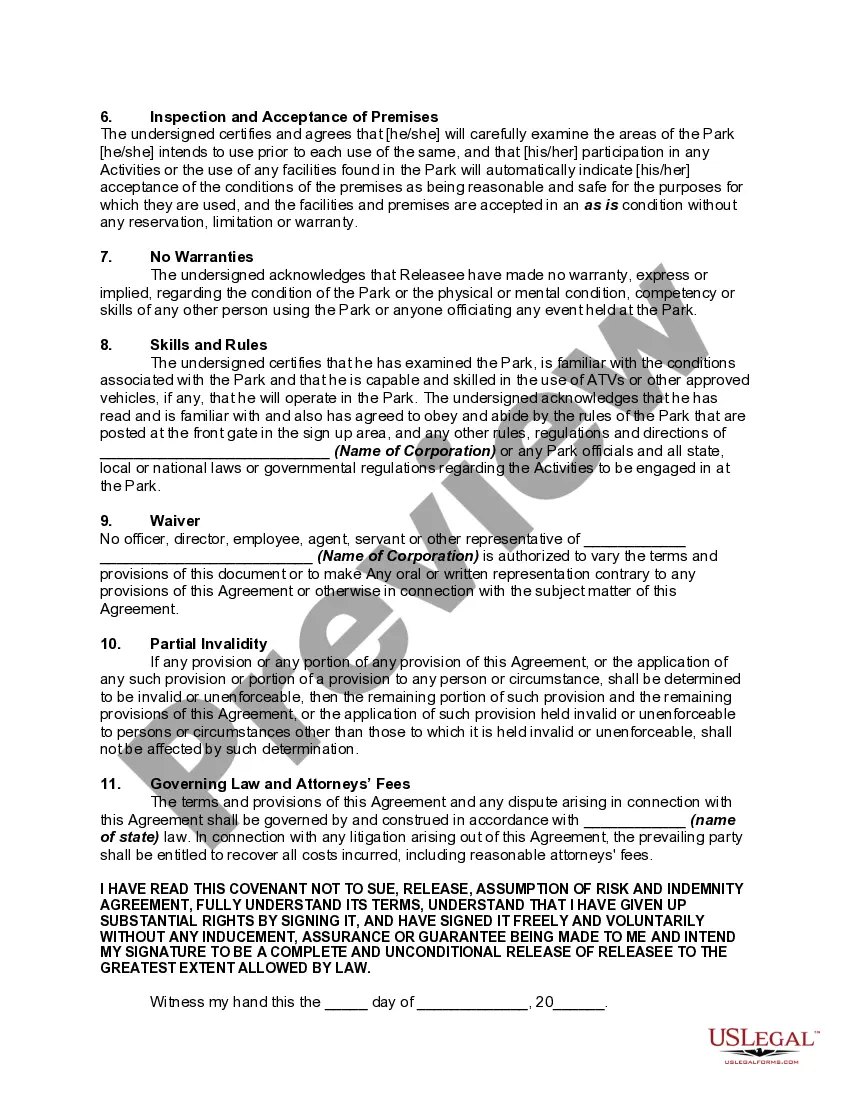

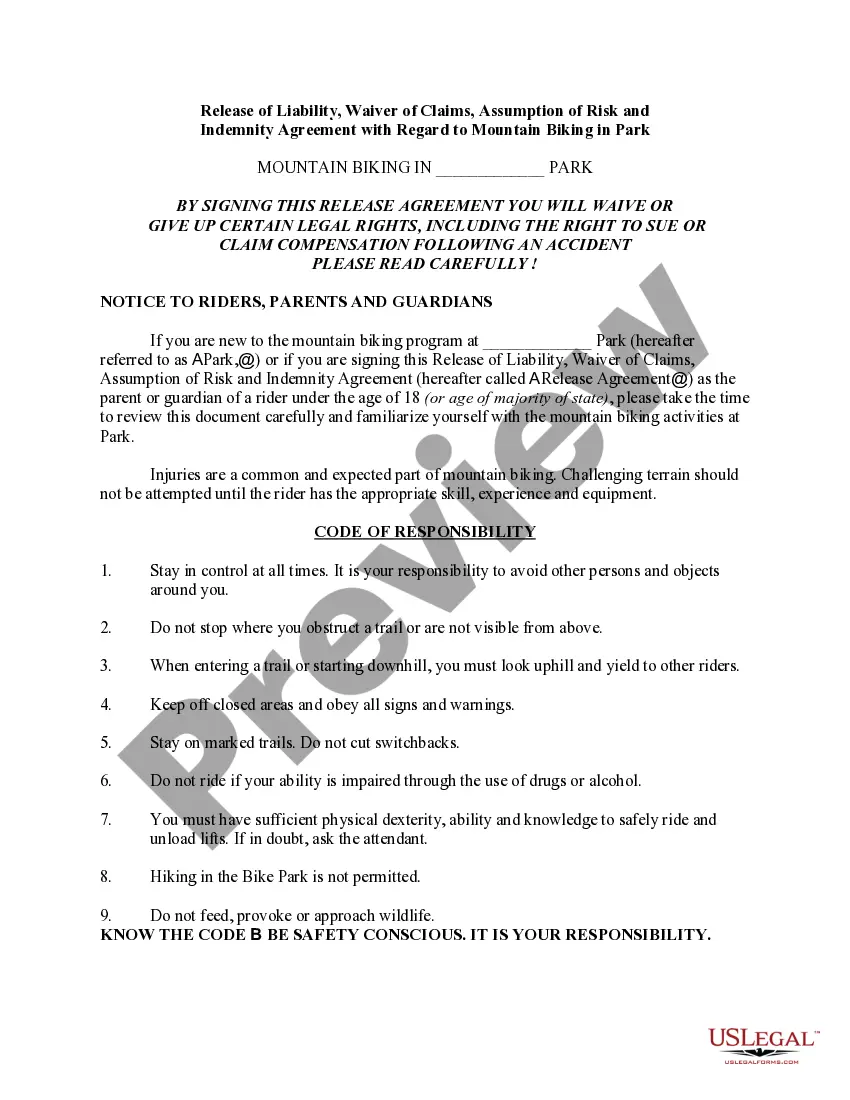
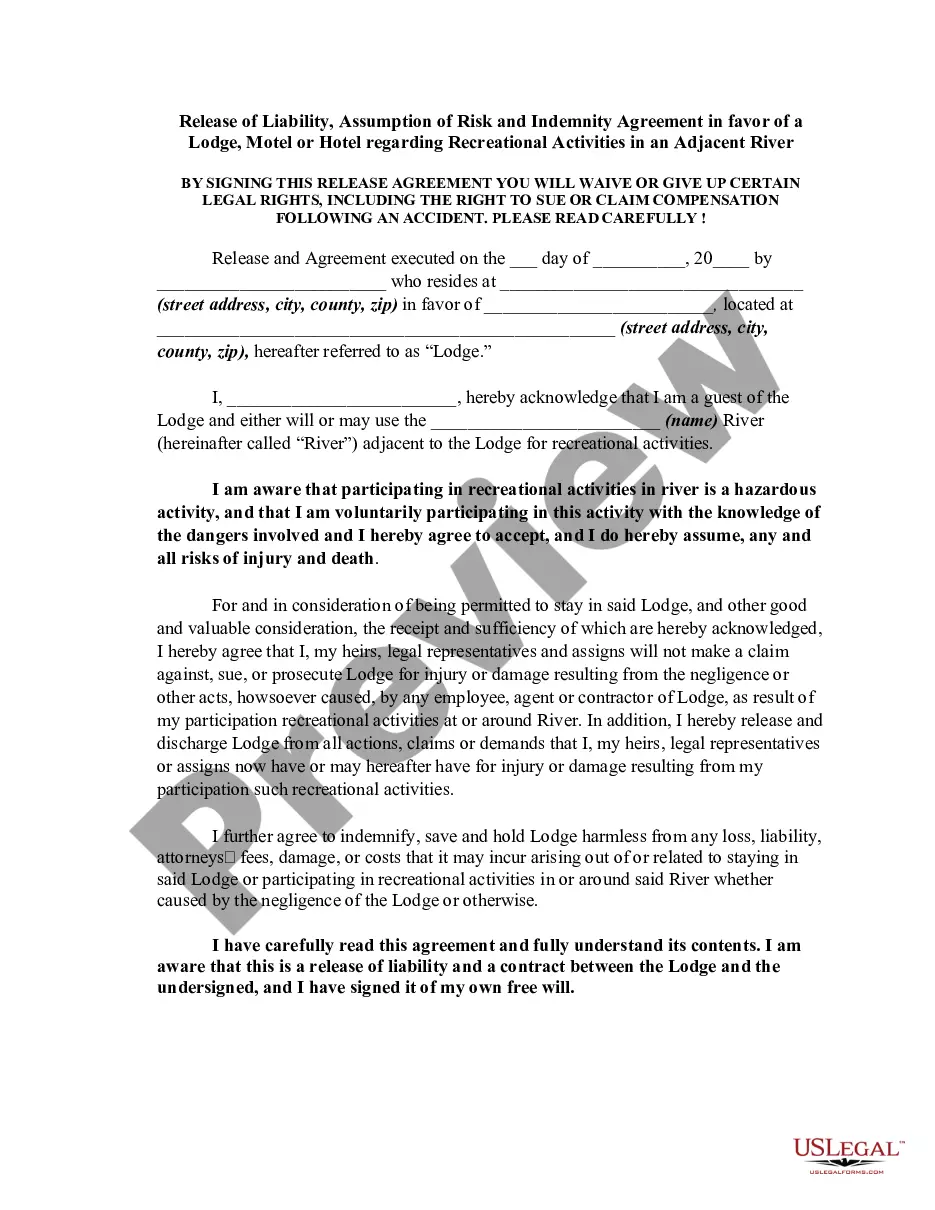
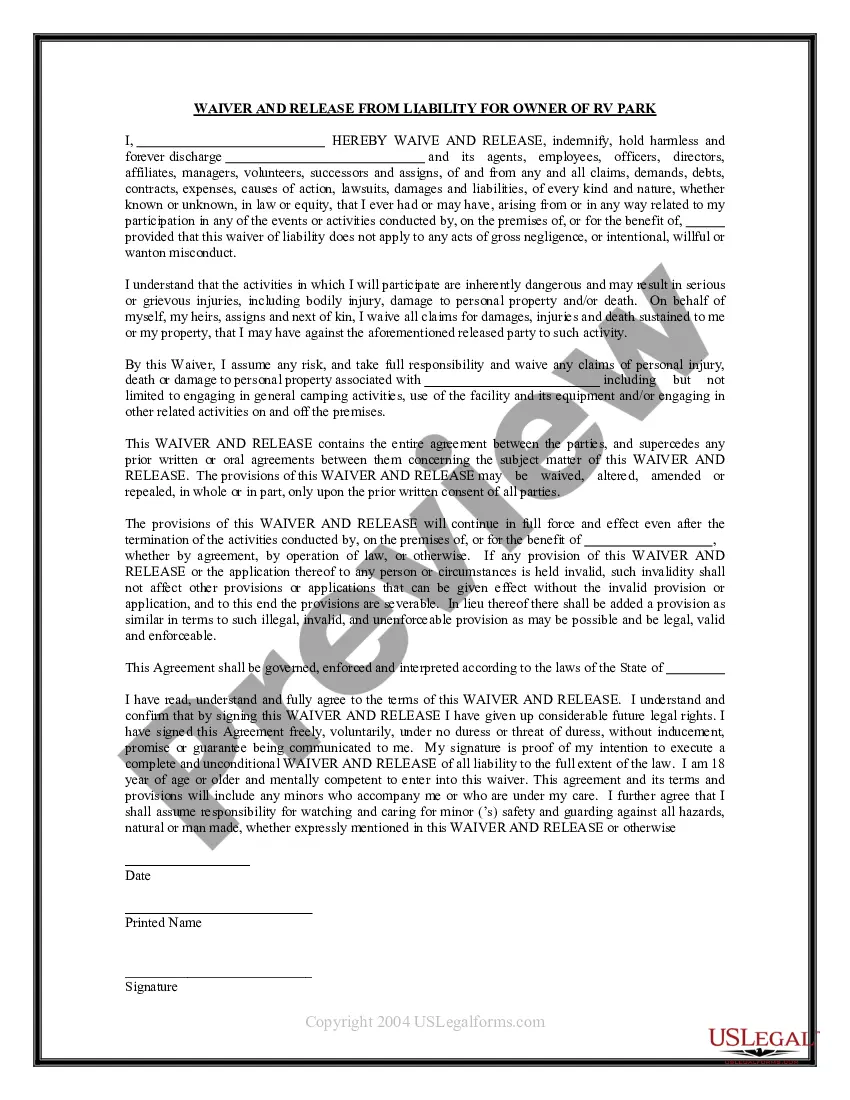
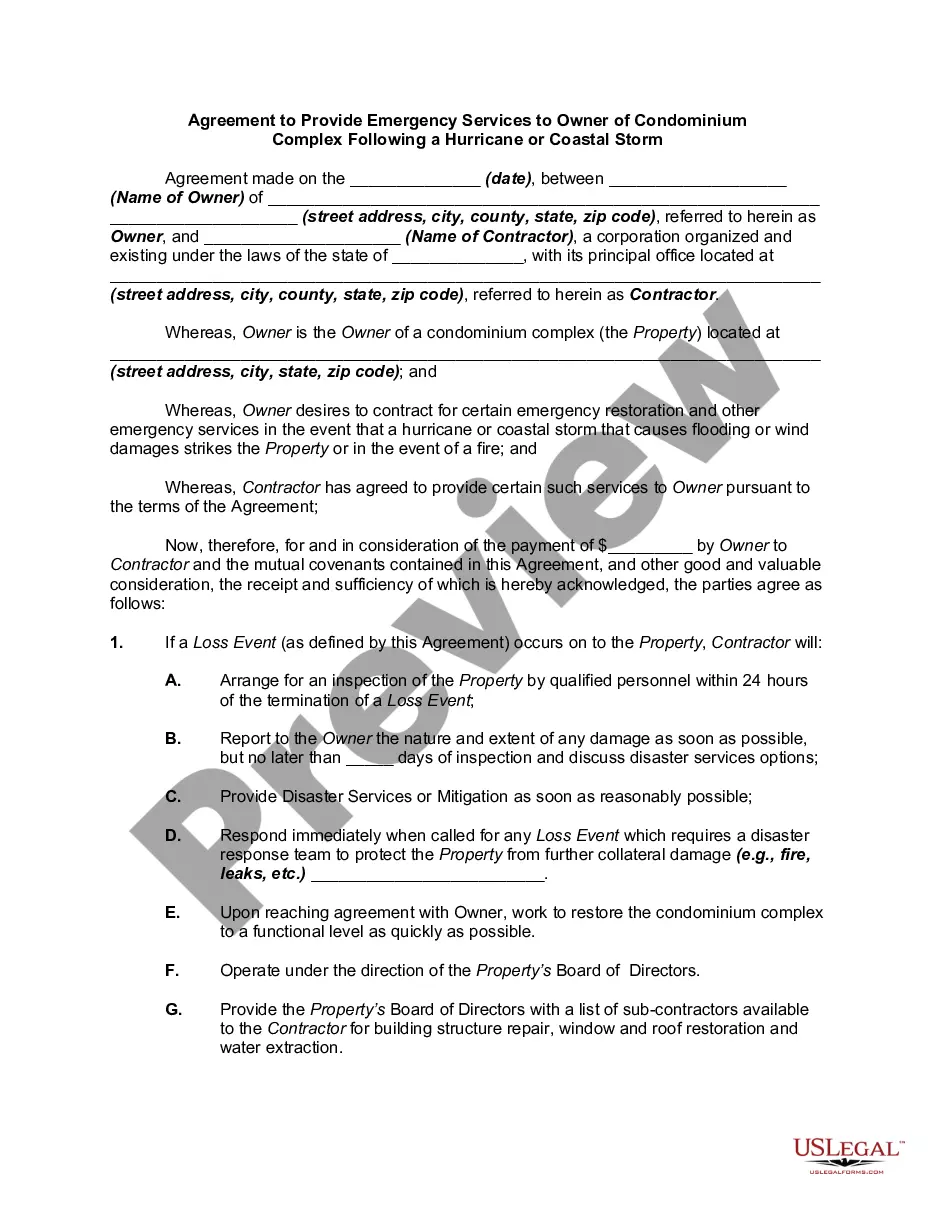

How to fill out Covenant Not To Sue, Release, Assumption Of Risk And Indemnity Agreement By User Of Recreational Sports Vehicle In Park?
The Agreement Not To Litigate Template you observe on this webpage is a reusable official template crafted by experienced attorneys in accordance with federal and state laws and regulations.
For over 25 years, US Legal Forms has offered individuals, organizations, and legal practitioners with more than 85,000 authenticated, state-specific documents for various business and personal situations.
Subscribe to US Legal Forms to have authenticated legal templates for all of life’s circumstances readily available.
- Search for the document you require and review it.
- Browse through the sample you sought and preview it or assess the form description to confirm it meets your needs. If it doesn’t, utilize the search bar to find the appropriate one. Click Buy Now once you have located the template you need.
- Register and sign in.
- Select the pricing plan that best fits your requirements and create an account. Use PayPal or a credit card to process a swift payment. If you already possess an account, Log In and verify your subscription to proceed.
- Acquire the editable template.
- Choose the format you prefer for your Agreement Not To Litigate Template (PDF, DOCX, RTF) and download the sample onto your device.
- Complete and sign the documentation.
- Print the template to fill it out manually. Alternatively, utilize an online multi-functional PDF editor to swiftly and accurately complete and sign your form with a legally-binding electronic signature.
- Download your documents again.
- Re-use the same document whenever necessary. Access the My documents tab in your profile to redownload any previously downloaded forms.
Form popularity
FAQ
Covenants not to sue are typically used to settle specific patent litigation issues outside the civil court system. When signing a covenant not to sue, you will preserve the existence of the underlying cause of action. However, there will be contractual restrictions on the injured party's right to file a lawsuit.
Covenant Not to Sue and Indemnification: The Releasor knowingly, intentionally, and voluntarily covenants and agrees it will not now or in the future bring any action in law or equity in any court, forum, or arbitration proceeding (whether by original process, counterclaim, cross-claim, third-party process, impleader, ...
A covenant not to sue legally obliges a party that could initiate a lawsuit not to do so. The covenant is made explicitly between two parties, and any third party that wants to make a claim is legally allowed to do so. Covenants not to sue are used to settle specific legal issues outside of the court system.
Steps to Creating a Covenant Not to Sue Search for an example of an existing covenant to base yours off of. ... Gather information for your covenant, including documents related to your interests and documents about the other party. ... Format your covenant, so it resembles a traditional contract format.
A covenant not to sue is a legal agreement in which the party seeking damages agrees not to sue the party that it has cause against. Covenants not to sue are used to settle specific legal issues outside of the court system.