Organization Agreement with exhibit
Overview of this form
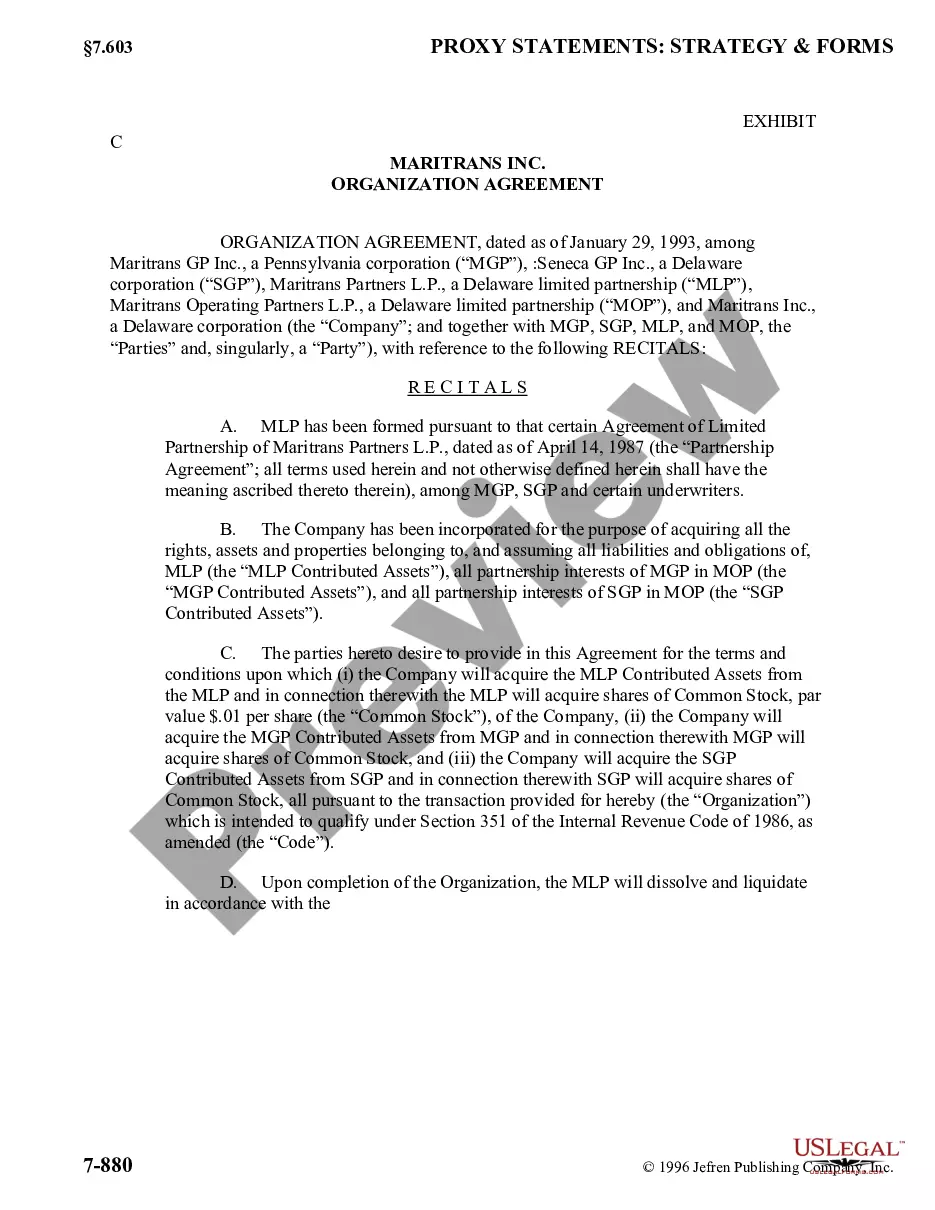
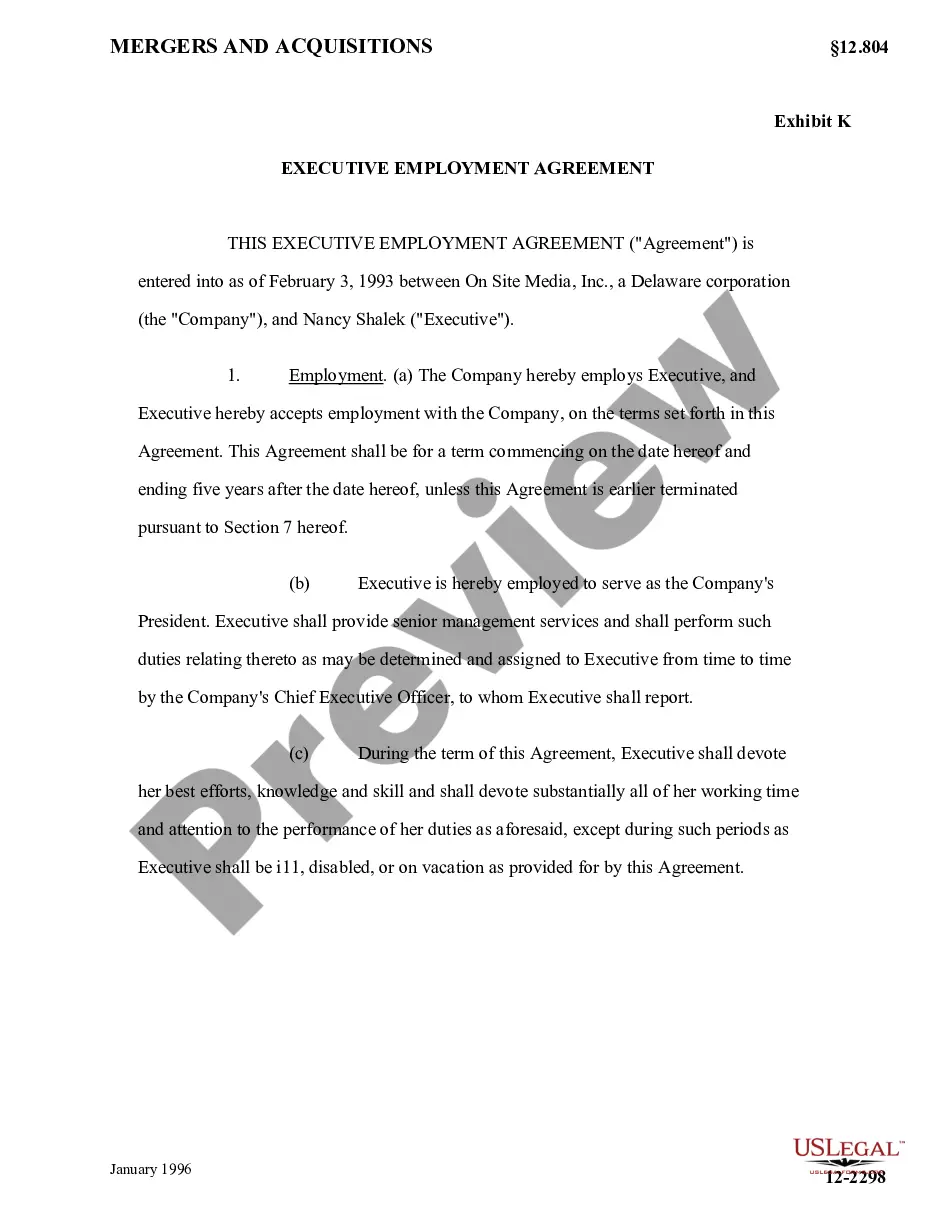
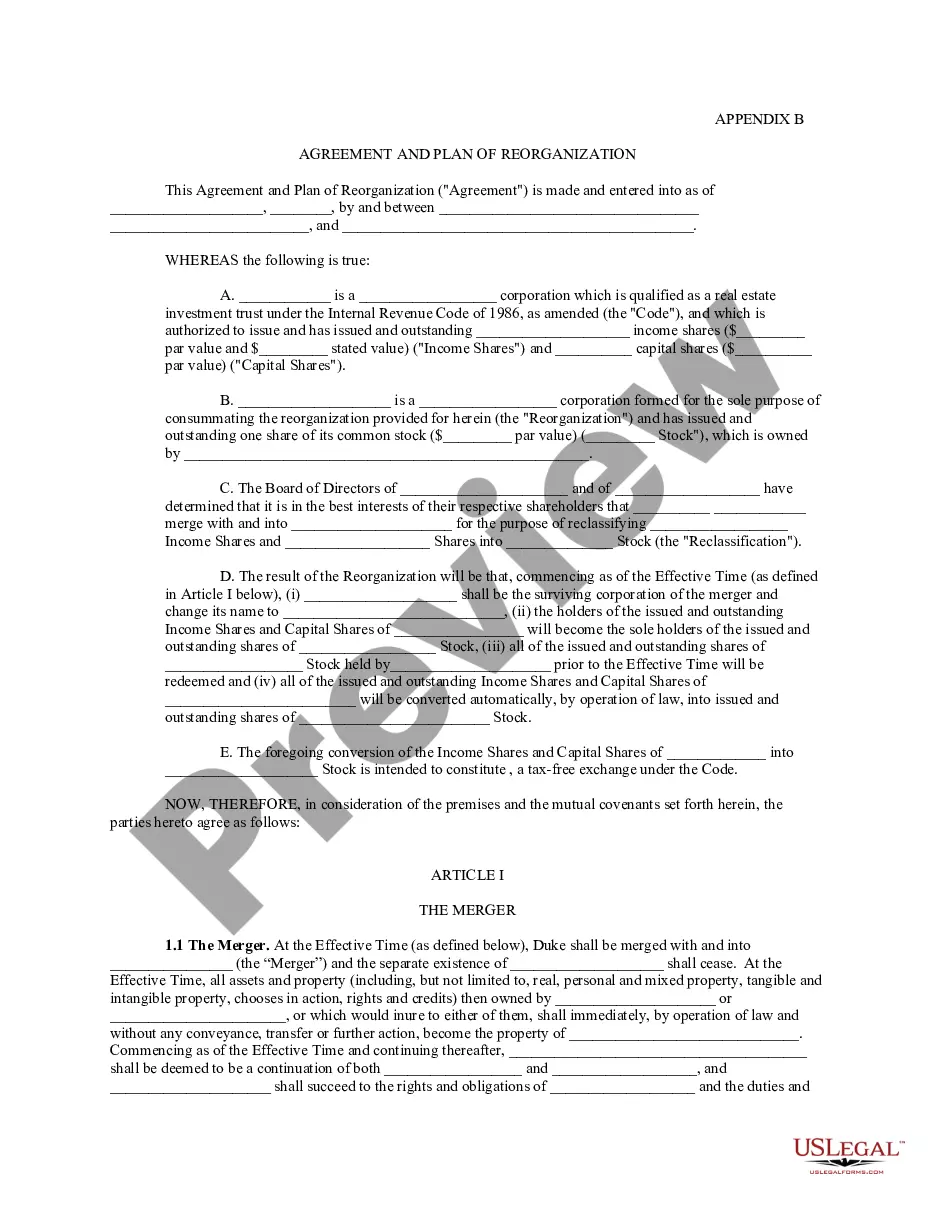
The Organization Agreement with exhibit is a legal document that outlines the terms and conditions for the formation and organization of a company or partnership. This agreement is crucial for corporate matters, detailing the roles and responsibilities of various parties involved. It is designed to be flexible, allowing users to adapt the content to their specific circumstances. This form differs from other legal forms because it includes an exhibit that provides additional details and stipulates conditions necessary for the transaction, ensuring proper compliance with relevant laws and regulations.
Key components of this form
- Recitals: Outlines the background and intent of the parties involved.
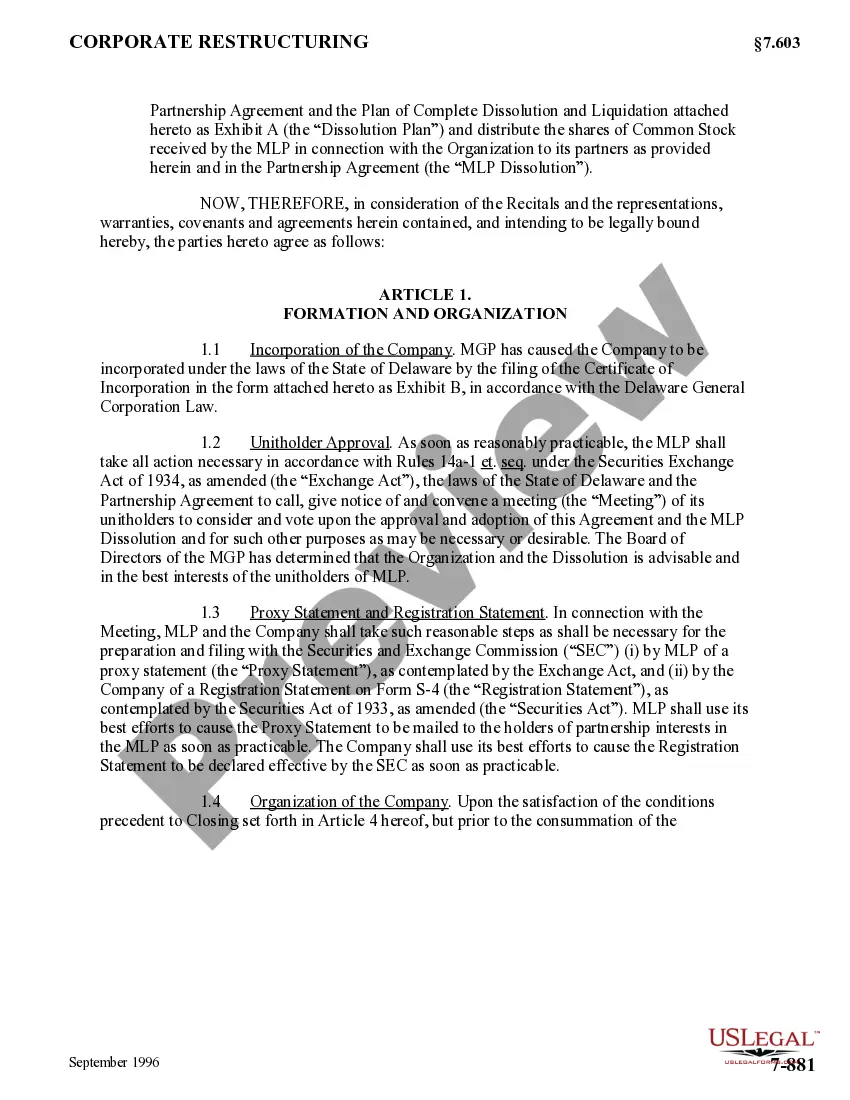
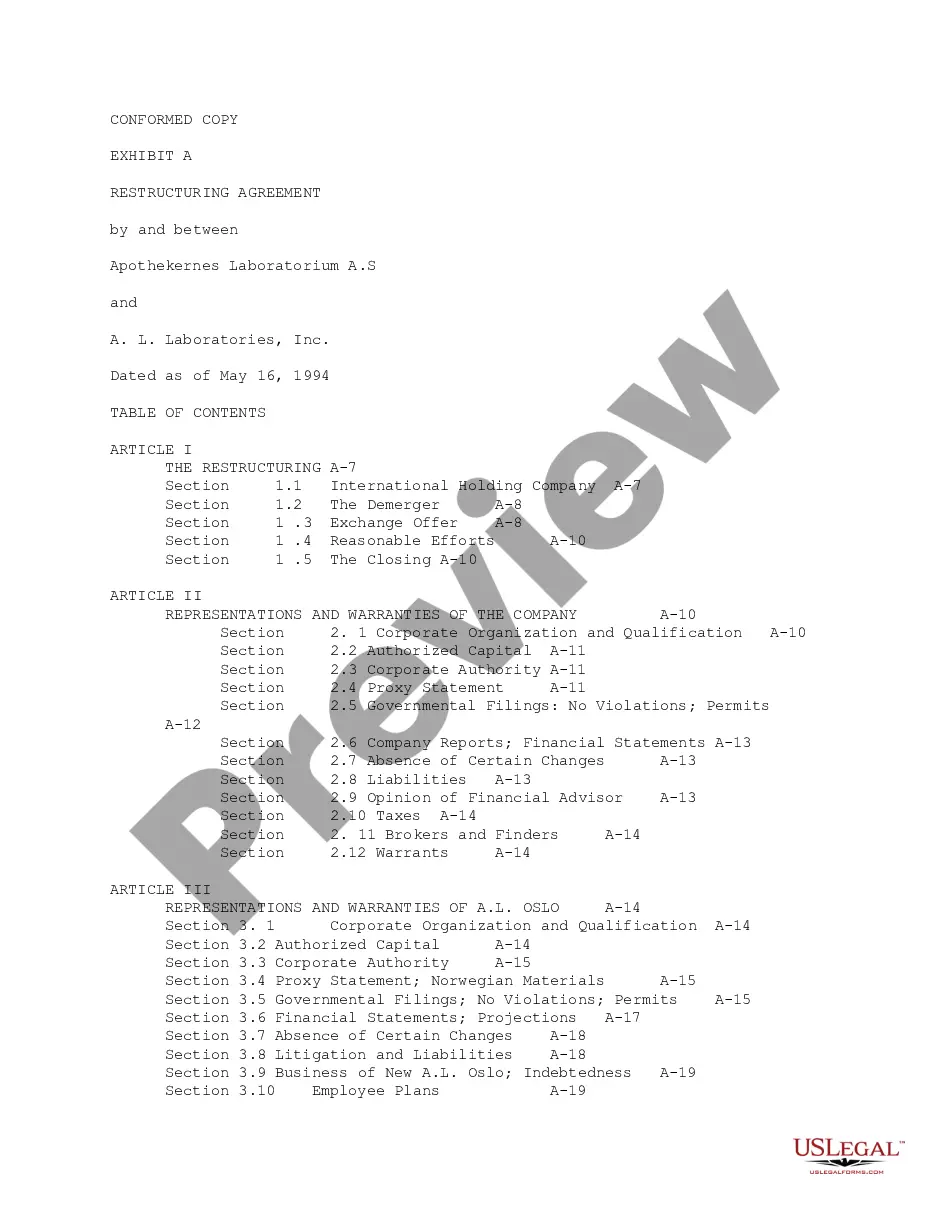
- Formation Details: Specifies how the company is to be incorporated and the necessary approvals required.
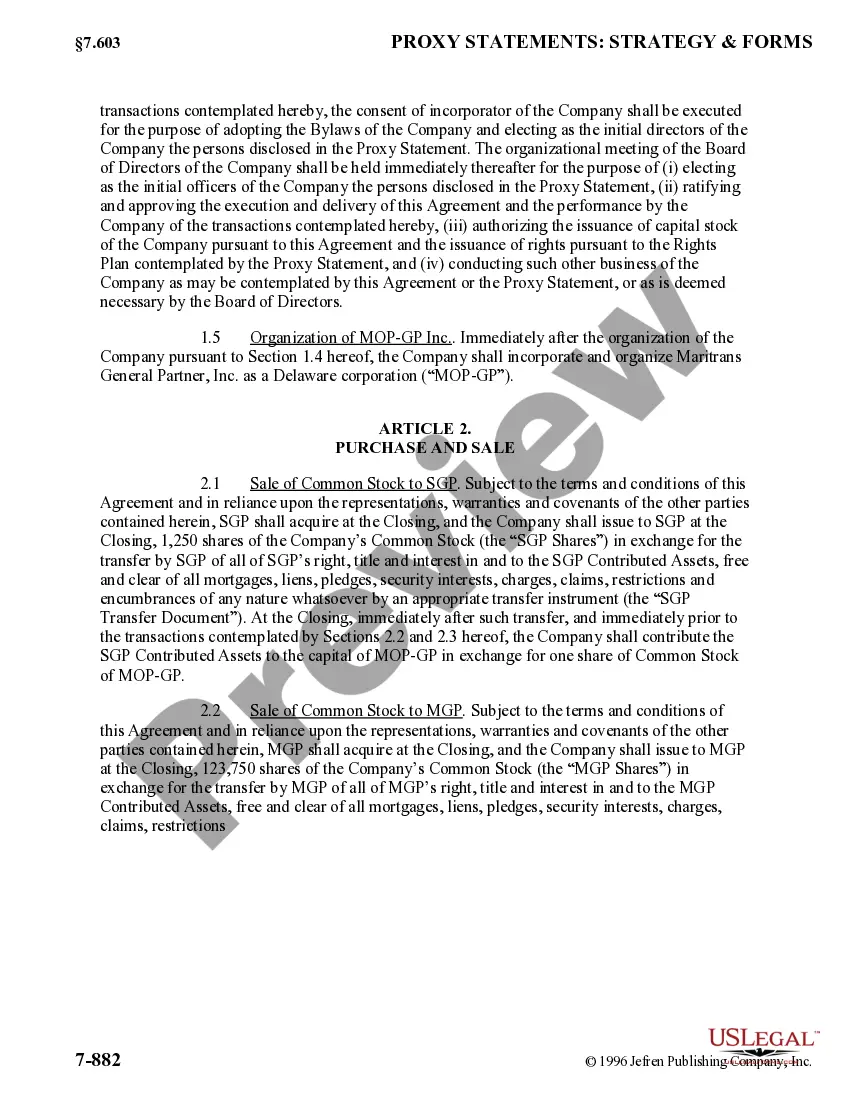
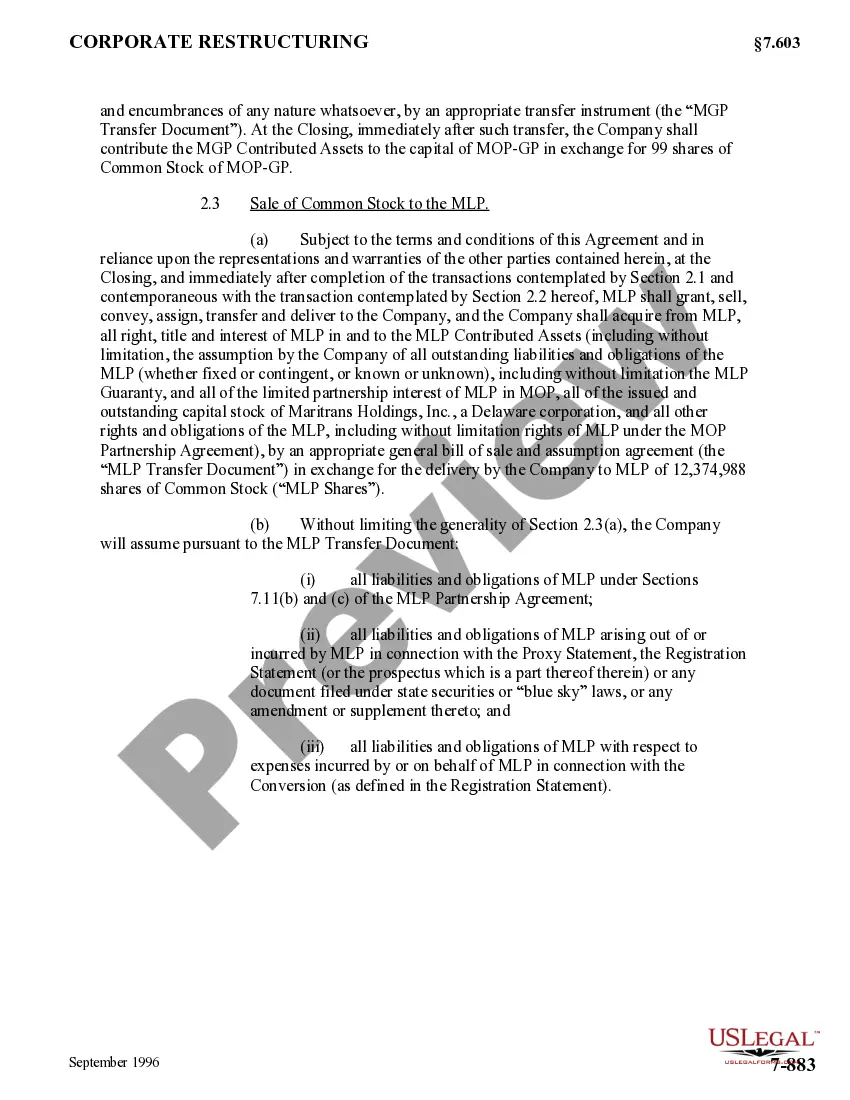
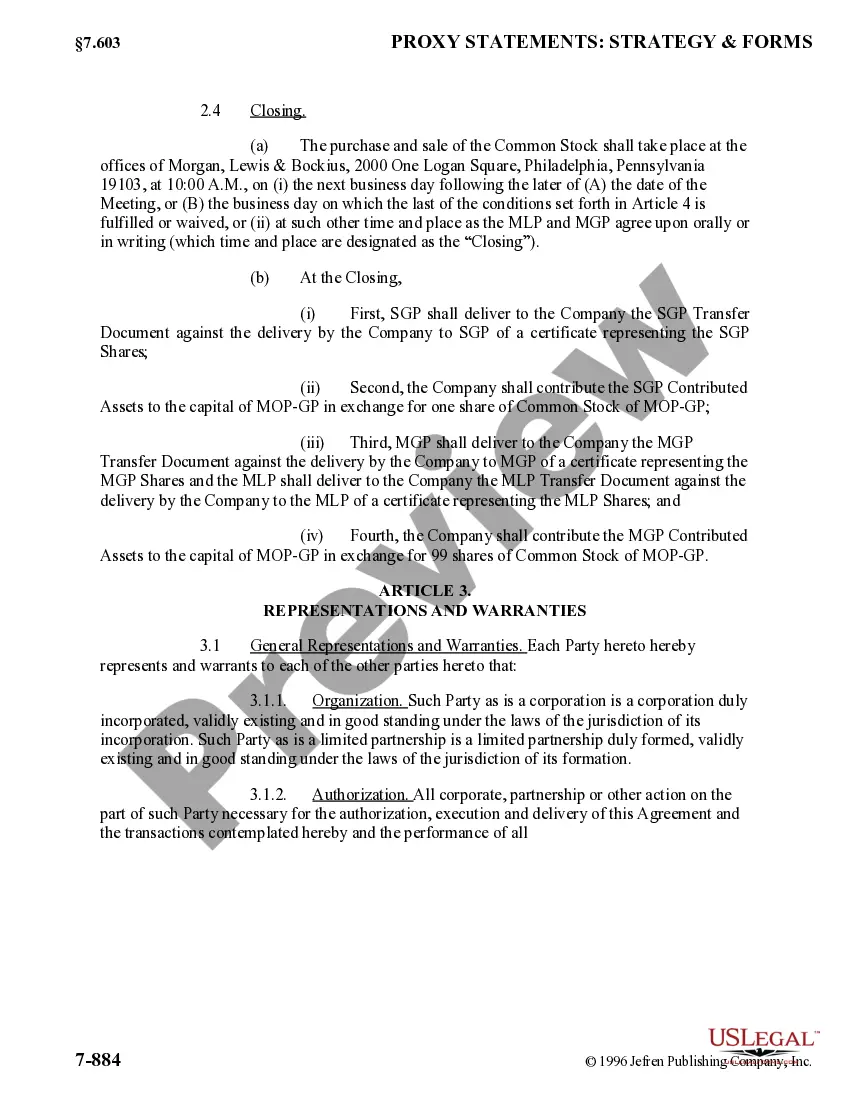
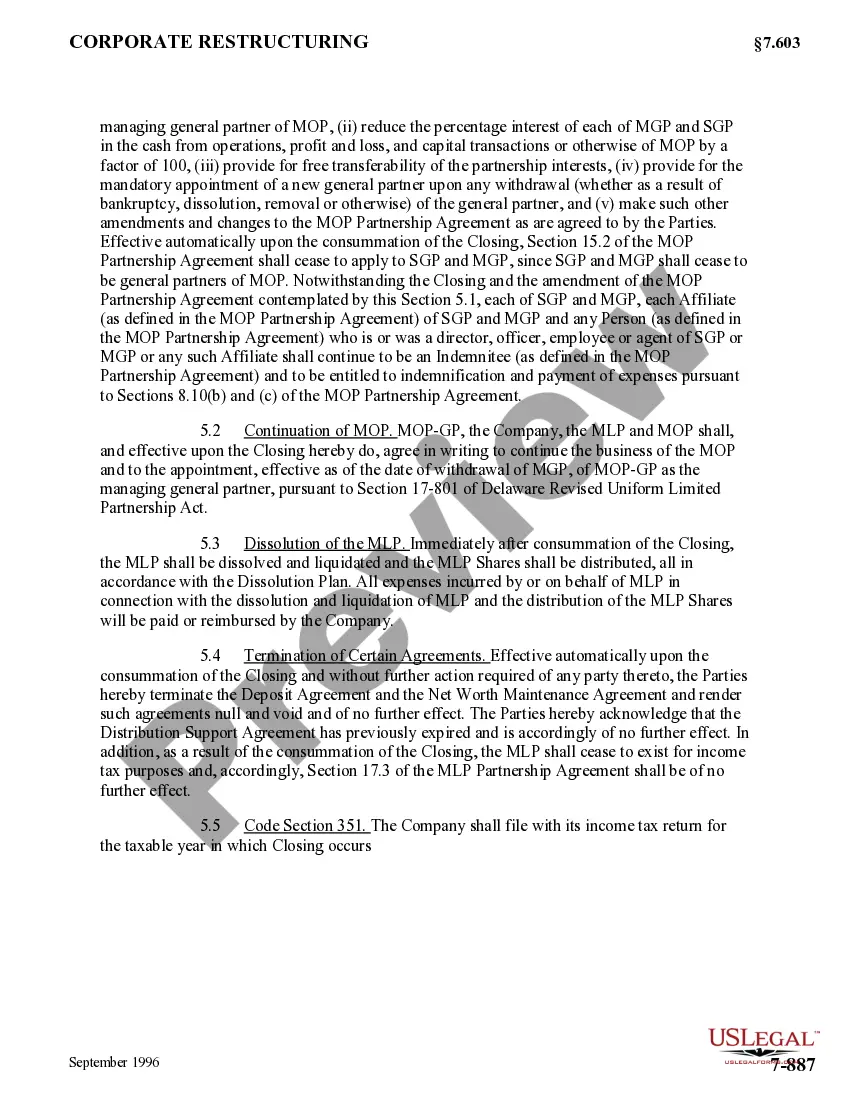
- Purchase and Sale Terms: Describes the exchange of stocks and partnership assets between the parties.
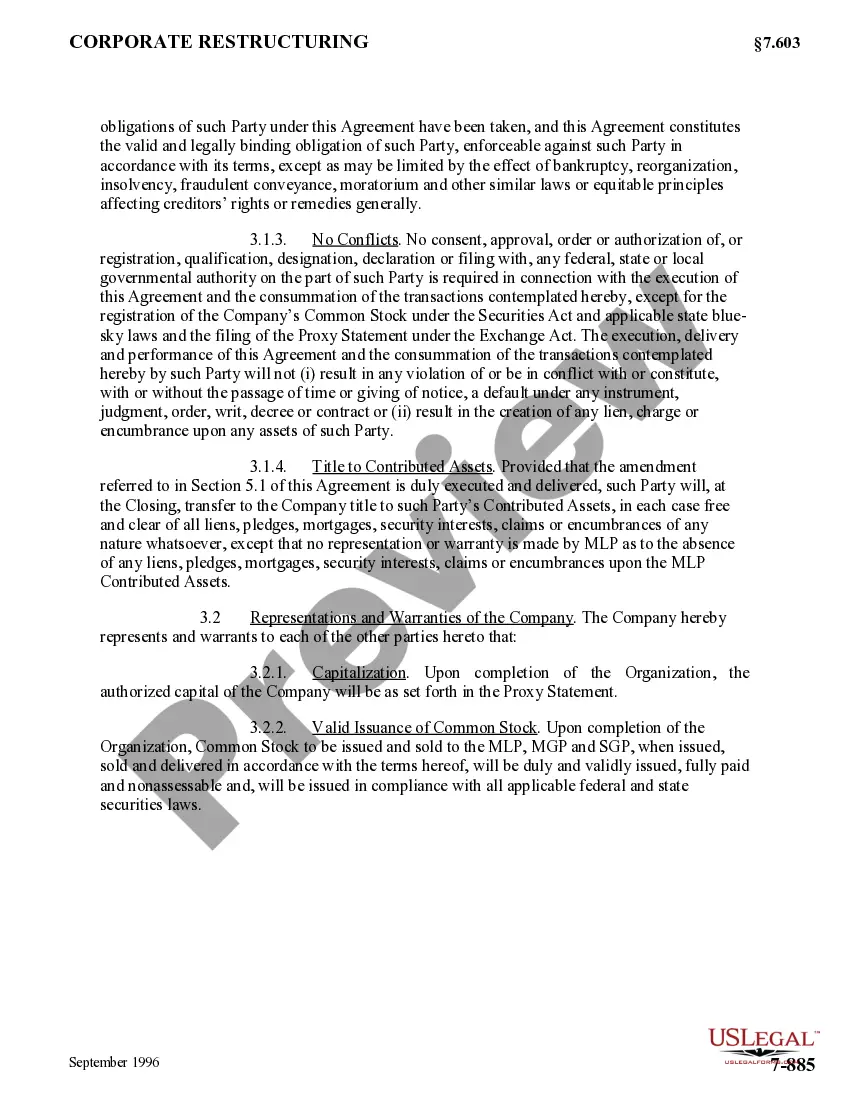
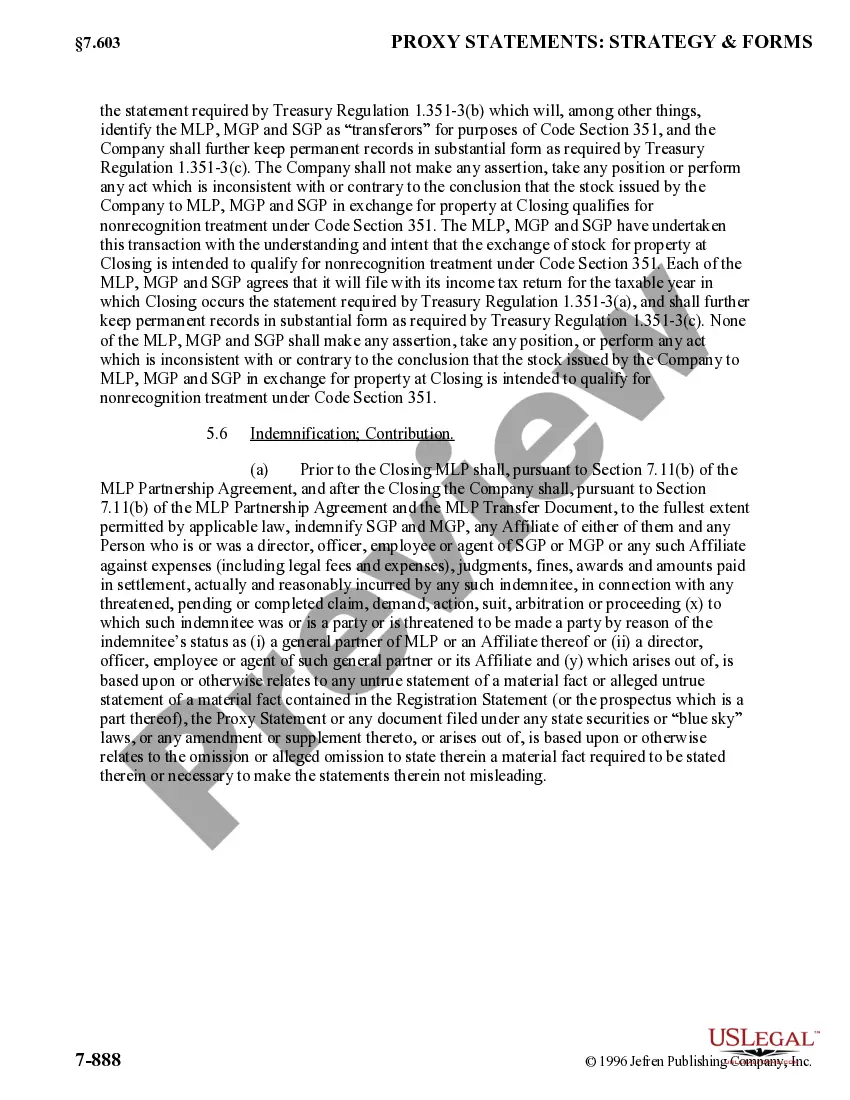
- Representations and Warranties: Contains assurances about the legal standing and authority of each party.
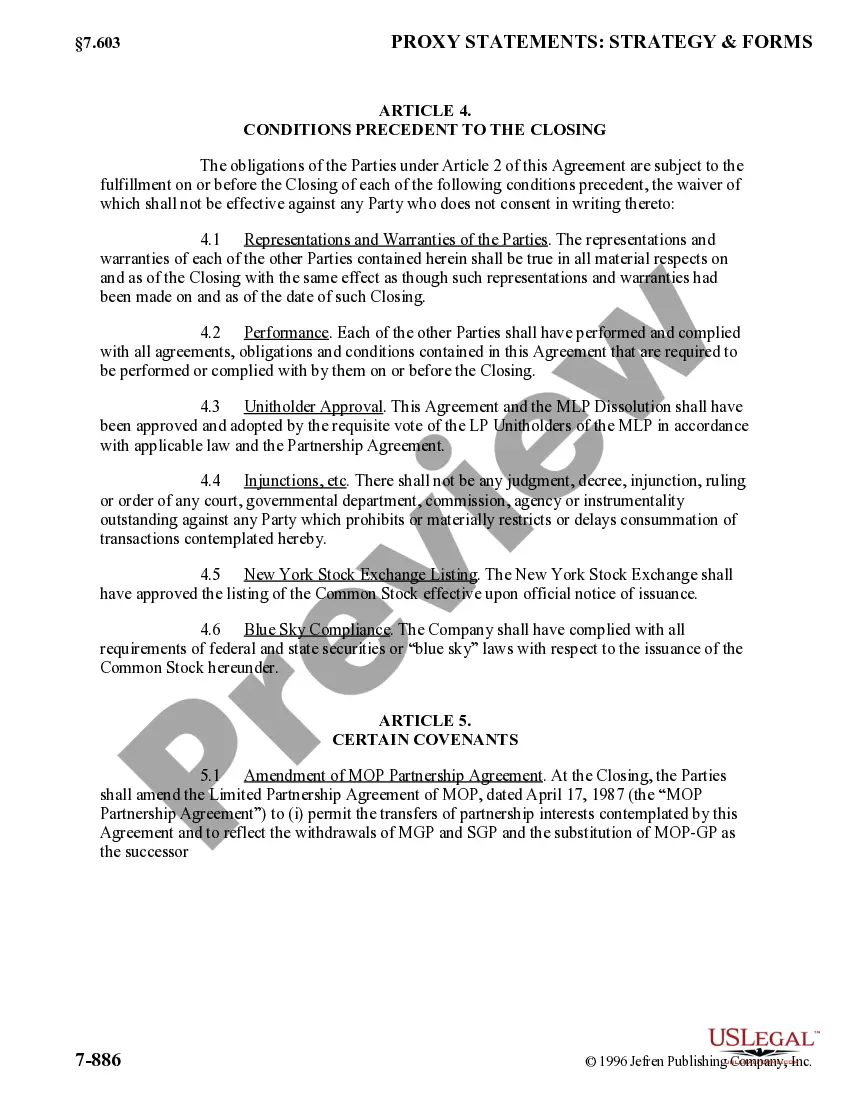
- Conditions Precedent: Lists the requirements that must be satisfied before the closing of the agreement.
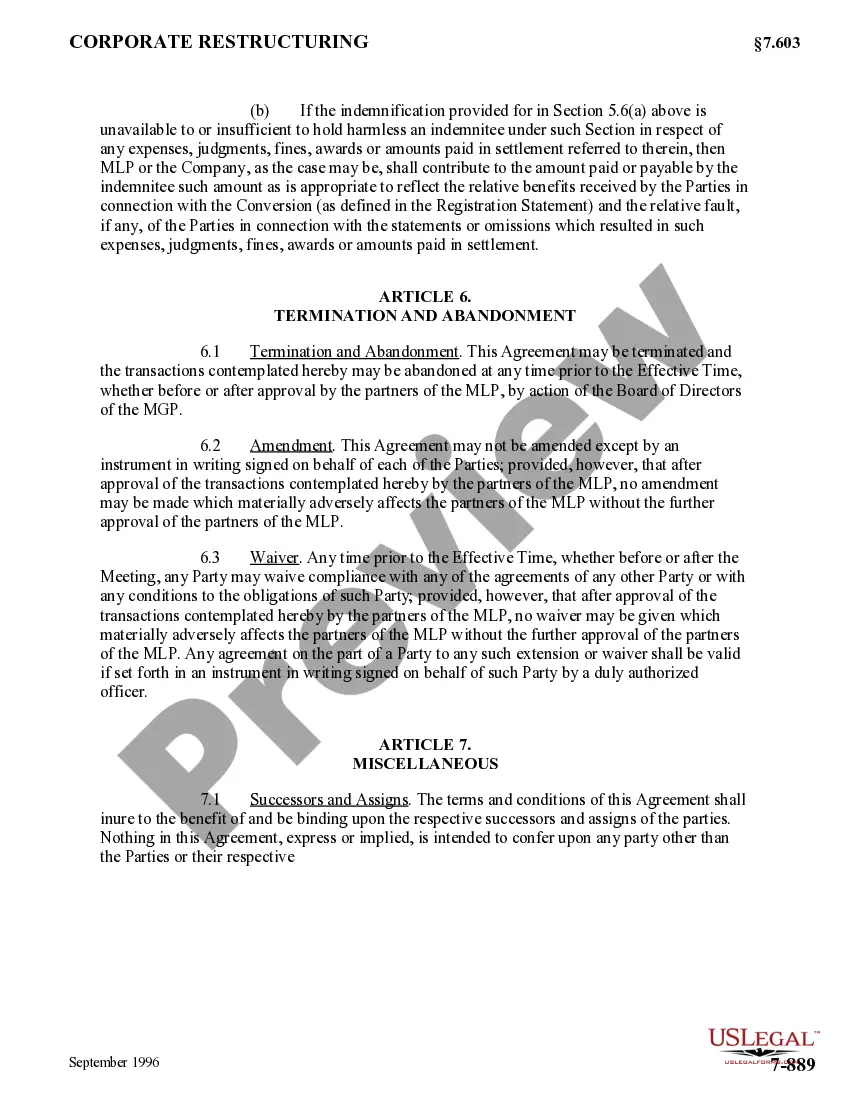
- Amendments and Termination Clauses: Details how the agreement can be modified or terminated.

Situations where this form applies
This Organization Agreement is ideal for businesses entering into a partnership or forming a corporation. It is particularly necessary when multiple parties intend to contribute assets, establish operations, or re-organize existing business structures. This form should be utilized during the initial stages of creating a business to ensure clarity and mutual understanding among all stakeholders, especially when there are complex asset transfers involved.
Who this form is for
- Business owners seeking to formalize a partnership with multiple investors or partners.
- Entities establishing a new corporation in compliance with state laws.
- Legal professionals drafting agreements for corporate mergers or acquisitions.
- Existing partnerships or corporations undergoing reorganization.
How to prepare this document
- Identify the parties involved in the agreement and their respective roles.
- Specify the terms of organization including the name of the corporation and company structure.
- Detail the assets to be contributed by each party and any associated liabilities.
- Ensure all representatives of the parties sign the agreement where required.
- Attach relevant exhibits that provide detailed plans or information referenced in the agreement.
Notarization guidance
Notarization is generally not required for this form. However, certain states or situations might demand it. You can complete notarization online through US Legal Forms, powered by Notarize, using a verified video call available anytime.
Get your form ready online
Our built-in tools help you complete, sign, share, and store your documents in one place.
Make edits, fill in missing information, and update formatting in US Legal Forms—just like you would in MS Word.
Download a copy, print it, send it by email, or mail it via USPS—whatever works best for your next step.
Sign and collect signatures with our SignNow integration. Send to multiple recipients, set reminders, and more. Go Premium to unlock E-Sign.
If this form requires notarization, complete it online through a secure video call—no need to meet a notary in person or wait for an appointment.
We protect your documents and personal data by following strict security and privacy standards.

Make edits, fill in missing information, and update formatting in US Legal Forms—just like you would in MS Word.

Download a copy, print it, send it by email, or mail it via USPS—whatever works best for your next step.

Sign and collect signatures with our SignNow integration. Send to multiple recipients, set reminders, and more. Go Premium to unlock E-Sign.

If this form requires notarization, complete it online through a secure video call—no need to meet a notary in person or wait for an appointment.

We protect your documents and personal data by following strict security and privacy standards.
Mistakes to watch out for
- Failing to include all parties and their roles clearly in the agreement.
- Omitting necessary provisions that could lead to future disputes.
- Not adhering to specific state requirements for corporate formation.
- Neglecting to have the document reviewed by a legal professional.
Benefits of using this form online
- Convenience of accessing and downloading the form from anywhere, at any time.
- Editability allows you to customize the document according to your specific needs.
- Reliability, as the forms are drafted by licensed attorneys and regularly updated for legal accuracy.
Looking for another form?
Form popularity
FAQ
B. To cite materials posted at a museum, use the following style: Format of information (wall text, object label, brochure), Gallery Name, Number or Exhibition Title, Museum Name, City, State. example: Wall text, Playful Performers, National Museum of African Art, Washington, D.C.
Every exhibit should be labeled with exhibit stickers so that a court reporter doesn't need to do this at trial. Generally, exhibits are labeled in alphabetical or numerical order to provide clear guideposts for the progression of exhibits.
Author or authors of paper. The surname followed by first initials. Year. Title of paper (in single inverted commas). Editors of conference proceedings. Title of conference proceedings (in italics). Location of conference. Date of Conference (if available)
Artist(s) (family name, comma followed by initials, with full stop and space after each initial) (Year of exhibition). ( in round brackets, followed by full stop) Title of work (in italics) Medium. ( Exhibited at location and date of exhibition. (
Generally, exhibits are labeled in sequential alphabetical or numerical order. For example, Exhibit A is followed by Exhibit B, etc. This gives the reader clear guideposts to follow throughout the document.
To cite a specific section or page from the exhibit, you may say: Douma, Michael, curator. "Title of section or page," Calendars through the Ages, 2008, URL, (date of retrieval).
For object labels: Artist, Title, Medium, Date, Accession number. Author of text / Curator of exhibition (if known) Name of exhibition / Name of museum department. Museum name and location. Dates of exhibition / Date of visit.
Exhibit. An exhibit is an additional document attached to the end of a lease or contract. An exhibit frequently will include form documents ancillary to the main contract, such as agreed-upon closing documents attached to a real estate purchase contract or documents a tenant must sign, such as a lease guaranty.
An appendix is a collection of supplementary material that's usually found at the end of contracts. An exhibit is also a supplement.Attachments are different from addendums because they can be placed within the contract without changing the agreement itself, and they may also be referred to as annexes or appendices.