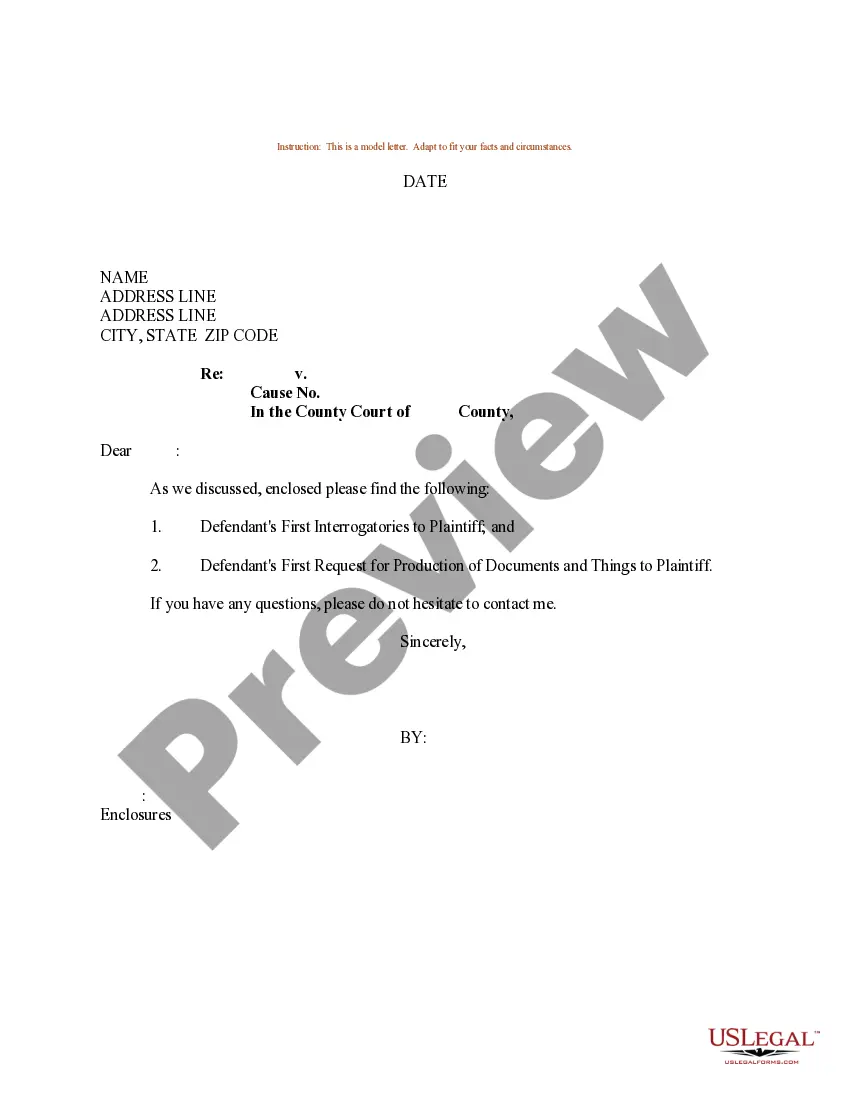
Trial Without Defendant Present
Description


Get your form ready online
Our built-in tools help you complete, sign, share, and store your documents in one place.
Make edits, fill in missing information, and update formatting in US Legal Forms—just like you would in MS Word.
Download a copy, print it, send it by email, or mail it via USPS—whatever works best for your next step.
Sign and collect signatures with our SignNow integration. Send to multiple recipients, set reminders, and more. Go Premium to unlock E-Sign.
If this form requires notarization, complete it online through a secure video call—no need to meet a notary in person or wait for an appointment.
We protect your documents and personal data by following strict security and privacy standards.

Make edits, fill in missing information, and update formatting in US Legal Forms—just like you would in MS Word.

Download a copy, print it, send it by email, or mail it via USPS—whatever works best for your next step.

Sign and collect signatures with our SignNow integration. Send to multiple recipients, set reminders, and more. Go Premium to unlock E-Sign.

If this form requires notarization, complete it online through a secure video call—no need to meet a notary in person or wait for an appointment.

We protect your documents and personal data by following strict security and privacy standards.
Looking for another form?




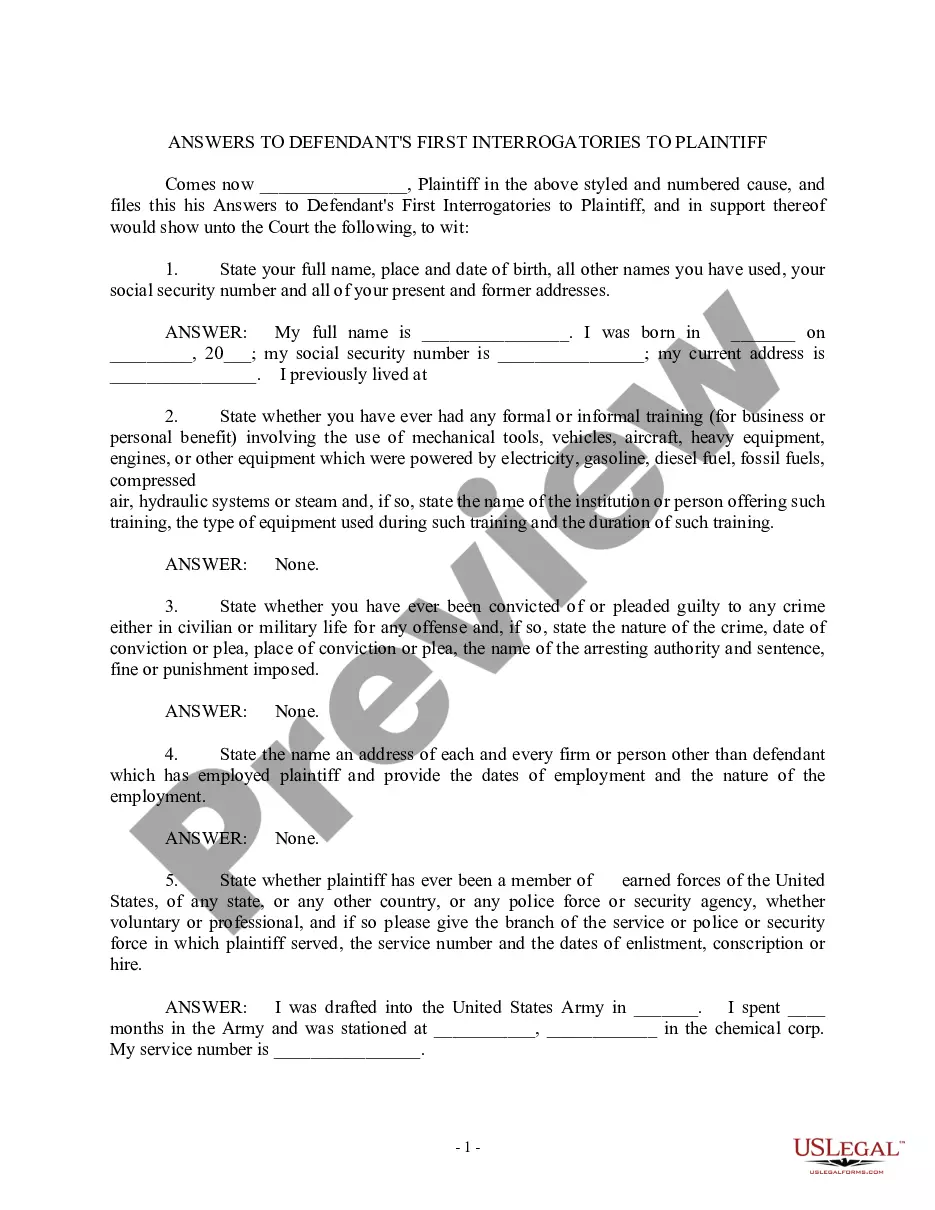
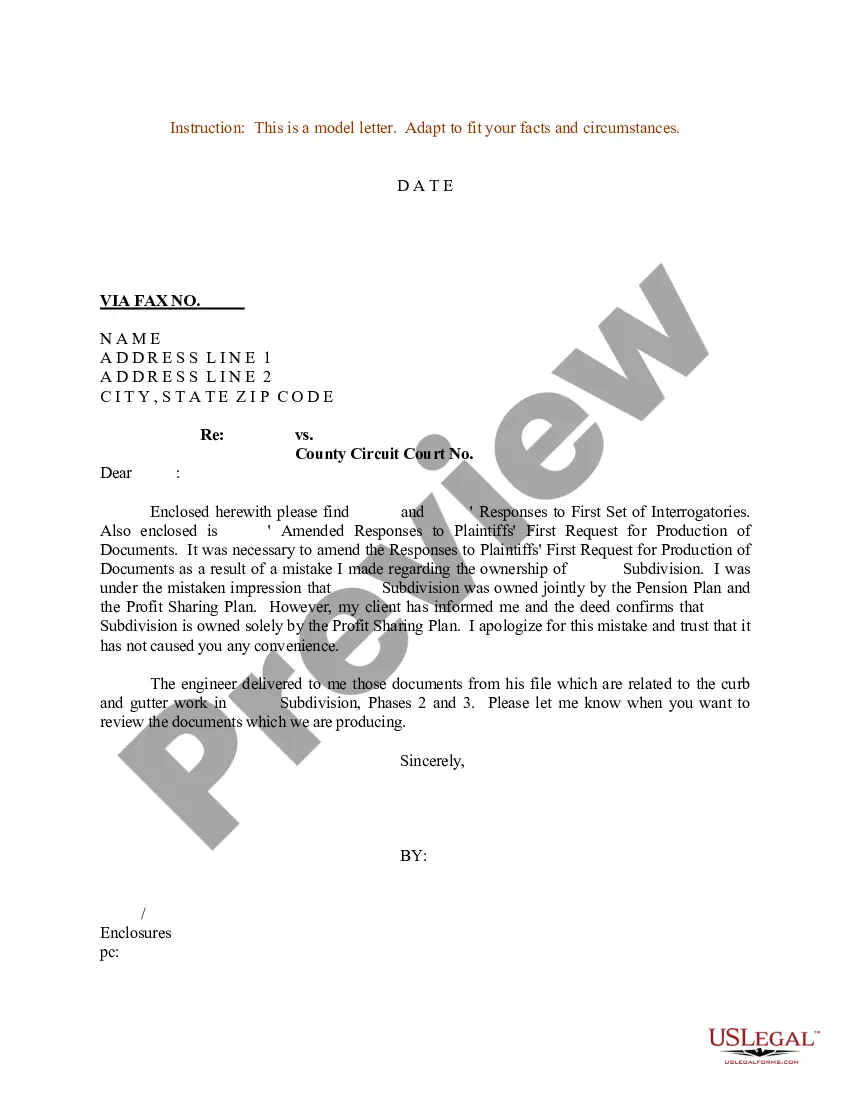
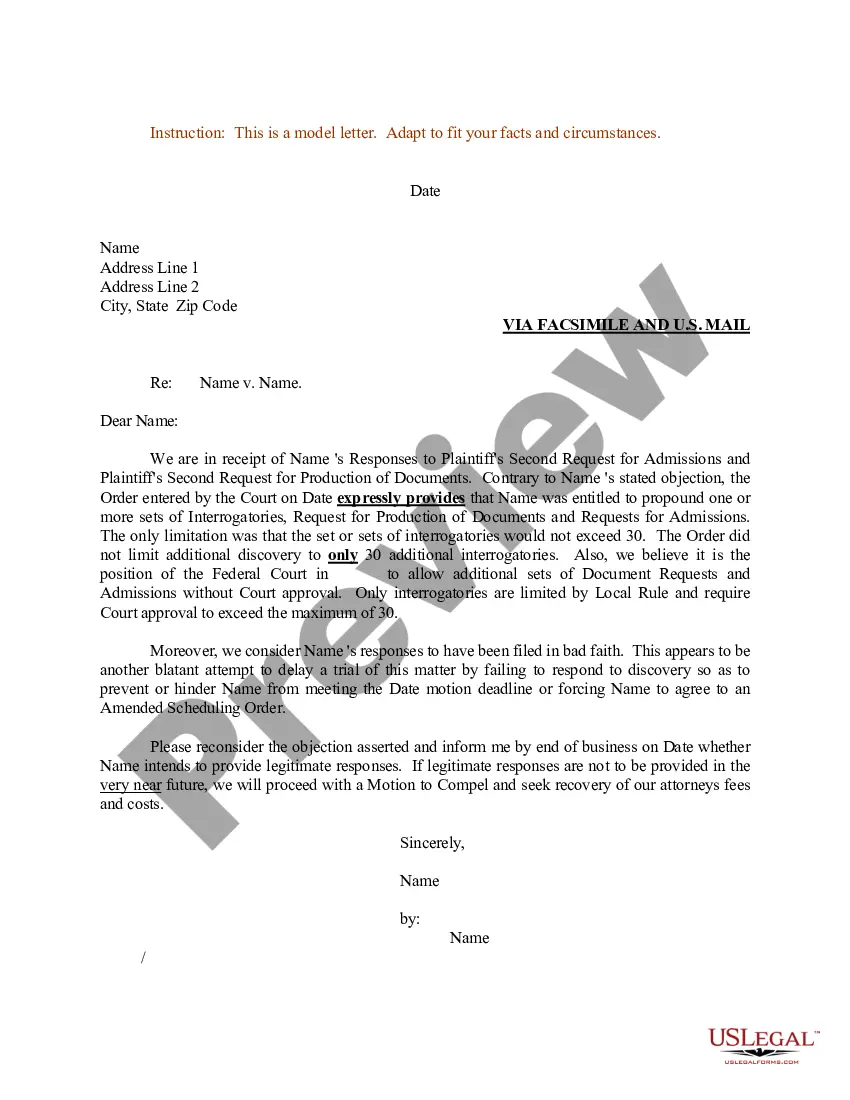
How to fill out Sample Letter For Trial - Defendant's First Interrogatories To Plaintiff?
Acquiring legal forms that adhere to federal and local laws is crucial, and the web presents a variety of choices to select from.
However, why squander time hunting for the appropriate Trial Without Defendant Present template online when the US Legal Forms digital library already has these documents consolidated in one location.
US Legal Forms is the premier online legal repository with more than 85,000 customizable forms created by attorneys for every professional and personal situation.
Evaluate the template using the Preview feature or through the text description to ensure it meets your requirements.
- They are easy to navigate with all documents organized by state and intended use.
- Our specialists keep abreast of legislative changes, ensuring your forms are always current and compliant when obtaining a Trial Without Defendant Present from our platform.
- Acquiring a Trial Without Defendant Present is straightforward and swift for both existing and new users.
- If you have an account with an active subscription, Log In and save the document sample you need in the correct format.
- If you are a newcomer to our website, follow the steps outlined below.
Form popularity
FAQ
When a defendant does not appear for their trial, the court may proceed with a trial without defendant present. This means the judge can still hear the case, evaluate the evidence, and make a ruling based on the available information. Additionally, the defendant may face a default judgment or harsher penalties due to their absence. To avoid such situations, consider using resources like US Legal Forms to prepare properly and understand your rights and responsibilities in court.
When we talk about a 'trial without defendant present,' it refers to a legal situation where a defendant is not physically in the courtroom during their trial proceedings. This can happen for various reasons, such as health issues, logistical challenges, or legal strategies. In such cases, the trial may still proceed, but special considerations must be taken to ensure the defendant's rights are upheld. Platforms like US Legal Forms provide resources and documentation to help you understand the implications of these situations and prepare accordingly.
While it is generally expected that the accused will be present during the trial, there are exceptions. If the defendant has a valid reason for their absence, such as health issues or legal strategy, the trial may continue without them. Understanding the legal framework surrounding a trial without defendant present is critical, and platforms like uslegalforms can provide valuable resources to navigate these situations.
A trial can proceed without the presence of the victim, especially in cases where the victim's testimony is not essential. Courts often rely on evidence and witnesses to establish the facts of the case. Nevertheless, the absence of the victim can impact the trial's dynamics, and it may affect the jury's perceptions and overall outcome.
Yes, the defendant is typically required to be present at a pretrial hearing. This gives them the opportunity to hear the charges, discuss strategies with their attorney, and address any preliminary matters. However, in some cases, a defendant may waive their right to attend if they have legal representation and understand the implications of their absence.
If the defendant does not appear in court, the judge may issue a bench warrant for their arrest or continue the trial without them. This is often seen in situations where the defendant has been notified but chooses not to attend. It is crucial to understand that a trial without defendant present can still lead to a verdict, which may have serious repercussions for the accused.
The hardest case to win in court often involves complex legal issues, insufficient evidence, or significant public opinion against the defendant. Cases like those involving serious felonies, such as murder or fraud, can be particularly challenging. Additionally, the prosecution may have a strong case that complicates the defense's ability to argue effectively, making these cases difficult to navigate.
A trial can indeed happen without the defendant, but this is generally not the preferred scenario. Courts typically aim to ensure that the accused has the opportunity to defend themselves. If the trial proceeds without the defendant, it is categorized as a trial without defendant present, and the legal rights of the accused must still be carefully considered.
Yes, a trial can proceed in the absence of the accused under certain circumstances. When a defendant does not appear, the court may continue with the trial, especially if the defendant has been formally notified of the proceedings. This situation is often referred to as a trial without defendant present. However, specific legal conditions apply, and it's advisable to consult with a legal expert.