Termination Letter For Misconduct
Description
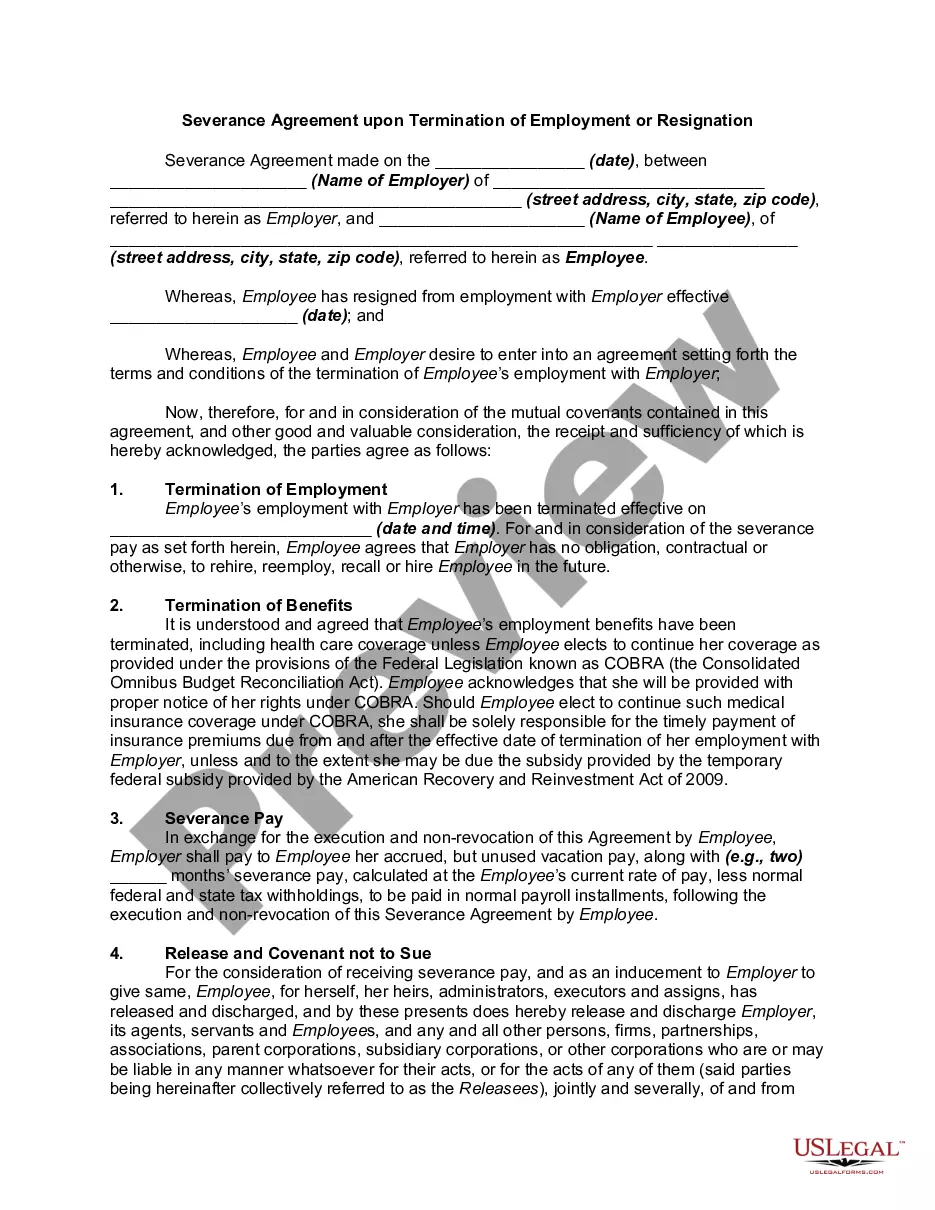
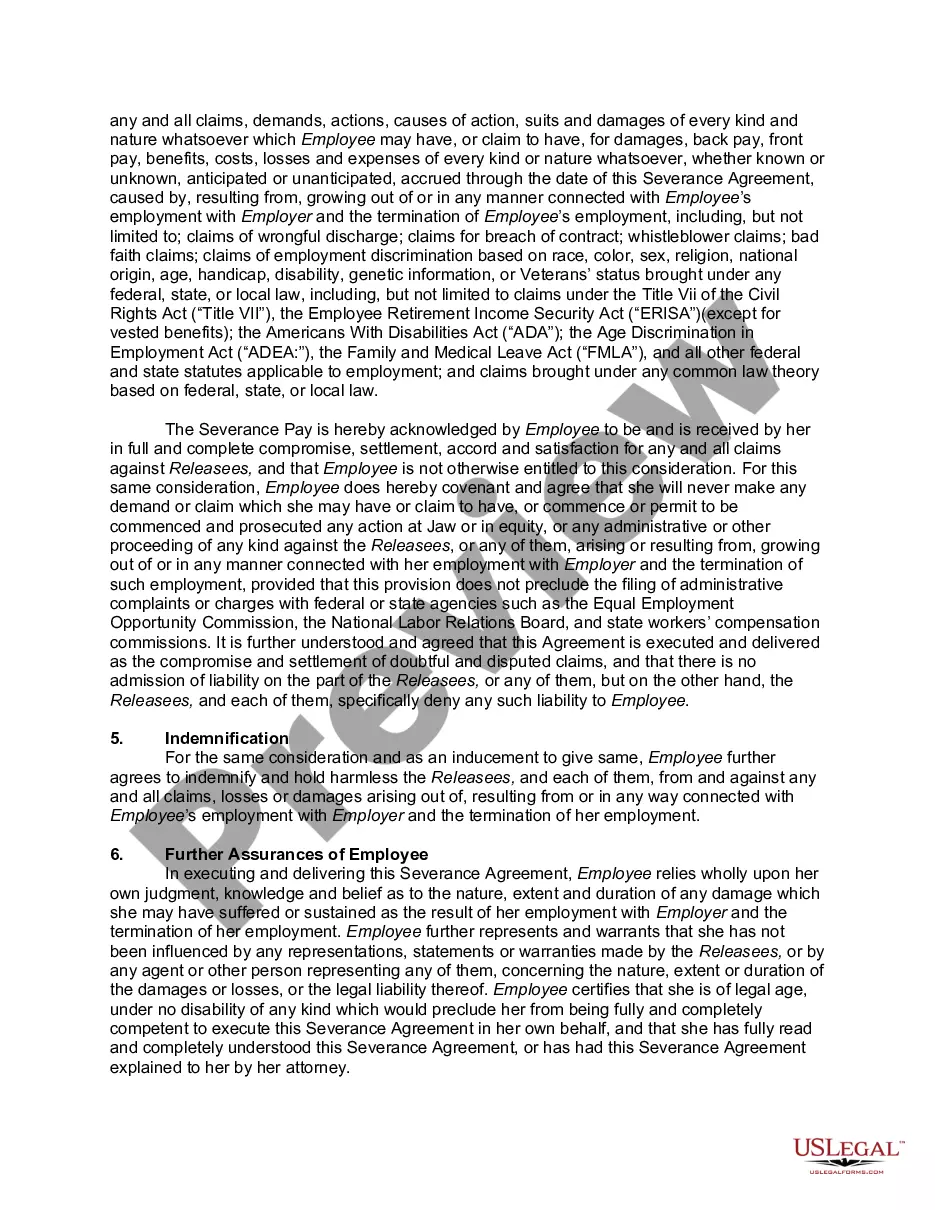
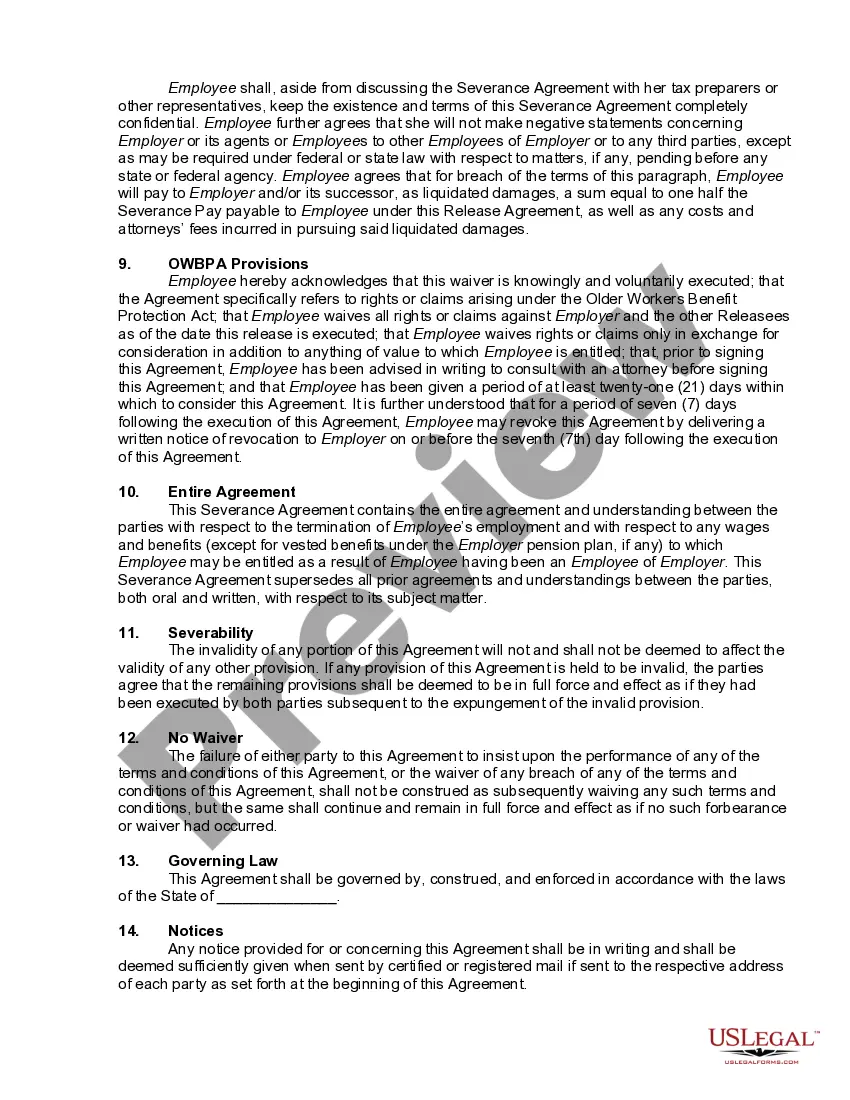
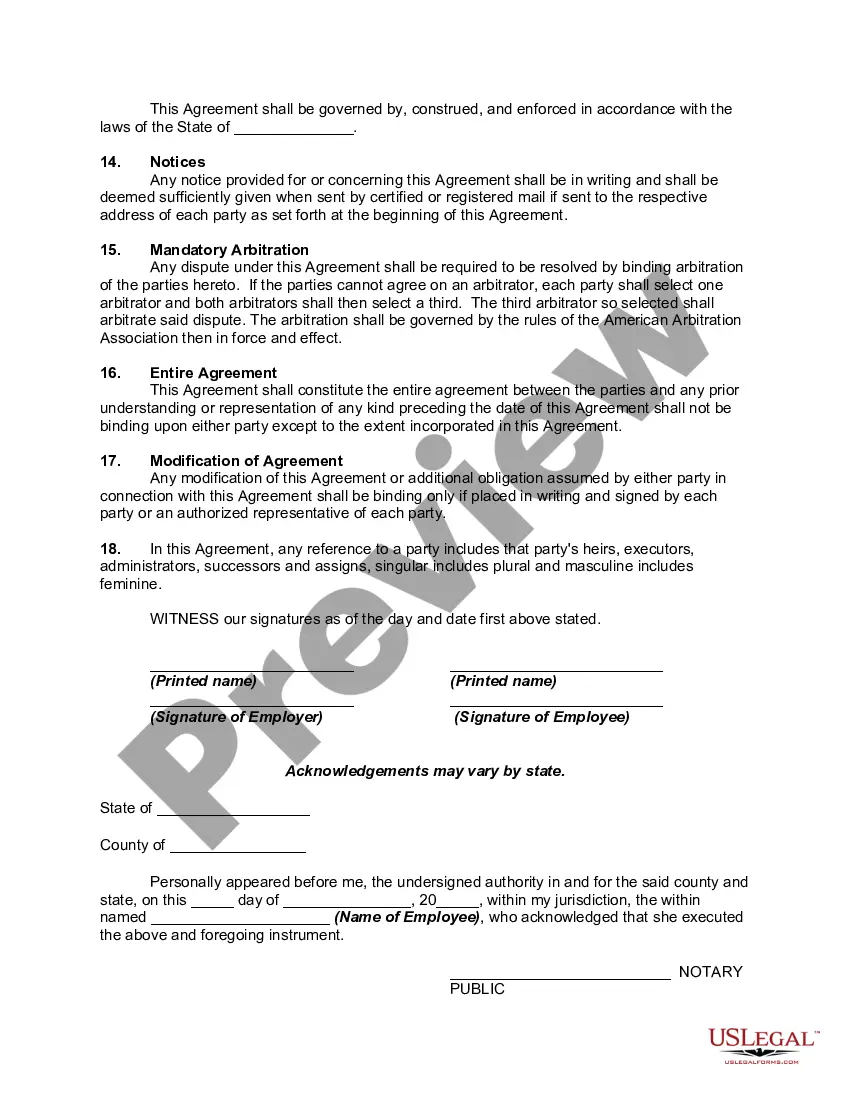
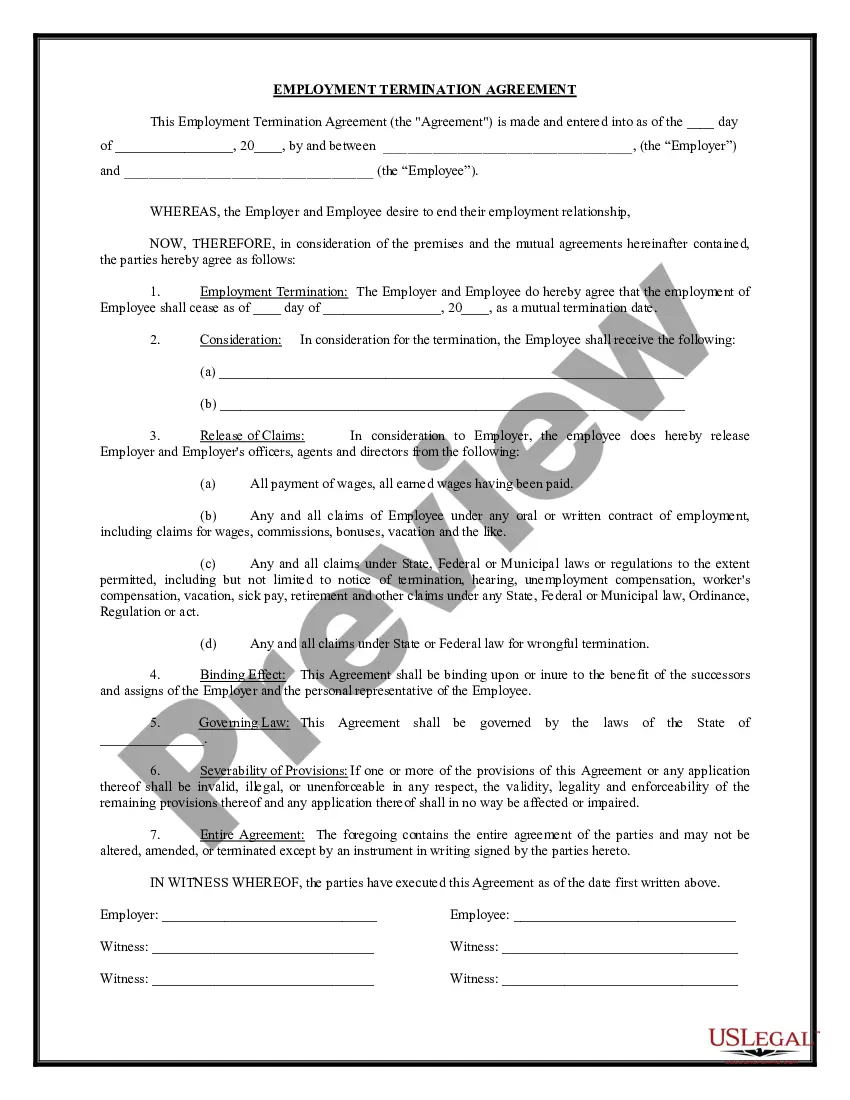
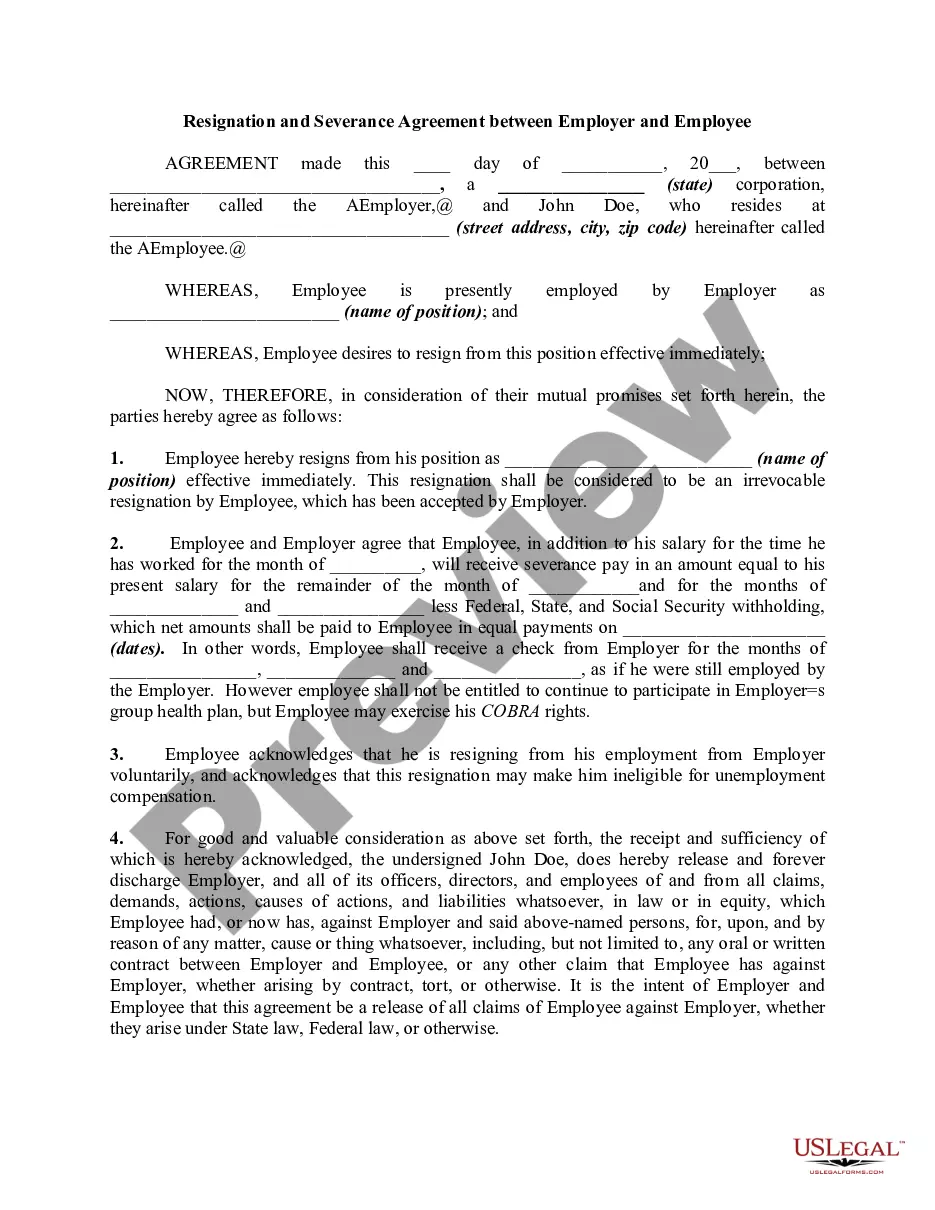
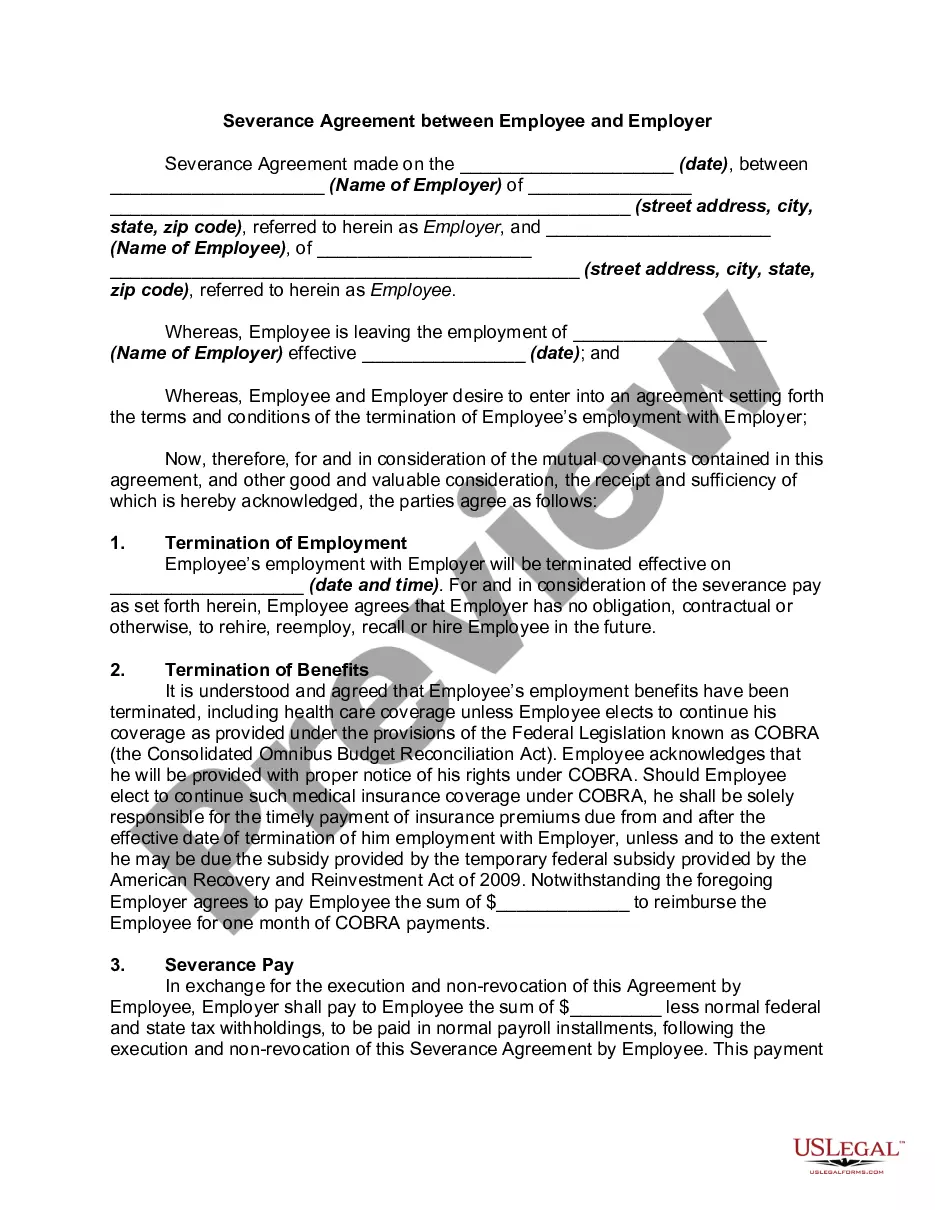
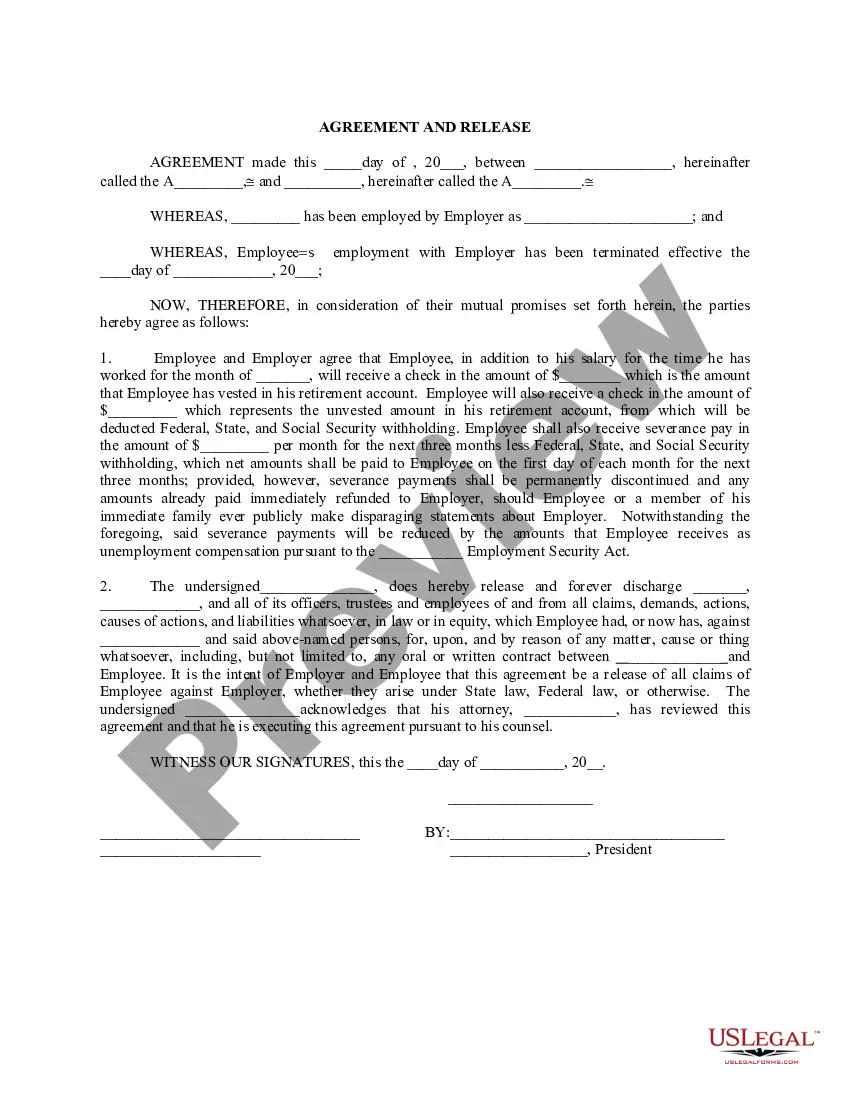
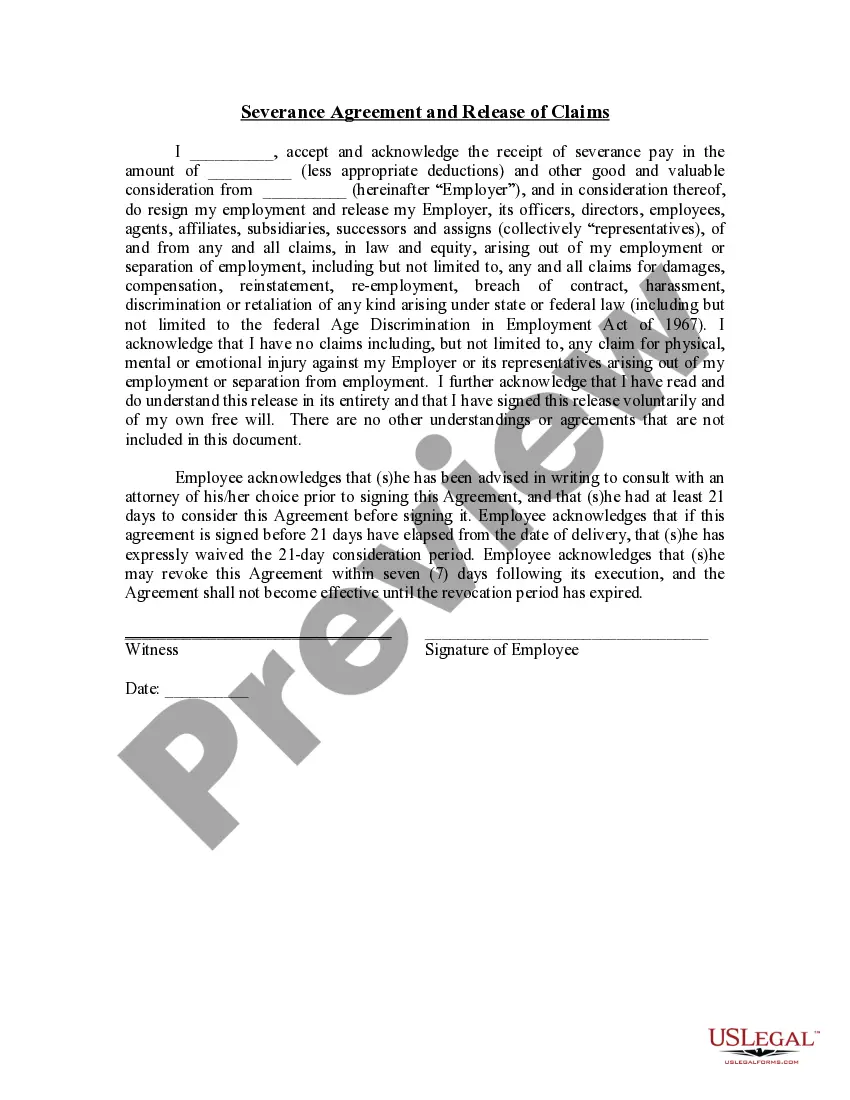
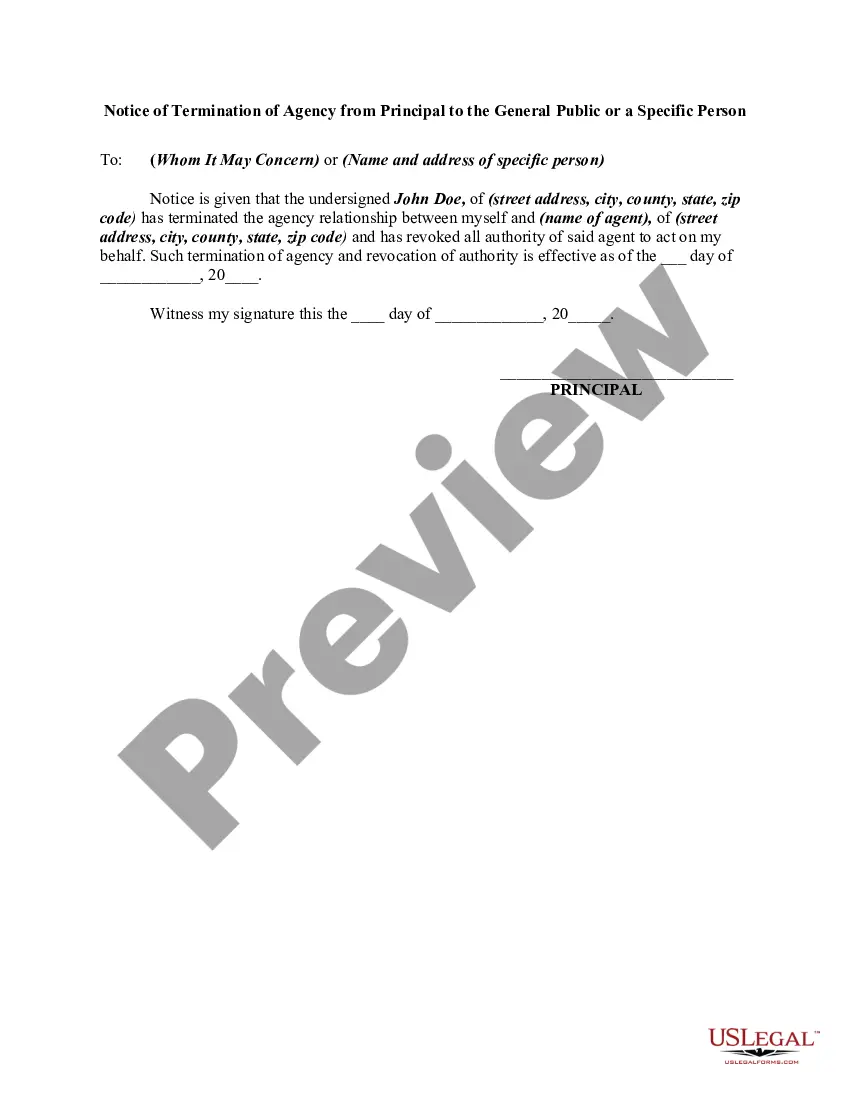
How to fill out Severance Agreement Upon Termination Or Resignation Of Job Or Employment?
Locating a reliable source to obtain the latest and suitable legal templates is a significant part of managing bureaucracy.
Identifying the correct legal documents requires accuracy and carefulness, which is why it's essential to source Termination Letter For Misconduct solely from trustworthy providers, such as US Legal Forms. A flawed template will squander your time and prolong the situation you face. With US Legal Forms, you have minimal concerns.
After acquiring the form on your device, you can edit it using the editor or print it and complete it manually. Eliminate the hassle that comes with your legal documentation. Explore the extensive US Legal Forms library where you can discover legal templates, verify their applicability to your situation, and download them instantly.
- Use the directory navigation or search function to find your template.
- Check the form’s details to verify it meets the standards of your state and locality.
- Inspect the form preview, if available, to confirm it is the one you need.
- Return to the search and seek an alternative template if the Termination Letter For Misconduct does not meet your requirements.
- Once you are confident about the form’s relevance, download it.
- If you are a registered user, click Log in to verify and access your chosen forms in My documents.
- If you don't have an account yet, click Buy now to acquire the template.
- Choose the pricing option that best meets your needs.
- Continue to the registration process to finalize your purchase.
- Complete your transaction by selecting a payment method (credit card or PayPal).
- Choose the document format for downloading the Termination Letter For Misconduct.
Form popularity
FAQ
Yes, you can terminate for misconduct, provided you have valid reasons backed by evidence. Misconduct can include theft, harassment, or repeated policy violations. When you decide to terminate an employee, it is crucial to issue a termination letter for misconduct that details the specific actions leading to the decision. This ensures clarity and protects your organization from potential disputes.
Yes, you can request a termination letter if you have been terminated from your position. A termination letter for misconduct serves as an official record of your employment ending and the reasons behind it. It is important to have this document for future job applications or legal matters. If you are unsure how to request one, consider using platforms like US Legal Forms to obtain a professional template.
Yes, you can terminate an employee for misconduct. Misconduct refers to behavior that violates company policies or standards, and it is essential to document these instances carefully. When you proceed with a termination, ensure you provide a clear termination letter for misconduct, outlining the reasons for the decision. This documentation protects your business and helps maintain a professional approach.
To terminate an employee for misconduct, gather all relevant documentation supporting your decision. Communicate with the employee about the misconduct and provide them an opportunity to respond. After this discussion, draft a termination letter for misconduct detailing the reasons and any prior actions taken. This approach ensures transparency and helps maintain a professional relationship, even during difficult situations.
To terminate an employee for serious misconduct, first ensure you have documented evidence of the behavior. Conduct a thorough investigation to verify the claims. Then, prepare a termination letter for misconduct that clearly states the reasons for termination and the steps taken before arriving at this decision. Using a platform like US Legal Forms can help you draft a professional letter to ensure compliance with legal standards.
How to write a termination letter Choose your tone carefully. Gather all necessary details. Start with basic information. Notify the employee of their termination date. State the reason(s) for termination. Explain compensation and benefits going forward. Outline next steps and disclaimers.
?Go somewhere private and then lead with the punch line,? says Glickman. She suggests you begin by saying, ?I have some bad news for you. Today is your last day here.? Then state the reason for termination in one simple sentence. ?Be transparent,? she says.
Mr/Ms [employee's name], We regret to inform you that we are terminating your employment with immediate effect. We reached this decision after we completed all appropriate steps of the company's disciplinary process. This decision was necessary because you [repeatedly violated our anti-harassment policy.]
Gross Misconduct Termination Employers can choose to dismiss employees at any time with a written letter of termination. This should be a brief statement that explains why they are being terminated and any entitlements or payments owed to them.
Just make sure you document the termination process well, including evidence of the misconduct. Write a letter of termination listing the behavior and reason for firing, and save a copy for your records. This will serve as valuable evidence if you need to prove it later on.