Towing Tank Test
Description
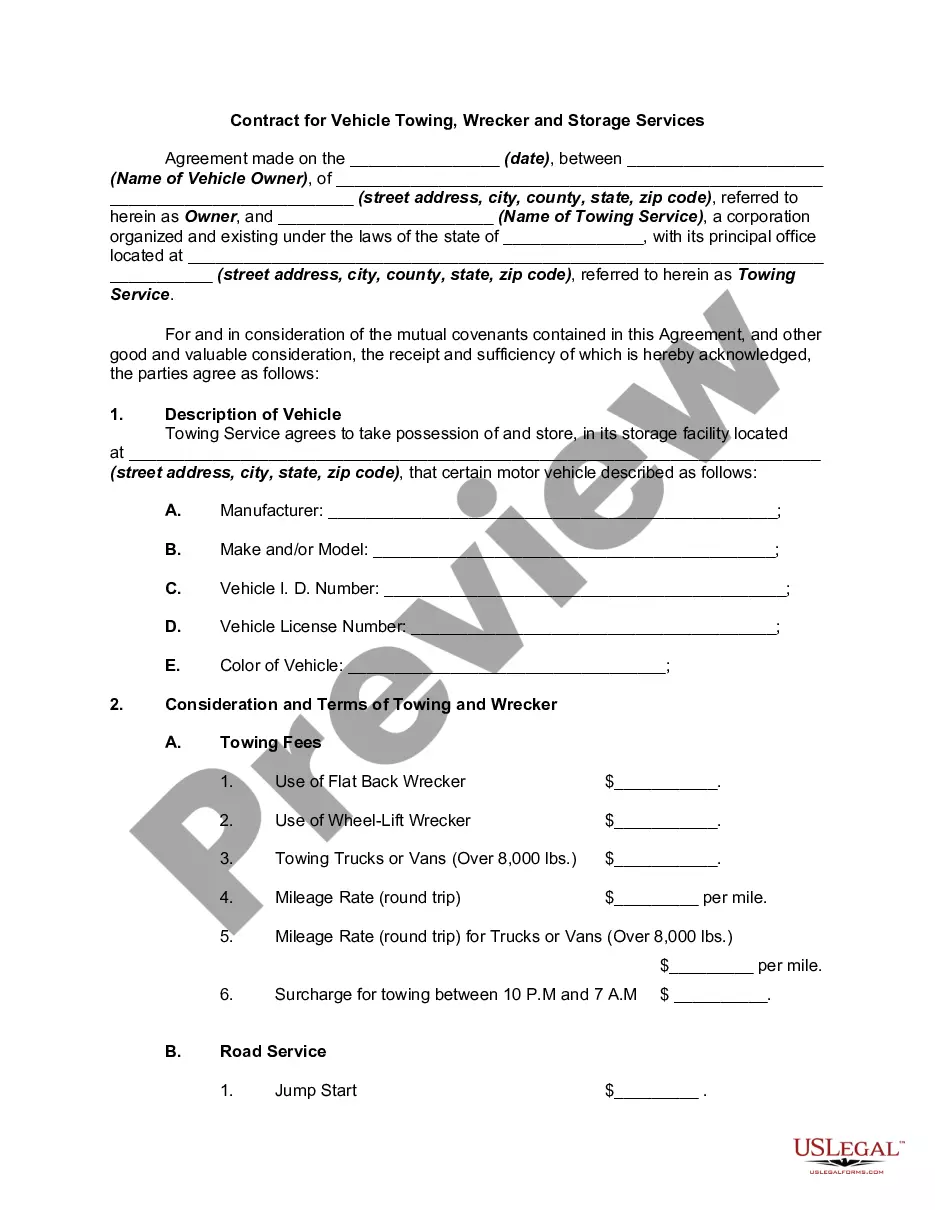
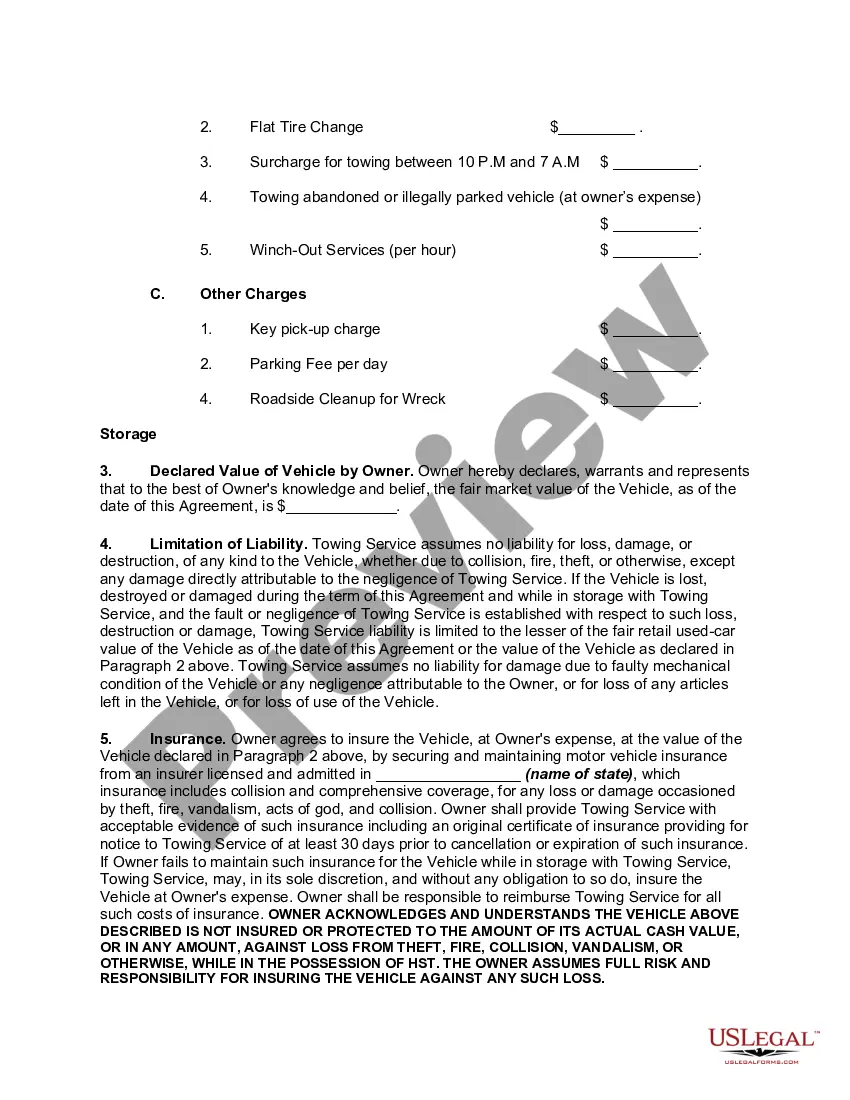
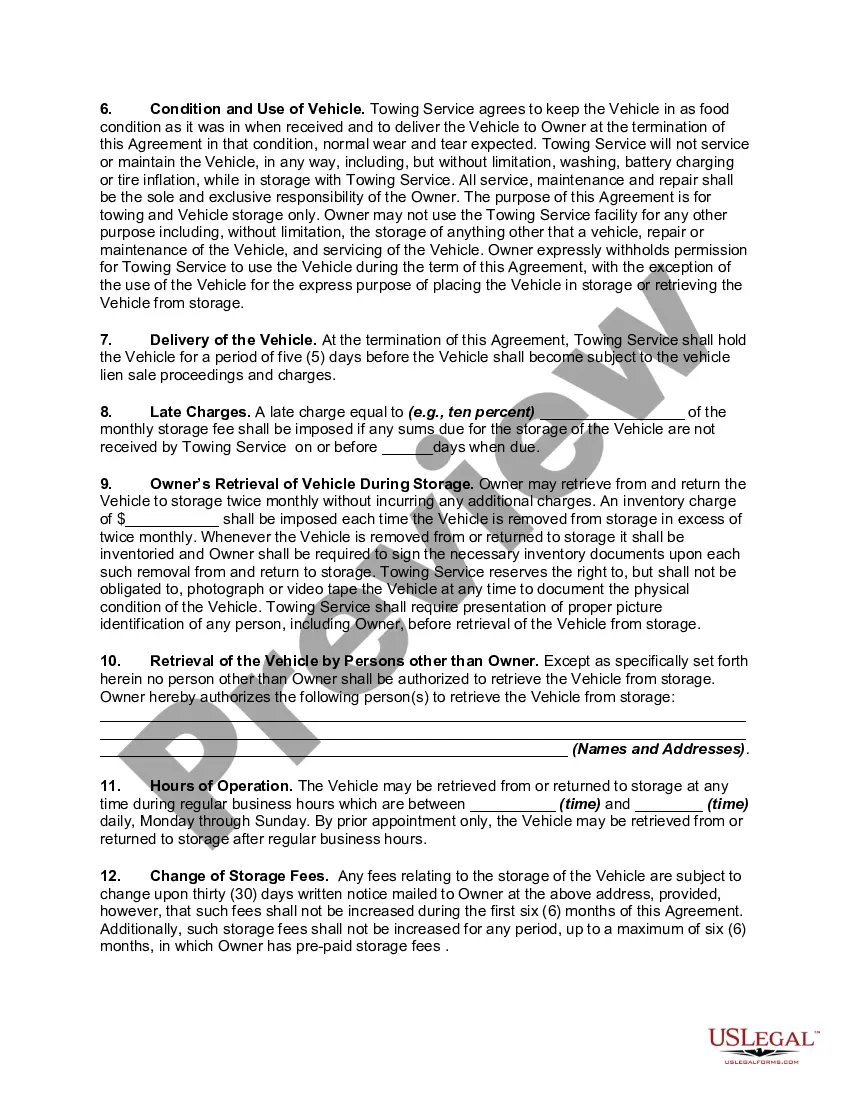
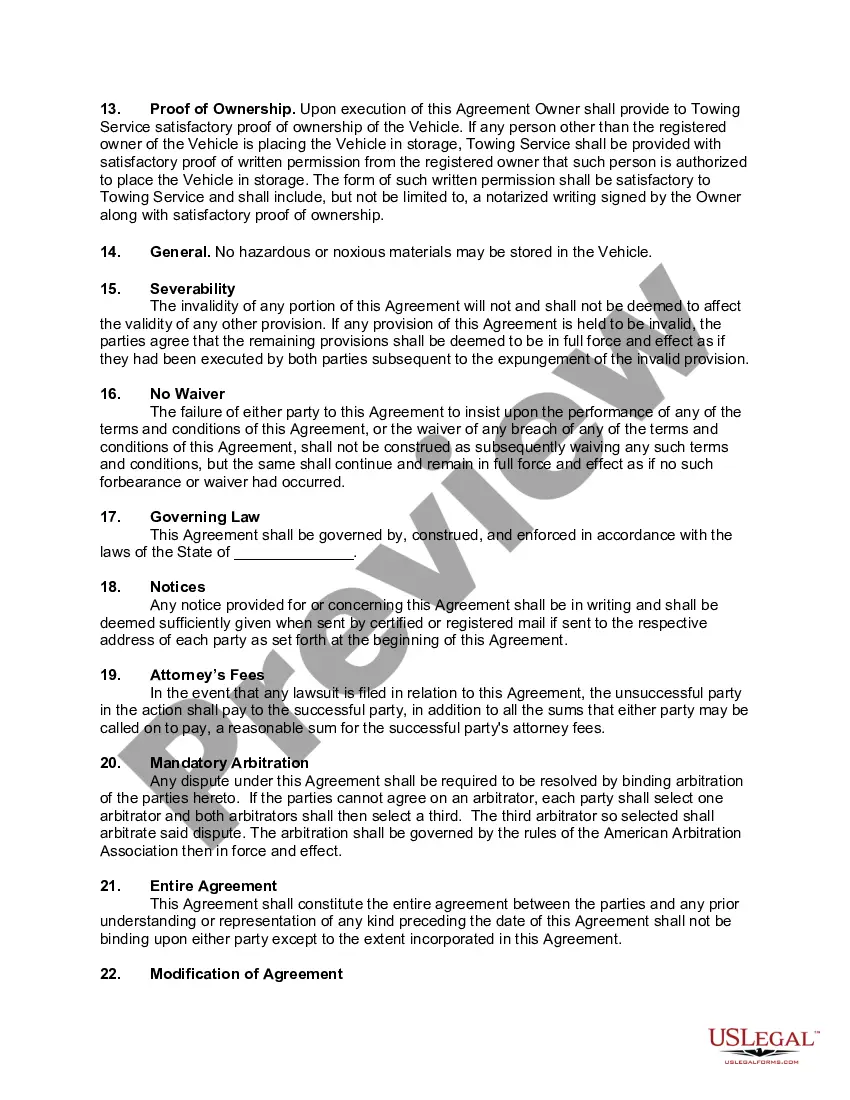
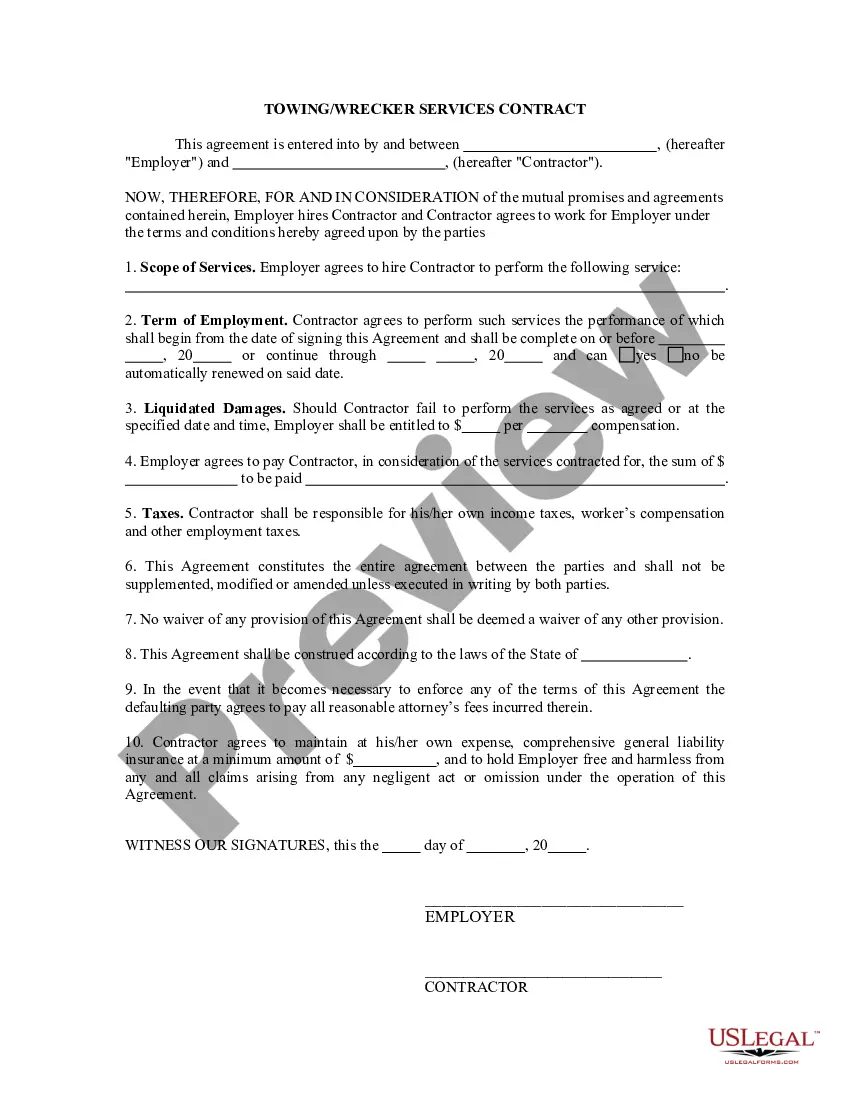
Get your form ready online
Our built-in tools help you complete, sign, share, and store your documents in one place.
Make edits, fill in missing information, and update formatting in US Legal Forms—just like you would in MS Word.
Download a copy, print it, send it by email, or mail it via USPS—whatever works best for your next step.
Sign and collect signatures with our SignNow integration. Send to multiple recipients, set reminders, and more. Go Premium to unlock E-Sign.
If this form requires notarization, complete it online through a secure video call—no need to meet a notary in person or wait for an appointment.
We protect your documents and personal data by following strict security and privacy standards.

Make edits, fill in missing information, and update formatting in US Legal Forms—just like you would in MS Word.

Download a copy, print it, send it by email, or mail it via USPS—whatever works best for your next step.

Sign and collect signatures with our SignNow integration. Send to multiple recipients, set reminders, and more. Go Premium to unlock E-Sign.

If this form requires notarization, complete it online through a secure video call—no need to meet a notary in person or wait for an appointment.

We protect your documents and personal data by following strict security and privacy standards.
Looking for another form?



How to fill out Contract For Vehicle Or Truck Towing, Wrecker And Storage Services?
- If you are a returning user, log in to your account and download the desired form template by clicking the Download button. Ensure your subscription is active; if not, renew it based on your payment plan.
- For newcomers to our service, start by reviewing the form description and Preview mode to confirm it meets your requirements and adheres to your local jurisdiction.
- If you notice discrepancies, use the Search tab to explore alternative templates. Once you find the right document, proceed to the next step.
- Select the document by clicking on the Buy Now button, and choose your preferred subscription plan. It’s necessary to create an account to access our comprehensive library.
- Complete your purchase by entering your credit card information or using PayPal to finalize the subscription.
- Finally, download your form and save the template to your device. You can always access it again from the My Forms section in your profile.
Using US Legal Forms, you gain access to a vast library of over 85,000 legal documents, more than most competitors offer for a similar cost. This ensures you have the necessary resources at your fingertips.
In conclusion, leveraging the robust form collection of US Legal Forms allows for quick and efficient management of legal documents, providing peace of mind for both individuals and professionals. Start your journey today!
Form popularity
FAQ
Towing capacity is calculated based on several factors, including the vehicle's weight, engine power, and axle ratio. The manufacturer conducts tests to determine how much weight the vehicle can safely tow, including factors like braking distance and stability. By understanding this calculation through a towing tank test, you can ensure safe towing practices and prevent potential risks.
To check your vehicle's towing capacity, start by looking at the owner's manual or the manufacturer's specifications. You can also check the vehicle's door jamb for a label that lists the Gross Vehicle Weight Rating (GVWR) and the maximum towing capacity. For a precise evaluation, consider a towing tank test, which offers detailed insights into how much weight your vehicle can safely tow.
The towing tank test evaluates a vehicle's towing capabilities in a controlled environment. It provides crucial data on how well a vehicle can handle various weight loads while towing. By conducting a towing tank test, you gain insights into your towing capacity, helping you make informed decisions for safe towing.
If your vehicle's Gross Vehicle Weight Rating (GVWR) is 7000 lbs, you can typically tow a weight that is less than that total. To determine your towing capacity, subtract the weight of your vehicle, cargo, and passengers from the GVWR. For specific conditions and reliable estimates, consider using a towing tank test to verify your vehicle's actual capacity.
A towing test assesses a vehicle's ability to pull a load safely and efficiently. This includes evaluating performance factors like braking distance, acceleration, and stability. Utilizing towing tank tests as part of this evaluation ensures that vehicles can safely handle different towing scenarios while providing confidence to the driver.
Towing detection refers to technology that identifies when a vehicle is connected to a trailer or other load. This system can notify drivers about potential overloads or unsafe towing practices. By integrating towing detection features, manufacturers enhance safety and provide essential data for more informed driving experiences.
A towing tank test is a controlled assessment used to evaluate a vehicle's towing performance in a water environment. This test allows engineers to gather accurate data on how different hull shapes react to various loads and towing speeds. By analyzing this data, manufacturers can enhance vehicle design and improve user safety.
The 85% rule for towing suggests that you should not exceed 85% of your vehicle's rated towing capacity for optimal safety and control. This guideline helps prevent accidents and improves the driving experience, especially when using towing tank tests to find a vehicle's limits. Following this rule ensures better stability and braking performance.
To determine towing capacity, manufacturers conduct towing tank tests, where they simulate real-world towing scenarios. They measure how much weight a vehicle can safely tow without compromising performance. This testing process ensures that the vehicle meets safety standards and can handle various loads in different conditions.
A towing tank test is an experimental procedure used to study the hydrodynamic behavior of models in water. During this test, models are towed through water at varying speeds to measure resistance and stability. The insights gained from a towing tank test are invaluable in optimizing marine craft designs and ensuring safety standards. If you need assistance with this process, consider using the US Legal platform for reliable resources.