Medicaid Irrevocable Grantor Trust Withdrawal
Description
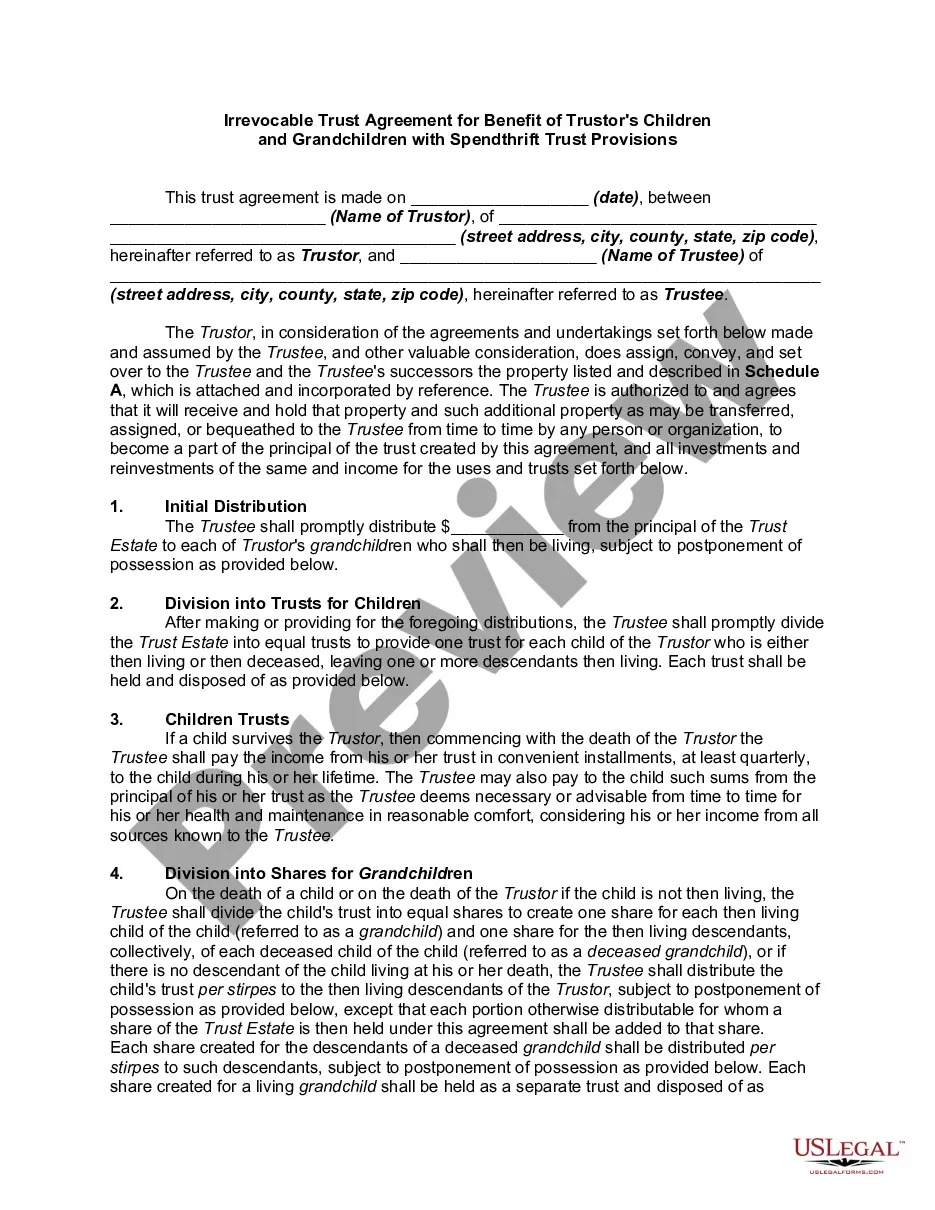
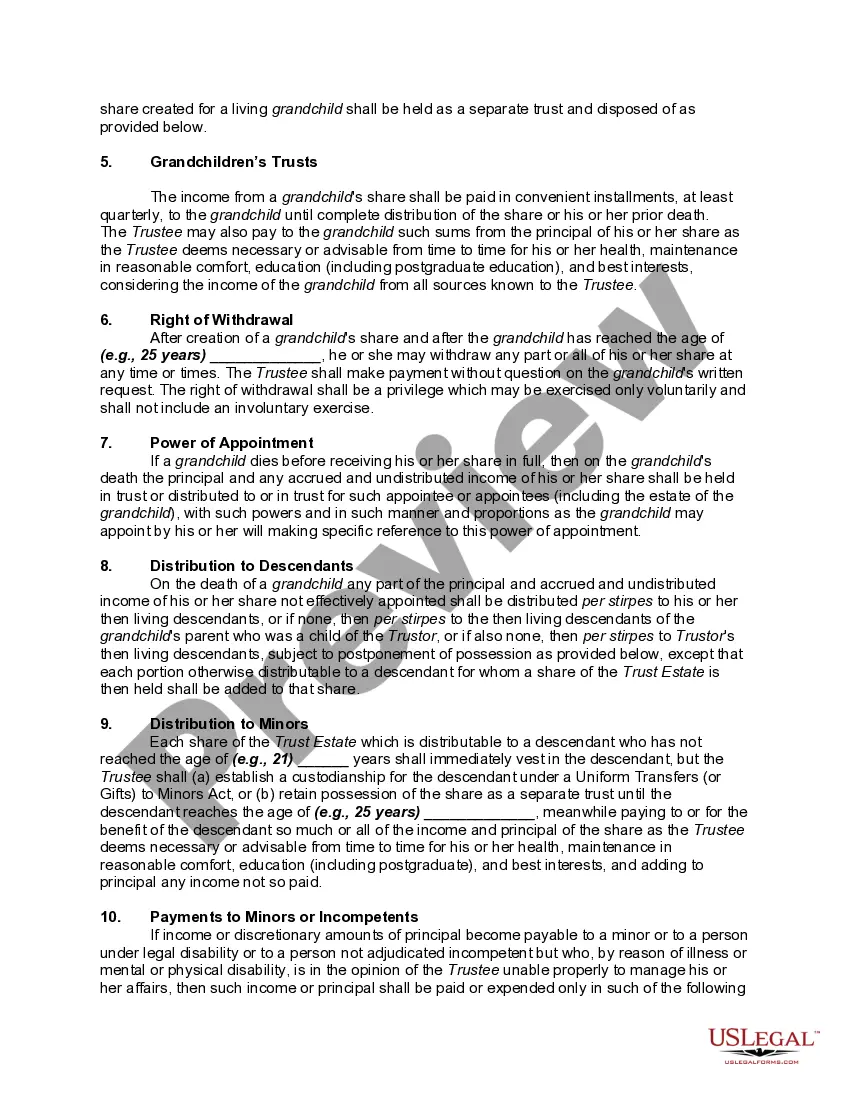
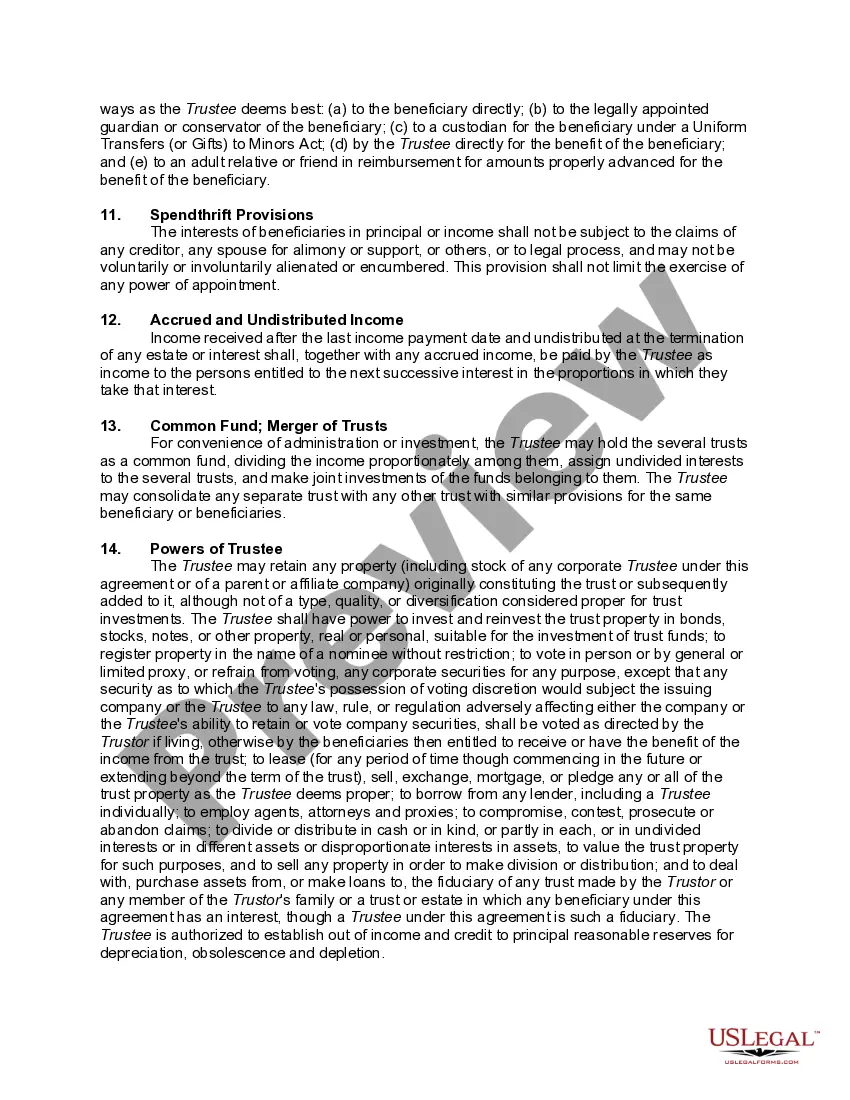
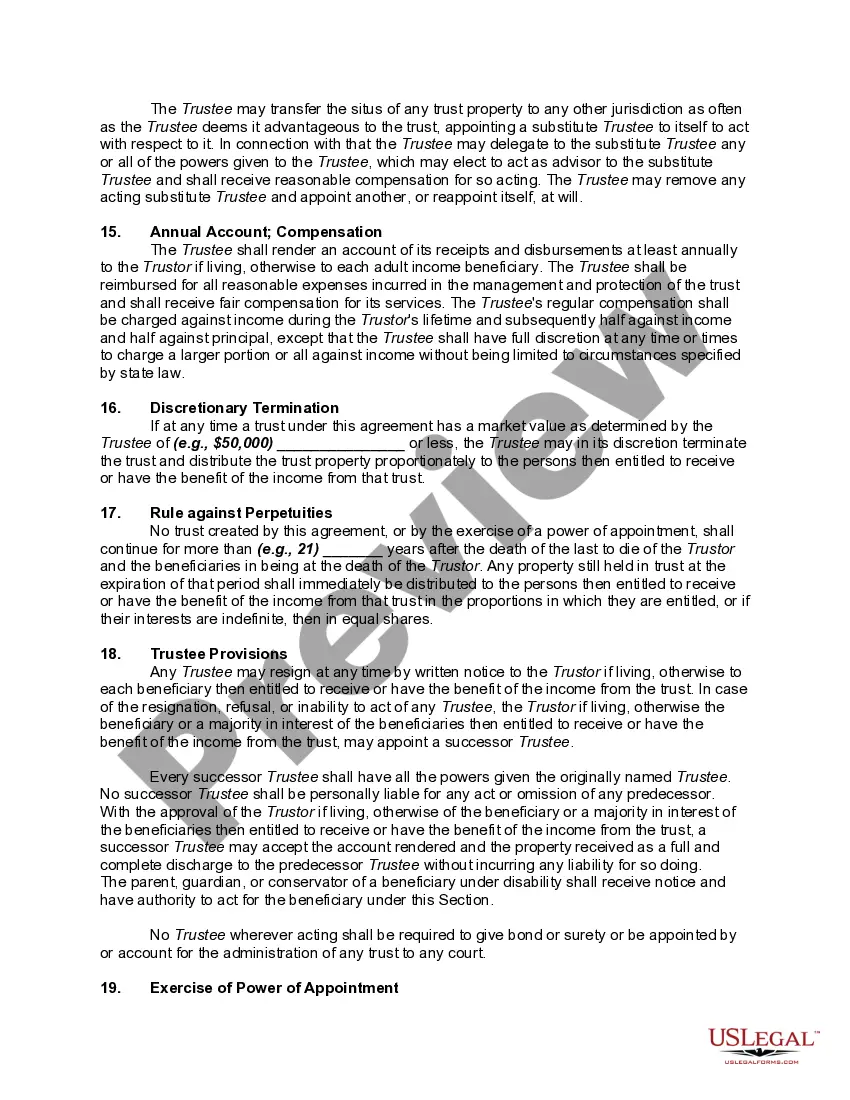



Get your form ready online
Our built-in tools help you complete, sign, share, and store your documents in one place.
Make edits, fill in missing information, and update formatting in US Legal Forms—just like you would in MS Word.
Download a copy, print it, send it by email, or mail it via USPS—whatever works best for your next step.
Sign and collect signatures with our SignNow integration. Send to multiple recipients, set reminders, and more. Go Premium to unlock E-Sign.
If this form requires notarization, complete it online through a secure video call—no need to meet a notary in person or wait for an appointment.
We protect your documents and personal data by following strict security and privacy standards.

Make edits, fill in missing information, and update formatting in US Legal Forms—just like you would in MS Word.

Download a copy, print it, send it by email, or mail it via USPS—whatever works best for your next step.

Sign and collect signatures with our SignNow integration. Send to multiple recipients, set reminders, and more. Go Premium to unlock E-Sign.

If this form requires notarization, complete it online through a secure video call—no need to meet a notary in person or wait for an appointment.

We protect your documents and personal data by following strict security and privacy standards.
Looking for another form?









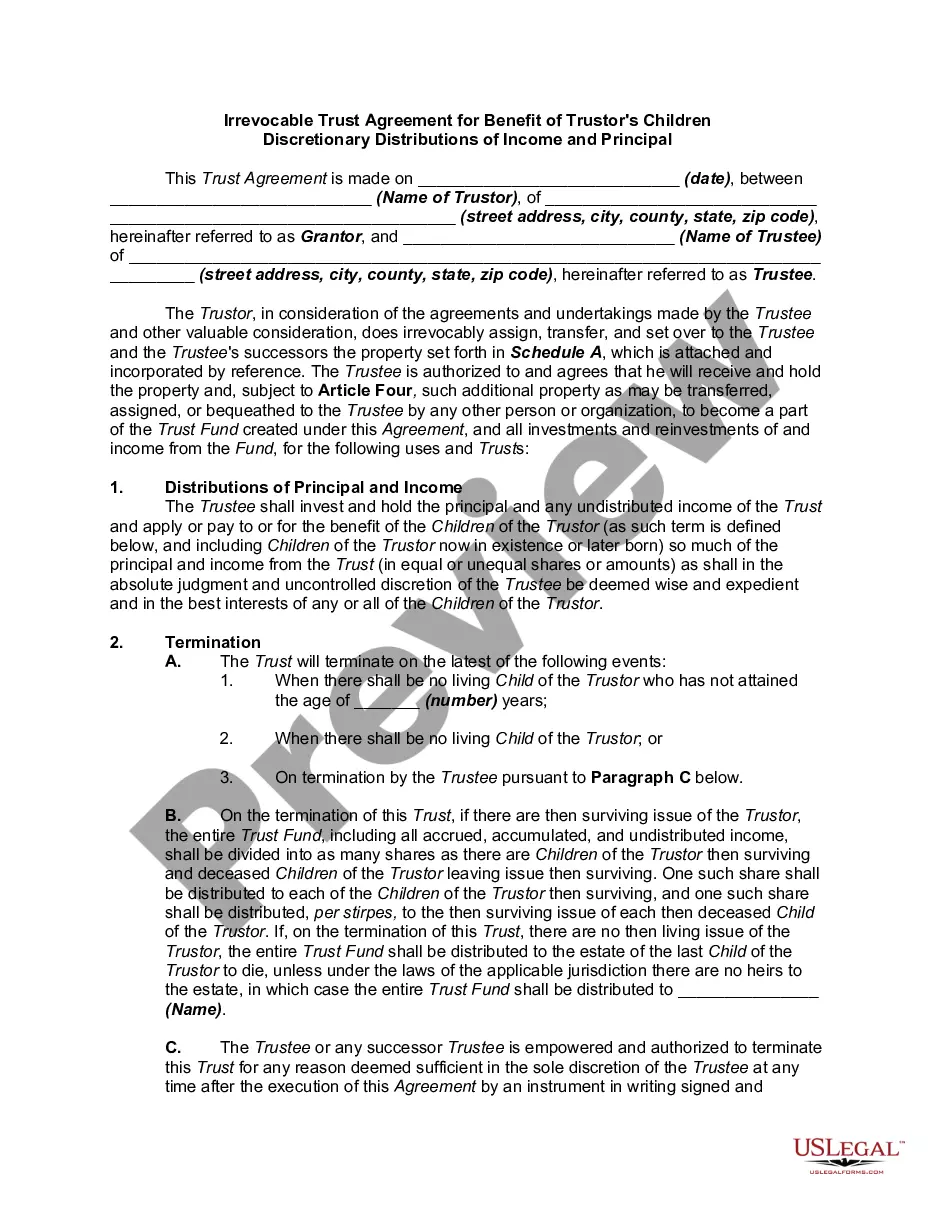
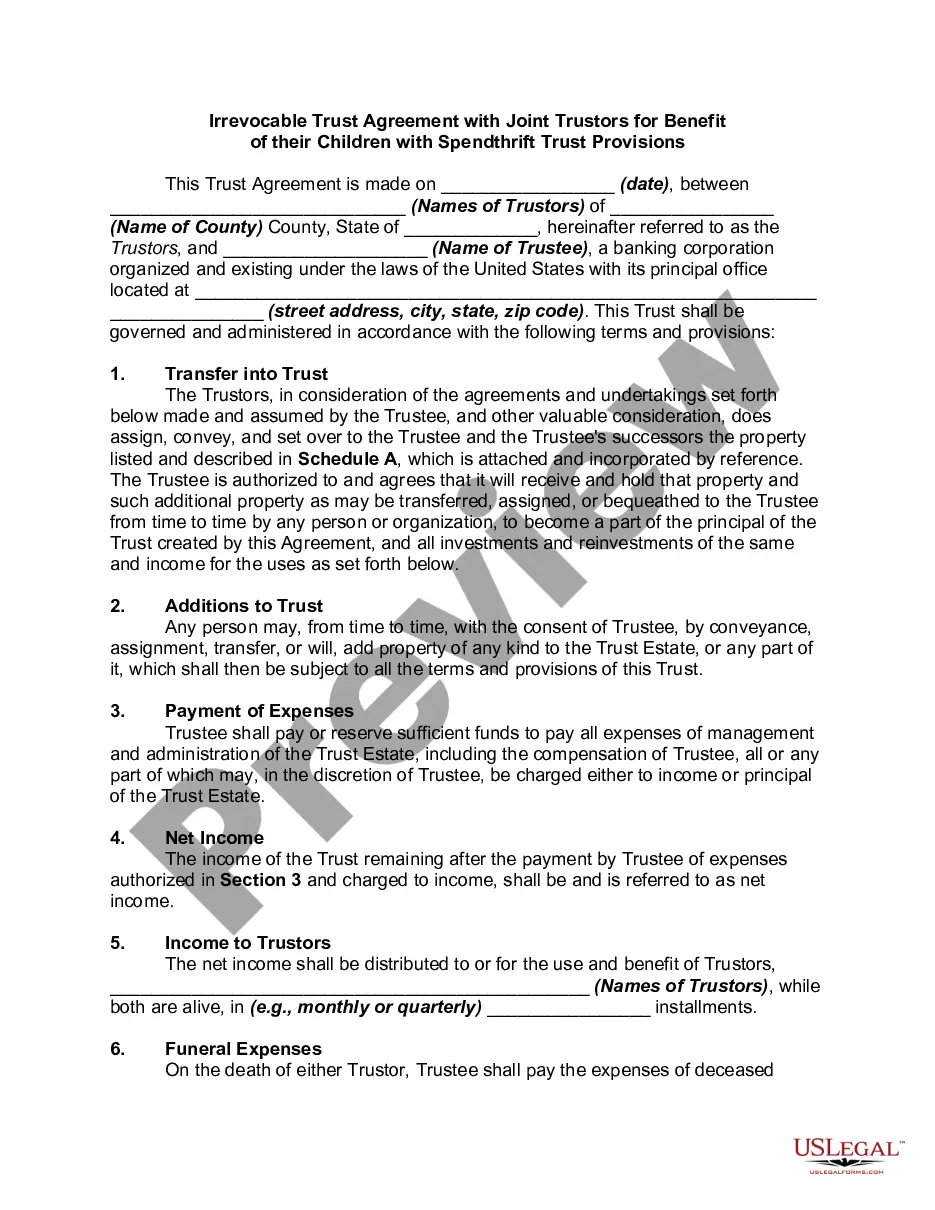
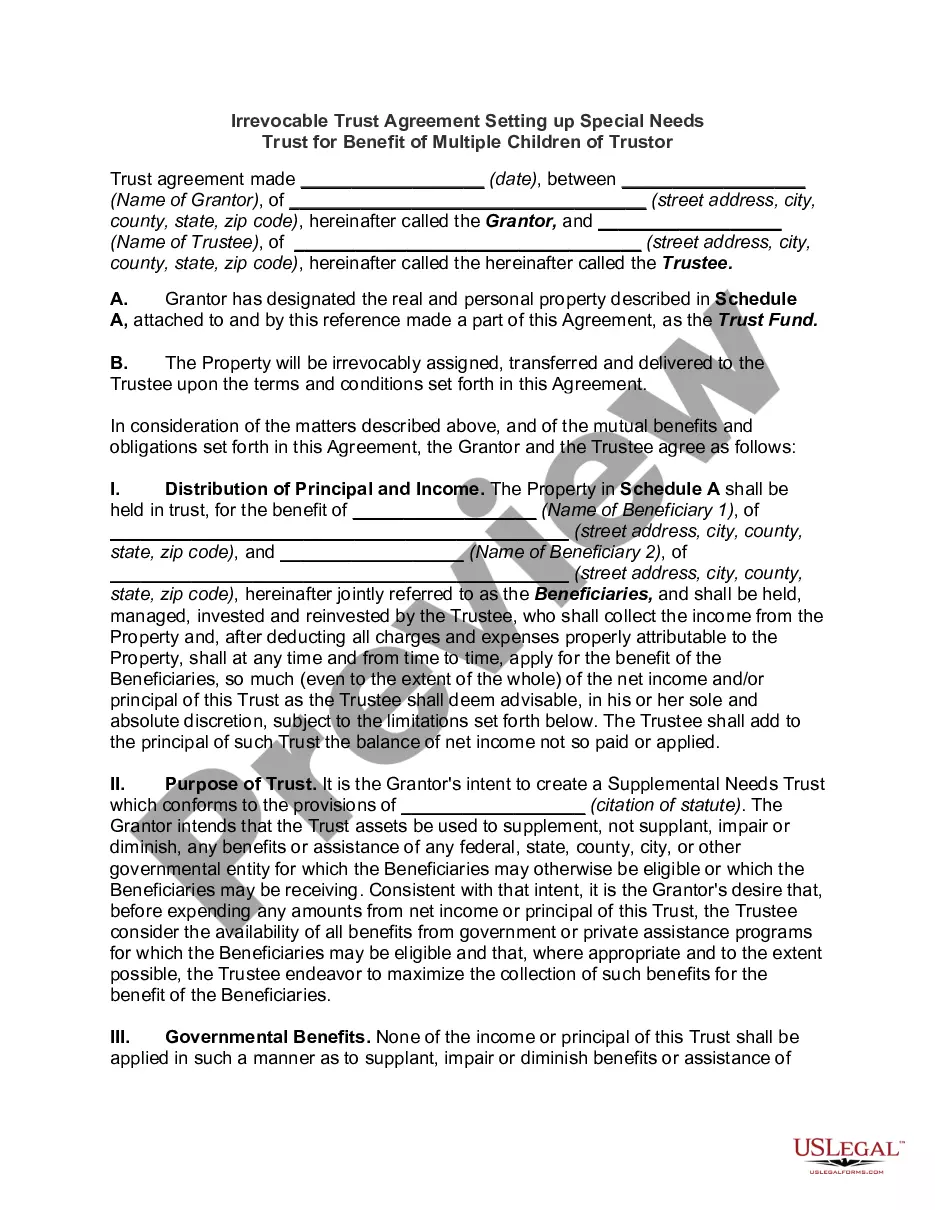
How to fill out Irrevocable Trust Agreement For Benefit Of Trustor's Children And Grandchildren With Spendthrift Trust Provisions?
Managing legal issues can be challenging, even for the most experienced professionals.
If you are interested in a Medicaid Irrevocable Grantor Trust Withdrawal but lack the time to find the accurate and current version, the process can become overwhelming.
With US Legal Forms, you can.
Utilize a database of articles, manuals, and references tailored to your needs and situation.
Transform your daily document management into a seamless and user-friendly experience today with the US Legal Forms online library, which is backed by 25 years of trust and expertise.
- Save time and effort in seeking the documents you require, utilizing US Legal Forms' sophisticated search and Preview feature to locate and download Medicaid Irrevocable Grantor Trust Withdrawal.
- If you hold a membership, Log In to your US Legal Forms account, search for the form, and download it.
- Check your My documents section to review the documents you have previously downloaded and manage your folders as desired.
- If this is your first experience with US Legal Forms, create an account and gain unlimited access to all the benefits of the library.
- Upon accessing the required form, ensure to follow these steps.
- A comprehensive online form repository could significantly benefit anyone aiming to handle these matters effectively.
- US Legal Forms stands as a leader in the realm of online legal documents, boasting over 85,000 state-specific legal forms available at any time.
- US Legal Forms provides tools to manage and complete your Medicaid Irrevocable Grantor Trust Withdrawal efficiently.
Form popularity
FAQ
Irrevocable Trust Tax Return The trustee will report estate taxes using Form 1041, U.S. Income Tax Return for Estates and Trusts. On this form, you'll disclose any interest income, deductions, gains and losses for the trust. You'll also report any distributions on this form.
When an irrevocable trust disburses funds, the trust takes a taxable deduction for the amount distributed and issues a tax form to the beneficiary. This form, known as a K-1, shows the total disbursement received and includes a breakdown of the amount that is attributed to interest income versus principal balance.
With an irrevocable trust, the transfer of assets is permanent. So once the trust is created and assets are transferred, they generally can't be taken out again. You can still act as the trustee but you'd be limited to withdrawing money only on an as-needed basis to cover necessary expenses.
The trustee of an irrevocable Trust cannot withdraw money except to benefit the Trust. These terms include paying maintenance costs and disbursement income to beneficiaries. However, it is not possible to withdraw money for personal or business use.
When trust beneficiaries receive distributions from the trust's principal balance, they don't have to pay taxes on this disbursement. The Internal Revenue Service (IRS) assumes this money was taxed before being placed into the trust. Gains on the trust are taxable as income to the beneficiary or the trust.