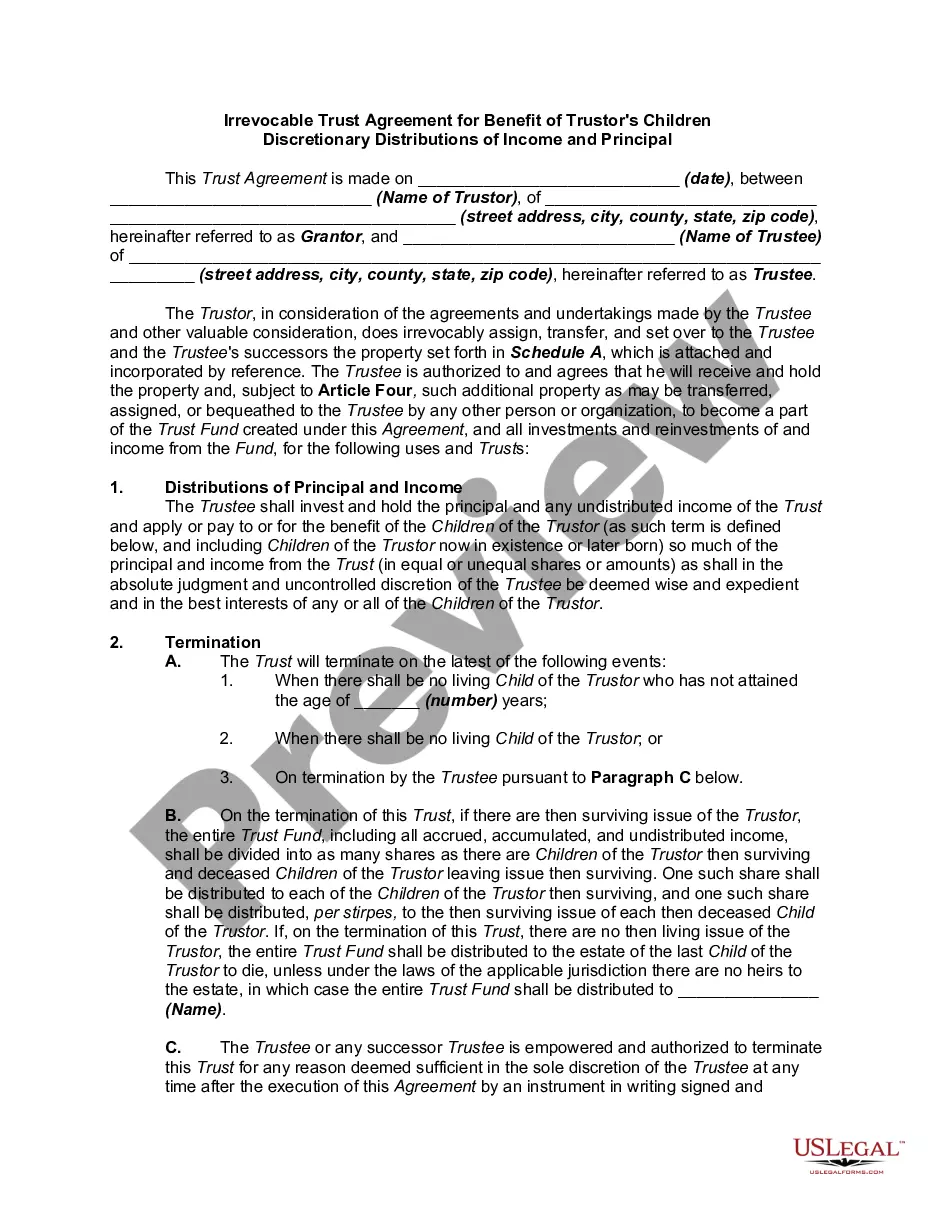
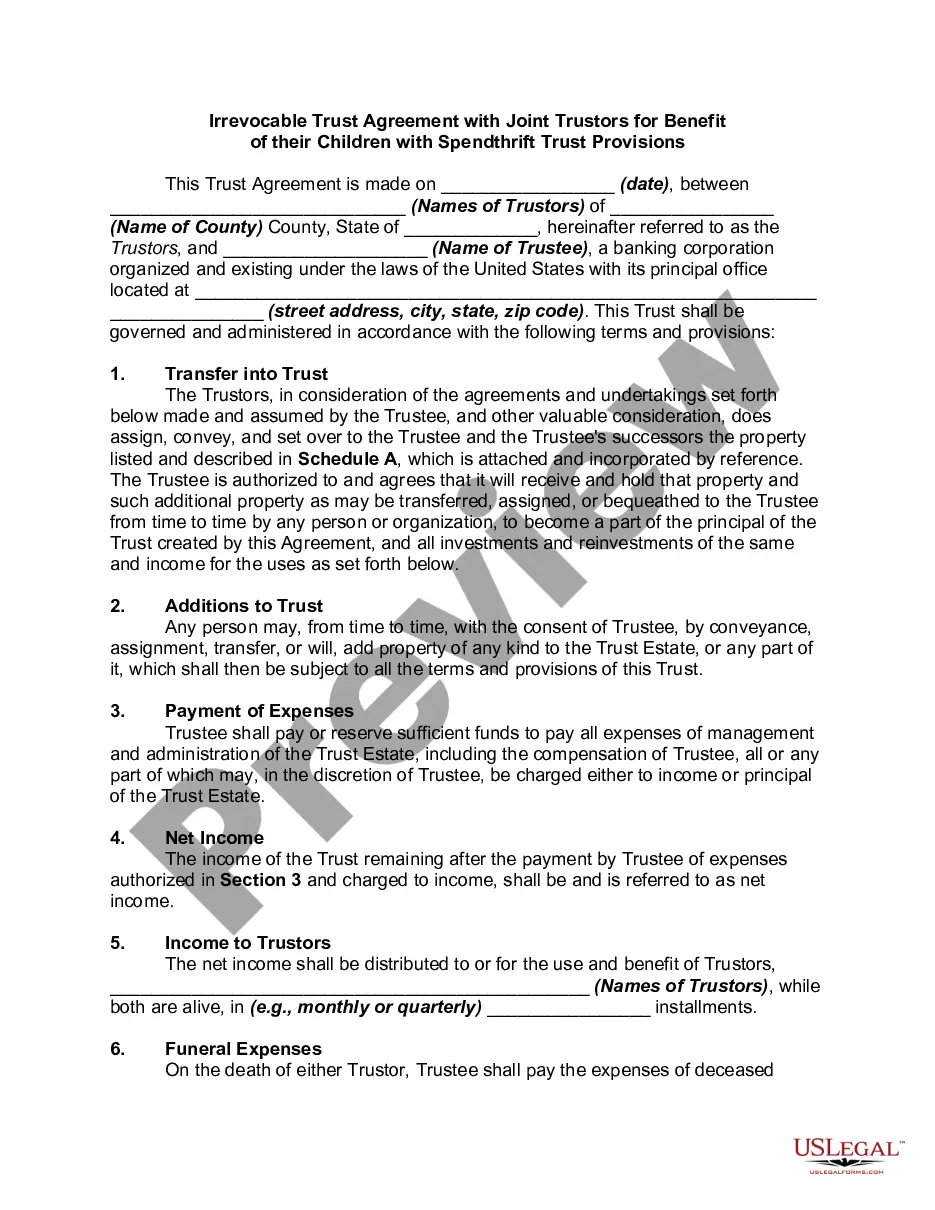
Irrevocable Trust Agreement With The Bank
Description

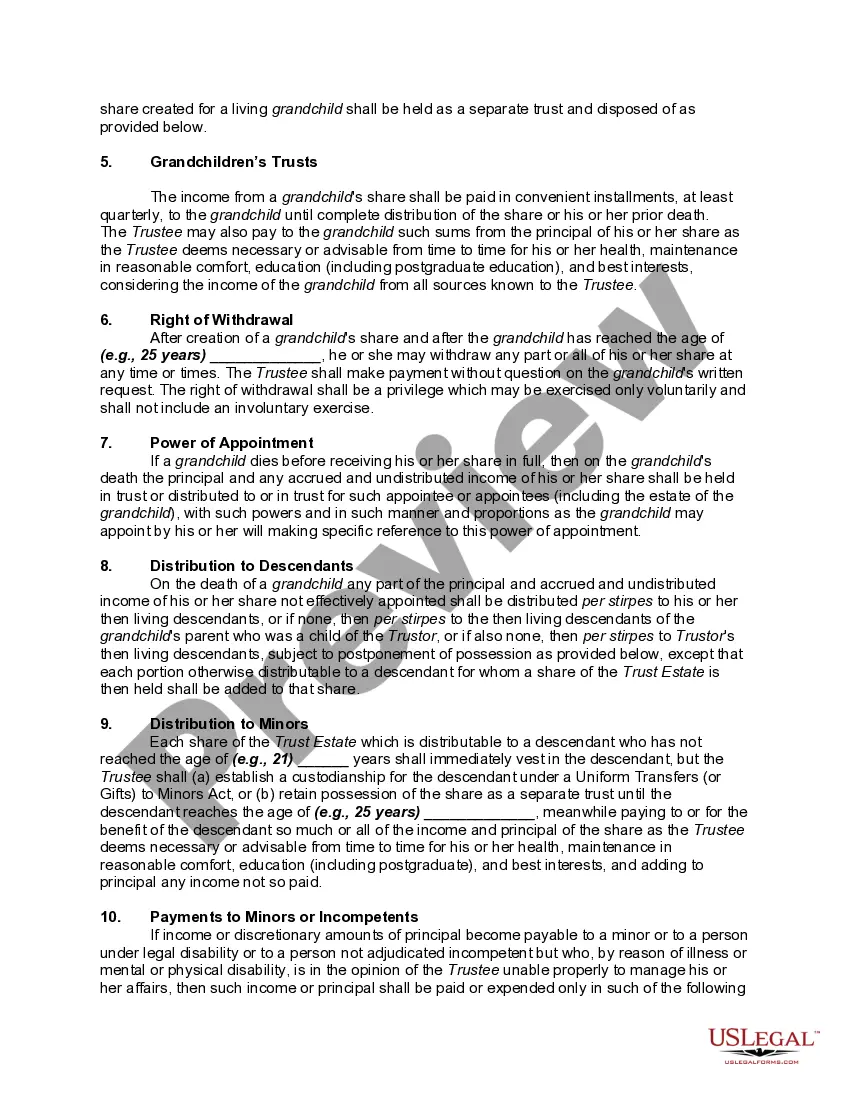
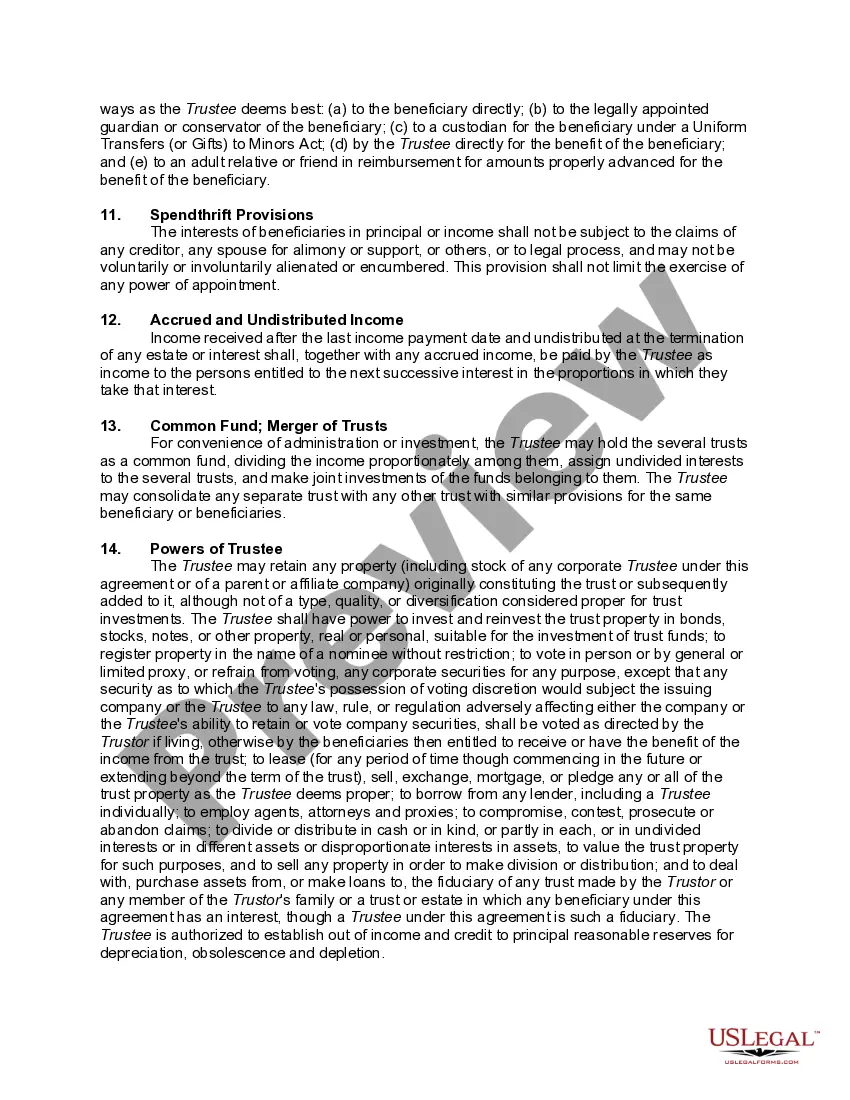
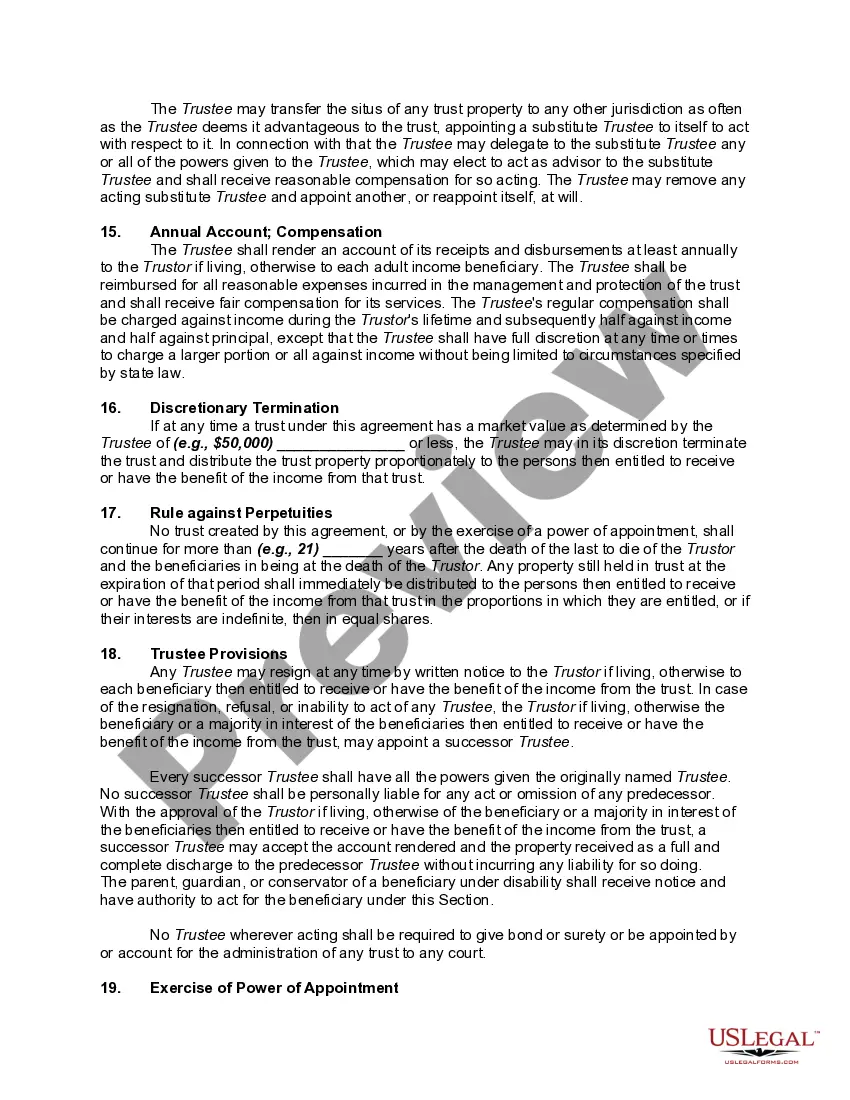
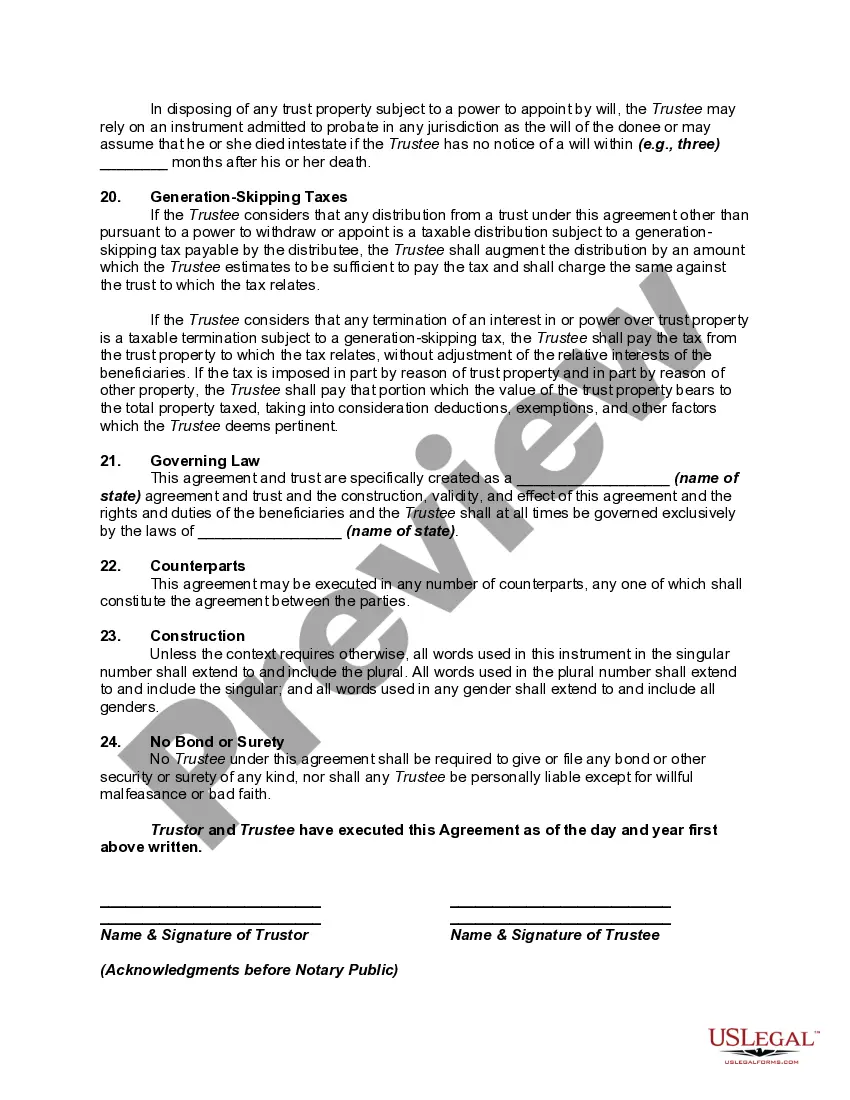



Get your form ready online
Our built-in tools help you complete, sign, share, and store your documents in one place.
Make edits, fill in missing information, and update formatting in US Legal Forms—just like you would in MS Word.
Download a copy, print it, send it by email, or mail it via USPS—whatever works best for your next step.
Sign and collect signatures with our SignNow integration. Send to multiple recipients, set reminders, and more. Go Premium to unlock E-Sign.
If this form requires notarization, complete it online through a secure video call—no need to meet a notary in person or wait for an appointment.
We protect your documents and personal data by following strict security and privacy standards.

Make edits, fill in missing information, and update formatting in US Legal Forms—just like you would in MS Word.

Download a copy, print it, send it by email, or mail it via USPS—whatever works best for your next step.

Sign and collect signatures with our SignNow integration. Send to multiple recipients, set reminders, and more. Go Premium to unlock E-Sign.

If this form requires notarization, complete it online through a secure video call—no need to meet a notary in person or wait for an appointment.

We protect your documents and personal data by following strict security and privacy standards.
Looking for another form?








How to fill out Irrevocable Trust Agreement For Benefit Of Trustor's Children And Grandchildren With Spendthrift Trust Provisions?
- Log in to your US Legal Forms account if you are a returning user. Ensure your subscription is current before proceeding.
- If you're new to US Legal Forms, begin by previewing the available templates. Check the form description to guarantee it aligns with your specific needs and local laws.
- Use the Search feature to find alternative templates if the initial choice doesn't suit you. Once you locate the correct document, proceed to the next step.
- Purchase the document by selecting your desired subscription plan. Be sure to create an account for full access to the resource library.
- Complete the payment process using your credit card or PayPal. After that, download the document directly to your device.
- Access your downloaded form anytime through the 'My Forms' menu in your profile and complete it at your convenience.
In summary, US Legal Forms empowers users to effortlessly secure essential legal documents like an irrevocable trust agreement with the bank, ensuring a smooth and efficient process.
Start your journey today by visiting US Legal Forms and take the next step in preserving your financial legacy!
Form popularity
FAQ
The primary purpose of an irrevocable trust agreement with the bank is to securely manage and protect assets for beneficiaries. This type of trust facilitates a clear distribution process while minimizing taxes and avoiding probate. Ultimately, it offers peace of mind by ensuring that your wishes are respected after your passing.
Placing your bank accounts in an irrevocable trust agreement with the bank can be beneficial for estate planning. This setup can help avoid probate, ensuring your assets are distributed as you wish. However, consider the implications on your access to funds and consult with a professional to make the best choice.
An irrevocable trust agreement with the bank can limit your control over the assets. Once you place assets into this type of trust, you cannot modify or revoke it without significant legal hurdles. Additionally, creating this trust often involves upfront costs, such as legal fees, and the ongoing management may incur additional expenses.
Filing your irrevocable trust typically involves recording the irrevocable trust agreement with the bank or the local court where you reside. Each state has its own requirements, so it is crucial to check local regulations. You may also want to consult with a legal professional to ensure compliance with state laws. US Legal Forms can help simplify this process by providing the necessary documentation and guidelines for properly filing your irrevocable trust.
One of the biggest mistakes parents make is not clearly defining the terms and conditions of the irrevocable trust agreement with the bank. This lack of clarity can lead to confusion and disputes among beneficiaries. Parents often overlook the importance of specifying how funds will be distributed and under what circumstances. To avoid this, consider using a structured approach, like the services provided by US Legal Forms, to craft a thorough and detailed trust agreement.
A trust agreement in banking is a legal document that outlines the terms of the trust arrangement. This agreement specifies how the trust's assets are to be managed and distributed, detailing the roles of the trustee and beneficiaries. When dealing with an irrevocable trust agreement with the bank, this document is crucial as it sets the foundation for how the bank will administer and fulfill the trust’s objectives. Understanding this agreement is essential for maintaining clarity in trust management.
Yes, many banks offer services to set up an irrevocable trust. These institutions can provide guidance on drafting the irrevocable trust agreement with the bank, ensuring it meets legal requirements. They may also offer investment options and management services to help you oversee the trust's assets. Consulting with your bank allows you to understand the specific services they provide for creating an irrevocable trust.
To open a bank account for an irrevocable trust, first, gather the necessary documentation, including the irrevocable trust agreement with the bank. This document outlines the trust's terms and identifies the trustee and beneficiaries. Next, visit your chosen bank to complete an application, where you will provide the trust agreement and any identification required. Once approved, the bank will help you establish the account under the trust’s name.
Banks typically find irrevocable trusts less appealing due to their inherent restrictions on asset control. These trusts limit the access and capabilities of the grantor, leading banks to view them as higher-risk borrowers. Moreover, the intricate nature of trust agreements may complicate lending processes. If you consider an irrevocable trust agreement with the bank, be prepared to address these concerns upfront.
Banks often hesitate to lend to irrevocable trusts because of the perceived risks and complexities involved. Since the trust removes control from the grantor, banks may view the arrangement as less stable. This contributes to their reluctance to provide loans under such agreements. Understanding the criteria and presenting your case effectively may improve your chances of securing financing.