Irrevocable Grantor Trusts With No Title
Description
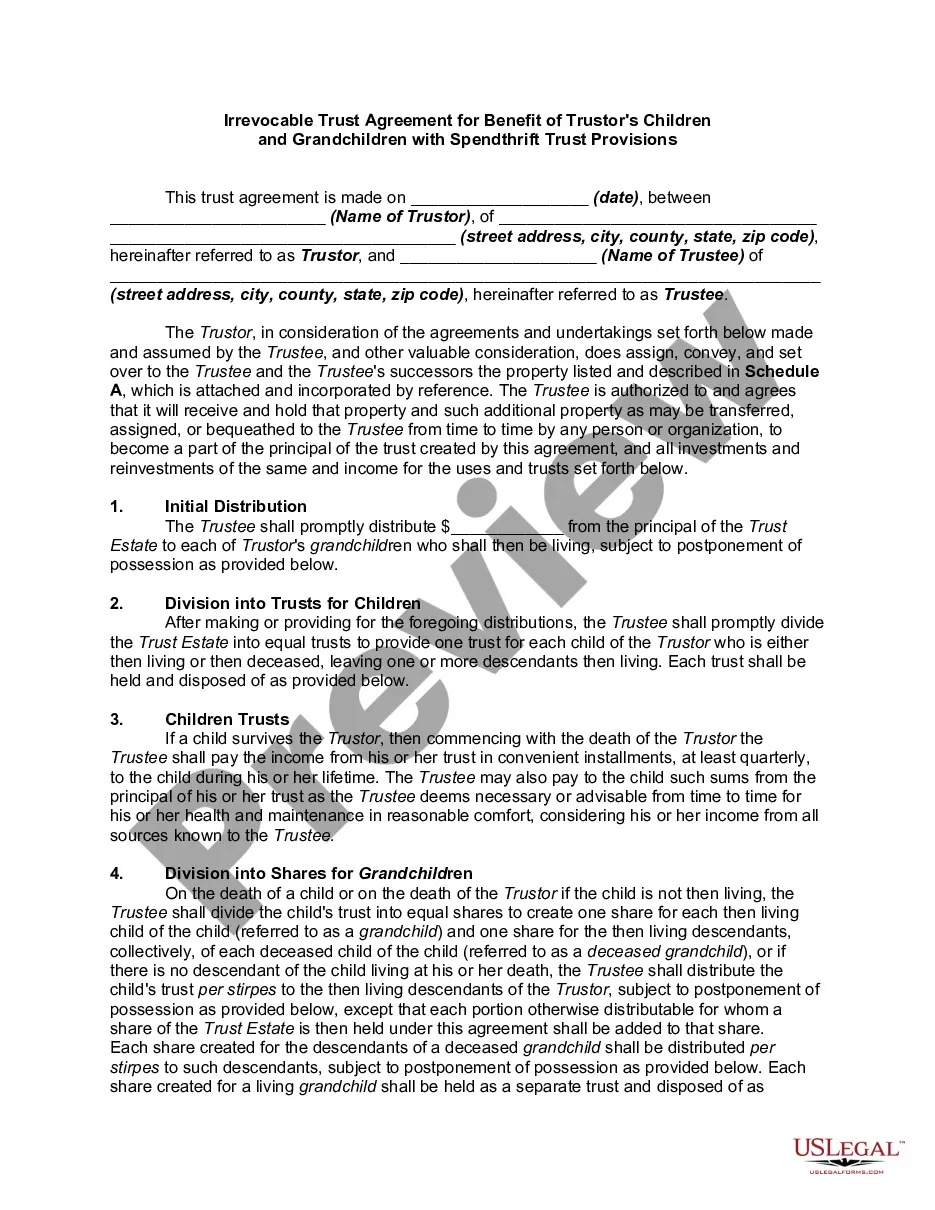
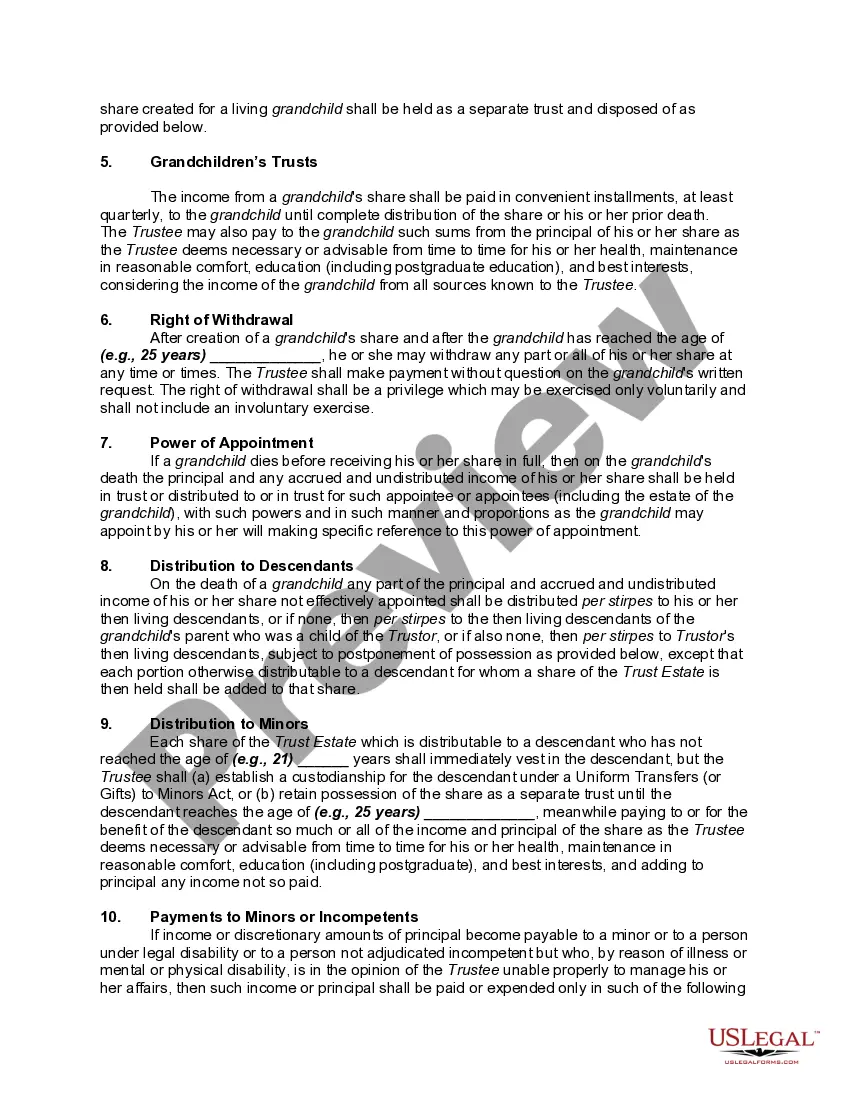
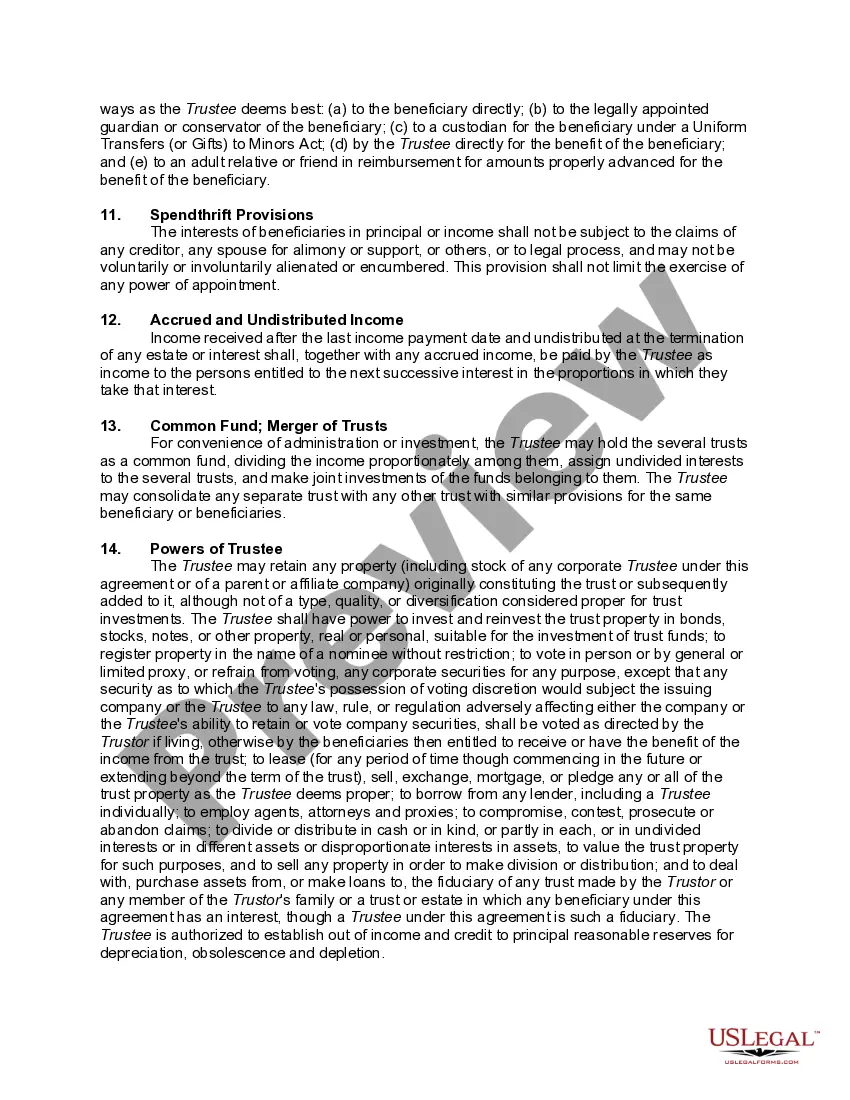
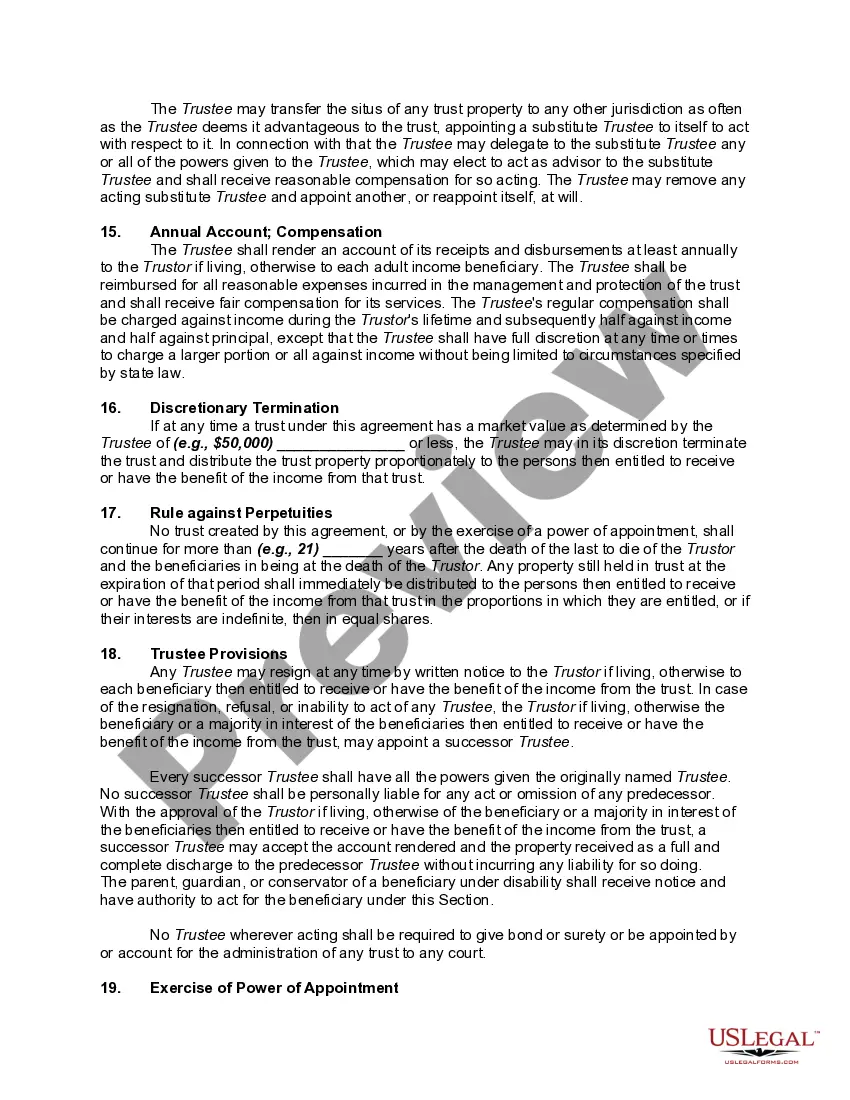
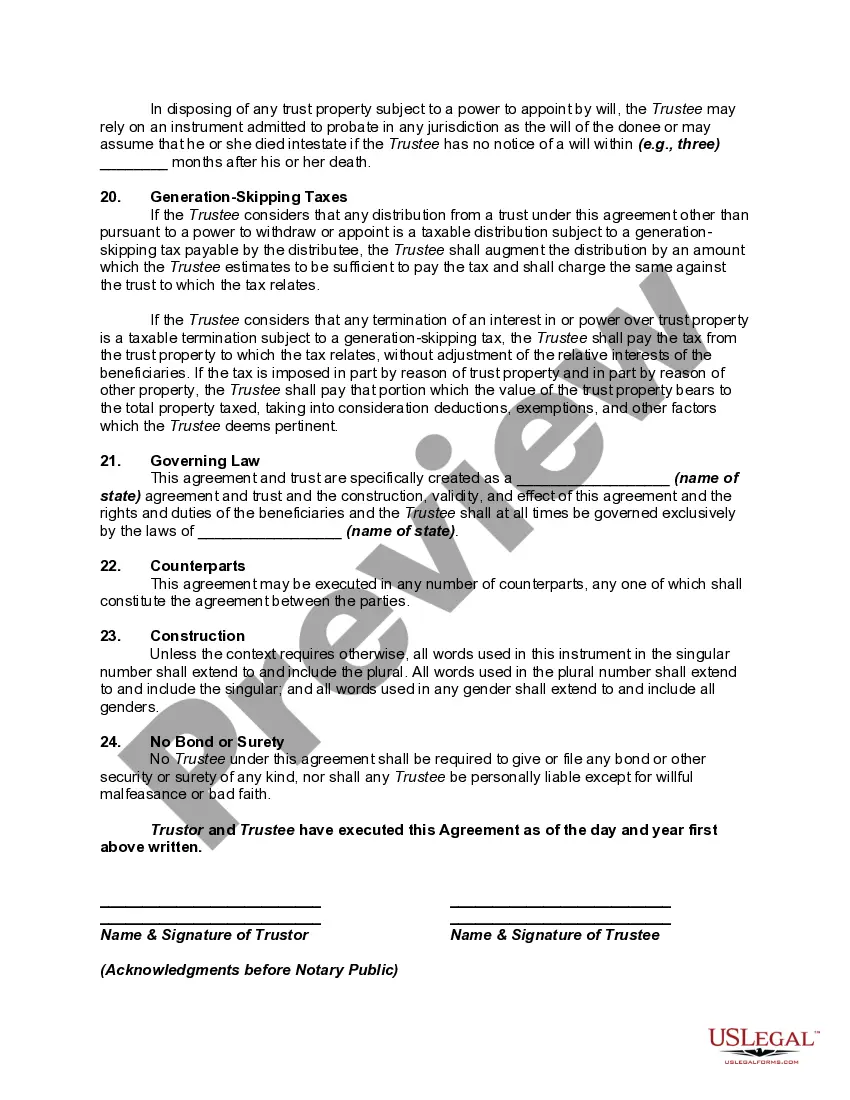


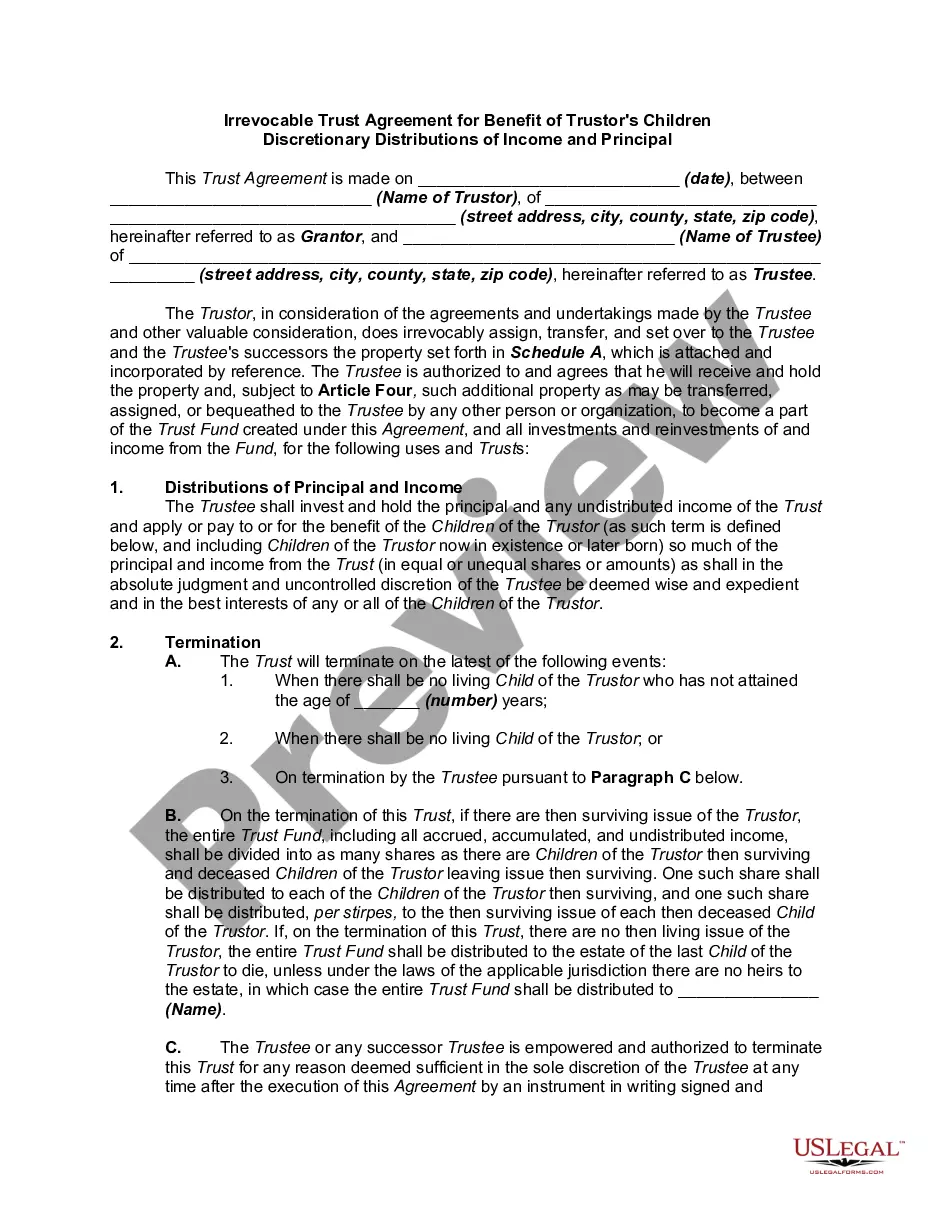
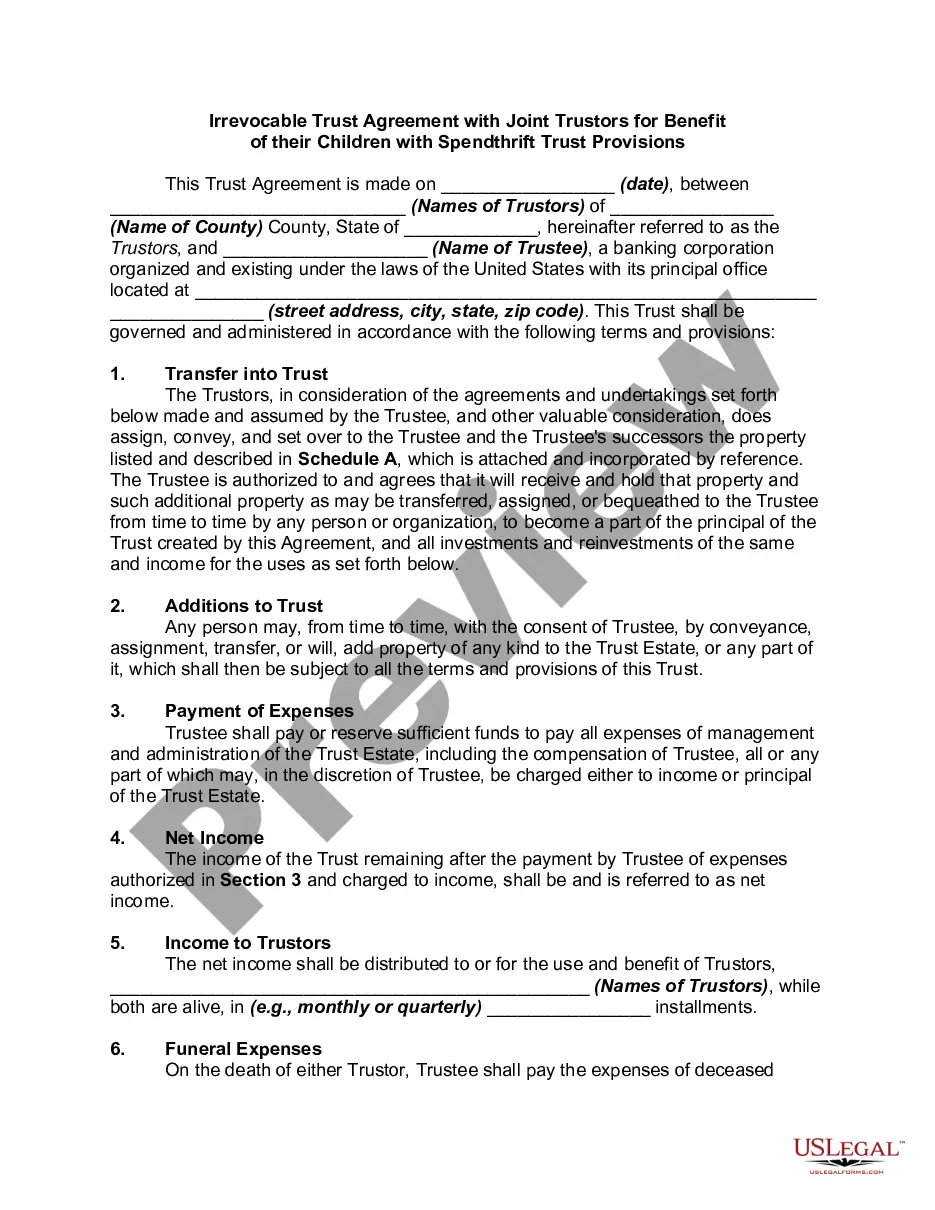
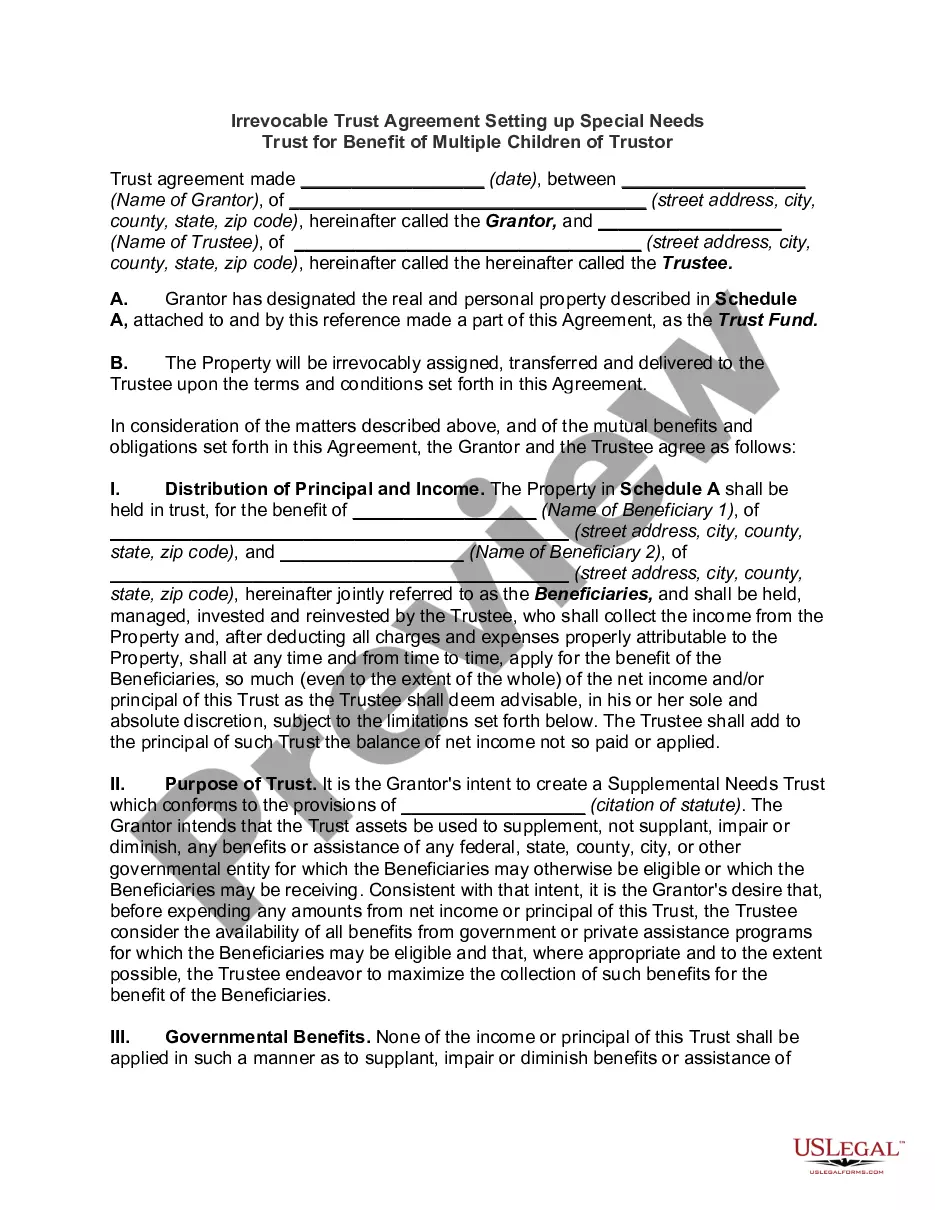
Get your form ready online
Our built-in tools help you complete, sign, share, and store your documents in one place.
Make edits, fill in missing information, and update formatting in US Legal Forms—just like you would in MS Word.
Download a copy, print it, send it by email, or mail it via USPS—whatever works best for your next step.
Sign and collect signatures with our SignNow integration. Send to multiple recipients, set reminders, and more. Go Premium to unlock E-Sign.
If this form requires notarization, complete it online through a secure video call—no need to meet a notary in person or wait for an appointment.
We protect your documents and personal data by following strict security and privacy standards.

Make edits, fill in missing information, and update formatting in US Legal Forms—just like you would in MS Word.

Download a copy, print it, send it by email, or mail it via USPS—whatever works best for your next step.

Sign and collect signatures with our SignNow integration. Send to multiple recipients, set reminders, and more. Go Premium to unlock E-Sign.

If this form requires notarization, complete it online through a secure video call—no need to meet a notary in person or wait for an appointment.

We protect your documents and personal data by following strict security and privacy standards.
Looking for another form?






How to fill out Irrevocable Trust Agreement For Benefit Of Trustor's Children And Grandchildren With Spendthrift Trust Provisions?
- If you're a returning user, log into your account to download the required form template. Ensure your subscription is active; renew if necessary.
- For first-time users, start by reviewing the Preview mode and form description to confirm the selected template meets your needs and complies with local jurisdiction.
- If you need a different template, utilize the Search feature to find the correct form that matches your specific requirements.
- Once you find the appropriate document, click the Buy Now button and select your preferred subscription plan. You'll need to register an account for access to the resources.
- Complete your purchase using your credit card or PayPal. Remember, a valid payment is required for access.
- After your transaction, download the form and save it on your device. You can also find it anytime in the My Forms section of your profile.
By choosing US Legal Forms, you benefit from an extensive collection of over 85,000 customizable legal forms, outpacing competitors in variety and affordability. Our platform also connects users with premium experts for guidance, ensuring that your documents are precise and legally compliant.
The process of obtaining your forms for irrevocable grantor trusts with no title is streamlined and user-friendly. Take advantage of US Legal Forms today and ensure your legal documents are handled with expertise. Visit our site to explore the resources and start your journey.
Form popularity
FAQ
In most cases, a grantor cannot sell a house in irrevocable grantor trusts with no title without the consent of all beneficiaries and possibly a trustee. Since the trust is designed to protect the asset from personal claims, selling it involves legal processes that may not be straightforward. If you are considering this route, exploring your options with uslegalforms can provide clarity and assist in executing any necessary transactions.
One significant disadvantage of placing your home in irrevocable grantor trusts with no title is the loss of control over the asset. Once placed in the trust, the grantor cannot easily remove the property or alter the terms. Additionally, transferring a home into this type of trust can complicate matters for heirs after the grantor's death, potentially leading to confusion or disputes. Consulting a professional can help you navigate these complexities.
People often choose to place their home in irrevocable grantor trusts with no title to protect their assets from creditors. This arrangement can also help in estate planning, as it allows for the seamless transfer of property upon the grantor's passing. Moreover, it may provide tax benefits and allow the grantor to qualify for government assistance programs. You should consider using uslegalforms to help structure these trusts effectively.
The term 'grantor' refers to the person who establishes the trust and places assets into it. In the context of irrevocable grantor trusts, the grantor retains some control over the trust's assets while still achieving certain estate and tax planning benefits. Understanding the grantor's role is essential for effective estate planning, especially when using irrevocable grantor trusts with no title. US Legal Forms can assist you in grasping the nuances of this role.
In an irrevocable grantor trust, the trust itself owns the assets, not the grantor. This means that once assets are transferred into the trust, they are no longer considered part of the grantor's estate. However, the grantor usually retains certain rights, which can impact taxation. For a clearer understanding of ownership and tax implications in irrevocable grantor trusts with no title, consider consulting resources from US Legal Forms.
The three main types of irrevocable trusts are the irrevocable life insurance trust, charitable remainder trust, and special needs trust. Each type serves different purposes, such as tax benefits, charitable giving, or providing for individuals with disabilities. Understanding these categories can enhance your estate planning strategy, particularly when exploring irrevocable grantor trusts with no title. US Legal Forms offers insights into choosing the right type for your needs.
Yes, you can act as the grantor of your own irrevocable trust, but this comes with specific implications. In an irrevocable grantor trust, you retain some authority and may be able to receive certain benefits. However, it's important to understand that your control over the assets is limited once you set the trust in motion. Consulting with professionals from US Legal Forms can provide guidance on how to navigate these complexities.
The key difference lies in the level of control retained by the grantor. An irrevocable trust generally removes all control and benefits from the grantor, while an irrevocable grantor trust allows the grantor to retain certain rights and benefits. This distinction is crucial for estate planning, especially when considering tax implications and asset protection. US Legal Forms can help clarify these differences for your specific needs.
While grantor trusts provide benefits like tax advantages, they come with certain drawbacks. One major downside is that the grantor retains control over the trust's assets, which may not shield these assets from creditors or taxes. Additionally, upon the grantor's death, the assets may be included in the estate, which can create tax liabilities. Understanding these implications can help you make informed decisions about irrevocable grantor trusts with no title.
Recently, new regulations have been established regarding irrevocable trusts, focusing on their tax implications and structuring. These changes affect how individuals can manage and benefit from irrevocable grantor trusts with no title. It is essential to stay informed about these updates, as they impact estate planning strategies significantly. For tailored advice, consider consulting US Legal Forms, which offers resources for navigating these new rules.