Oregon Expungement Requirements
Description
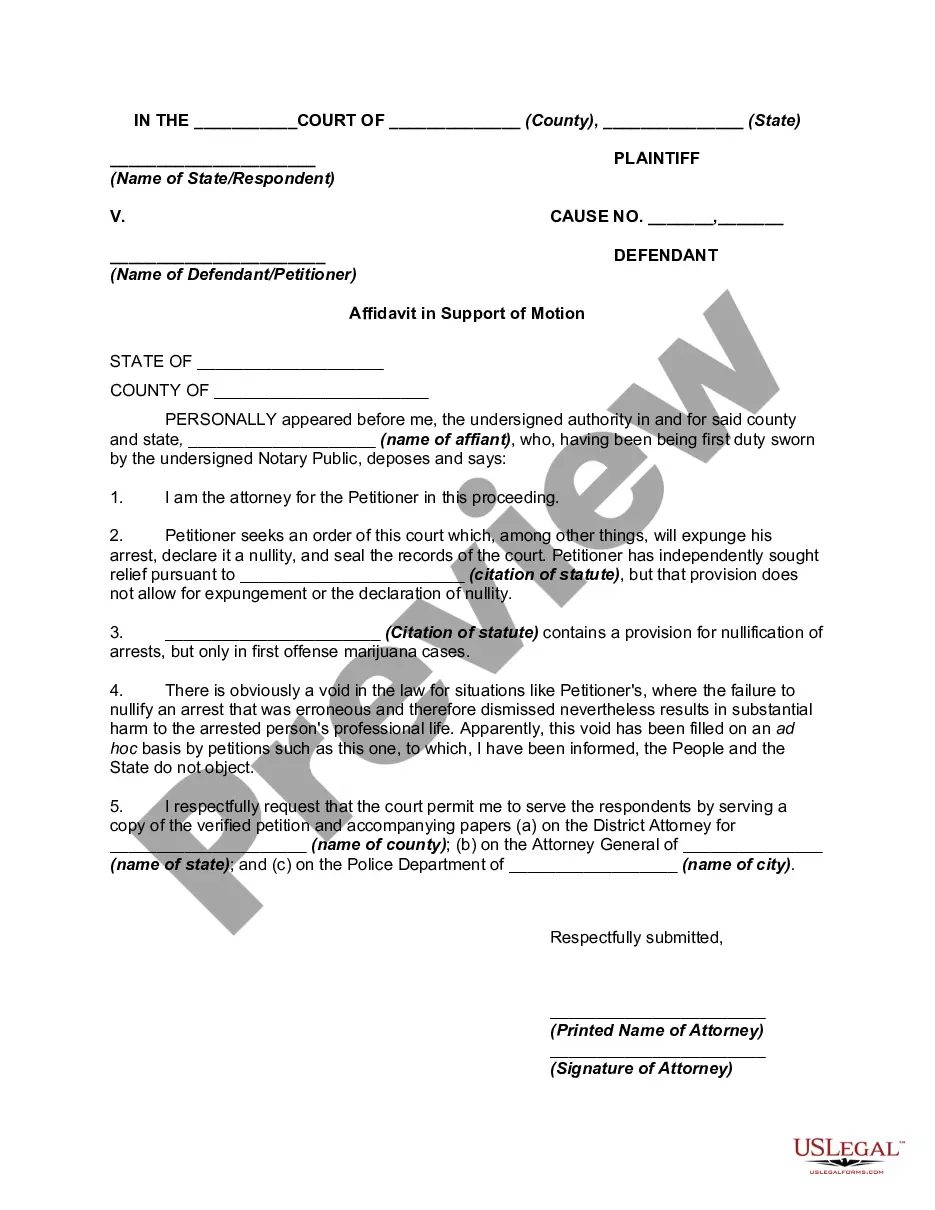

Get your form ready online
Our built-in tools help you complete, sign, share, and store your documents in one place.
Make edits, fill in missing information, and update formatting in US Legal Forms—just like you would in MS Word.
Download a copy, print it, send it by email, or mail it via USPS—whatever works best for your next step.
Sign and collect signatures with our SignNow integration. Send to multiple recipients, set reminders, and more. Go Premium to unlock E-Sign.
If this form requires notarization, complete it online through a secure video call—no need to meet a notary in person or wait for an appointment.
We protect your documents and personal data by following strict security and privacy standards.

Make edits, fill in missing information, and update formatting in US Legal Forms—just like you would in MS Word.

Download a copy, print it, send it by email, or mail it via USPS—whatever works best for your next step.

Sign and collect signatures with our SignNow integration. Send to multiple recipients, set reminders, and more. Go Premium to unlock E-Sign.

If this form requires notarization, complete it online through a secure video call—no need to meet a notary in person or wait for an appointment.

We protect your documents and personal data by following strict security and privacy standards.
Looking for another form?

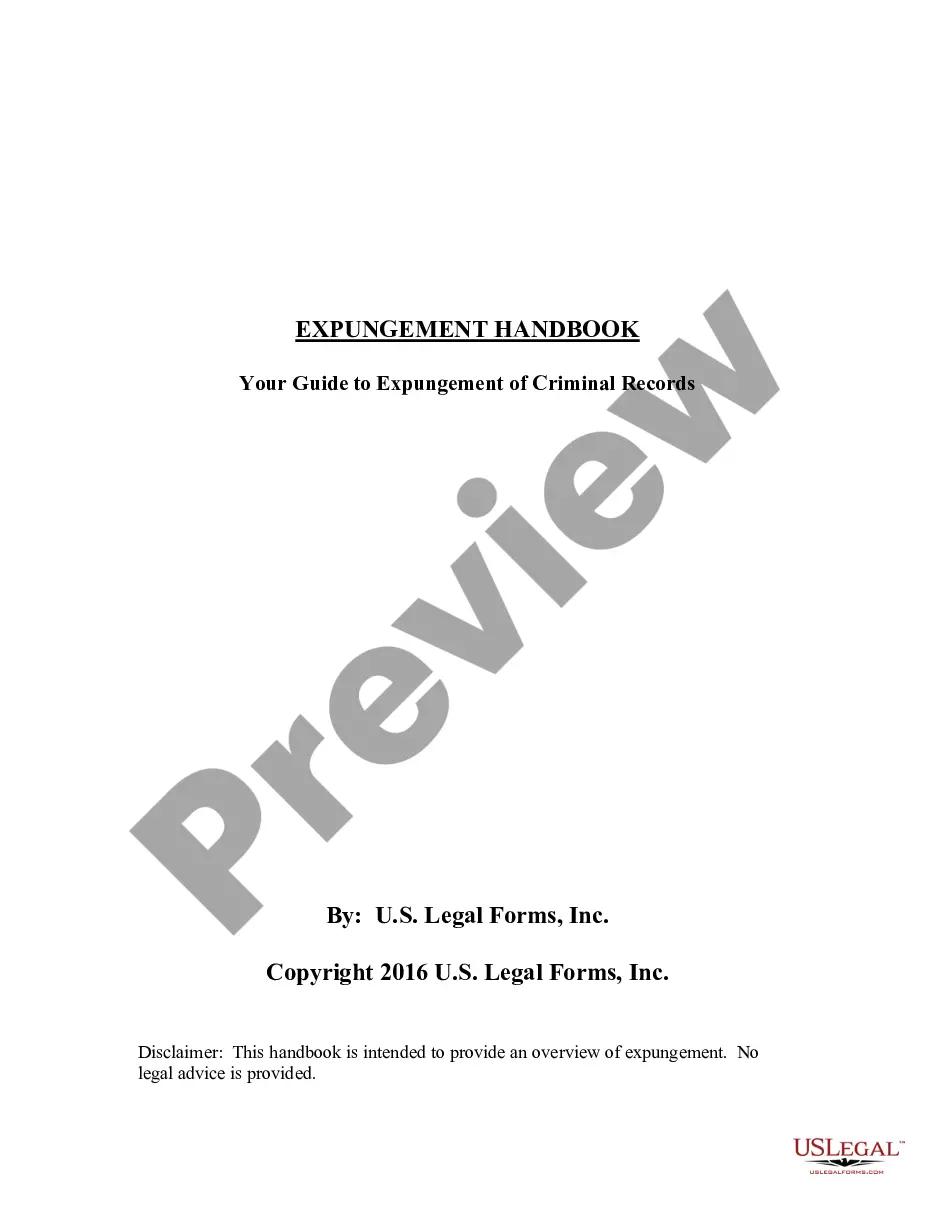
How to fill out Affidavit In Support Of Motion To Order Expungement Of Criminal Record?
Finding a go-to place to take the most recent and relevant legal templates is half the struggle of handling bureaucracy. Choosing the right legal files calls for precision and attention to detail, which is the reason it is vital to take samples of Oregon Expungement Requirements only from trustworthy sources, like US Legal Forms. A wrong template will waste your time and delay the situation you are in. With US Legal Forms, you have very little to be concerned about. You can access and check all the details concerning the document’s use and relevance for your situation and in your state or county.
Take the following steps to complete your Oregon Expungement Requirements:
- Use the library navigation or search field to find your template.
- Open the form’s information to check if it matches the requirements of your state and region.
- Open the form preview, if available, to make sure the template is the one you are interested in.
- Go back to the search and find the proper document if the Oregon Expungement Requirements does not match your requirements.
- If you are positive about the form’s relevance, download it.
- If you are a registered customer, click Log in to authenticate and gain access to your selected templates in My Forms.
- If you do not have an account yet, click Buy now to get the template.
- Select the pricing plan that suits your needs.
- Proceed to the registration to finalize your purchase.
- Complete your purchase by picking a transaction method (bank card or PayPal).
- Select the file format for downloading Oregon Expungement Requirements.
- Once you have the form on your device, you can modify it with the editor or print it and complete it manually.
Remove the hassle that comes with your legal documentation. Discover the comprehensive US Legal Forms library where you can find legal templates, examine their relevance to your situation, and download them on the spot.
Form popularity
FAQ
There is a statutory process for having a record expunged. You do not need to report an arrest/conviction that has been expunged.
What crimes cannot be expunged in Oregon? Unclassified Felonies. ... Class A Felonies. ... Class B Felonies - Person Felonies. ... Most Sex Crimes. ... Class C Felonies - Limited Number. ... Class A Misdemeanors - Limited Number. ... DUI and Driving-Related Offenses.
Eligibility & Timing Changes The previous 10 year look back period has been eliminated. It has been replaced by a new shorter, but more complex, eligibility standard that is based on the the category of crime you want to expunge and the length of time since your last criminal conviction (for any crime).
Generally speaking, you can expunge Class B felonies after 7 years and Class C felonies after 5 years. You can almost never expunge Class A felonies and serious sex offenses. As for misdemeanors, you can expunge Class A misdemeanors after 3 years and low-level Class B or C misdemeanors after only 1 year.
After a successful set aside, the conviction is removed from official records and should not show up in a background check. Oregon law allows you to deny the conviction ever occurred, because under the law it is deemed not to have occurred.