Plaintiff
Description
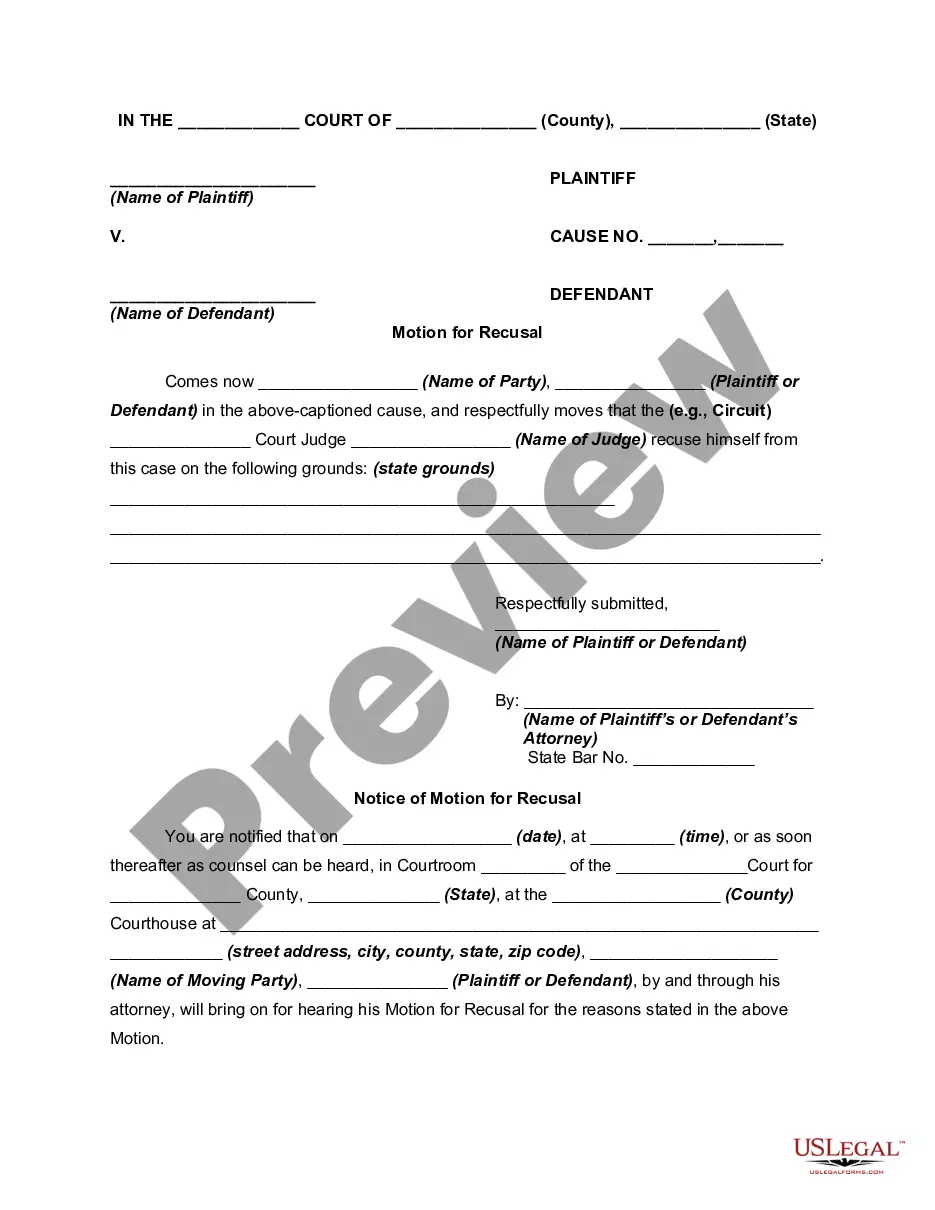
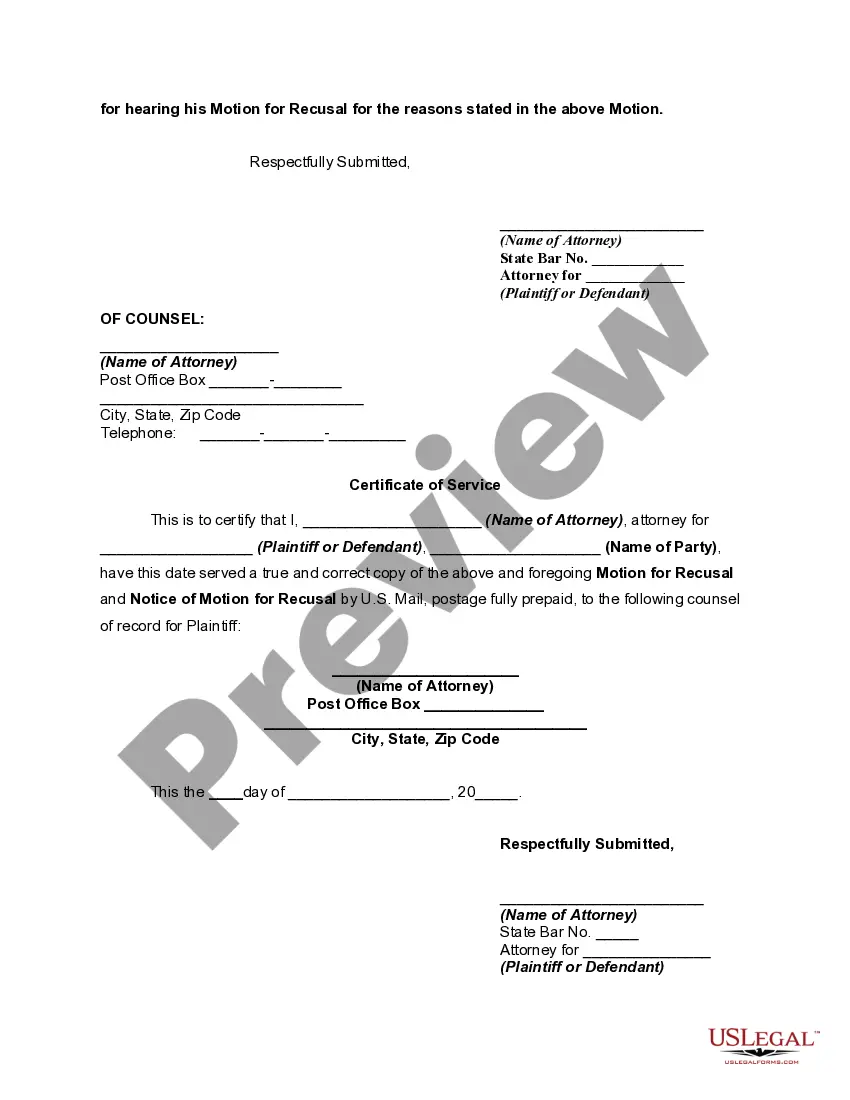

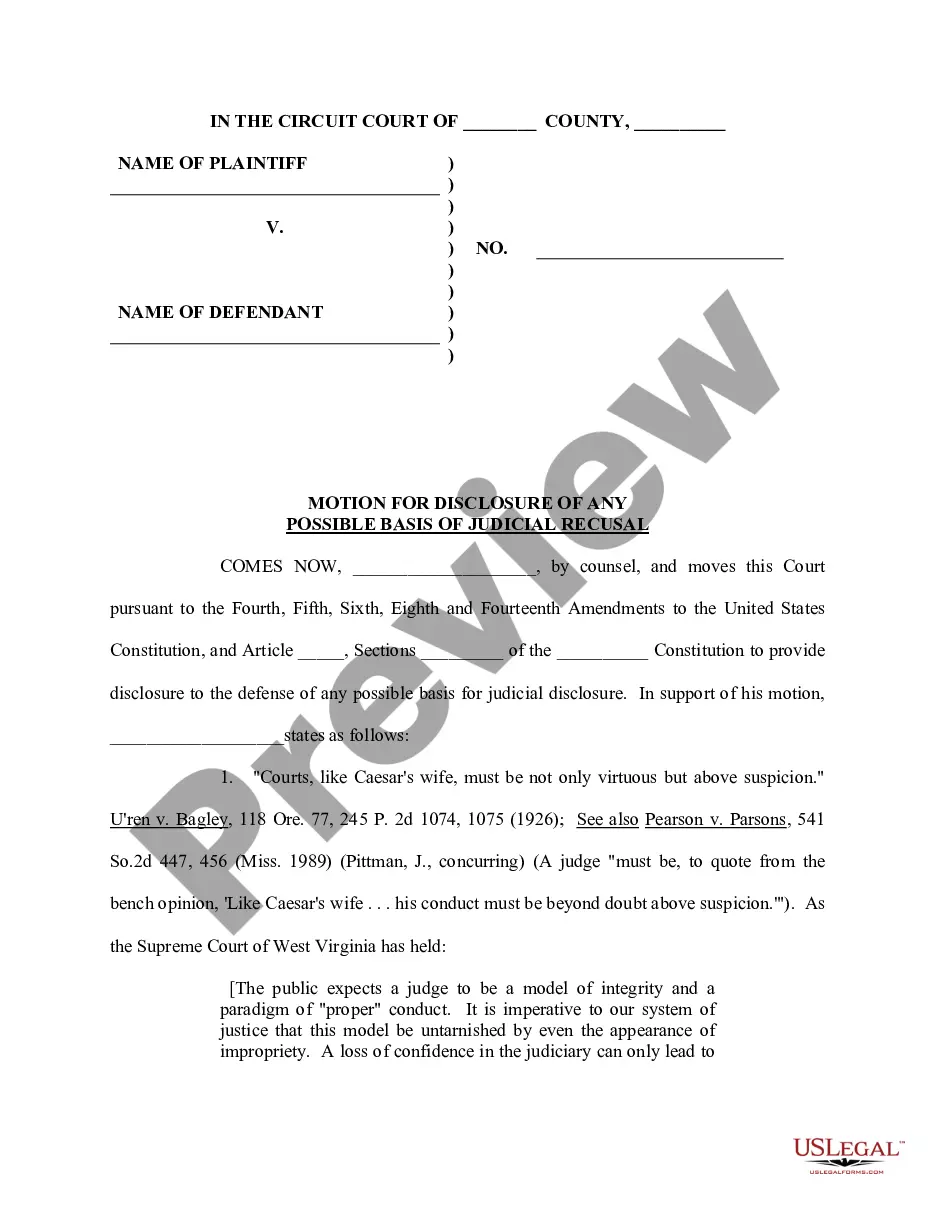
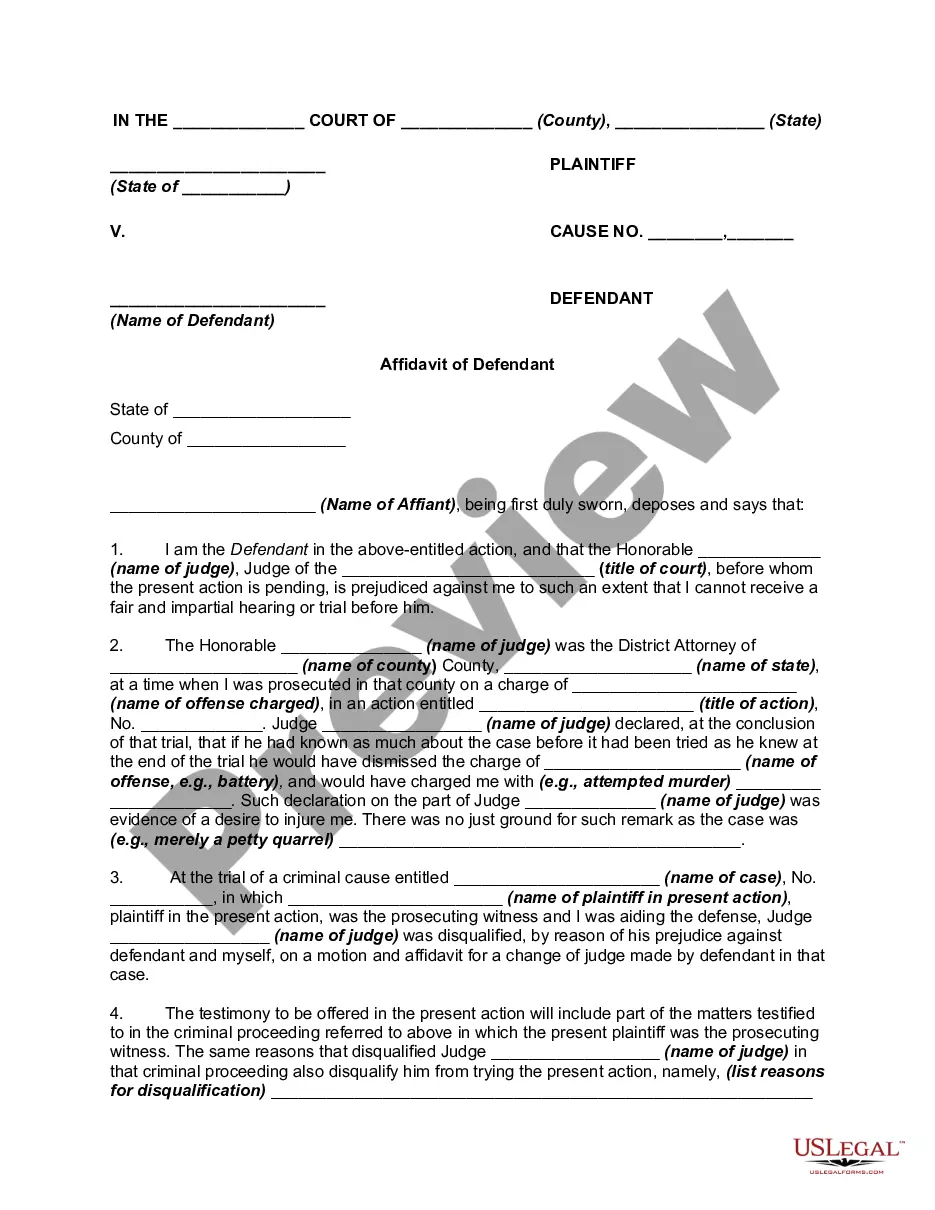
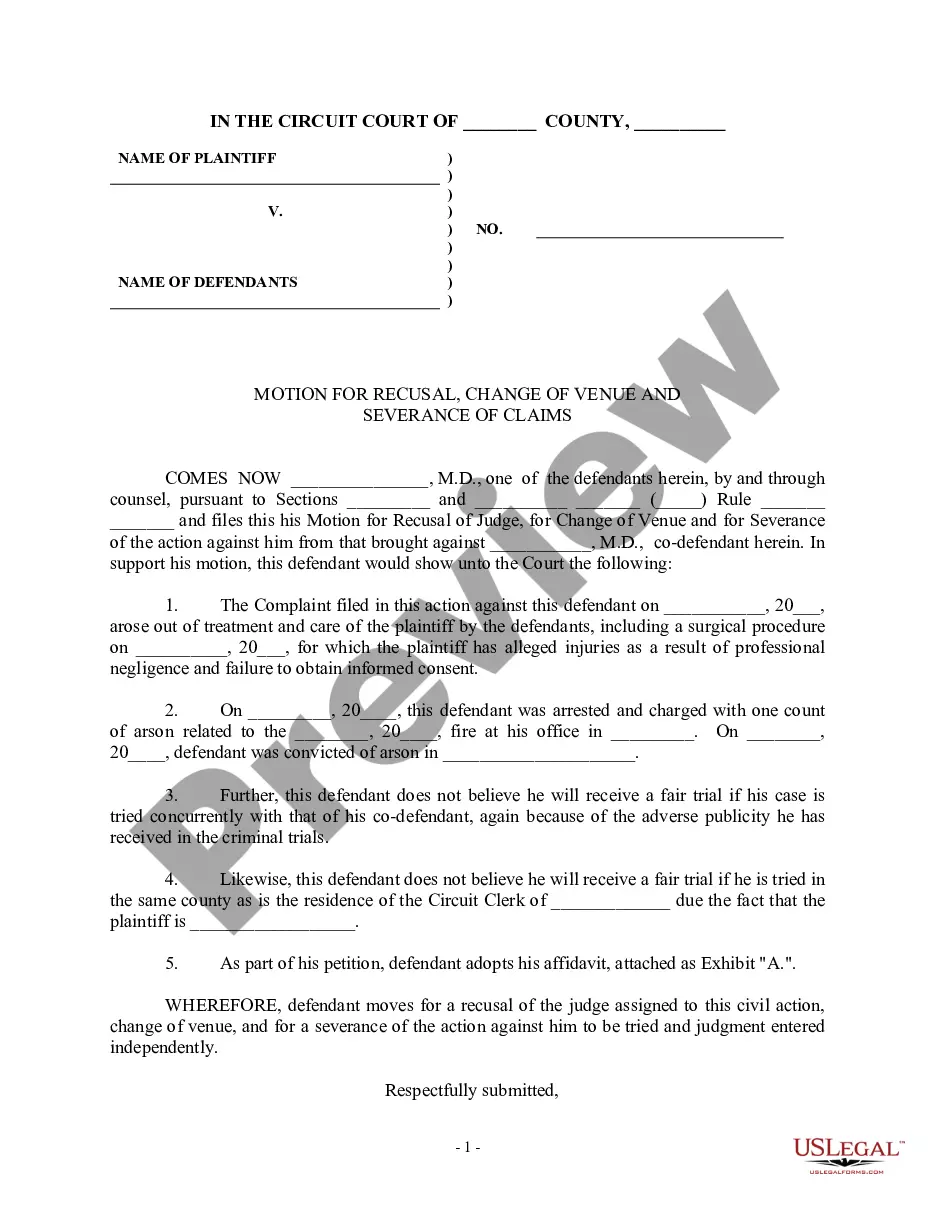
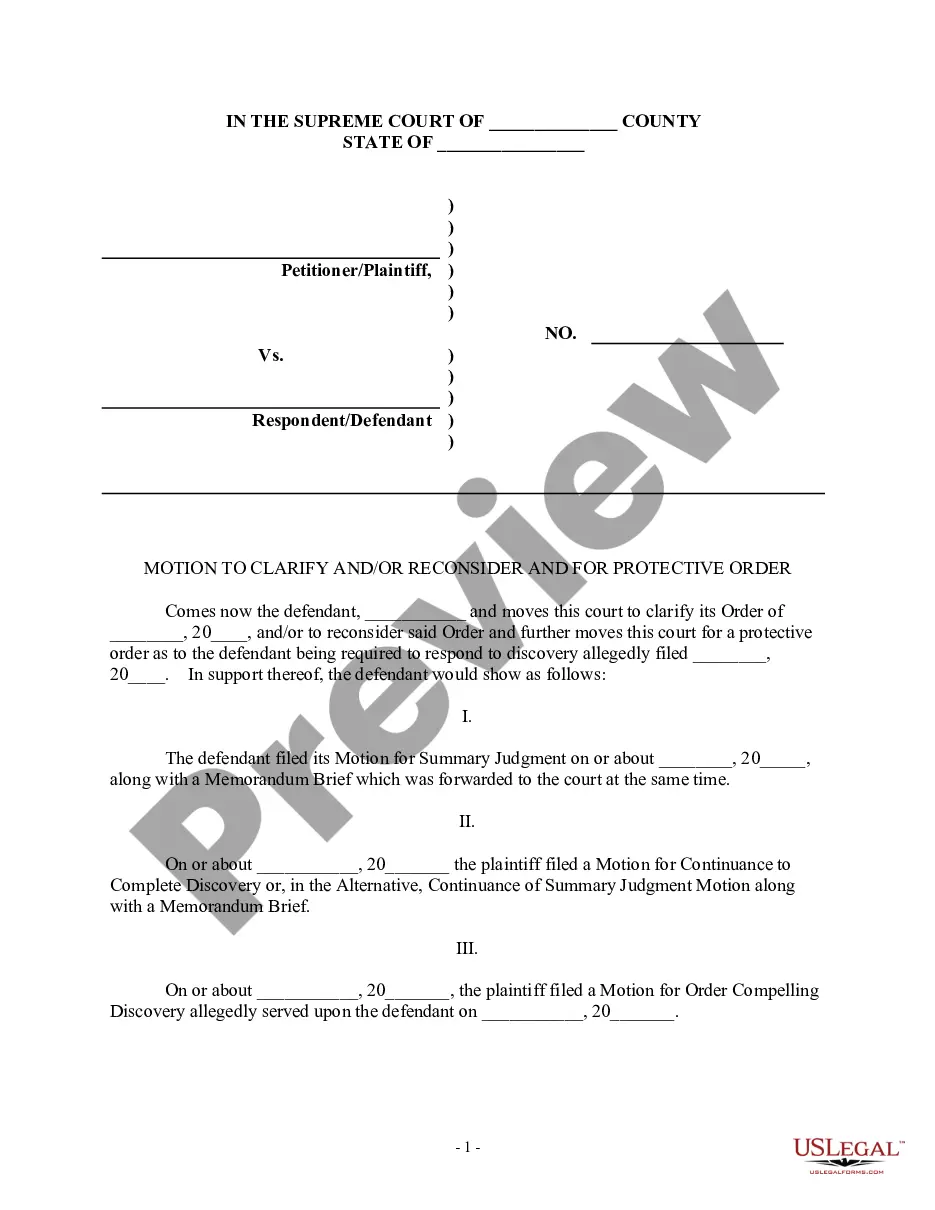
Get your form ready online
Our built-in tools help you complete, sign, share, and store your documents in one place.
Make edits, fill in missing information, and update formatting in US Legal Forms—just like you would in MS Word.
Download a copy, print it, send it by email, or mail it via USPS—whatever works best for your next step.
Sign and collect signatures with our SignNow integration. Send to multiple recipients, set reminders, and more. Go Premium to unlock E-Sign.
If this form requires notarization, complete it online through a secure video call—no need to meet a notary in person or wait for an appointment.
We protect your documents and personal data by following strict security and privacy standards.

Make edits, fill in missing information, and update formatting in US Legal Forms—just like you would in MS Word.

Download a copy, print it, send it by email, or mail it via USPS—whatever works best for your next step.

Sign and collect signatures with our SignNow integration. Send to multiple recipients, set reminders, and more. Go Premium to unlock E-Sign.

If this form requires notarization, complete it online through a secure video call—no need to meet a notary in person or wait for an appointment.

We protect your documents and personal data by following strict security and privacy standards.
Looking for another form?





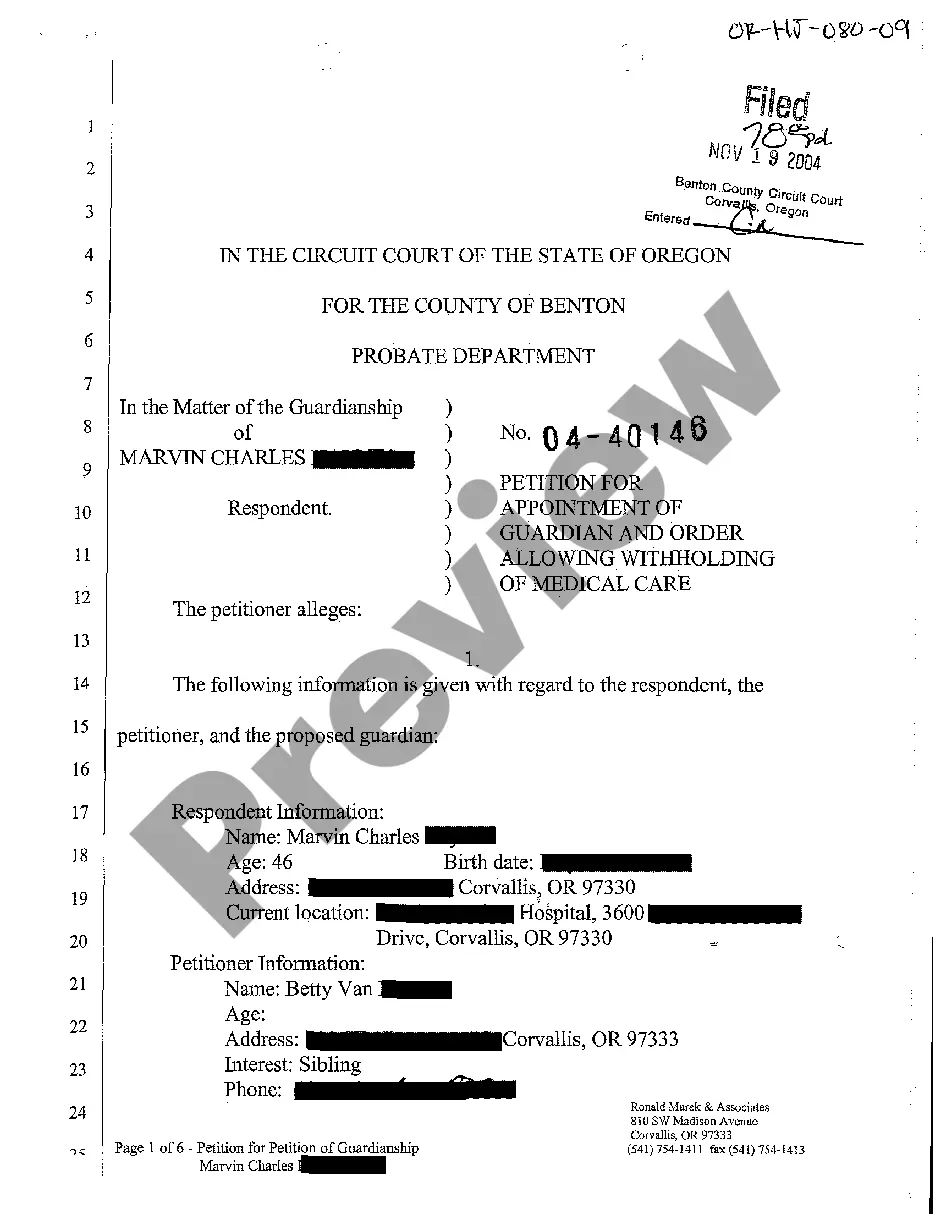

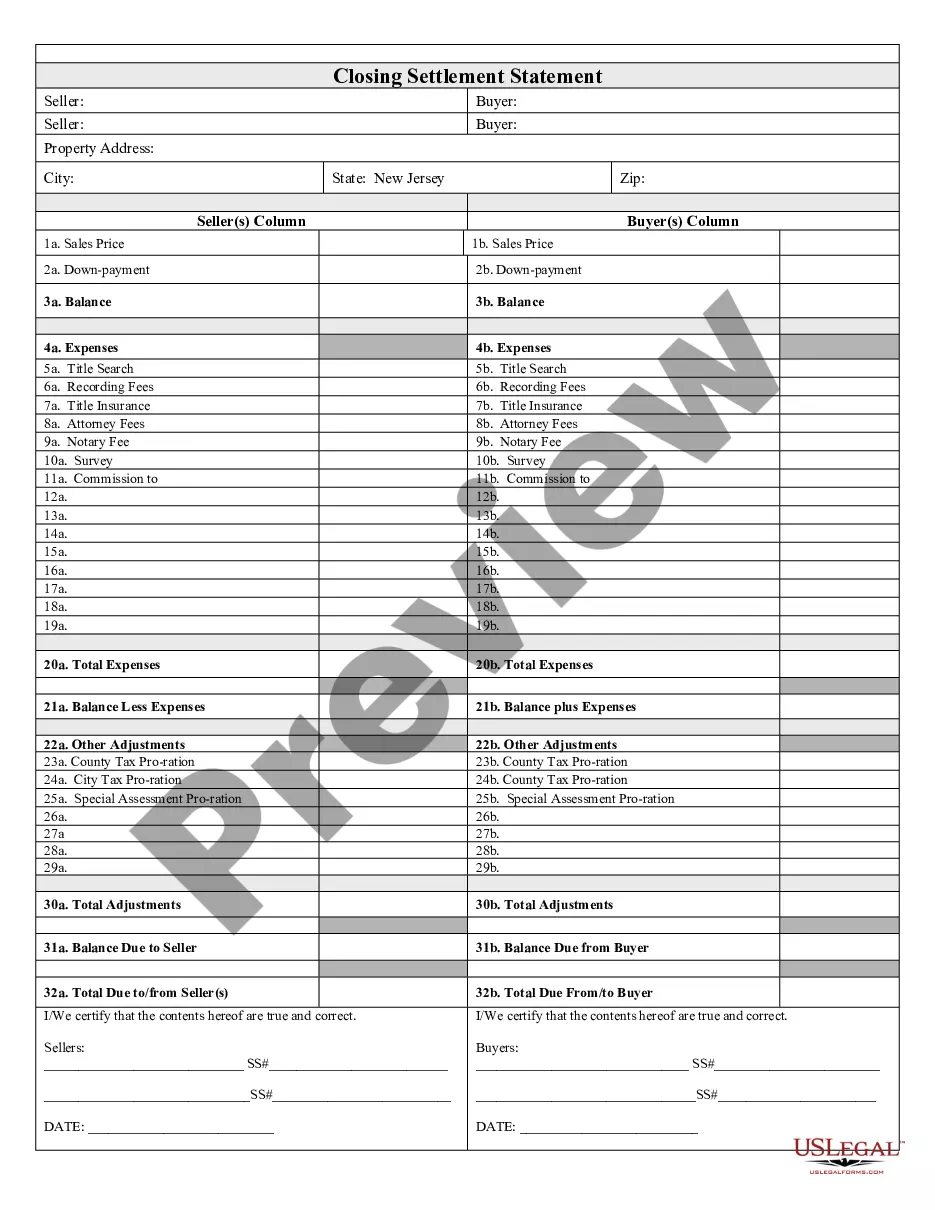
How to fill out Motion For Recusal Of Judge - Removal?
- Log in to your US Legal Forms account if you have previously used the service, and ensure your subscription is active.
- For first-time users, explore the Preview mode and read the form descriptions to choose the right template that aligns with your needs and local requirements.
- If you cannot find a suitable template, use the Search feature to locate the needed documents.
- Select the 'Buy Now' option for your desired document, choosing a subscription plan that best fits your needs while setting up an account for access.
- Complete your purchase using a credit card or PayPal to gain full access to the extensive legal library.
- Download your chosen form to your device. You can access it anytime from the 'My Forms' section in your profile.
By following these steps, you can take advantage of US Legal Forms’ comprehensive selection of over 85,000 fillable and editable legal templates. This service not only saves you time but also ensures that your documents are accurate and compliant.
Start taking control of your legal journey as a plaintiff today with US Legal Forms. Sign up now to ensure you have the right documents at your fingertips!
Form popularity
FAQ
Winning a civil lawsuit can be challenging due to various complexities involved, including legal procedures, evidentiary requirements, and emotional factors. Success often relies on having a strong strategy and competent legal representation. For plaintiffs, utilizing tools and resources available through platforms like uslegalforms can simplify many steps, making the process more manageable.
The amount of evidence needed to win a civil case varies depending on the type of lawsuit. Generally, a plaintiff must provide enough evidence to prove their claim by a preponderance of the evidence, which means showing that their version of events is more likely than not true. Thorough documentation and clear presentation of facts are critical in making a compelling case.
While many plaintiffs succeed in their cases, the outcome depends heavily on the strength of the evidence and the legal arguments presented. Studies indicate that plaintiffs win a significant portion of civil cases, but it's important for them to be well-prepared and informed. Engaging with resources like uslegalforms can provide essential insights to help plaintiffs navigate their cases effectively.
Most civil cases settle before they reach trial, often during the discovery phase or shortly before trial dates. This is because both parties seek to avoid the time, expense, and uncertainty of a court judgment. For plaintiffs, settling early might provide quicker relief and certainty, so it's advisable to weigh all options carefully.
The odds of winning a lawsuit as a plaintiff can vary significantly based on several factors, such as the evidence presented, the legal representation, and the specifics of the case. Generally speaking, having a strong case with solid evidence increases the likelihood of a favorable outcome. Legal platforms like uslegalforms can help plaintiffs better prepare their cases, enhancing their chances of success.
A plaintiff is a person or entity that initiates a lawsuit in a civil court. Typically, this individual believes they have been wronged and seek legal remedy against another party, referred to as the defendant. Therefore, the key factor that defines a plaintiff is their active role in bringing a legal claim forward.
The process of suing someone begins with the plaintiff filing a complaint, outlining their claims against the defendant. After filing, both parties will engage in discovery, where they exchange information relevant to the case. Depending on the circumstances, the case may go to trial, or it could be resolved through settlement negotiations. Using the US Legal platform can help simplify each step in this process for plaintiffs.
A plaintiff is defined as the party who brings a lawsuit in a court of law. This can be an individual or an organization that seeks compensation or another form of legal remedy. The plaintiff must demonstrate that their rights have been violated or that they have suffered damages due to the defendant's actions. Knowing this definition helps clarify the role of the plaintiff in legal contexts.
To become a plaintiff, an individual must first have a legal grievance or a cause for action against another party. They must then file a complaint in the appropriate court, outlining their claims and the relief sought. It's important to gather all relevant documents and evidence at this stage. Resources available on platforms like US Legal can guide you through this process effectively.
A plaintiff is typically the individual or entity that initiates a lawsuit by filing a complaint against another party. Identification usually involves recognizing the party that claims injury or damage due to another's actions. This party seeks legal remedy, which distinguishes them as the plaintiff in the case. Understanding this role is crucial for anyone involved in a legal process.