Charge Dropped Vs Dismissed
Description
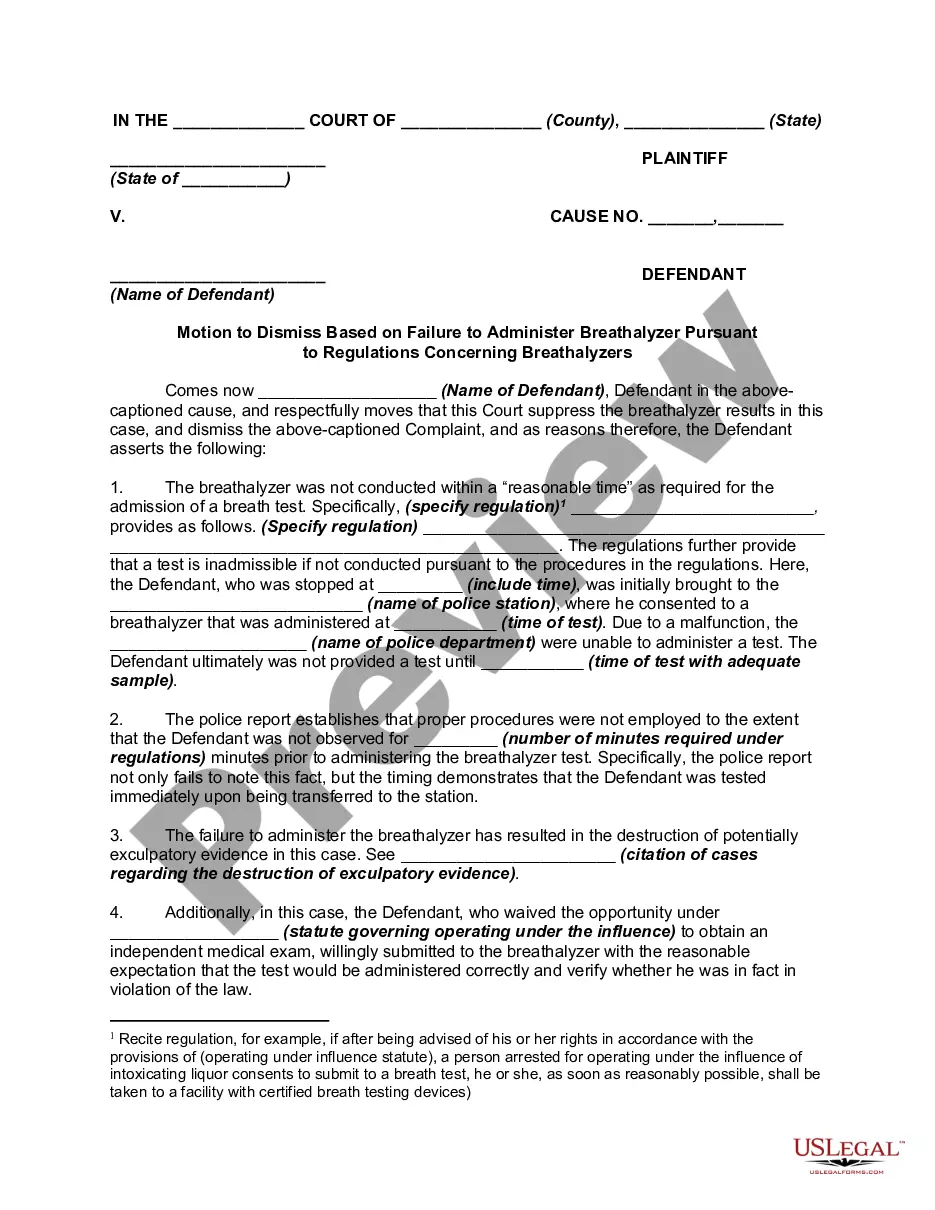
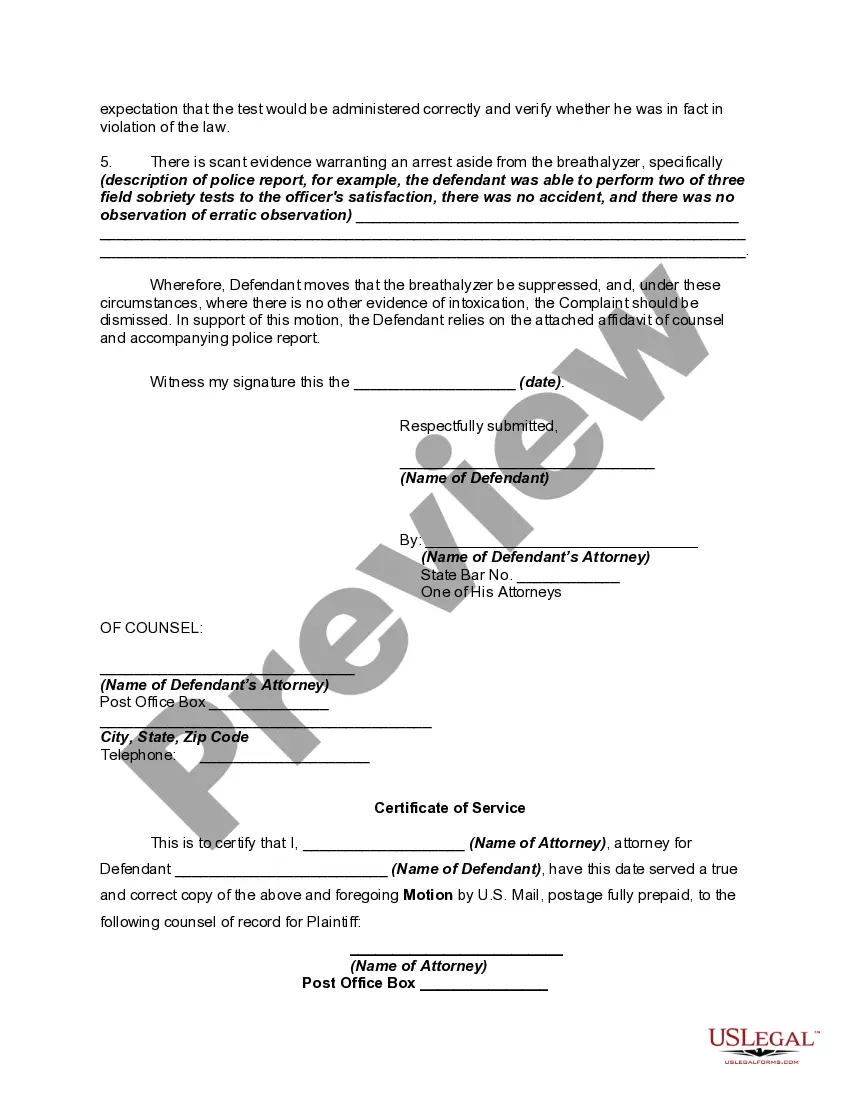
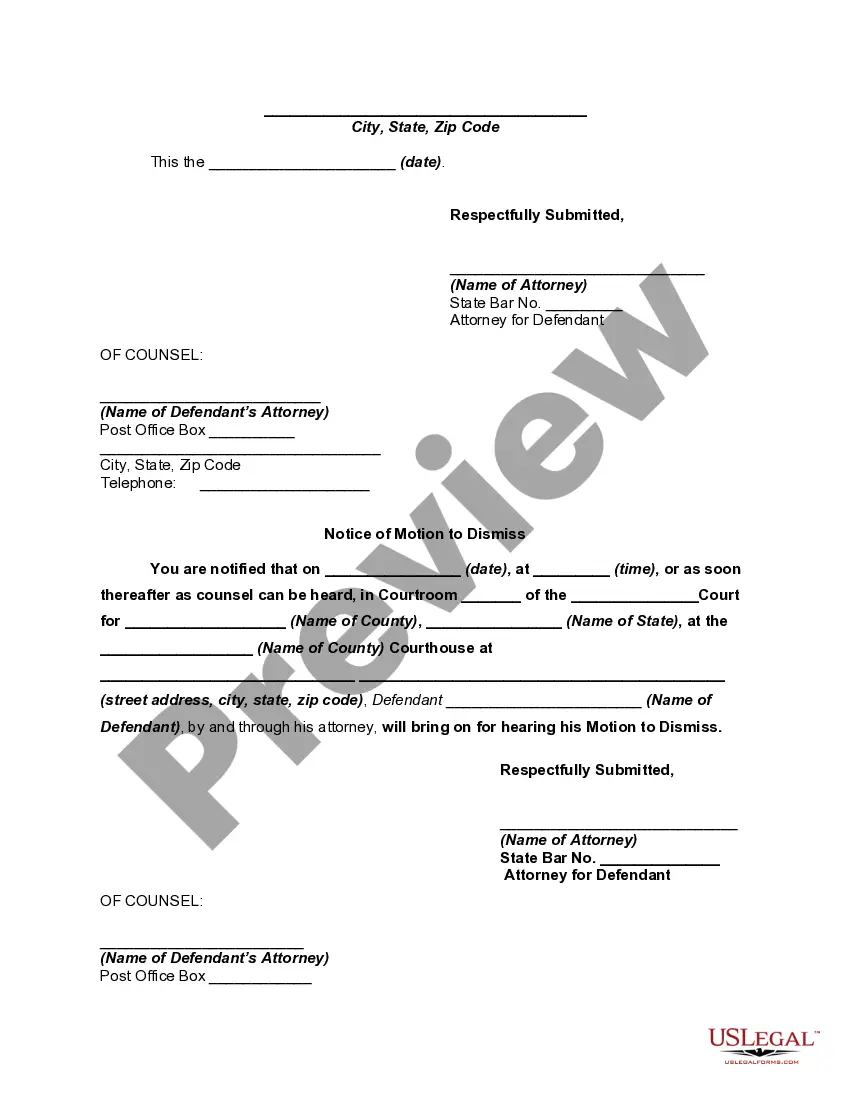

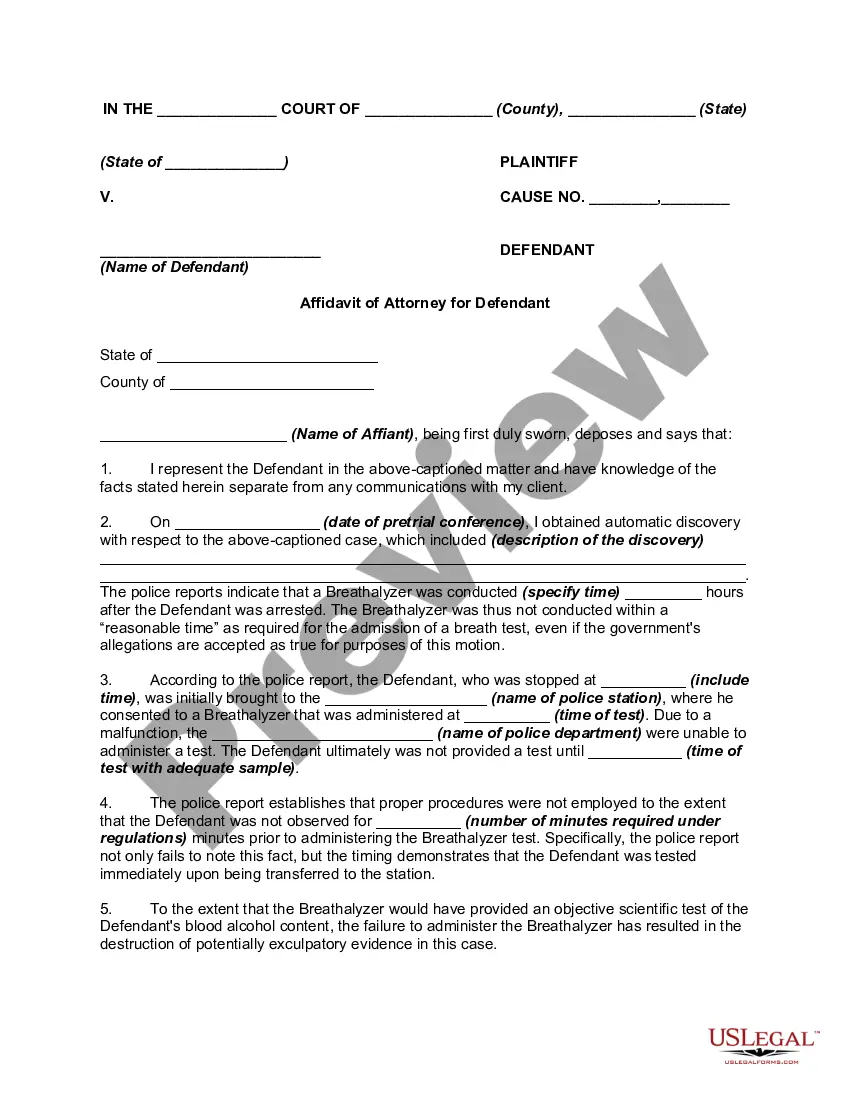
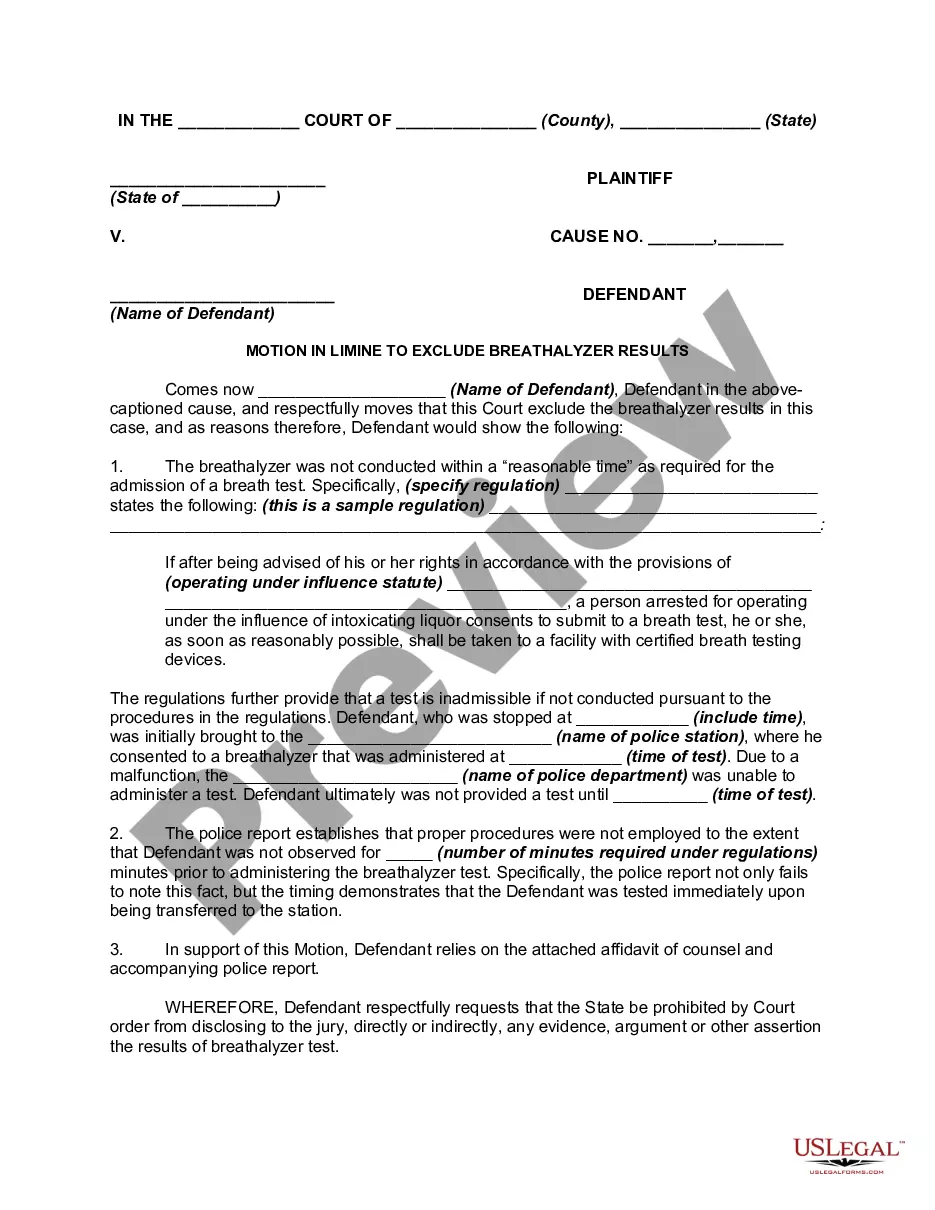

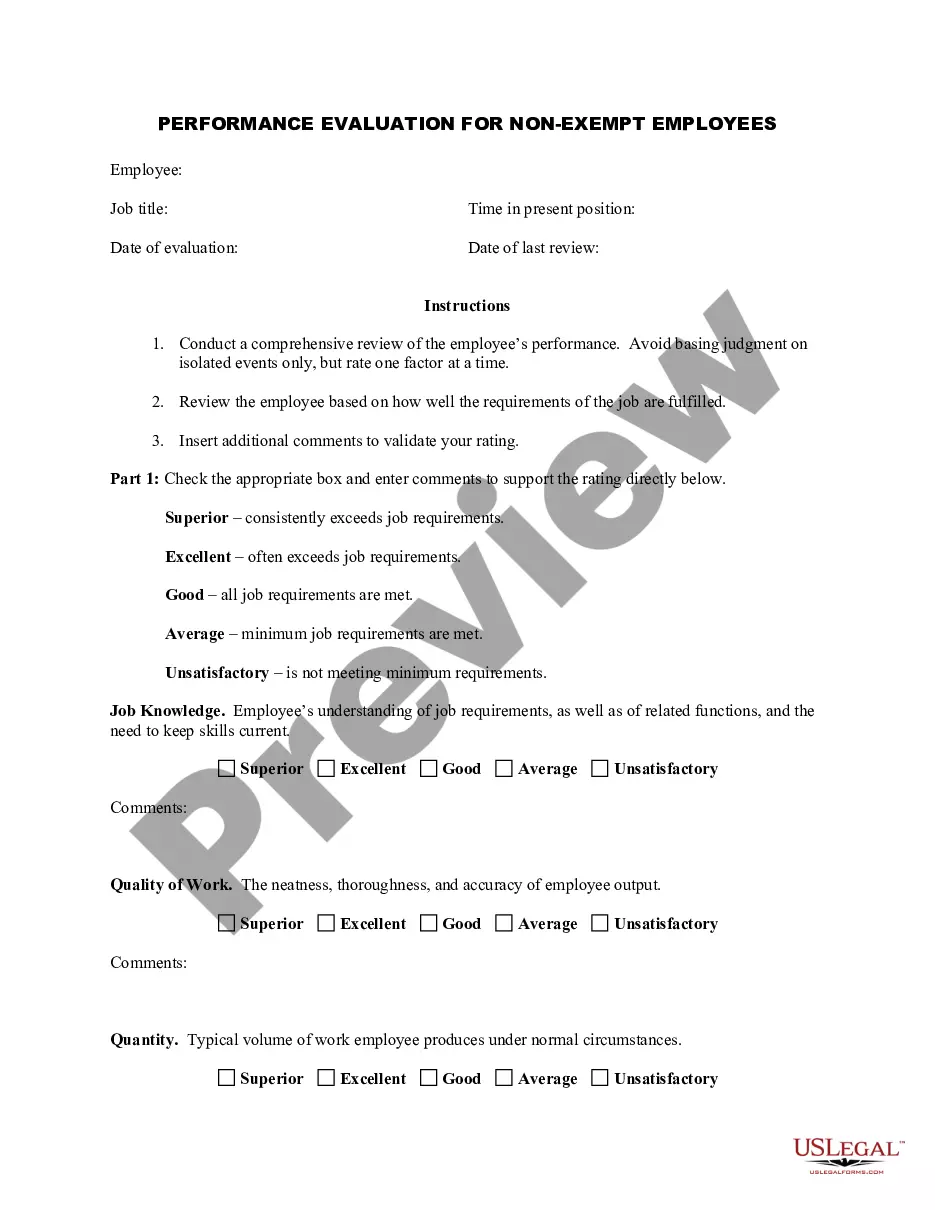
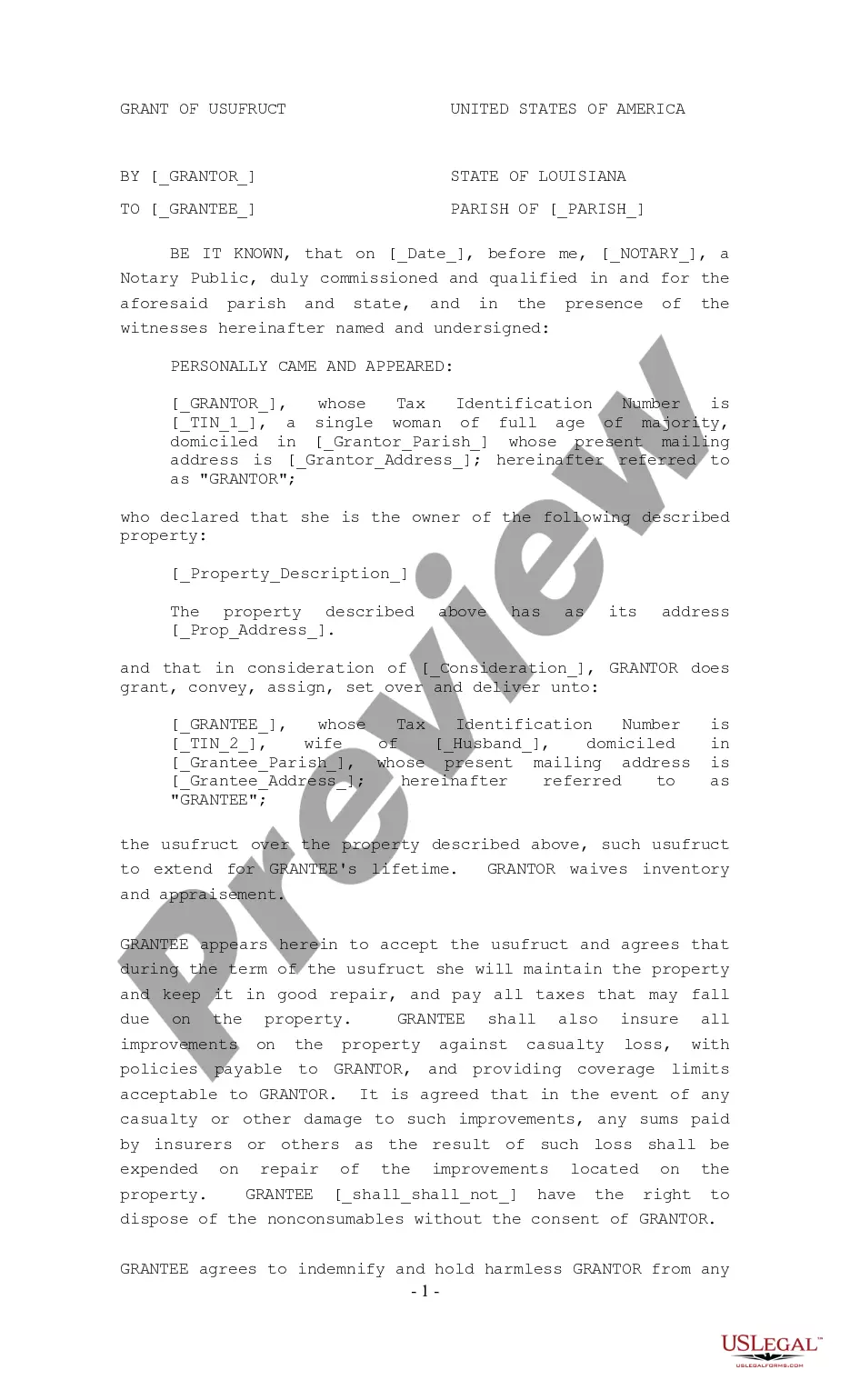

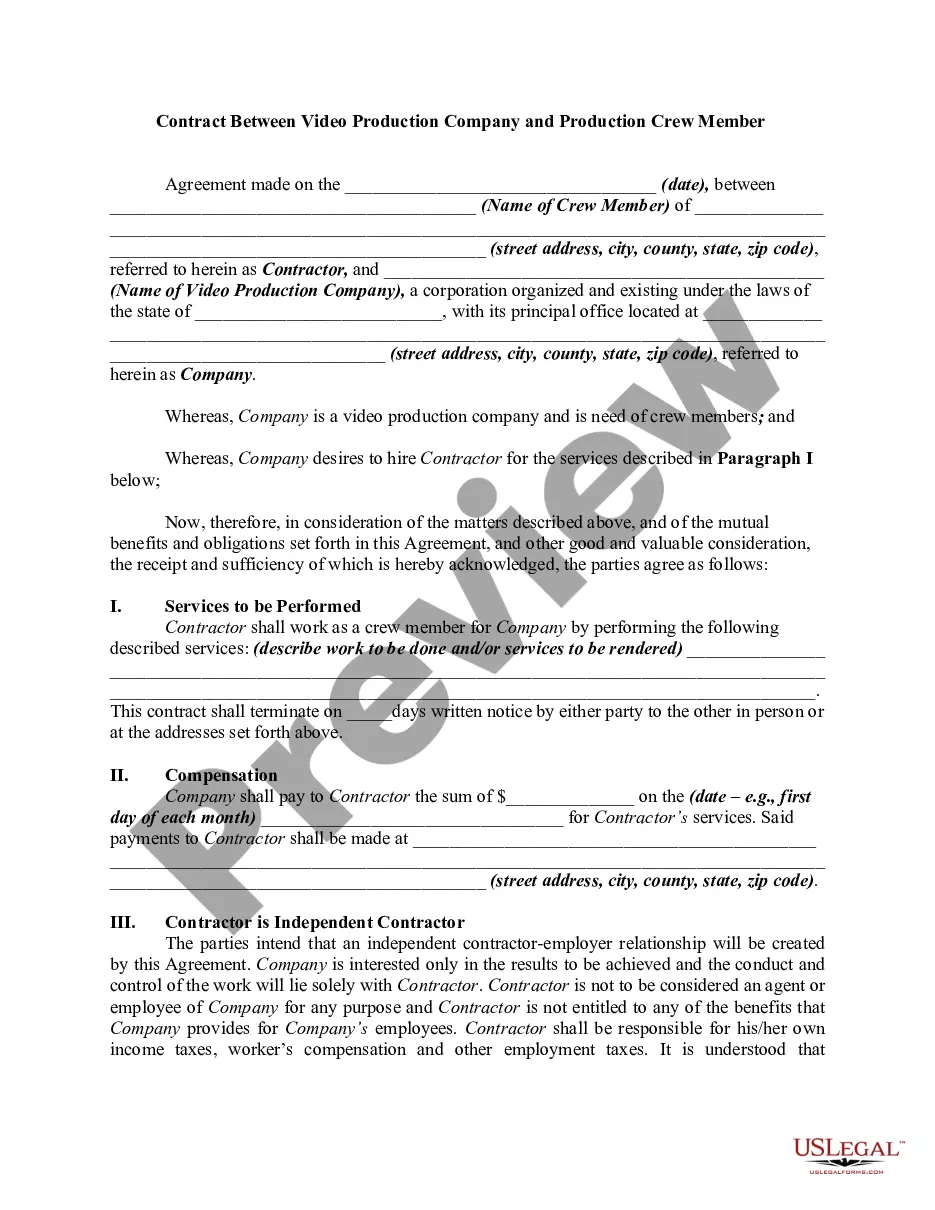
How to fill out Motion To Dismiss Criminal Charges For Failure To Follow Breathalyzer Protocols - DUI?
- If you're already a US Legal Forms subscriber, log in to your account, ensuring your subscription is active. Then, locate and click the Download button for your desired form.
- For new users, begin by exploring the comprehensive collection of forms available. Use the Preview mode to check details and confirm that the form aligns with your jurisdiction.
- Should you find discrepancies in your chosen form, utilize the Search function to find the correct version that matches your needs.
- Once you've finalized your selection, proceed to purchase by clicking the Buy Now button. Choose a subscription plan and create an account for seamless access.
- Complete your transaction using a credit card or PayPal. Once the payment is confirmed, you can download the document directly to your device.
- Access saved documents anytime via the My Forms section in your profile.
By following these straightforward steps, you can take advantage of US Legal Forms' extensive library of over 85,000 legal documents, ensuring you're well-equipped for any legal situation.
Don't wait for legal issues to arise. Start today by exploring the benefits of US Legal Forms and get your legal documents sorted quickly and efficiently!
Form popularity
FAQ
One of the most common reasons for case dismissal is the lack of evidence to support the charges. If the prosecution cannot prove the case beyond a reasonable doubt, dismissal is often the outcome. The distinction between charges dropped and dismissed is vital here, as each scenario has different legal implications.
Several reasons can lead to a case being dismissed, including inadequate evidence and procedural errors. If a defendant's rights were violated during the arrest or questioning, that could also result in dismissal. Knowing these common pitfalls can empower individuals facing criminal charges. It's helpful to consult resources such as US Legal Forms to better understand these processes.
Common reasons for case dismissal include insufficient evidence, prosecutorial misconduct, expiration of the statute of limitations, and plea agreements. Each of these factors contributes to the legal landscape where cases may be dropped or dismissed. Being aware of these reasons offers insights into potential outcomes in similar situations. Legal platforms like US Legal Forms provide resources to help individuals navigate these complexities.
Charges dropped typically refer to the prosecutor choosing not to pursue the case, while dismissed means a judge has ruled out the case after legal proceedings. Understanding this distinction helps individuals grasp their legal standing. Knowing whether you face dropped charges or a dismissal can help in planning your next steps.
The ease of getting charges dropped varies depending on the circumstances of each case. It often requires substantial evidence supporting your position, legal representation, and sometimes negotiations with the prosecutor. While some cases may have straightforward resolutions, others can become complicated. Exploring available legal options on platforms like US Legal Forms can provide guidance in these situations.
Many cases get dismissed due to lack of evidence. Prosecutors often realize that they cannot meet the burden of proof required for a conviction. Additionally, evidentiary issues or procedural mistakes can also lead to dismissals. Understanding the difference between charges dropped vs dismissed helps in navigating the legal landscape.
After you drop charges, the court will close your case, and you generally move on without any legal consequences. In many instances, your record should reflect that the charges no longer exist. This can be a relief for you and can also open doors for future opportunities, unburdened by previous legal troubles.
To get charges dropped, working closely with a competent attorney is key. They can analyze your case, identify weaknesses in the prosecution's arguments, and negotiate with them on your behalf. Platforms like US Legal Forms offer resources that can help you take the necessary legal steps towards getting your charges dropped.
Dropping charges can significantly reduce the risk of future prosecution for the same offense. Once charges are dropped, you typically cannot be tried again for that specific case, as it prevents double jeopardy. However, it’s essential to consult with a legal expert to understand any implications for future legal situations.
When charges against you are dropped, the prosecution no longer intends to move forward with their case. This usually means that you face no penalties, and your legal troubles are effectively over. In many situations, dropping charges can provide a fresh start, allowing you to focus on rebuilding your life.