Trust Form Revocable With A Property
Description
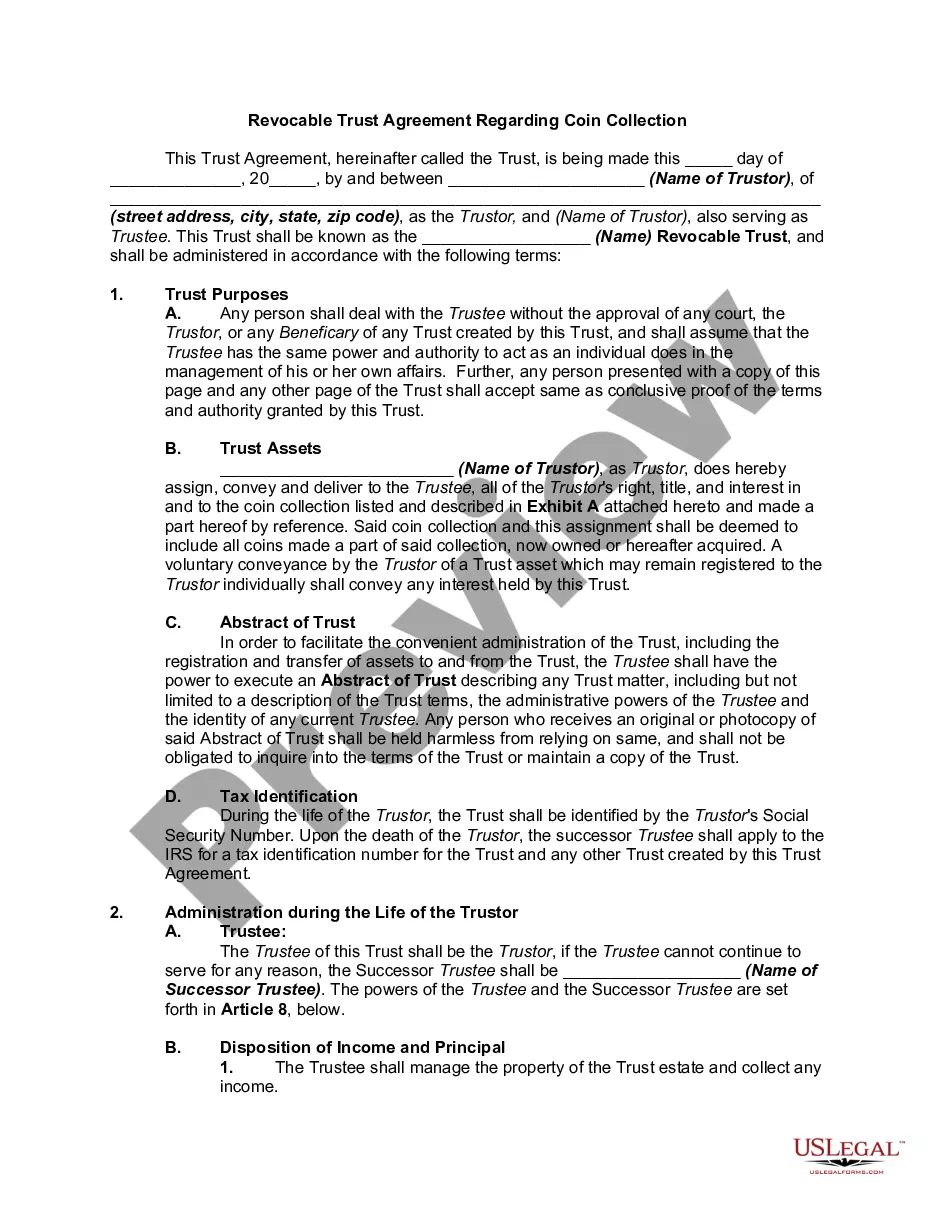
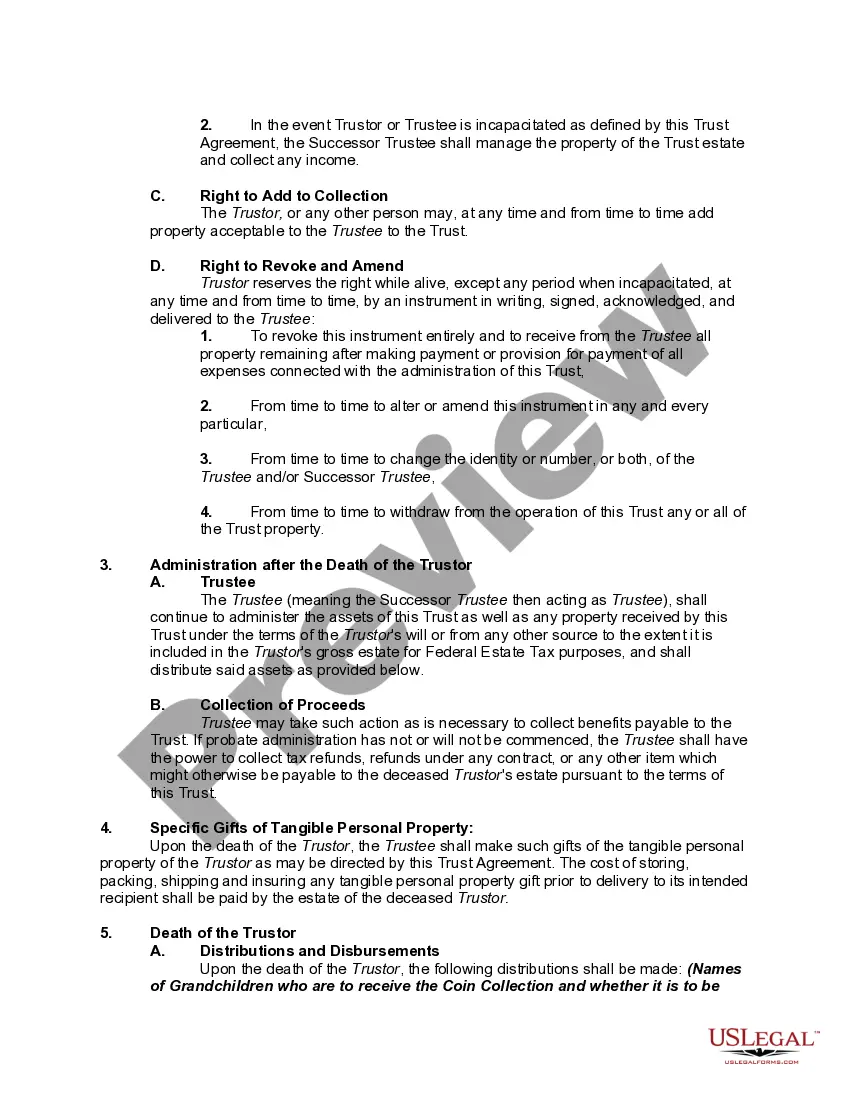
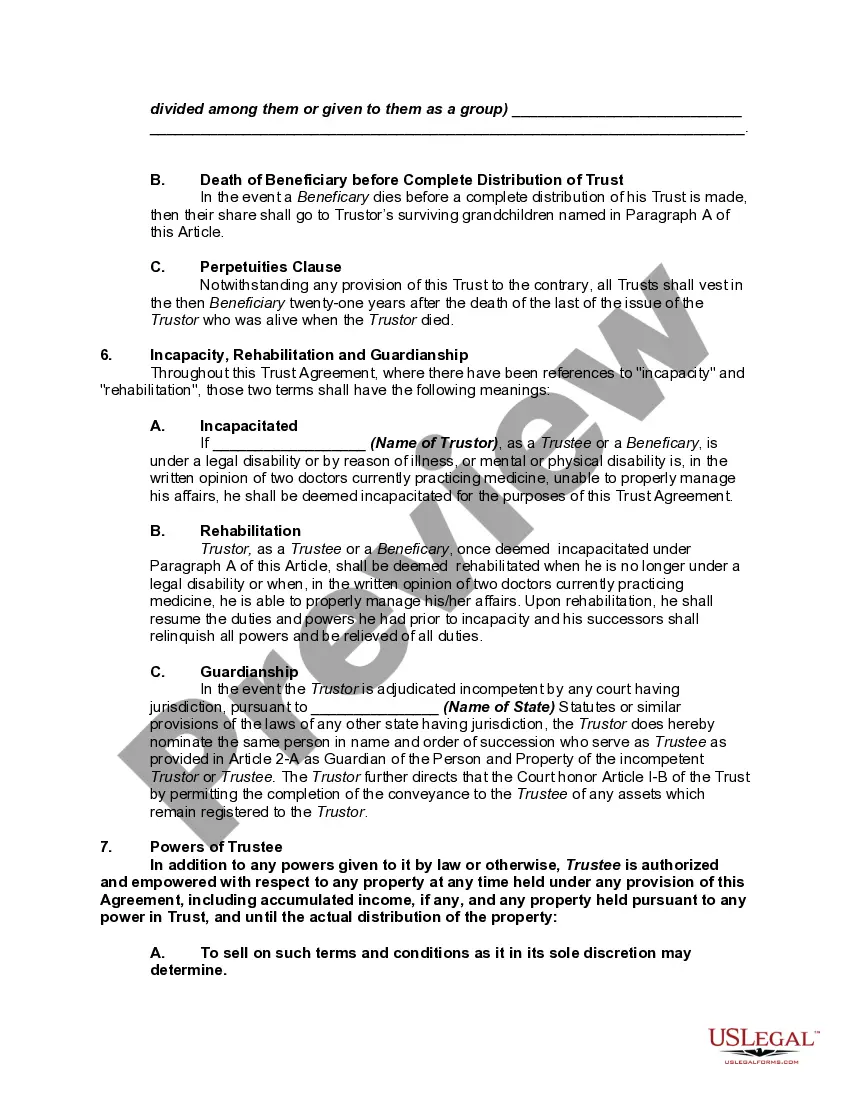
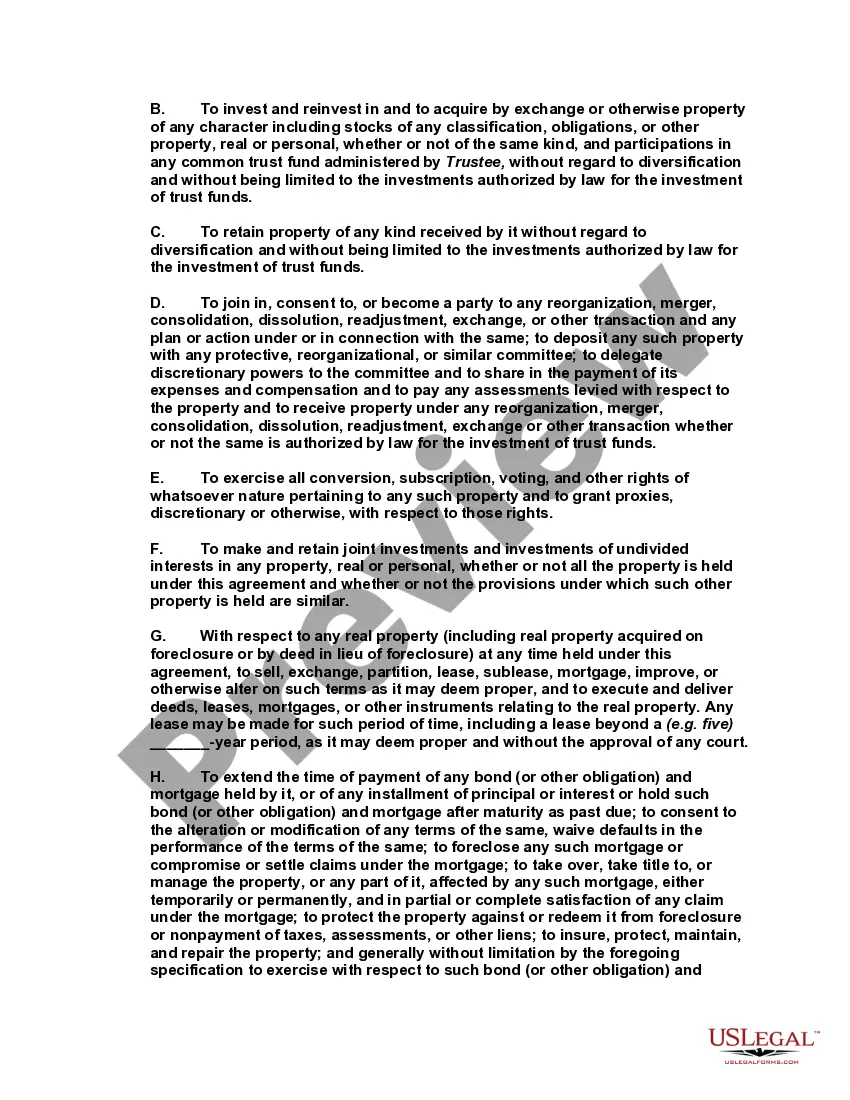
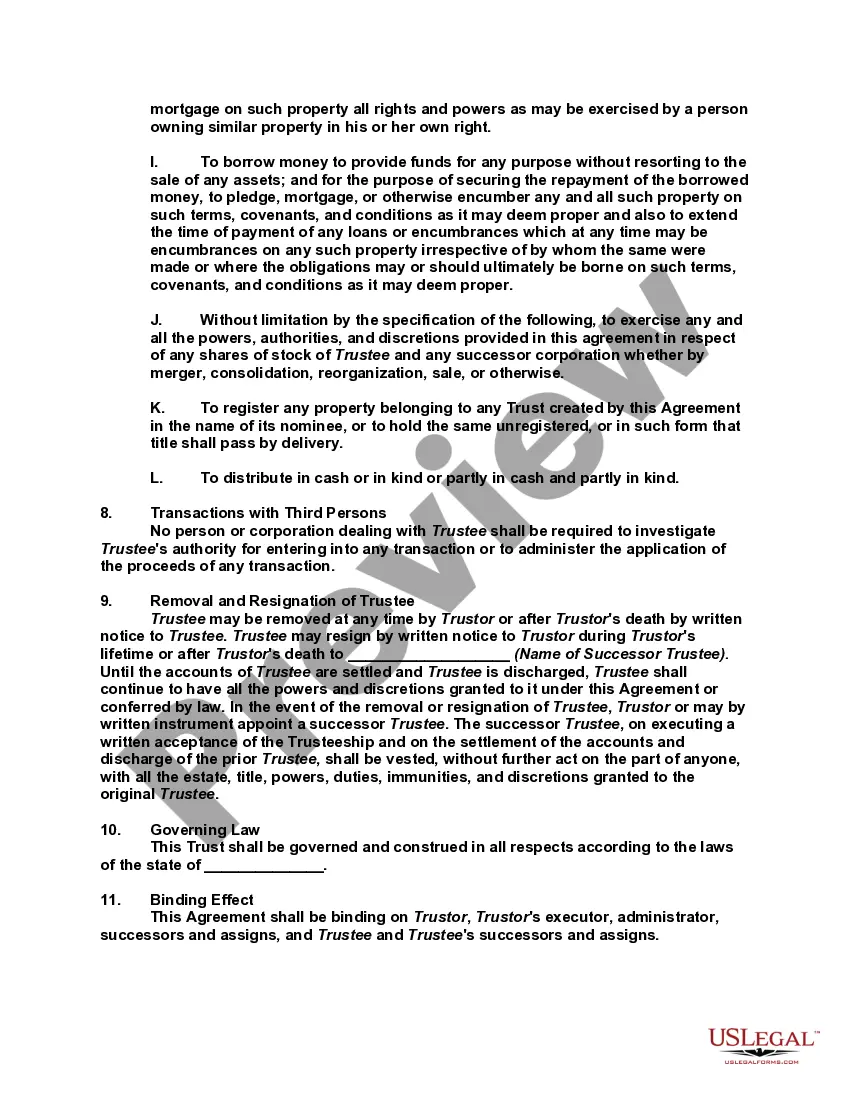
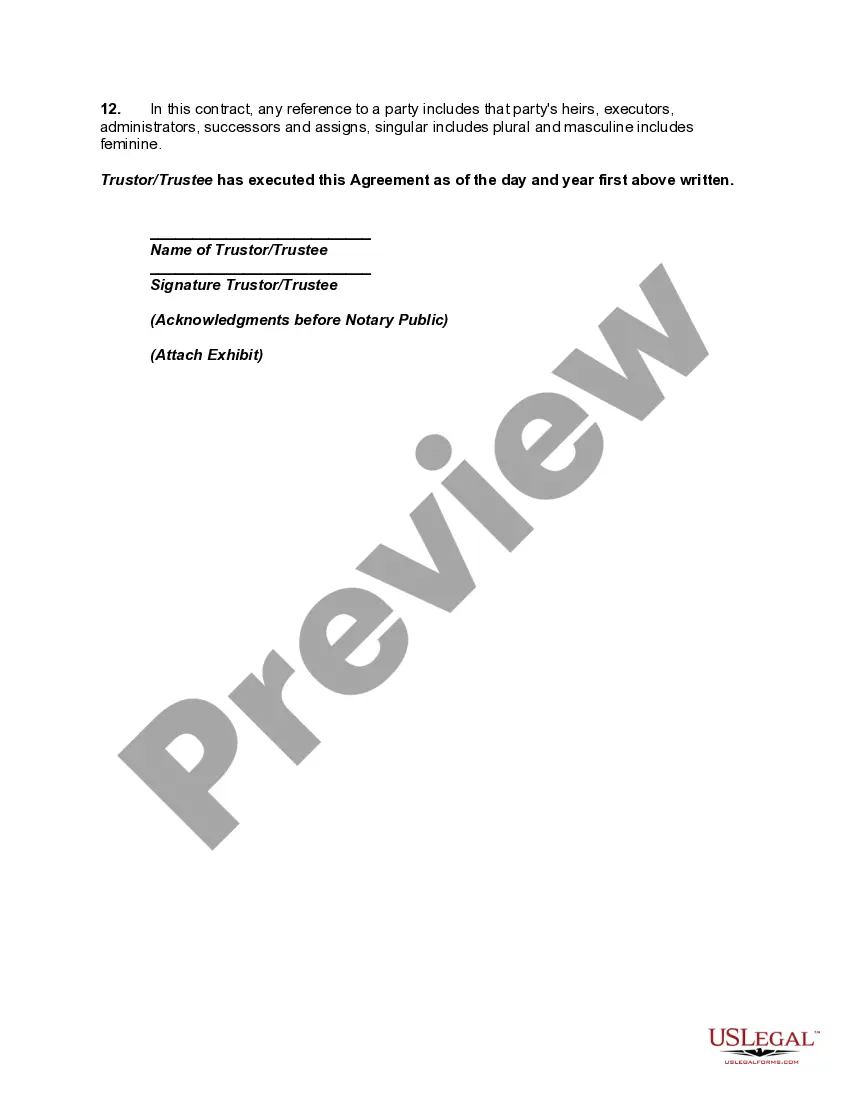
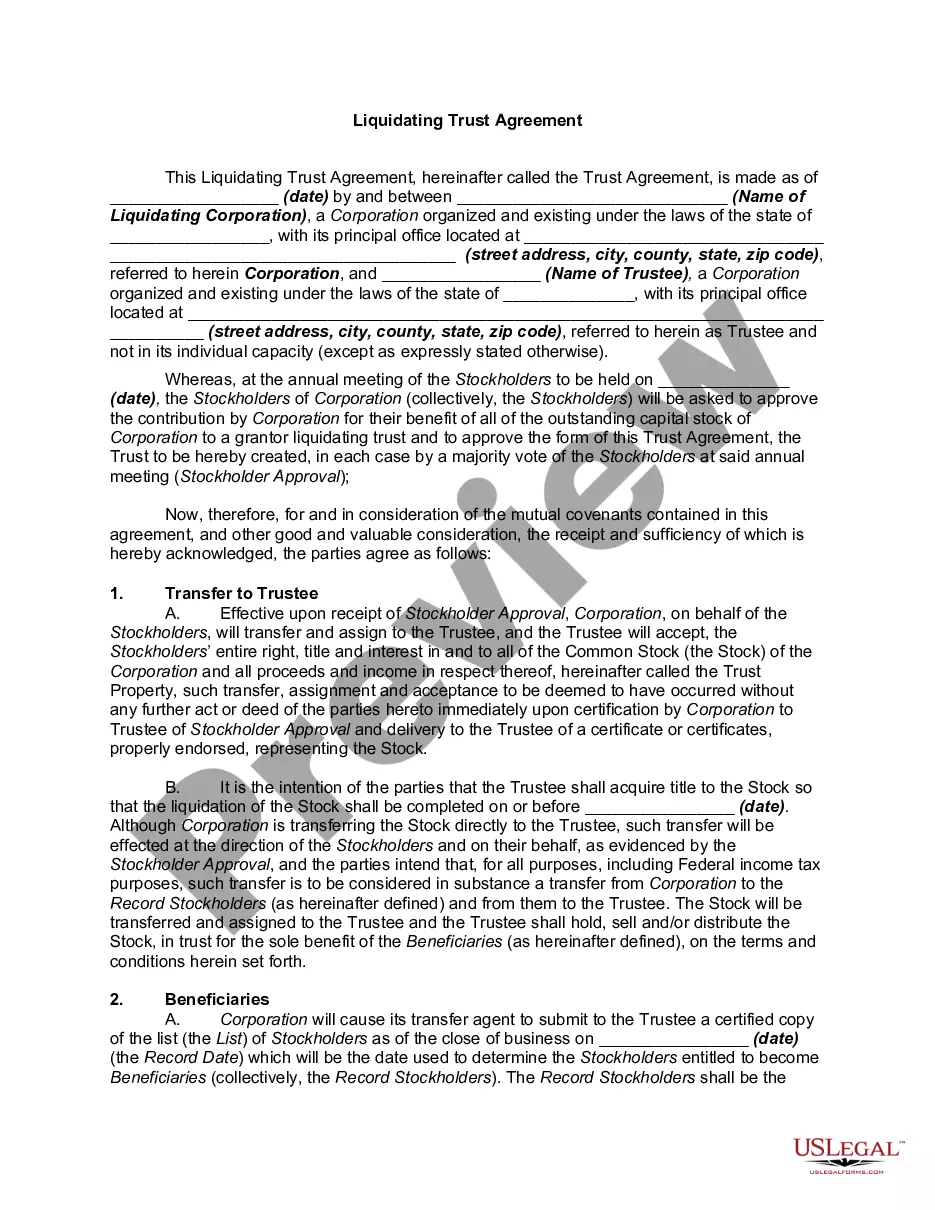
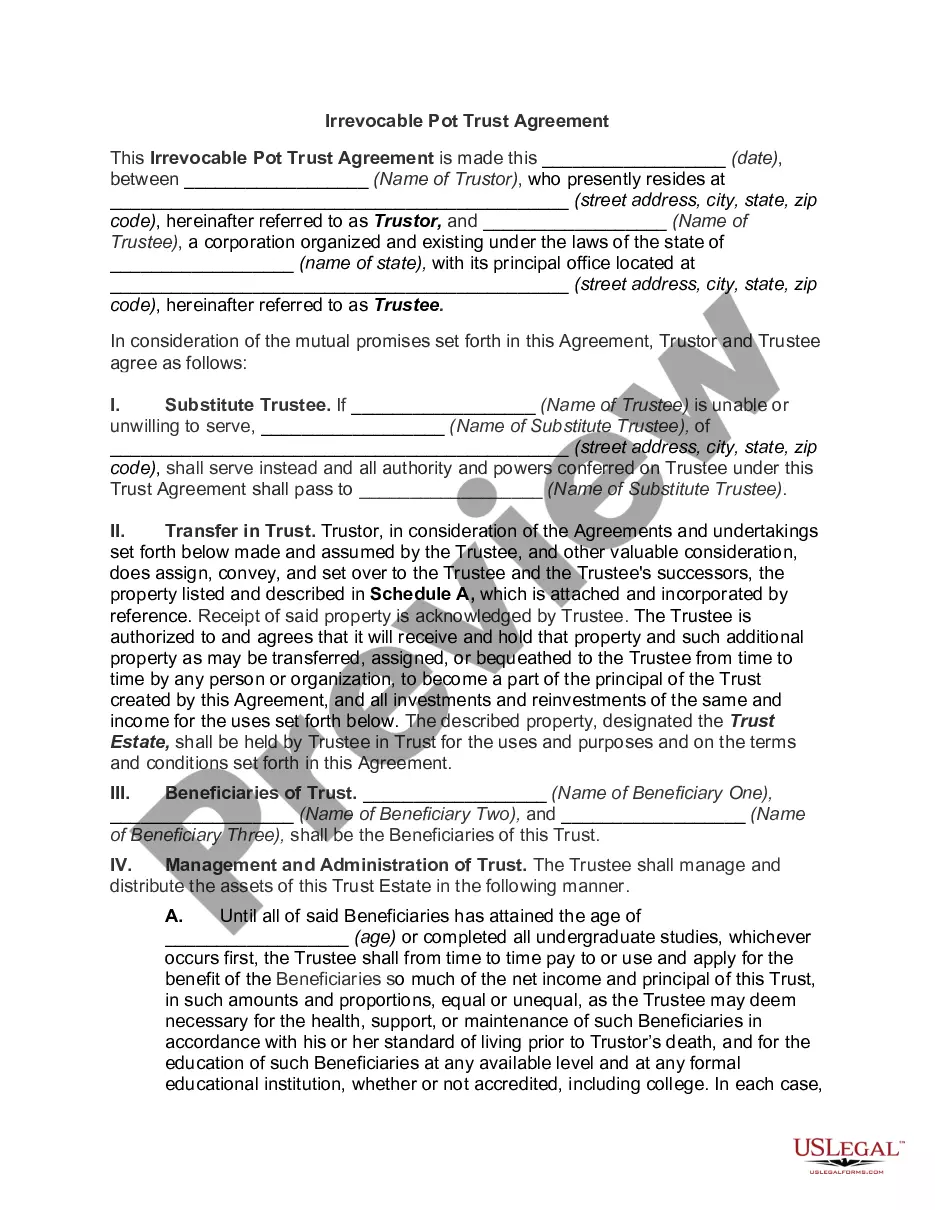
Get your form ready online
Our built-in tools help you complete, sign, share, and store your documents in one place.
Make edits, fill in missing information, and update formatting in US Legal Forms—just like you would in MS Word.
Download a copy, print it, send it by email, or mail it via USPS—whatever works best for your next step.
Sign and collect signatures with our SignNow integration. Send to multiple recipients, set reminders, and more. Go Premium to unlock E-Sign.
If this form requires notarization, complete it online through a secure video call—no need to meet a notary in person or wait for an appointment.
We protect your documents and personal data by following strict security and privacy standards.

Make edits, fill in missing information, and update formatting in US Legal Forms—just like you would in MS Word.

Download a copy, print it, send it by email, or mail it via USPS—whatever works best for your next step.

Sign and collect signatures with our SignNow integration. Send to multiple recipients, set reminders, and more. Go Premium to unlock E-Sign.

If this form requires notarization, complete it online through a secure video call—no need to meet a notary in person or wait for an appointment.

We protect your documents and personal data by following strict security and privacy standards.
Looking for another form?










How to fill out Revocable Trust Agreement Regarding Coin Collection?
- Log in to your US Legal Forms account. If you're a returning user, simply access your account and confirm your subscription is active to access the necessary templates.
- Browse the extensive library. Search for 'trust form revocable with a property' using the search bar, ensuring you select the right form that adheres to local jurisdiction requirements.
- Review the form details. Utilize the Preview mode to confirm that the selected template meets your specific needs.
- Select your subscription plan. Click on the 'Buy Now' button and choose the best plan that suits your requirements, and create your account if it's your first time.
- Complete the payment process. Enter your payment information, either via credit card or PayPal, to finalize your subscription.
- Download your form. Save the trust document directly to your device for easy access and further completion.
In summary, US Legal Forms simplifies the process of obtaining legal documents, offering a vast library of over 85,000 fillable forms. This makes it an invaluable resource for both individuals and legal professionals.
Start taking control of your legal needs today by visiting US Legal Forms and exploring our extensive offerings!
Form popularity
FAQ
To put assets in a revocable trust, start by creating a trust form revocable with a property that outlines the terms of the trust. Next, you will need to retitle your assets, such as real estate or bank accounts, in the name of the trust. This process ensures that your assets are managed according to your wishes, providing a clear path for distribution upon your passing.
The downside of placing assets in a trust, particularly a trust form revocable with a property, is that it may incur initial setup costs and ongoing administrative tasks. Additionally, while revocable trusts offer flexibility, they do not provide asset protection from creditors. You might also face complexities when managing your assets, as you must retitle them in the name of the trust.
When setting up a trust form revocable with a property, be mindful of assets that may not belong in a trust. For example, assets that require immediate access, like personally held vehicles or certain investment accounts, may complicate transactions. It's also wise to avoid including assets that have specific beneficiary designations, as these may bypass the trust altogether. Consulting with a legal professional can provide clarity on what to include or exclude.
Including bank accounts in your trust form revocable with a property can offer benefits, such as avoiding probate and simplifying estate management. However, consider the account types and transaction needs, as some accounts may face limitations on transferability. It's advisable to discuss your specific situation with a legal expert to determine the best approach for your bank accounts.
To place assets into a trust form revocable with a property, start by creating the trust document that outlines its terms and conditions. Next, you will need to retitle the property in the name of the trust, which typically involves filing a new deed for real estate or changing the account ownership for financial assets. Working with a legal professional can streamline this process and ensure all assets are properly transferred.
When creating a trust form revocable with a property, certain assets are better kept outside of the trust. For instance, retirement accounts like IRAs and 401(k)s should generally remain separate to avoid tax consequences. Additionally, life insurance policies and health savings accounts may also be excluded to maintain their specific benefits. It's important to assess each asset's unique implications before moving them into a trust.
The basis of property in a revocable trust is its fair market value at the time of transfer. When you create a trust form revocable with a property, you retain control and can make changes at any time. This flexibility allows you to manage your assets effectively while ensuring your beneficiaries receive them without the complications of probate. By using a platform like US Legal Forms, you can simplify the process of setting up your revocable trust and make informed decisions about your property.
One major mistake parents often make is failing to properly fund the trust. Simply creating a trust document is not enough; you need to ensure that your assets, including your house, are retitled and included in the trust. By using a trust form revocable with a property, you can easily manage these aspects, but it is crucial to review your trust regularly to ensure it reflects your current wishes.
You may consider placing your house in a revocable trust to facilitate the management of your property while you are alive and to streamline the transfer process after your passing. This approach allows you to retain control and access to the property during your lifetime. Additionally, using a trust form revocable with a property helps avoid the complexities associated with probate, ensuring that your asset is distributed according to your wishes.
The best way to leave a house to your children is through a revocable trust, as it helps avoid probate and ensures a smoother transfer of ownership. This method allows you to outline specific instructions on how and when your children will receive the property. Furthermore, a trust form revocable with a property keeps your wishes clear and legally binding, making it a wonderful option for your estate planning.