Tax Form For Revocable Trust
Description
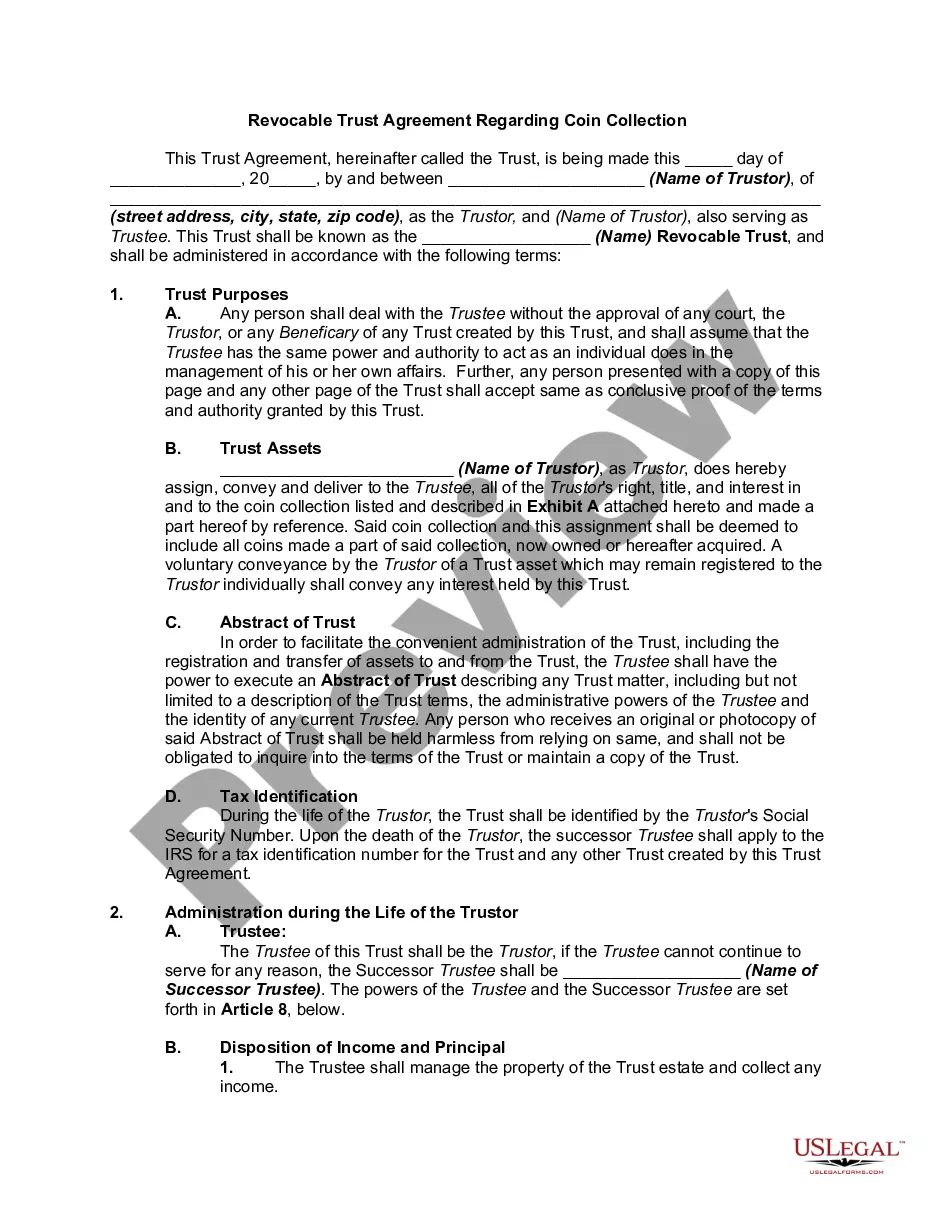
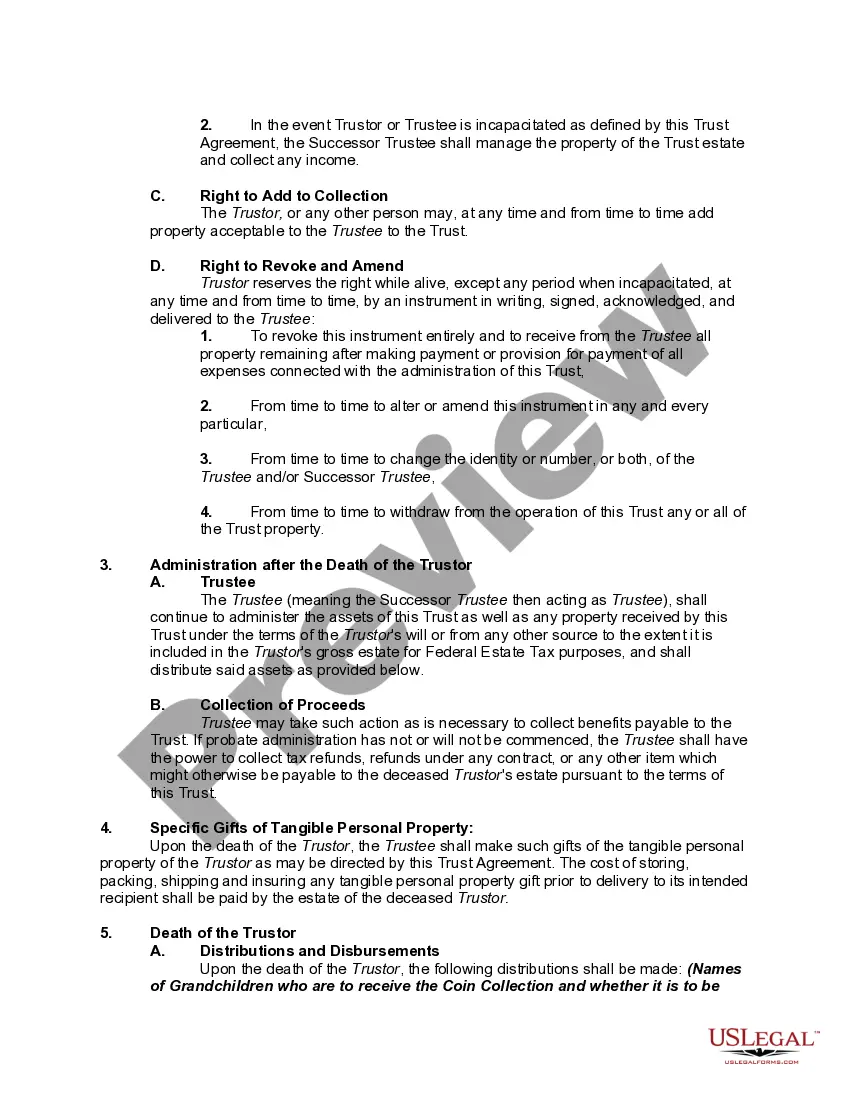
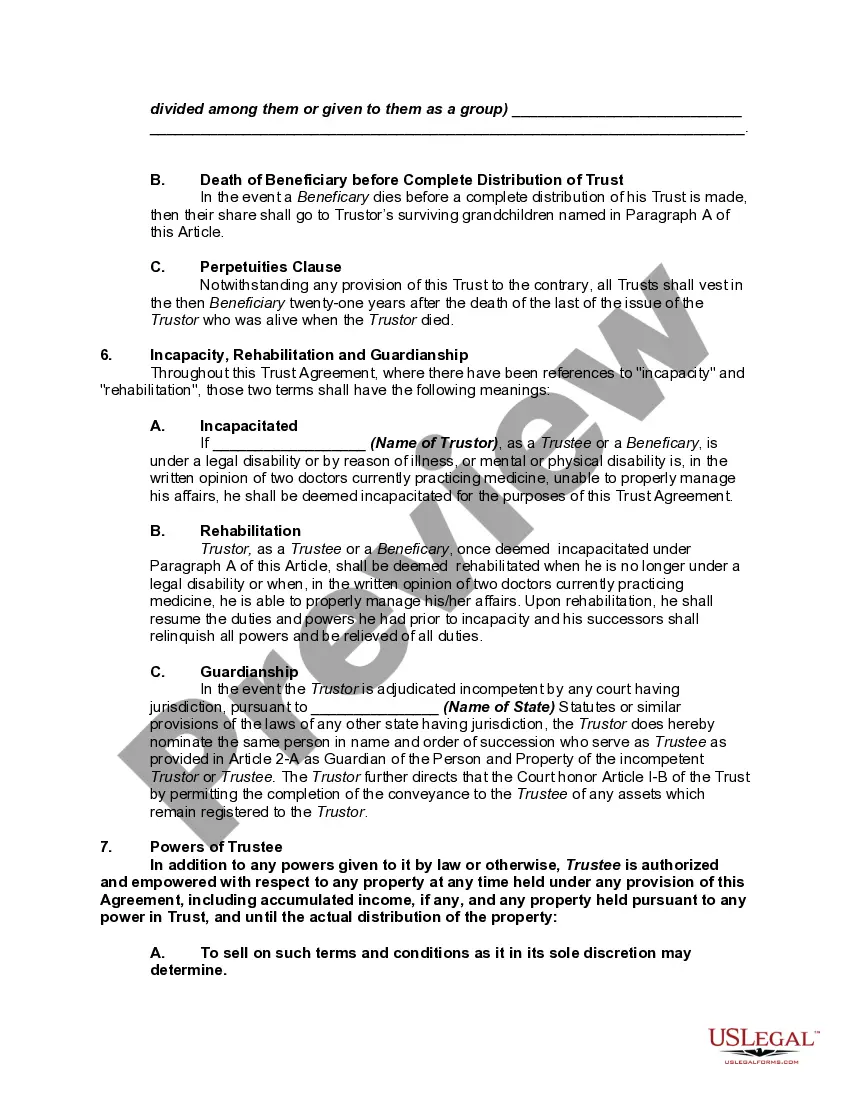
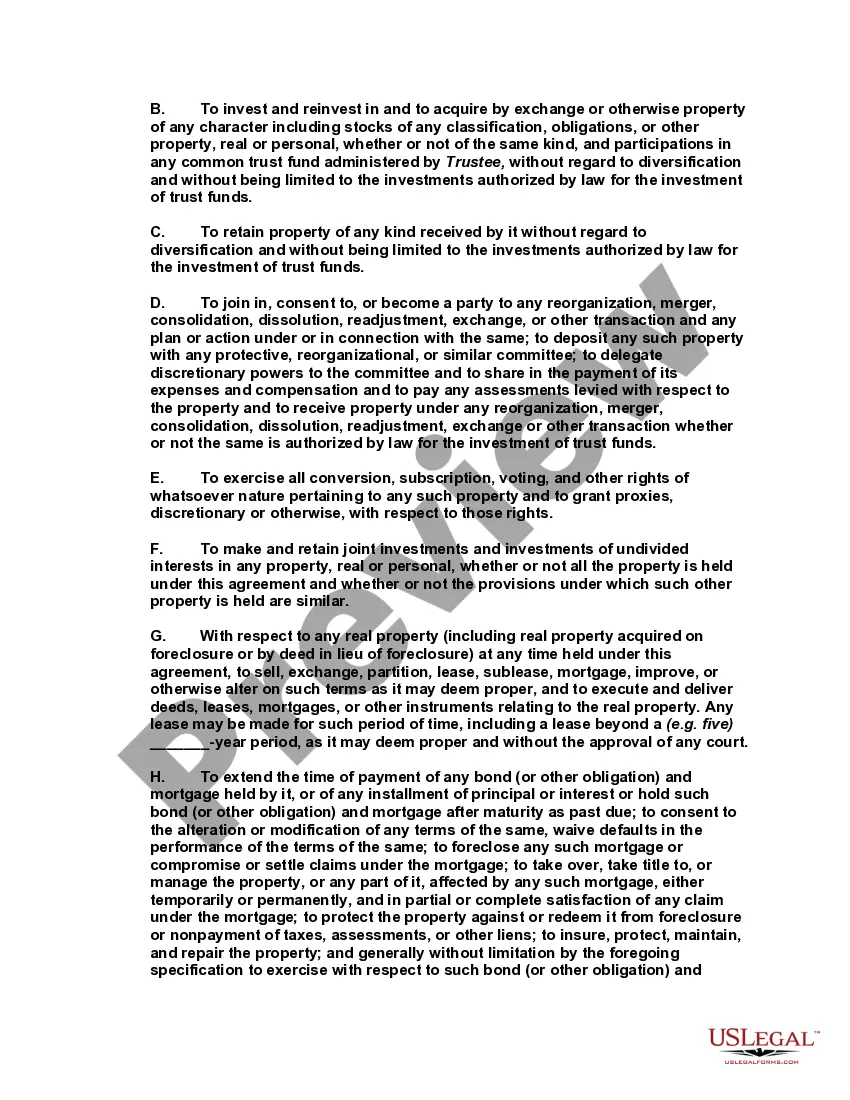
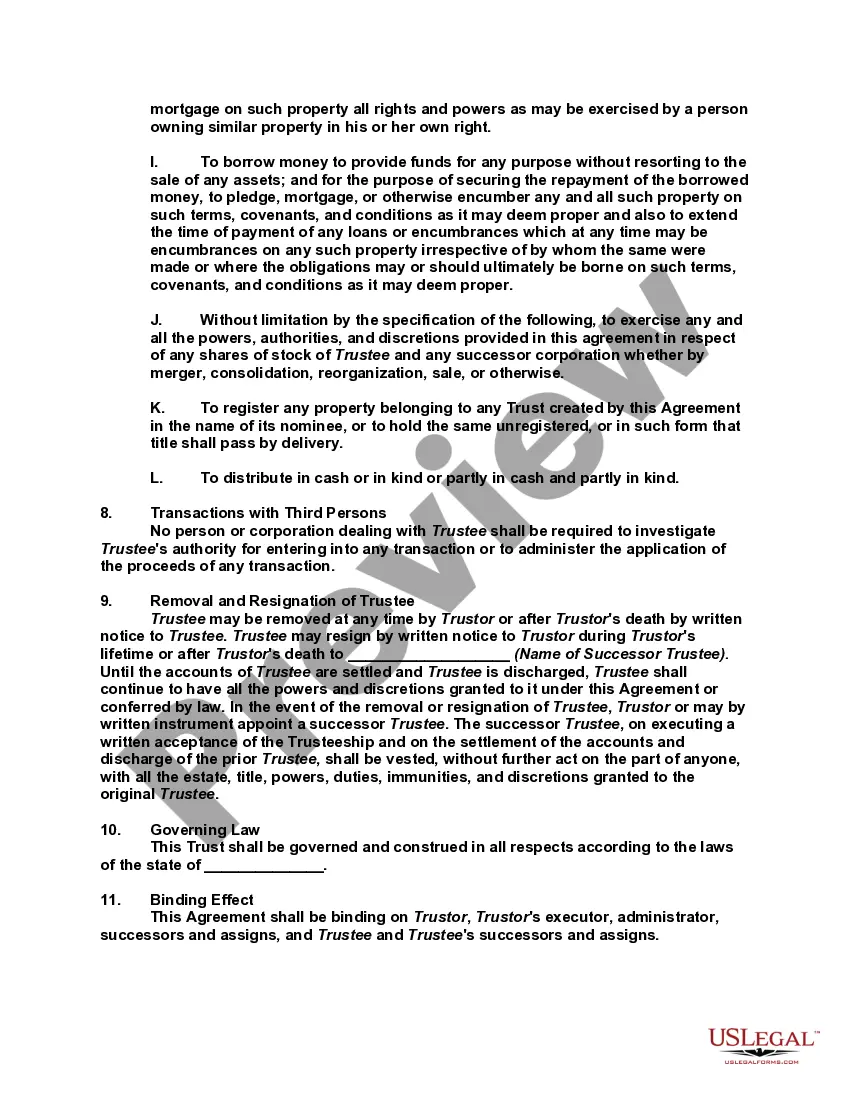
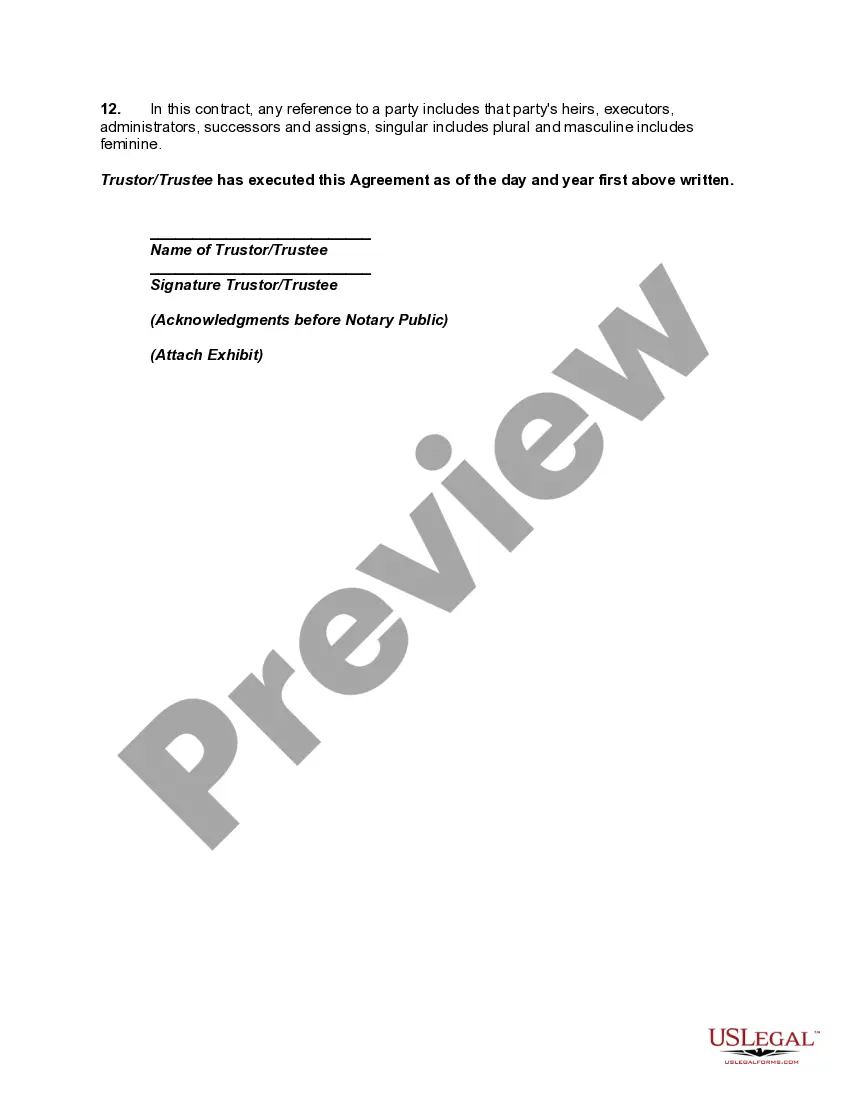
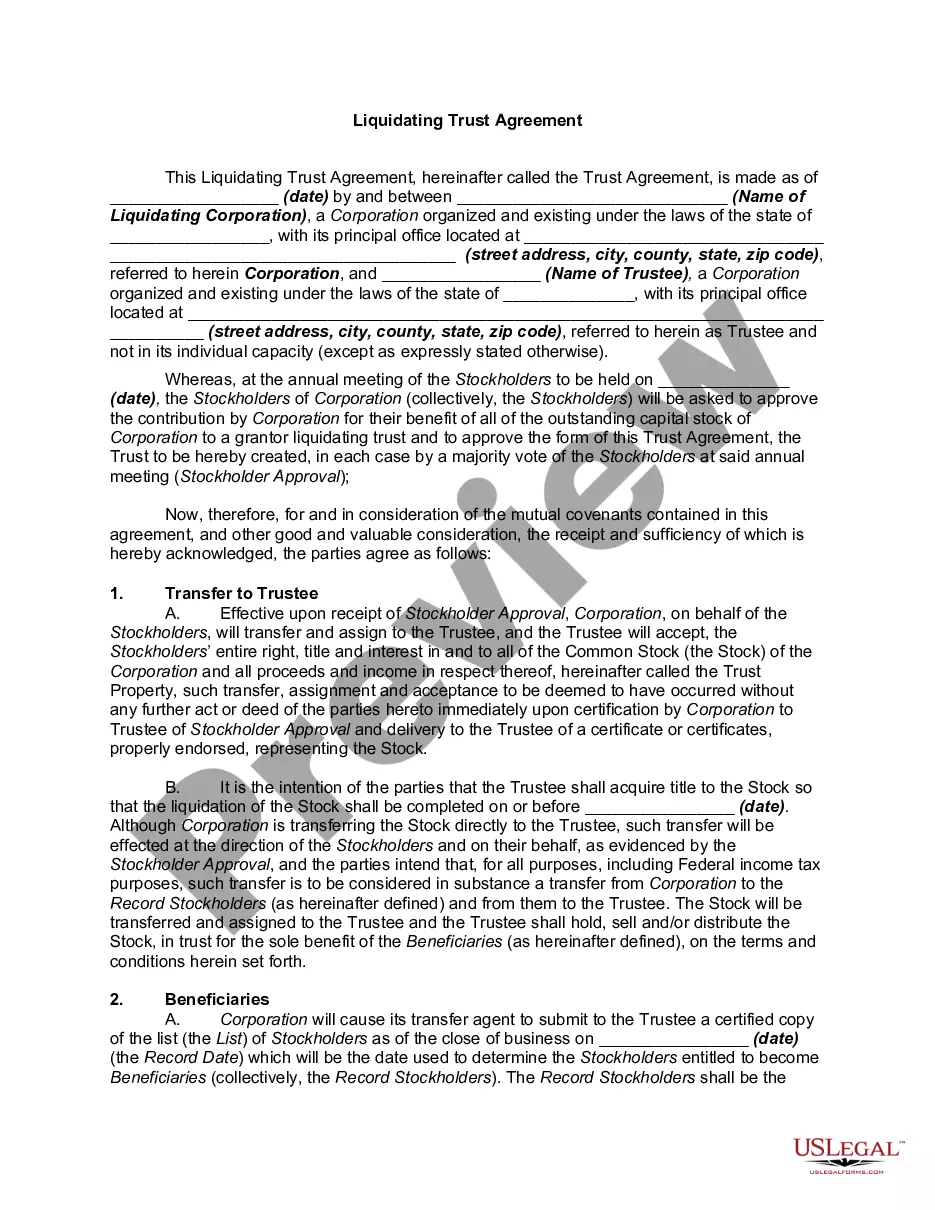
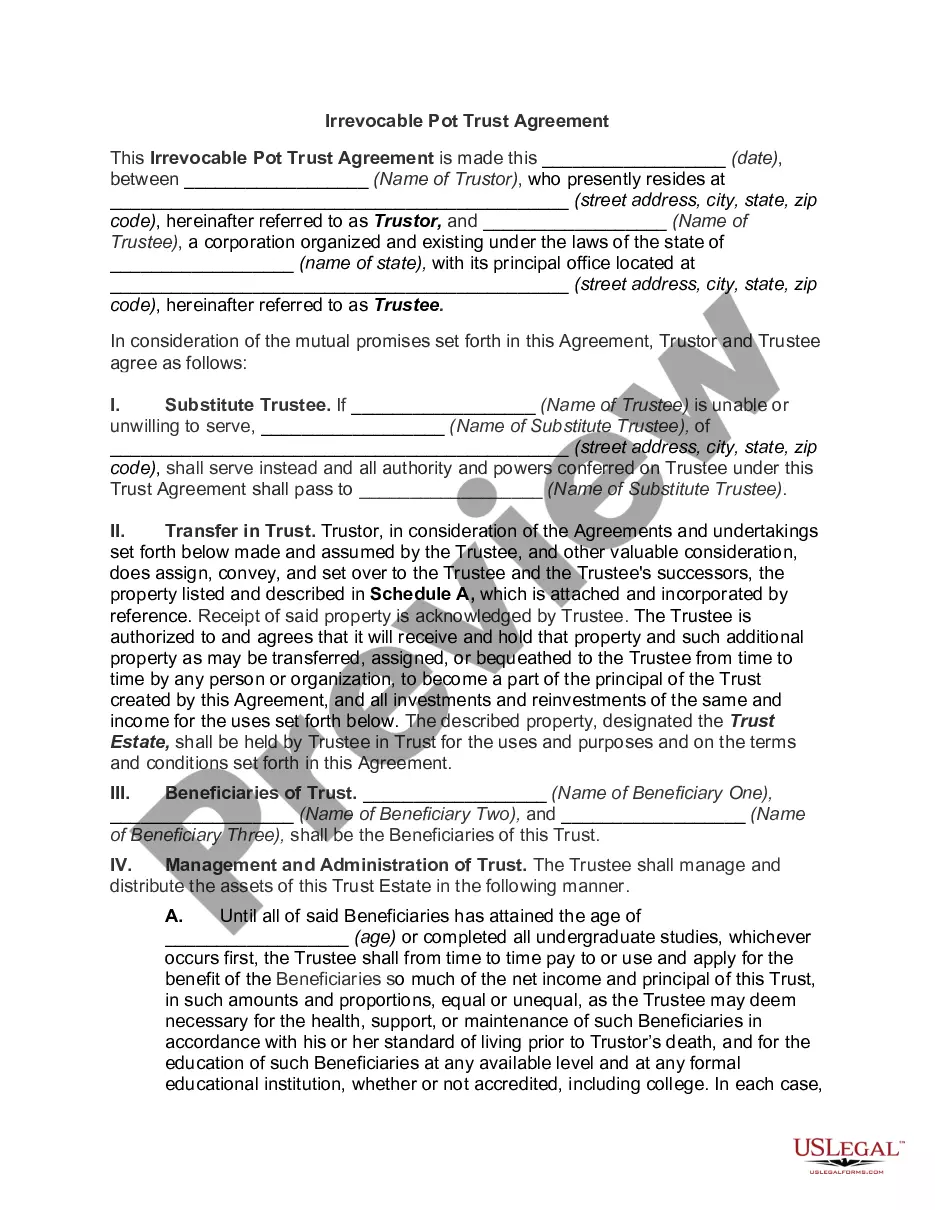
Get your form ready online
Our built-in tools help you complete, sign, share, and store your documents in one place.
Make edits, fill in missing information, and update formatting in US Legal Forms—just like you would in MS Word.
Download a copy, print it, send it by email, or mail it via USPS—whatever works best for your next step.
Sign and collect signatures with our SignNow integration. Send to multiple recipients, set reminders, and more. Go Premium to unlock E-Sign.
If this form requires notarization, complete it online through a secure video call—no need to meet a notary in person or wait for an appointment.
We protect your documents and personal data by following strict security and privacy standards.

Make edits, fill in missing information, and update formatting in US Legal Forms—just like you would in MS Word.

Download a copy, print it, send it by email, or mail it via USPS—whatever works best for your next step.

Sign and collect signatures with our SignNow integration. Send to multiple recipients, set reminders, and more. Go Premium to unlock E-Sign.

If this form requires notarization, complete it online through a secure video call—no need to meet a notary in person or wait for an appointment.

We protect your documents and personal data by following strict security and privacy standards.
Looking for another form?






How to fill out Revocable Trust Agreement Regarding Coin Collection?
- Login to your US Legal Forms account if you are an existing user. Ensure your subscription is active to access the necessary templates.
- For new users, begin by browsing the extensive library. Use the Preview mode to review the tax form for revocable trust, ensuring it matches your requirements and adheres to your local laws.
- If no suitable form is found, utilize the Search feature to find the correct document that fits your specific needs.
- Select the desired tax form for revocable trust and click on the Buy Now button to choose your subscription plan. Registration may be required to unlock the document library.
- Complete your purchase by entering your payment details via credit card or PayPal, securing your access to the legal forms.
- Finally, download the form to your device. You can later find it in the My Forms section of your profile whenever you need it.
In conclusion, US Legal Forms simplifies the process of obtaining legal documents, empowering both individuals and attorneys to handle their legal needs efficiently. With a vast collection of forms and premium expert support, you can ensure that your legal documents are accurate and compliant.
Get started today and access the tax form for revocable trust with ease!
Form popularity
FAQ
The primary downside to a revocable trust is the potential for increased administrative tasks and expenses. Set-up and management can require time and attention to detail, including maintaining accurate records. Additionally, assets in a revocable trust may not avoid estate taxes, and you will ultimately need a tax form for revocable trust during tax season.
Filing taxes for a revocable trust involves using specific forms that can be complex for newcomers. You typically report income generated by the trust on your personal tax return, using IRS Form 1041 or a tax form for revocable trust. It's often best to consult a tax professional to ensure compliance and proper filing.
Generally, it’s wise to keep certain assets out of a revocable trust to avoid complications. For example, retirement accounts such as IRAs and 401(k)s should be retained outside of the trust. This is because these accounts have specific tax implications, and transferring them may require additional paperwork and a tax form for revocable trust.
While revocable trusts offer flexibility, they also have downsides. One main drawback is that they do not provide protection from creditors. You should also be aware that assets in a revocable trust may still be subject to estate taxes, and you will require a tax form for revocable trust when filing taxes, which can add complexity.
A revocable trust generally does not file a separate tax return as it is considered a disregarded entity for tax purposes. Instead, the income is reported on the grantor's Form 1040, utilizing the tax form for revocable trust. If the trust generates income, it is critical to ensure accurate reporting to avoid tax complications.
Yes, trusts generally must file a federal tax return if they have taxable income. For revocable trusts, this typically means the income flows through to the grantor, who reports it on their personal return. When dealing with trusts, using the right tax form for revocable trust simplifies the process of income reporting.
The IL 1041 must be filed by estates and trusts that generate income above a certain threshold. This includes revocable trusts that earn income, as they are required to report this on the tax form for revocable trust. Compliance with Illinois state tax laws ensures proper management and reporting of trust assets.
Form 1040 is the standard individual income tax return used by taxpayers to report their personal income. In contrast, Form 1041 is specifically for estates and trusts, including revocable trusts, to report income generated during the tax year. Understanding the difference between these forms is essential for filing the correct tax form for revocable trust.
Yes, revocable trusts do file tax returns, but the process can be straightforward. The income generated by the trust is typically reported on the grantor's personal tax return, using the tax form for revocable trust. Since the grantor retains control over the assets, there is generally no separate tax liability for the trust itself.
Generally, a revocable trust does not file a Form 1041 while the grantor is alive, as the income is reported on the grantor's personal tax return. However, upon the grantor's death, the trust may become irrevocable and could be subject to filing Form 1041. It is crucial to stay informed about the tax form for revocable trust to ensure all tax responsibilities are met.