Revocable Trust Regarding For A Payment
Description
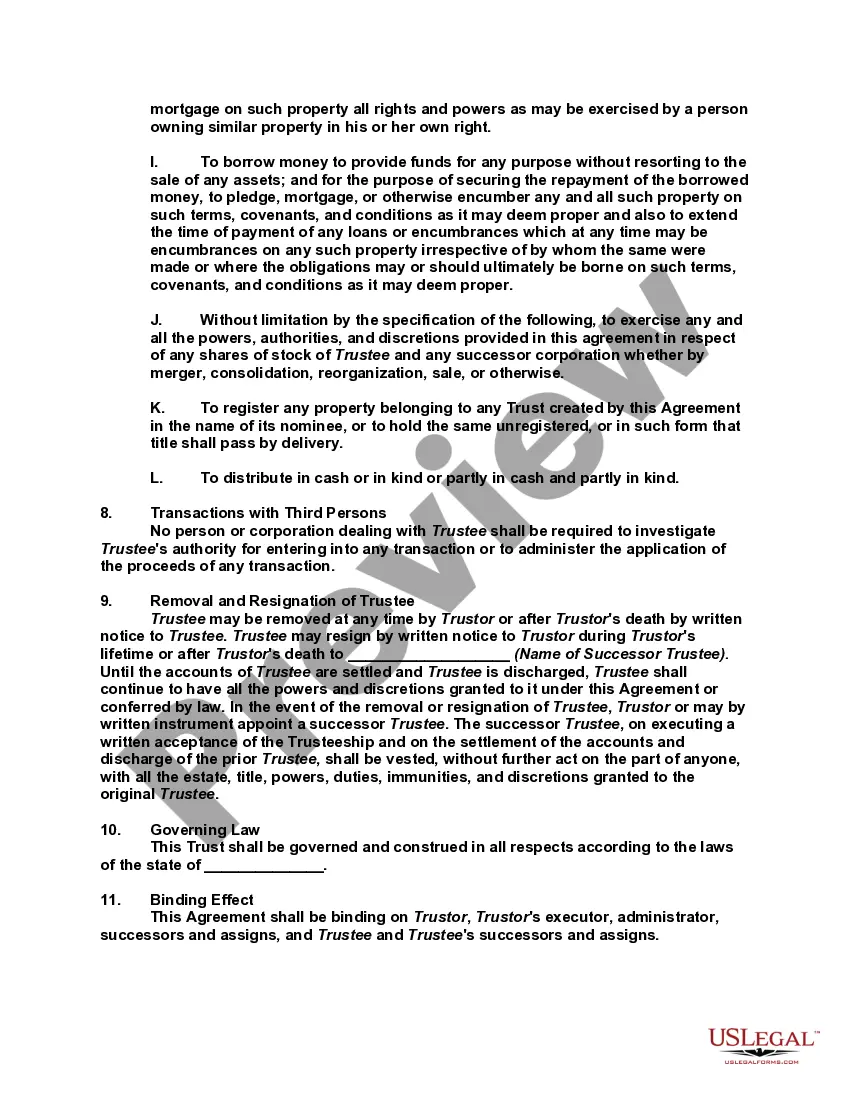
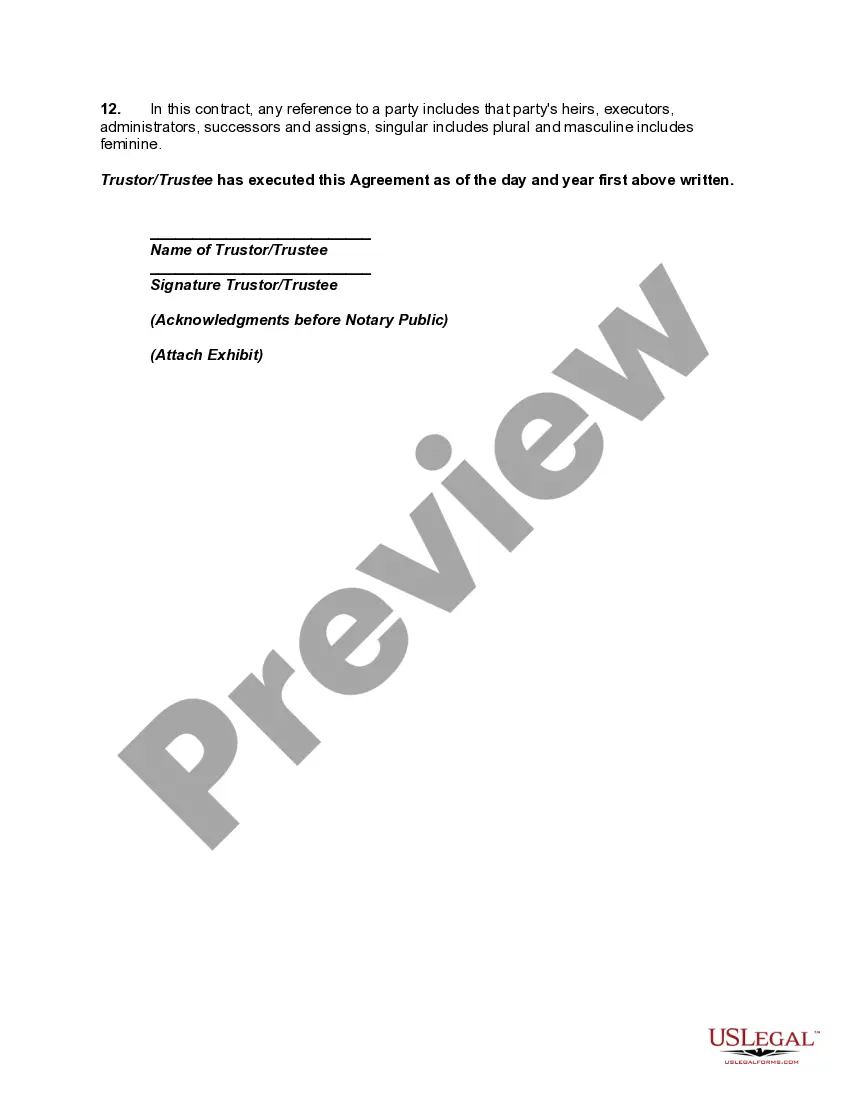
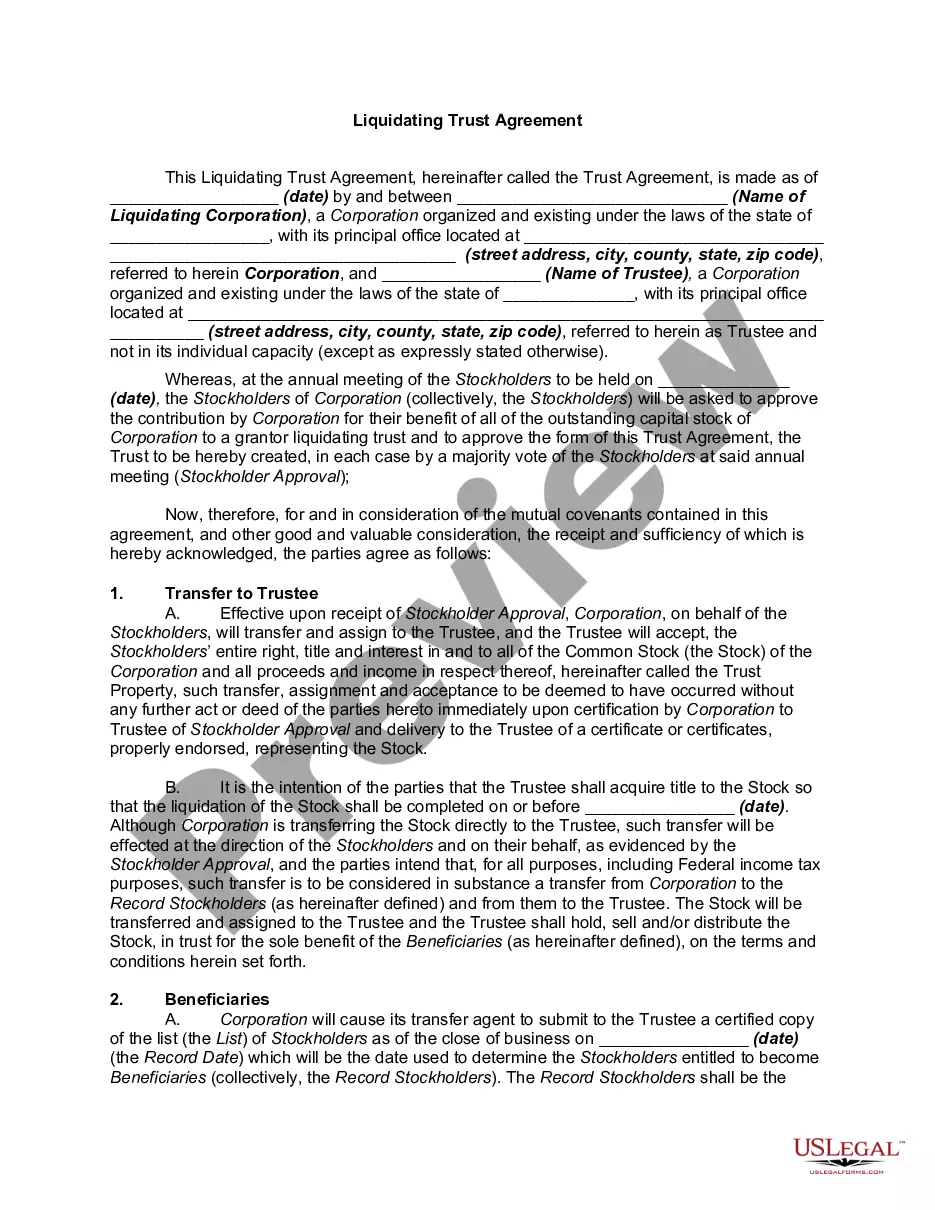
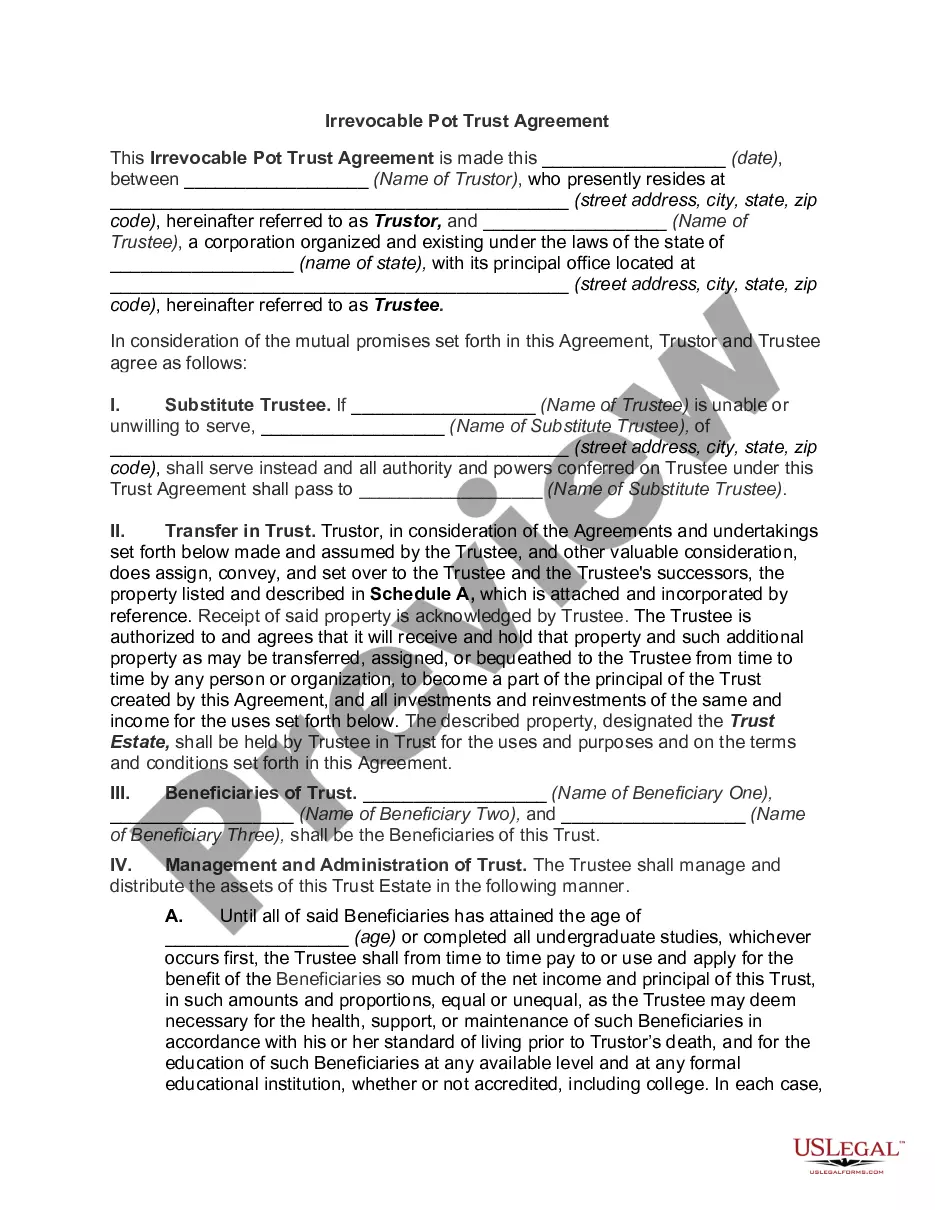
Get your form ready online
Our built-in tools help you complete, sign, share, and store your documents in one place.
Make edits, fill in missing information, and update formatting in US Legal Forms—just like you would in MS Word.
Download a copy, print it, send it by email, or mail it via USPS—whatever works best for your next step.
Sign and collect signatures with our SignNow integration. Send to multiple recipients, set reminders, and more. Go Premium to unlock E-Sign.
If this form requires notarization, complete it online through a secure video call—no need to meet a notary in person or wait for an appointment.
We protect your documents and personal data by following strict security and privacy standards.

Make edits, fill in missing information, and update formatting in US Legal Forms—just like you would in MS Word.

Download a copy, print it, send it by email, or mail it via USPS—whatever works best for your next step.

Sign and collect signatures with our SignNow integration. Send to multiple recipients, set reminders, and more. Go Premium to unlock E-Sign.

If this form requires notarization, complete it online through a secure video call—no need to meet a notary in person or wait for an appointment.

We protect your documents and personal data by following strict security and privacy standards.
Looking for another form?





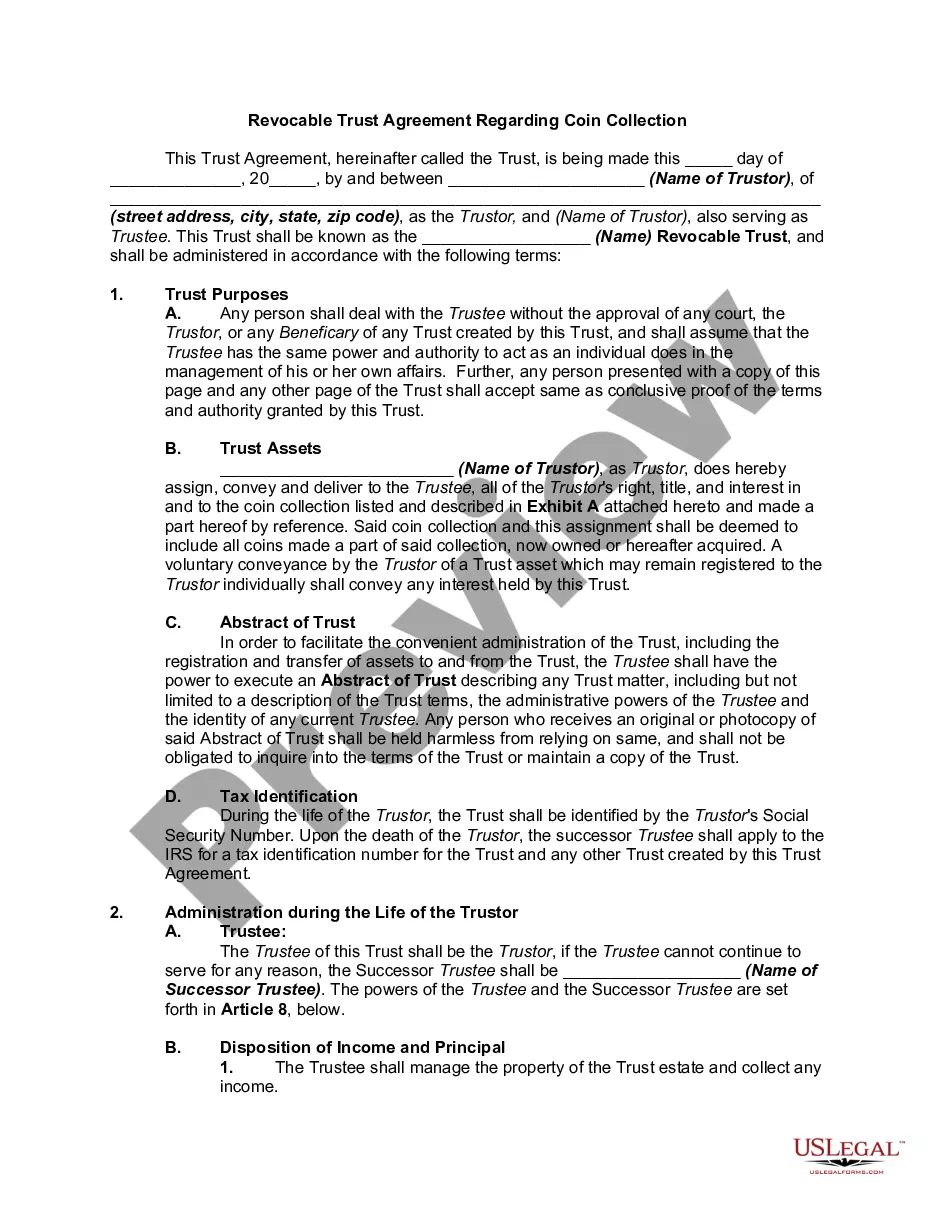
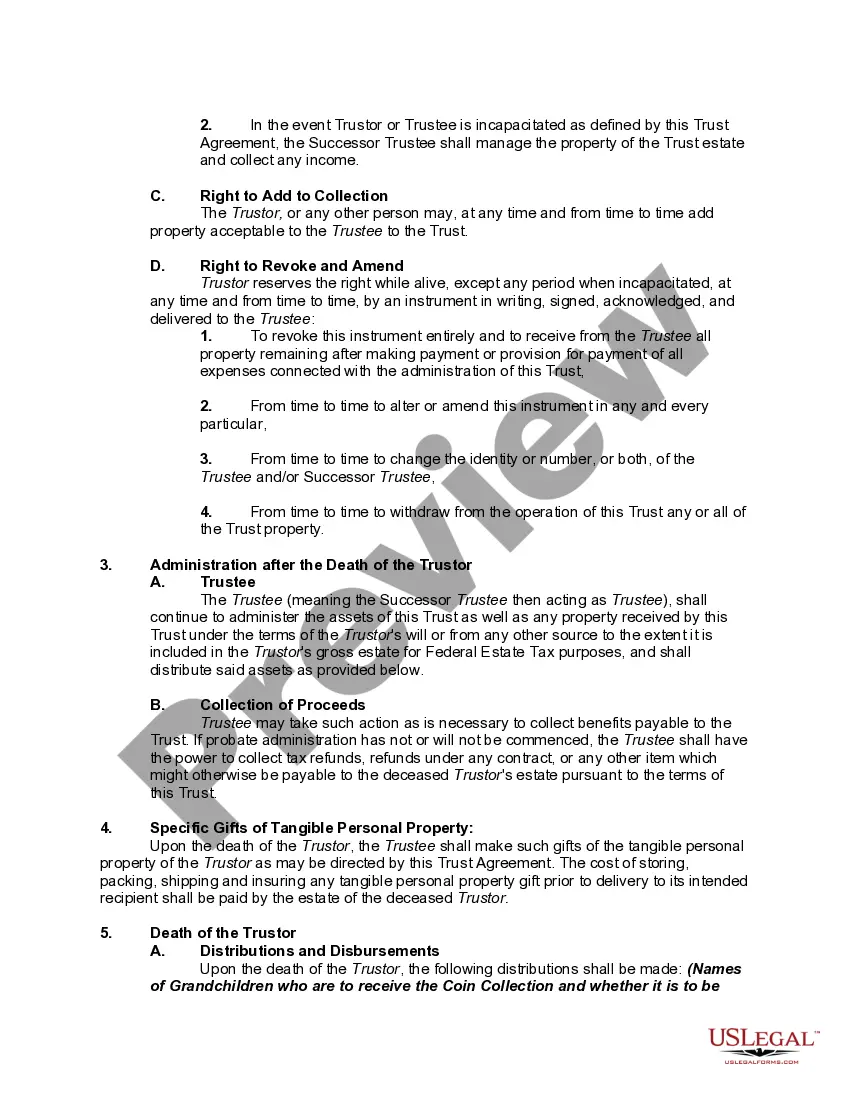
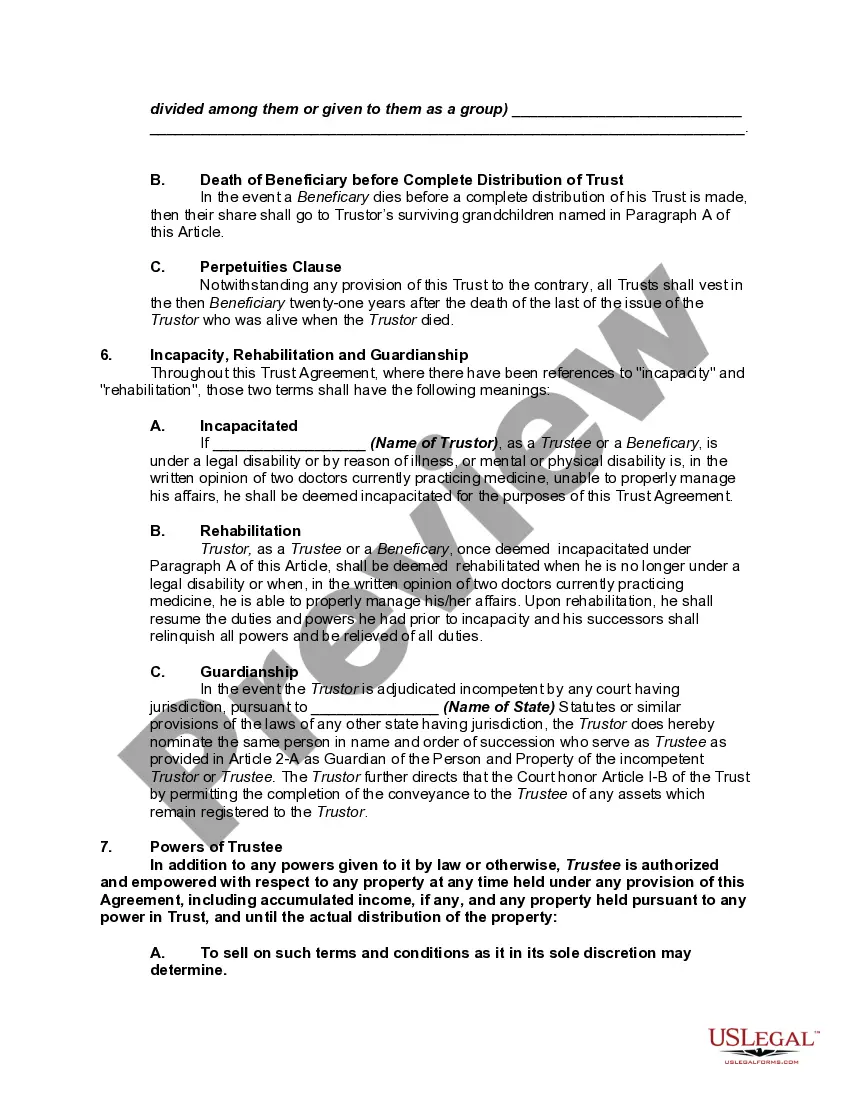
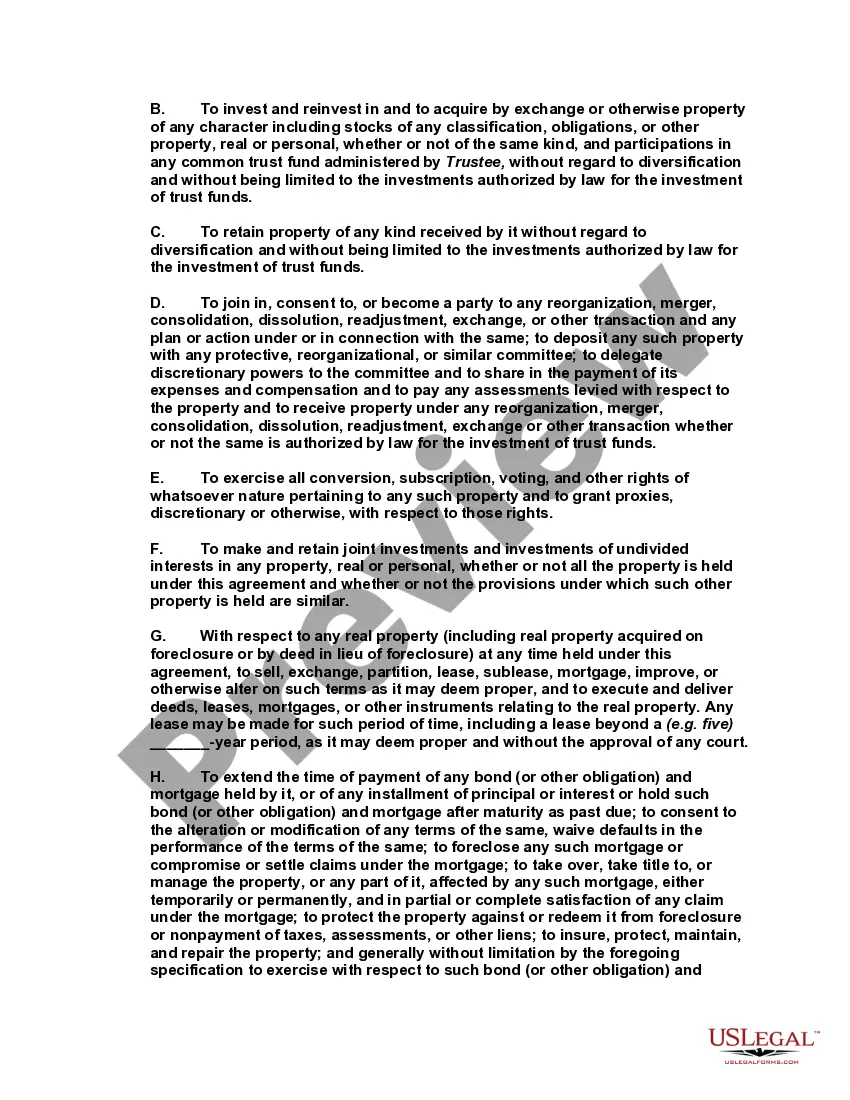
How to fill out Revocable Trust Agreement Regarding Coin Collection?
- If you’re a returning user, log in to your account and download the required form template directly by clicking the Download button. Ensure your subscription is up to date; if not, renew it as per your payment plan.
- For first-time users, begin by reviewing the Preview mode and form description to confirm you have selected the correct document that meets local jurisdiction requirements.
- If your selected template is not suitable, utilize the Search tab at the top of the page to find an appropriate alternative and proceed once you've made your selection.
- When ready, purchase the document by clicking the Buy Now button and opting for your preferred subscription plan, which may require you to register an account to access the library.
- Complete your transaction by providing your payment information, either with a credit card or via PayPal.
- After purchase, download your form and save it to your device. You can always access it later through the My documents section of your profile.
US Legal Forms equips both individuals and attorneys with a vast selection of legal documents, boasting over 85,000 fillable and editable forms. Users also have the opportunity to consult with premium experts for guidance, ensuring their documents are accurate and legally compliant.
Utilizing US Legal Forms not only simplifies the document creation process but also provides peace of mind. Begin your journey of creating a revocable trust today and experience the benefits firsthand!
Form popularity
FAQ
Writing a check to a revocable trust regarding a payment involves a few straightforward steps. First, enter the current date and the payment amount. On the payee line, clearly write the trust's full name, like 'The John Smith Revocable Trust,' to ensure proper allocation of funds. It is wise to keep a copy of the check as part of your records, supporting good financial management.
To write a check for a revocable trust regarding a payment, start by filling in the date and the amount in both numbers and words. Next, on the payee line, write the name of the trust, such as 'The John Smith Revocable Trust.' Include any notes required for reference in the memo field. Always keep a record of this transaction for your own financial documentation.
When dealing with a revocable trust regarding a payment, it is essential to make the check out to the name of the trust itself. For example, you might write 'The John Smith Revocable Trust' on the payee line. This clear designation helps ensure that the payment is properly credited to the trust. If you are unsure, consulting with a legal advisor can provide additional clarity.
One downside of putting assets in a revocable trust regarding for a payment is the potential for reduced control over those assets. While a trust provides many benefits, once assets are transferred into the trust, they must be managed according to the trust's terms. This could limit an individual's direct access or flexibility with those assets if not properly outlined in the trust documents.
Deciding whether to place assets in a revocable trust regarding for a payment depends on individual circumstances and goals. A trust can provide an effective way to manage and protect assets during one’s lifetime and facilitate smoother transitions after death. It is wise for parents to weigh their options and consider consulting with a financial advisor to determine the best course of action for their assets.
A common mistake parents make when setting up a revocable trust regarding for a payment is failing to clearly communicate their intentions to their beneficiaries. When beneficiaries do not understand the trust conditions or purposes, it can lead to mismanagement and disputes in the future. Consulting with a qualified estate planning professional can provide clarity and ensure everyone is on the same page.
Payments received from a revocable trust regarding for a payment can be taxable, depending on the nature of the payment and the trust's structure. Generally, the income generated by the trust assets may be subject to income taxes. It’s recommended to consult with a tax professional to understand the specific tax implications associated with your situation.
A family trust can face disadvantages such as the limited ability to make changes once it's established. While a revocable trust regarding for a payment allows for flexibility, changes can still become cumbersome over time. Also, disputes among family members about asset distribution could arise, potentially leading to family tension and lasting disagreements.
One notable downfall of a revocable trust regarding for a payment is the potential for oversights in management and funding. If a trust is not properly funded, it can lead to confusion and complications when distributing assets. Additionally, some people may find that the initial setup process can be time-consuming and require careful planning, which might deter them from establishing a trust altogether.
Yes, you can place utilities in the name of a revocable trust regarding for a payment. Doing so ensures that the trust continues to manage these services seamlessly according to your wishes. However, you must contact the utility companies to reassign the accounts legally. Adding utilities can simplify aspects of your estate management and assist in avoiding disruptions for your beneficiaries.