Revocable Trust Filing Requirements
Description
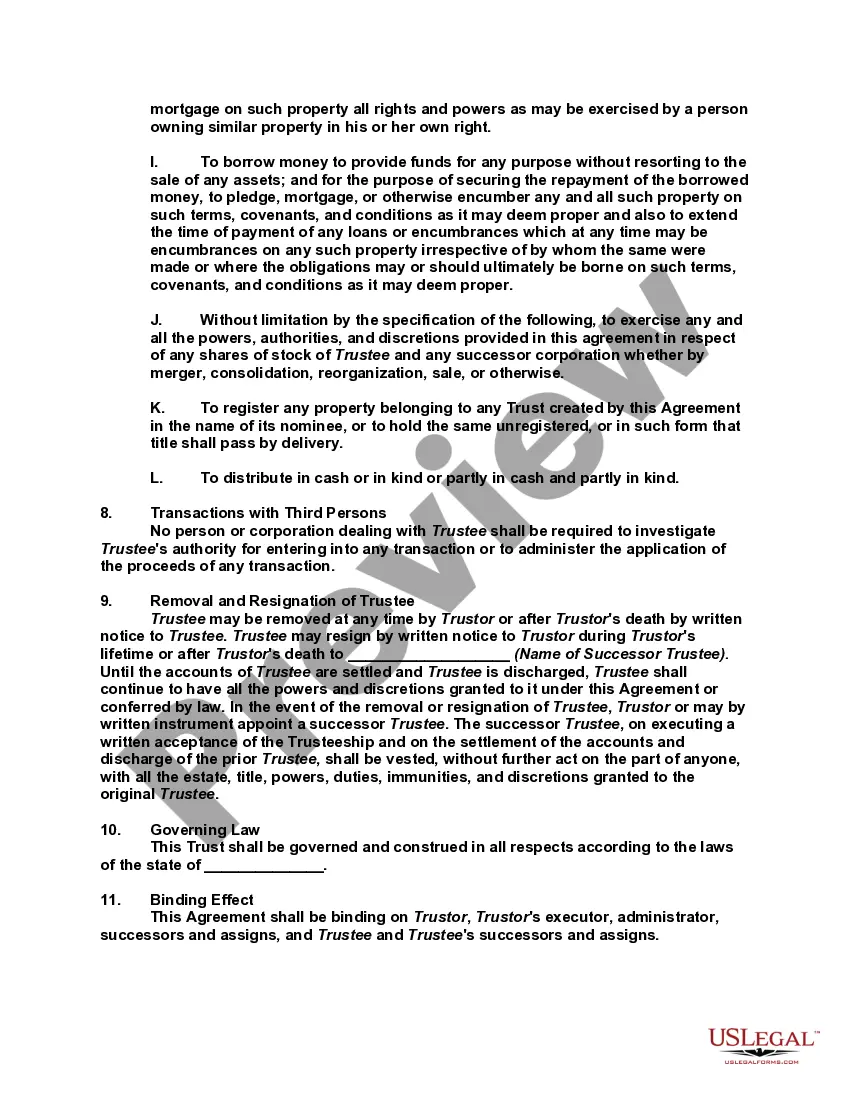
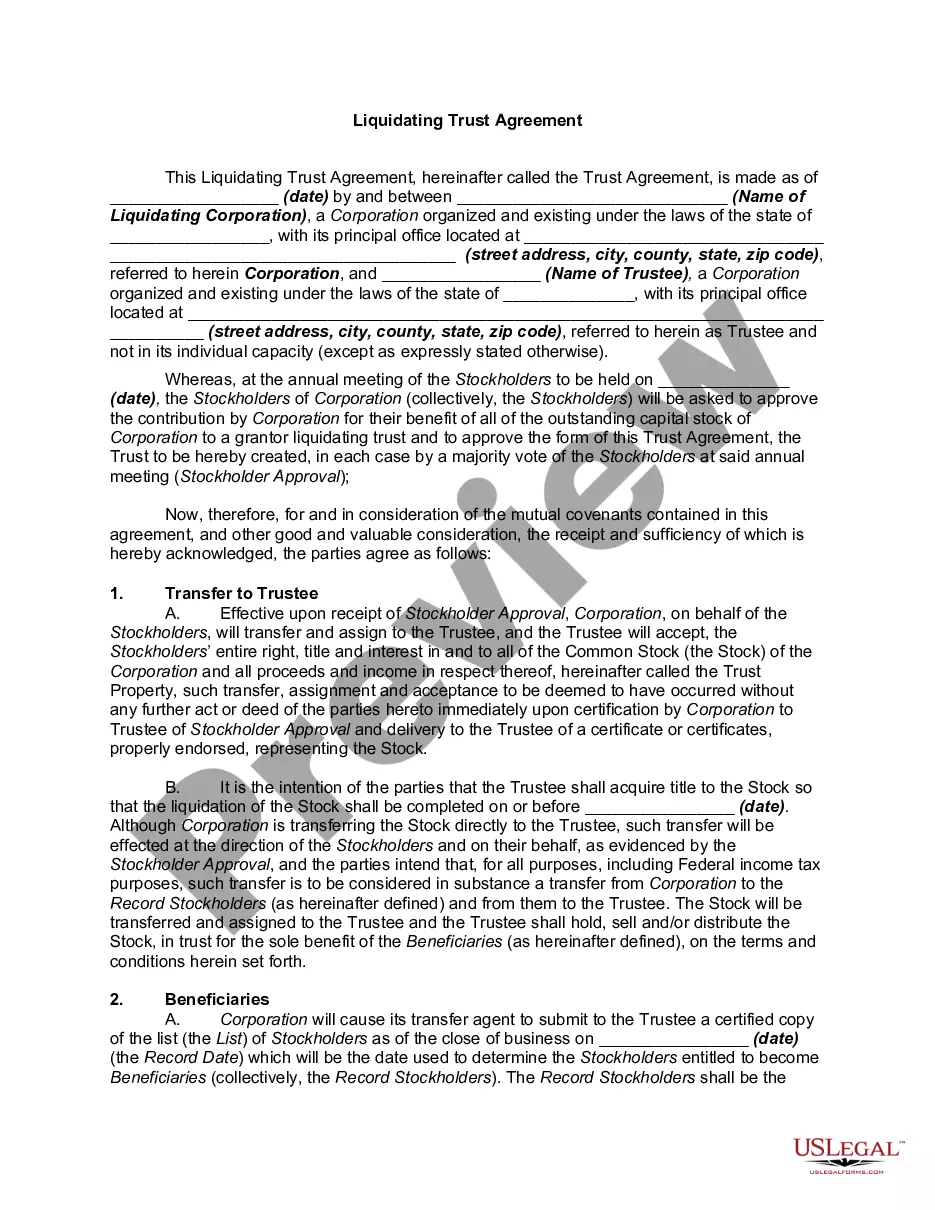
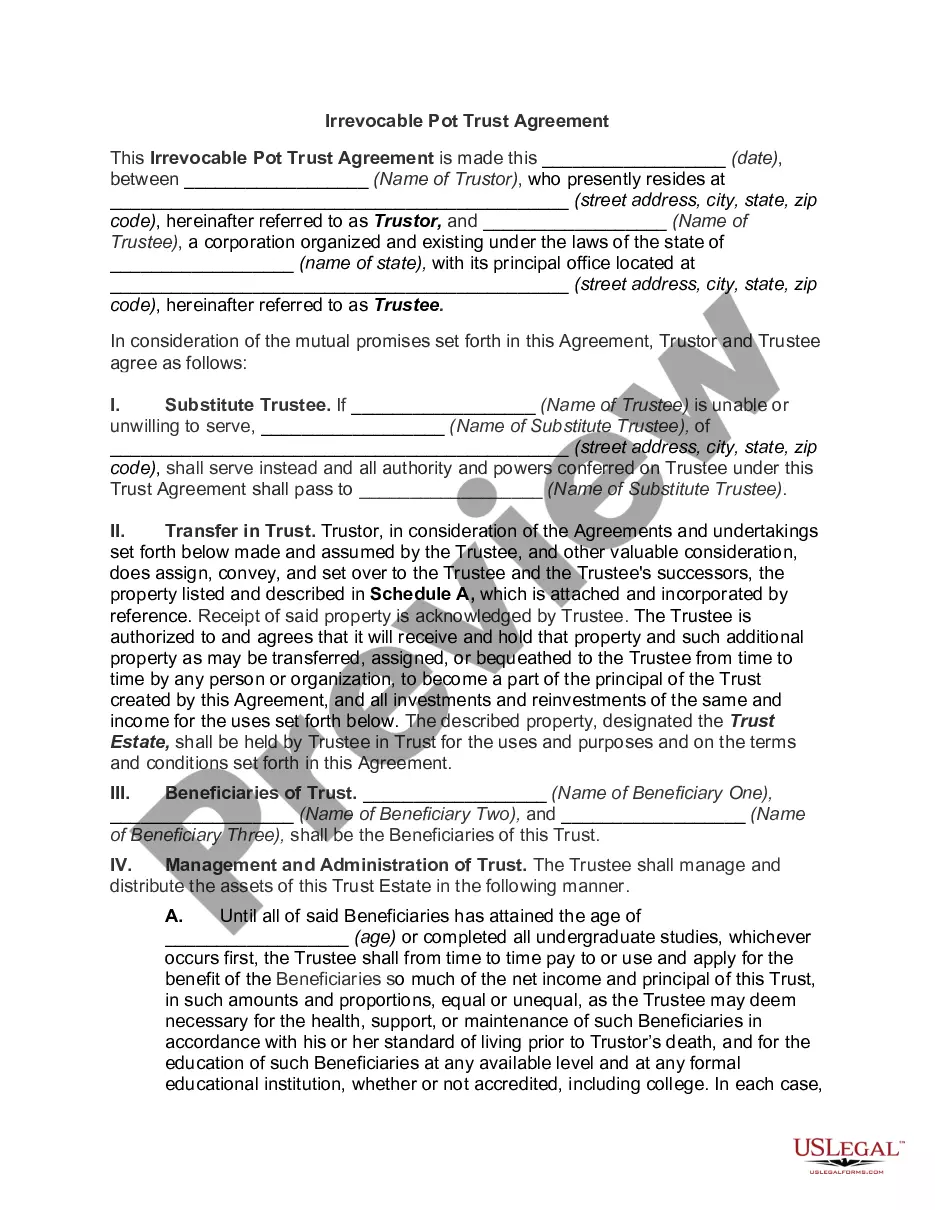
Get your form ready online
Our built-in tools help you complete, sign, share, and store your documents in one place.
Make edits, fill in missing information, and update formatting in US Legal Forms—just like you would in MS Word.
Download a copy, print it, send it by email, or mail it via USPS—whatever works best for your next step.
Sign and collect signatures with our SignNow integration. Send to multiple recipients, set reminders, and more. Go Premium to unlock E-Sign.
If this form requires notarization, complete it online through a secure video call—no need to meet a notary in person or wait for an appointment.
We protect your documents and personal data by following strict security and privacy standards.

Make edits, fill in missing information, and update formatting in US Legal Forms—just like you would in MS Word.

Download a copy, print it, send it by email, or mail it via USPS—whatever works best for your next step.

Sign and collect signatures with our SignNow integration. Send to multiple recipients, set reminders, and more. Go Premium to unlock E-Sign.

If this form requires notarization, complete it online through a secure video call—no need to meet a notary in person or wait for an appointment.

We protect your documents and personal data by following strict security and privacy standards.
Looking for another form?
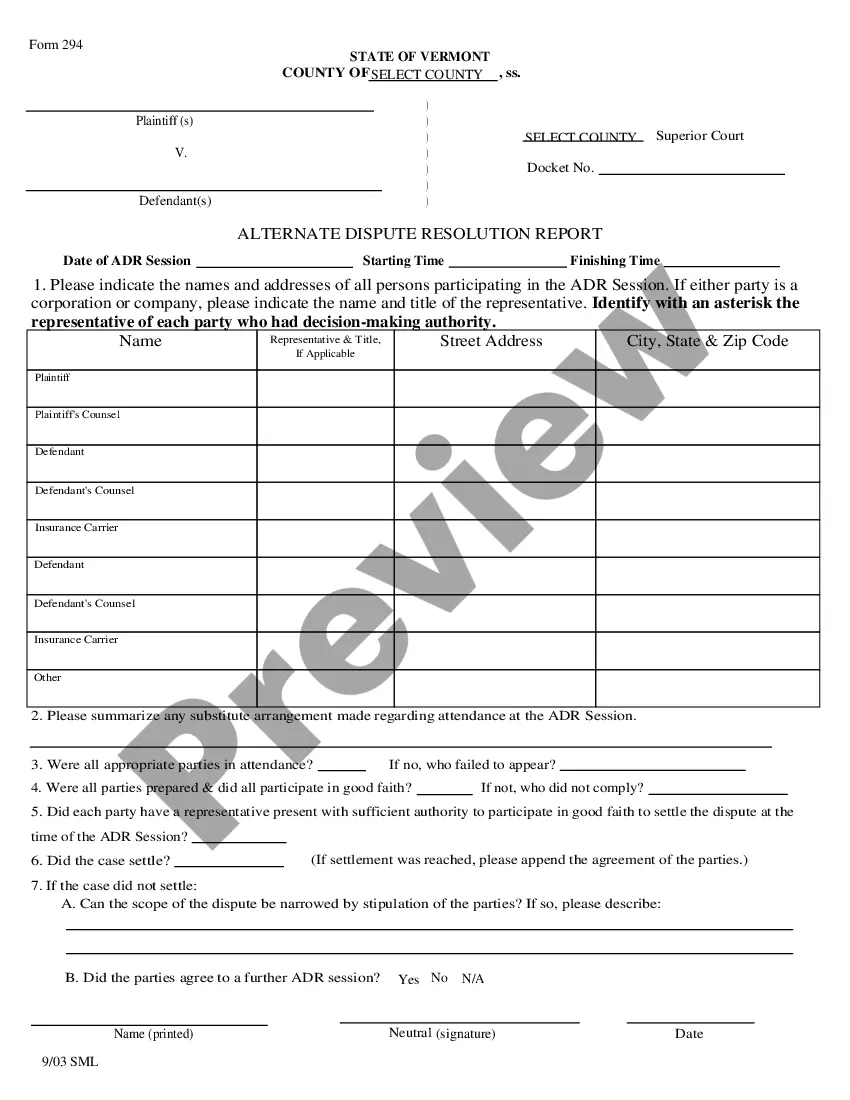

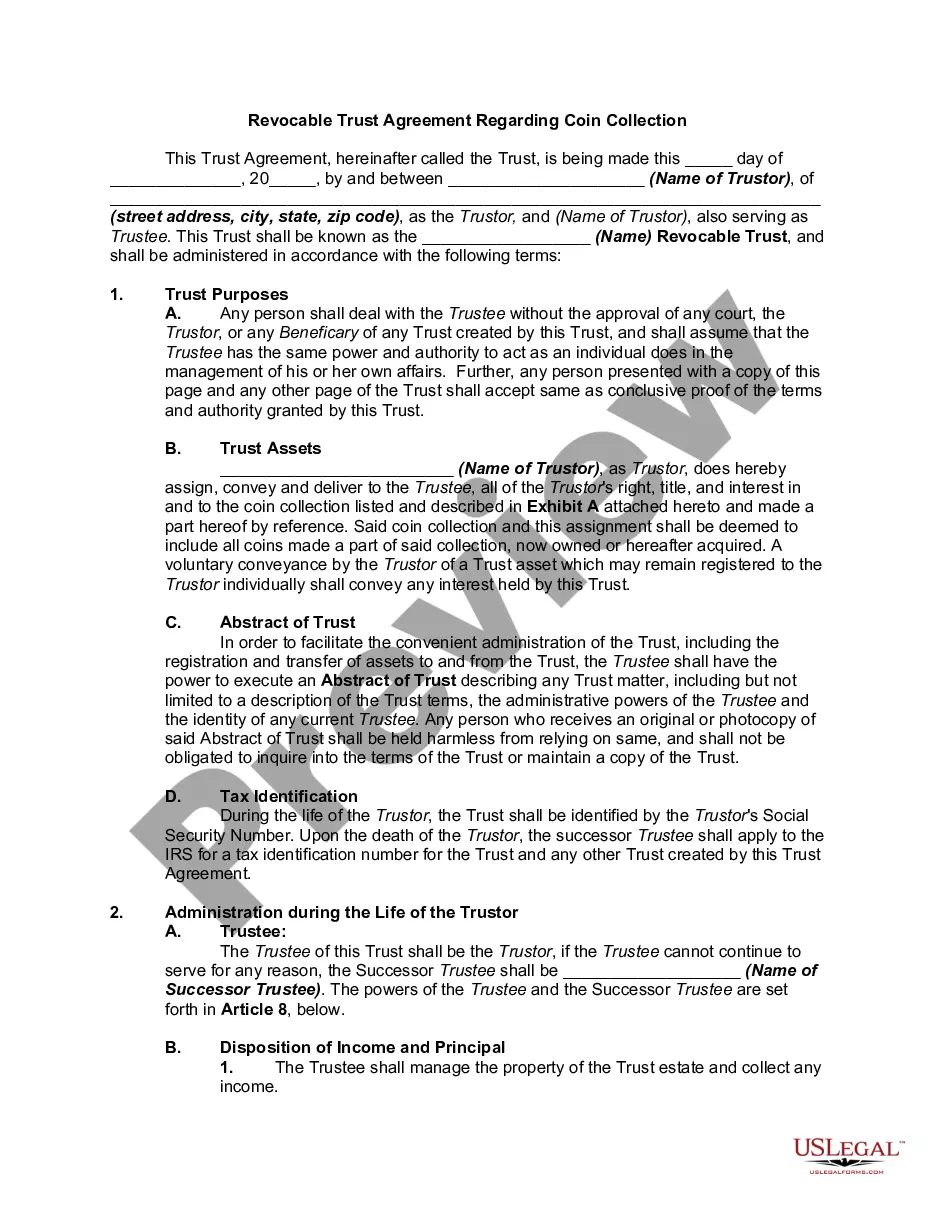
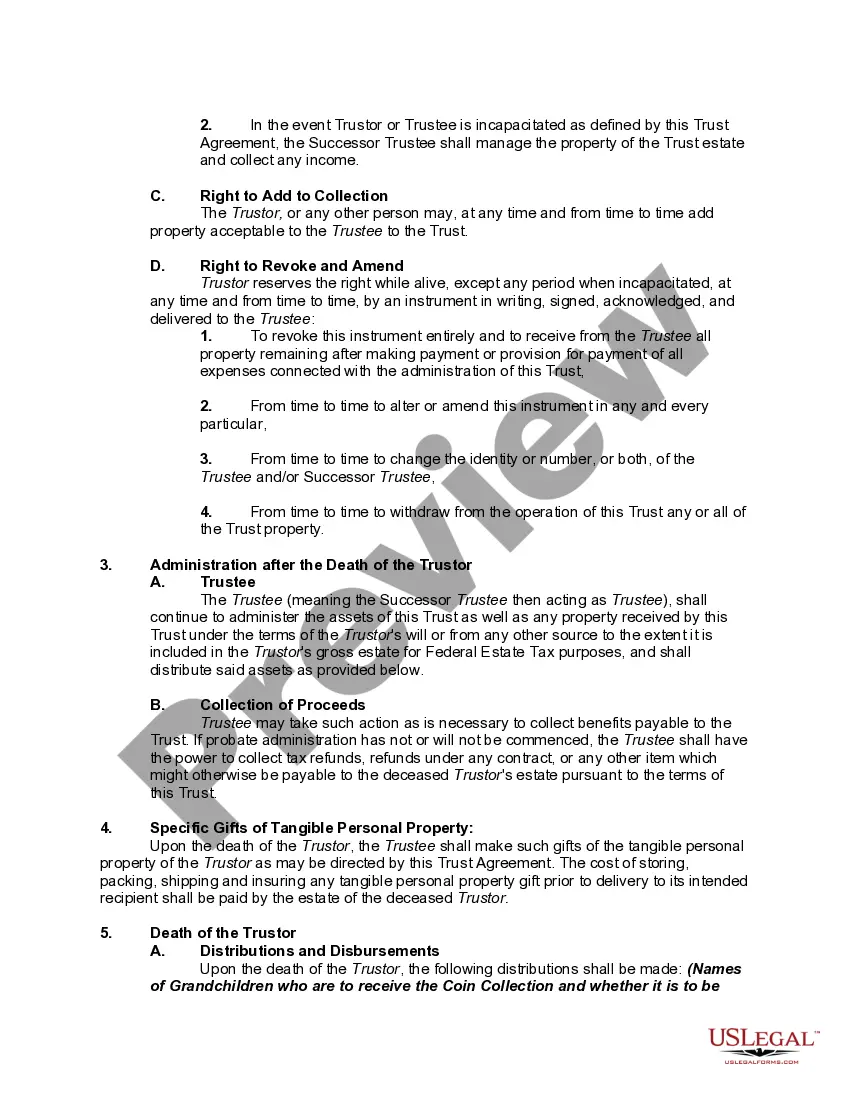
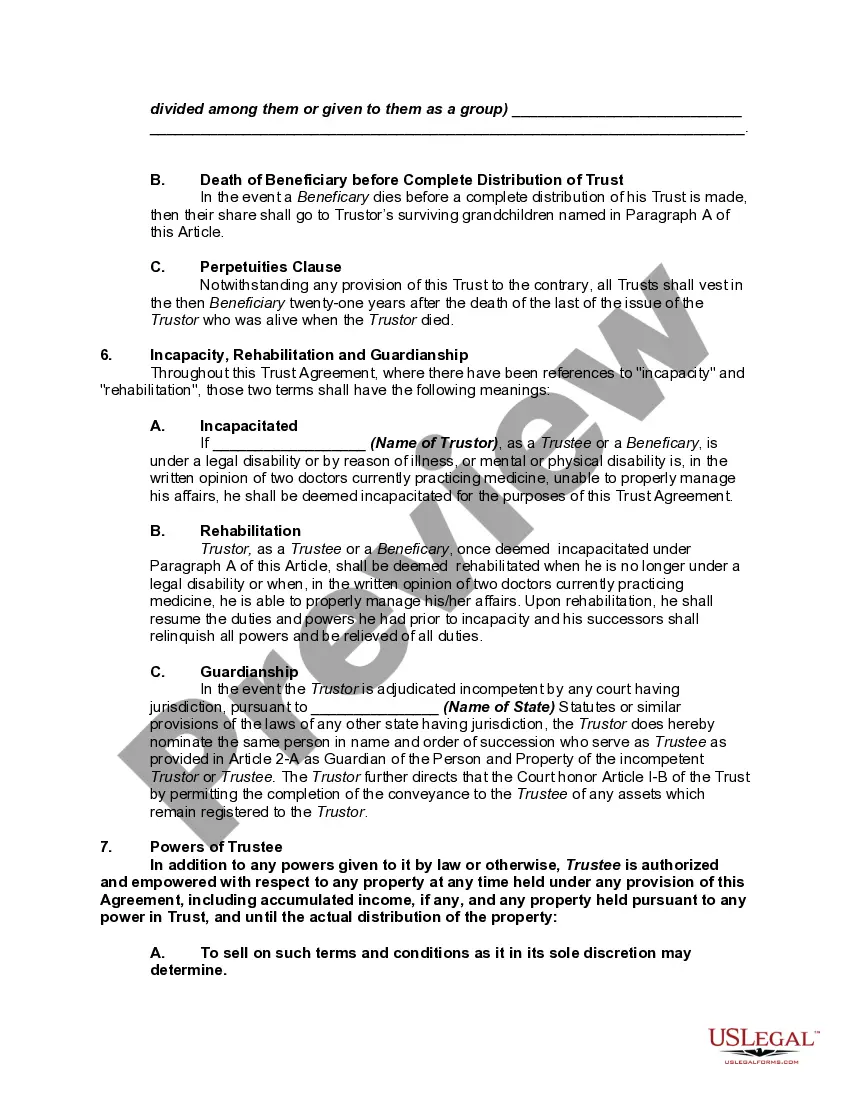
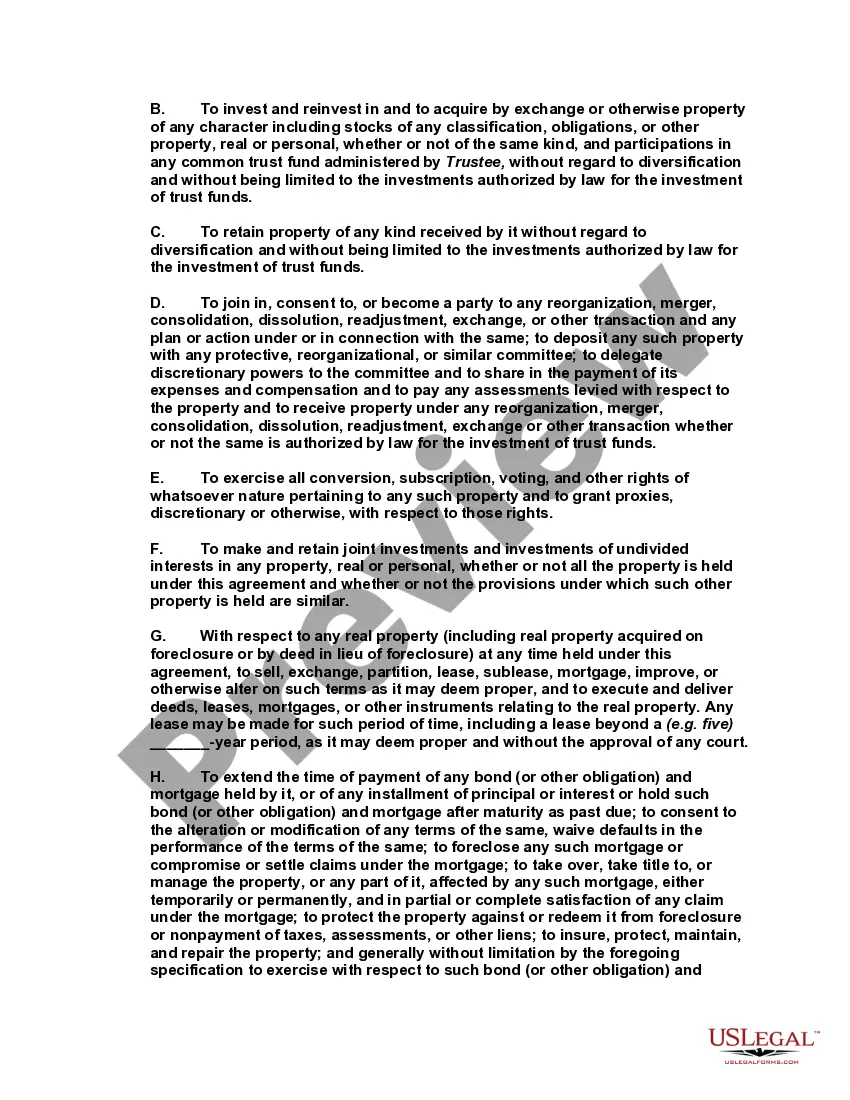
How to fill out Revocable Trust Agreement Regarding Coin Collection?
Dealing with legal paperwork and processes can be a lengthy addition to your day. Revocable Trust Filing Requirements and similar forms typically necessitate searching for them and figuring out how to fill them out accurately.
As a result, whether you are managing financial, legal, or personal affairs, having a comprehensive and convenient online repository of forms readily available will be extremely beneficial.
US Legal Forms is the top online resource for legal templates, featuring over 85,000 state-specific forms and various tools that will assist you in completing your documents swiftly.
Explore the collection of relevant documents accessible to you with just a single click.
Then, follow these steps to fill out your form: Ensure you have located the correct form by utilizing the Review feature and examining the form details. Choose Buy Now when you are prepared, and select the subscription option that suits your needs. Click Download then complete, sign, and print the form. US Legal Forms has twenty-five years of experience aiding users in managing their legal documents. Obtain the form you need today and simplify any process effortlessly.
- US Legal Forms provides you with state- and county-specific forms available for download at any time.
- Streamline your document management processes with a premium service that enables you to create any form within minutes without additional or hidden fees.
- Simply Log In to your account, locate Revocable Trust Filing Requirements, and obtain it immediately from the My documents section.
- You can also retrieve previously saved forms.
- Is this your first experience with US Legal Forms? Register and establish your account in a few minutes to gain access to the form library and Revocable Trust Filing Requirements.
Form popularity
FAQ
A trust generally does not have to be filed with the IRS during the lifetime of the grantor, as it is treated as part of their personal assets. However, once the grantor passes away or if the trust becomes irrevocable, different filing requirements may apply. It's crucial to understand the revocable trust filing requirements to ensure compliance and proper management of the trust.
Generally, a revocable trust does not need to file a tax return during the life of the grantor because it is treated as a disregarded entity for tax purposes. However, upon the grantor's death, the trust may be required to file a return based on its income. Knowing the revocable trust filing requirements can help ensure you meet all necessary obligations.
Revocable trusts typically do not need to file their own tax returns while the grantor is alive, as the income is reported on the grantor's personal tax return. However, once the grantor passes away, different rules apply. Understanding the revocable trust filing requirements will provide clarity on what is necessary for your specific situation.
If a trust does not file a tax return when required, it may face penalties and interest charges from the IRS. Additionally, failing to meet the revocable trust filing requirements can lead to complications in managing the trust. It is essential to stay informed and compliant to avoid these issues.
Yes, you may need to do a tax return for a trust, especially if the trust earns income. The revocable trust filing requirements specify that income generated by the trust typically must be reported. Using resources like US Legal Forms can simplify this process and help you understand your obligations.
You should file IRS form 1041 for a revocable living trust when the trust generates income. This typically occurs if the trust has assets that earn interest, dividends, or other income. Understanding the revocable trust filing requirements will help you determine the right time to file, ensuring compliance with tax obligations.
Yes, you can file a revocable trust yourself if you understand the revocable trust filing requirements. However, it's important to note that the process can be complicated. You may want to consider using a platform like US Legal Forms, which provides detailed guidance and templates to help you navigate the filing process smoothly.