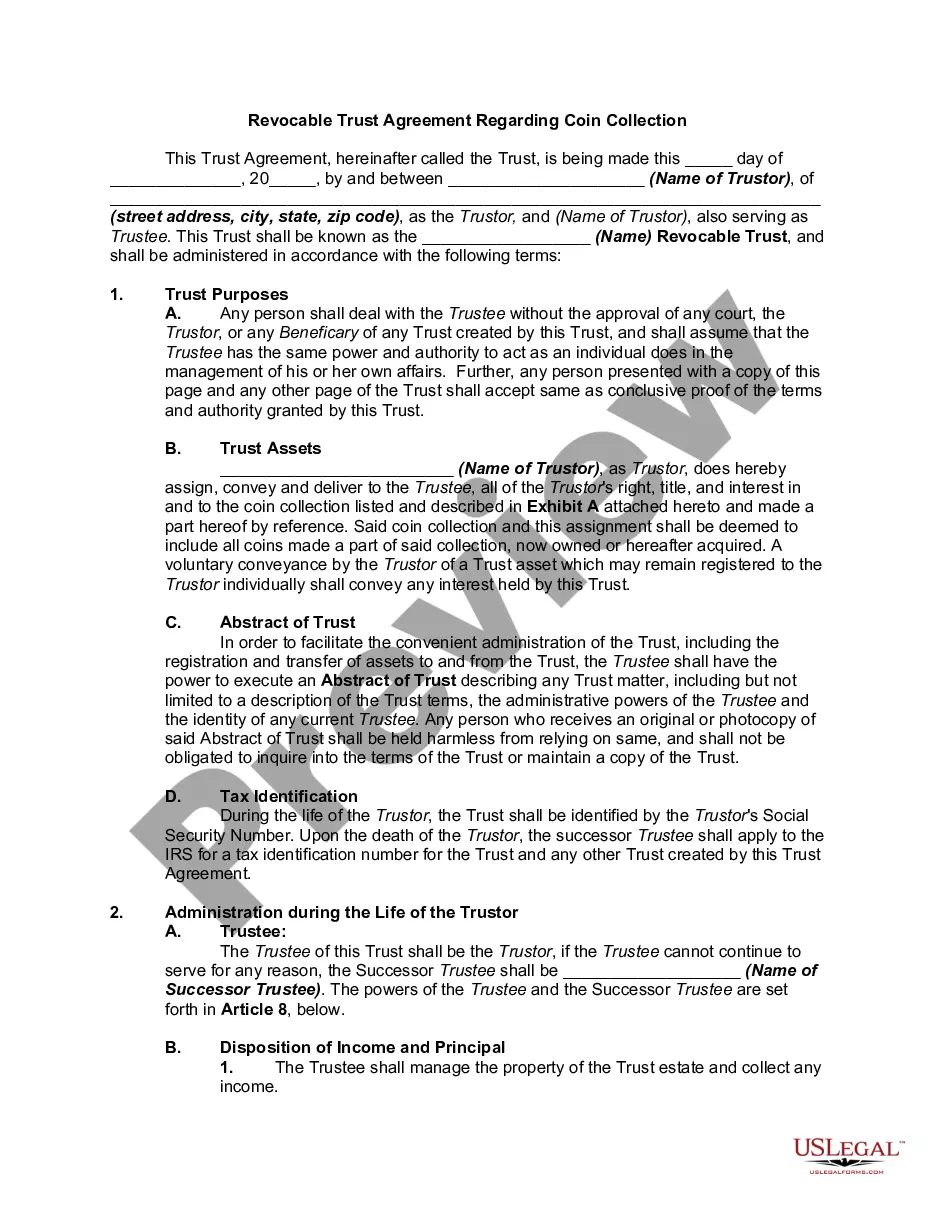
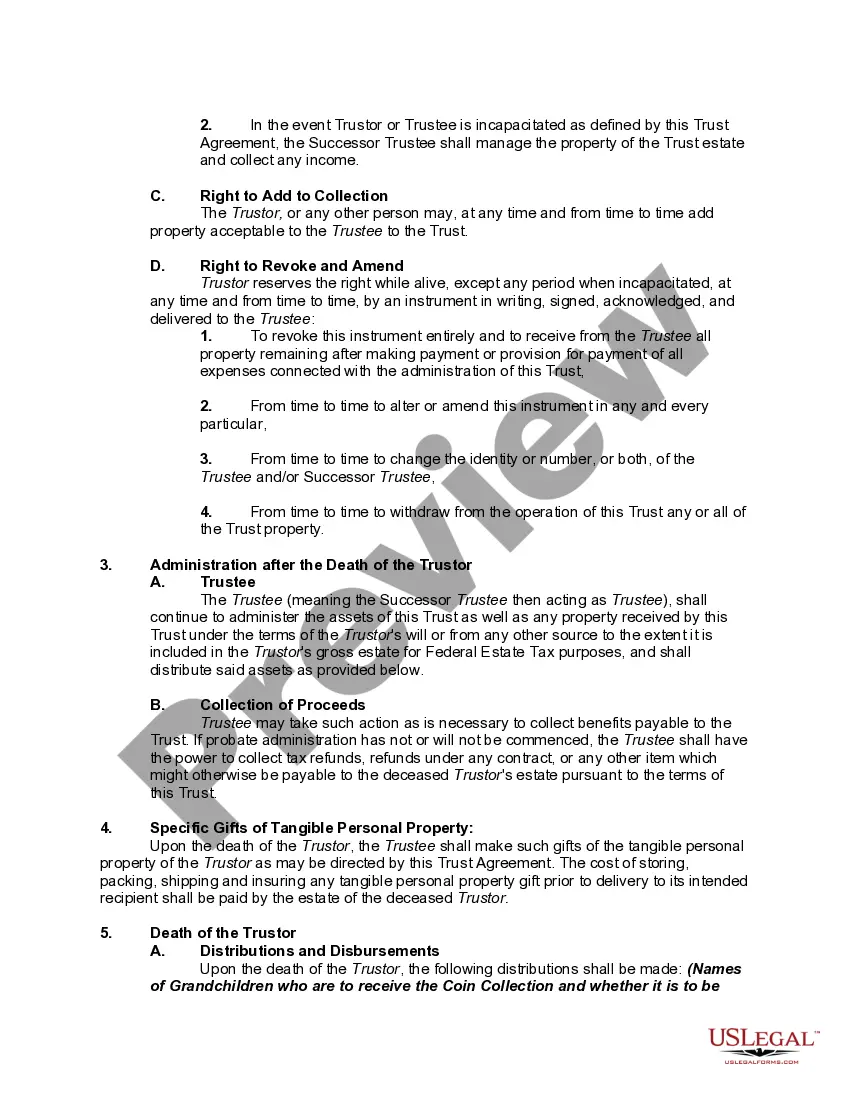
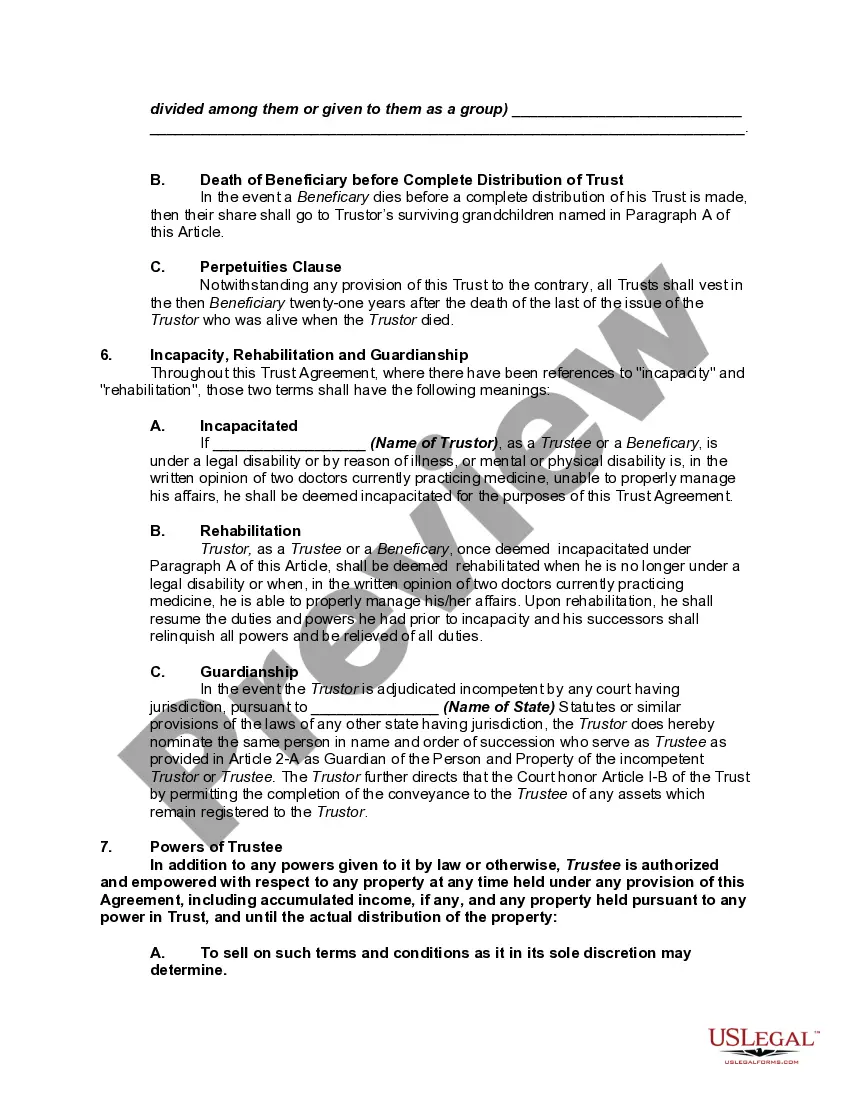
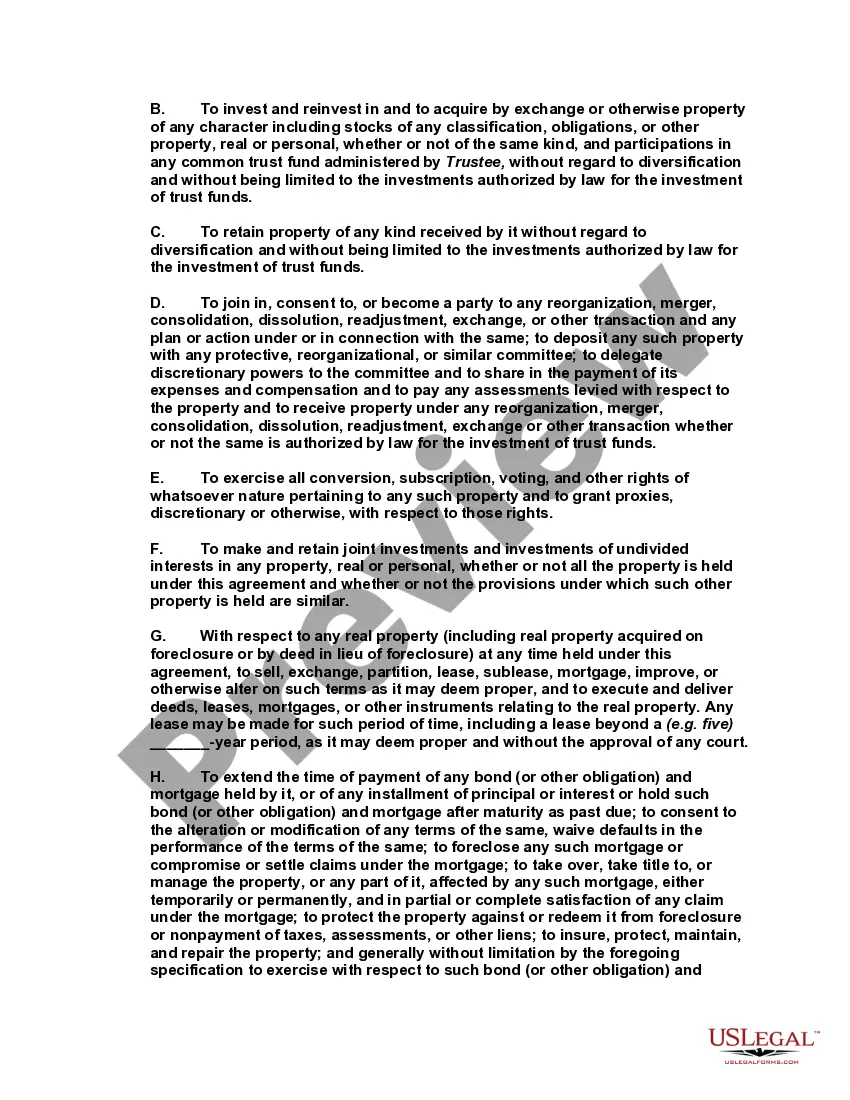
Form For Revocable Trust
Description
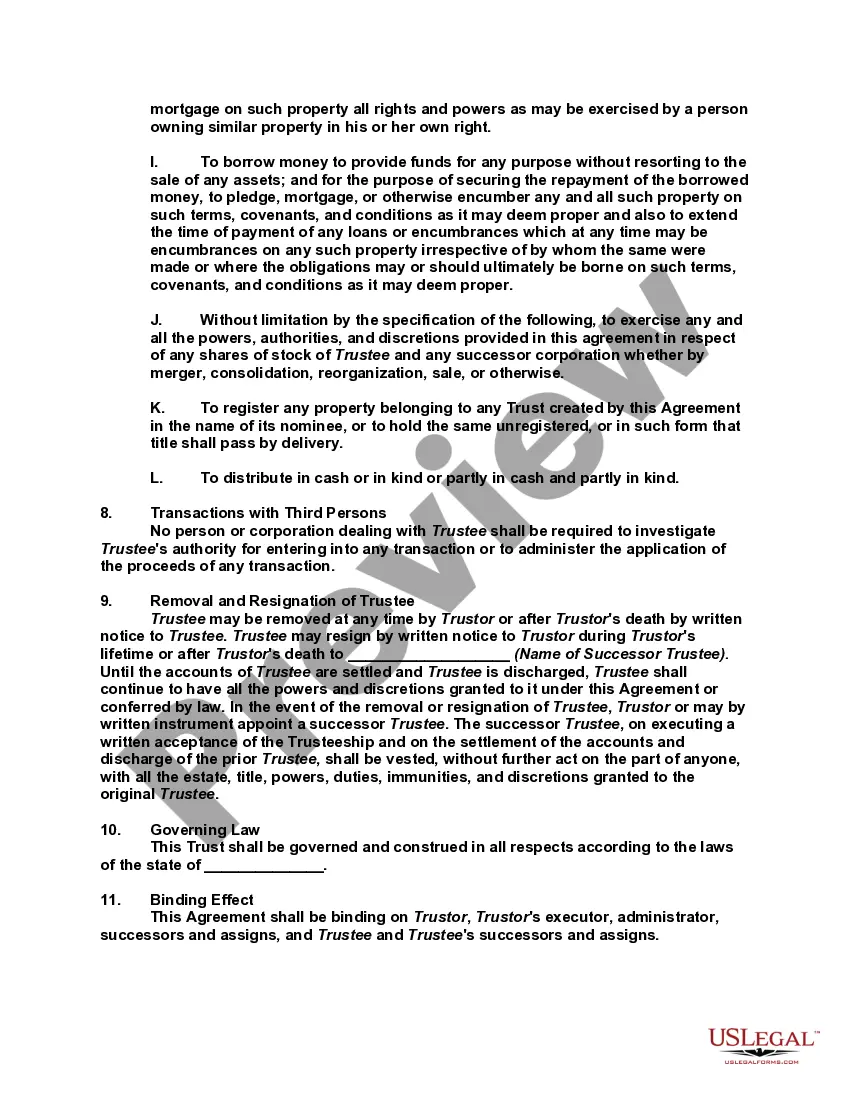
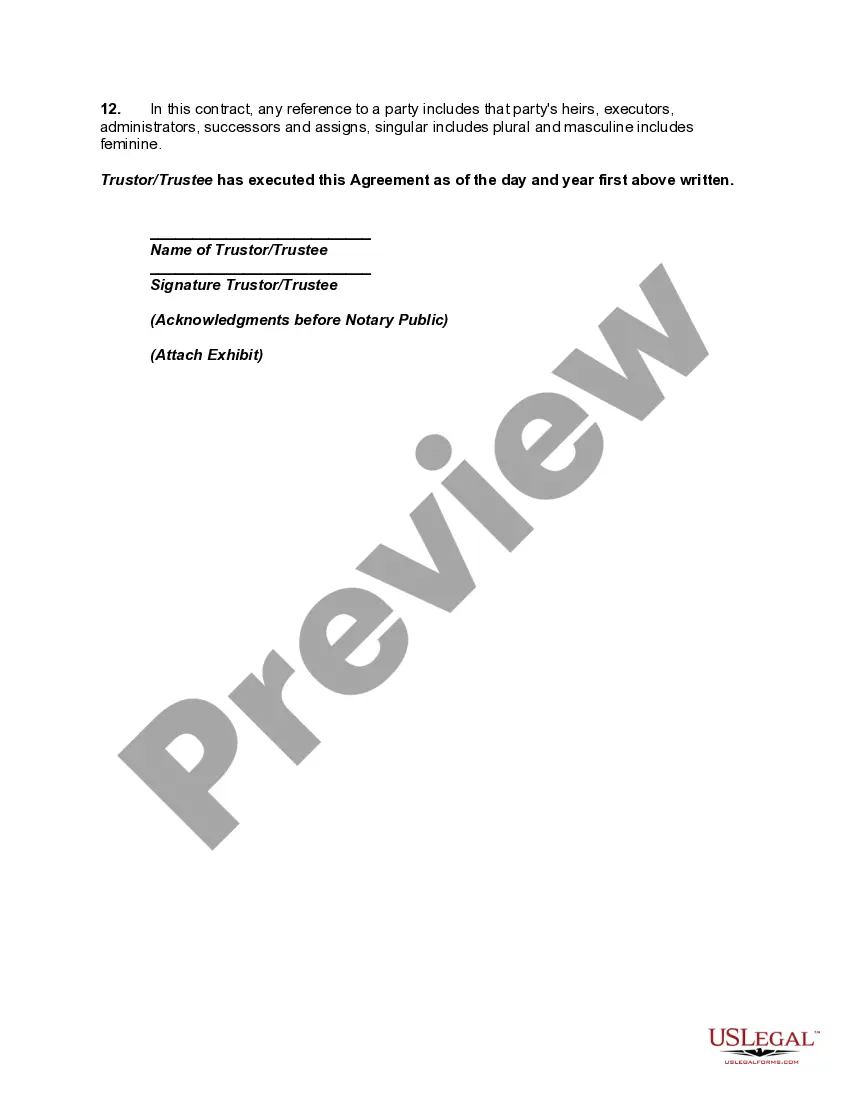
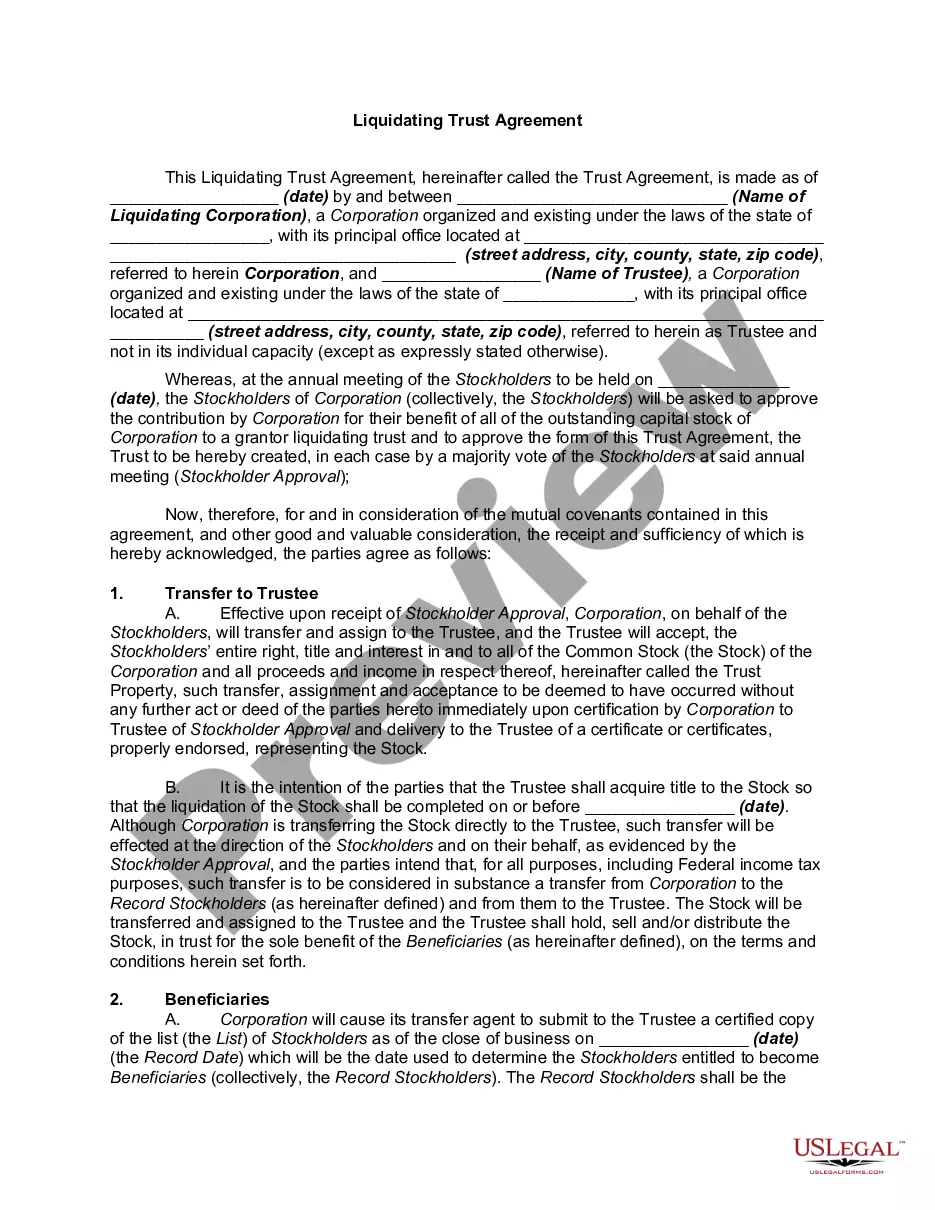
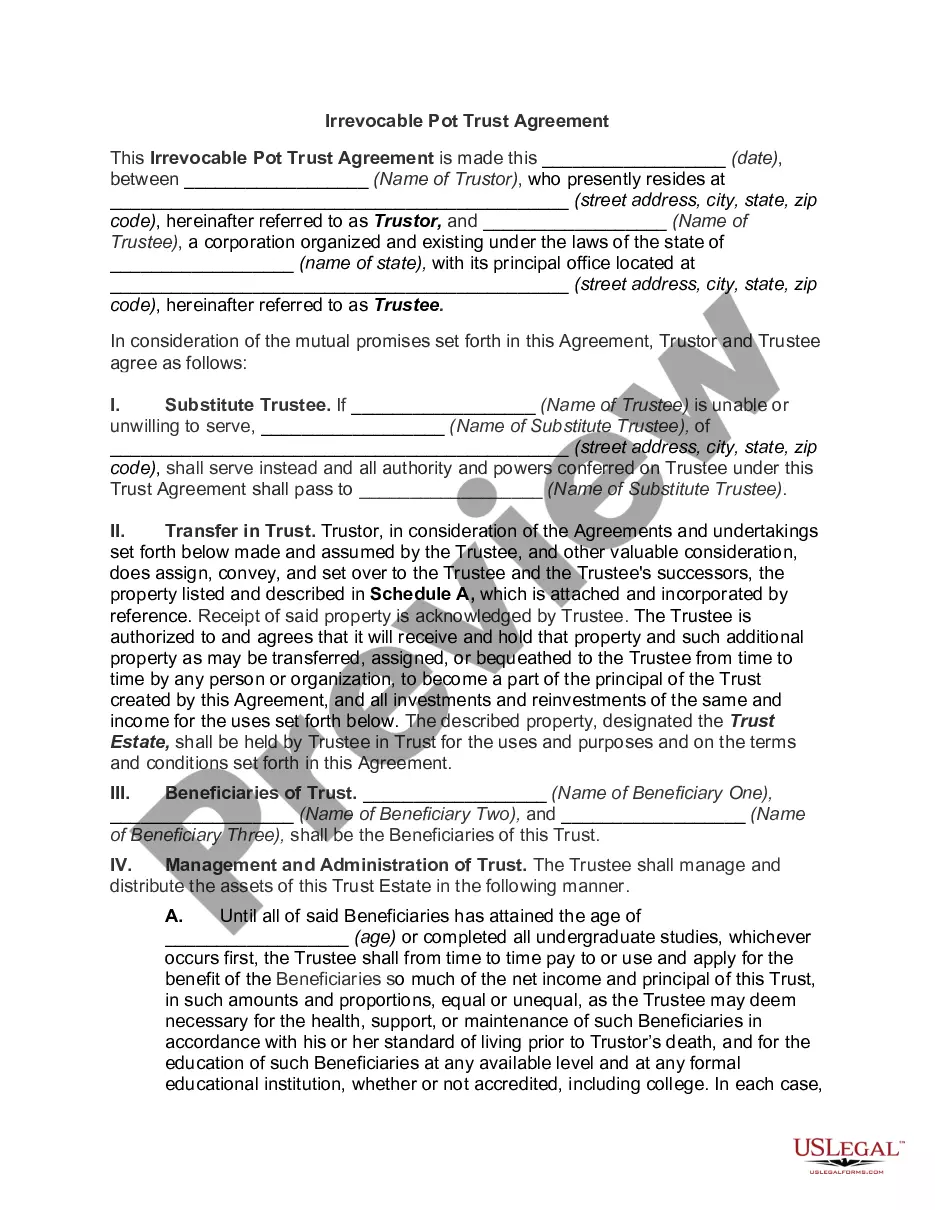
Get your form ready online
Our built-in tools help you complete, sign, share, and store your documents in one place.
Make edits, fill in missing information, and update formatting in US Legal Forms—just like you would in MS Word.
Download a copy, print it, send it by email, or mail it via USPS—whatever works best for your next step.
Sign and collect signatures with our SignNow integration. Send to multiple recipients, set reminders, and more. Go Premium to unlock E-Sign.
If this form requires notarization, complete it online through a secure video call—no need to meet a notary in person or wait for an appointment.
We protect your documents and personal data by following strict security and privacy standards.

Make edits, fill in missing information, and update formatting in US Legal Forms—just like you would in MS Word.

Download a copy, print it, send it by email, or mail it via USPS—whatever works best for your next step.

Sign and collect signatures with our SignNow integration. Send to multiple recipients, set reminders, and more. Go Premium to unlock E-Sign.

If this form requires notarization, complete it online through a secure video call—no need to meet a notary in person or wait for an appointment.

We protect your documents and personal data by following strict security and privacy standards.
Looking for another form?





How to fill out Revocable Trust Agreement Regarding Coin Collection?
- Log in to your US Legal Forms account if you are an existing user. Verify that your subscription is active, renewing if necessary.
- If you are new to the service, begin by checking the preview mode and the description of the revocable trust form to ensure its compatibility with your local regulations.
- In case you need a different template, utilize the Search feature to find the specific form you require.
- Once you’ve confirmed the correct document, click the 'Buy Now' button to select your preferred subscription plan.
- Complete your purchase by entering your payment details, either through credit card or PayPal.
- After the purchase, download your revocable trust form and save it to your device. You can access it later anytime from the 'My Forms' section of your profile.
Following these steps will empower you to efficiently secure your revocable trust with US Legal Forms. The platform offers a vast library of legal forms, along with expert assistance to ensure your documents are accurate and reliable.
Start your estate planning journey today by visiting US Legal Forms and accessing the comprehensive resources available!
Form popularity
FAQ
While a revocable trust offers many benefits, it also has some disadvantages to consider. These trusts do not provide asset protection from creditors because you still have control over the assets during your lifetime. Furthermore, revocable trusts can be more expensive to set up compared to wills, as they require legal assistance for proper drafting. If you need guidance, our platform offers a straightforward form for revocable trust to help simplify the process.
When creating a revocable trust, it's important to know that certain assets should not be included. Typically, you should avoid placing retirement accounts, such as IRAs and 401(k)s, into the trust, as this can have tax implications. Additionally, life insurance policies and assets subject to a beneficiary designation should also remain outside the trust. For a comprehensive solution, consider using our form for revocable trust to ensure proper asset management.
Typically, you do not need to file a separate tax return for a revocable trust unless it generates income. The income is usually reported directly on the grantor's tax return. If you use the Form for revocable trust, you can manage your trust in a straightforward manner, easing any tax worries. Consulting with a tax advisor can help clarify your responsibilities.
Failing to file taxes on a trust can lead to penalties and interest charges, which can accumulate over time. It's crucial to stay compliant to avoid these legal consequences. With the Form for revocable trust, you can simplify your tax obligations and ensure timely filings. Seeking professional tax advice can further protect your interests.
Revocable trusts generally do not file tax returns because the income is usually reported on the grantor's personal tax return. This is particularly relevant when using the Form for revocable trust, as it helps streamline the reporting process. Always review your situation with a tax expert to understand any potential obligations.
If your revocable trust does not generate any income, typically you do not need to file a trust return. However, it's essential to maintain records and ensure compliance with tax regulations. Using the Form for revocable trust can help you keep organized documentation. Always consider consulting a tax professional for personalized advice.
You should avoid placing certain assets in a revocable trust. Generally, you should not include retirement accounts like 401(k)s or IRAs, as this can create tax complications. Likewise, life insurance policies often remain outside the trust to allow for direct beneficiary designation. When filling out a form for revocable trust, make sure to list only appropriate assets, guiding you toward a more efficient estate plan.
Yes, there can be downsides to a revocable trust. While these trusts offer flexibility and control over your assets, they do not provide protection from creditors. Additionally, any assets placed in a revocable trust may still be subject to estate taxes. When considering a form for revocable trust, it’s essential to weigh these factors and consult professionals to ensure this option suits your needs.
Certain assets generally should not be placed in a revocable trust, such as retirement accounts or life insurance policies. These assets often require specific beneficiary designations to transfer correctly. Therefore, it is essential to consider these exclusions when filling out your form for revocable trust. Let uslegalforms guide you in determining the best approach for your unique situation.
You should consider including assets that you want to manage during your lifetime and pass on after your death. Common assets include real estate, bank accounts, and investments. The form for revocable trust allows you to clearly designate these assets, ensuring they are handled according to your wishes. Use our platform to easily organize and include your assets.