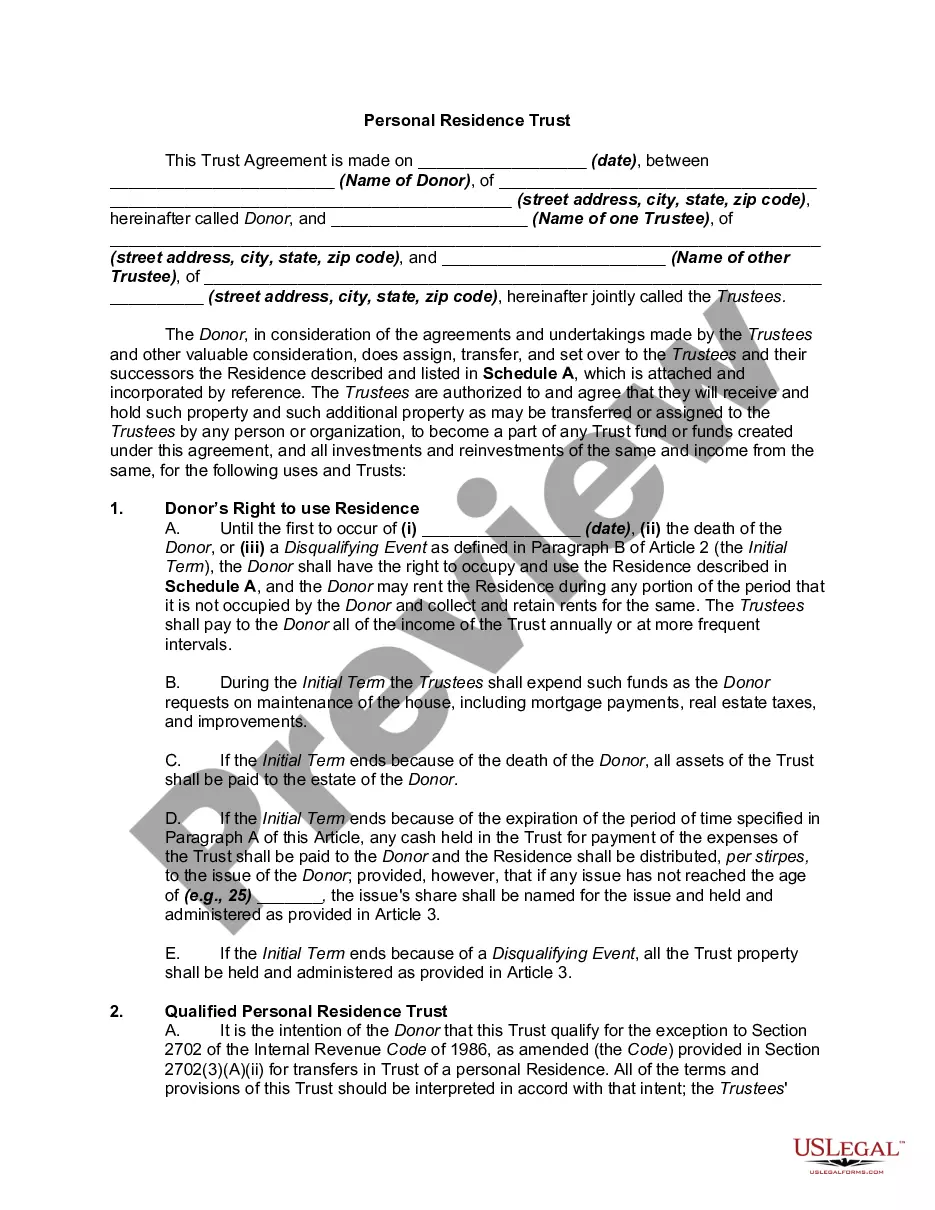
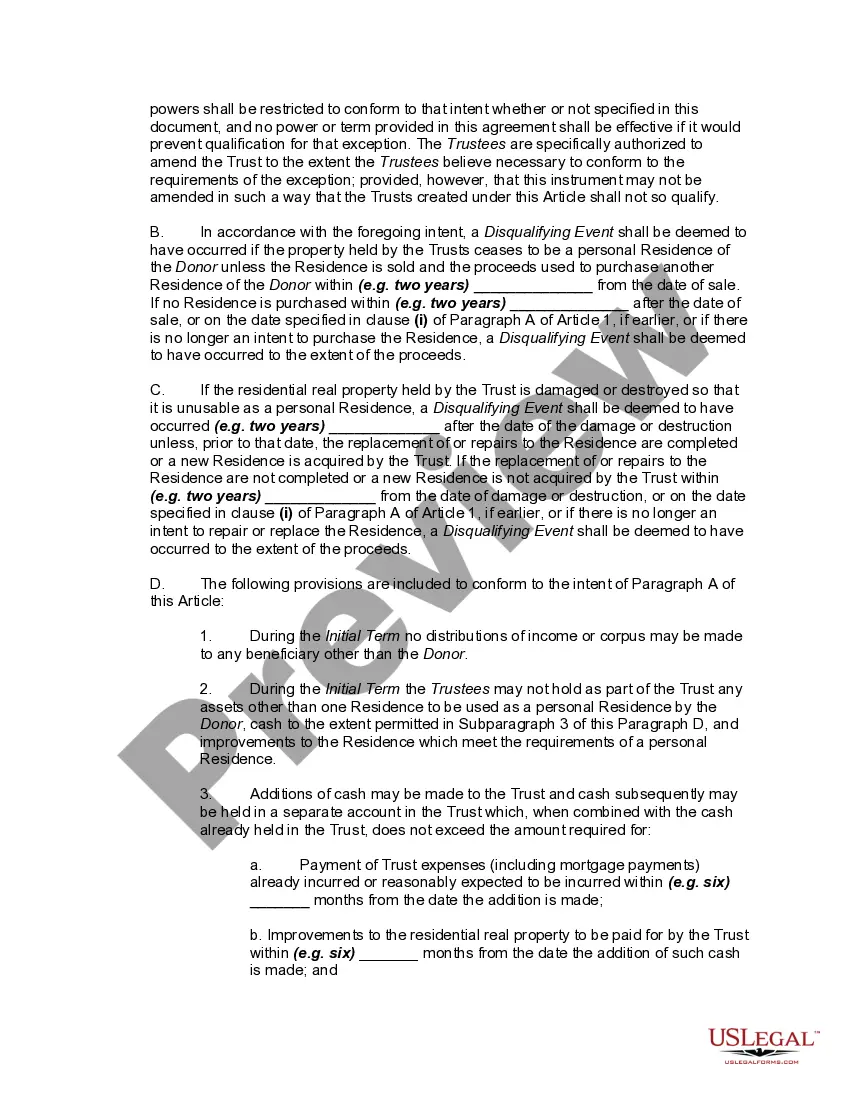
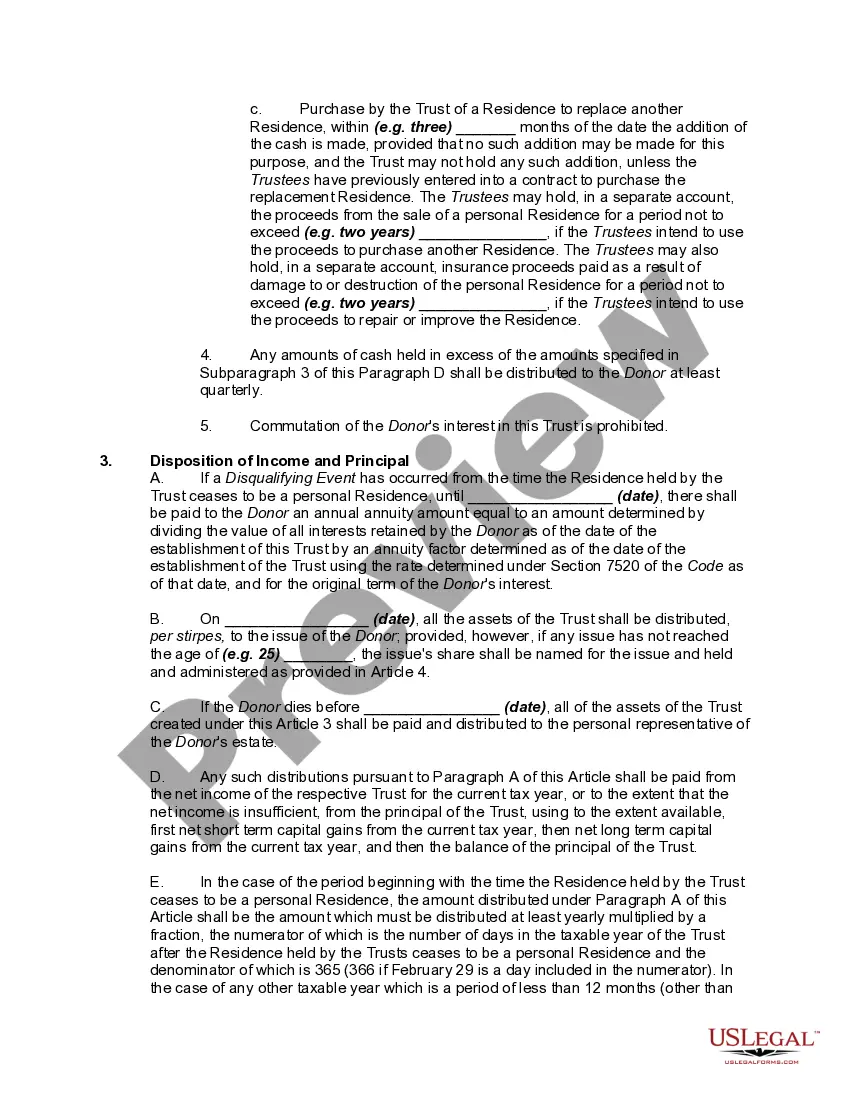
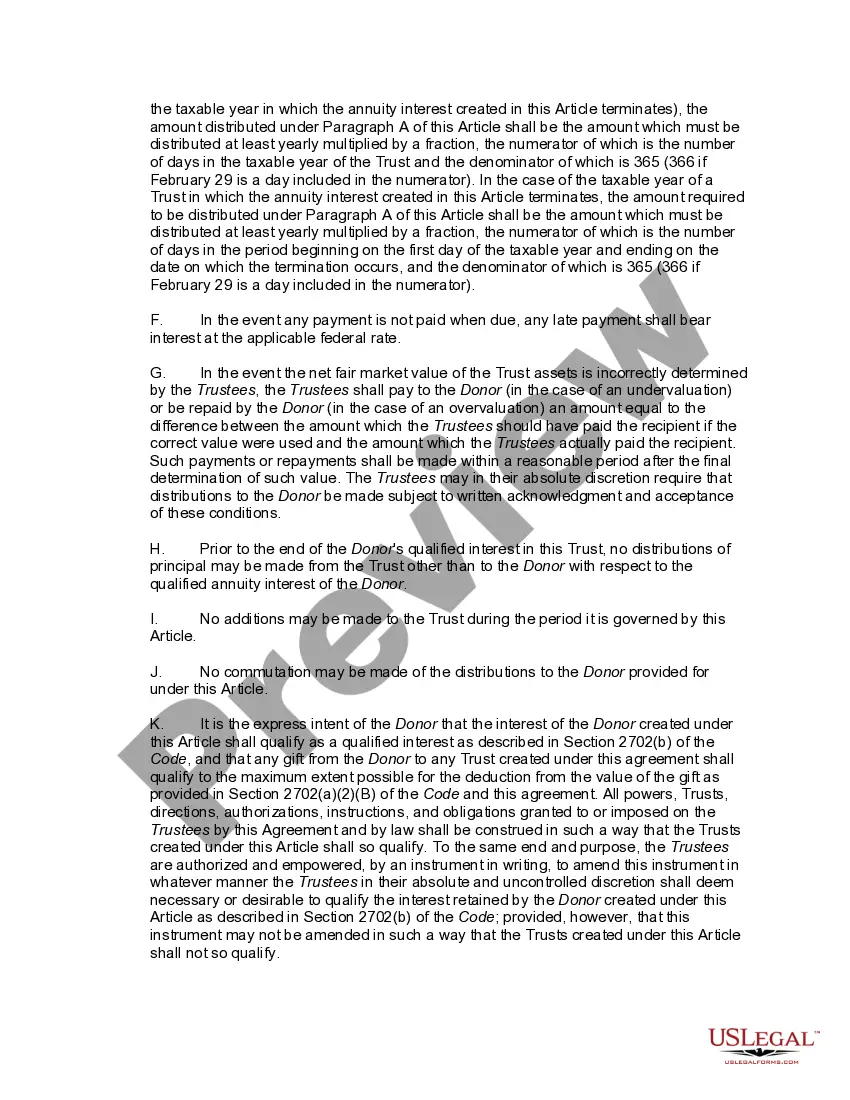
Trust Personal Residence With Acreage
Description

Get your form ready online
Our built-in tools help you complete, sign, share, and store your documents in one place.
Make edits, fill in missing information, and update formatting in US Legal Forms—just like you would in MS Word.
Download a copy, print it, send it by email, or mail it via USPS—whatever works best for your next step.
Sign and collect signatures with our SignNow integration. Send to multiple recipients, set reminders, and more. Go Premium to unlock E-Sign.
If this form requires notarization, complete it online through a secure video call—no need to meet a notary in person or wait for an appointment.
We protect your documents and personal data by following strict security and privacy standards.

Make edits, fill in missing information, and update formatting in US Legal Forms—just like you would in MS Word.

Download a copy, print it, send it by email, or mail it via USPS—whatever works best for your next step.

Sign and collect signatures with our SignNow integration. Send to multiple recipients, set reminders, and more. Go Premium to unlock E-Sign.

If this form requires notarization, complete it online through a secure video call—no need to meet a notary in person or wait for an appointment.

We protect your documents and personal data by following strict security and privacy standards.
Looking for another form?
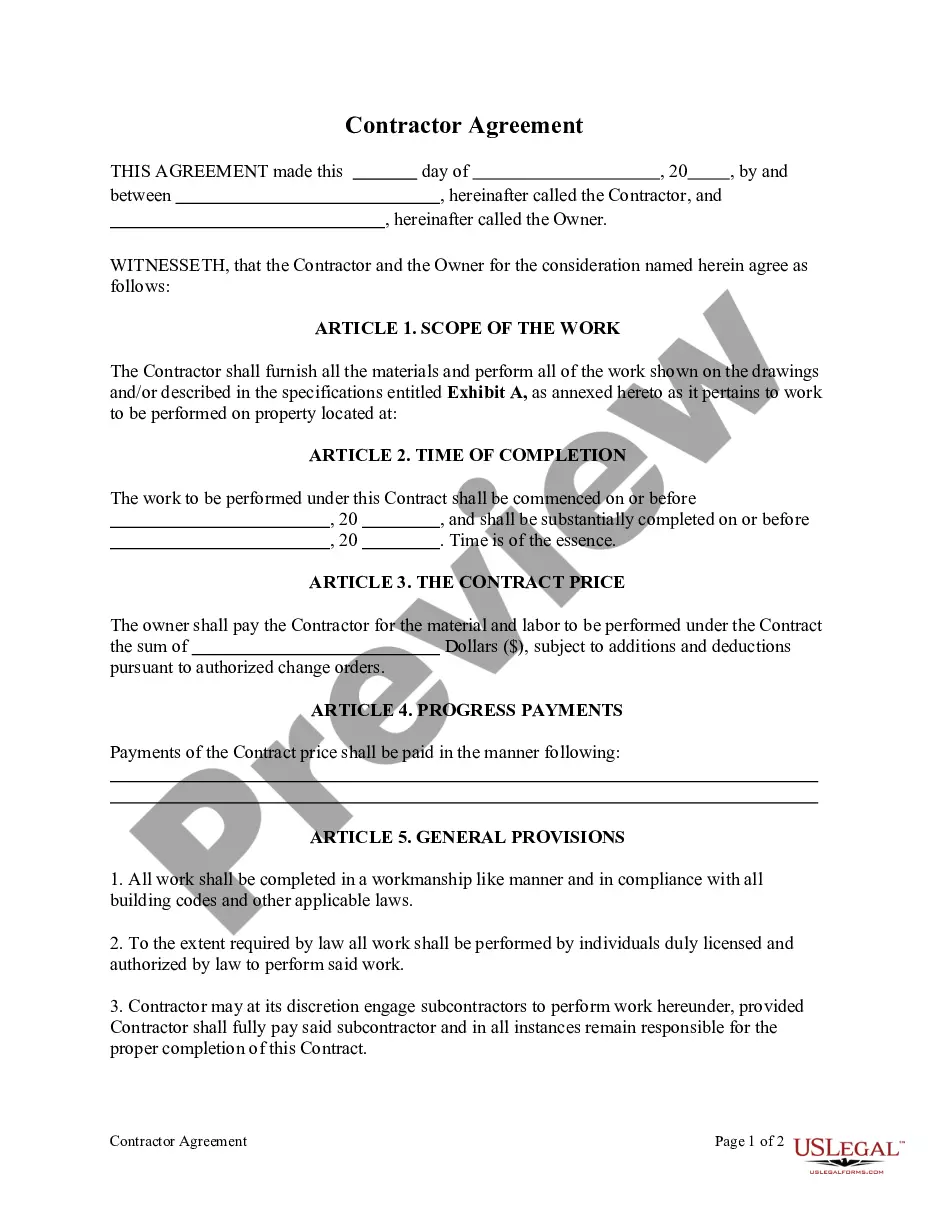


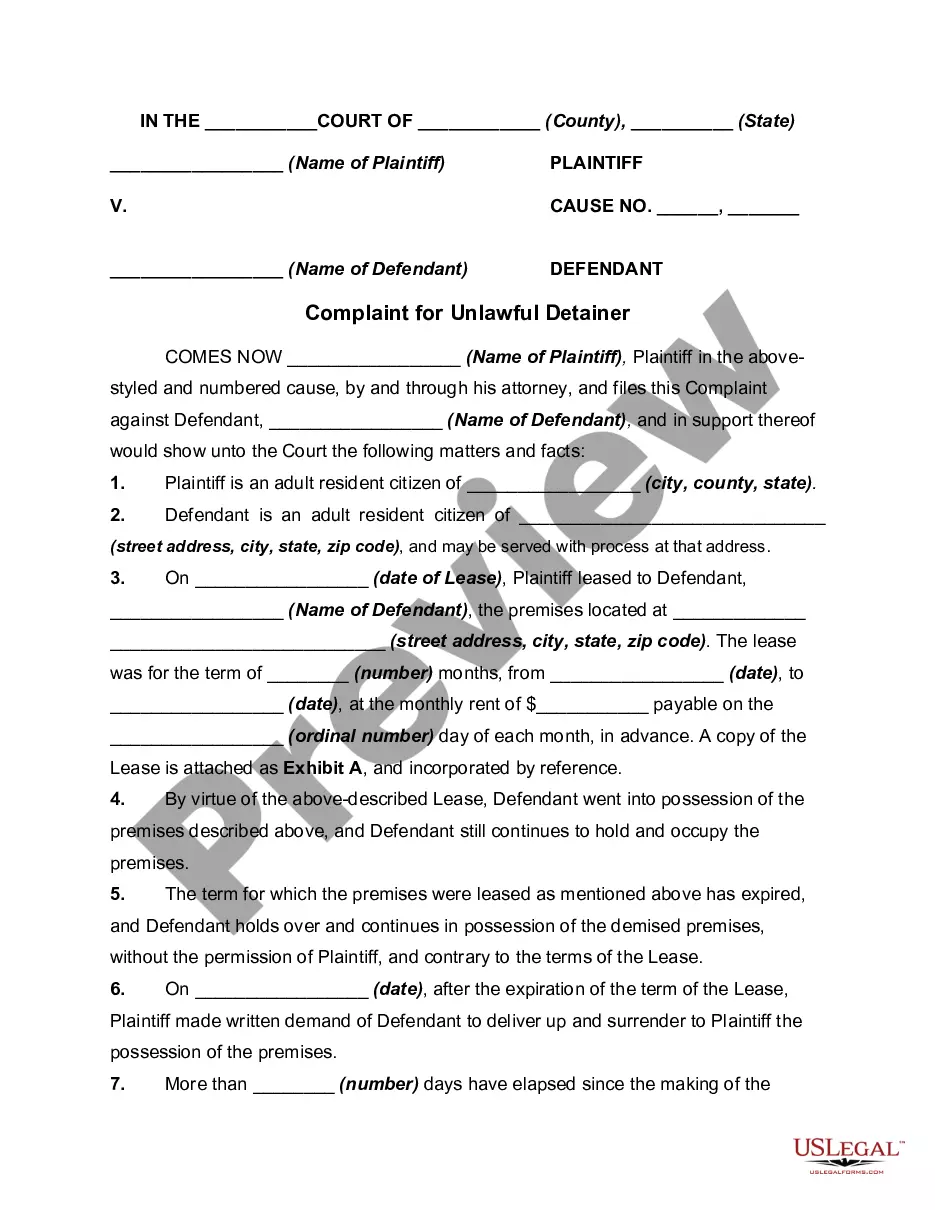
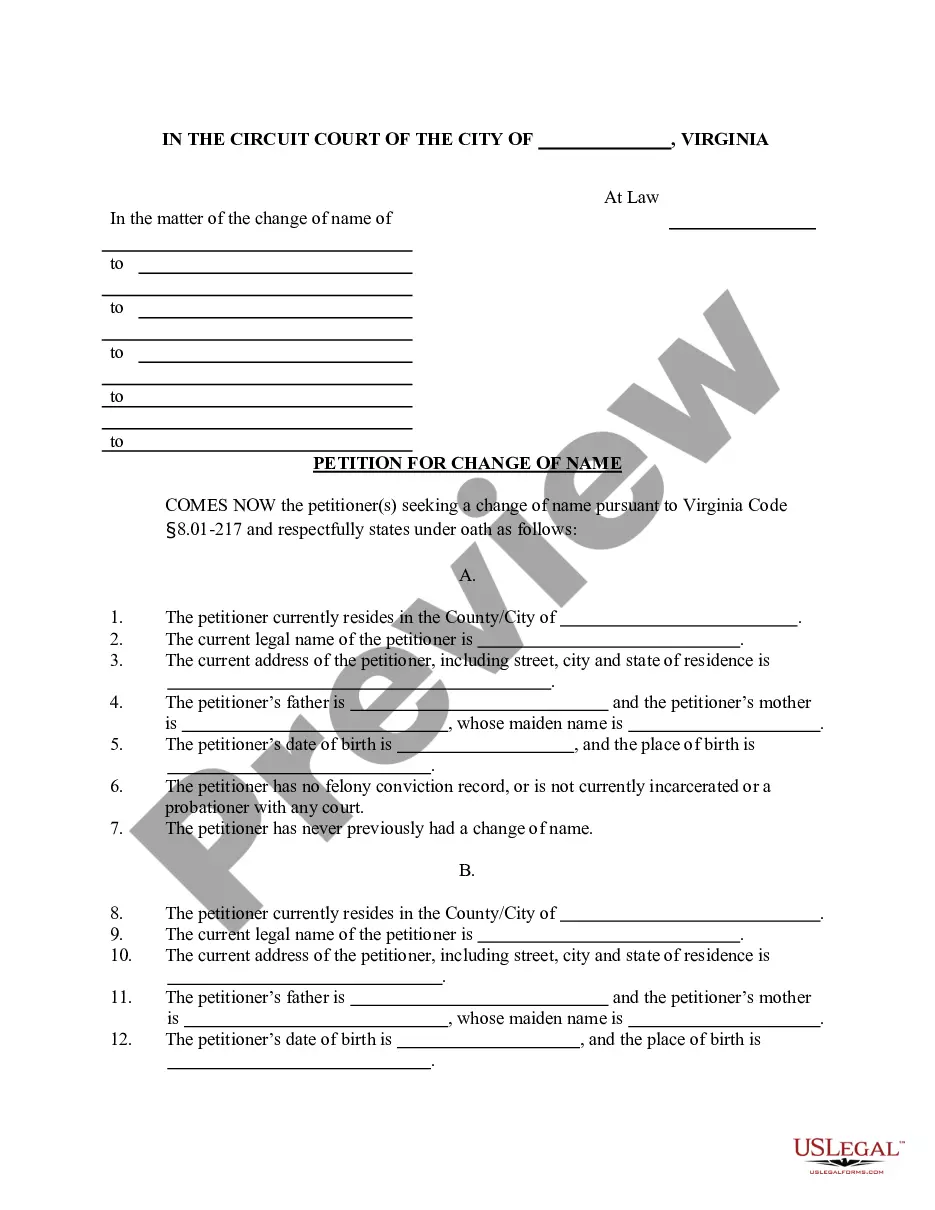

How to fill out Personal Residence Trust?
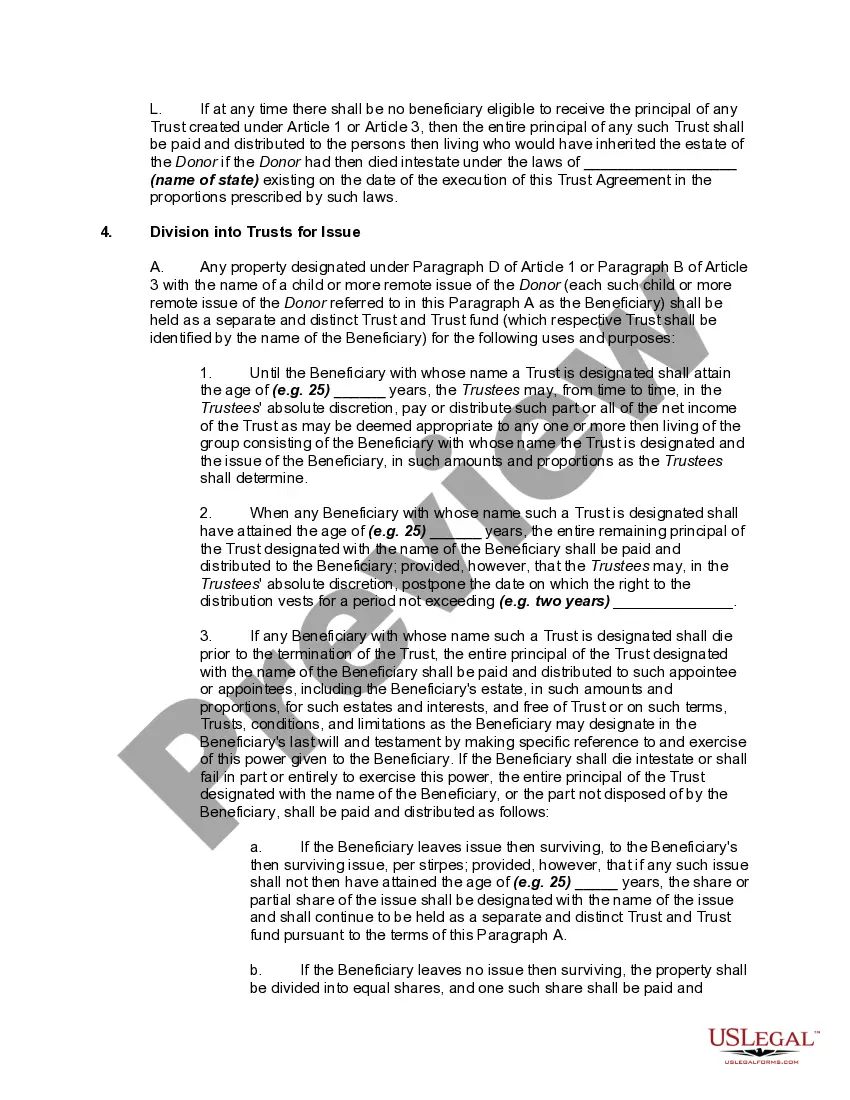
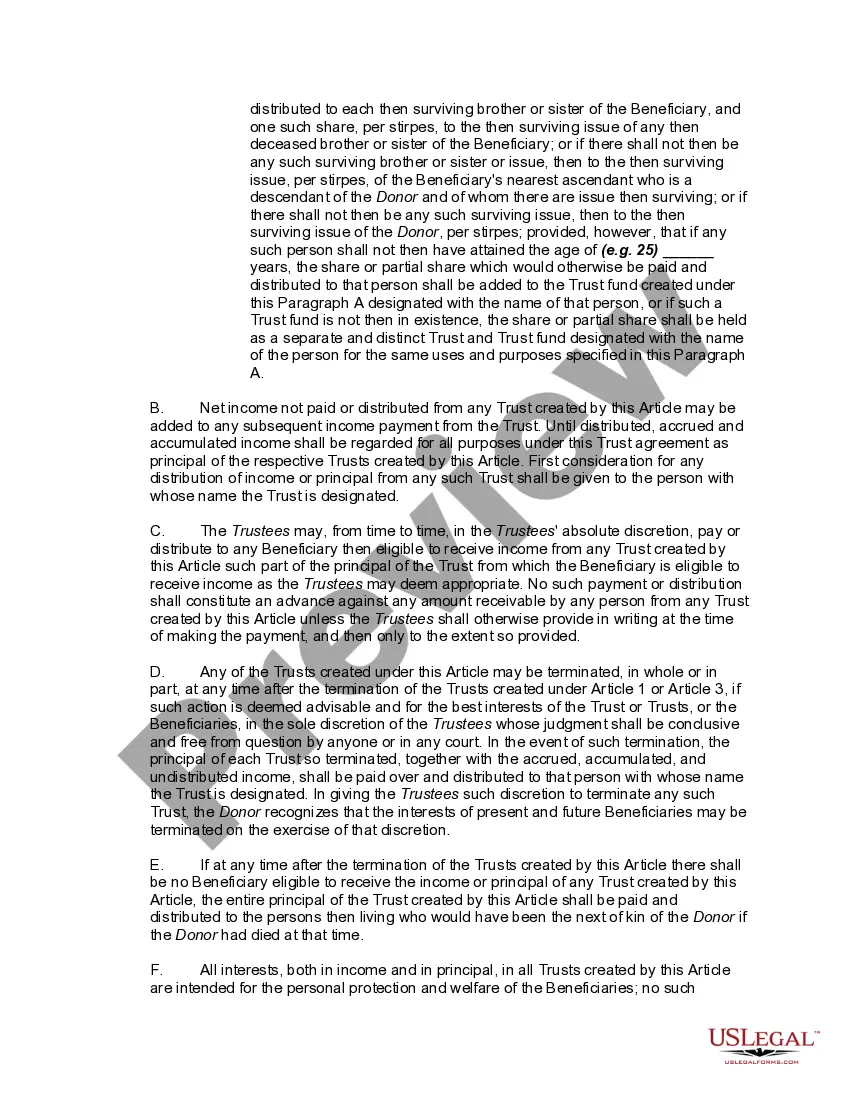
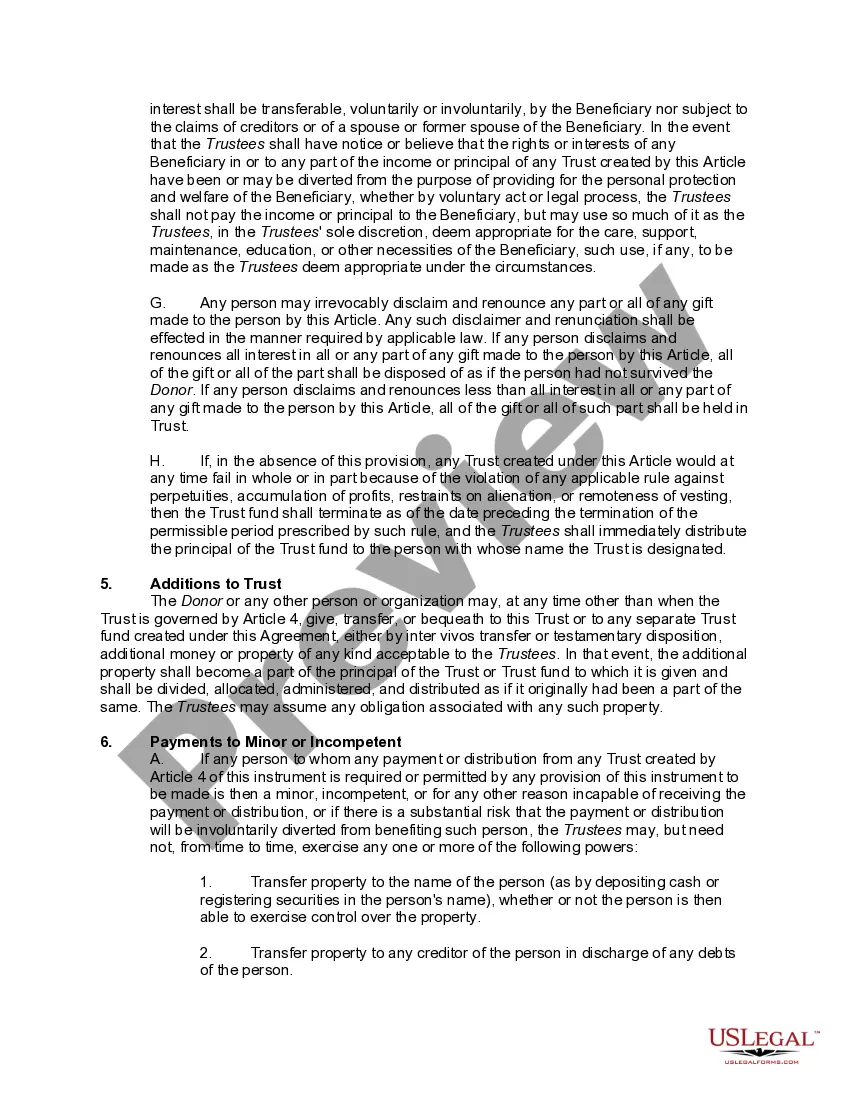
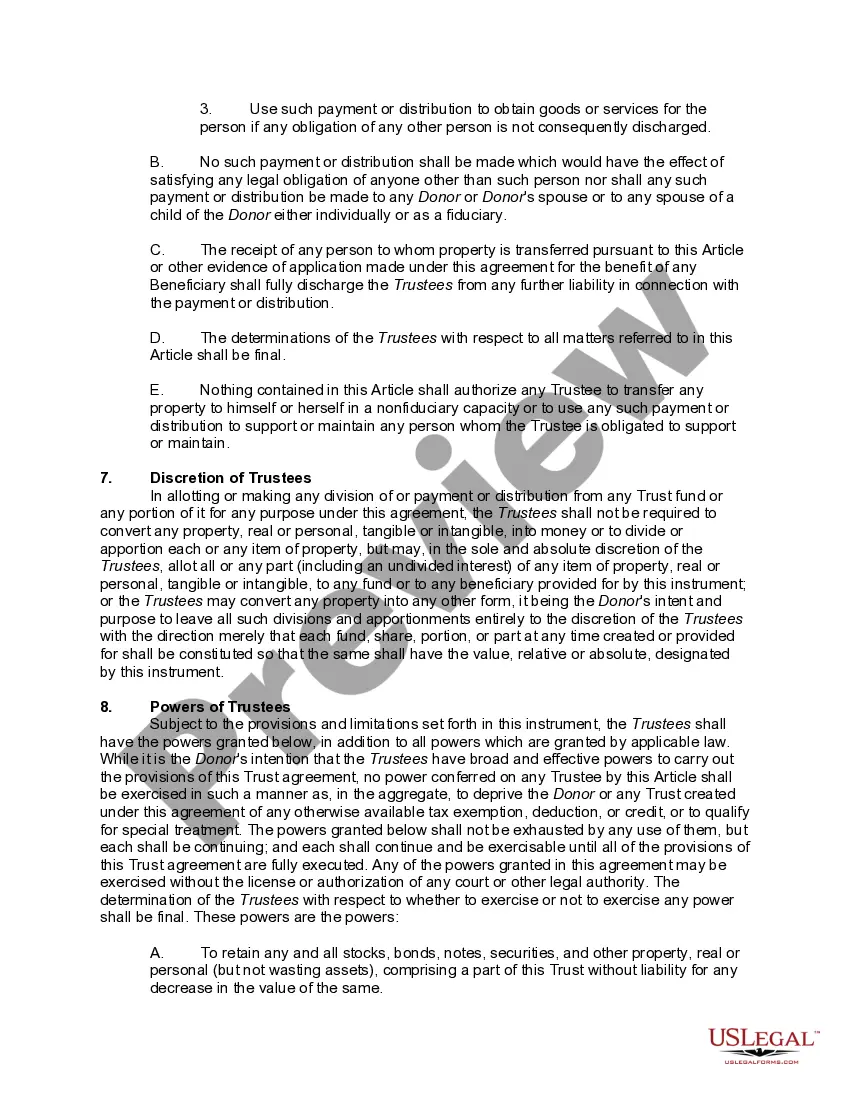
Whether for business purposes or for personal affairs, everybody has to deal with legal situations sooner or later in their life. Filling out legal documents needs careful attention, beginning from picking the appropriate form sample. For instance, when you select a wrong edition of a Trust Personal Residence With Acreage, it will be rejected once you submit it. It is therefore essential to have a trustworthy source of legal papers like US Legal Forms.
If you need to get a Trust Personal Residence With Acreage sample, follow these simple steps:
- Get the sample you need by using the search field or catalog navigation.
- Look through the form’s description to make sure it matches your case, state, and region.
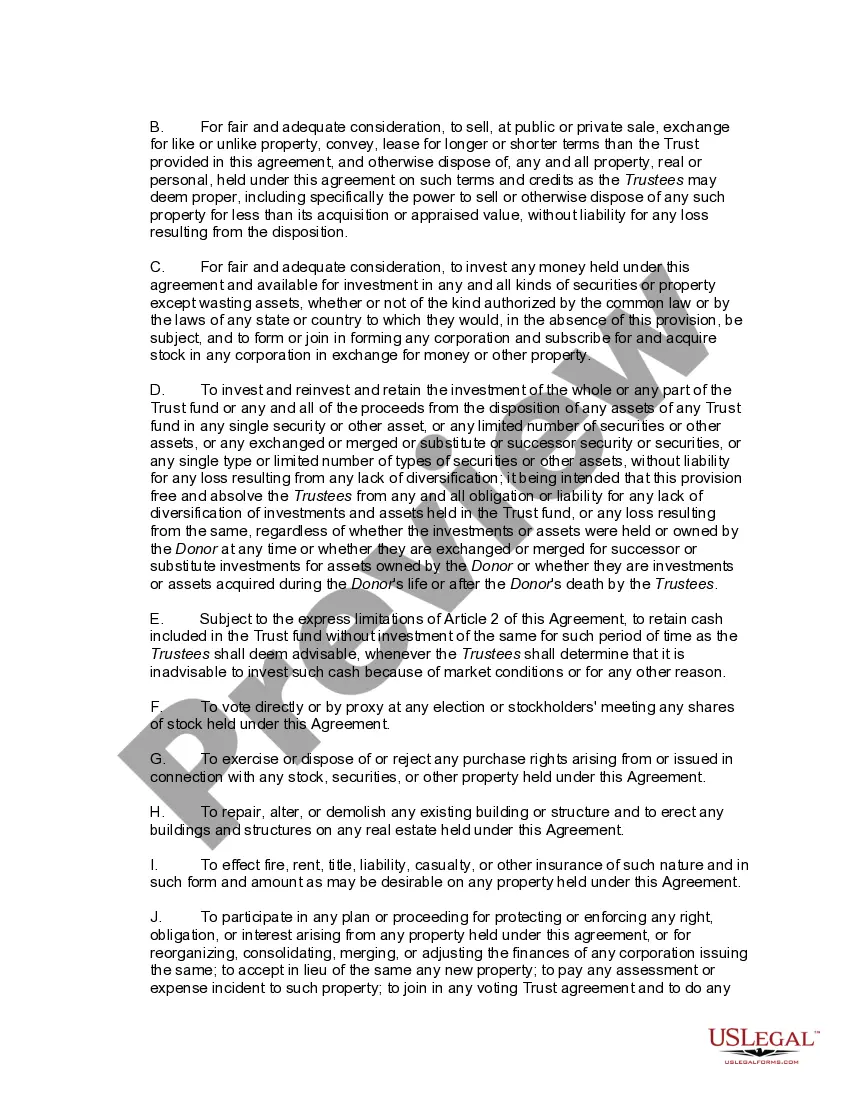
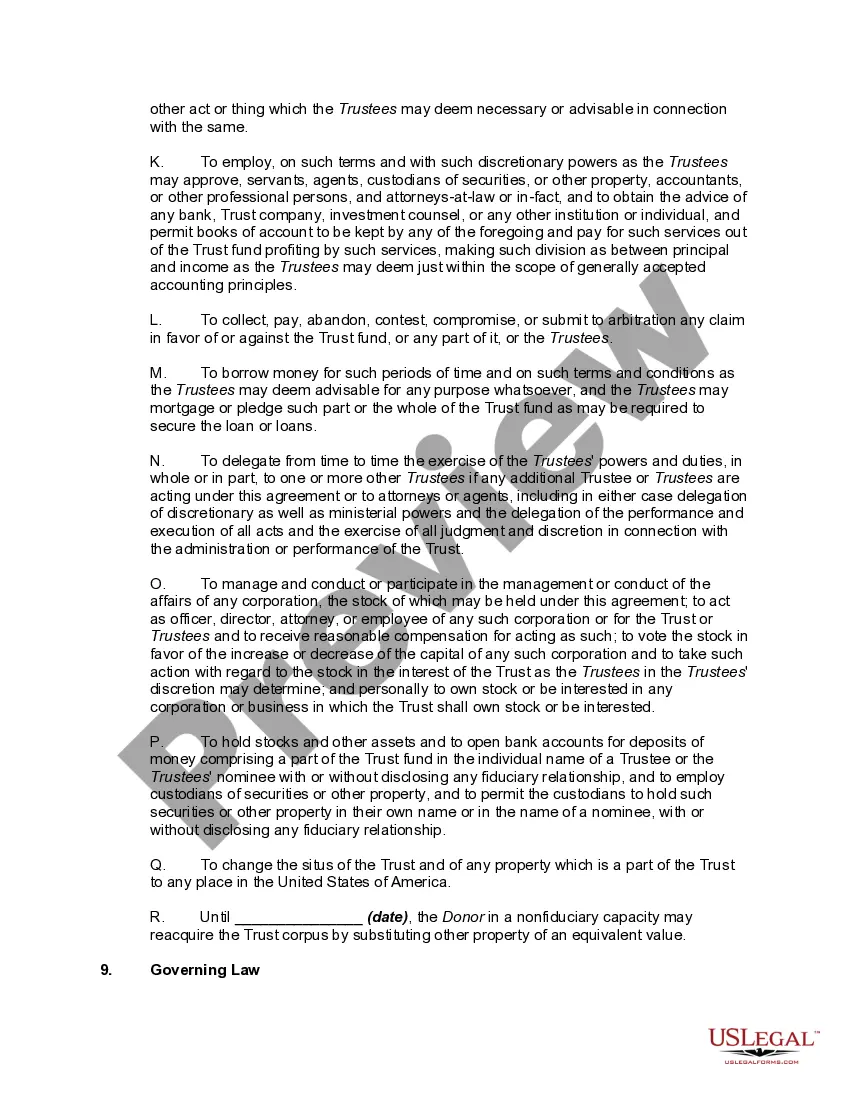
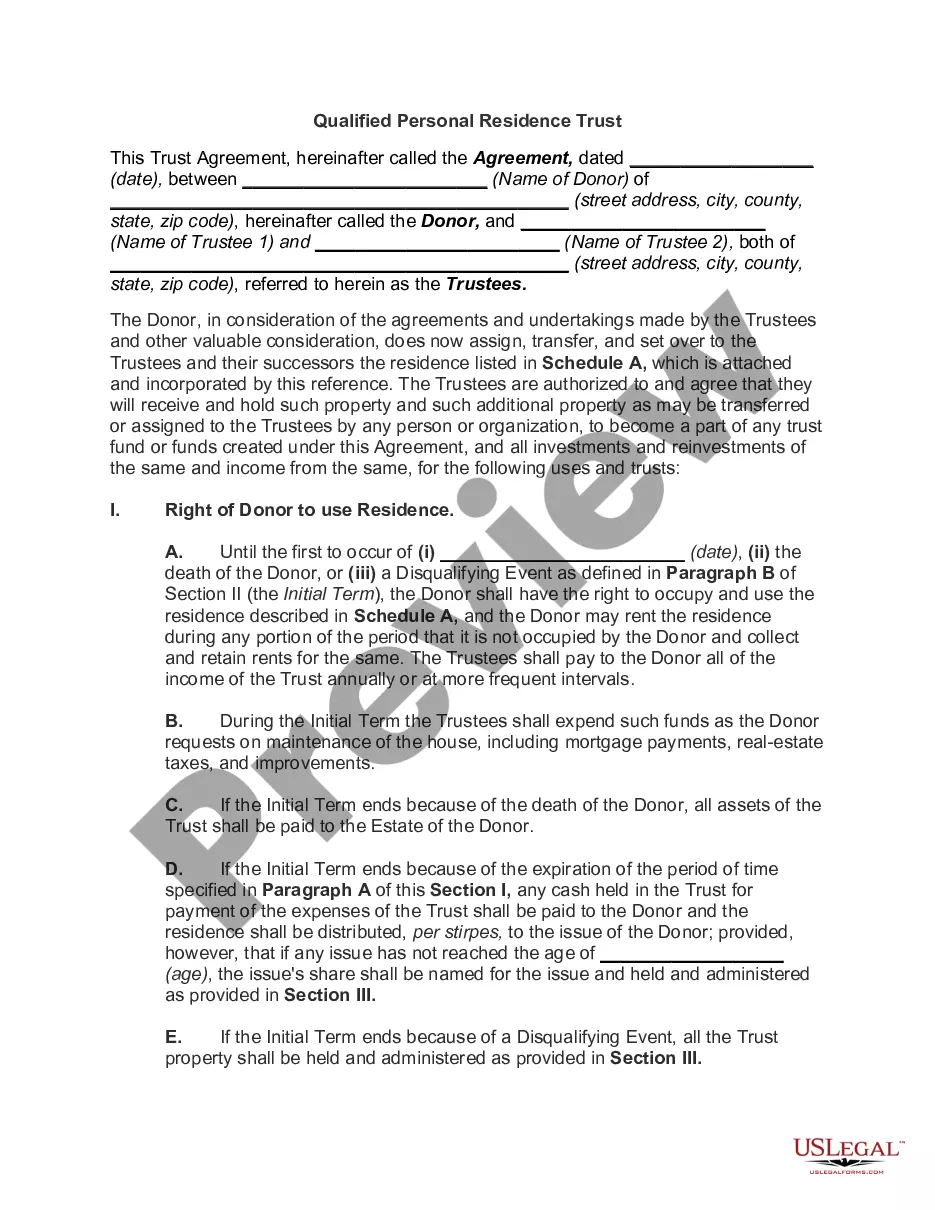
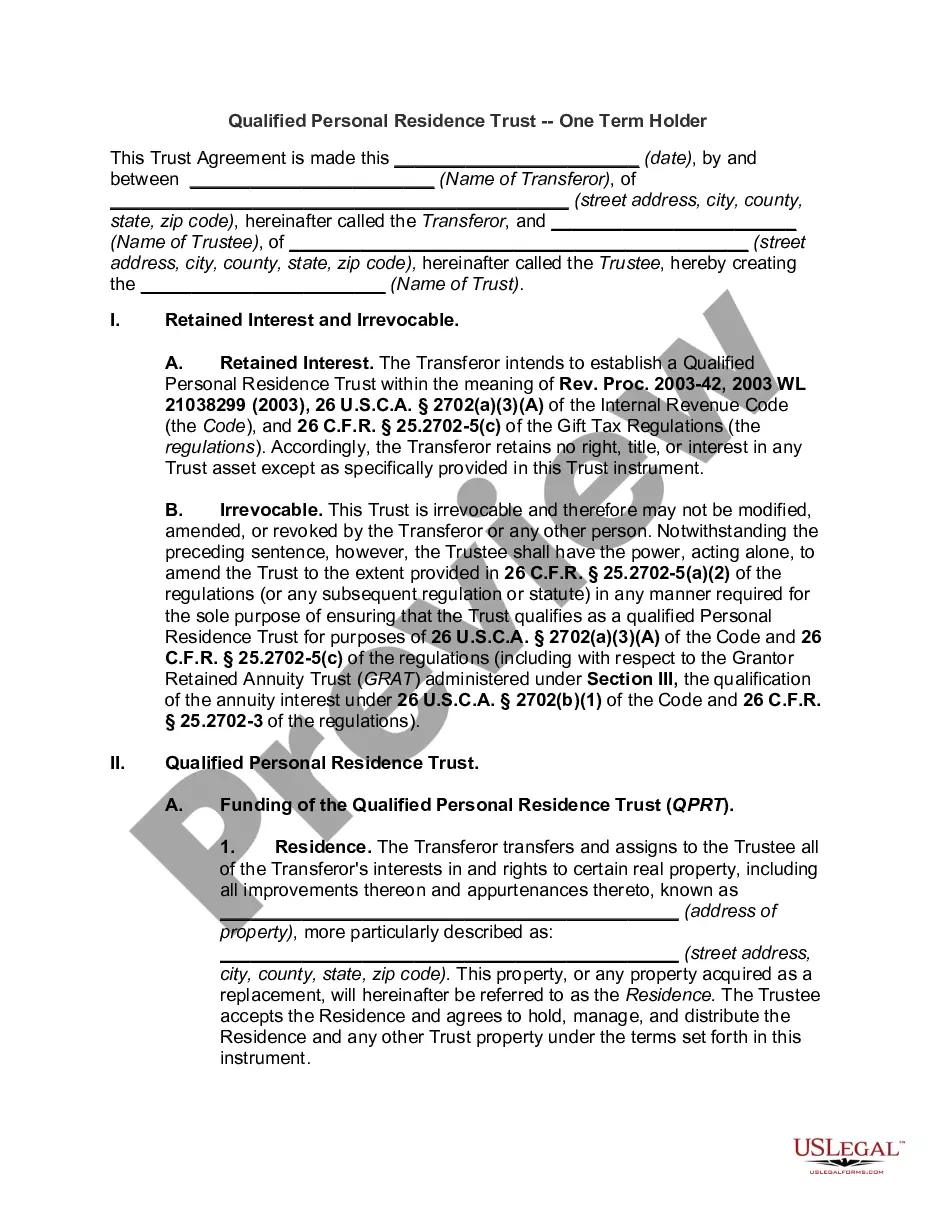
- Click on the form’s preview to view it.
- If it is the wrong form, go back to the search function to find the Trust Personal Residence With Acreage sample you need.
- Get the file when it matches your needs.
- If you have a US Legal Forms account, simply click Log in to access previously saved templates in My Forms.
- In the event you don’t have an account yet, you can download the form by clicking Buy now.
- Select the appropriate pricing option.
- Finish the account registration form.
- Select your payment method: use a bank card or PayPal account.
- Select the document format you want and download the Trust Personal Residence With Acreage.
- After it is saved, you can fill out the form by using editing applications or print it and finish it manually.
With a substantial US Legal Forms catalog at hand, you never have to spend time searching for the right sample across the internet. Utilize the library’s easy navigation to find the correct form for any occasion.
Form popularity
FAQ
Trust property is also referred to as "trust assets" or "trust corpus."
Assets that should not be used to fund your living trust include: Qualified retirement accounts ? 401ks, IRAs, 403(b)s, qualified annuities. Health saving accounts (HSAs) Medical saving accounts (MSAs) Uniform Transfers to Minors (UTMAs) Uniform Gifts to Minors (UGMAs) Life insurance. Motor vehicles.
The key disadvantages of placing a house in a trust include the following: Extra paperwork: Moving property in a trust requires the house owner to transfer the asset's legal title. This involves preparing and signing an additional deed, and some people may consider this cumbersome.
A Land Trust establishes a form of property ownership by way of a private agreement. Under this arrangement, a trustee agrees to take title to property for the benefit of a third party(s) called the ?beneficiary?.
It excludes up to $250,000 for individuals and $500,000 for couples. Section 121 (d)(9)(C) stipulates that the exclusion also applies if a trust sells a property where the grantor or the heir uses the home as the primary residence.