Trust Form Estate Document Without Comments
Description
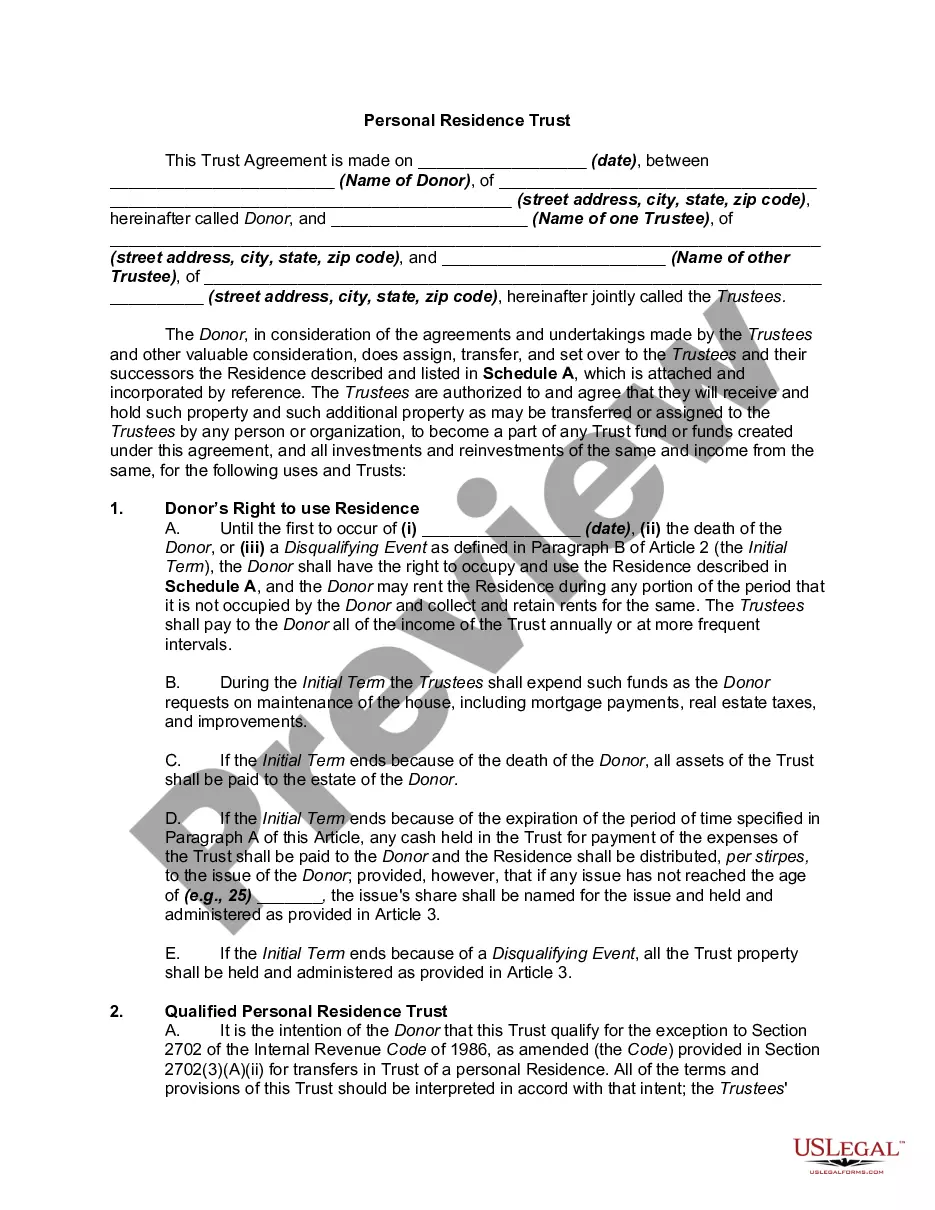
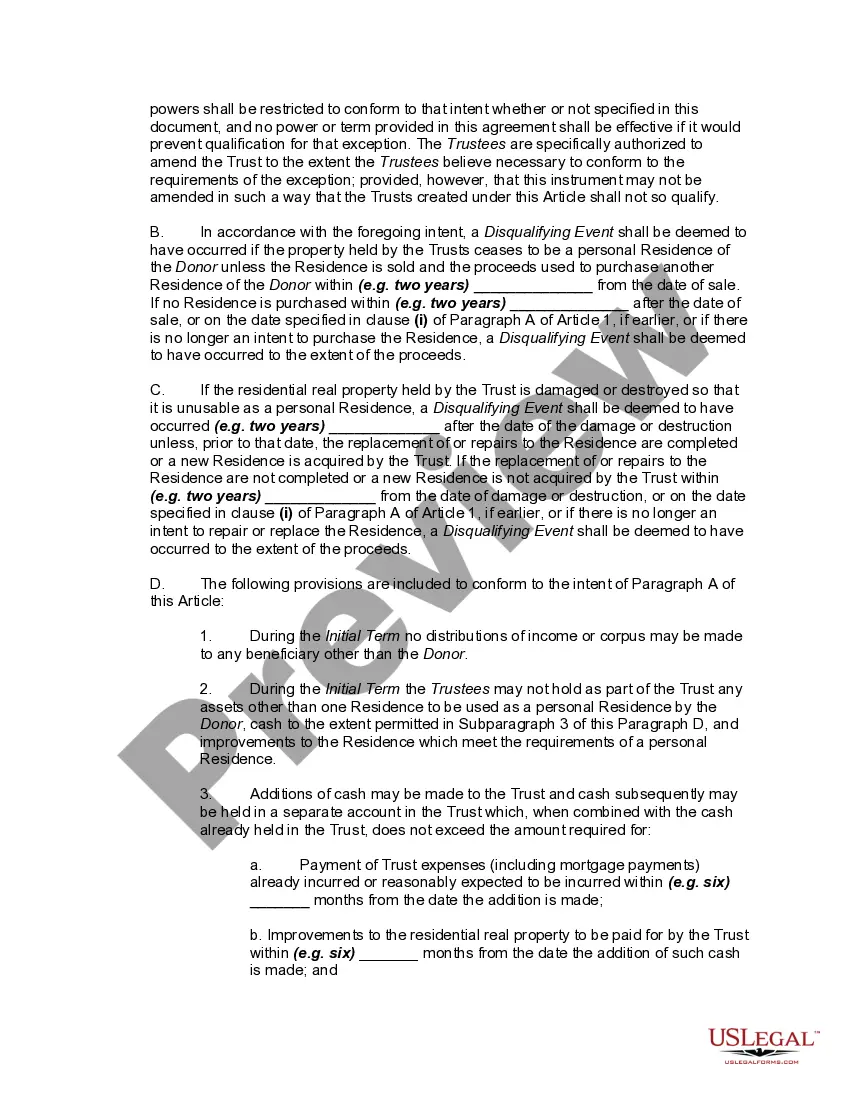
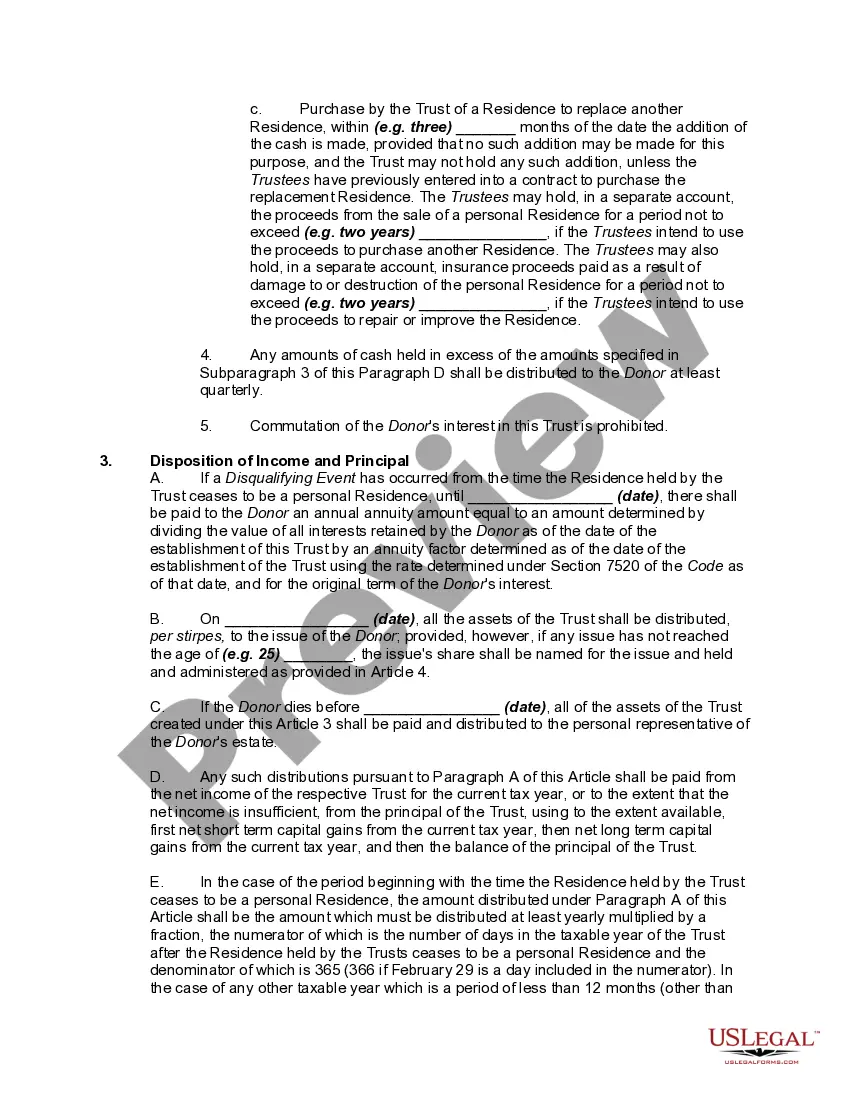
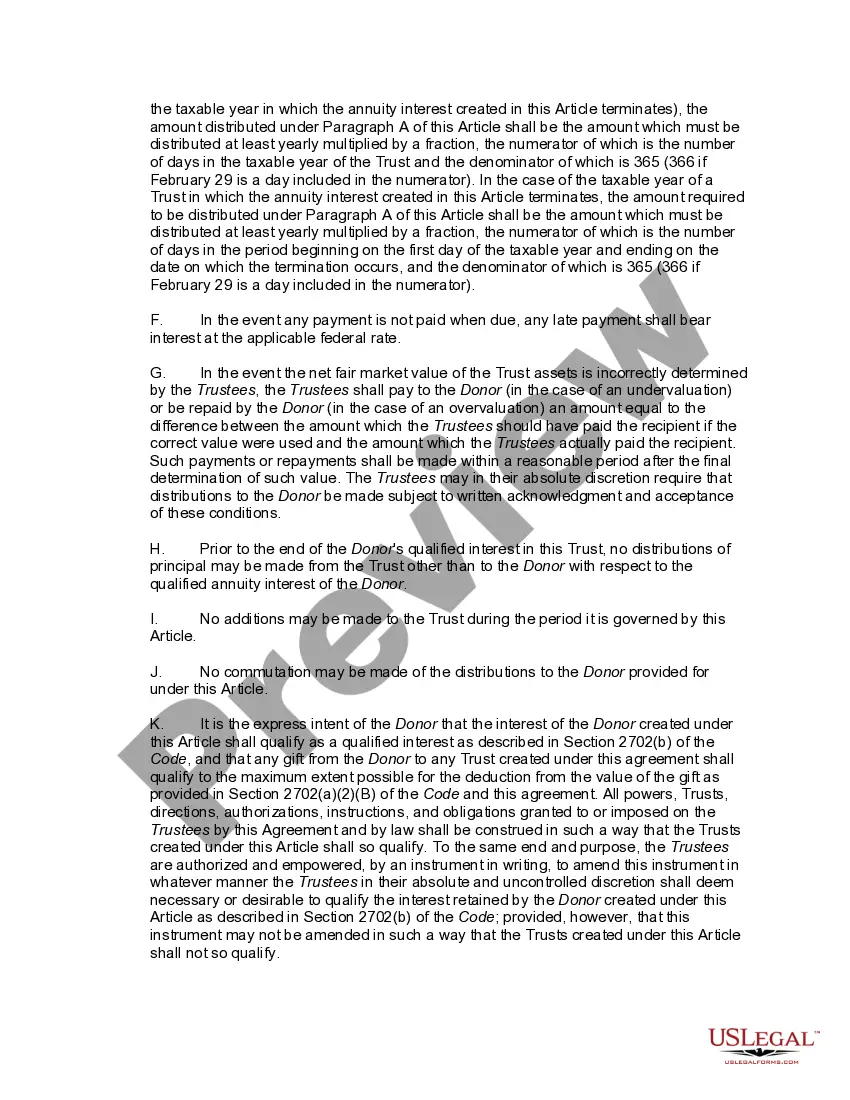

Get your form ready online
Our built-in tools help you complete, sign, share, and store your documents in one place.
Make edits, fill in missing information, and update formatting in US Legal Forms—just like you would in MS Word.
Download a copy, print it, send it by email, or mail it via USPS—whatever works best for your next step.
Sign and collect signatures with our SignNow integration. Send to multiple recipients, set reminders, and more. Go Premium to unlock E-Sign.
If this form requires notarization, complete it online through a secure video call—no need to meet a notary in person or wait for an appointment.
We protect your documents and personal data by following strict security and privacy standards.

Make edits, fill in missing information, and update formatting in US Legal Forms—just like you would in MS Word.

Download a copy, print it, send it by email, or mail it via USPS—whatever works best for your next step.

Sign and collect signatures with our SignNow integration. Send to multiple recipients, set reminders, and more. Go Premium to unlock E-Sign.

If this form requires notarization, complete it online through a secure video call—no need to meet a notary in person or wait for an appointment.

We protect your documents and personal data by following strict security and privacy standards.
Looking for another form?

How to fill out Personal Residence Trust?
Whether for corporate reasons or personal matters, everyone must handle legal issues at some juncture in their lives.
Completing legal documents requires meticulous care, starting with selecting the appropriate form template.
With an extensive US Legal Forms catalog available, you don't have to waste time searching the web for the right sample. Utilize the library’s straightforward navigation to find the appropriate template for any occasion.
- Obtain the document you need through the search bar or catalog options.
- Review the form’s details to ensure it aligns with your situation, jurisdiction, and area.
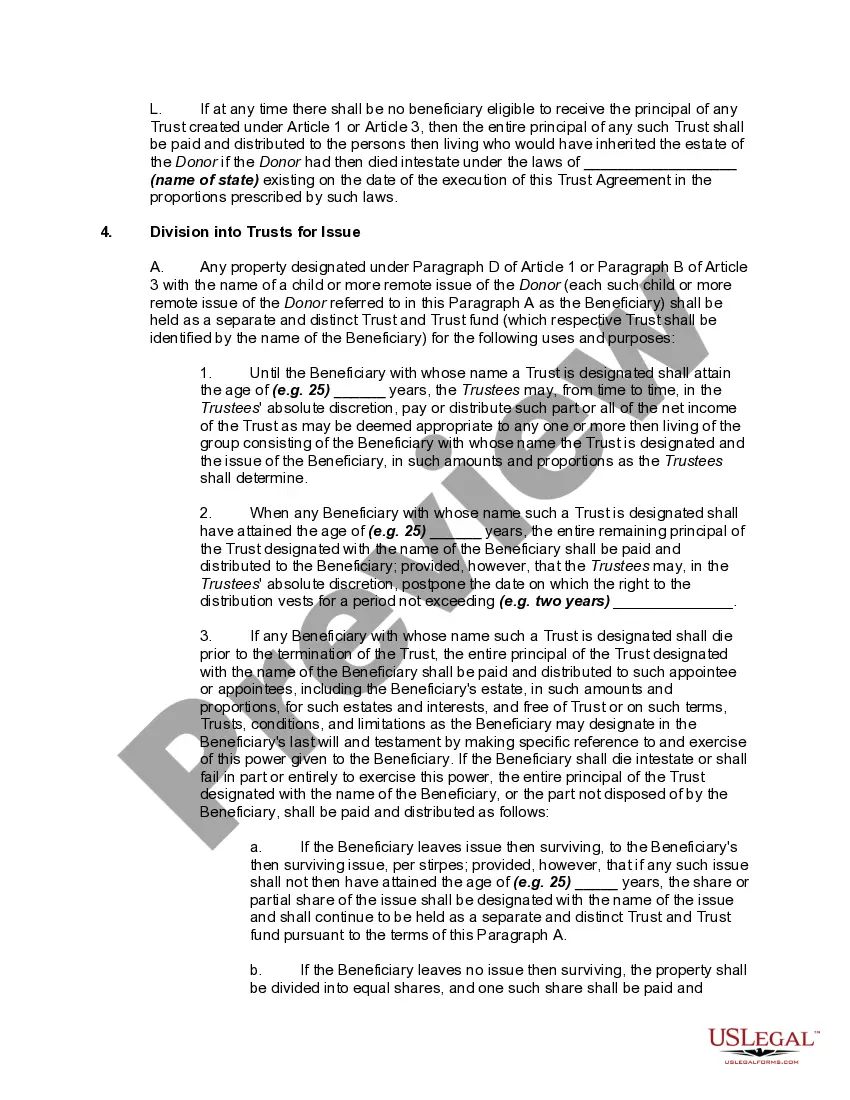
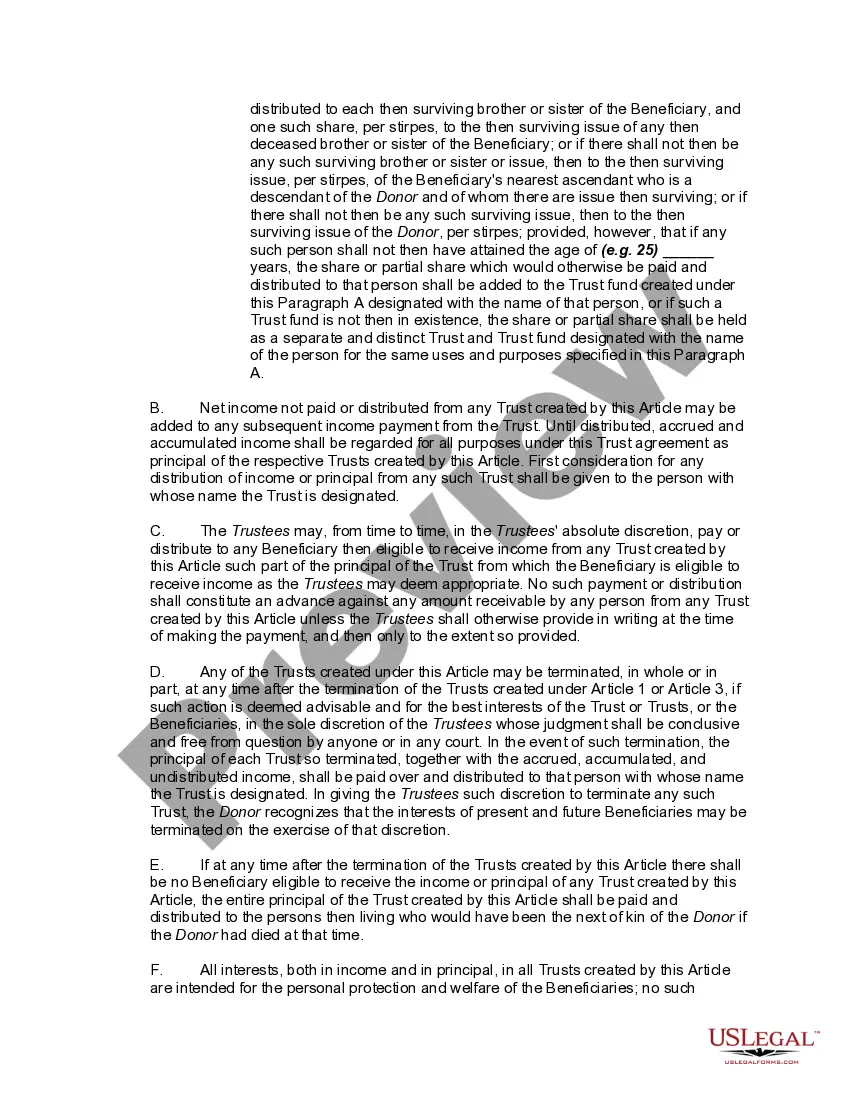
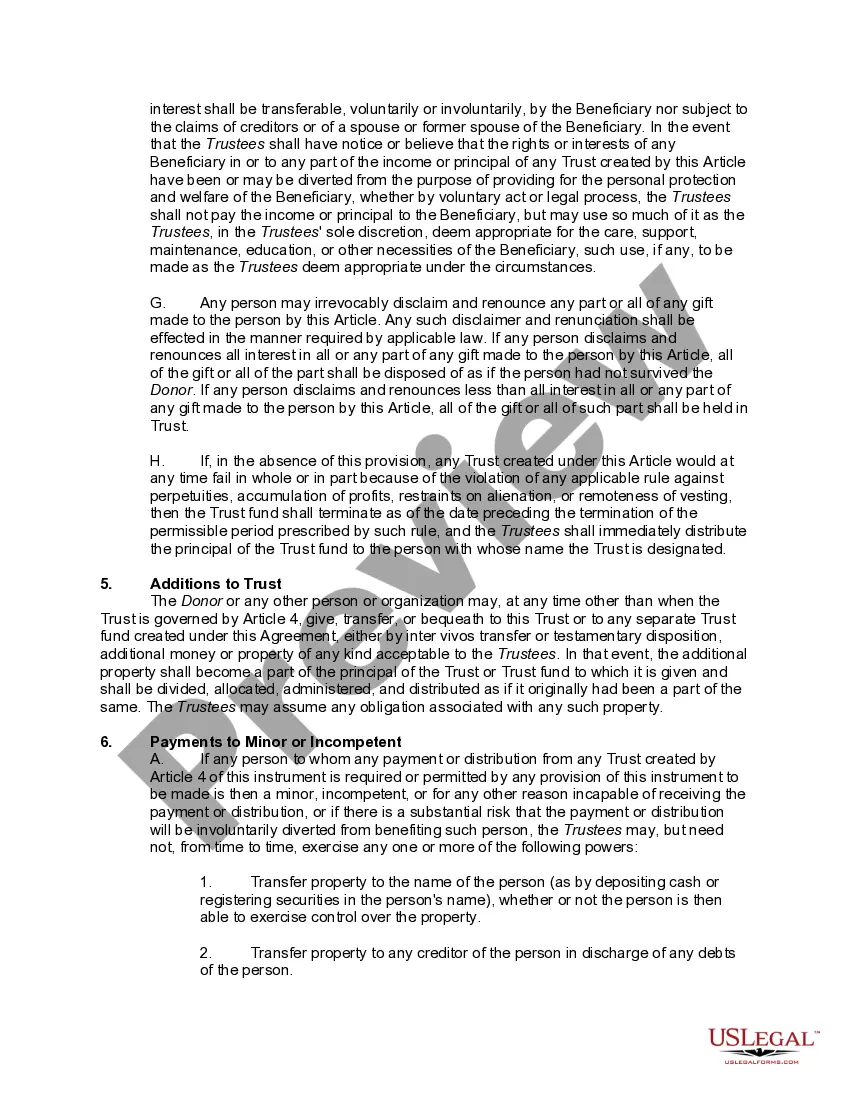
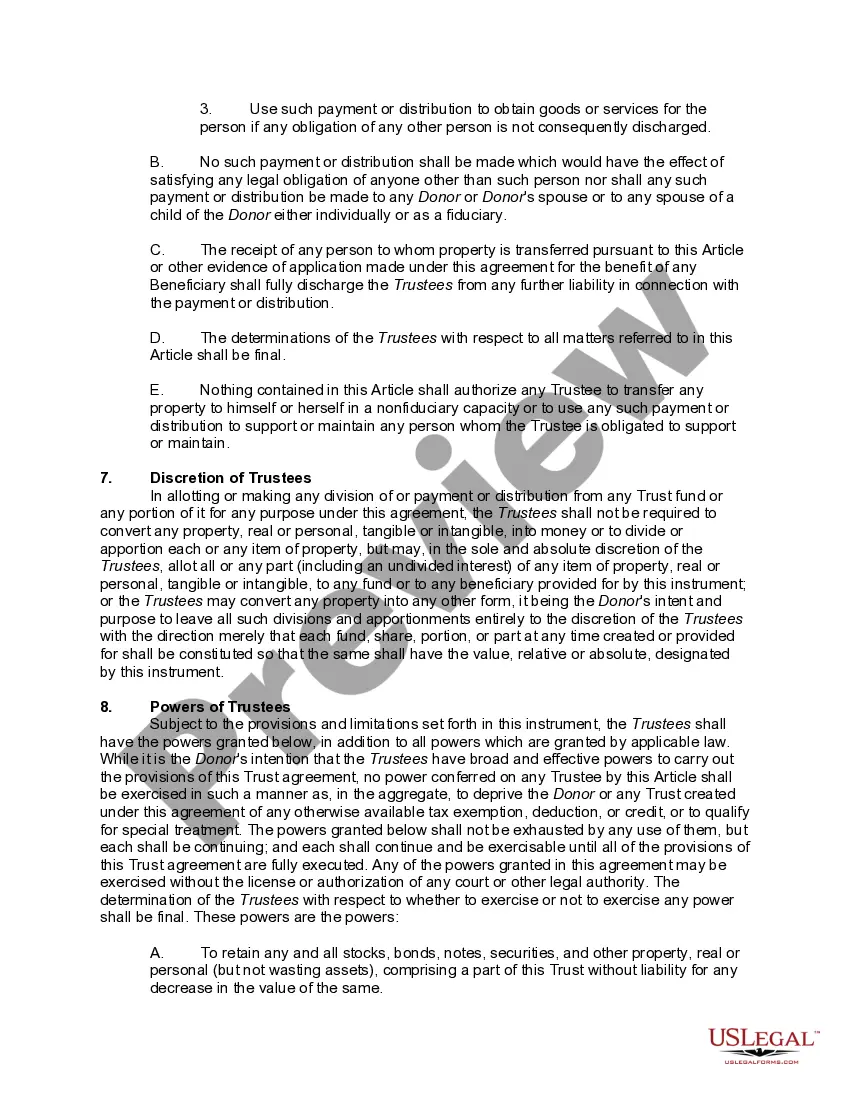
- Click on the form’s preview to examine it.
- If it is not the correct document, return to the search feature to find the Trust Form Estate Document Without Comments sample you need.
- Download the file once it suits your criteria.
- If you already possess a US Legal Forms account, simply click Log in to access previously saved templates in My documents.
- If you don’t yet have an account, you may acquire the form by selecting Buy now.
- Choose the suitable pricing option.
- Fill out the profile registration form.
- Select your payment method: either a credit card or a PayPal account.
- Choose the document format you prefer and download the Trust Form Estate Document Without Comments.
- Once downloaded, you can fill in the form using editing software or print it out to complete it manually.
Form popularity
FAQ
Assets that should not be used to fund your living trust include: Qualified retirement accounts ? 401ks, IRAs, 403(b)s, qualified annuities. Health saving accounts (HSAs) Medical saving accounts (MSAs) Uniform Transfers to Minors (UTMAs) Uniform Gifts to Minors (UGMAs) Life insurance. Motor vehicles.
The Trustee should be someone who can get along and have a good relationship with the beneficiaries of your trust. They should also possess good record-keeping abilities. In many cases, you may want to consider appointing co-trustees. A Trustee is required to abide by the terms of a trust.
Without any laws, most trusts tend to be named after their creator(s) along with the date of creation. An example would be ?John and Jane Doe Revocable Trust dated 10/11/12.?
Bare trusts This means the assets set aside by the settlor will always go directly to the intended beneficiary. Bare trusts are often used to pass assets to young people - the trustees look after them until the beneficiary is old enough.
That really depends on which benefits are most important to you. But, generally, the consensus among advisers and estate attorneys is that the trust laws of South Dakota and Nevada offer the best combination of tax benefits, asset protection, trust longevity and flexible decanting provisions. Why Do I Need a Trust?